 Intellect Plus
Cards starting with W
29,907 cards. Page 135 of 499.
 Why 'gay-friendly' labels are more than just a marketing tacticFor many LGBTQ individuals, a gay-friendly label is a vital indicator of safety and dignity. Beyond branding, these spaces represent a strategic response to systemic stigma, influ…
 Why 'If' doesn't always mean what we think it meansWhen you say, 'If I had won the lottery, I would have bought a boat,' you are describing a world that doesn't exist. But how does our brain distinguish these imaginary scenarios f…
 Why 'learning by doing' is more than just a classroom activityTrue mastery isn't found in rote memorization or smooth paths to knowledge. Project-based learning (PBL) flips the script, demanding that students navigate real-world complexity t…
 Why 'mine' and 'my' are not the same wordUnderstanding the subtle distinction between possessive adjectives and possessive pronouns is key to mastering Standard American English. This video explains how to navigate these…
 Why 'Mother of God' is more than just a title for MaryIn Eastern Christianity, the term Theotokos isn't just a poetic honorific; it is a precise theological shield. By defining Mary as 'God-Bearer,' the early Church sought to protect…
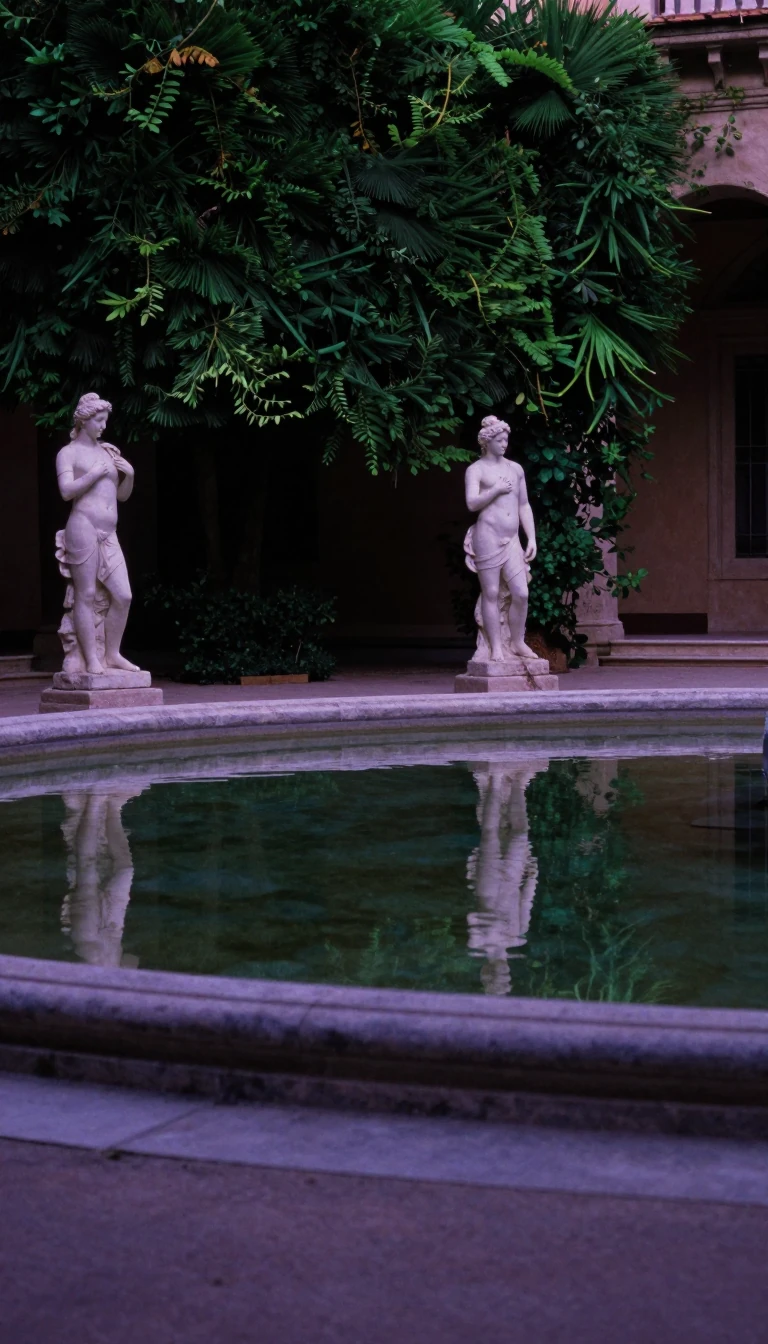 Why 'natural' doesn't automatically mean 'good' in moral philosophyWe often assume that because something exists in nature, it is inherently right or good. In philosophy, this shortcut is known as the naturalistic fallacy. By examining how we def…
 Why 'passive' television is a trap for developing young mindsMost children's programming treats kids as spectators, but puppeteer Shari Lewis saw it differently. She believed that watching TV often puts children into a 'stupor' of boredom. …
 Why 'Please' in Uganda Never Means Please and Other Linguistic Quirks of UglishUgandan English, or Uglish, is a distinct variety of English shaped by the country's rich linguistic diversity. From unique phonological rules that transform common words to a voc…
 Why 'real' commerce is more than just a simple transactionMost of us view economics as a series of simple exchanges, but what if the true engine of society is something far more complex? This lecture explores the hidden social and politi…
 Why 'referendums' is arguably more correct than 'referenda' as a pluralReferendum is a Latin gerundive from referre, to carry back, as in a proposal that must be carried back to the people. Grammatically, the Latin plural referenda would mean several…
 Why 'relaxed' posture is making you look heavier on cameraThe common advice to look 'relaxed and comfortable' on television can actually backfire. When you lean back, the camera captures your stomach more clearly than your face, creating…
 Why 'scot-free' has nothing to do with ScotlandMany believe the term 'scot-free' refers to escaping Scottish justice, but the true origin lies in an ancient word for taxation.
 Why 'straight' lines are never actually straight in navigationIf you steer a ship or plane on a constant bearing, you aren't necessarily traveling in a straight line. Because of the Earth's curvature, maintaining a fixed heading creates a rh…
 Why 'Youth' Comics Are Actually Marketed to Grown MenIn Japan, the term 'seinen' translates to 'youth,' yet it defines a massive manga category for adult men. This linguistic quirk hides a complex history of shifting demographics, w…
 Why "Can you open the window?" is not really a questionTaken literally, a teacher asking whether you can open the window is enquiring about your arm strength. Everyone hears a request instead. That gap between what a sentence says and…
 Why 1 + 2 × 3 equals seven, not nineOrder of operations ranks arithmetic so expressions stay unambiguous. Multiplication outranks addition—hence 1 + 2 × 3 is 7, not 9—a convention baked into modern algebra. Parenthe…
 Why 1.0 and 1 are not quite the same number to a scientistWrite 1 and you are claiming one digit of certainty; write 1.0 and you are claiming two. Significant figures are the digits in a measurement that genuinely carry information, and …
 Why 1.5 million people die annually from the simple act of drinking waterWaterborne diseases are not just a relic of history but a persistent global crisis. Driven by pathogens, chemical pollutants, and crumbling infrastructure, these illnesses claim 1…
 Why 1080p is the most misunderstood standard in modern digital display technologyYou likely see the 1080p label on everything from smartphones to gaming consoles, but the term is often a marketing mask. While it promises Full HD, it frequently hides technical …
 Why 117 million people are currently living away from their homes by forceForced displacement is no longer just a humanitarian crisis; it is a profound global development challenge. With over 117 million people uprooted by conflict, persecution, and dis…
 Why 1337 is the ultimate starting point for understanding Europe's transformation into modernity.This video examines the year 1337 as a pivotal turning point in European history. It explains how the 14th century's crises, including the Little Ice Age and the Black Death, resh…
 Why 14.7:1 is the magic number for gasoline combustionEver wondered why internal combustion engines rely on a specific ratio of air to fuel? This video breaks down the fundamental chemistry that dictates how gasoline burns.
 Why 16-bit computing defined the transition from room-sized machines to the modern eraBefore 32-bit systems dominated, 16-bit architecture bridged the gap between early experimental computers and the personal computing revolution. By standardizing data units and me…
- Why 16th-century navigators turned their backs to the sun to find their way homeBefore the sextant, sailors relied on the backstaff to measure solar altitude. By keeping the sun at their back, they avoided the blinding glare of direct observation. Invented by…
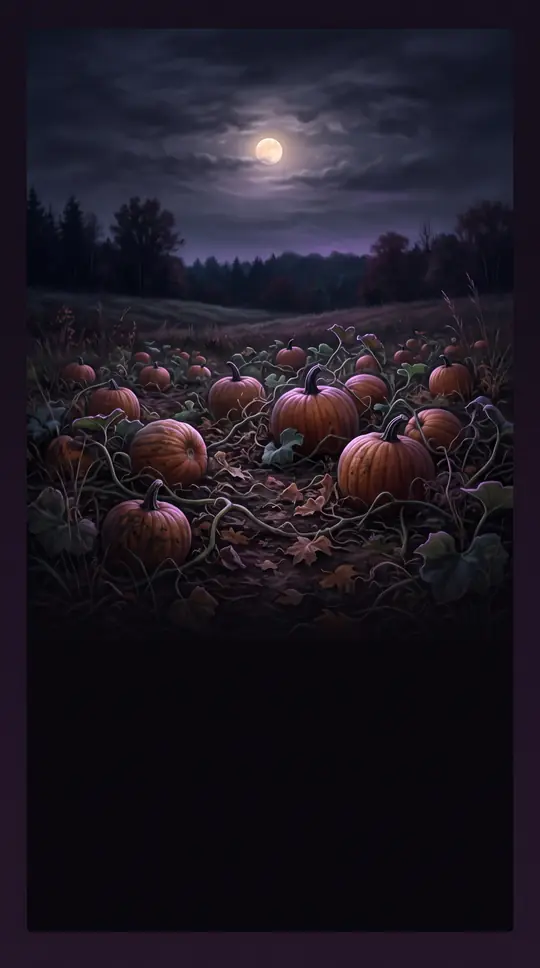 Why 17th-century aristocrats stuffed rice pudding into animal intestinesIn the late 1600s, a luxury dessert looked more like a sausage. Using Robert May's 1658 culinary guide, we discover how historical recipes used animal casings to create unique tex…
 Why 18th-century astronomers hunted for a planet that never actually existedThe European Space Agency's Hera mission is investigating asteroid systems that threaten Earth. This video explores the history of asteroid discovery, tracing the shift from searc…
 Why 18th-century British men were mocked for calling themselves pastaIn the 1700s, young British men returning from the Grand Tour adopted a flamboyant style that defied gender norms. They called themselves macaronis, a term that became a pejorativ…
 Why 18th-century cooks placed their potato pudding directly beneath roasting meatThis video recreates a 1777 recipe for potato pudding designed to be cooked in the drippings of roasting meat. It offers a fascinating look at historical kitchen efficiency and fl…
 Why 18th-century hot drinks were a necessity rather than a luxuryWhile we enjoy hot beverages today for comfort and relaxation, they served a vital purpose in the 18th century. This video explores historical warm drinks that helped people survi…
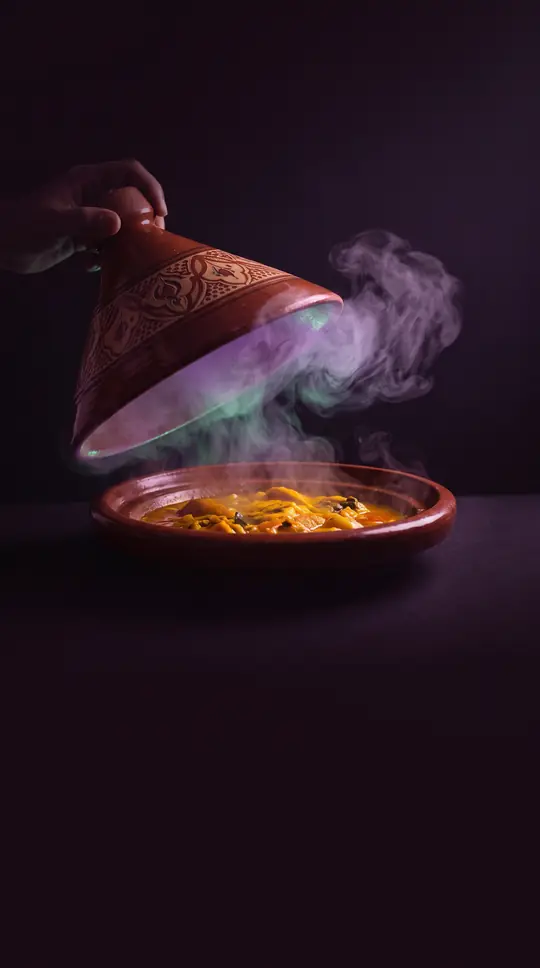 Why 18th-century pot roasts relied on nutmeg, cloves, and heavy acidityThis video demonstrates a classic pot roast recipe designed for the common worker of the era. It highlights how accessible ingredients were transformed through a surprising combin…
 Why 1916 earned its grim reputation as the definitive year of battlesThe summer of 1916 saw the First World War reach a fever pitch of simultaneous, massive engagements. From the trenches of the Somme to the brutal attrition at Verdun and the sweep…
 Why 1916 is remembered as the year that defined the Great WarAs 1916 drew to a close, the conflict remained locked in a brutal stalemate. The conclusion of the Battle of Verdun, often cited as the war in a microcosm, marked the end of a yea…
 Why 1929 Scottish baking relied on a surprising staple: riceDiscover the historical reality of Scottish baking before World War II. This video demonstrates how to recreate a 1929 Tantallon Cake recipe, debunking myths about traditional Sco…
 Why 193 nanometer immersion lithography remains the industry's true workhorseWhile extreme ultraviolet lithography captures the headlines, 193 nanometer immersion lithography has quietly powered the semiconductor industry for two decades. This video explor…
 Why 1930s Home Cooks Used Spanish as a Code for Simple Vegetable DishesA 1939 Farm Bureau cookbook recipe for Spanish Corn offers a list of ingredients but zero instructions. This vintage side dish, featuring a savory egg custard and a buttery cracke…
 Why 1938 was the pivotal year that set the stage for global conflict.This video examines the escalating crises of 1938, a year defined by brutal warfare in Asia and aggressive territorial expansion in Europe. It highlights the desperate diplomatic …
 Why 1940s Canadian Farm Cooks Called Tomato-Based Pasta Dishes Spanish MacaroniIn 1947, a community cookbook from the United Farm Women of Alberta featured a recipe for Spanish Macaroni. Despite the name, the dish has no connection to Spain. Instead, it reve…
 Why 1940s cocktail recipes often confused pomegranate with raspberry syrupThis video explores the 1948 Rum Boyd cocktail, a classic recipe from David Embury's The Fine Art of Mixing Drinks. It highlights how historical confusion between ingredients shap…
 Why 1940s Home Cooks Never Included Baking Times in Their Vintage Pie RecipesDuring the Second World War, community cookbooks like the 1943 Prince Edward Island collection offered recipes without specific baking durations. This omission was not an oversigh…
 Why 1968 became the year the world’s youth rose up against the status quoAcross the globe, 1968 saw a massive surge of protests fueled by the baby boomer generation. From anti-war demonstrations and civil rights activism to student-led strikes that nea…
 Why 1991 remains a watershed year for the evolution of modern cinemaThe year 1991 reshaped Hollywood through corporate consolidation and landmark artistic achievements. From the birth of Sony Pictures Entertainment to the unprecedented critical su…
- Why 1991's Godzilla vs. King Ghidorah remains a lightning rod for international controversyTo revitalize a flagging franchise, producers turned to time travel and Godzilla's most iconic rival. Yet, the resulting film sparked intense debate over its depiction of World Wa…
 Why 1994 stands as the definitive turning point for modern Hollywood cinemaWidely regarded as a peak era for the industry, 1994 reshaped the commercial and creative landscape of film. From massive corporate acquisitions to the birth of new studios and th…
 Why 19th-century architects looked back to the Renaissance to define their modern worldRenaissance Revival architecture was not a simple copy of the past, but a complex, hybrid movement. By blending Italian, French, and Flemish influences, 19th-century designers cre…
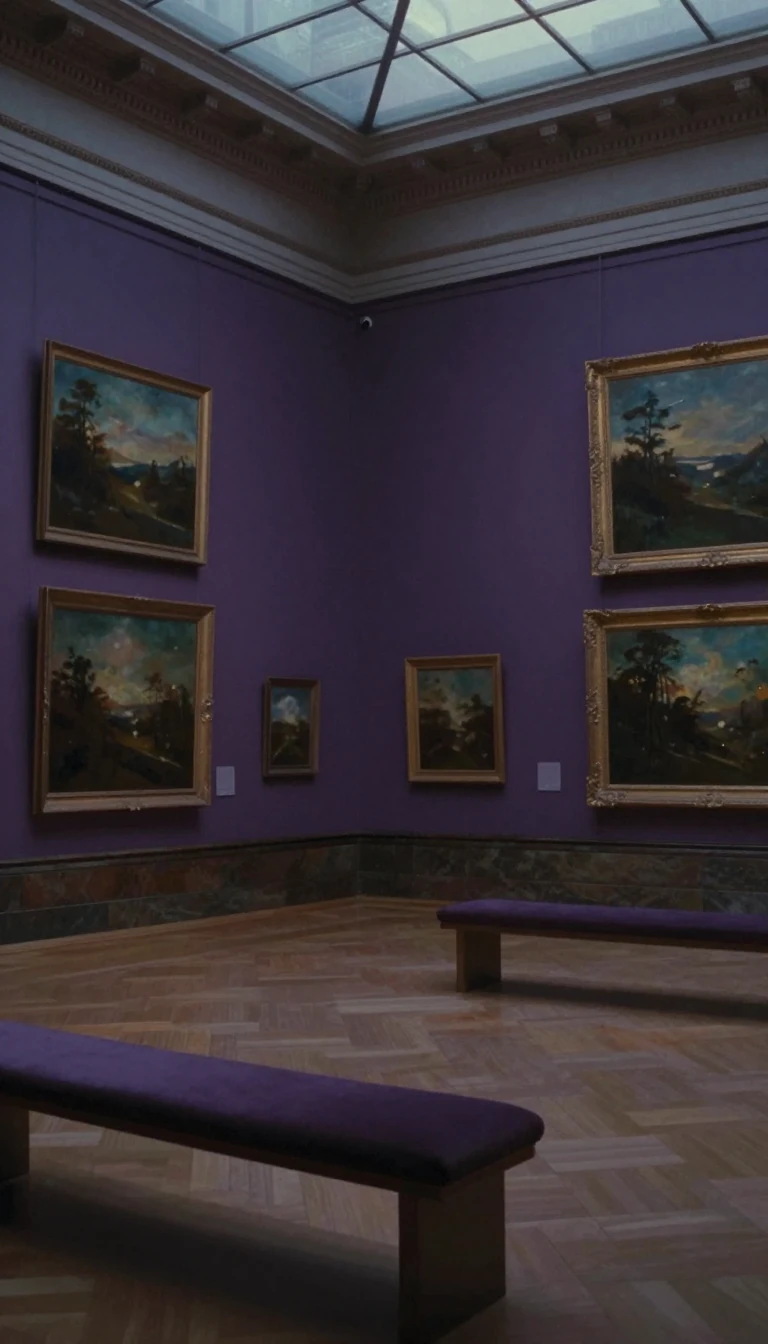 Why 19th-century artists rejected nature to worship the artificial and the perverseThe Decadent movement was a late 19th-century rebellion against the banal progress of industrial society. By prioritizing human fantasy, material excess, and aesthetic hedonism ov…
 Why 19th-century artists traded idealized beauty for the grit of the real worldIn the 1840s, a rebellious movement emerged in France to challenge the polished, romanticized art favored by state academies. Realist painters like Gustave Courbet turned their ba…
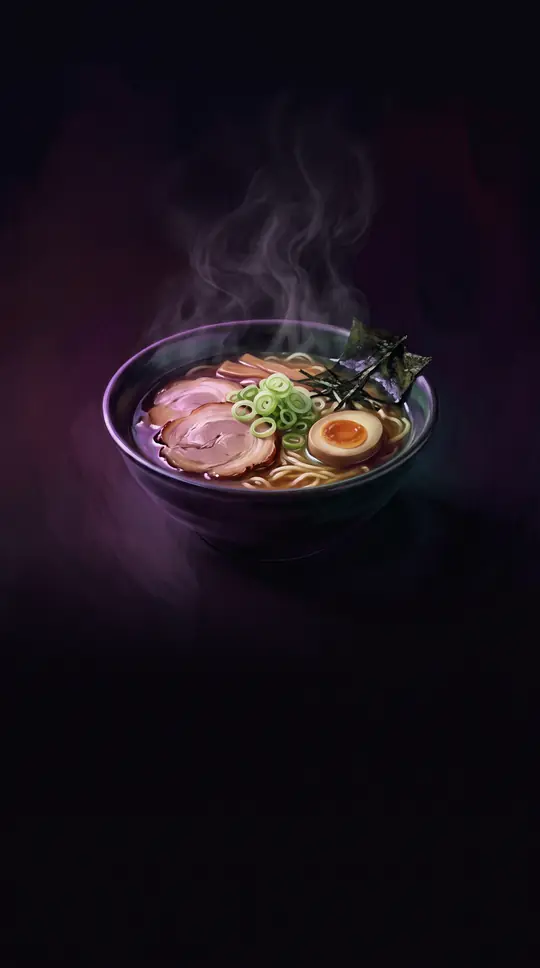 Why 19th-century bakers added sour dairy to their cookies for a better textureModern chocolate chip cookies are often thin and crispy, but vintage recipes from the mid-1800s reveal a secret for a thicker, softer result. By incorporating acidic ingredients l…
 Why 19th-century boxers adopted what looks like a ridiculous poseModern fans often find vintage boxing photos bizarre, but these stances weren't for show. This video explains why the specific posture of 1800s fighters was actually a strategic n…
 Why 19th-century brownies looked nothing like the chocolate treats we know todayThis video explores a recipe from Fannie Farmer's 1896 cookbook to investigate how the brownie evolved. You will see how the original version differs from modern chocolate brownie…
- Why 19th-century cooks added baking soda to their fried cabbageThis episode of The Old Cookbook Show explores a recipe for fried cabbage from an 1883 publication. It demonstrates how to prepare the dish using bacon grease and red pepper, whil…
 Why 19th-century farmers relied on a simple drink called switchel for hydrationBefore modern sports drinks, farmers turned to switchel to stay hydrated during long days in the field. This video explores the history and preparation of this traditional beverag…
 Why 19th-century London engineers chose to go under the ThamesAs London expanded, the need for efficient transport between riverbanks became a logistical crisis. This video explores the engineering shift from building bridges to tunneling be…
 Why 19th-century museums prioritized plaster replicas of the world's greatest artDuring the 1800s, global institutions engaged in a unique era of cooperation by creating and sharing meticulous plaster casts of iconic masterpieces. This video examines the rise …
 Why 19th-century painters traded realistic shading for bold, dark, flat outlinesIn the late 1800s, a group of artists rejected the Impressionist obsession with fleeting light, opting instead for a striking new aesthetic. By borrowing techniques from metalwork…
 Why 19th-century parents thought cages and opium were acceptable child-rearing toolsThis video examines a collection of 19th-century parenting advice that ranges from the sensible to the bizarre. It highlights historical practices that seem shocking today, such a…
- Why 19th-century readers believed in hidden cities and ancient giantsIn the 1800s, the public was primed to believe in undiscovered civilizations and giants lurking in the American West. This video examines how newspapers capitalized on this fascin…
 Why 19th-Century Scientists Preferred Admiration and Love Over Cold Mathematical ControlBetween 1800 and 1840, Romanticism challenged the Enlightenment’s mechanistic view of the world. Rather than dissecting nature into cold, isolated parts, these scientists argued t…
 Why 19th-century tightrope walkers were the original daredevilsLong before the era of viral internet fame, performers were risking everything for public attention. This video explores the high-stakes world of 19th-century tightrope walking.
 Why 2 + 2 often equals less than 5 in corporate mergersMergers are marketed as engines of growth, yet they frequently act as value destroyers. Despite the promise of synergy, a significant percentage of these deals fail to deliver on …
 Why 20 kelvin is twice 10 kelvin, but Celsius can't make that claimThe coefficient of variation divides a data set's standard deviation by its mean, turning spread into a pure, unitless ratio. That makes it ideal for comparing wildly different me…