 Intellect Plus
Cards starting with W
29,907 cards. Page 358 of 499.
 Why the Caesar is considered the quintessential Canadian cocktailDiscover the assembly of a classic Canadian staple. This video demonstrates how to build a Bloody Caesar using vodka and Clamato, exploring why it remains a distinct cultural icon…
 Why the Caldor Fire spared the Lake Tahoe communities of Christmas Valley and MeyersWhen the massive 2021 Caldor Fire reached the Lake Tahoe Basin, it threatened to destroy everything in its path. Yet, the communities of Christmas Valley and Meyers were miraculou…
 Why the Calendar Skipped 10 Days in 1582In 1582 a reform under Pope Gregory dropped 10 days and tightened the leap-year rule, because the Julian calendar's 365.25-day year ran slightly long and had let seasonal dates dr…
 Why the call for workplace authenticity can be a hidden burdenWhile 'bringing your full, authentic self to work' sounds like a progressive ideal, it often places an unfair weight on underrepresented groups. This talk explores why true equity…
 Why the calories on your food label are actually a measurement of energyWe constantly track them: the energy in a cookie or the fuel burned during a run. But a calorie is more than just a number on a nutrition label. It is a fundamental unit of energy…
 Why the calories on your food label are not what you actually burnWe often treat food energy as a simple math equation, but your body is not a bomb calorimeter. While labels estimate energy content using the Modified Atwater system, your actual …
 Why the Calvin cycle is not a dark reaction despite its common nameThe Calvin cycle is a vital engine of life, yet its nickname is misleading. It does not run in the dark; it requires light-dependent energy to function. This complex biochemical p…
 Why the Canadian assault on Juno Beach was a triumph of sheer persistenceOn 6 June 1944, Canadian forces faced some of the most formidable defenses along the Normandy coast. Despite rough seas, ineffective preliminary bombing, and heavy initial losses,…
 Why the Canadian Grand Prix has a wall named after world championsThe Canadian Grand Prix is a storied race with a unique set of challenges, from unpredictable weather to local wildlife. Its most infamous feature, however, is a concrete barrier …
 Why the Canadian House of Commons slams its doors during ceremoniesIn the Canadian Parliament, a symbolic door slam serves as a powerful reminder of legislative independence. This ritual, performed by the Usher of the Black Rod, highlights the hi…
 Why the Canadian loonie and British 50p coin share a hidden geometric secretYou might assume coins must be perfectly circular to roll smoothly, but the Canadian loonie and British 50p coin defy this expectation. This video explores the mathematical concep…
 Why the Canadian passport is legally the property of the Crown, not the citizenThough you carry it, your Canadian passport is not your personal property. Issued by the Crown, these documents have evolved from simple letters of request in 1862 to high-tech bi…
 Why the Canadian side of Niagara Falls outpaced its American twin cityWhile the twin cities of Niagara Falls share a border and a natural wonder, their fortunes diverged sharply. Since the 1960s, the American side has seen its population halved, whi…
 Why the Canary Islands are our rehearsal for MarsTo reach other worlds, we must first master the extreme environments of our own. Pangaea-X is a high-stakes test campaign where astronauts and engineers simulate planetary explora…
 Why the candidate with the most votes often loses the legislative majorityFirst-past-the-post voting is a simple system where the candidate with the most votes wins, yet it frequently produces counterintuitive results. It often creates false majorities,…
 Why the capacity for wonder is the true hallmark of the human spiritWonder is more than simple surprise; it is the engine of intellectual discovery and the foundation of philosophy. From the ancient Greeks to modern biologists, thinkers have debat…
 Why the capital of Crimea bears a Greek name for a Tatar townSimferopol sits at a crossroads of ancient history and modern geopolitical tension. Founded by the Russian Empire in 1784 upon the site of an older Crimean Tatar settlement, the c…
 Why the capital of Sarawak is named after a cat, or perhaps a wellKuching, the capital of Sarawak, is a city defined by its dual identity and contested origins. While its name is widely associated with the Malay word for cat, historians and loca…
 Why the capital of the Andaman Islands was recently renamed to Sri Vijaya PuramLong known as Port Blair, this strategic Indian capital city underwent an official name change in September 2024. Beyond its new identity, the city serves as the primary gateway t…
 Why the Capricorn constellation is the perfect home for goatsExplore the celestial connection between the Capricorn constellation and the goat, featuring a look at the star cluster Messier 30.
 Why the captain of the Planet Express ship is not the alien she believesTuranga Leela, the capable pilot of the Planet Express ship, spends years believing she is the last of a cyclopean alien race. In reality, she is a sewer mutant from 31st-century …
 Why the captain of the USS Enterprise became a cultural icon beyond science fictionJames T. Kirk is more than a fictional starship captain. From his origins as a rugged individualist to his status as a Shakespearean-inspired hero, Kirk has transcended television…
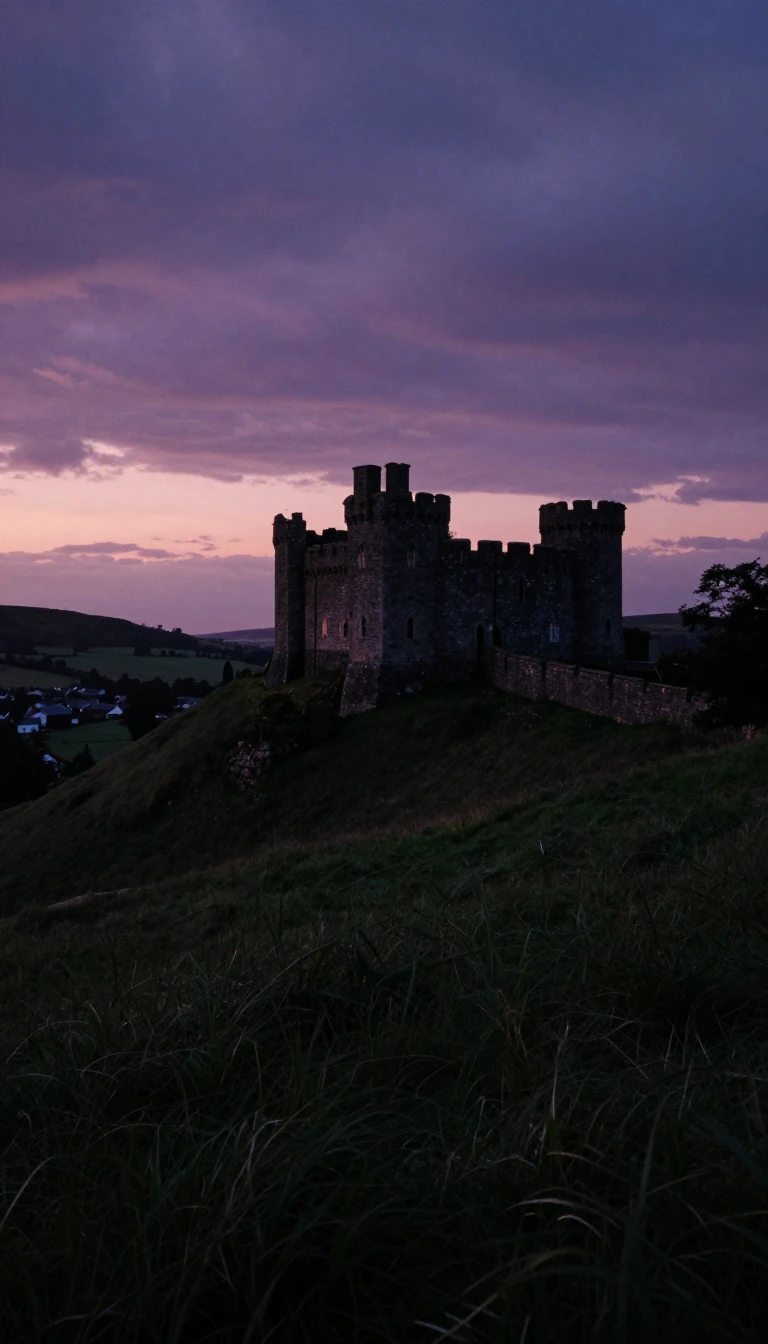 Why the capture of a mountain fortress decided the 2020 Nagorno-Karabakh WarPerched 1,600 meters above sea level, Shusha is the strategic heart of Nagorno-Karabakh. In November 2020, Azerbaijani special forces executed a daring, light-infantry assault on …
 Why the carbon group is the most diverse family in the periodic tableGroup 14 elements share a single defining trait: four valence electrons. Yet, this shared foundation produces a staggering spectrum of matter, ranging from the life-sustaining car…
 Why the carbon in your body acts as a cosmic fingerprint of your dietCarbon atoms are the fundamental building blocks of life, but not all carbon is identical. While nearly all of it exists as stable carbon-12, tiny variations in neutron counts cre…
 Why the carefree 1920s Bright Young Things were actually fueled by deep existential dreadThe legendary Bright Young Things of the 1920s are often remembered for their indulgent, flamboyant parties and treasure hunts. Yet, this hedonism was a reaction to the trauma of …
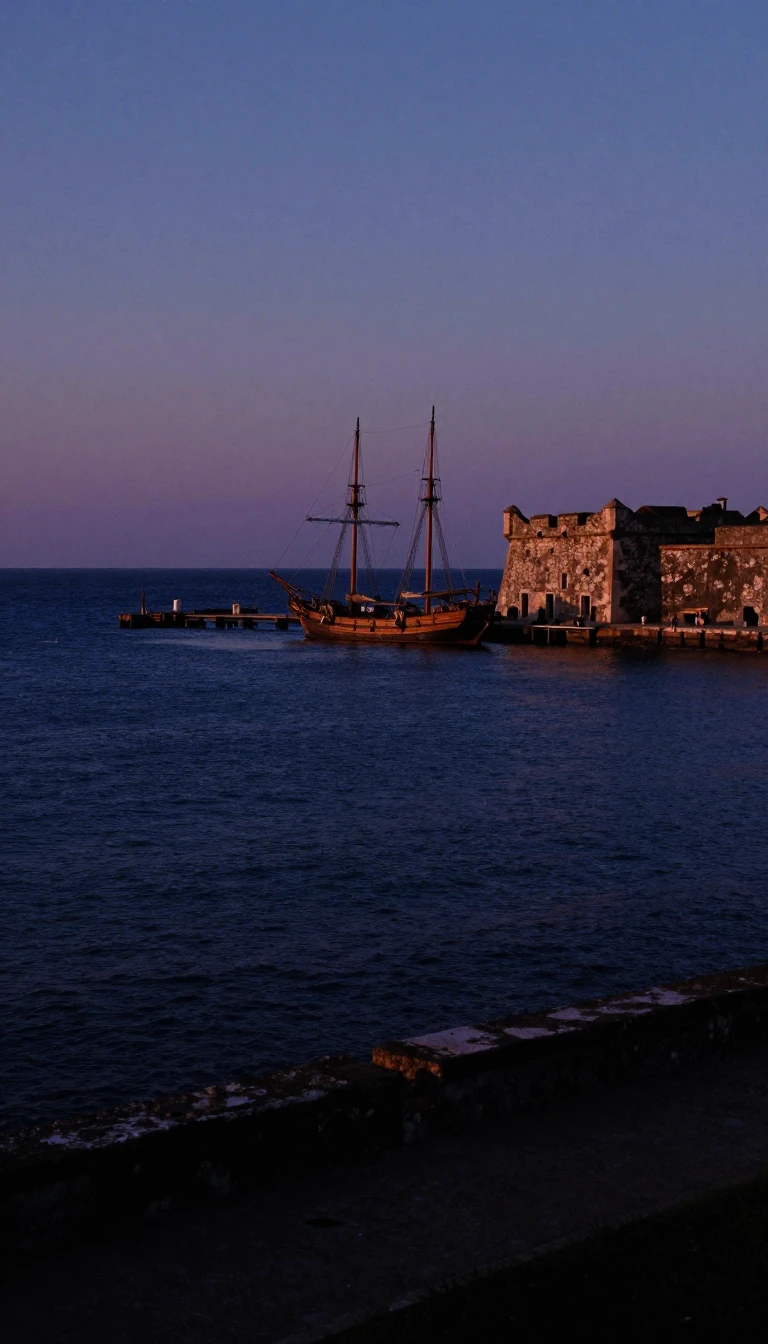 Why the Caribbean became the world's most dangerous and profitable pirate playgroundBetween the 1650s and 1730s, the Caribbean transformed into a lawless frontier. Driven by the lure of Spanish silver and the promise of a merry life, sailors turned to piracy. Thi…
 Why the cat-and-mouse game of copy protection is a losing battle for publishersFor decades, software and media companies have deployed elaborate schemes to stop unauthorized copying. From physical code wheels to analog signal pulses, these measures often fru…
 Why the catamaran is a masterclass in stability, speed, and ancient engineeringThe catamaran, defined by its twin parallel hulls, is far more than a modern racing vessel. Invented by Austronesian peoples to navigate the vast Indian and Pacific Oceans, this d…
 Why the catchiest song of the 2000s is actually a sad story about heartbreakReleased in 2003, Outkast's Hey Ya! became a global phenomenon, topping charts from the US to Sweden. Yet behind its infectious, high-energy rhythm lies a melancholic meditation o…
 Why the category of world religions is more of a human construction than natureWe often group faith into the Big Five, but this framework is a human invention rather than an objective reality. By examining religious populations through different lenses—such …
 Why the cathode is the most misunderstood terminal in all of electrical engineeringThe cathode is defined by the direction of conventional current, not by a fixed positive or negative charge. While often confused with a negative terminal, its polarity shifts dep…
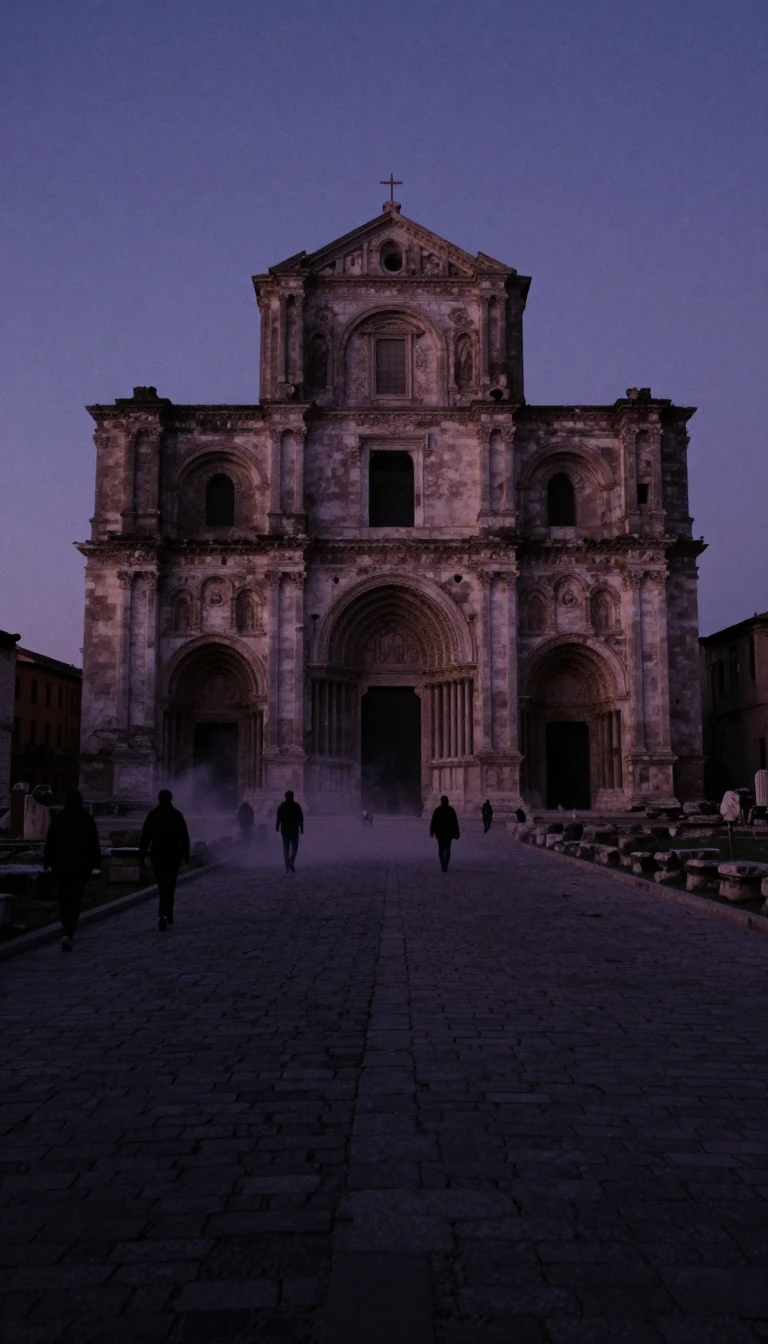 Why the Catholic Church appoints bishops to dioceses that no longer existA titular see is a dead diocese, a territory that has vanished or been abandoned. Yet, the Church continues to name bishops to these ghosts. This practice preserves ancient aposto…
 Why the Catholic Church rejects both the excesses of capitalism and the failures of socialismCatholic social teaching is not a political platform, but a moral framework for human dignity. Since 1891, the Church has navigated the tensions between private property and the c…
 Why the Caucasus region is often misunderstood as a single countryGeography Now explores the complex geography of the Caucasus, a region frequently confused for a single nation. This video clarifies the distinct political and cultural landscape …
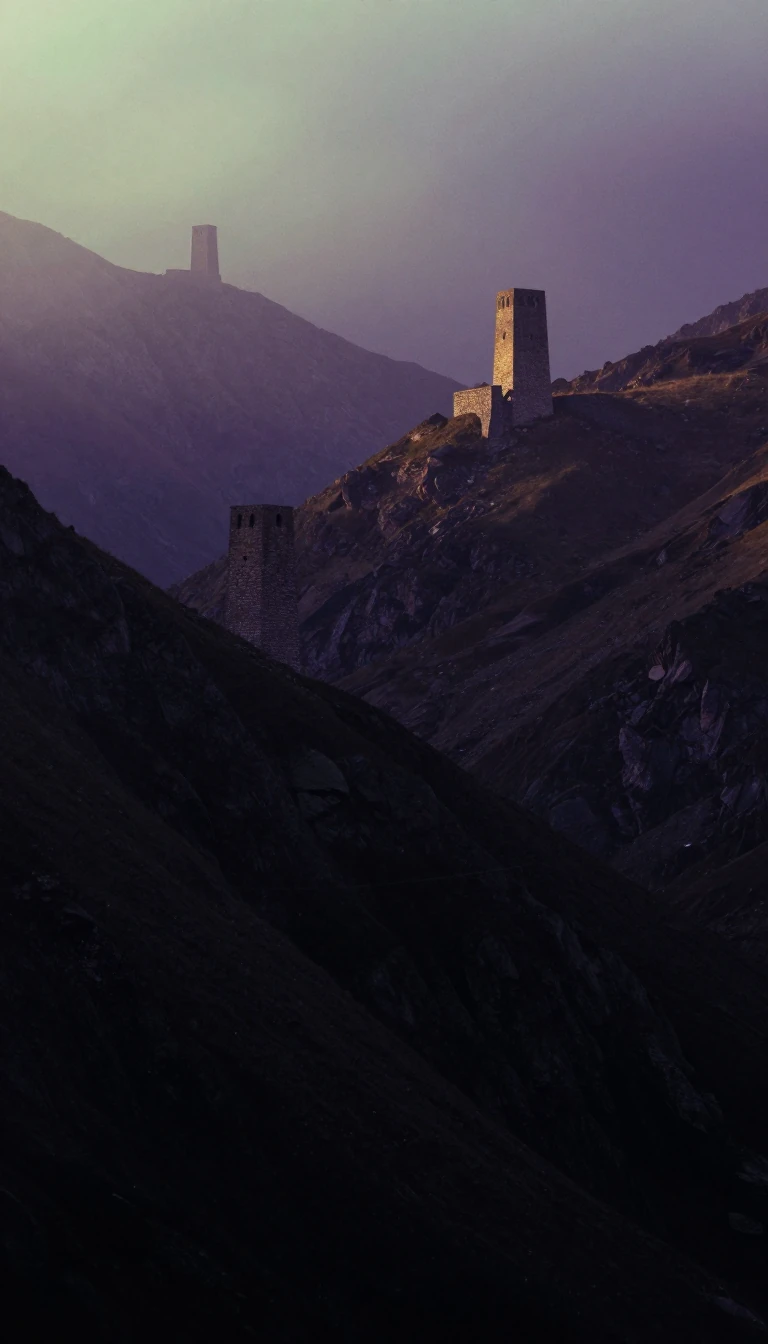 Why the Caucasus remains one of the world's most complex ethnic mosaicsHome to over 50 distinct peoples, the Caucasus has served as a bridge between Europe and Asia for millennia. From ancient bronze-working centers to modern industrial hubs, this ru…
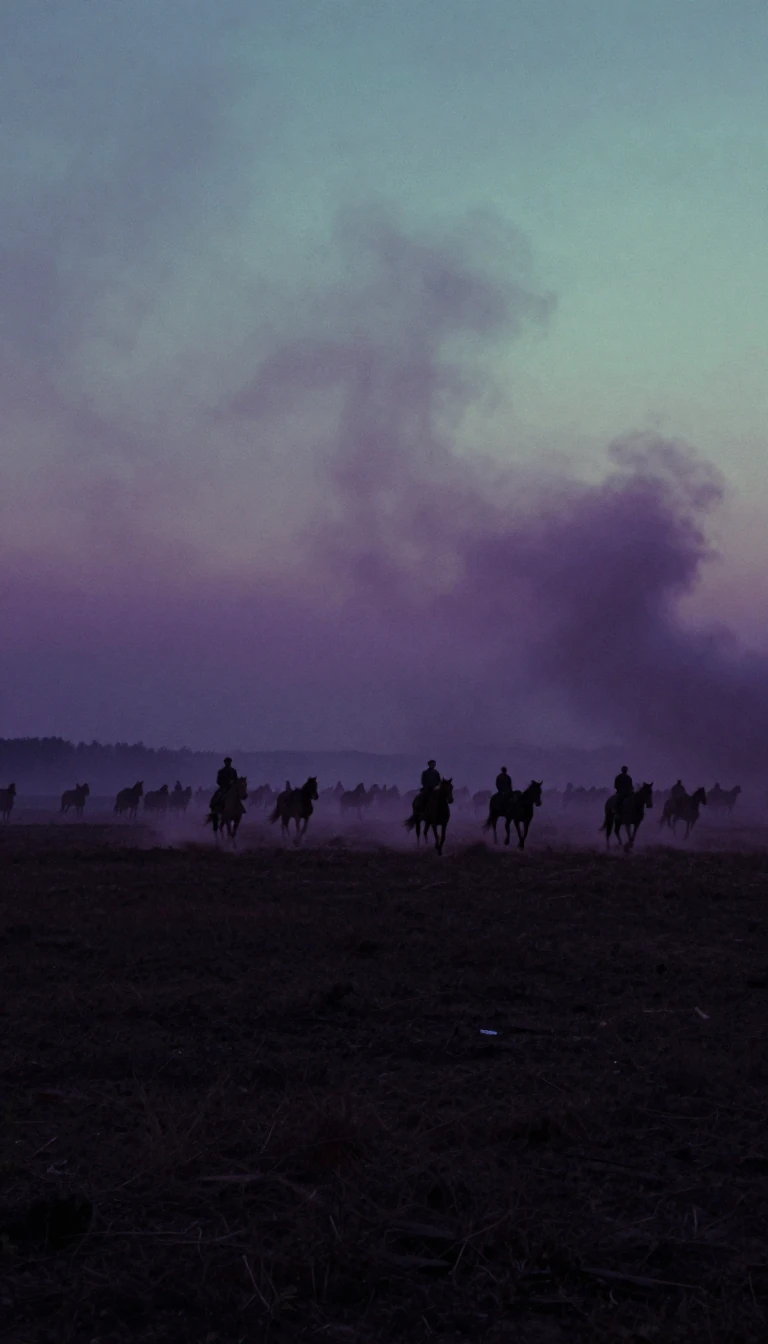 Why the cavalry charge remained a military staple long after it became obsoleteThe cavalry charge was once the decisive moment of battle, yet it persisted in military doctrine long after repeating rifles and machine guns made it suicidal. Historians suggest …
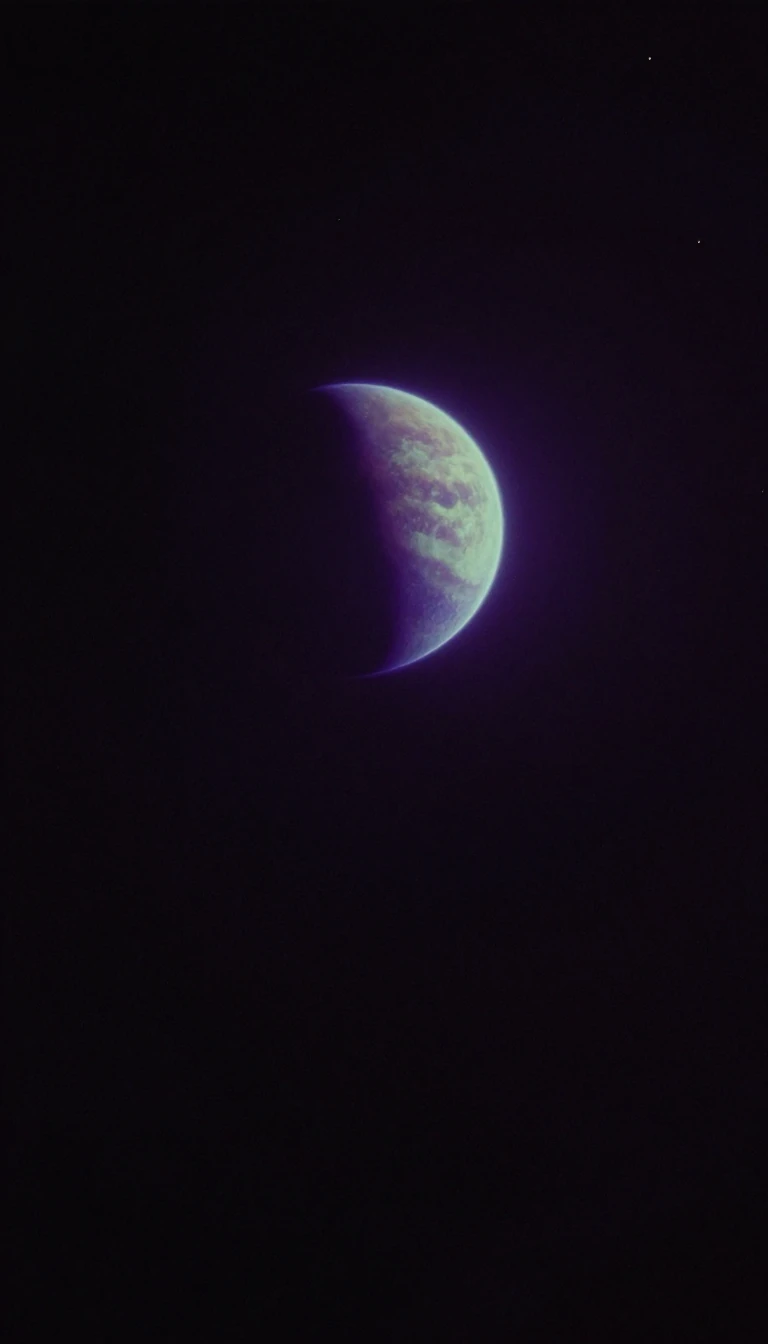 Why the celestial equinox is a moving target for modern astronomersIn astronomy, the equinox is not a moment in time but a specific direction in space. Because of Earth's complex wobbles, this reference point drifts across the stars over thousand…
 Why the center of a floor joist is a structural no-go zoneA floor joist is the backbone of your home, but even the strongest timber has a breaking point. If a joist cracks or is notched incorrectly, it can compromise the entire structure…
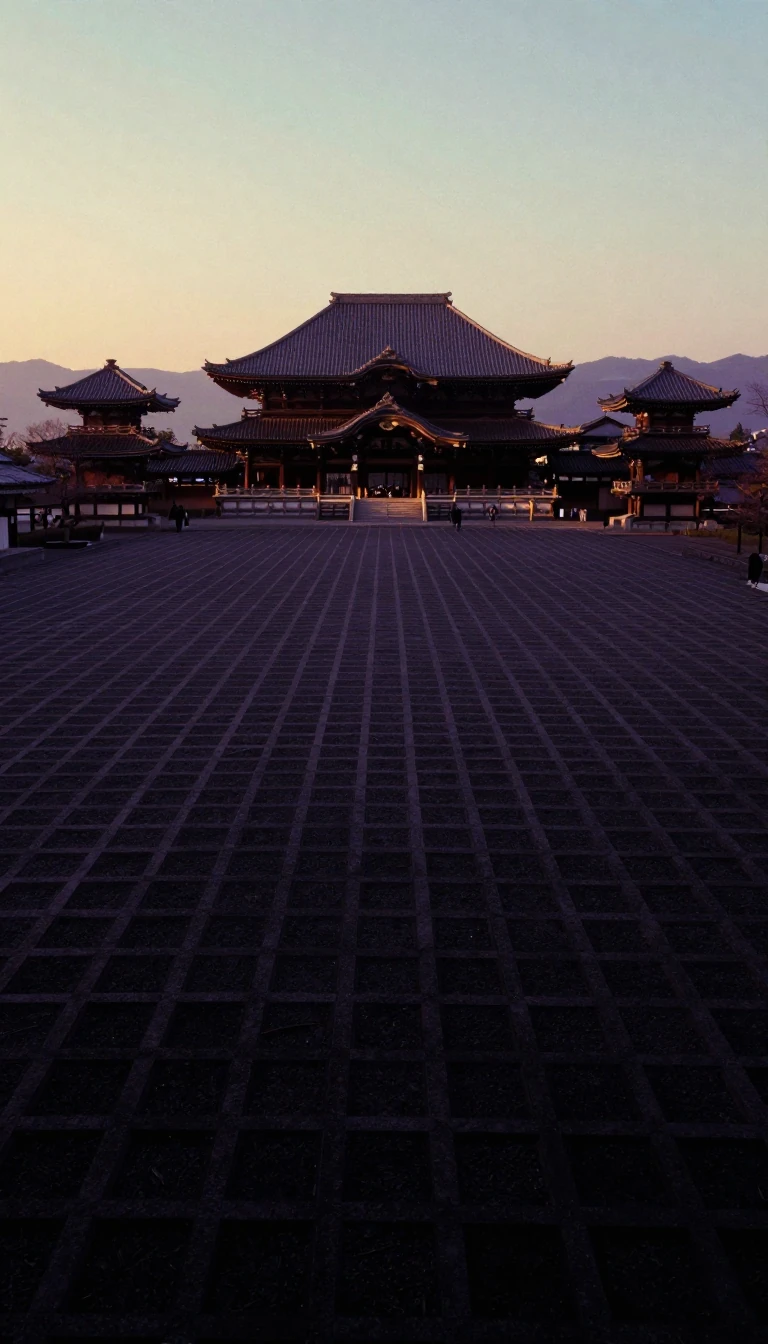 Why the center of Japan is a landlocked hub of history and innovationGifu Prefecture is more than just a geographic midpoint. As the historic crossroads of Japan, this inland region has shaped the nation's destiny for centuries. From the legendary …
 Why the center of our sun is a window into the early universeThe sun is not just a glowing orb; it is a massive nuclear reactor. By studying the behavior of atomic nuclei, we discover that the intense heat at the sun's core mirrors the cond…
 Why the Central African Republic remains trapped in a cycle of persistent civil warThe Central African Republic has faced years of instability, defined by shifting rebel coalitions, religious tensions, and a struggle for control over resource-rich territories. F…
- Why the centrifugal force you feel in a car is actually a clever illusionWhen you turn a corner in a car, you feel pushed outward. It feels like a real force, but physics calls it fictitious. This sensation is not a push from the outside, but a consequ…
 Why the century-old Gatling gun design remains the king of high-speed aerial combatModern jet fighters and attack aircraft rely on rotary cannons to deliver devastating fire. By rotating multiple barrels, these weapons bypass the overheating and jamming issues t…
 Why the Cessna 172 remains the most iconic and enduring aircraft in aviation historyWith over 44,000 units produced since 1956, the Cessna 172 is unmatched in longevity and global reach. From its humble origins as a tricycle-gear evolution of the 170 to its moder…
 Why the chain rule is essential for differentiating composite functionsUnderstanding how to differentiate nested functions is a cornerstone of calculus. This video demonstrates the application of the chain rule specifically on the cosine function, pr…
 Why the Chaldean Catholic Church is neither Chaldean nor a new religious inventionDespite its name, the Chaldean Catholic Church has no historical link to ancient Babylon. Emerging from a 1552 schism within the Church of the East, it was a title adopted for Ara…
- Why the Channel Islands remain British despite being closer to FranceLocated just twelve miles from the French coast, the Channel Islands are six times nearer to France than to England. This video explores the historical reasons why these islands r…
 Why the chaotic landscape of US electrical outlets resembles the periodic tableThe NEMA connection standards for electrical outlets in the United States are surprisingly complex and messy. This video explores the variety of these connectors, treating them wi…
 Why the chaotic, glitchy internet of the 2000s is worth reclaiming todayBefore algorithms dictated our digital experiences, the internet was defined by spontaneity and unexpected magic. Writer Michael Sun explores the charm of the early 2000s web, arg…
 Why the chaotic, tension-filled set of Terms of Endearment produced a cinematic masterpieceThe 1983 tragicomedy Terms of Endearment was a massive critical and commercial success, winning five Academy Awards. Yet, behind the scenes, the production was defined by intense …
 Why the character Hughie Campbell was visually designed to resemble actor Simon PeggCreated by Garth Ennis and Darick Robertson, the character Hughie Campbell was drawn to mirror British actor Simon Pegg. This design choice aimed to capture a specific balance of …
 Why the Chariot card represents the ultimate mastery of your internal sensesThe Chariot is not merely a vehicle; it is a profound metaphor for the human condition. By examining the rider who steers without reins, we uncover a ancient system for balancing …
 Why the cheapest electricity isn't always what you pay for on the gridThe merit order is the invisible hand of the power grid, ranking energy sources by their marginal cost to keep prices low. While wind and solar often win this race due to their ne…
 Why the cheetah is not the fastest animal on EarthHost Erin McCarthy explores seventeen impressive animal records, debunking common misconceptions about speed and strength in the natural world. This safari through the animal king…
 Why the chemical mole is surprisingly massiveForget the burrowing animal. In chemistry, the mole represents a scale so vast it allows scientists to calculate and manage the world's smallest particles.
 Why the chemicals on a frog's skin could revolutionize human medicineBeyond their striking colors, frogs possess a biological toolkit that scientists are eager to study. From skin that absorbs water to unique chemical secretions, these amphibians a…
 Why the chemist who lost a famous debate still has compounds named after himClaude Louis Berthollet was a titan of 18th-century science, famous for revolutionizing chemical naming and inventing modern bleaching agents. Yet, he spent years locked in a fier…
 Why the chemistry of twins matters when atoms share the same molecular homeIn chemistry, the term geminal describes two atoms or groups attached to the very same central atom. Derived from the Latin word for twins, this structural arrangement dictates ho…
- Why the Chernobyl disaster remains a significant global challenge decades after the explosion.This video examines the enduring consequences of the Chernobyl nuclear accident. It explains why the site continues to pose substantial risks and why the disaster remains a releva…