 Intellect Plus
Cards starting with W
29,907 cards. Page 356 of 499.
 Why the biological engine of human evolution has stalled in the WestWe often imagine humanity as a species in constant flux, but for those in developed nations, the traditional mechanics of natural selection have largely ceased. While our ancestor…
 Why the biological family is a human construct rather than a law of nature.Taxonomy is not a rigid map of life but a shifting consensus among scientists. While we treat biological families as fixed categories, they are actually flexible tools used to org…
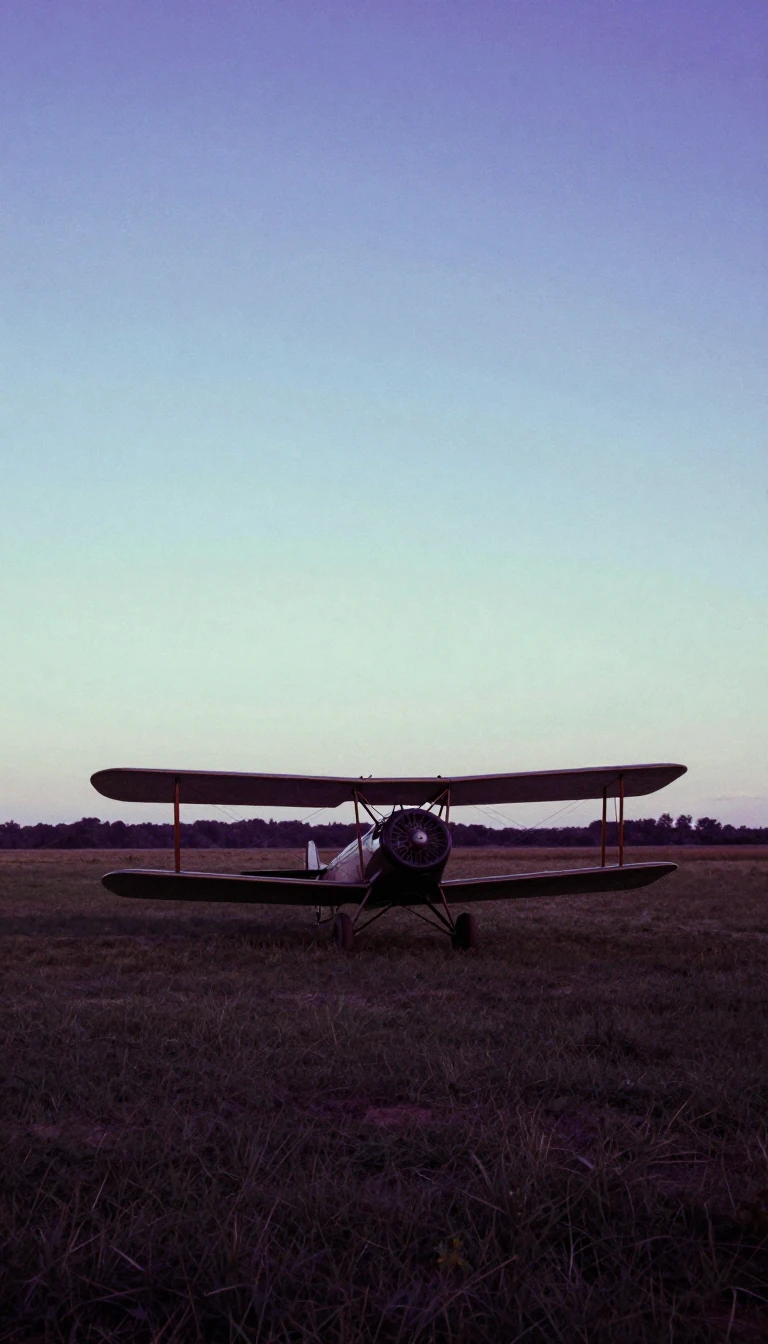 Why the biplane dominated the skies before fading into aviation historyBefore sleek monoplanes took over, the biplane was the king of the air. By stacking two wings, early engineers created structures that were remarkably light and stiff. This design…
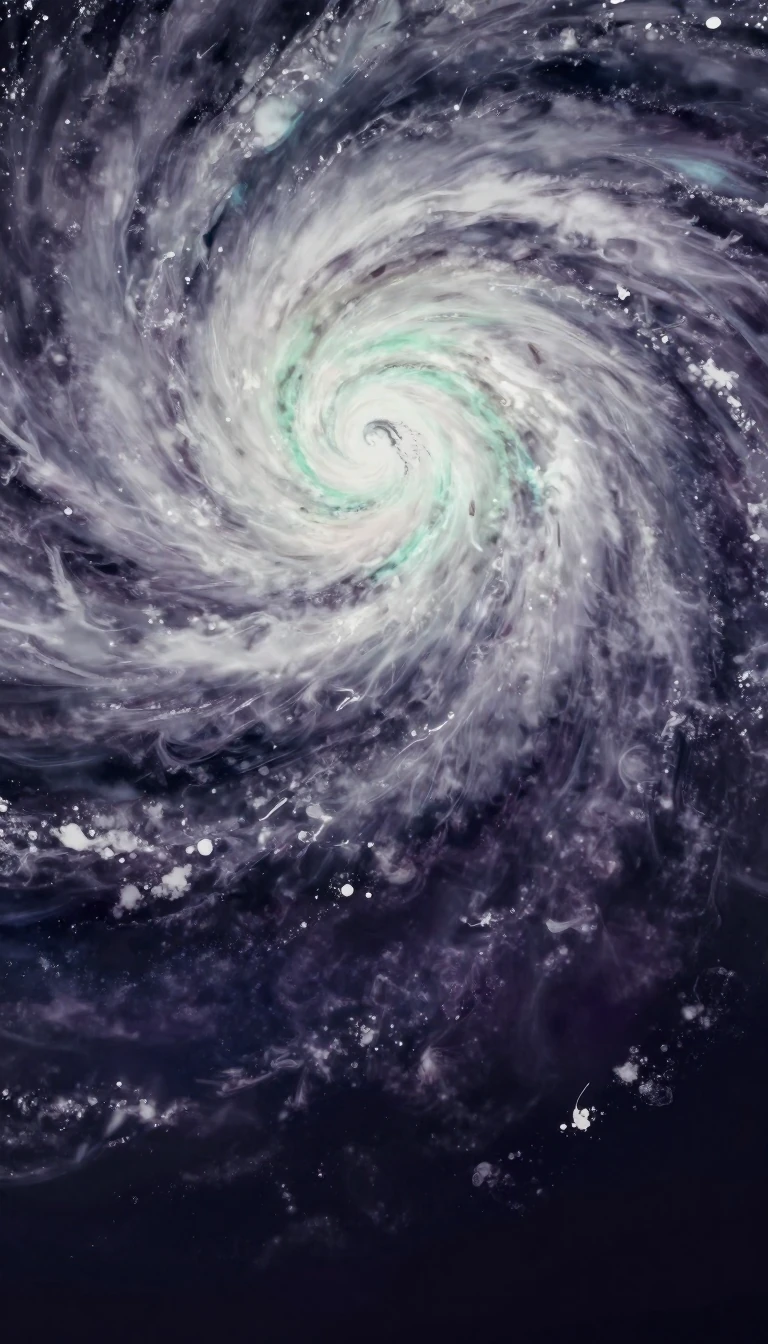 Why the bird's-eye view is more than just a simple look from aboveThe bird's-eye view is a perspective that mimics a creature in flight, yet it has evolved from classical drawings to modern satellite imagery. Whether used to diminish a subject's…
 Why the birds and pigs finally stopped fighting in their second cinematic outingIn a surprising departure from their game-based rivalry, the birds and pigs of the Angry Birds franchise formed an unlikely alliance to combat a common threat. This creative pivot…
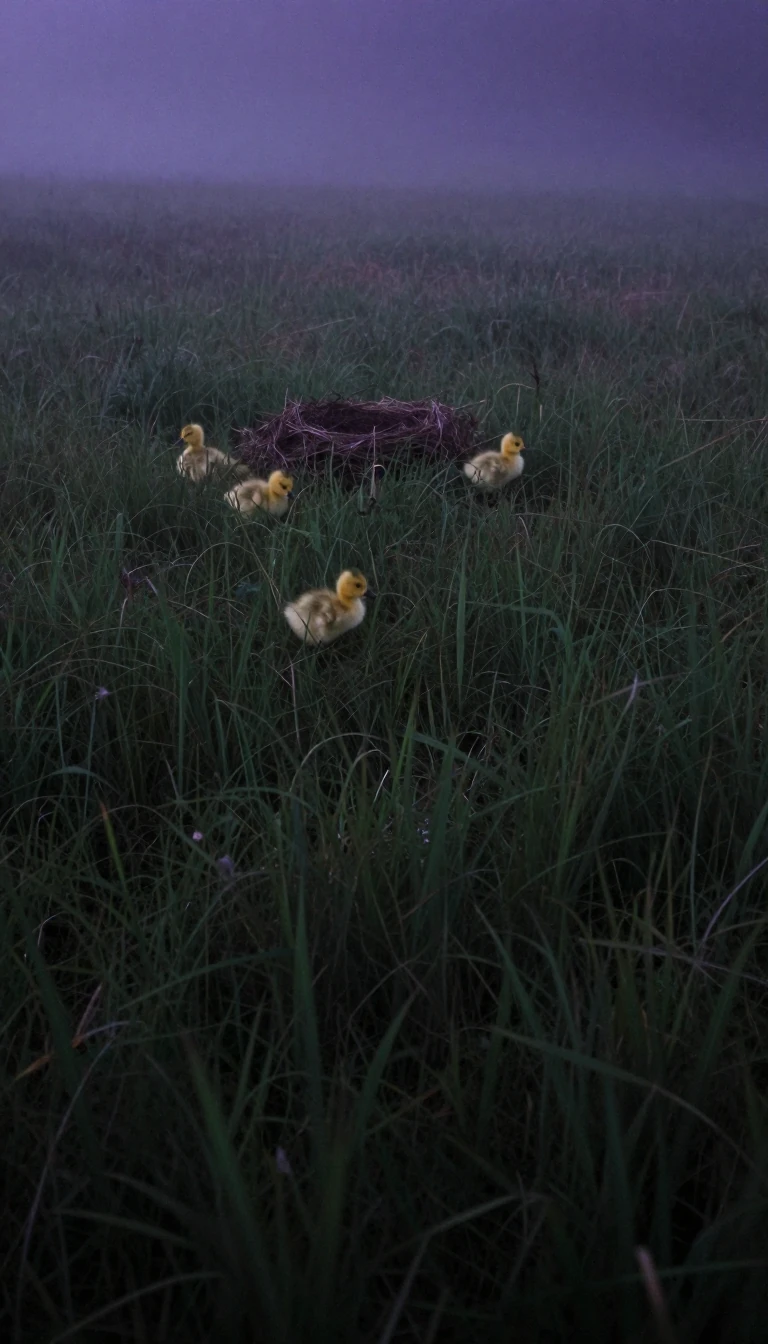 Why the birds in your backyard are ancient survivors of the dinosaur ageFowl are not just farmyard staples; they are a resilient evolutionary lineage known as Galloanserae. Emerging 85 million years ago, these birds survived the mass extinction that c…
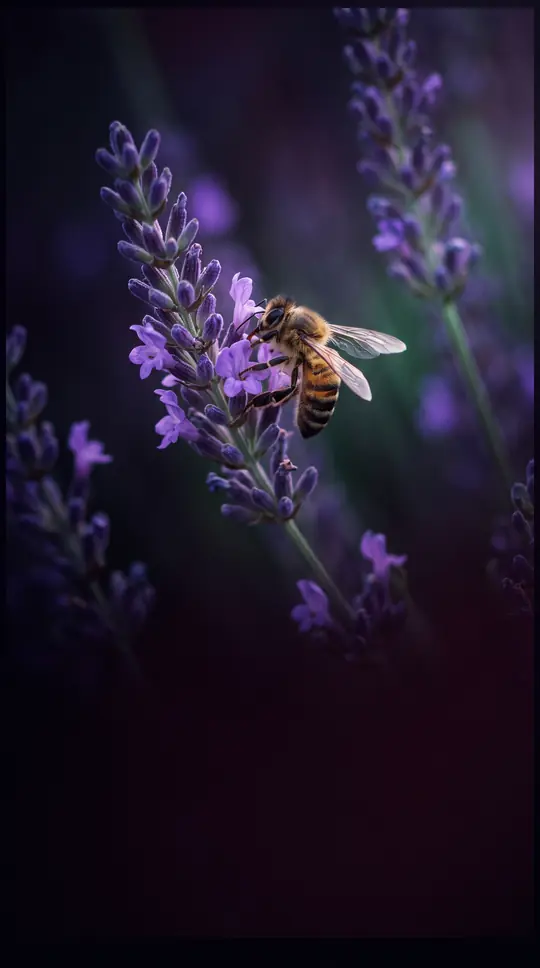 Why the birds you call tanagers might not actually be tanagers at allThe tanager family is a masterclass in biological misidentification. While many birds carry the name, modern DNA analysis has revealed that dozens of species, including the famili…
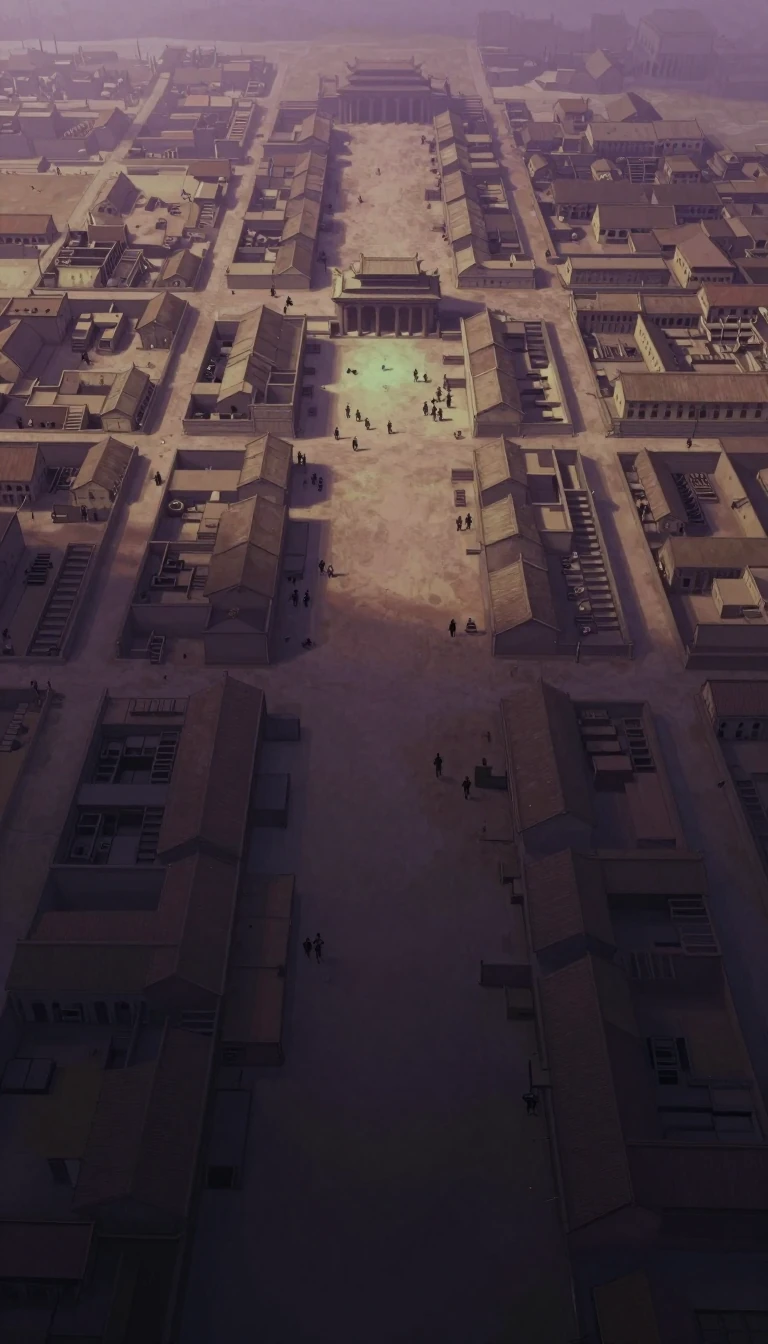 Why the birthplace of the Olympic Games was buried under eight meters of sedimentOlympia is famous as the sacred sanctuary where ancient Greeks gathered every four years to compete. While long attributed to river flooding, modern research suggests the site was…
 Why the bitter, slow-growing papeda is the secret ancestor of your favorite citrus fruitsWhile you likely avoid eating papeda fruit directly due to its unpalatable bitterness, this group of tropical Asian citrus plants is essential to the global fruit market. Papedas …
 Why the Black Canyon of the Gunnison is a place of profound, sunless dreadSome canyons are longer and deeper, but few possess the sheer, narrow darkness of Colorado’s Black Canyon. With walls so steep they block out all but 33 minutes of sunlight a day,…
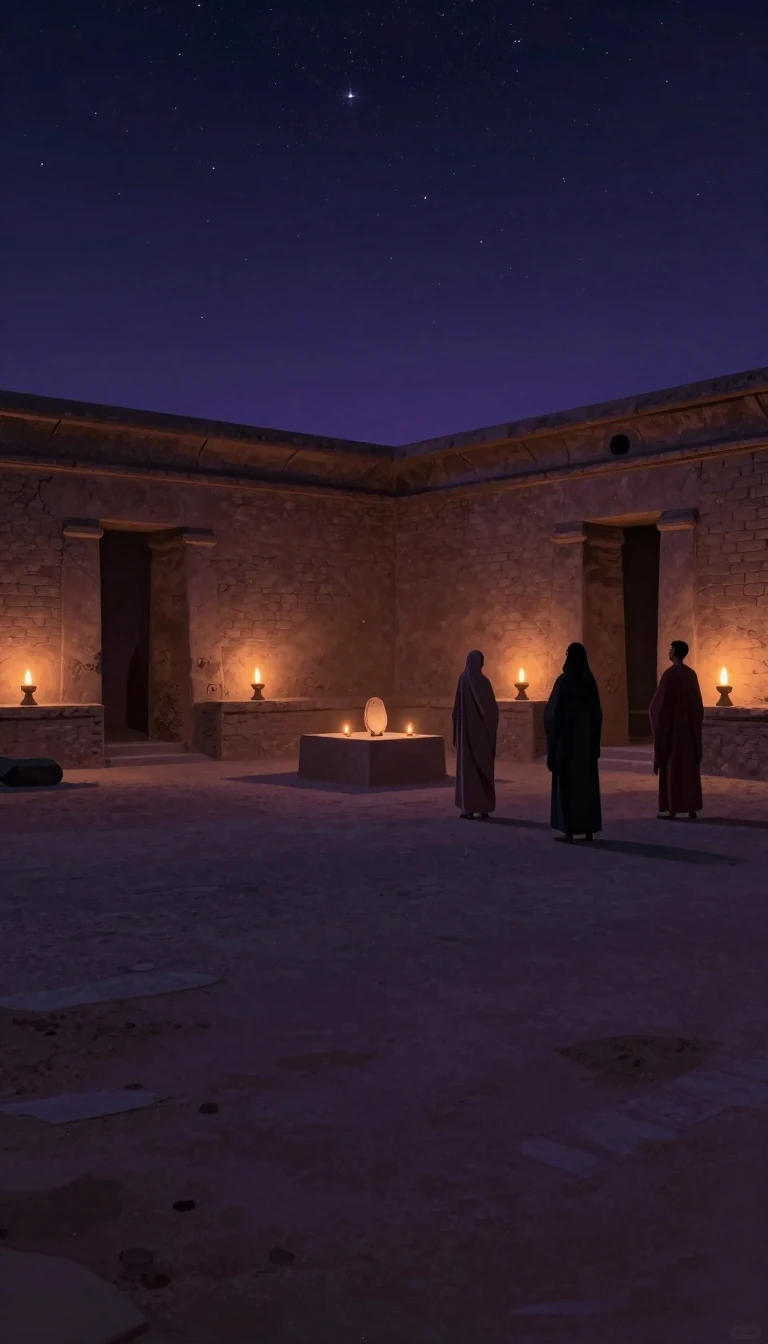 Why the Black Pyramid earned its ominous name despite its royal originsConstructed by King Amenemhat III during Egypt's Middle Kingdom, the Black Pyramid was once a monument of immense prestige. Originally titled Amenemhet is Mighty, it eventually ga…
 Why the black sheep of the Dark Souls trilogy remains a haunting, essential masterpieceDark Souls II is the only entry in its celebrated series not guided by creator Hidetaka Miyazaki. Despite criticism regarding its combat and boss design, this 2014 title introduce…
 Why the black swallowtail butterfly turns its mating grounds into a fierce battlegroundThe black swallowtail butterfly does not just fly; it competes. In a high-stakes lek mating system, males claim specific territories and defend them with aggressive persistence. T…
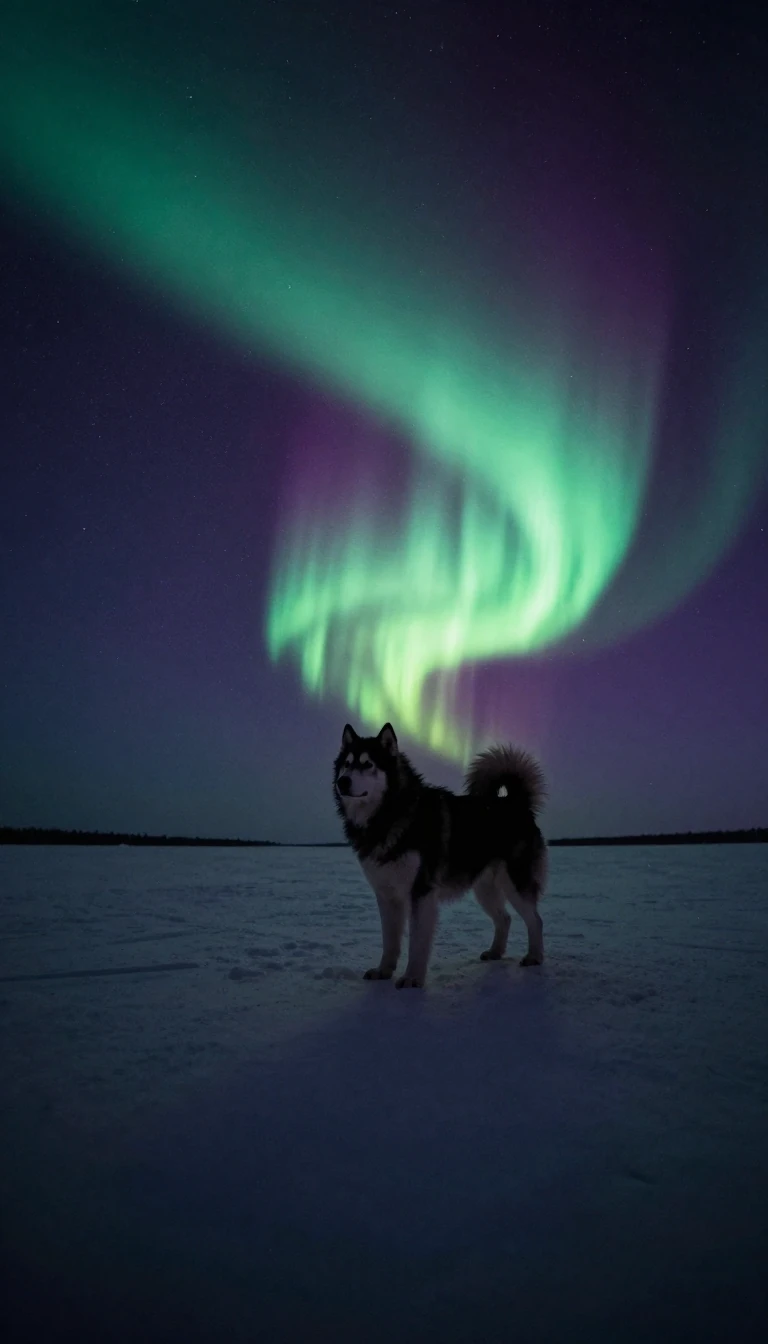 Why the black-tailed deer is a genetic outlier among its own kindThough long considered a simple subspecies of the mule deer, the black-tailed deer is a genetic standout. With mitochondrial DNA divergence reaching up to 8 percent, it represents…
 Why the blackbird got its name when crows and ravens are black tooEngland has plenty of black birds, from crows and rooks to ravens and jackdaws, so why did one thrush claim the name blackbird, first written down in 1486? In older English, bird …
 Why the Blackfoot call this sacred Alberta landscape 'it is pictured'Writing-on-Stone Provincial Park, known in the Blackfoot language as Áísínai’pi, protects one of the most significant collections of indigenous rock art in North America. Beyond i…
 Why the blacksmith's ancient art is defined by fire, scale, and precise manipulationThe term blacksmith originates from the black firescale that coats metal during heating. Far from merely hammering iron, these skilled workers use sophisticated heat management an…
 Why the blood orange needs a cold night to reveal its crimson heartThe blood orange is a natural mutation of the sweet orange, but its signature deep red flesh is not guaranteed. These fruits require specific environmental conditions to develop t…
 Why the blood pressure pill amlodipine can make ankles swellAmlodipine was the fifth most prescribed medicine in the United States in 2023, with more than 68 million prescriptions. It lowers blood pressure by relaxing arteries, but it open…
 Why the bloodiest day in American history became a turning point for freedomOn September 17, 1862, the Battle of Antietam claimed 22,726 casualties, marking the deadliest single day in American history. While the tactical result was inconclusive, the stra…
 Why the bloodiest day in British military history was built on a foundation of optimism.On July 1, 1916, the British Army suffered 57,000 casualties in a single day. This catastrophe was not merely a tactical failure, but the result of a command structure that ignore…
 Why the bloodiest naval clash of World War I was actually a strategic victory.The Battle of Jutland is frequently remembered as a catastrophic failure for the British Royal Navy. This documentary re-examines the engagement, using shipwreck evidence and expe…
 Why the bloody title cards in Invincible are more than just a stylistic choiceThe animated series Invincible is famous for its visceral action and emotional weight, but its most subtle storytelling happens before the episode even begins. Each title card evo…
 Why the Blue Ridge Mountains appear blue and how they hide an ancient historyThe iconic blue haze of these Appalachian peaks is not a trick of the light, but a chemical phenomenon caused by trees. Beyond their color, these mountains hold a complex geologic…
 Why the Blue Ridge Parkway was designed to be the destination, not the routeSpanning 469 miles through the Appalachian Mountains, the Blue Ridge Parkway is the longest linear park in the United States. Unlike typical highways, it was engineered to priorit…
 Why the blues scale is essential for country guitaristsDiscover how the five-note blues pentatonic scale provides a unique flavor in country music. This video demonstrates how to overlay minor pentatonic structures onto major chords t…
 Why the blunt, wingless shape is the ultimate design for surviving space reentrySpace capsules are defined by their ability to endure the brutal heat of atmospheric reentry. Unlike spaceplanes, they lack wings and rely on a blunt, aerodynamic profile to prote…
 Why the BMW B58 is widely considered one of the greatest modern enginesSince its 2015 debut, the BMW B58 has earned a reputation for exceptional reliability and performance. As the centerpiece of BMW’s modular engine family, this turbocharged straigh…
 Why the boarding house was once the heartbeat of the American cityFor over a century, the boarding house was a cornerstone of urban life, housing up to half of some city populations. More than just a place to sleep, these homes facilitated socia…
 Why the Bobby Orr of women's hockey flew through the air to goldGeraldine Heaney defined an era of women's hockey with an offensive style that drew comparisons to NHL legend Bobby Orr. After securing a dramatic gold medal in the inaugural 1990…
 Why the body enters a rhythmic cycle of breathing and temporary silenceCheyne–Stokes respiration is an oscillation between deep, rapid breaths and periods of total apnea. This rhythmic pattern, often seen in heart failure or at high altitudes, occurs…
 Why the body turns against itself: Understanding the mystery of systemic lupus erythematosusLupus is an autoimmune condition where the immune system mistakenly attacks healthy tissues, causing widespread inflammation. Because its symptoms mimic many other illnesses, it i…
 Why the bone in your pork chop is more than just a handleCooking pork chops often leads to dry, uninspired meat, but the secret to success lies in physics rather than culinary flair. By choosing bone-in cuts and utilizing specific prepa…
 Why the Book of Lamentations remains a masterpiece of ancient, unresolved griefThe Book of Lamentations is a collection of five poems mourning the destruction of Jerusalem in 586 BCE. Unlike other ancient city laments that promise restoration, this text offe…
 Why the Book of Numbers records a massive army that likely never existedThe Book of Numbers chronicles forty years of Israelite wandering, anchored by two massive censuses of fighting men. While these counts suggest a total population reaching into th…
 Why the booming marijuana market presents significant risks for individual investorsBefore investing in weed stocks, understand the structural challenges facing the industry. This video breaks down the financial and operational hurdles that could impact long-term…
 Why the Borage family is a botanical puzzle that refuses to stay putThe Boraginaceae family, home to forget-me-nots and borage, has long baffled taxonomists. Once grouped with mints, it has been shuffled between orders for decades. Today, this div…
 Why the border between India and Pakistan remains one of the world's most militarized.Since the 1947 partition of British India, two nations have emerged from a shared history into a state of persistent hostility. Despite cultural overlaps and linguistic ties, the …
 Why the bottom of a falling slinky stays suspended in mid-airWhen dropped, a slinky appears to hover before collapsing. This video explores the physics behind this counterintuitive motion, showing how the bottom remains stationary while the…
- Why the bouncy rhythm of samba and house dance styles are natural partnersSamba and house dance may seem worlds apart, but they share a fundamental movement mechanic: the bounce. By blending the rhythmic, knee-driven energy of samba with the sharp, cont…
 Why the boundaries between tectonic plates are the most volatile places on EarthInterplate earthquakes occur at the meeting points of tectonic plates, where locked sections suddenly slip to release accumulated stress. These events are responsible for over 90 …
 Why the boundaries of your calculus problems are more flexible than you thinkIn calculus, the limits of integration define the specific interval over which you calculate an area. While these bounds often appear as fixed real numbers, they are dynamic entit…
 Why the boundary between a few parts and a million is purely conceptualIn chemistry, an oligomer is a molecule built from a small number of repeating units. While it sounds distinct from a polymer, the line between them is blurry. There is no hard ru…
 Why the boundary between mathematics and art is an illusionMathematics and art are often viewed as opposites, yet both rely on the same fundamental impulse: the creative manipulation of abstract objects to produce enduring beauty. This le…
 Why the bowline is widely celebrated as the king of all knotsKnown as the king of knots, the bowline creates a secure, non-collapsing loop at the end of a line. It remains a staple for sailors, rescuers, and pilots because it is simple to f…
 Why the box-shaped fish is a surprisingly efficient swimmer in the oceanBox-shaped fish appear to defy standard rules of hydrodynamic efficiency. This video explores the unexpected advantages of having a cuboid body shape while navigating underwater e…
 Why the boxer engine remains a rare, high-performance engineering marvel in modern vehiclesThe flat-four engine, or boxer, is defined by its unique layout where cylinders sit horizontally across the crankshaft. While most cars favor the simpler inline-four, the boxer’s …
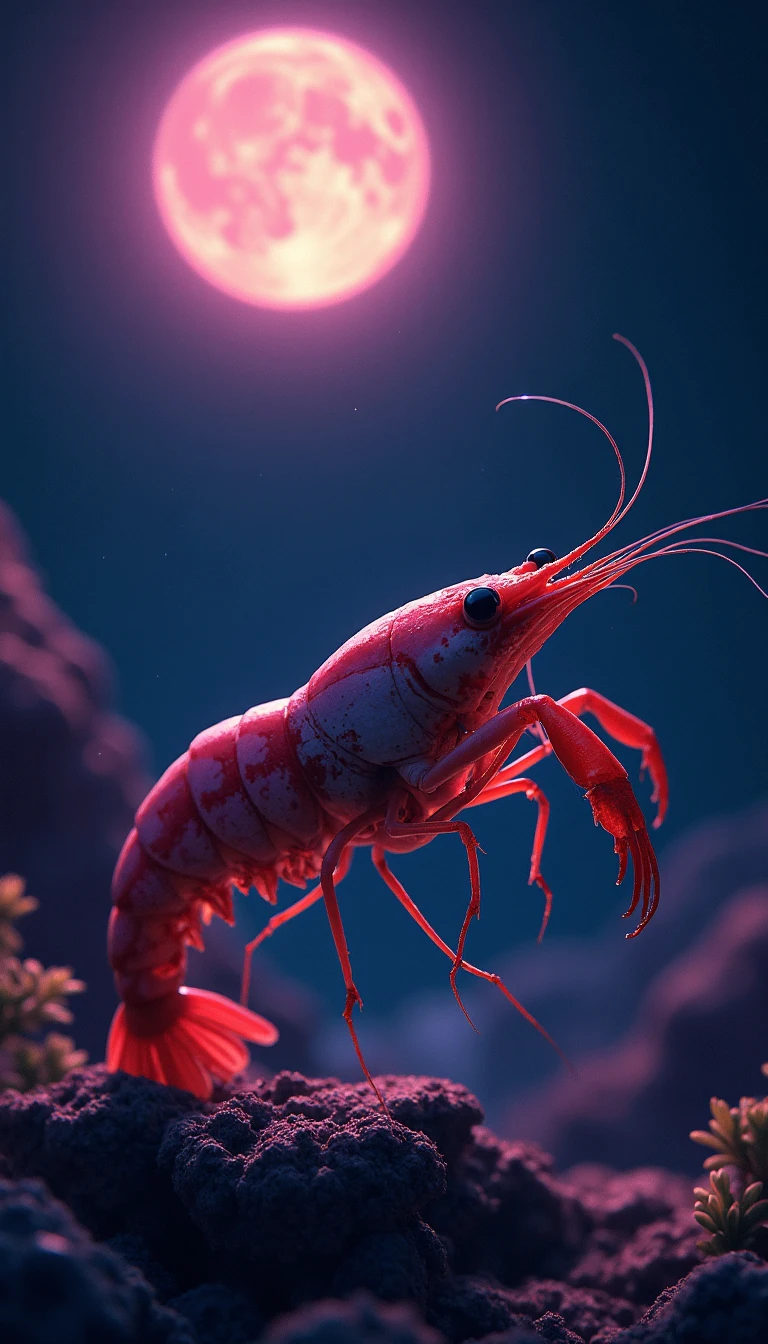 Why the boxer shrimp is not actually a shrimp in the traditional senseOften mistaken for common prawns or shrimp, the boxer shrimp belongs to a distinct group known as Stenopodidea. While they share the order Decapoda with their lookalikes, these cr…
 Why the Brachiosaurus was built like a giraffe rather than a swamp-dwelling giantFor decades, scientists imagined the massive Brachiosaurus as a swamp-dweller, using water to buoy its immense weight. Modern analysis reveals a different reality: these creatures…
 Why the brain fails to drive muscle activity in patients with ME/CFSMyalgic encephalomyelitis/chronic fatigue syndrome is a debilitating condition defined by extreme exhaustion and post-exertional malaise. While the exact cause remains unknown, re…
 Why the brain is a high-stakes battlefield for the world's most dangerous infectionsThe brain is remarkably well-shielded, yet when pathogens breach its defenses, the consequences are often catastrophic. From meningitis to cerebral malaria, these infections explo…
 Why the brain requires a full-system activation to experience the sensation of true euphoriaEuphoria is more than just a fleeting feeling of happiness. It is a complex physiological state that requires the simultaneous activation of specific brain regions known as hedoni…
 Why the brain's hardwired response to loss causes physical painExplore the biological enigma of grief with Professor Robin May. This lecture examines why grief is an evolutionary carry-over from childhood, the physiological impact of bereavem…
 Why the brainy icon of the Scooby-Doo gang remains a shifting pop culture enigmaVelma Dinkley is the quintessential brain of the Mystery Incorporated gang, defined by her signature glasses and scientific curiosity. Yet, across decades of cartoons, films, and …
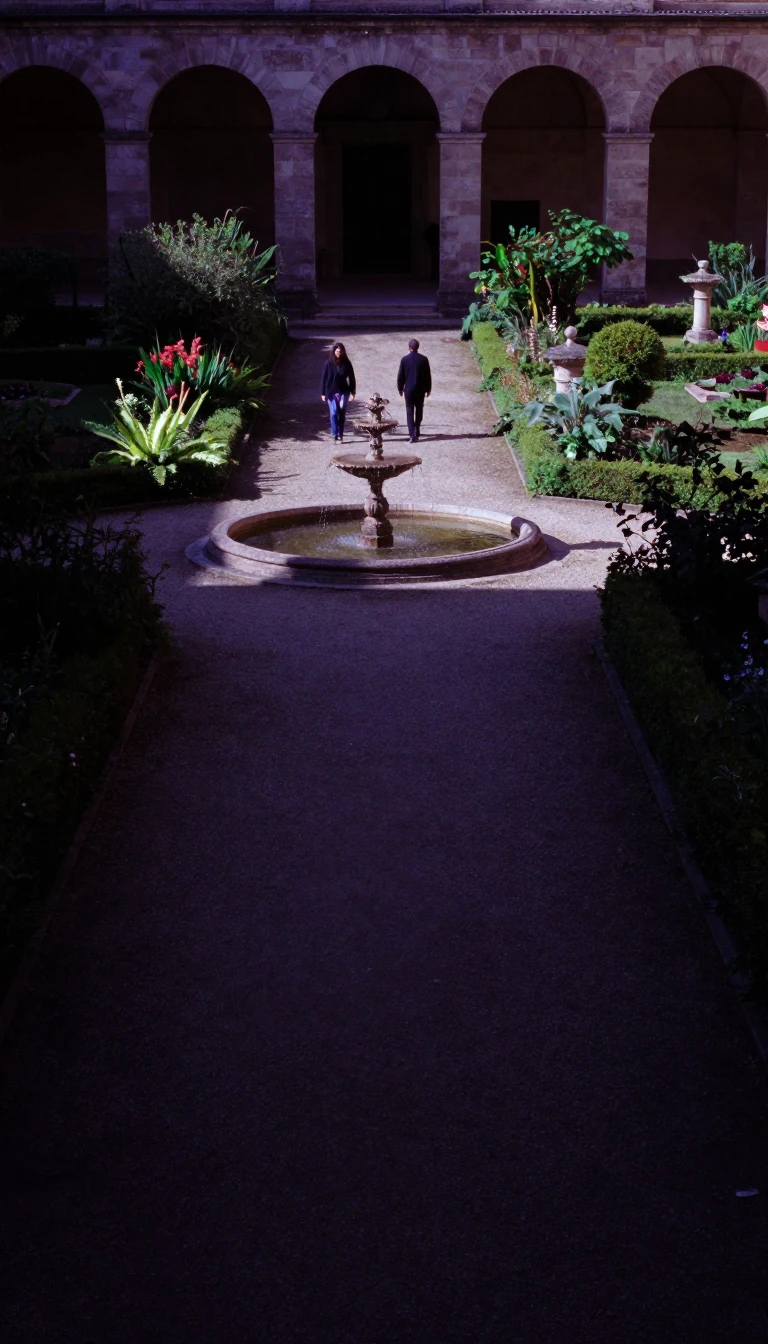 Why the bridge between childhood and high school looks different across the globeMiddle school is a global educational stage, yet its definition is remarkably fluid. While some nations treat it as a distinct three-year period, others integrate it into primary …
 Why the brigade became the essential building block of modern military powerThe brigade emerged in the 17th century to solve a command crisis: armies had grown too large for a single general to manage independent regiments. By grouping diverse units into …
 Why the bright, dancing patterns on a swimming pool floor are called causticsWhen light hits a curved surface, it does not just bounce or pass through; it concentrates into intense, shimmering envelopes of energy. These patterns, known as caustics, are nam…
 Why the brightest planet in our sky is actually a thin crescentAs February 2025 unfolds, Venus will reach its peak annual brilliance. Yet, looking through a telescope reveals a surprising paradox: the planet is at its most dazzling not when i…
 Why the brightest stars in our night sky are actually fleeting cosmic transientsBlue giants are not a single type of star, but a diverse collection of evolved objects sharing a specific region on the Hertzsprung-Russell diagram. Because they develop from mass…
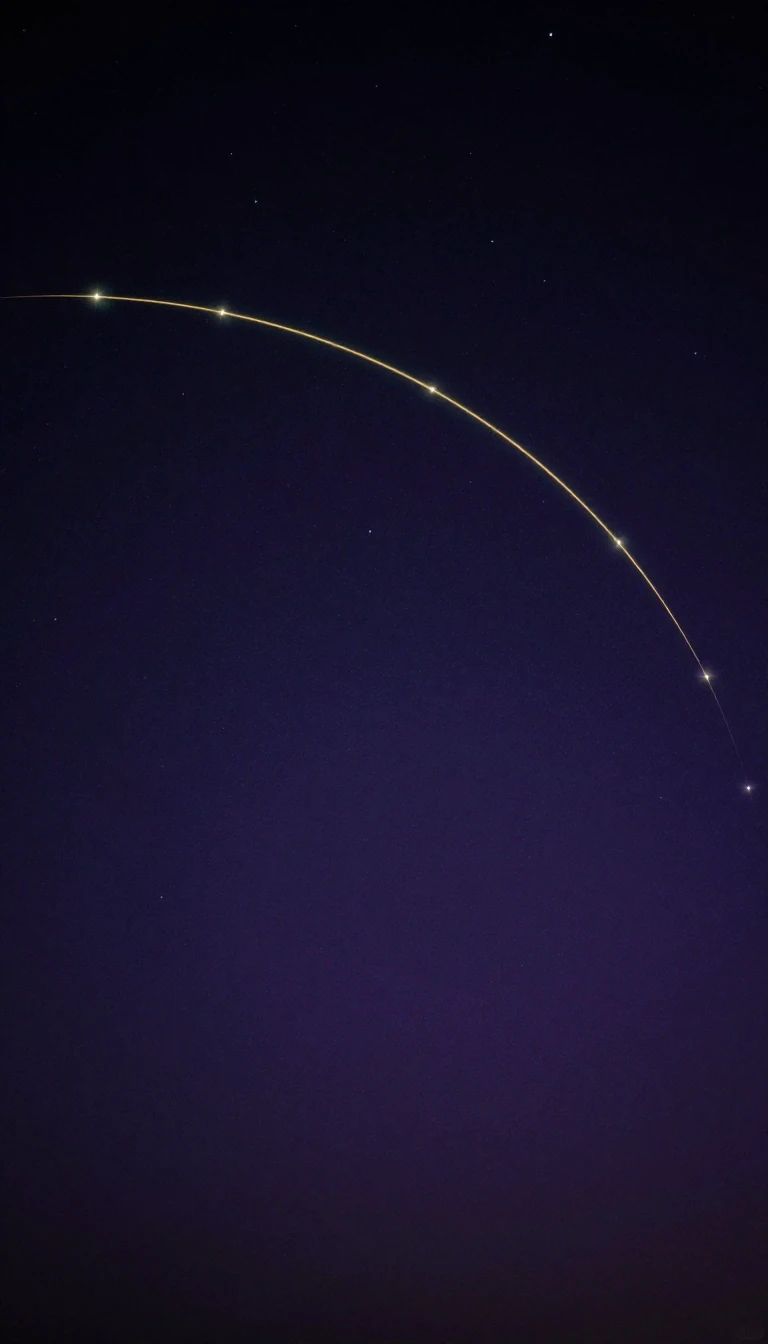 Why the brightest stars in the sky have negative magnitude numbersIn astronomy, the magnitude scale is famously counterintuitive: the smaller the number, the brighter the object. This reverse logarithmic system means that a difference of five ma…