 Intellect Plus
Cards starting with W
29,907 cards. Page 426 of 499.
 Why the whole is often far more than the sum of its partsEmergence describes how complex systems develop behaviors that their individual components lack. From the swarming of starlings to the formation of galaxies, these phenomena revea…
 Why the Whopper was born from a rival's larger burger in 1957Created to compete with a local Florida restaurant's oversized sandwich, the Whopper became Burger King's signature offering. Its name was chosen to evoke imagery of something mas…
 Why the Wilcoxon signed-rank test is the smarter alternative to the t-testWhen your data refuses to follow a normal distribution, the standard t-test can lead you astray. The Wilcoxon signed-rank test offers a robust solution by focusing on the magnitud…
 Why the wild garlic in your woods might be a bear's favorite snackKnown as ramsons or bear leek, Allium ursinum is a resilient woodland perennial with a history spanning over 1,500 years. While its pungent leaves are a culinary delight, they are…
 Why the wildlife in this Indonesian province feels more Australian than AsianDeep within the dense tropical rainforests of Papua, the animals you encounter belong to a different world. Despite being part of Indonesia, the province’s fauna reflects the Aust…
 Why the windiest locations might be a mistake for wind farmsWhile it seems intuitive to place turbines where the breeze is strongest, the most turbulent areas may not be the most efficient for energy production.
 Why the Windows API is the invisible engine powering decades of desktop softwareThe Windows API is the foundational interface allowing programs to tap into the Microsoft Windows operating system. From managing files and memory to rendering buttons and windows…
 Why the Windward Islands are named after the direction of the trade windsIn the age of sail, the path to the New World was dictated by the prevailing currents. Ships crossing the Atlantic from Africa encountered specific islands first, earning them a n…
 Why the winter garden needs the fragrant, evergreen Sarcococca shrubNick Turrell from the Royal Horticultural Society explains why the sweet box shrub is a winter essential. This video covers different varieties, ideal planting locations, and the …
 Why the winter solstice is a celebration of light, reunion, and turning a year olderDongzhi, the winter solstice, marks the year's longest night and the return of light. Rooted in ancient yin and yang philosophy, this festival celebrates the shift toward longer d…
 Why the winter solstice is the most significant astronomical turning point for humanityThe winter solstice marks the moment Earth’s pole tilts furthest from the Sun, creating the year’s longest night. While we experience it as a brief astronomical event, ancient cul…
 Why the wire mesh in your window might actually be a safety hazardWe often assume that wire-reinforced glass is stronger, much like rebar in concrete. In reality, the metal mesh weakens the glass structure and can cause more severe injuries upon…
 Why the wires inside your cables are twisted, braided, tinned and wrappedTake a pair of wires, clamp one end in a hand drill and spin it while keeping the line taut. The result is a twisted pair, one of the simplest defences against electrical interfer…
 Why the witch archetype remains a powerful mirror for our deepest collective fearsThe witch is more than a fairytale villain; she is a psychological vessel for the repressed. From ancient goddesses to modern heroines, this archetype evolves to reflect our shift…
 Why the wok is the most versatile tool in your kitchen arsenalJ. Kenji López-Alt, author of the best-selling The Food Lab, returns with a definitive guide to wok cooking. This video introduces his new book, which explores the science and tec…
 Why the wok is the most versatile tool in your kitchen arsenalJ. Kenji López-Alt demonstrates the utility of the wok, a pan he favors for everything from stir-frying to steaming. This video explores how mastering basic mechanics, like achiev…
 Why the wolf spider is the most devoted mother in the arachnid worldUnlike most spiders that abandon their eggs, the wolf spider carries her offspring everywhere. After they hatch, the spiderlings climb onto her back, where they remain for weeks. …
 Why the woman who invented the windshield wiper died without earning a single centIn 1903, Mary Anderson watched a trolley driver struggle through a blizzard, stopping repeatedly to wipe his windshield by hand. She envisioned a simple, lever-operated rubber bla…
 Why the women's 100-metre hurdles evolved from an experimental race to a precision sprintThe 100-metre hurdles is a high-stakes test of speed and rhythm, requiring athletes to clear ten barriers while sprinting at full tilt. Though it looks like a simple dash, the eve…
 Why the woodpecker's architectural habits are essential for the survival of other forest birdsThe order Piciformes includes woodpeckers, toucans, and honey guides, comprising about 450 species worldwide. While these birds are known for their specialized beaks and insect-ea…
 Why the word 'Arctic' actually means 'the land of the bears'The term Arctic isn't just a geographical label; it is a linguistic fossil. Before the region was formally defined by the midnight sun, it was named for the constellations that ne…
 Why the word 'average' can be a deceptive way to view dataWe encounter averages constantly, from baseball batting averages to political polling and income equality. This video explains how the mean, median, and mode differ and how their …
 Why the word 'dude' once meant something much more flamboyantWhile we now use 'dude' for friends or surprise, the term once described men with eccentric fashion senses. This video explores the life of Evander Berry Wall, the man who dominat…
 Why the word 'Television' is disappearing from CBS StudiosIn 2020, a major media giant stripped the word 'Television' from its name. It wasn't just a branding tweak; it was a strategic admission that the era of linear TV is evolving into…
 Why the word accident is a dangerous myth that hides the truthWe often call unexpected tragedies accidents, but experts argue this label is a linguistic trap. By framing events as unavoidable fate, we obscure the human errors and systemic fa…
 Why the word algebra is a linguistic bridge to the pastBefore diving into the mechanics of graphing exponential functions, this video explores the historical and linguistic roots of algebra. It contextualizes the math you are learning…
 Why the word American is a linguistic battleground across the globeWhile English speakers almost universally use American to describe citizens of the United States, this usage is far from global. In many languages, the term remains tied to the en…
 Why the word babysitter actually appeared ten years before the verb to baby-sitThe term babysitter entered the lexicon in 1937, but the verb baby-sit did not appear until 1947. This linguistic quirk is a classic example of back-formation, where a noun spawns…
 Why the word class means something entirely different depending on your geographyThe term class is a linguistic chameleon in the world of education. Depending on where you stand, it might describe a single lesson, a physical room, a specific cohort of students…
 Why the word county describes everything from ancient Chinese districts to modern Irish sportsThe term county is a global administrative chameleon. While it traces its roots to medieval European counts, it now labels diverse systems ranging from Chinese local government to…
 Why the word district describes everything from a tiny neighborhood to an entire provinceThe term district is a linguistic chameleon, masking vastly different administrative realities across the globe. While it implies a simple subdivision, its actual function ranges …
 Why the word enlightenment is a misleading translation for the Buddhist concept of bodhiWe often think of enlightenment as a sudden flash of divine illumination. But in early Buddhism, the term bodhi—the root of Buddha—actually means to wake up. It is a process-orien…
 Why the word for a luxury driver originally meant a heater of enginesThe term chauffeur is French, but it has nothing to do with driving. In the 1890s, early motorcars used engines with hot tube ignitors that required manual heating with a Bunsen b…
 Why the word for a medical breakthrough actually means cow in LatinInoculation is the art of training your immune system to recognize pathogens before they strike. While modern science uses mRNA and complex proteins, the term itself traces back t…
 Why the word for a Roman magistrate's office now defines your local governmentThe term province began as a Roman magistrate's sphere of authority, a jurisdiction held on behalf of the state. Today, it describes everything from Canada's powerful, semi-sovere…
 Why the word for a school for priests literally means a seed-bedThe term seminary traces its roots to the Middle Ages, derived from the Latin word for a plot of land where seeds are planted. This metaphor captures the essence of religious educ…
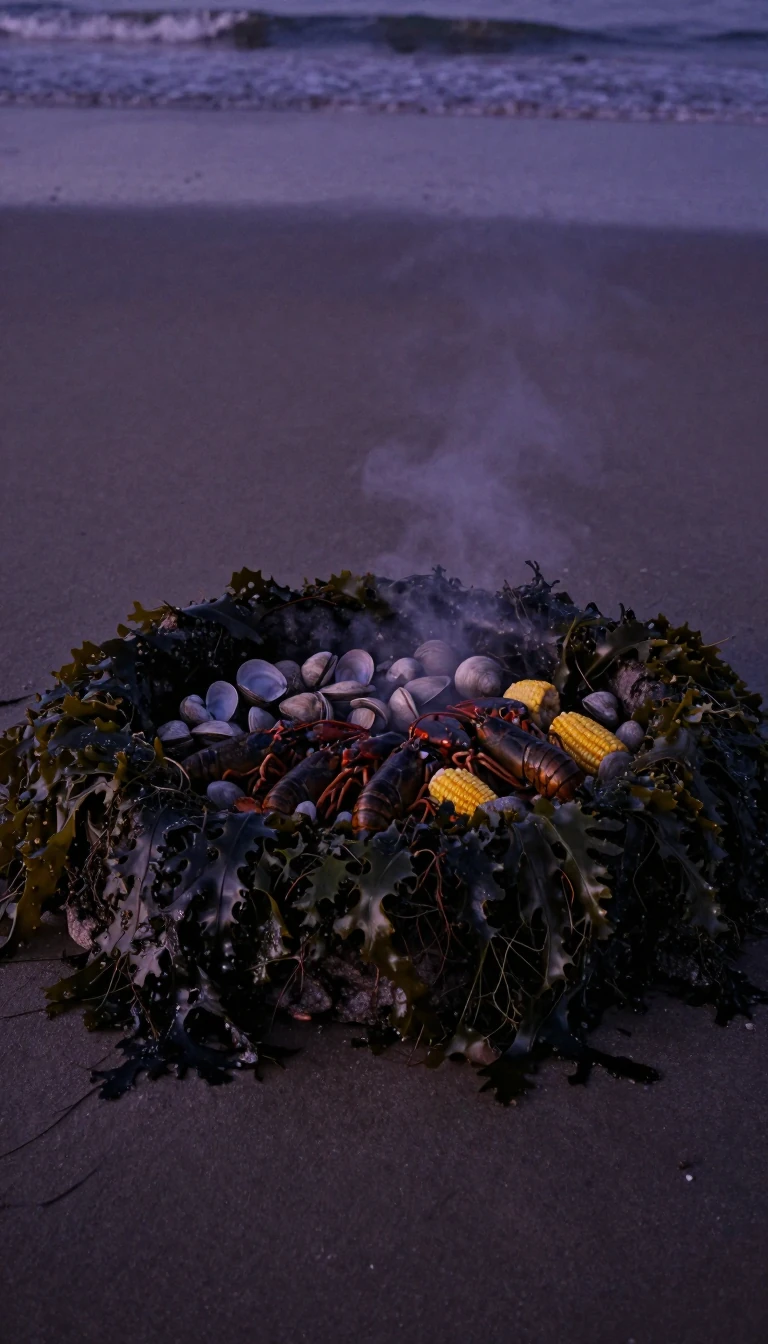 Why the word for a writing tool became the name for your fried appetizer.The culinary term calamari traces its roots to the Latin word for a pen case. This linguistic link reflects the squid's most famous defense mechanism: its ink. While often relegat…
 Why the word for hundred reveals a deep divide in ancient Indo-European languagesLinguists once thought the Indo-European family split into two distinct branches based on how they pronounced the word for hundred. While this centum-satem divide remains a useful…
 Why the word for vodka actually means waterLanguage is a living archive of history, hiding secrets in plain sight. From the medicinal origins of Russian spirits to the surprising etymology of school, the words we use every…
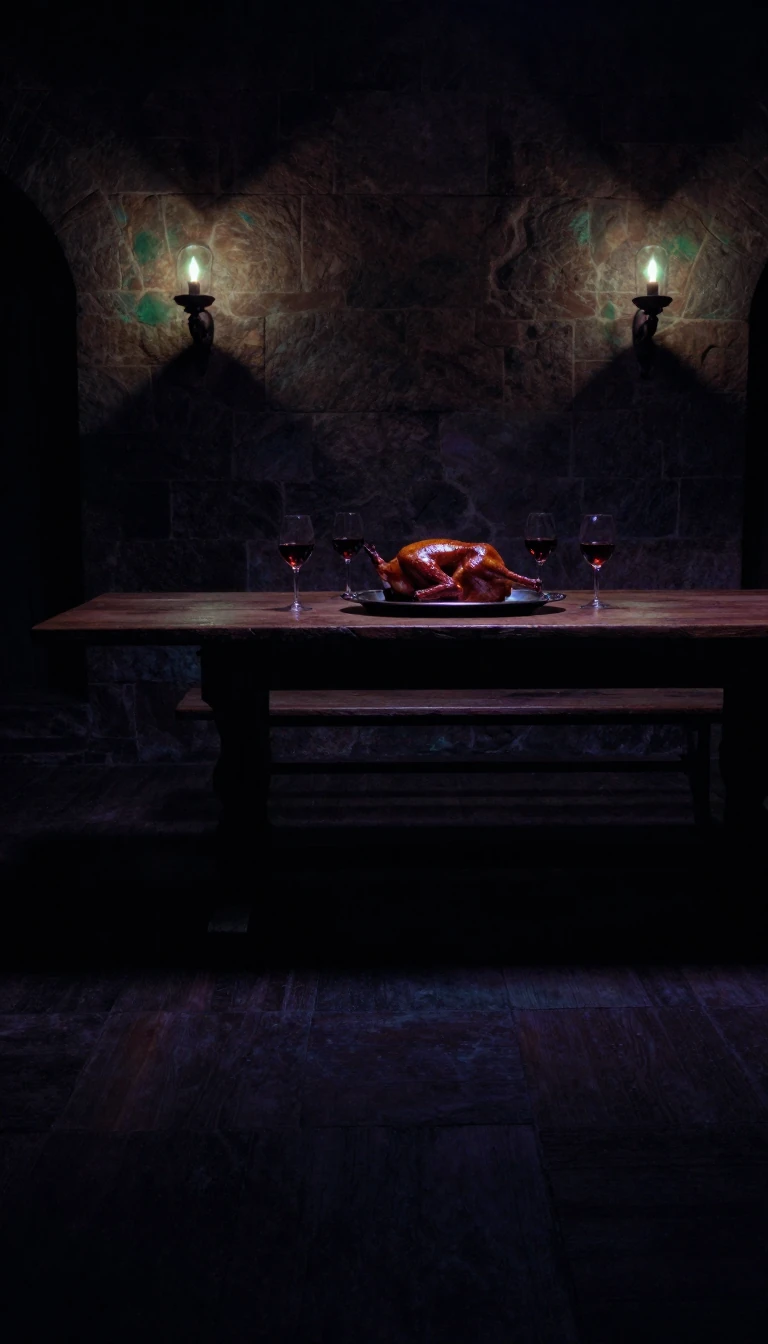 Why the word for your evening meal depends on your history and geographyIs it dinner or supper? The answer shifts depending on whether you are in a rural Canadian community, a British fish-and-chip shop, or a 17th-century French court. Once a distinct…
 Why the word for your favorite concert hall actually means a floor of sandThe word arena evokes modern spectacles, from high-stakes basketball games to sold-out musical tours. Yet, its origins are surprisingly visceral. Derived from the Latin term for f…
 Why the word for your favorite TV series means gathering flowers in Ancient GreeceThe term anthology originates from the Ancient Greek anthologia, meaning flower-gathering. In that culture, flowers symbolized the delicate sentiments best expressed through poetr…
 Why the word for your sibling's child is tied to the concept of nepotismThe words niece and nephew are more than just family labels; they are linguistic relics with deep roots in Latin and French. While we use these terms to describe second-degree rel…
 Why the word ghoti is a brilliant trap for English spelling and pronunciationGhoti is a creative respelling of the word fish, designed to expose the chaotic inconsistencies of English orthography. While it looks like it should sound like goatee, the word r…
 Why the word lady has shifted from bread-maker to a complex social markerThe term lady has evolved from its Old English roots as a bread-kneader to a multifaceted title of nobility and a contested social label. While it once signified high status, its …
 Why the word liberal means opposite things in America and EuropeSay liberal in the United States and most people hear centre-left, pro-welfare politics. Say it in Europe or Australia and it often means the reverse: free markets, low taxes and …
 Why the word Negro shifted from a neutral descriptor to a contested racial termHistorically considered the proper English term for people of African descent, the word Negro has undergone a radical transformation. Once used by leaders like Martin Luther King …
 Why the word piece in chess actually refers to three different thingsIn chess, the term piece is a linguistic chameleon. Depending on whether you are reading the official rulebook, analyzing a tactical blunder, or discussing the board setup, the wo…
 Why the word predicate causes confusion in linguistics and how to fix itThe term predicate is notoriously slippery, defined in two conflicting ways by linguists. One view sees it as everything in a sentence except the subject; the other restricts it t…
 Why the word ton is one of the most confusing measurements in historyIn the United States, a ton is typically 2,000 pounds, but if you step into a naval shipyard or look at global grain statistics, that definition might shift beneath your feet. Und…
 Why the word true shares a deep, ancient connection with the word treeThe word true has a history as sturdy as the objects it once metaphorically described. Gina Cooke explores the etymological evolution of this term, revealing how its roots in Old …
- Why the word uncle carries more weight than just a simple family titleWhile we often use the term uncle to describe a parent's brother, the word functions as a complex social tool across global cultures. From specific linguistic distinctions between…
 Why the words in your favorite songs are becoming simpler and more stressedLyrics have evolved from ancient poetry accompanied by the lyre into a modern digital battleground. While we now consume them as instant search results, recent data suggests a str…
 Why the words you hear in dubbing never match the subtitles on screenEver notice that dubbed audio and subtitles tell slightly different stories? This video breaks down the production process behind localized media, revealing why different teams ha…
 Why the world abandoned the 12-hour clock for a global standardWhile many English-speaking cultures still rely on AM and PM, the 24-hour clock has become the global language of precision. From aviation to medicine, this system eliminates the …
- Why the world calls a simple battered sausage by so many different namesA hot dog on a stick, dipped in batter and deep-fried, is a global phenomenon. From the American corn dog to the Australian Pluto pup and the French sausage donut, this humble str…
- Why the world calls the same place by many different namesIs it Germany, Deutschland, or Germania? The names we use for places and people often depend entirely on who is speaking. Understanding the tension between how a community identif…
 Why the World card in Tarot represents the ultimate union of oppositesThe World card marks the final stage of the Major Arcana, depicting a figure dancing in a state of pure being. Despite her ethereal appearance, she is governed by Saturn, the plan…
 Why the world celebrates workers on May 1st while America chooses SeptemberInternational Workers' Day, or May Day, commemorates a violent 1886 labor strike in Chicago. While most of the world adopted this date to honor the struggle for an eight-hour work…
 Why the world didn't end on December 21, 2012As internet rumors of a looming apocalypse reached a fever pitch in late 2012, NASA took to social media to provide some perspective. This video captures a live discussion between…