 Intellect Plus
Cards starting with W
29,907 cards. Page 431 of 499.
 Why the world's most powerful oil companies are no longer the ones you knowThe term Big Oil once described a tight-knit cartel of seven Western giants that controlled nearly all global petroleum. Today, that influence has shifted. While the public still …
 Why the world's most powerful tech giants are constantly changing their names and acronymsFrom FANG to the Magnificent Seven, the labels we use for Big Tech shift as rapidly as the market itself. These shifting monikers reflect more than just stock trends; they track t…
 Why the world's most powerful telescopes rely on mirrors instead of glass lensesReflecting telescopes dominate modern astronomy, bypassing the limitations of traditional lenses. By using curved mirrors to focus light, these instruments avoid chromatic aberrat…
- Why the world's most powerful telescopes share a complex, hyperbolic secret designMost modern professional telescopes rely on the Ritchey–Chrétien configuration to capture the cosmos. By using two hyperbolic mirrors instead of traditional parabolic ones, this d…
 Why the world's most powerful warships were once designed to outrun their own gunsIn the early 20th century, naval architects faced a brutal trade-off: armor or speed. While some ships prioritized heavy protection, a new breed of 'fast battleship' emerged, desi…
 Why the world's most precise billiard tables are kept at a constant, balmy temperatureA professional carom billiard table is more than just a surface; it is a precision instrument. To ensure consistent ball roll and minimize moisture, tournament tables are heated t…
- Why the world's most precise billiards game is played on a heated tableCarom billiards is a game of geometry played on a pocketless table. Unlike pool, where balls disappear into holes, carom requires the cue ball to strike both object balls in a sin…
 Why the world's most precise clock is a weighted average of hundreds of othersInternational Atomic Time, or TAI, is the gold standard for global timekeeping. Rather than relying on a single device, it aggregates data from over 450 atomic clocks across 80 la…
 Why the world's most precise measurements no longer rely on physical objectsFor over a century, the global standard for mass was a single, fragile metal cylinder kept in a vault near Paris. Today, that relic is obsolete. Modern science has shifted to a mo…
 Why the world's most prestigious brandy is slowly vanishing into thin airEvery year, millions of liters of cognac evaporate from oak barrels, a phenomenon locals poetically call the angels' share. This constant loss is just one step in a strictly regul…
 Why the world's most prestigious endurance race is won by distance, not speedUnlike standard races that reward the fastest sprint, the 24 Hours of Le Mans crowns the car that covers the most ground in a full day. It is a brutal test of mechanical reliabili…
 Why the world's most prestigious garden school relies on manual laborAt Le Manoir, the pursuit of horticultural excellence requires more than just high prices and elite resources. Behind the manicured beauty lies a dedicated team of gardeners perfo…
 Why the world's most prestigious institutions trace their roots to an Athenian olive grove.The word academy evokes modern lecture halls and formal research, but its origins lie in a sacred garden outside ancient Athens. Named for a local hero, this site became the home …
 Why the world's most prestigious mathematics award took a century to arriveOften called the Nobel Prize of mathematics, the Abel Prize honors outstanding researchers with a significant monetary reward. While the concept emerged in 1899 to celebrate a leg…
 Why the world's most prestigious race would never be approved todayThe Monaco Grand Prix is a motorsport anomaly. It ignores standard Formula One distance requirements and features a track so tight that modern safety regulations would likely ban …
 Why the world's most prestigious tennis tournament began as a simple croquet club activity.Wimbledon is the oldest tennis tournament on Earth, yet it started as an afterthought for a private croquet club in 1877. Today, it remains the only Grand Slam played on natural g…
 Why the world's most prized jade was ignored by China for thousands of yearsFor millennia, Chinese artisans crafted exquisite works from nephrite, yet they remained entirely unaware of jadeite. It was not until the 18th century that this rarer, more vibra…
 Why the world's most prized musical instruments and furniture are under global protectionThe Dalbergia genus produces some of the most sought-after timber on Earth, from the deep black of African woodwind instruments to the fragrant, colorful rosewoods of Brazil and I…
 Why the world's most productive agricultural zones are defined by their lack of frostSpanning the latitudes between the tropics and temperate zones, the subtropics are a climate powerhouse. Defined by mild winters and hot summers, these regions support everything …
- Why the world's most productive ecosystems are vanishing at an alarming, unsustainable rateTropical and subtropical moist broadleaf forests are the planet's biological powerhouses, housing half of all known species within a thin band around the equator. Despite their un…
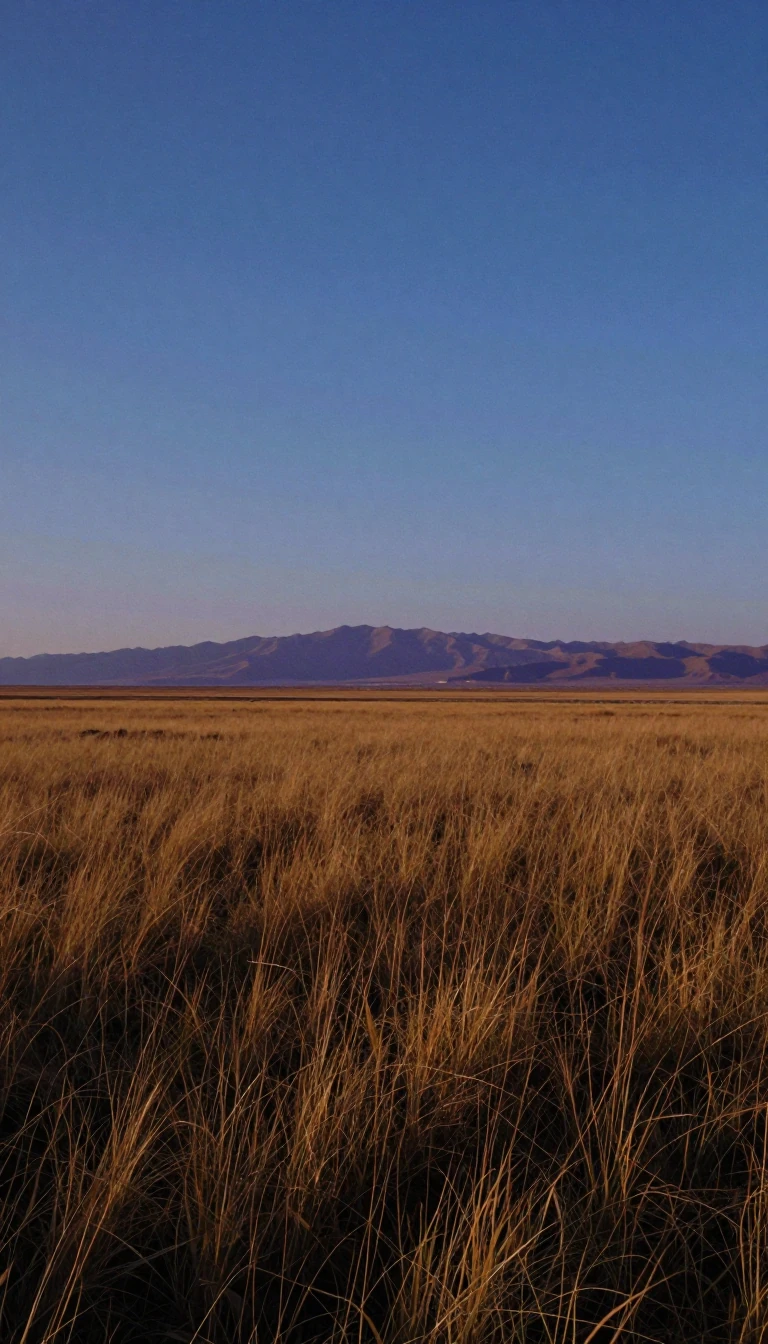 Why the world's most productive grain belts were once vast, wild, roaming frontiersTemperate grasslands, savannas, and shrublands are defined by their vast, tree-devoid expanses and temperate climates. Known globally as prairies, pampas, veld, or steppes, these …
- Why the world's most productive wetlands are actually vast, seasonal flooded grasslandsFlooded grasslands and savannas are not merely swamps; they are dynamic, life-sustaining biomes that span four continents. These massive, water-dependent ecosystems function as cr…
 Why the world's most prolific goal poacher was famously accused of being born offsideFilippo Inzaghi was never the most technically gifted player on the pitch, yet he became one of the greatest strikers in football history. By mastering the art of positioning and …
 Why the world's most prominent tax havens are often wealthy, OECD-compliant nationsThe traditional image of a tax haven—a remote island with secret bank accounts—is largely outdated. Today, the most effective tax havens are often highly developed, transparent ec…
 Why the world's most refreshing lime drink goes by so many different namesLimeade is a global staple, yet its identity shifts across borders. From the sweet, syrupy concoctions of the West to the salty, sugar-free versions of Southeast Asia, this simple…
 Why the world's most romantic bridge was actually a grim path for prisonersThe Bridge of Sighs in Venice is famous for its supposed power to seal eternal love. Yet, its origins are purely functional and bleak. Built to connect interrogation rooms to pris…
 Why the world's most secure vaults are not designed to last foreverSafes are not permanent fortresses but temporary shields against disaster. Whether protecting paper documents or massive data centers, these enclosures are engineered to withstand…
 Why the world's most sophisticated architecture might be made of mudArchitect Anna Heringer explores how low-tech materials like mud and bamboo can create elegant, high-functioning spaces. This talk showcases why returning to nature's free resourc…
 Why the world's most sophisticated cricket bats are still made from humble willow woodFor centuries, the cricket bat has evolved from a simple shepherd's crook into a precision-engineered tool. Despite modern attempts to introduce carbon fiber, aluminum, and bamboo…
 Why the world's most successful animals are hiding right under your feetMinibeasts, or invertebrates, make up 96% of all animal life on Earth. These creatures have thrived for 550 million years, predating even the dinosaurs. Whether you are exploring …
 Why the world's most successful digital services are free, until they aren'tThe freemium model turns software into a two-tier ecosystem. By offering a basic, no-cost version to build a massive user base, companies can then monetize power users through sub…
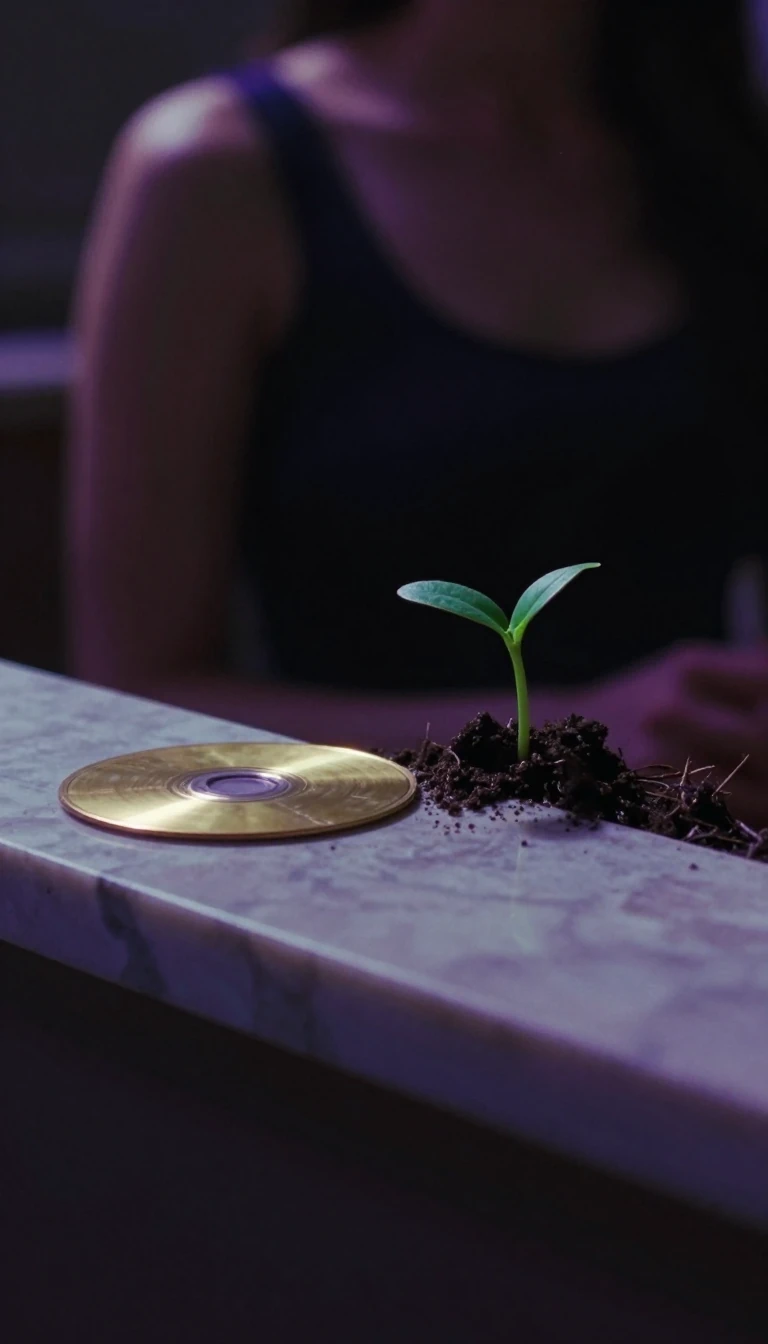 Why the world's most successful investors are moving toward the tractorIn 1973, the Quantum Fund achieved a staggering 4,200% return. Today, the man behind that success, Jim Rogers, suggests the next era of wealth won't be found on Wall Street, but i…
 Why the world's most thoughtful innovation is happening in rural areasWe often view the countryside as a place left behind by the digital revolution. Xiaowei R. Wang challenges this by highlighting how rural communities are actually pioneering sophi…
- Why the world's most valuable diamonds are graded starting with the letter DMost diamonds are valued for their lack of color, yet the industry uses a grading scale that begins at D rather than A. This deliberate choice was designed to eliminate confusion …
 Why the world's most visited theme park is actually built on a second story.Magic Kingdom is not sitting on the ground. To manage logistics, designers built the park atop a massive network of tunnels called utilidors. Because Florida has a high water tabl…
 Why the world's most vital cargo planes are often just recycled passenger jetsModern air cargo is the backbone of global trade, moving over six trillion dollars in goods annually. While specialized freighters exist, most of the planes in the sky are actuall…
 Why the world's most vital economic engines lack a single universal definitionSmall and medium enterprises represent the vast majority of businesses globally, yet they remain notoriously difficult to categorize. From Somalia to Singapore, national standards…
- Why the world's most vital transit networks operate in a regulatory vacuumFrom the tro tro of Accra to the marshrutka of the former Soviet Union, share taxis are the lifeblood of urban mobility in developing nations. Often filling the void left by absen…
 Why the world's most volatile borders are often just lines on a mapTerritorial disputes are more than just land grabs. They are fundamental clashes over sovereignty, resources, and identity. While international law forbids using force to redraw b…
 Why the world's most wanted animal is a scaly, shy mammalPangolins are the most poached and illegally trafficked animals on Earth. This video follows conservationist Maria Diekmann as she travels through Africa and Asia to confront the …
 Why the world's next big solutions are often hidden in plain sightBright Simons argues that the most effective solutions to global problems are already being engineered in developing countries. By examining local innovations, we can find scalabl…
 Why the world's oceans are far smaller and more fragile than they appearWe often view the ocean as an infinite, untouchable expanse, but ichthyologist Prosanta Chakrabarty argues this perspective is a dangerous myth. By examining the interconnectednes…
 Why the world's official prime meridian is actually 102 metres off the markFor a century, the Greenwich meridian served as the global standard for time and navigation. Yet, modern satellite data reveals the historic line is not at zero longitude at all. …
 Why the world's oldest academic botanical garden was built behind a high wallFounded in 1545 to cultivate medicinal herbs, the Orto Botanico di Padova remains in its original location in Italy. Its unique circular design was once protected by a high wall t…
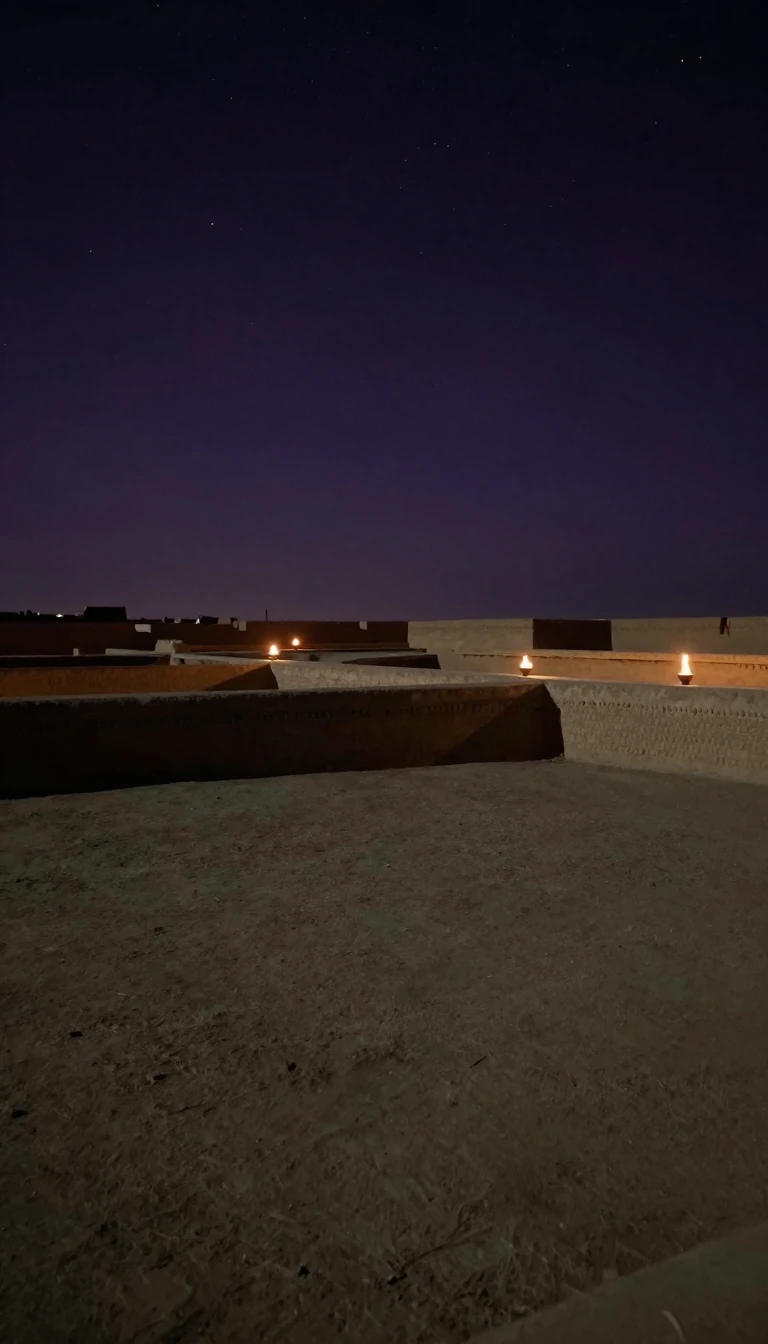 Why the world's oldest architectural innovation is still our best urban solutionFor nearly 8,000 years, the courtyard has served as a private sanctuary, a climate-control device, and a social hub. From Neolithic settlements to modern city apartments, this sim…
 Why the world's oldest board games are still racing to the finish lineRace games are the most universal form of human play, appearing in every culture that has developed games at all. From ancient Egyptian artifacts to modern living room staples, th…
 Why the world's oldest epic hero failed to find eternal life but succeeded anywayThe Epic of Gilgamesh is the earliest known epic poem, chronicling a Mesopotamian king's desperate quest for immortality. This video examines how a historical ruler became a legen…
 Why the world's oldest freshwater fish are thriving in the Arizona desertIn the arid landscape of Apache Lake, Arizona, a group of buffalofish are rewriting the rules of longevity. These freshwater fish, often mistaken for invasive carp, have been foun…
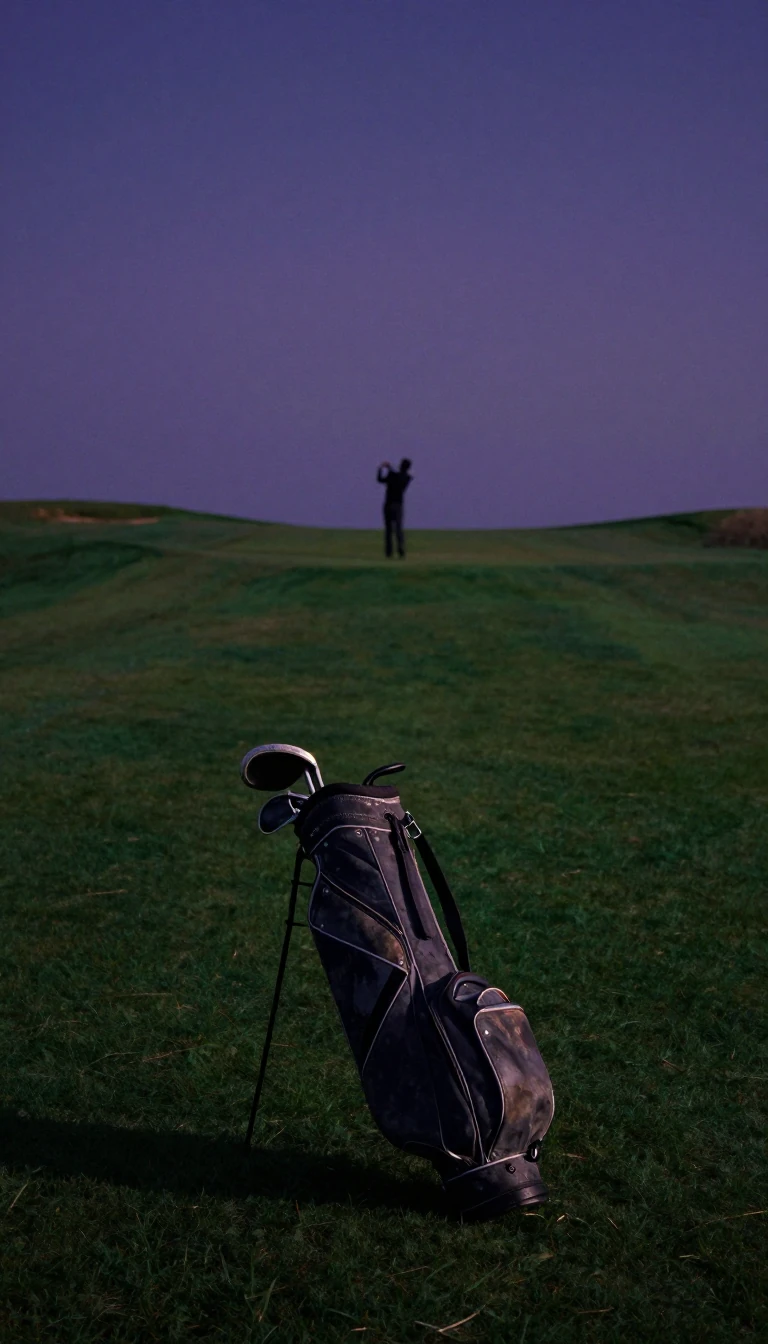 Why the world's oldest golf tournament is still the ultimate test of skillFounded in 1860, The Open Championship remains golf's most prestigious test. Unlike modern, manicured courses, it demands mastery of unpredictable coastal links, deep bunkers, and…
 Why the world's oldest university is not the one you think it isWe often assume the oldest universities are ancient, but the modern university is a specific legal invention of medieval Europe. While many institutions claim ancient roots, histo…
 Why the world's oldest writing systems were never purely picturesWe often imagine ancient writing as simple drawings of objects. But true logographies—from Egypt to China—are far more sophisticated. They rely on a clever phonetic trick called t…
 Why the world's opal supply is concentrated in a single Australian townMost of the opal gemstones used in jewelry globally originate from one specific location in the Australian outback. This video explores the mining environment of Coober Pedy and r…
 Why the world's peak oil predictions keep moving further into the futurePeak oil marks the point where global petroleum extraction hits its maximum rate, followed by an irreversible decline. While experts have debated this threshold for decades, the d…
- Why the world's poorest president chose a life of radical simplicity over material wealthJosé Mujica, Uruguay's 40th president, became a global icon for donating 90 percent of his salary to charity. Rejecting the presidential palace for his modest farmhouse, he lived …
 Why the world's population is shifting toward a future of fewer childrenThe total fertility rate, or TFR, measures the average number of children a woman would have in her lifetime. While global rates have plummeted from five in the 1960s to 2.3 in 20…
 Why the world's premier volleyball tournament is undergoing a major brand transformationFor decades, the FIVB Women's Volleyball World Championship stood as the sport's most prestigious event after the Olympics. Now, the competition is evolving. With a shift to a bie…
 Why the world's railways are not all the same width, and why it mattersStandard gauge is the global norm, but broad-gauge railways—tracks wider than 1,435 mm—persist across vast regions. From the Russian gauge spanning the former Soviet Union to the …
 Why the world's richest man once installed a pay phone in his own mansion.J. Paul Getty was a titan of industry who built an oil empire and became the wealthiest private citizen of his time. Yet, he was equally famous for a legendary, almost pathologica…
 Why the world's richest nations might be an accounting illusionWhen we look at GDP per capita, we often assume it reflects a nation's standard of living. But for some of the highest-ranking jurisdictions, the numbers tell a story of corporate…
- Why the world's richest people might be hoarding wealth instead of spending itForbes Chief Content Officer Randall Lane introduces a new way to measure success. This video explores why traditional billionaire rankings may inadvertently encourage wealth stoc…