 Intellect Plus
Cards starting with W
29,907 cards. Page 427 of 499.
 Why the world feels harder and why optimism still mattersIn this discussion, Fareed Zakaria joins Sal Khan to examine the modern challenges facing society. They explore the root causes behind rising global inequities and why, despite th…
 Why the world feels like it is falling apart despite hidden global progressJournalist Angus Hervey argues that our perception of a collapsing world ignores significant, overlooked triumphs. By examining data on breakthroughs like malaria vaccines and env…
 Why the world fixated on toilet paper during the height of the pandemicWhen COVID-19 triggered global panic, toilet paper became the unlikely symbol of scarcity. Beyond simple necessity, this hoarding behavior was driven by a complex mix of social co…
 Why the World Grand Prix is the most punishing tournament in professional dartsIn the world of professional darts, the World Grand Prix stands alone. While most tournaments allow players to begin scoring immediately, this event demands a double to start ever…
 Why the world hears a clock ticking differently in every languageWe often assume sounds are universal, but your ears are shaped by your vocabulary. While a car horn might honk in English, it sounds like 'ba-ba' in Mandarin. This linguistic phen…
 Why the world heavyweight champion who retired undefeated was often misunderstood by his peersGene Tunney was a cerebral tactician in an era of brawlers. While fans craved the raw aggression of Jack Dempsey, Tunney treated the ring like a chessboard. He retired as an undef…
 Why the world initially dismissed the tragic death of comedian Mitch Hedberg as fake.Mitch Hedberg was a master of surreal, deadpan one-liners who became a cult icon. When he died at 37, the news broke so close to April Fools' Day that many fans assumed it was a h…
 Why the world is divided into layers of wealthThis video examines the global structures that separate nations by wealth. It explores why outdated terms like 'First World' have been replaced by a more nuanced four-tier system …
 Why the world is filled with names meaning son of someoneAcross cultures and centuries, surnames have functioned as biological and social markers of lineage. From the Scandinavian sen to the Gaelic Mac, these linguistic tags reveal a un…
 Why the world is finally retiring the physical object defining our massFor over two centuries, our global standard for mass has relied on a single physical artifact. This video explains the shift toward a new, more precise measurement system driven b…
 Why the world is losing its view of the starsAs light pollution increases by 10% annually, our connection to the cosmos is fading. While stargazing offers a tranquil escape from the modern world, nearly 80% of the global pop…
 Why the world is losing its wild spaces at an alarming, unsustainable rateHabitat destruction is the primary threat to 85 percent of endangered species. From the clearing of tropical rainforests to the draining of vital wetlands, human expansion for agr…
 Why the world is not a collection of things, but a series of events.Traditional philosophy views the world as a collection of static objects. Process philosophy flips this, arguing that reality is fundamentally composed of change, becoming, and sh…
 Why the world is obsessed with the dark, bleak underbelly of Nordic crime fictionNordic noir is a global phenomenon defined by its bleak landscapes, morose detectives, and plain, metaphor-free language. While the term is widely used in English-speaking media t…
 Why the world is running out of sand and why it mattersSand is a non-renewable resource that is being depleted faster than it can be replaced. This video examines why we are running low on this essential material and follows the US Ar…
 Why the world just experienced twelve consecutive months of record-breaking heatNASA scientists explain the unprecedented climate streak where every month from June 2023 to May 2024 set a new global temperature record. This video breaks down the data behind t…
 Why the world looks different depending on which way you measure itAnisotropy is the physical property of being direction-dependent. While we often assume materials behave the same way regardless of orientation, many substances exhibit distinct c…
 Why the world map you grew up with might be a carefully crafted compromiseArthur H. Robinson revolutionized cartography by treating maps as communication tools rather than static drawings. During World War II, he led the creation of thousands of maps fo…
 Why the world may never see another eleven-hour tennis marathon againIn 2010, two players battled for over eleven hours at Wimbledon, a feat of endurance that redefined tennis limits. Yet, modern rule changes across all Grand Slam tournaments have …
 Why the world needs a universal system for naming thingsFrom the chemical compounds in your lab to the languages in your mouth, naming is never just about labels. It is a complex system of rules designed to map our experience, prevent …
 Why the world never agreed on a single frequency for its electrical power gridsYour wall outlet delivers electricity at 50 or 60 Hz, but this wasn't a scientific choice. In the late 19th century, engineers juggled competing needs for lighting, motors, and tr…
 Why the world of mathematics failed to agree on a single way to write vectorsFor over a century, mathematicians have struggled to standardize how we represent vectors. From Hamilton’s quaternions to Heaviside’s boldface, the history of vector notation is a…
 Why the world overlooks systematic religious persecution in North KoreaWhile many are aware of general human rights abuses in the DPRK, the specific targeting of Christians often goes ignored by global media. This lecture explores why these atrocitie…
 Why the world relies on a fixed, artificial number for Earth's gravityStandard gravity is not a measurement of the actual pull of Earth at any specific spot. Instead, it is a fixed, nominal constant defined by international agreement. This precise v…
 Why the world remains an anarchy without a global 9-1-1In international relations, realism is the cold-blooded recognition that there is no global authority to call when things go wrong. It suggests that because states are left to fen…
 Why the world remains deeply divided over the sovereign status of KosovoSince declaring independence in 2008, Kosovo has existed in a state of diplomatic limbo. While over half of UN member states recognize its sovereignty, others—including major powe…
 Why the world remains fascinated by the legends of piratesExplore five classic episodes from The History Guy that revisit the storied era of piracy. This collection offers a researched look at the historical context behind these enduring…
 Why the world remains vulnerable to the next global pandemicIn this TED Connects conversation, Bill Gates examines the lessons of COVID-19 and explores the critical infrastructure needed to prevent the next major outbreak.
 Why the World Series began as a peace treaty between two warring baseball leaguesThe World Series was not an inevitable invention, but a fragile truce. After years of bitter competition and player raiding between the National and American Leagues, the 1903 cha…
 Why the world skipped ten days in October 1582 to fix the calendarPope Gregory XIII is remembered for the calendar that dictates our modern lives, but his reign was defined by far more than timekeeping. From funding failed invasions of England t…
 Why the world sometimes feels like a dream you cannot wake up fromDerealization is a dissociative state where the world appears distorted, lifeless, or foggy. While often triggered by severe stress or trauma, it is increasingly recognized as a c…
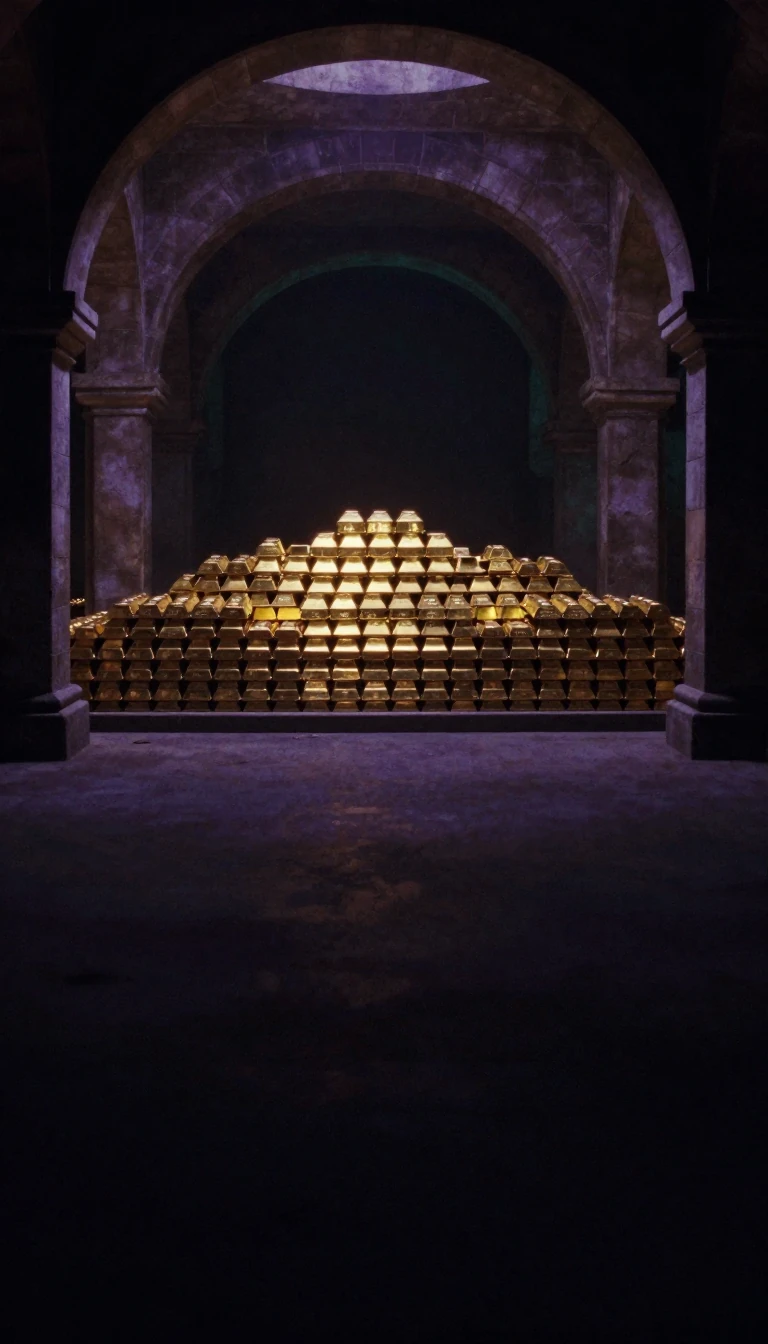 Why the world spent centuries obsessed with gold as a foundation for moneyFor most of human history, silver was the true backbone of daily commerce. Gold was a rare, high-value outlier, often too cumbersome for local trade. Yet, through a series of acci…
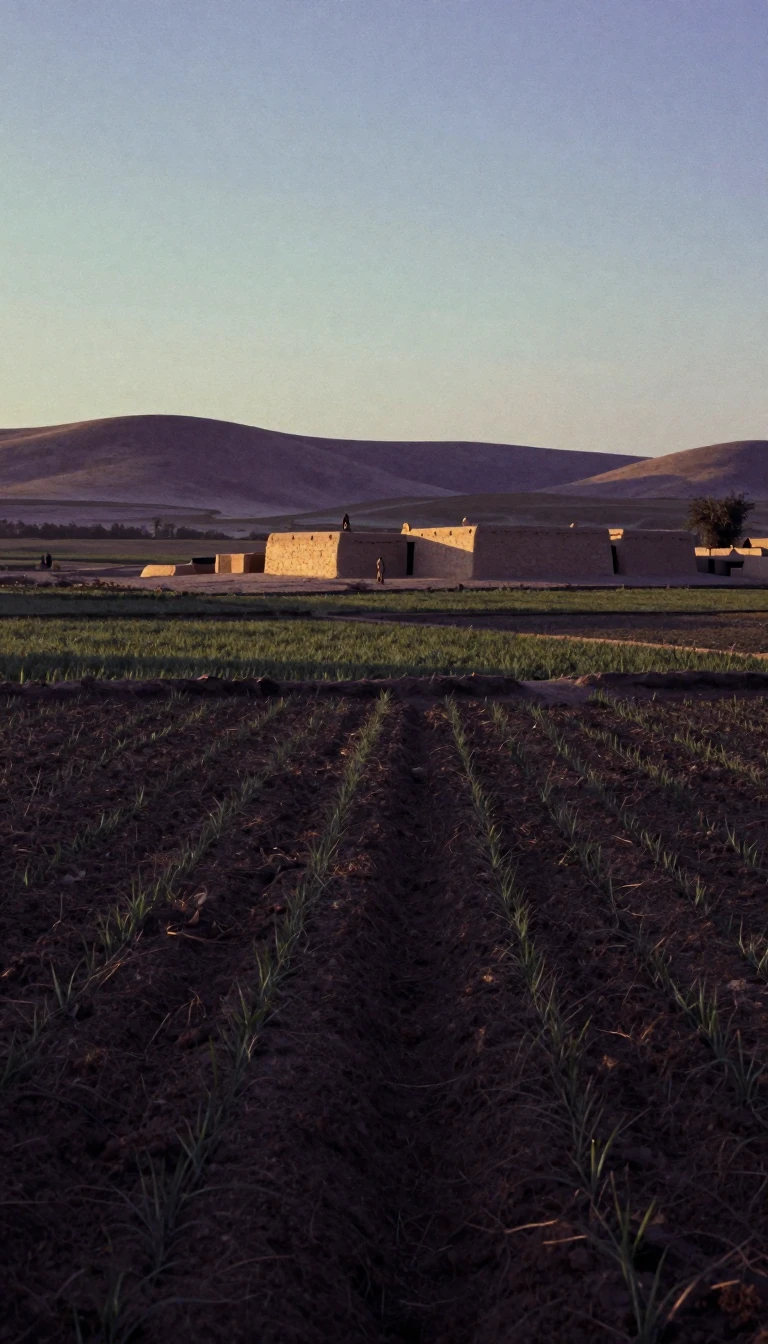 Why the world stopped calling Iran Persia in 1935For centuries, Western maps labeled the region Persia. But in 1935, a formal diplomatic request changed everything. This wasn't just a linguistic shift; it was a deliberate move b…
- Why the World Trade Center site required the greatest compromise in modern architectureThis video examines the complex architectural and political challenges behind rebuilding the World Trade Center site. It explores how competing interests and stakeholders navigate…
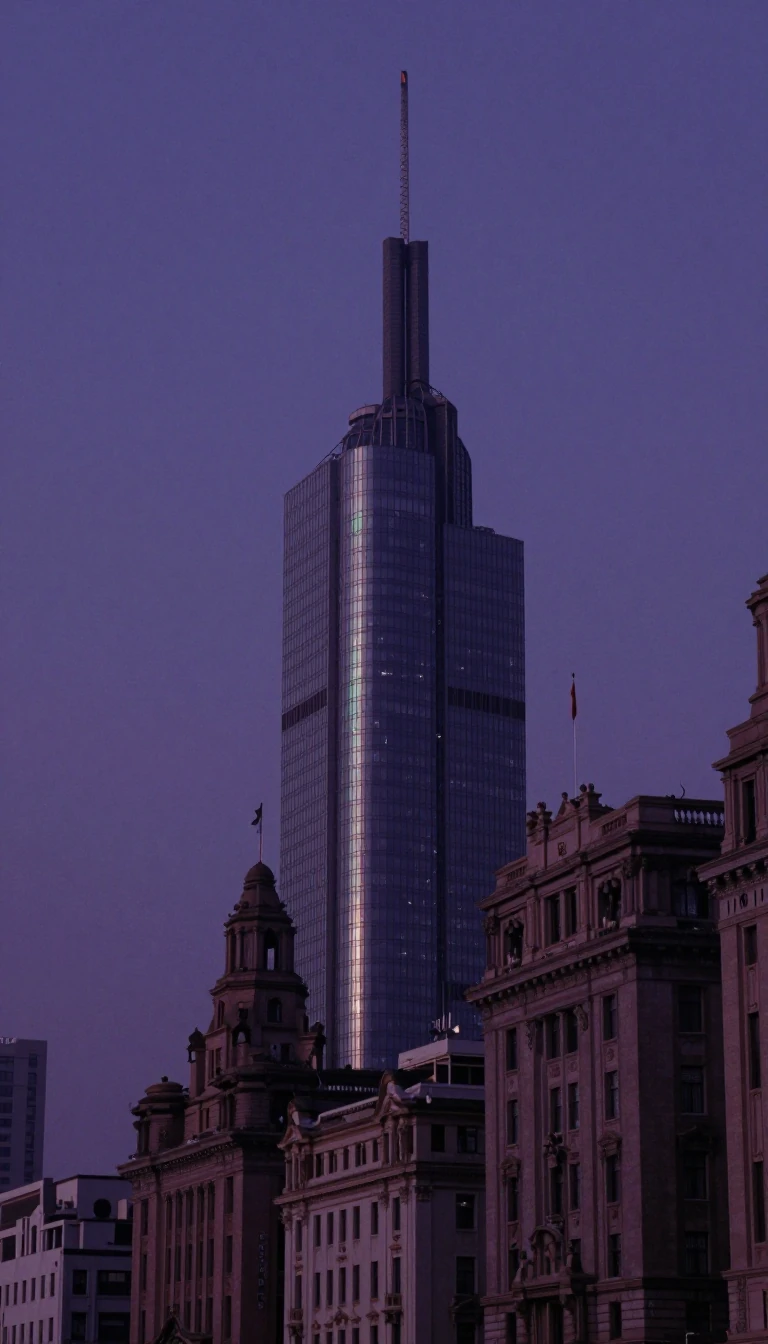 Why the World Trade Center was designed as two towers instead of oneWhen architect Minoru Yamasaki was asked why he chose to build two 110-story skyscrapers rather than a single 220-story monolith, he offered a wry explanation: he did not want to …
 Why the world trusts the U.S. government to pay its massive debtsWith over $30 trillion in outstanding debt, U.S. Treasury securities form the largest and most liquid sovereign debt market on the planet. Backed by the full faith and credit of t…
 Why the world turned its eyes to the Moon on October 21, 2023This broadcast celebrates International Observe the Moon Night, a global event dedicated to lunar science, exploration, and our cultural connection to our natural satellite. It fe…
 Why the world won't end on December 21, 2012As the 2012 deadline approached, a wave of doomsday predictions flooded the media. This video features NASA's scientific response to these fears, explaining why our planet remains…
 Why the World Wrestling Championships have a complicated history of official and unofficial titlesThe World Wrestling Championships represent the pinnacle of international amateur wrestling, yet their history is surprisingly layered. While modern events are strictly governed b…
 Why the world's 11th highest mountain is known as the Hidden PeakRising 8,080 metres in the Karakoram range, Gasherbrum I is a giant that remains elusive. While often misidentified as the Shining Wall, its name actually translates to beautiful …
 Why the world's 14 tallest peaks are defined by an arbitrary 18th-century measurementFourteen mountains stand above 8,000 meters, a threshold that exists only because of how French scientists defined the meter in 1793. These peaks, located in the Himalayan and Kar…
 Why the world's best cyclists trade their team jerseys for national pride every yearIn a sport defined by corporate trade teams, the UCI Road World Championships stand apart. Here, riders compete for their home nations, chasing the right to wear the iconic rainbo…
- Why the World's Best Mountain Bikers Trade Their Corporate Jerseys for National ColorsAt the UCI Mountain Bike World Championships, the usual commercial sponsorships vanish. Riders compete for their countries, not their teams, vying for the prestigious rainbow jers…
 Why the world's biggest brands are ditching infrastructure management for serverlessDiscover how modern developers are building production-ready applications without managing any underlying servers. This CS50 Tech Talk explores the shift toward serverless archite…
 Why the world's biggest pop star chose to hide behind a paintingAfter achieving global superstardom with Purple Rain, Prince released an album that defied commercial logic. He traded his own face for psychedelic textures and cryptic lyrics, in…
 Why the world's deadliest animal is a tiny, buzzing, blood-seeking biological machineMosquitoes are responsible for over 700,000 deaths annually, accounting for 17% of all infectious diseases. These insects act as biological vectors, carrying viruses, bacteria, an…
 Why the world's deepest peacetime economic shock lasted a decadeThe Great Depression was more than a stock market crash; it was a decade of profound global instability. From widespread malnutrition to the seeds of a second world war, the era's…
 Why the world's electricity travels in three waves offset by a third of a cycleAlmost every power grid on Earth sends electricity as three alternating currents, each peaking a third of a cycle after the last. That arrangement, worked out by several inventors…
 Why the world's elite drivers race for a watch at Daytona's grueling endurance testHeld annually in Florida, the Rolex 24 at Daytona is a premier endurance challenge where teams trade shifts for a full day. Beyond the trophy, winners earn a luxury timepiece, a t…
 Why the world's fastest, most efficient chips might soon ditch the global clockModern electronics rely on a global clock to synchronize every operation, but this rigid pulse creates massive power waste and design bottlenecks. Asynchronous circuits abandon th…
 Why the world's final mammoths suffered a catastrophic genetic collapse on Wrangel IslandThe last mammoths on Earth lived on Wrangel Island, where they faced a phenomenon called mutational meltdown. This video examines how these survivors, once part of a widespread ge…
 Why the world's finest gardens avoid chemical warfare on pestsThe Royal Tasmanian Botanical Gardens protects rare and threatened species using a strategy that prioritizes ecology over eradication. Instead of reaching for heavy pesticides, th…
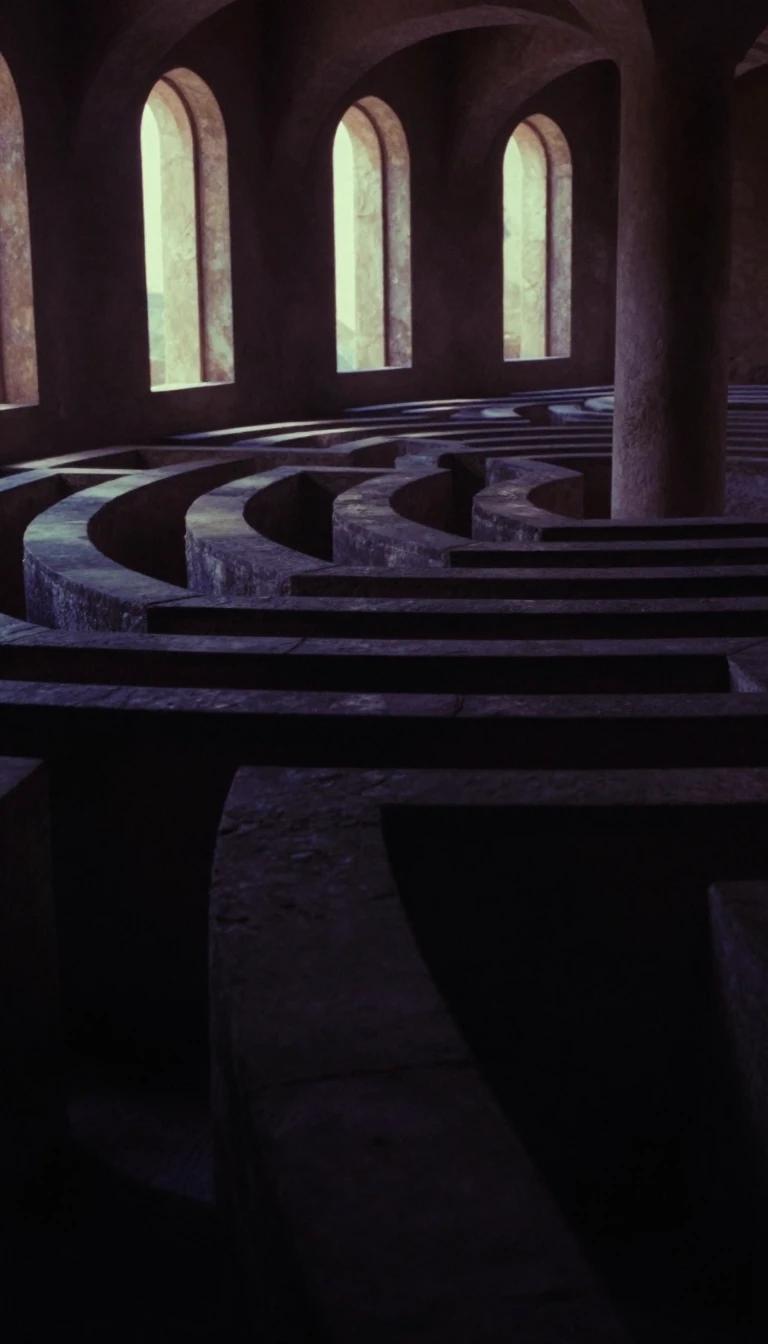 Why the world's finest jai alai court was built in a town of peaceGuernica is globally recognized as a symbol of peace and a tragic site of early aerial warfare. Yet, this Basque town also houses the world's largest operational jai alai court. B…
 Why the world's finest natural harbour was once a shorthand for an entire colonyPort Jackson is more than just the iconic backdrop to the Sydney Opera House. This drowned river valley, discovered by James Cook in 1770, served as the birthplace of modern Austr…
 Why the world's finest wines rely on the precise science of grape cultivationViticulture is far more than simple farming. It is a complex horticultural science where climate, soil, and slope—collectively known as terroir—dictate every nuance of a wine. Fro…
 Why the world's first commercial jetliner fell from the sky in piecesIn the early 1950s, the de Havilland Comet was the future of aviation. Yet, a series of mysterious, mid-air disintegrations grounded the entire fleet. Investigators eventually dis…
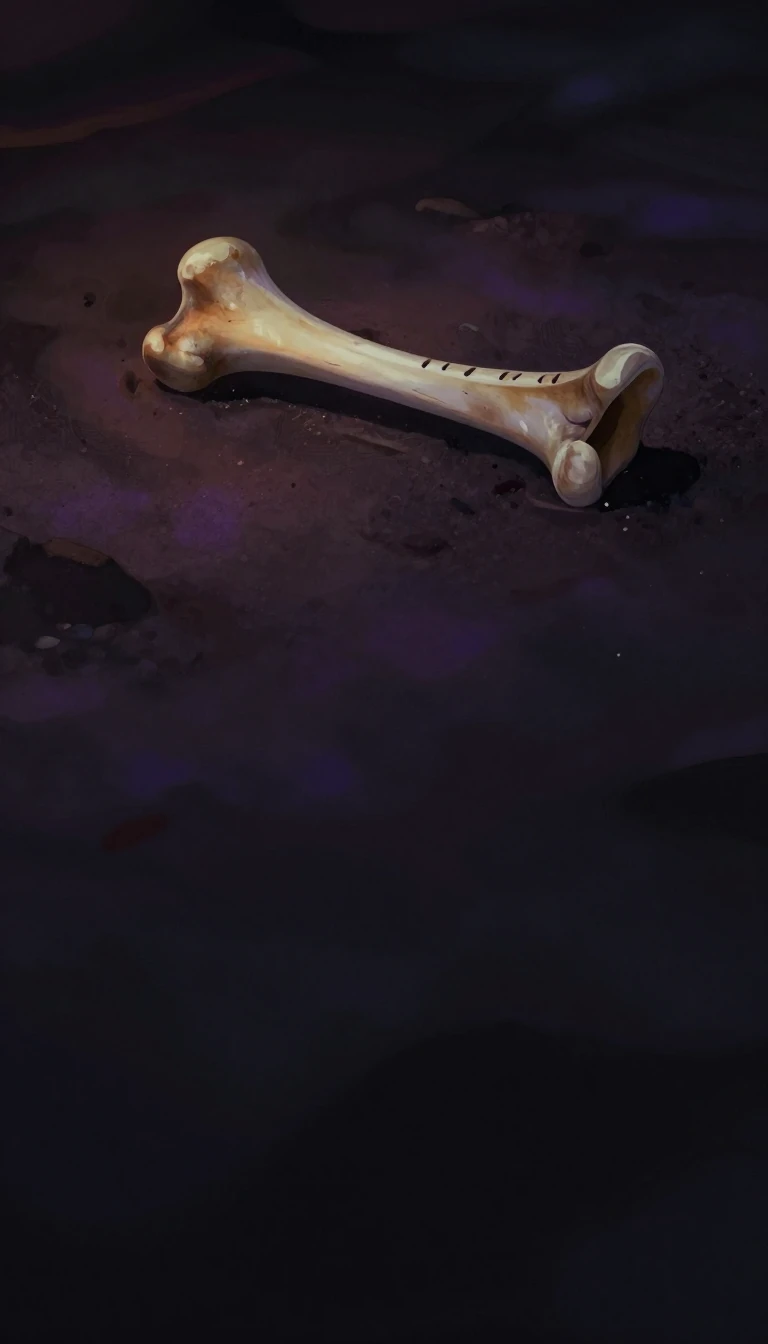 Why the world's first dinosaur sculptures are scientifically wrong but historically essentialUnveiled in 1854, the Crystal Palace dinosaurs were the first life-sized models of extinct animals. While modern palaeontology has proven these Victorian creations largely inaccur…
 Why the world's first discovery of prehistoric cave art was dismissed as a forgeryWhen Marcelino Sanz de Sautuola revealed the stunning polychrome paintings of Altamira in 1880, the scientific community reacted with ridicule. Experts insisted that prehistoric h…
 Why the world's first trillionaire will likely be an asteroid minerAs oil reserves dwindle, humanity looks toward the untapped, inexhaustible wealth of asteroids. This video explores how mining space rocks could mirror the 19th-century oil boom, …
 Why the world's first written laws were famously said to be written in blood.Around 621 BCE, Athens introduced a legal code so severe that death was the standard penalty for almost every crime. While these laws were meant to curb aristocratic exploitation,…