Why your suburban Tudor home is a romanticized, structural lie built for comfort
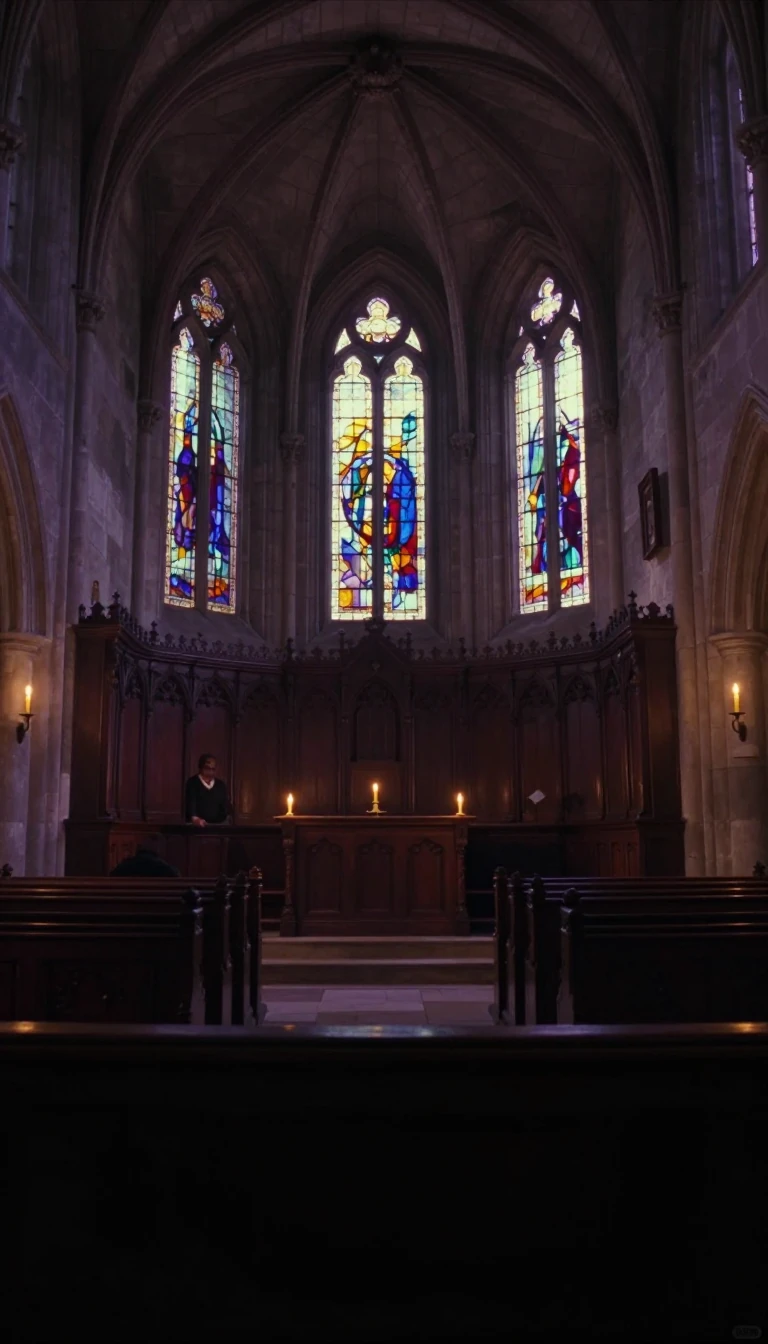
In short: The Tudor Revival style is less about historical accuracy and more about a nostalgic, picturesque fantasy of Merrie England. While these homes feature iconic half-timbering, gables, and tall chimneys, they are rarely structural. Instead, they are modern, mass-produced illusions designed to evoke a cozy, rustic past that never truly existed.
Tudor Revival architecture emerged in the late 19th century as a reaction against the industrialization and ornate Victorian Gothic styles of the era. Rather than replicating the genuine, load-bearing timber-framed structures of the 15th and 16th centuries, the revival focused on the aesthetic of the rural cottage. Architects like Norman Shaw and George Devey pioneered this movement, using picturesque elements such as herringbone brickwork, jettied floors, and decorative chimneys to create an idealized, organic-looking landscape. By the early 20th century, this style evolved into 'Tudorbethan,' a subset associated with the Arts and Crafts movement that stripped away the complex, fortress-like features of earlier Jacobethan designs in favor of a more domestic, quaint atmosphere.
The structural reality of these homes is often purely cosmetic. In original Tudor buildings, the heavy timber frame supported the entire weight of the house. In contrast, modern Tudor Revival homes typically rely on concrete blocks, brick, or simple stud-wall framing. The iconic half-timbered exterior is usually achieved by applying thin, non-load-bearing boards—often made of uPVC or fiber-reinforced cement—over the structural walls. This 'mask of tradition' was designed to provide a sense of history and comfort, though it frequently resulted in an eclectic, sometimes jarring mix of styles when placed on the smaller lots common in 20th-century suburban developments.
The style’s popularity peaked in the United States during the 1970s and 1980s, though it has since been largely superseded by Mediterranean and French villa designs. Critics have long debated the merits of the style; while some historians like James Stevens Curl praised the desire for 'naturalness' as a significant English contribution, others, such as Olive Cook, attacked the 'rash' of speculative construction that cheapened the aesthetic. Ultimately, the Tudor Revival remains a testament to the human desire for escapism, transforming the outskirts of towns into a curated, nostalgic version of a medieval past that prioritizes visual charm over historical or structural authenticity.
Opens the Intellect+ feed with this card first. Swipe up for the next one.
Sources
- Summary by Intellect · source: Tudor Revival architecture
- Also: www.britannica.com — Tudor style | Renaissance, Gothic Revival & Tudor Revival | Britannica
To cite this card, link to https://intellectplus.co.uk/app/culture-tudor-revival-architecture.
How we source, check and correct cards: Editorial standards.
General information, not professional advice. Spotted an error? Flag the card or see corrections and complaints.
Intellect Plus is a visual educational discovery platform for exploring fascinating facts and ideas. Brain Food, Not Brain Rot. What is Intellect Plus?
Related
More in US culture · More in Cultures · Latest · A–Z · All topics
