These winding ridges of sand are actually the ghosts of ancient glacial rivers
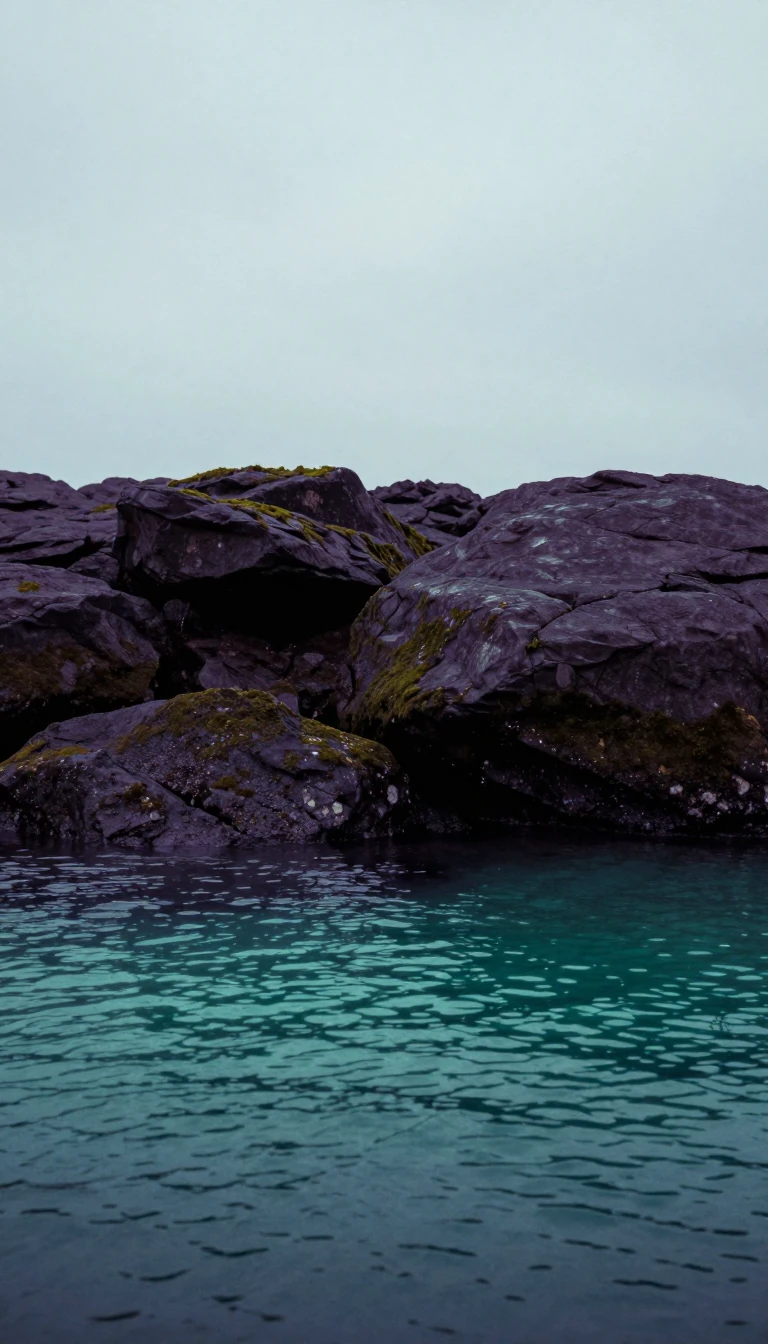
In short: Eskers are long, sinuous ridges of gravel and sand that snake across landscapes once covered by ice. Often resembling man-made railway embankments, these formations are the final, slumped remains of sediment-filled tunnels that once flowed beneath massive glaciers. They are nature's hidden highways, sometimes stretching for hundreds of kilometers.
An esker forms when meltwater streams carve tunnels within or beneath a sluggish glacier. As these streams transport rock debris, they deposit stratified sand and gravel along the tunnel floor. When the glacier eventually retreats and the surrounding ice walls melt away, the sediment that once filled these subglacial conduits is left behind, slumping into the characteristic winding ridges we see today. Because they represent an unusual form of sedimentation where the former channel path is now higher than the surrounding terrain, they stand out as distinct, often knobby features in the landscape.
The physical structure of an esker is dictated by the complex interplay between water pressure and the weight of the overlying ice. While they generally follow the direction of glacial flow, the path can be forced into valleys or low points, deviating from the glacier's direct route. These ridges are not typically continuous; they are frequently broken by gaps and vary in height, usually reaching between 20 and 30 meters. The composition of the material—mostly water-laid sand and gravel—is sorted and often shows cross-bedding, reflecting the high-energy environment of the original meltwater streams.
Beyond their geological significance, eskers play a vital role in modern ecosystems and human infrastructure. In northern Canada, they provide essential habitats for wildlife; grizzly bears, tundra wolves, and ground squirrels burrow into them to survive harsh winters, while the vegetation they support, such as cranberries, feeds migrating waterfowl. Humans have also found practical uses for these natural features. Because of their elevated, uniform, and well-drained nature, they have long served as convenient foundations for roads and highways, including the Denali Highway in Alaska and the Trans-Taiga Road in Quebec. From the 800-kilometer-long Thelon Esker in Canada to the historic Eiscir Riada in Ireland, these glacial legacies remain some of the most striking landforms on Earth.
Opens the Intellect+ feed with this card first. Swipe up for the next one.
Sources
- Summary by Intellect · source: Esker
To cite this card, link to https://intellectplus.co.uk/app/nature-esker.
How we source, check and correct cards: Editorial standards.
General information, not professional advice. Spotted an error? Flag the card or see corrections and complaints.
Intellect Plus is a visual educational discovery platform for exploring fascinating facts and ideas. Brain Food, Not Brain Rot. What is Intellect Plus?
Related
More in Geomorphology · More in Nature · Latest · A–Z · All topics
