Beyond Earth: Why planetary crusts crack into massive, towering cliffs across the solar system
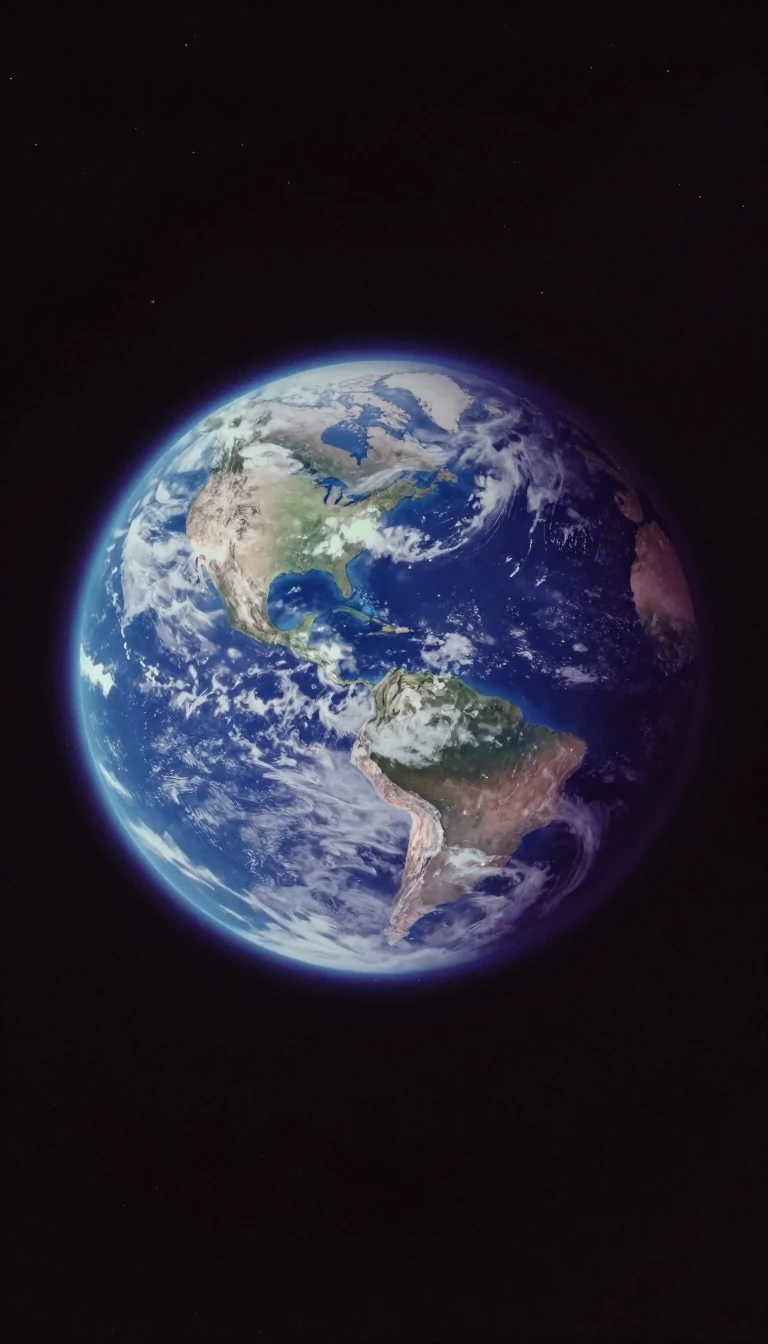
In short: An escarpment is more than just a steep cliff; it is a profound geological boundary separating two distinct elevations. While often carved by erosion on Earth, these dramatic ridges also appear on other worlds, revealing the hidden history of how planetary crusts contract and cool over vast geological timescales.
At its simplest, an escarpment is a long, steep slope or cliff that marks the transition between two relatively level areas of differing elevations. While the term is often conflated with a scarp—which specifically refers to the steep cliff face itself—a true escarpment is a ridge featuring a gentle slope on one side and a sharp, abrupt scarp on the other. These features are not merely terrestrial curiosities; they are found across the solar system on bodies like Mercury, Mars, and the Moon. On these worlds, the Latin term rupes is used, and these cliffs are believed to form when a planet’s crust contracts due to cooling.
On Earth, escarpments generally arise through two primary mechanisms: differential erosion or tectonic faulting. Differential erosion is the more common process, occurring when softer rock layers are undercut, leaving behind a more resistant layer—such as the dolomite found in the 1,000 km long Niagara Escarpment—to form the steep face. Because different rock types weather at varying speeds, as described by the Goldich dissolution series, these cliffs reveal complex, layered histories of deformation. Alternatively, fault scarps form when the Earth's crust shifts, displacing the ground surface so that one side sits higher than the other.
These geological formations have long influenced the landscape and human history. They can define regional boundaries, such as the fall line where uplands meet coastal plains, or serve as natural fortifications, with historical castles frequently built atop their heights for protection. Whether they are the result of ancient tectonic movement or the slow, relentless work of wind and water, escarpments serve as visible markers of the forces that shape both our planet and the wider solar system.
Opens the Intellect+ feed with this card first. Swipe up for the next one.
Sources
- Summary by Intellect · source: Escarpment
- Also: Escarpment | geology | Britannica
To cite this card, link to https://intellectplus.co.uk/app/nature-escarpment.
How we source, check and correct cards: Editorial standards.
General information, not professional advice. Spotted an error? Flag the card or see corrections and complaints.
Intellect Plus is a visual educational discovery platform for exploring fascinating facts and ideas. Brain Food, Not Brain Rot. What is Intellect Plus?
Related
More in Geomorphology · More in Nature · Latest · A–Z · All topics
