Why the Earth is still reacting to ice sheets that melted thousands of years ago
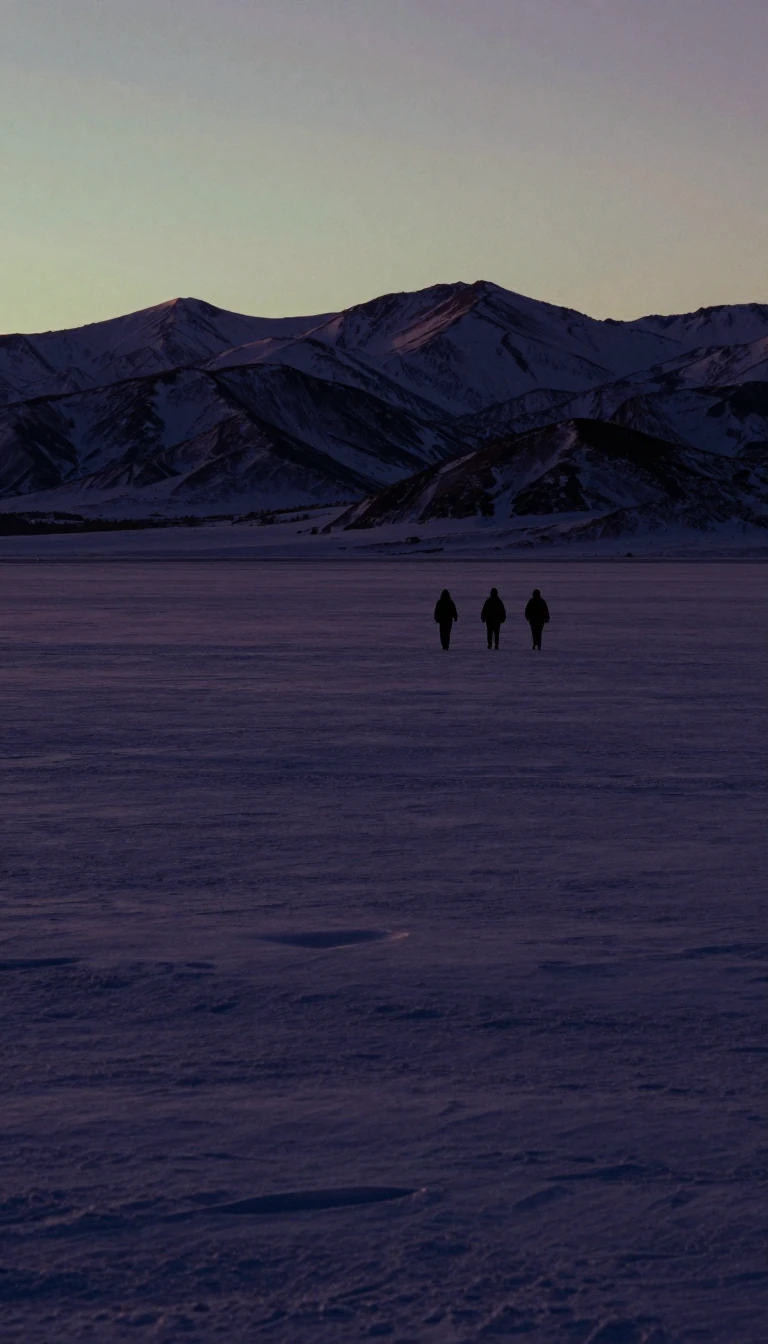
In short: The Earth behaves like a mattress, deforming under pressure and slowly returning to its original shape. Even though the last ice age ended millennia ago, the planet is still adjusting to the massive weight of ancient glaciers, causing land to rise in some regions and sink in others.
Glacial isostatic adjustment, often called the Mattress Effect, describes the ongoing movement of the Earth's crust in response to the removal of massive ice sheets. During the last ice age, which occurred about 16,000 to 20,000 years ago, ice sheets up to three kilometers thick covered large portions of the Northern Hemisphere. This immense weight depressed the crust, forcing the viscous material of the Earth's mantle to flow away from the loaded regions.
When the ice retreated, the land began a slow, multi-stage recovery. The initial response was an elastic rebound, followed by a long-term, gradual rise driven by the viscous flow of mantle material returning beneath the deglaciated areas. This process is not uniform; while areas once crushed by ice are rising, regions that were on the periphery—the forebulge—are now collapsing. For instance, parts of the U.S. East Coast are sinking as this forebulge subsides, with land near the Chesapeake Bay expected to drop by as much as half a foot over the next century.
The consequences of this adjustment are profound and global. In Northern Europe, the uplift is so significant that it has transformed landscapes, turning former sea arms into freshwater lakes and forcing coastal ports to relocate as the shoreline recedes. In Great Britain, the rising north is causing the south to tilt downward, increasing flood risks. Because the mantle is extremely viscous, scientists estimate this adjustment will continue for at least another 10,000 years, offering researchers critical data on mantle convection, plate tectonics, and the history of Earth's climate.
Monitoring these movements is essential for modern infrastructure. NOAA utilizes a network of nearly 2,000 Global Positioning System stations to track these subtle shifts, providing data vital for construction, mapping, and navigation. By studying these deformations, geologists gain insight into the flow laws of mantle rocks and the complex ways the planet maintains isostatic equilibrium.
Opens the Intellect+ feed with this card first. Swipe up for the next one.
Sources
- Summary by Intellect · source: What is glacial isostatic adjustment?
- Also: Post-glacial rebound
To cite this card, link to https://intellectplus.co.uk/app/nature-post-glacial-rebound.
How we source, check and correct cards: Editorial standards.
General information, not professional advice. Spotted an error? Flag the card or see corrections and complaints.
Intellect Plus is a visual educational discovery platform for exploring fascinating facts and ideas. Brain Food, Not Brain Rot. What is Intellect Plus?
Related
More in Geomorphology · More in Nature · Latest · A–Z · All topics
