Stalagmites are not just limestone; they can be made of lava, ice, or concrete.
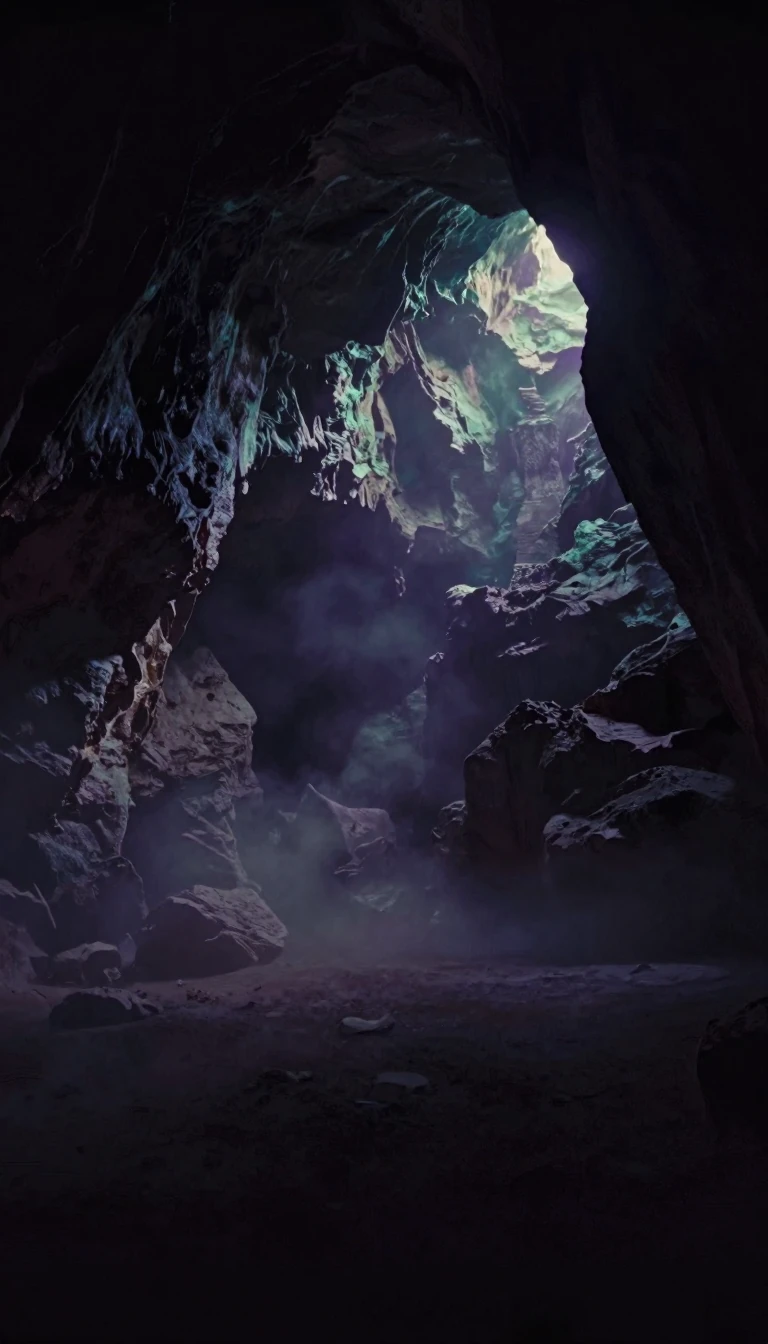
In short: While we often picture limestone formations rising from cave floors, stalagmites are defined simply by gravity-driven accumulation. From the crystallized urine of pack rats to the rapid cooling of molten lava or the degradation of modern concrete, these structures reveal a surprising variety of geological and man-made origins.
The classic stalagmite is a speleothem, a mineral deposit typically found in limestone caves. These form when water containing dissolved carbon dioxide creates a calcium bicarbonate solution. As this solution enters a cave chamber, the partial pressure of carbon dioxide must drop for the calcium carbonate to precipitate and build up on the floor. This is a slow, delicate process that can span thousands or even hundreds of thousands of years. Because these formations rely on the precise flow of mineralized water, human contact is damaging; skin oils can alter surface tension, while dirt and oils permanently stain the rock.
In contrast, lava stalagmites form through the rapid cooling of molten siliceous material. Unlike limestone versions, which rely on aqueous solutions and carbon dioxide degassing, lava stalagmites grow in a matter of hours, days, or weeks. Once the lava flow ceases, these formations stop growing entirely and cannot regenerate if broken. Ice stalagmites, or icicles, also form quickly when water seeps into freezing caves or water vapor freezes directly. Unlike lava formations, ice stalagmites can grow back repeatedly as long as the environmental conditions remain cold enough.
Human activity has introduced a new category of these formations: calthemites. These occur when concrete degrades, leaching calcium ions that redeposit as stalagmites under structures. While they mimic the appearance of natural speleothems, they are chemically distinct and rarely exceed a few centimetres in height. Despite their varied origins, the scale of these formations can be immense. The world’s largest known stalagmite, located in Vietnam’s Sơn Đoòng Cave, reaches over 70 metres in height. Historically, they have even been repurposed by humans; in the 3rd century, a colossal statue of the Sassanid ruler Shapur I was carved directly from a single stalagmite in Iran’s Shapur cave.
Opens the Intellect+ feed with this card first. Swipe up for the next one.
Sources
- Summary by Intellect · source: Stalagmite
To cite this card, link to https://intellectplus.co.uk/app/nature-stalagmite.
How we source, check and correct cards: Editorial standards.
General information, not professional advice. Spotted an error? Flag the card or see corrections and complaints.
Intellect Plus is a visual educational discovery platform for exploring fascinating facts and ideas. Brain Food, Not Brain Rot. What is Intellect Plus?
Related
More in Geomorphology · More in Nature · Latest · A–Z · All topics
