Can you see the Milky Way? The Bortle scale measures your night sky quality.
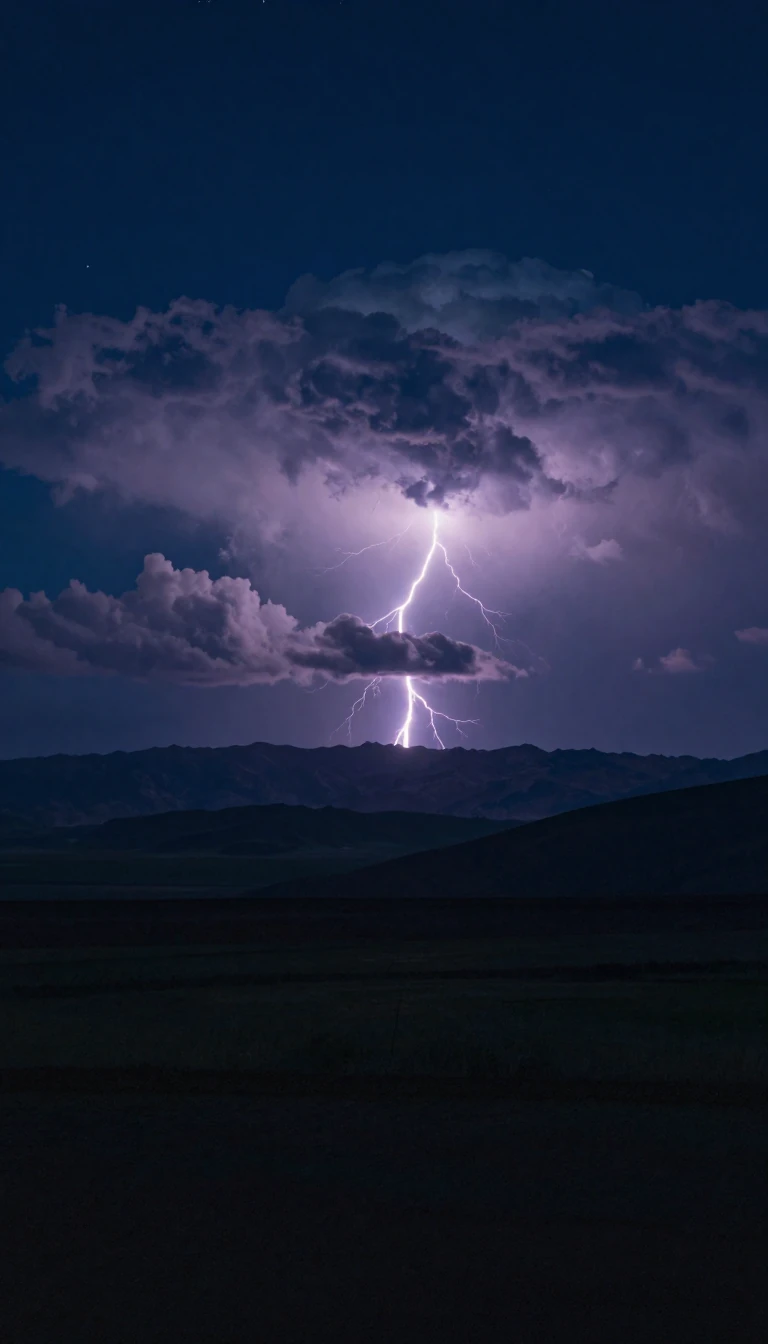
In short: Light pollution is erasing the stars, but how do you quantify the darkness of your backyard? In 2001, astronomer John E. Bortle introduced a nine-level scale to help observers evaluate sky quality. From pristine wilderness to glowing inner cities, this tool remains the standard for measuring our vanishing night.
The Bortle scale categorizes night skies from Class 1, representing the darkest possible conditions on Earth, to Class 9, which characterizes the bright, light-polluted skies of inner cities. John E. Bortle developed this system to provide a practical alternative to naked-eye limiting magnitude (NELM) measurements, which can fluctuate significantly based on an individual's visual acuity. By focusing on the visibility of specific celestial objects and the presence of artificial light domes, the scale offers an intuitive way for both amateur and professional astronomers to compare observing sites.
The scale's relevance has only grown as urbanization and the global shift toward LED lighting have altered the night landscape. While LEDs offer energy efficiency, their higher light temperatures contribute to skyglow in ways that older studies did not fully account for. Experts at DarkSky International argue that the solution lies in responsible, warm-colored lighting that is carefully targeted and kept at the minimum necessary brightness. As James Brodrick of the US Department of Energy noted in 2018, while some artificial light is an unavoidable byproduct of modern life, it carries undesirable side effects for our view of the cosmos.
Despite its widespread adoption, the scale is not without critique. Research from 2014 suggests that Bortle may have been overly optimistic regarding the visibility of dim, diffuse objects like the galaxy M33. While Bortle categorized M33 as a naked-eye object for certain classes, many observers find it significantly harder to spot than point sources of equivalent magnitude. Furthermore, the NELM values associated with his darkest classes—such as exceeding 7.1—are considered by some to be exceptionally high expectations. Nevertheless, the scale remains a vital tool, now supported by global databases of sky quality meter measurements that allow us to map the brightness of the night sky anywhere on the planet.
Opens the Intellect+ feed with this card first. Swipe up for the next one.
Sources
- Summary by Intellect · source: Bortle scale
To cite this card, link to https://intellectplus.co.uk/app/space-bortle-scale.
How we source, check and correct cards: Editorial standards.
General information, not professional advice. Spotted an error? Flag the card or see corrections and complaints.
Intellect Plus is a visual educational discovery platform for exploring fascinating facts and ideas. Brain Food, Not Brain Rot. What is Intellect Plus?
Related
More in Observational astronomy · More in Space · Latest · A–Z · All topics
