 Intellect Plus
Plants
384 cards. Each one is a 40-second story with a five-minute read behind it. Page 7 of 7.
 The ancient Australian superfood that tastes like chocolate, coffee, and roasted hazelnutsFor thousands of years, Aboriginal Australians have harvested the seeds of the Acacia tree to create nutrient-dense flour. Today, this hardy, low-glycemic ingredient is finding it…
 The translucent whitecurrant is actually a less pigmented version of the common redcurrantOften overshadowed by their vibrant red cousins, whitecurrants are a sophisticated, translucent variant of the same species. These pale, pearl-like berries offer a uniquely refres…
 Why white rice became the global standard despite losing its essential nutritional valueWhite rice is essentially brown rice stripped of its bran, husk, and germ. While this milling process creates a softer texture and longer shelf life, it removes critical fiber, vi…
 Wild rice is not actually rice, and it is at the heart of indigenous law.Often mistaken for a standard grain, wild rice is a distinct aquatic grass with a deep, sacred history. Beyond its nutritional profile, this plant has become a legal pioneer, with…
 Why winter squash is the ultimate survivor of the vegetable patchUnlike their delicate summer counterparts, winter squashes are built for the long haul. These frost-tender fruits develop tough, protective rinds that allow them to be stored for …
 Why your wisteria might refuse to bloom for two decadesWisteria is a stunning, vigorous climber, but it is notoriously fickle. If you grow one from seed, you could wait twenty years for your first flower. To guarantee a faster, more r…
- The ancient Australian grasstree can live for centuries and thrives on bushfire destructionEndemic to Australia, the Xanthorrhoea is a slow-growing perennial that defies harsh, nutrient-poor soils. These iconic plants rely on symbiotic fungi to survive and often require…
 Beyond the Spice Rack: The Botanical Diversity of the True Ginger GenusWhile most recognize ginger as a pungent kitchen staple, the genus Zingiber encompasses over 200 distinct species native to Asia. From the familiar rhizomes of Z. officinale to th…
- The Ginger Family: Ancient Tropical Survivors That Power Global Cuisines and MedicineBeyond the ginger root in your kitchen, the Zingiberaceae family is a sprawling, ancient botanical dynasty. With 59 genera and roughly 1,600 species, these aromatic perennials hav…
 These ancient, extinct plants were once mistaken for modern aquatic seaweedZosterophylls were among the first vascular plants to colonize land during the Silurian period. Early researchers misidentified them as aquatic plants due to their appearance, but…
 Why this resilient, creeping grass is the secret behind professional golf course fairwaysZoysia is a genus of creeping grasses native to Asia and Australia that has become a staple for golf courses and residential lawns worldwide. Renowned for its ability to withstand…
 The aromatic, spiny shrub that defines East Asian cuisineKnown as sanshō in Japan and chopi in Korea, Zanthoxylum piperitum is far more than a simple spice. This deciduous shrub offers a complex sensory experience, from its sharp thorns…
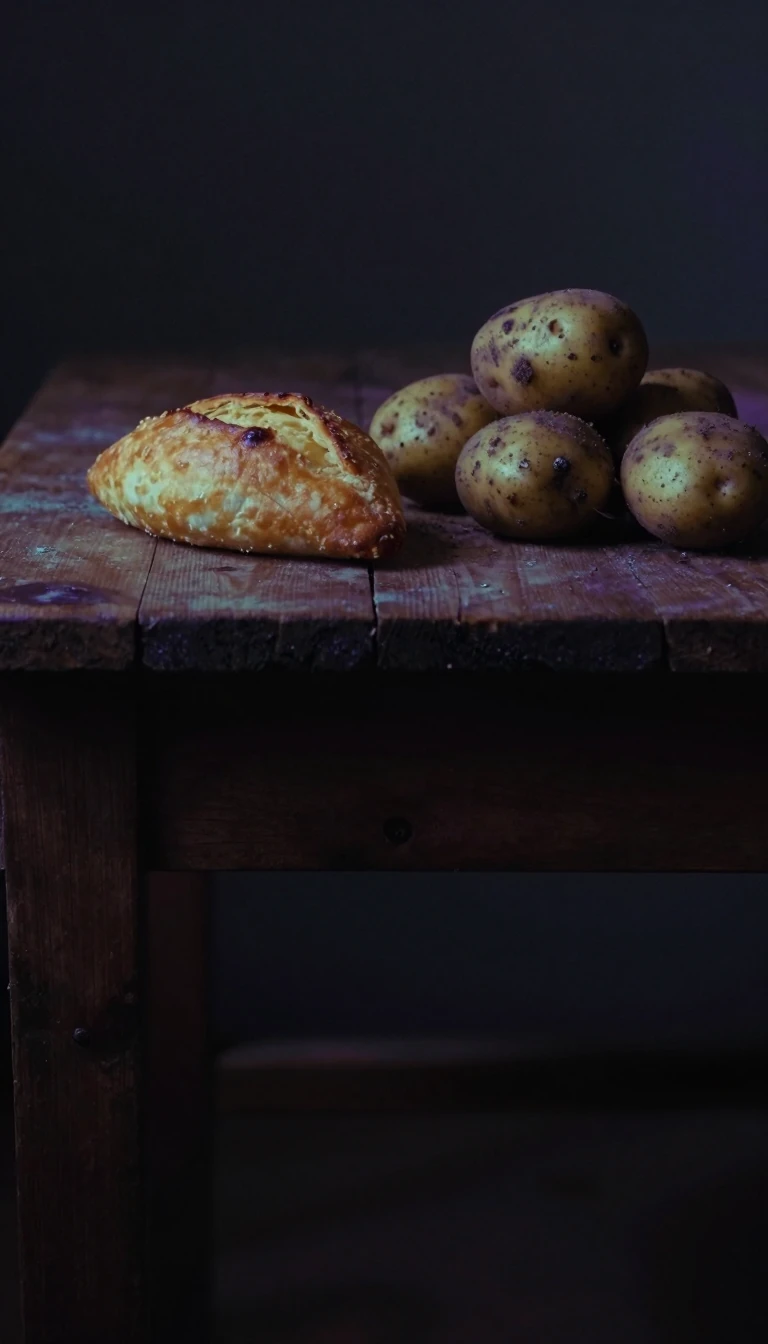 The Peruvian delicacy that transformed the North American potato marketIn the 1950s, a lab technician in Ontario set out to replicate a Peruvian delicacy. The result was a revolutionary yellow-fleshed potato that became a Canadian sensation, changing…
- The invasive, square-stemmed herb that once fueled a revolutionFrom ancient Roman gardens to the American Revolution, spearmint has been more than a flavoring. This hardy perennial is a biological powerhouse, capable of spreading through unde…
- From Roman rituals to monastery storerooms, the enduring legacy of common sageKnown to the Romans as a "holy herb," Salvia officinalis has transitioned from a sacred ritual plant to a staple of the modern kitchen. Once stored in monastery apothecaries for i…
 From Hindu temples to Florida gardens, the sacred history of IxoraKnown variously as jungle flame or West Indian jasmine, this tropical genus holds over 500 species. Beyond its vibrant summer clusters, Ixora carries a deep linguistic and spiritu…
 The botanical debate behind the world's most famous plant familyFrom the bitter hops in your beer to the industrial hemp in your clothing, the Cannabaceae family is everywhere. Yet, scientists still argue over whether the plants we use are act…
 The bean that wears its shell like armorWhile many legumes are prized for their soft interiors, the black turtle bean is defined by its exterior. It is the only variety of turtle bean, earning its name from a hard outer…
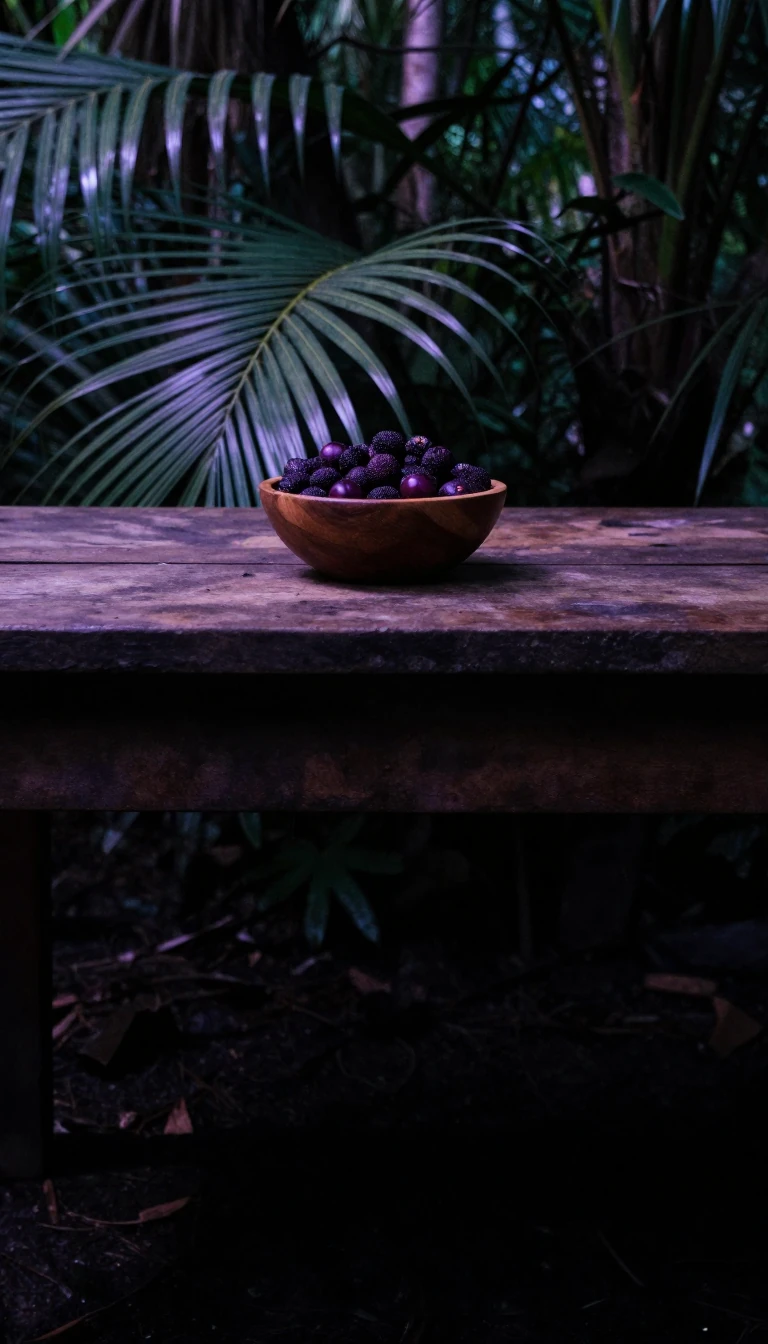 The African shea tree: a centuries-old source of nutrition and ritualIndigenous to the African savannah, the Vitellaria paradoxa is far more than a mere commodity. From providing essential dietary fats to holding mystical significance in Afro-Brazi…
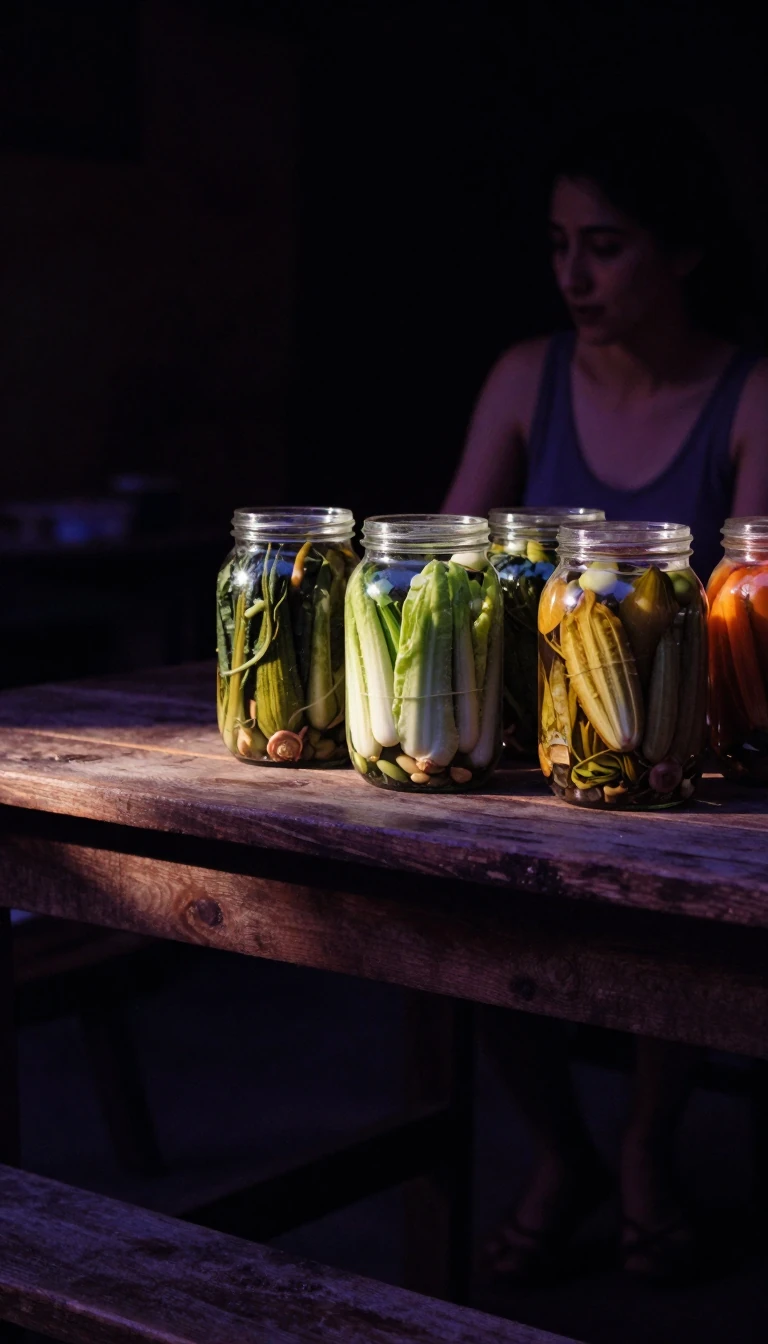 The lost 19th-century delicacy that was resurrected through modern genetic breedingLong thought to have vanished from cultivation by the mid-20th century, the snap pea is a triumph of agricultural science. Unlike their flat, thin-walled snow pea cousins, these t…
 The resilient, blue-tinted genus that shaped global textile historyFrom ancient Peruvian textiles to the birth of modern chemistry, the Indigofera genus has been much more than a simple dye source. With over 750 species, these versatile plants po…
 Choosing and nurturing the perfect Hamamelis for your winter gardenJack Aldridge, a horticulturist at RHS Garden Wisley, guides you through selecting and maintaining witch hazel. This video offers expert advice on navigating the diverse range of …
 How to successfully select and plant bare-root specimens for your gardenMillie from Gardening Australia shares essential advice on choosing, purchasing, and planting bare-root plants. This guide provides the foundational knowledge needed to ensure the…
 The US Supreme Court ruled the tomato a vegetable.Botanically, a tomato is a fruit: it grows from a flower and holds seeds. But in 1893, in Nix v. Hedden, the US Supreme Court ruled it a vegetable for tax purposes, because that's…