 Intellect Plus
Plants
384 cards. Each one is a 40-second story with a five-minute read behind it. Page 4 of 7.
 The aromatic makrut lime is a culinary staple with a complex, misunderstood nameKnown for its intense citrus fragrance and unique hourglass-shaped leaves, the makrut lime is a cornerstone of Southeast Asian cooking. While often called the kaffir lime, this na…
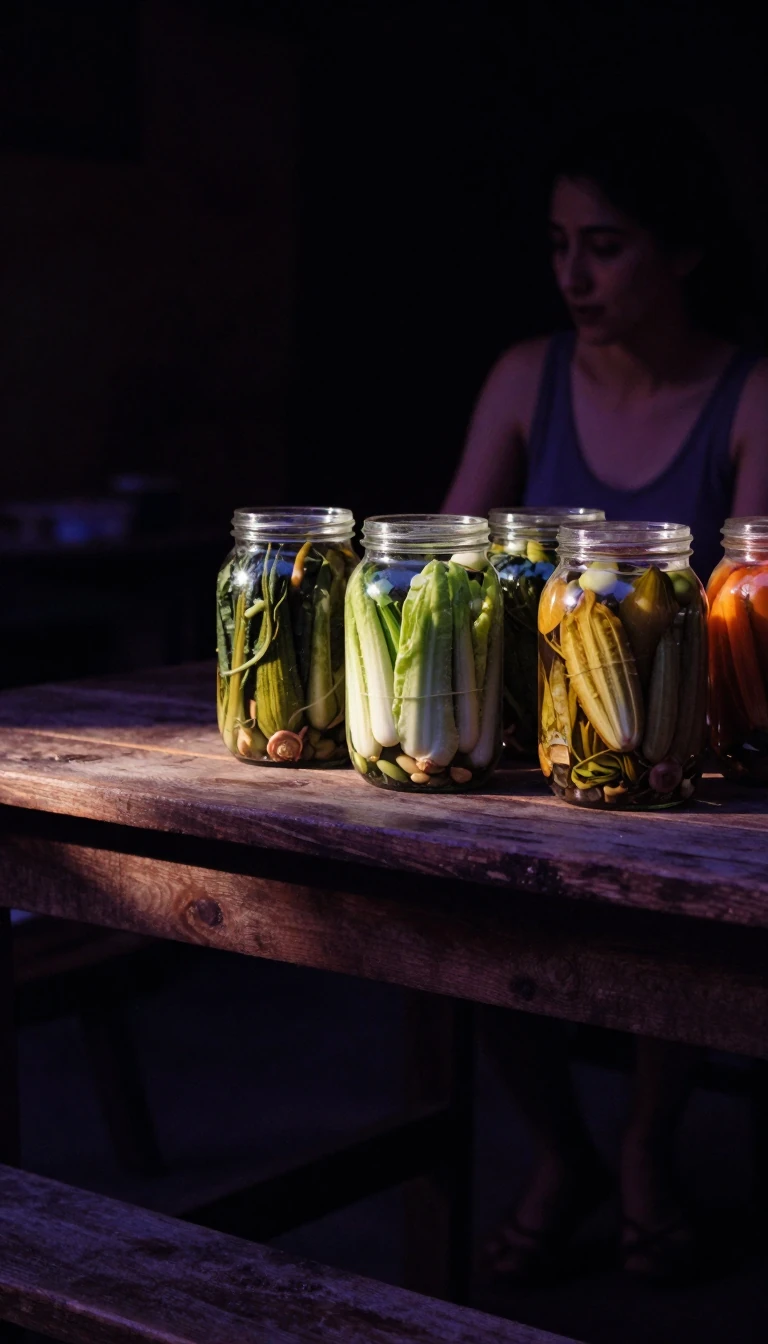 Beyond the Pie: The Ancient Medicinal and Botanical History of the Key LimeKnown globally as a culinary staple, the Key lime is a thorny, aromatic survivor with a history spanning from Southeast Asia to the Florida Keys. Beyond its famous tart flavor, th…
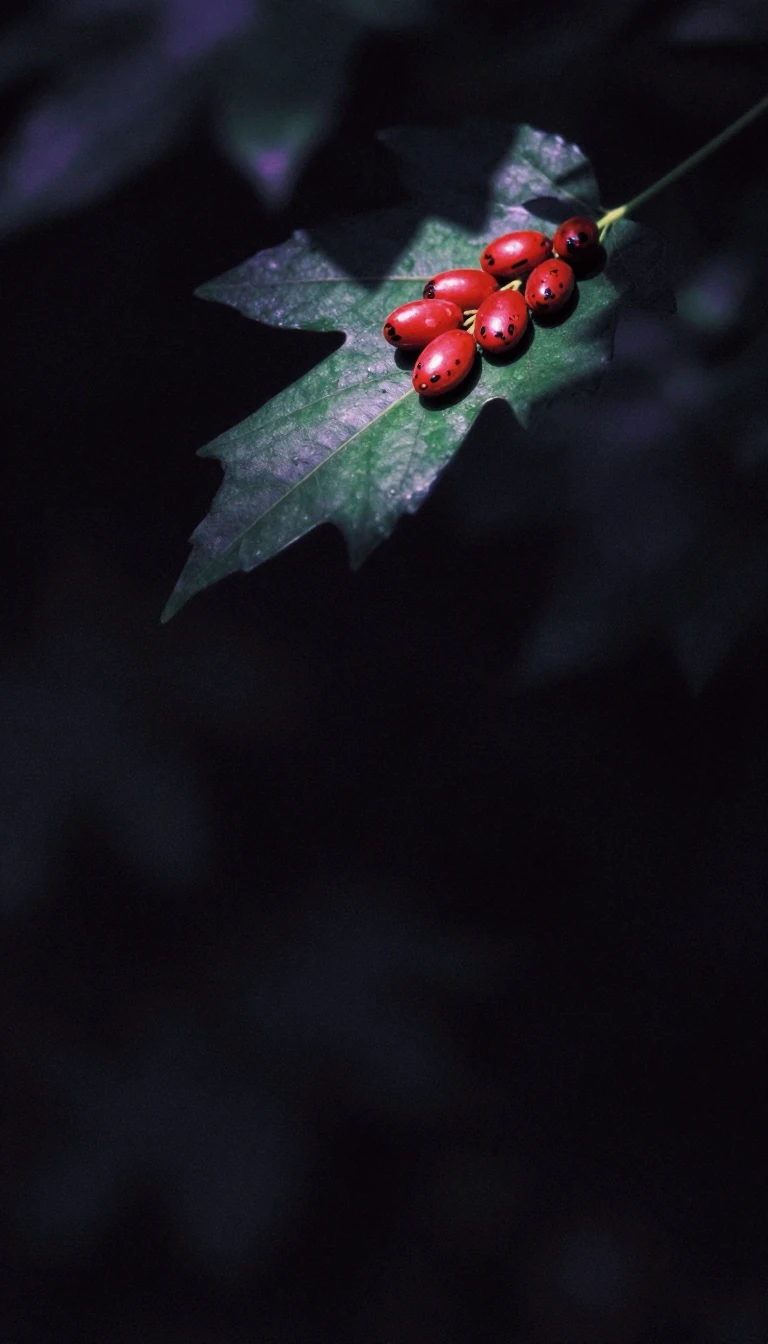 The humble kidney bean is a culinary staple that demands careful preparation to avoid illness.Named for its striking resemblance to a human organ, the kidney bean is a global pantry essential. From Indian rajma to Creole red beans and rice, its versatility is unmatched. Ye…
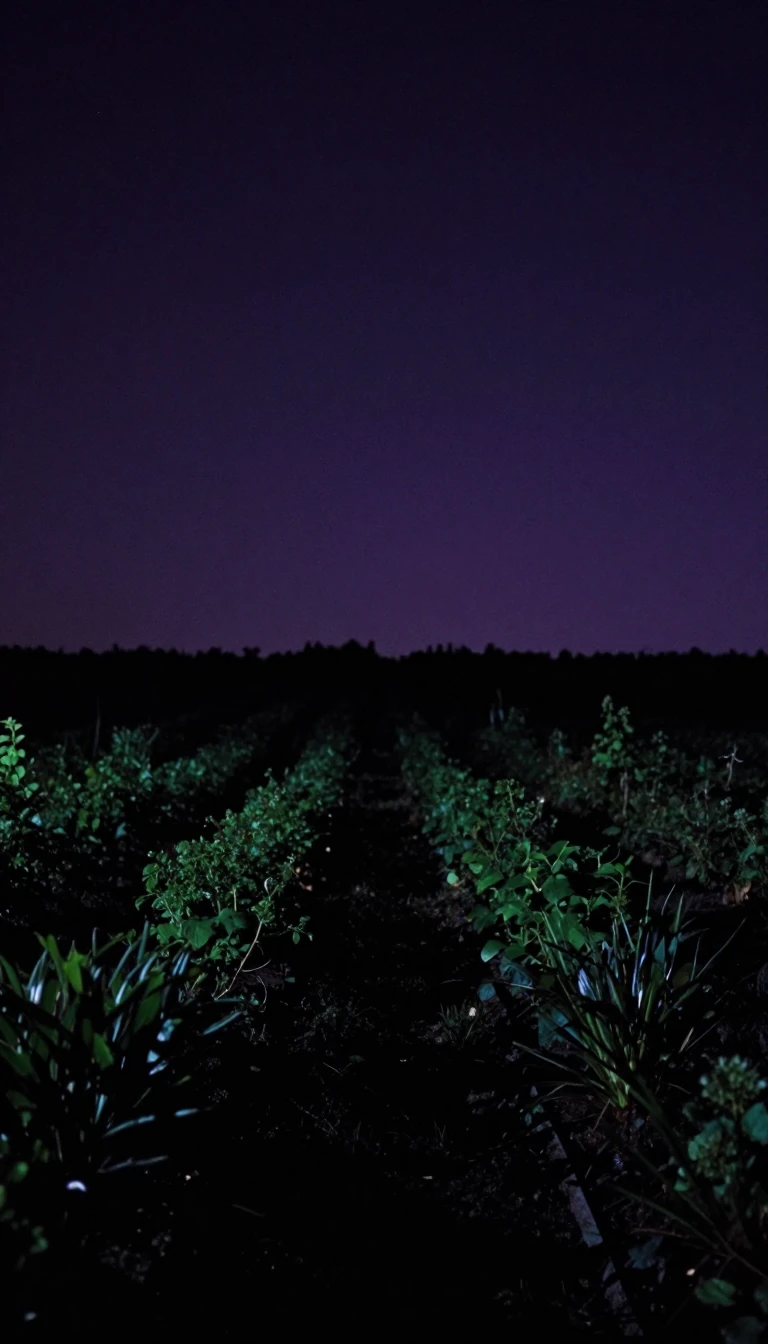 The invasive vine that was once a government-funded solution to American soil erosionKudzu is a fast-growing legume that famously smothers Southern landscapes, yet it was once promoted by the U.S. government as a miracle cure for soil erosion. Today, this former a…
 The ancient, versatile lablab bean is a nutritional powerhouse hiding in plain sightKnown by dozens of names from bataw to njahe, the lablab bean has been cultivated for over 4,500 years. While it serves as a vital food source and soil-improving crop across the t…
 From culinary herbs to parasitic giants, the Lamiales order is a botanical powerhouse.The Lamiales order is a massive, diverse group of flowering plants encompassing over 23,000 species. While you likely recognize its aromatic members like mint and basil, this orde…
- From avocado to cinnamon, the laurel family hides a fragrant, ancient, and diverse world.The Lauraceae family is a global powerhouse of aromatic trees and shrubs. From the spice in your kitchen to the timber in your furniture, these plants have shaped human history fo…
 The tiny, floating plant that could feed astronauts and clean our polluted waterwaysDuckweed, a subfamily of aquatic plants, is far more than a pond nuisance. These rapid-growing organisms produce more protein than soybeans, offer a potential solution for sustain…
 The towering scale trees that dominated ancient swamps were not actually trees at all.Lepidodendron reached heights of 40 metres, yet these giants were closer to club mosses than modern timber. They lacked true roots and relied on thick bark for structural support …
 The secret to the success of 11,000 fern species lies in a single cellLeptosporangiate ferns dominate the fern world, comprising the vast majority of all living species. Their name reveals their unique evolutionary edge: unlike other ferns, their sp…
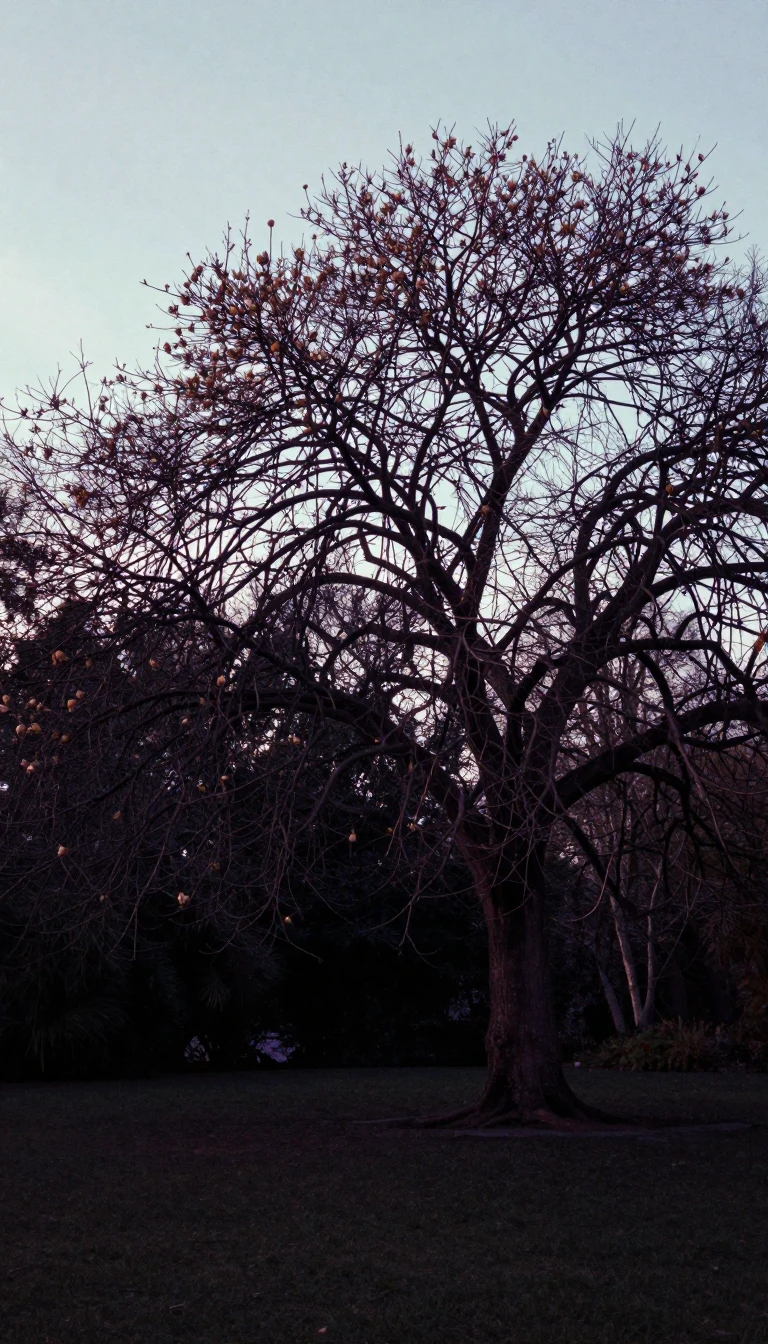 The tulip tree is a towering giant that once spanned the entire northern hemisphere.Often misidentified as a poplar, the Liriodendron is a massive, ancient genus with only two living species. These trees, which can soar nearly 200 feet into the air, are living re…
 Stone oaks are ancient, rugged trees that once spanned the Northern HemisphereKnown as stone oaks, the Lithocarpus genus contains hundreds of species primarily found in Southeast Asia today. While they thrive in high-altitude forests, their history is far m…
 The forgotten spice that gave the world the name for all pepperBefore black pepper dominated global trade, long pepper was the standard seasoning of the ancient world. Native to India, this pungent, sweet vine once fueled the Age of Discovery…
 The longleaf pine is a fire-dependent ecosystem builder that once dominated the American South.Once covering 90 million acres, the longleaf pine is a resilient, fire-loving conifer that spends its first decade as a grass-like fountain. Though clear-cutting nearly wiped it o…
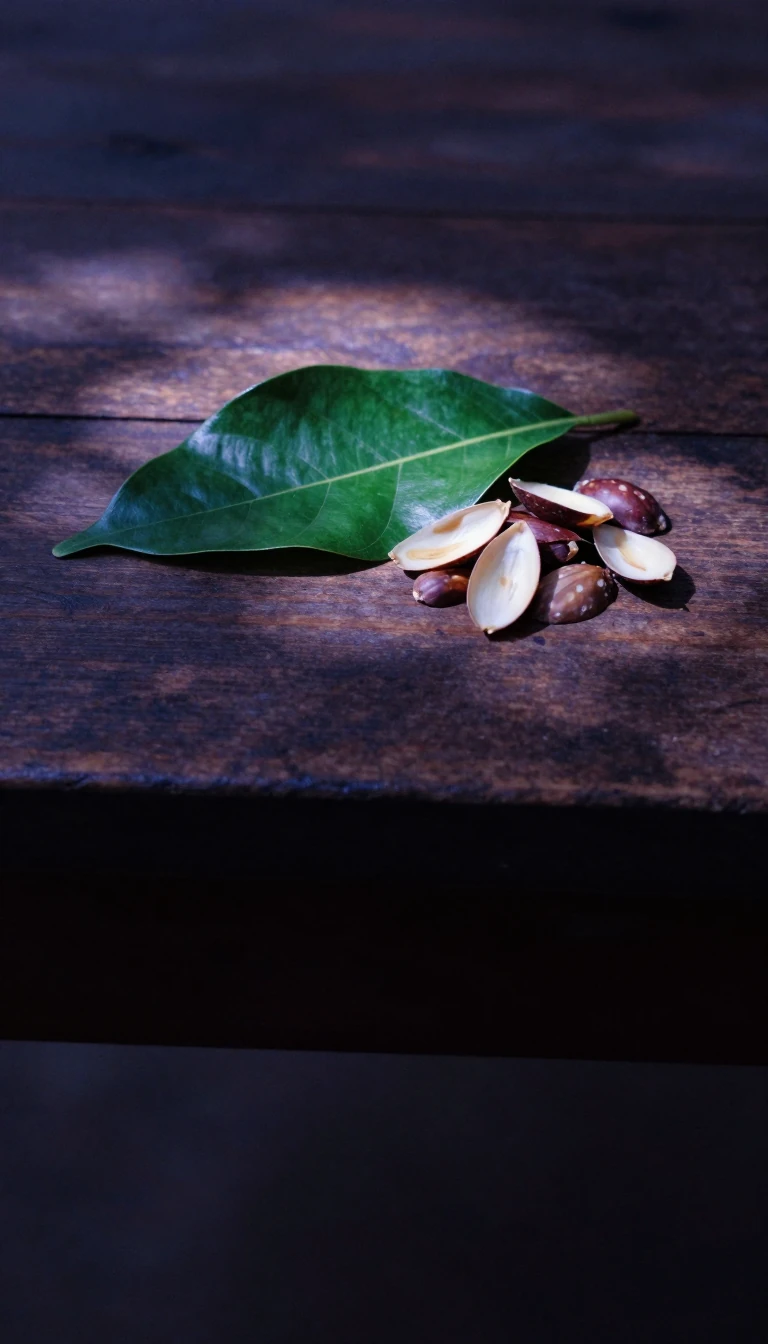 The ancient legume that is both a culinary delicacy and a potential neurotoxinLupin beans have been a staple since the 22nd century BC, yet they remain a double-edged sword. While modern sweet cultivars offer a protein-rich, gluten-free alternative to soy, …
- The ancient legume that was once feared as a wolf is now a superfood.Lupins have been cultivated for thousands of years, from Egyptian tombs to Incan empires. While their name stems from the Latin word for wolf, these nitrogen-fixing plants are act…
 These ancient plants have survived 380 million years by holding onto their genetic pastLycopodiaceae, or clubmosses, are living fossils that emerged during the early Devonian period. Unlike modern flowering plants, these vascular organisms reproduce via oily, flamma…
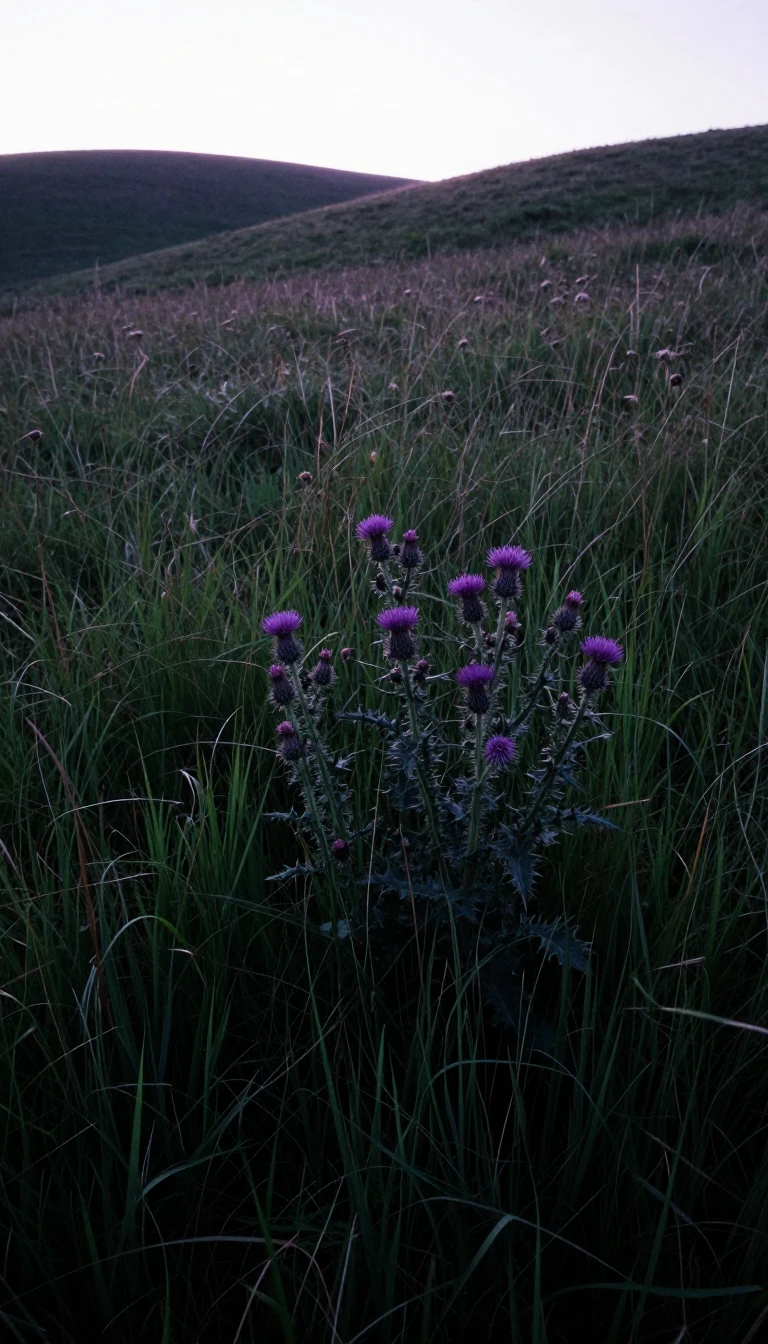 These ancient spore-bearing plants once towered over Earth as massive, coal-forming forestsToday, lycophytes are humble, small plants found across the globe, especially in tropical regions. Yet, their ancestors were giants, dominating prehistoric landscapes and forming …
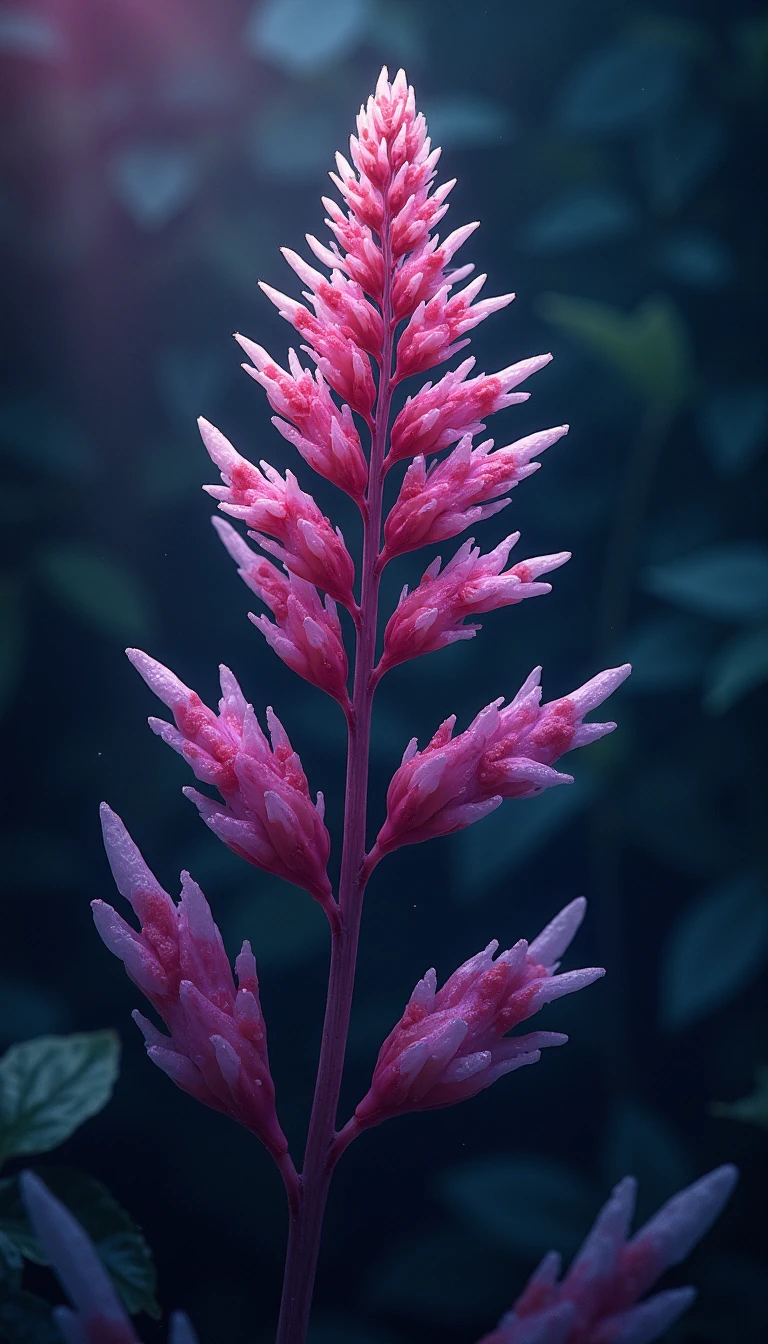 The ancient clubmoss that once simulated massive industrial explosions for scientific studyLycopodium, or clubmoss, is a primitive, flowerless plant that has existed for centuries. Beyond its botanical intrigue, its highly flammable spores have been used in everything f…
 The explosive yellow dust that helped invent the photocopier and early combustion enginesLycopodium powder, a fine dust derived from clubmoss spores, is far more than a theatrical prop. Its unique physical properties—high flammability, extreme hydrophobicity, and micr…
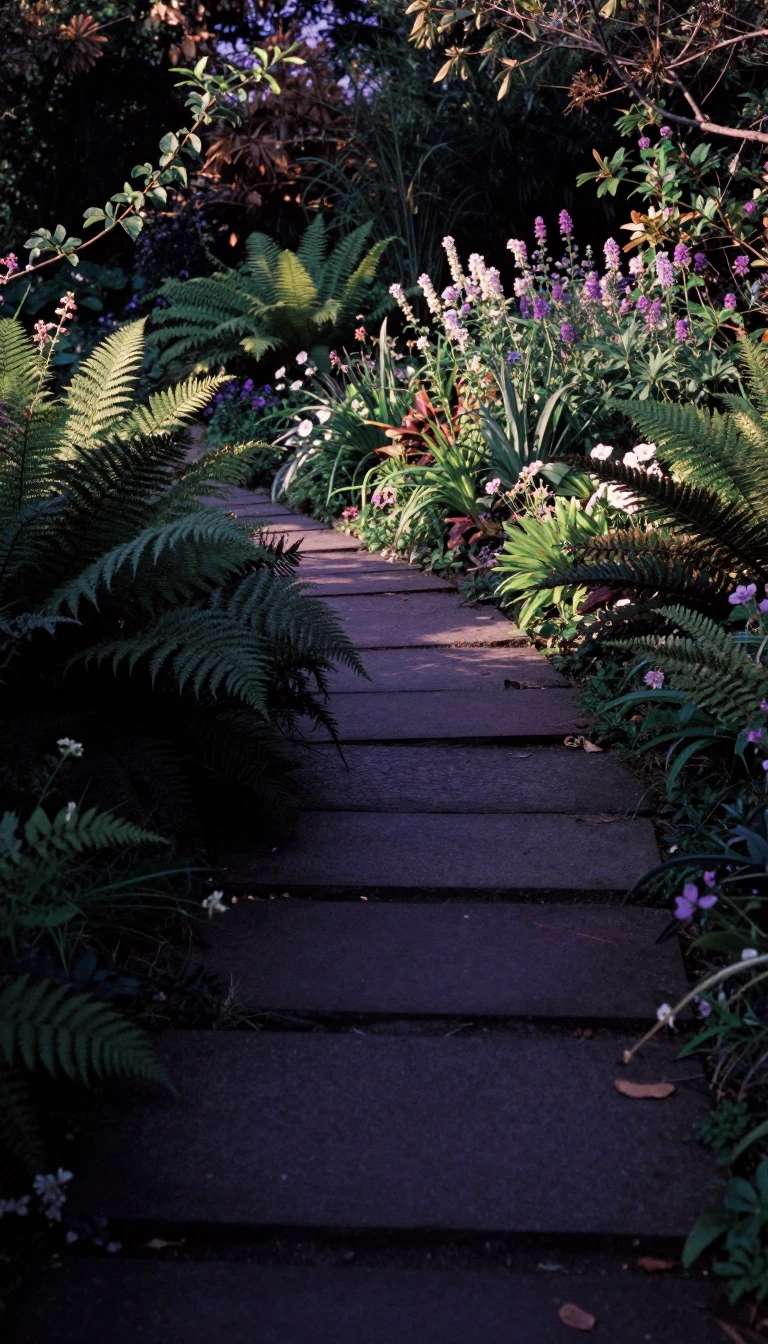 The climbing fern that acts like a vine, defying standard botanical expectationsMost ferns stay low to the ground, but Lygodium breaks the mold. These unique plants grow long, flexible fronds that twine around supports like vines, reaching lengths of up to 39…
- The Osage orange was a vital barrier for American settlers before barbed wire existed.Known as the hedge apple, this thorny tree once defined the American landscape. Its dense, interwoven branches created impenetrable barriers that kept livestock contained, serving…
 Magnolias are ancient survivors that bloomed on Earth long before the first bees arrived.These resilient trees and shrubs have graced the planet since the Cretaceous period. Because they evolved before bees, they rely on beetles for pollination, a primitive relationsh…
 Why the ancient Magnolia family is a botanical puzzle that defies simple classificationMagnolias are living relics, featuring spiral flower structures that predate the distinct petals and sepals of modern plants. While they have thrived for eons, their evolutionary …
 Why one of the world's largest plant orders is a botanical mysteryMalpighiales is a massive, diverse group of nearly 16,000 flowering species, ranging from tiny herbs to tropical trees. Despite its size, the order is notoriously difficult to def…
 The wild apple forests of Kazakhstan hold the genetic key to our future fruitMost of the apples we eat today trace their ancestry to a single wild species in the Tian Shan mountains. As modern orchards struggle with disease and climate stress, this ancient…
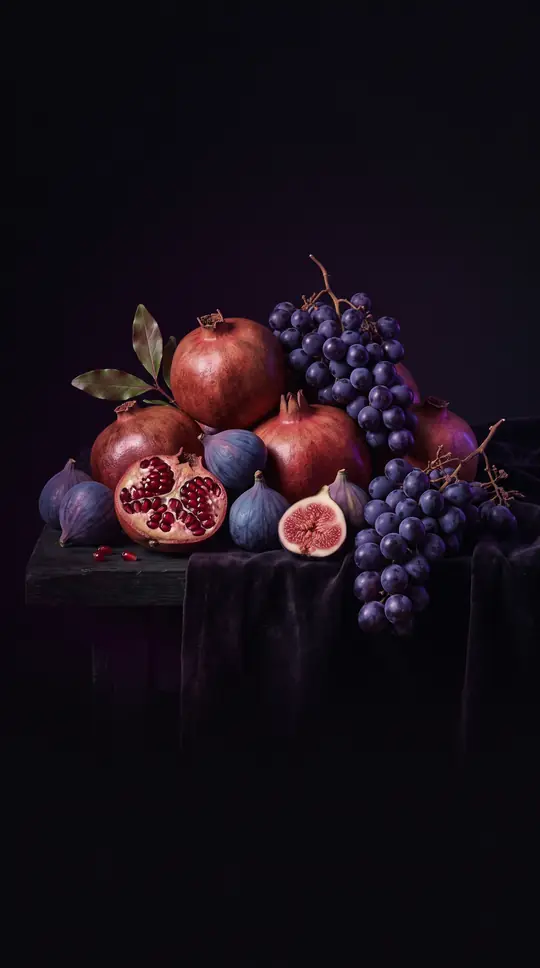 The ancient Mayan tree that provided the original base for modern chewing gum.Known as Manilkara zapota, this tropical evergreen is more than just a source of sweet, pear-like fruit. Its bark secretes a milky latex called chicle, which the Aztecs chewed as …
- The Ancient Ferns With Stomata So Large They Defy Botanical ExpectationsMarattiaceae are evolutionary outliers, diverging from other ferns over 300 million years ago. These living fossils feature massive, fleshy rootstocks and the largest fronds in th…
- Why your kitchen marjoram and oregano are often confused but rarely the sameMarjoram and oregano are botanical cousins, yet they occupy different culinary worlds. While oregano is the pungent, dried staple of Italian sauces, true sweet marjoram offers a d…
 Why the most important food in Uganda is actually a sterile, ancient cloneMatoke is more than a staple crop in the African Great Lakes; in Uganda, the word is synonymous with food itself. These starchy, green East African Highland bananas are not just a…
- The accidental apple that became a national icon and a tech giant's namesakeDiscovered by chance on a Canadian farm in 1811, the McIntosh apple transformed from a wild seedling into a staple of North American orchards. Its legacy extends far beyond the pr…
- The tropical plant family that tricks bees into doing all the hard workSpanning over 4,960 species across the humid tropical belt, the Melastomataceae family has mastered the art of attraction. These plants often produce nectarless flowers, relying o…
- The surprising history of the melon reveals it is a botanical berry, not fruit.While we treat melons as sweet summer fruit, they are botanically classified as pepos, a type of berry. Their journey from ancient Southwest Asian origins to European tables was f…
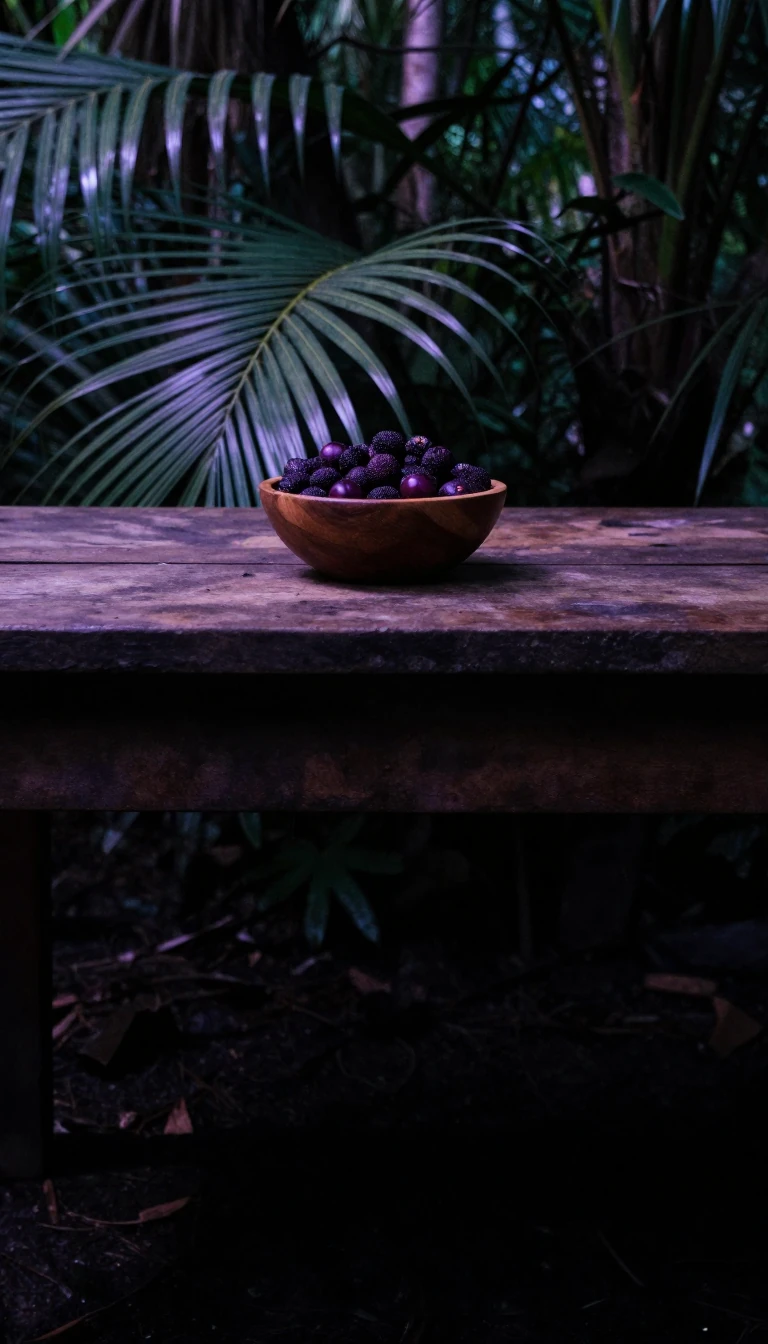 This warty, bitter vine is a global culinary staple and a botanical wanderer.Known as bitter melon, Momordica charantia is a climbing annual that thrives in tropical climates. While its intense bitterness challenges the uninitiated, this vine is a versatil…
- The wild ancestor of your morning banana is a complex, seed-filled tropical plant.While modern grocery store bananas are sterile, seedless clones, their wild ancestor, Musa acuminata, is a diverse, seed-bearing herbaceous plant native to the wet tropics. From I…
 The wild ancestor of your banana holds the secret to its ripening processMost bananas in your fruit bowl are hybrids, born from a complex genetic marriage between two wild species. While we have long understood the A-genome, the B-genome of Musa balbis…
 Why the humble forget-me-not flower carries the weight of history and memoryThe forget-me-not, or Myosotis, is more than a garden staple. From its Ancient Greek name meaning mouse's ear to its role as a global symbol of remembrance, this small, blue-petal…
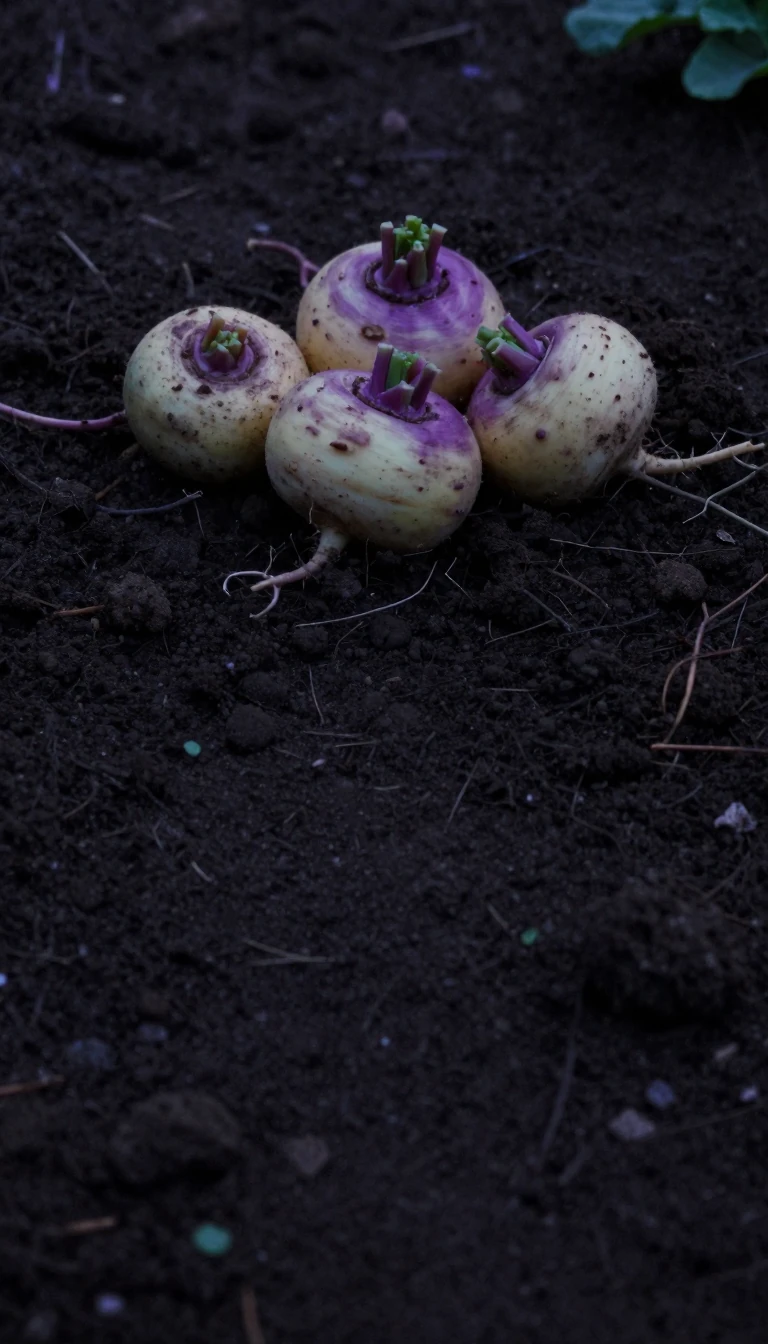 Is the humble napa cabbage a natural hybrid of turnip and pak-choi?This cool-season staple, essential to kimchi and East Asian cuisine, is a botanical marvel. Beyond its culinary versatility, napa cabbage is a product of sophisticated 20th-centur…
 The ancient flower that inspired poets, perfumers, and a tragic Greek mythNarcissus poeticus is more than a garden staple. Known as the poet's daffodil, this fragrant bloom has been linked to the Greek legend of Narcissus and the abduction of Persephone…
 Why the humble navy bean became a staple for sailors and soldiers alikeKnown by many names, from the pearl haricot to the Yankee bean, this small white legume is a nutritional powerhouse. Its rise to prominence is tied to military necessity, serving …
- The beautiful, deadly shrub that has fascinated civilizations for over two millenniaOleander is a paradox of the botanical world. Prized for its vibrant, fragrant blooms and extreme durability in harsh climates, it is also a potent source of cardiac glycosides. W…
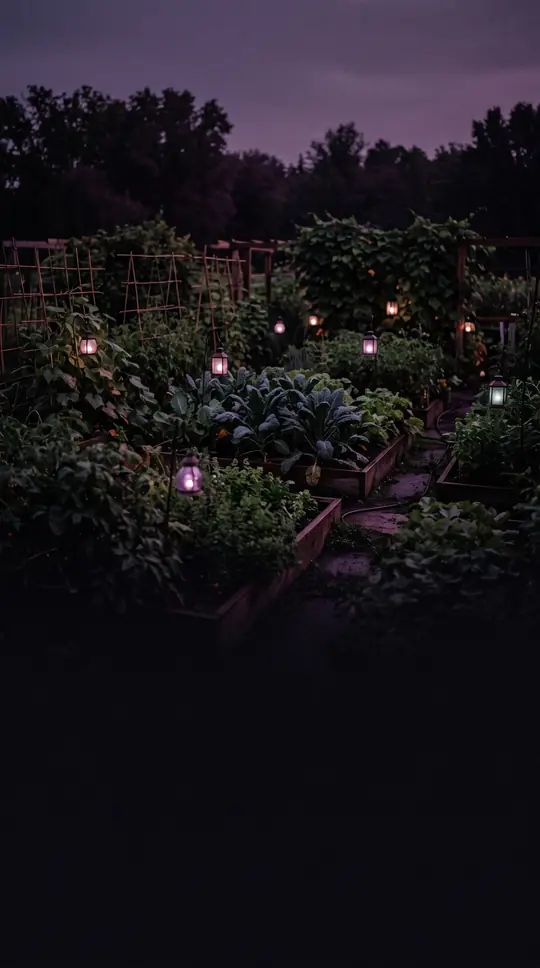 Beyond the Cigarette: Why Nicotiana Is the Secret Star of Your Summer GardenWhile most associate the genus Nicotiana with commercial tobacco, these plants are actually versatile garden treasures. Prized for their height, vibrant star-shaped blooms, and in…
- The ancient black seed that has traveled from Egyptian tombs to modern kitchen spice racksKnown by many names, from black caraway to kalonji, this unassuming annual flowering plant has been a culinary staple for three millennia. While its delicate blue and white petals…
- The red beech is a botanical time traveler with a secret chemical signatureEndemic to New Zealand, the red beech is more than just an ornamental evergreen. This resilient tree, known as tawhai raunui, holds a unique chemical legacy and a history that str…
- Water lilies are ancient aquatic survivors that have shaped ecosystems for millions of yearsBeyond their aesthetic grace in garden ponds, Nymphaeales are a vital evolutionary link in freshwater habitats. These aquatic plants range from tiny, fragile species to giants wit…
- The Egyptian lotus is a resilient aquatic survivor that thrives in extreme conditionsKnown as the white Egyptian lotus, this nocturnal aquatic plant is a master of survival. It can endure harsh dry seasons by retreating into its rhizomes and actively reduces water…
- The world's smallest waterlily was saved from extinction by a simple gardening trickNymphaea thermarum, a tiny Rwandan waterlily, vanished from the wild when its only habitat was diverted for farming. Once thought doomed, the species was rescued by a horticulturi…
 Why these strange, rootless ferns are rewriting the evolutionary history of plantsOphioglossidae, a subclass of ferns including whisk ferns and adder's-tongues, long baffled botanists. Their true relationships remained hidden until molecular phylogenetics revea…
 Is your oregano actually marjoram? The confusion behind this essential Mediterranean herbOregano is a sun-loving Mediterranean staple, yet its identity is often muddled with its milder cousin, marjoram. While both belong to the Origanum genus, true oregano offers a pu…
 Beyond the dinner plate: The complex, wild world of the Oryza genusOryza is more than just the rice on your plate. This genus of wetland grasses includes over 300 proposed species, ranging from tropical African varieties to wild Australian strain…
- Why the screw pine is a master of survival and tropical utilityWith their massive prop roots and spiraling, swordlike leaves, the Pandanaceae family dominates tropical coastlines. These resilient plants are more than just architectural wonder…
 Why the bitter, slow-growing papeda is the secret ancestor of your favorite citrus fruitsWhile you likely avoid eating papeda fruit directly due to its unpalatable bitterness, this group of tropical Asian citrus plants is essential to the global fruit market. Papedas …
- The tree that gave Brazil its name is now a rare, endangered musical treasure.Brazilwood, or Paubrasilia echinata, once fueled a global trade war and defined a nation's identity. Today, this thorny legume is nearly extinct in the wild, yet it remains the go…
- Peonies are ancient botanical travelers that hide a complex history of genetic hybridisationPeonies are not just garden favorites; they are survivors of ancient climate shifts. While they bloom for only a week or two, their genetic lineage spans continents and millions o…
- The moon orchid is a global icon of elegance and a beginner-friendly houseplantKnown as the moon orchid, Phalaenopsis amabilis is a celebrated tropical native that has transitioned from the rainforest canopy to windowsills worldwide. Prized for its long-last…
- The common reed is a global survivor, a culinary staple, and a fierce invader.Phragmites australis is a botanical paradox. It is a vital keystone species that supports rare birds and filters wastewater, yet its invasive European subspecies is a ruthless mon…
 The South American palm that provides a sustainable alternative to elephant ivoryKnown as vegetable ivory, the seeds of the Phytelephas palm are so hard they have been used for centuries to craft buttons, jewelry, and even bagpipes. This remarkable plant offer…
- The deceptive beauty of Phytolacca: A global genus of toxic yet vital plantsKnown by names like pokeweed and inkberry, Phytolacca is a diverse genus spanning herbs, shrubs, and trees. While some species serve as cultural symbols or food sources, they cont…
 Beyond the Christmas tree, the Norway spruce is a biological and industrial powerhouse.The Norway spruce is far more than a festive decoration. It is a genetic pioneer, a source of sustainable vanilla, and a key ingredient in fine violins. From ancient, cloning root…
 The high-altitude spruce that gives acoustic guitars their signature, resonant soundNative to the rugged peaks of western North America, the Engelmann spruce is more than a mountain icon. Its unique, lightweight wood makes it a prized material for musical instrum…