 Intellect Plus
Plants
384 cards. Each one is a 40-second story with a five-minute read behind it. Page 5 of 7.
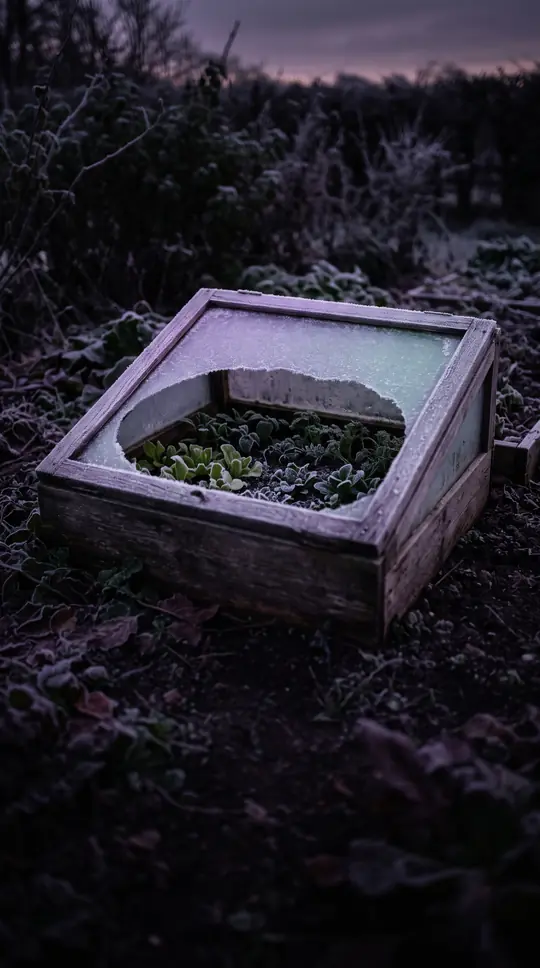 The white spruce is the northernmost tree species on the North American continentSpanning from the Atlantic to the Pacific, the white spruce is a master of extreme survival. It thrives in temperatures as low as -56.5 degrees Celsius and pushes the boundaries o…
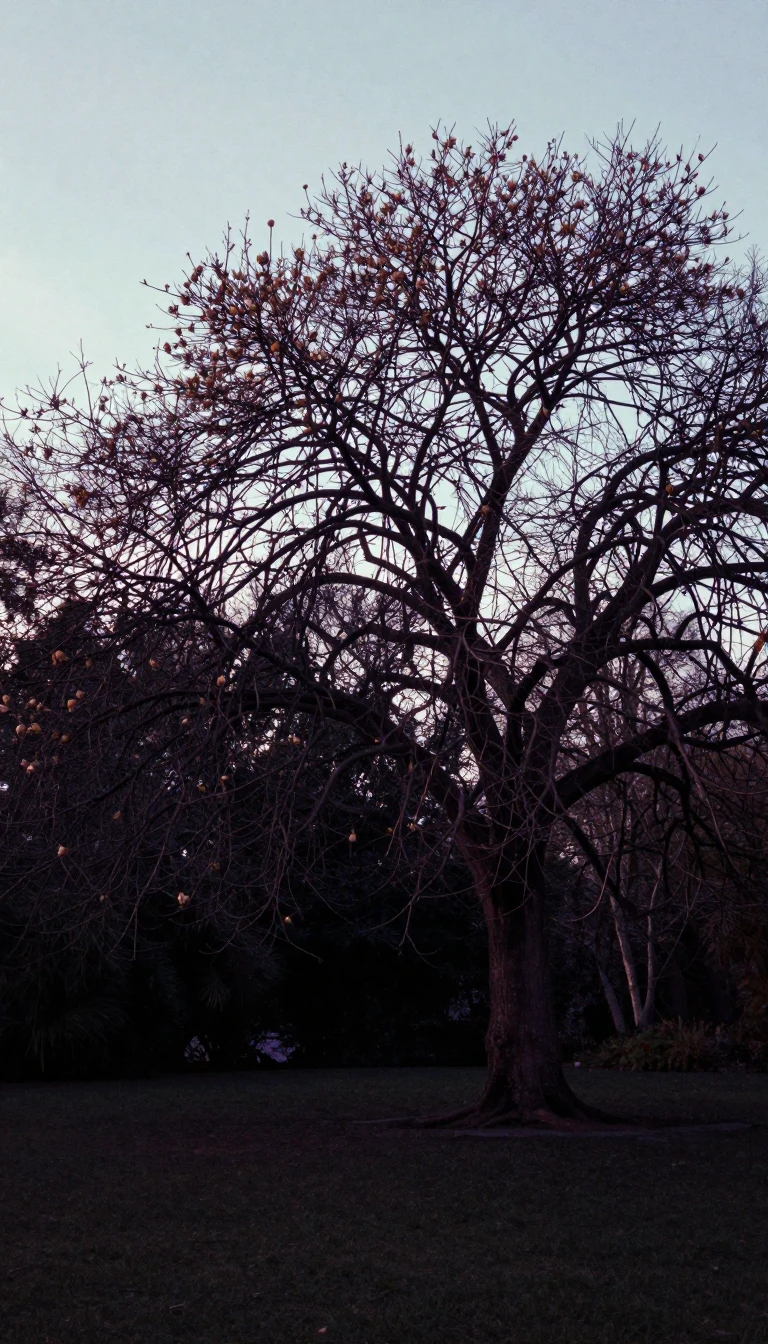 The black spruce is a resilient survivor that thrives in the world's harshest bogs.Across the vast boreal forests of North America, the black spruce stands as a master of survival. From the thawing permafrost of the north to the acidic peatlands of the Great Lak…
 The red spruce is a musical giant that nearly vanished from the American landscapeKnown for its role in crafting high-end acoustic guitars and violins, the red spruce is a resilient yet fragile conifer. Once covering vast swathes of the Appalachian Mountains, t…
- The Sitka spruce is a record-breaking giant that built the world's early aircraft.Growing over 100 meters tall, the Sitka spruce is the world's largest spruce species. Beyond its massive stature, this resilient conifer has shaped human history, from Native Alas…
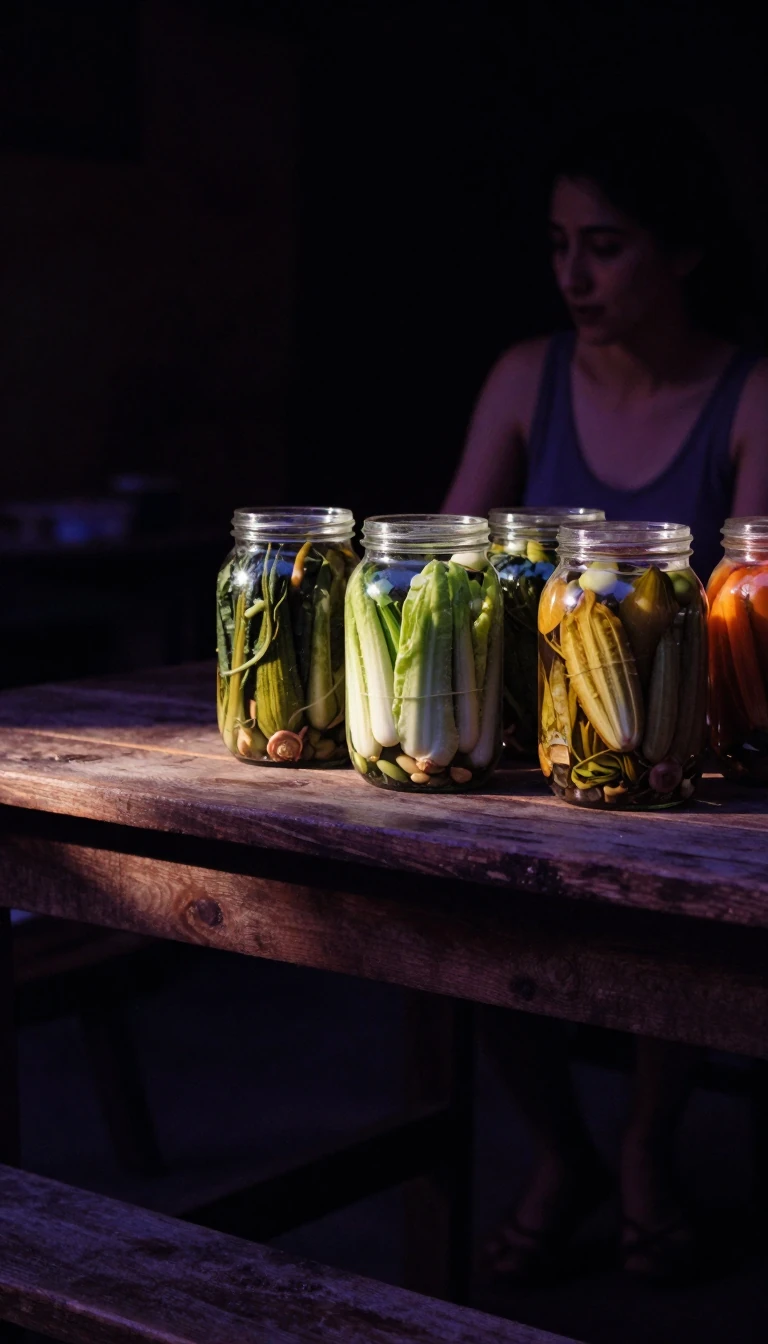 From ancient Mesopotamian luxury to a wartime staple, the humble pickle has a storied past.Long before they were a standard deli side, pickled cucumbers were prized by royalty and essential for survival. Whether fermented in salt brine or preserved in vinegar, these cru…
 From giants to bonsai, the pine family defines the world's most resilient forestsThe Pinaceae family spans a staggering range of sizes, from towering redwoods reaching over 110 metres to tiny, naturally occurring bonsai trees that mature at under 20 centimetre…
 The shifting definition of Pinales reveals how we classify the world's ancient conifers.For decades, Pinales was the catch-all name for every conifer on Earth. Today, modern molecular phylogenetics has shattered that simplicity, splitting conifers into three distinct…
 Why these carnivorous plants are the secret weapon of professional orchid nurseriesButterworts are not just botanical oddities; they are sophisticated insect traps. By secreting sticky mucilage and digestive enzymes, these succulent plants turn small pests into …
 The pinto bean is a global culinary staple with a surprisingly deceptive nameKnown as the painted bean, this nutrient-dense legume is the most popular crop in Northern Mexico and the Southwestern United States. Beyond its mottled appearance, the pinto bean…
 Why the slash pine is a powerhouse of the American SoutheastNamed for the swampy slashes it calls home, the slash pine is a fast-growing conifer with wood strength that rivals dense hardwoods. Beyond its economic history in naval stores an…
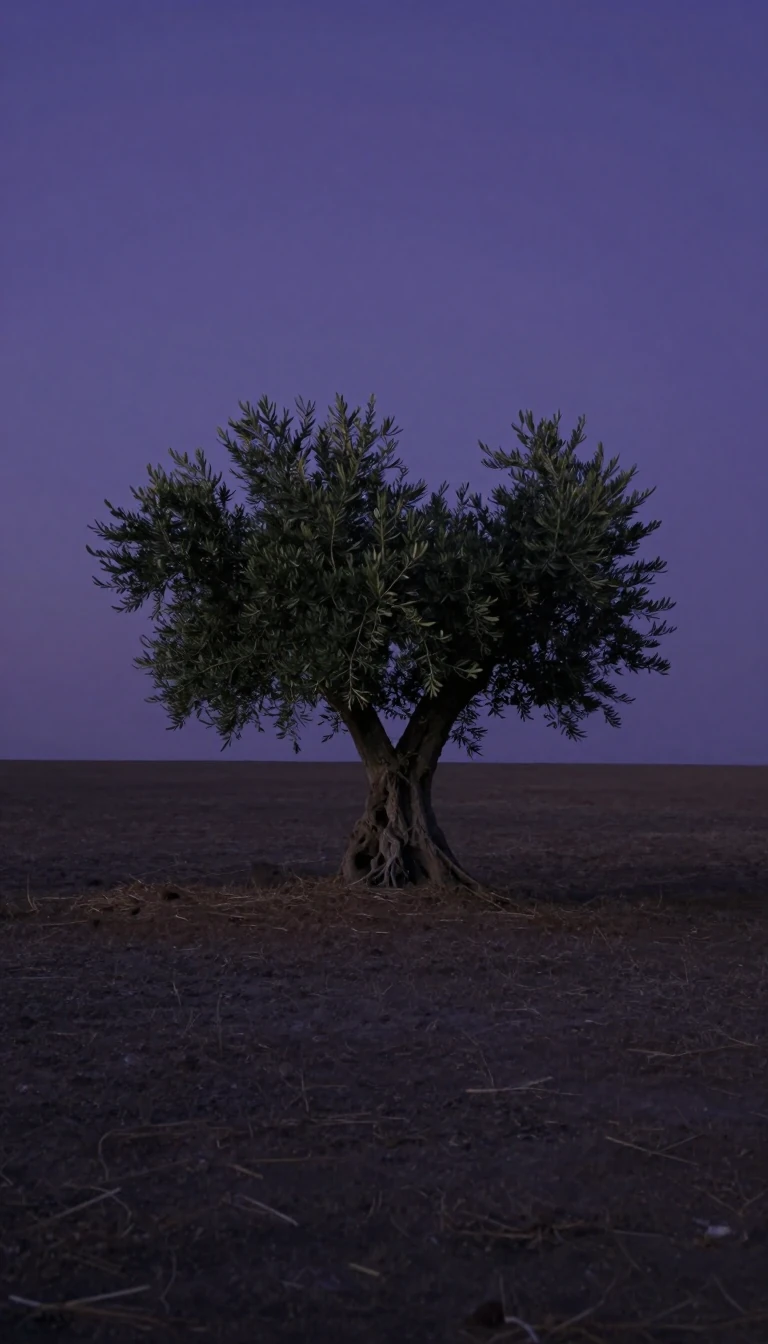 The resilient Aleppo pine: A Mediterranean icon that thrives in the harshest conditionsKnown for its heat tolerance and rapid growth, the Aleppo pine is a staple of Mediterranean landscapes. From flavoring traditional Greek wine to inspiring masterpieces by Paul Céz…
- The sugar pine is the world's most massive pine, but it is in decline.Known as the king of the conifers, the sugar pine is a record-breaking giant with cones that can reach 56 centimeters in length. Despite its historical dominance in the American W…
 How can a tree live for over five thousand years without dying?Bristlecone pines are among the oldest living things on Earth, with some individuals exceeding five millennia in age. Their secret to such extreme longevity is not just luck, but …
- The maritime pine is a master of survival that reshapes entire water ecosystems.Native to the Mediterranean, the maritime pine has become a formidable invasive species in South Africa. Its rapid growth, fire-adapted seed release, and high water consumption al…
 Is the iconic Italian stone pine actually a native of the Mediterranean?The stone pine is a quintessential symbol of the Mediterranean landscape, yet its true origins remain a subject of intense scientific debate. While long associated with Italian cu…
 The towering white pine that once fueled a revolution against the British CrownThe eastern white pine is more than a majestic forest giant; it is a historical protagonist. Once the backbone of the British Royal Navy, these trees were so vital that the Crown’…
- The loblolly pine is a genetic giant with a genome seven times larger than humans.As the second-most common tree in the United States, the loblolly pine is a commercial powerhouse. Beyond its rapid growth and timber value, this conifer holds a scientific distin…
- Beyond the kitchen, the vast genus of pepper plants shapes history and biologyThe genus Piper includes thousands of species, from common black pepper to the calming kava and the stimulant betel. Far more than a culinary staple, these plants have fueled glob…
 The fiery piri-piri pepper is a global traveler with deep colonial rootsPiri-piri is more than a spicy sauce; it is a botanical legacy of the Portuguese Empire. Descended from American plants, this African bird's-eye chili was refined by explorers in …
 The Most Important Plant Order You Have Likely Never Heard OfPoales is the botanical order that feeds the world. Comprising over 18,000 species, this group includes the grasses that provide our primary grains, the cattails that serve as eme…
 Why the itch from poison ivy can persist for weeks after your hikePoison ivy, poison oak, and poison sumac trigger an intense allergic reaction through urushiol, a potent oil found in their sap. While the resulting rash often appears within days…
 The knotweed family: why these swollen-jointed plants are both culinary staples and notorious weeds.From the buckwheat in your pantry to the invasive knotweed in your garden, the Polygonaceae family is a botanical powerhouse. Named for their distinctively swollen nodes, these pl…
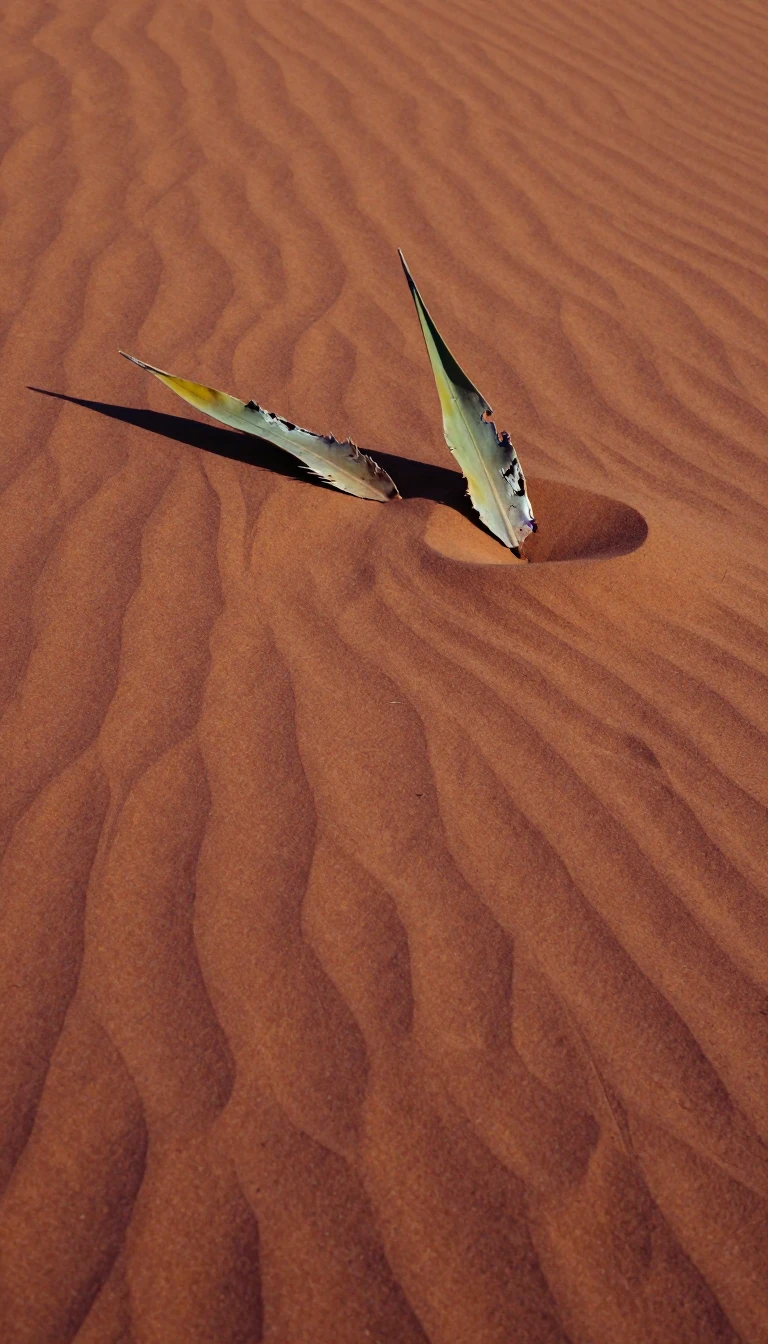 These gnarled Andean trees thrive where almost nothing else can survivePolylepis forests cling to the highest treelines on Earth, surviving extreme cold and thin air. These resilient, shrubby woodlands are not just botanical outliers; they act as vit…
- The ancient plants that branched out to conquer the land foreverPolysporangiophytes are the botanical ancestors of almost every plant you see today. By evolving branching, spore-bearing stems, these early land plants broke away from the simple…
- Why the Eurasian aspen is a master of survival and forest regenerationThe Eurasian aspen is a hardy, light-demanding tree that thrives from the Arctic Circle to North Africa. Known for leaves that tremble in the slightest breeze, this species is a m…
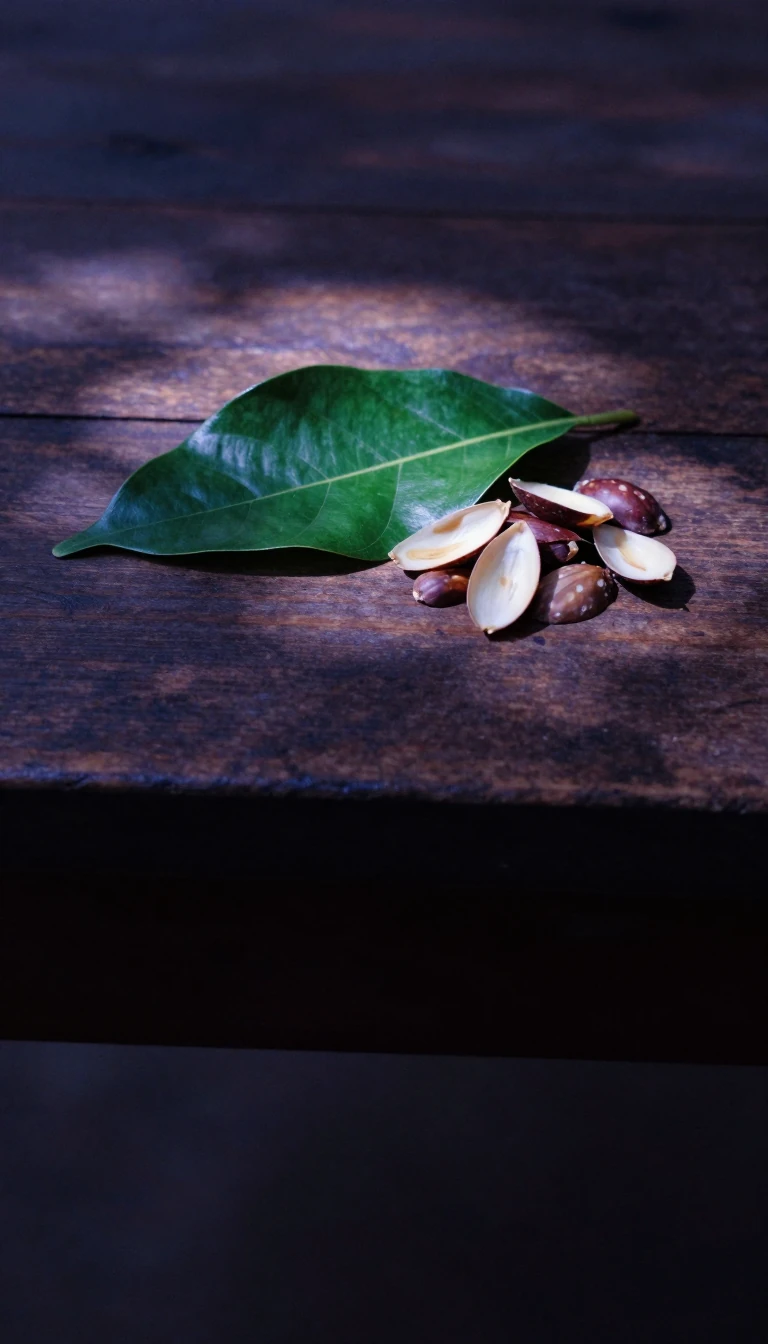 Why this tropical fruit is colloquially known as the eggfruitThe Pouteria campechiana, or canistel, produces a unique fruit with a texture and flavor remarkably similar to a hard-boiled egg yolk. Native to southern Mexico, this evergreen tr…
- The Mamey Sapote is a tropical fruit tree with a complex, multi-layered identity.Native to the wet tropical regions of Mexico and Central America, this evergreen tree produces a unique, creamy fruit often compared to sweet potato or pumpkin. While widely culti…
- Why the Primula is the ultimate herald of the spring gardenDerived from the Latin for first, the Primula genus captures the essence of spring. With over 500 species ranging from alpine slopes to boggy meadows, these hardy perennials offer…
 The ancient woody plants that bridged the gap between spores and modern seedsBefore forests dominated the earth, a group of extinct plants called progymnosperms pioneered the structural innovations that define modern trees. By evolving vascular systems cap…
- The wild cherry tree has been a human staple since the Bronze AgeWhile Roman legend claims the cherry was a foreign import, archaeological evidence proves it has been a native fixture of the European landscape for millennia. From its role as a …
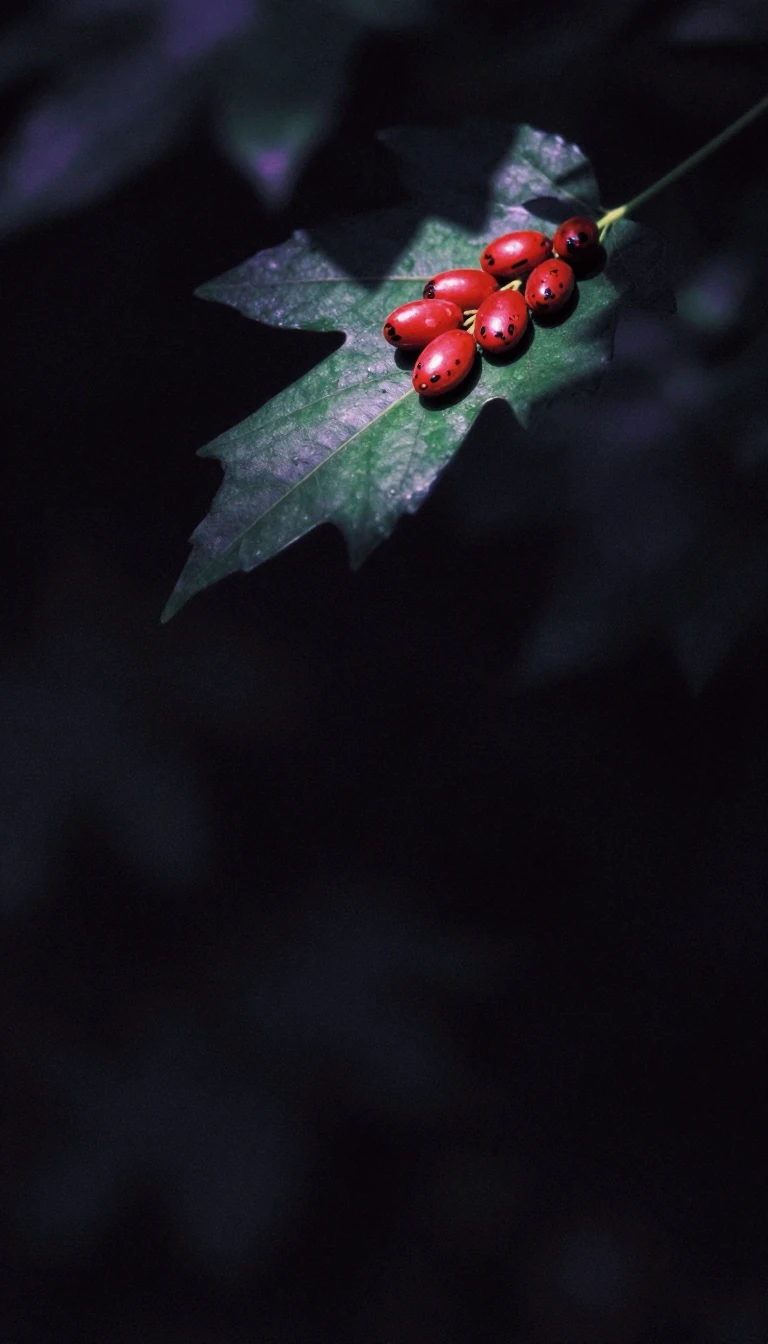 The black cherry tree is a prized cabinet timber and a dangerous livestock toxinThe black cherry, Prunus serotina, is a botanical paradox. While its wood is the gold standard for high-end American cabinetry, its leaves harbor a lethal chemical defense. This f…
- The ancient seed ferns that redefined the Carboniferous period as an age of discoveryPteridosperms were once thought to be simple transitional fossils between ferns and cycads. Today, we know these extinct seed-producing plants are a diverse, polyphyletic group th…
- The common pear is a global fruit with a surprisingly wild, ancient ancestryWhile the common pear, Pyrus communis, dominates orchards in Europe, North America, and Australia, its origins are rooted in the wild forests of Europe and western Asia. Far from …
- Why the Asian pear is a symbol of both spring and painful separationKnown by many names, from nashi to apple pear, Pyrus pyrifolia is a cultural titan in East Asia. While its flowers herald the arrival of spring, the fruit itself carries complex s…
 Why the white oak is the secret architect of American history and spiritsThe white oak is more than a tree; it is a living monument that shapes the flavor of bourbon, the hull of the USS Constitution, and the landscape of the American Midwest. Despite …
- The Bur Oak: A Fire-Resistant Giant That Defines the North American SavannaWith the largest acorns of any North American oak, the bur oak is a master of survival. Its thick, fire-resistant bark allows it to thrive in open savannas where other trees peris…
- The English oak is a biological powerhouse supporting thousands of distinct living species.Known as the pedunculate oak, this resilient giant is a cornerstone of European ecosystems. Beyond its legendary longevity and timber value, the tree acts as a bustling hub for bi…
- The northern red oak is a fast-growing timber giant that is currently invading Europe.Known for its distinctive bark and rapid growth, the northern red oak is a North American native that has become a major invasive species across Europe. While prized for its high-…
- The cork oak tree is a natural master of survival and sustainable material designThe cork oak, Quercus suber, produces a thick, elastic bark that protects it from wildfires. This remarkable material is impermeable, insulating, and entirely renewable. Humans ha…
- The black oak is a resilient timber giant with a hidden yellow secretKnown for its velvety buds and bristle-tipped leaves, the black oak is a staple of North American forests. While it belongs to the red oak family, it carries a unique history in i…
- The southern live oak is a resilient, long-lived titan of the American landscapeOften mistaken for a true evergreen, the southern live oak is a semi-evergreen marvel that sheds its leaves only when new growth begins. With a low center of gravity and an expans…
- The hairy fruit of the tropics: why the rambutan is more than just looksNamed for the Malay word for hair, the rambutan is a tropical marvel that hides a sweet, translucent interior beneath a spiky, leathery rind. While its appearance is striking, thi…
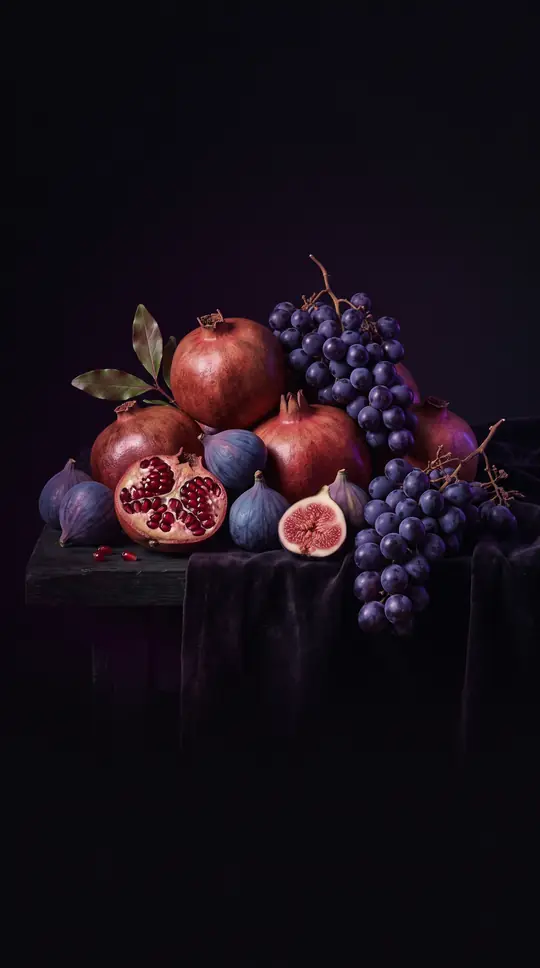 Why this bitter, leafy green is the secret to perfect Italian-American comfort foodOften mistaken for broccoli, rapini is a distinct, nutrient-dense cruciferous vegetable prized for its nutty, pungent bite. From the streets of Naples to Philadelphia sandwich sho…
 The Traveller’s Palm is not a palm, but a forest leaf from Madagascar.Often mistaken for a palm, the iconic Ravenala is actually a distant relative of the banana and the bird-of-paradise flower. Its name, derived from the Malagasy term for forest le…
 Why the red banana is a sweeter, more nutritious alternative to the common CavendishWhile the yellow Cavendish dominates global fruit bowls, the red banana offers a distinct, tangy profile with a creamy, light pink interior. Often overlooked in mainstream markets…
- How the Red Delicious apple went from a sweet sensation to a commercial cautionary tale.Once the most iconic apple in America, the Red Delicious was bred for beauty rather than taste. As growers prioritized shelf life and deep red color, they inadvertently sacrificed…
 The invasive plant that forced a rethink of British home mortgage valuationsJapanese knotweed is a botanical powerhouse, capable of growing thirty centimeters a day and piercing through concrete. While it is a prized forageable vegetable in its native Eas…
 The ancient, leafless plants that paved the way for all modern vascular lifeLong before forests covered the Earth, simple, branching stalks thrived in the Early Devonian. These extinct organisms, known as rhyniophytes, lacked leaves and roots, yet they re…
- The rose order is a global powerhouse of fruit, flowers, and surprising botanical history.The Rosales order encompasses more than 7,700 species, ranging from the familiar garden rose to the fruits in your kitchen. While often associated with beauty, this diverse group …
- The Caribbean royal palm is a towering giant that doubles as a forest pantryReaching heights of 40 meters, the Roystonea oleracea is a botanical titan native to the Caribbean and northern South America. Beyond its ornamental majesty, this palm has served …
- The royal palm is a botanical puzzle with a history of mistaken identitiesThe Cuban royal palm is more than an ornamental icon. Beyond its striking grey-white trunk and green crownshaft, this tree hides complex biological secrets, including rare nitroge…
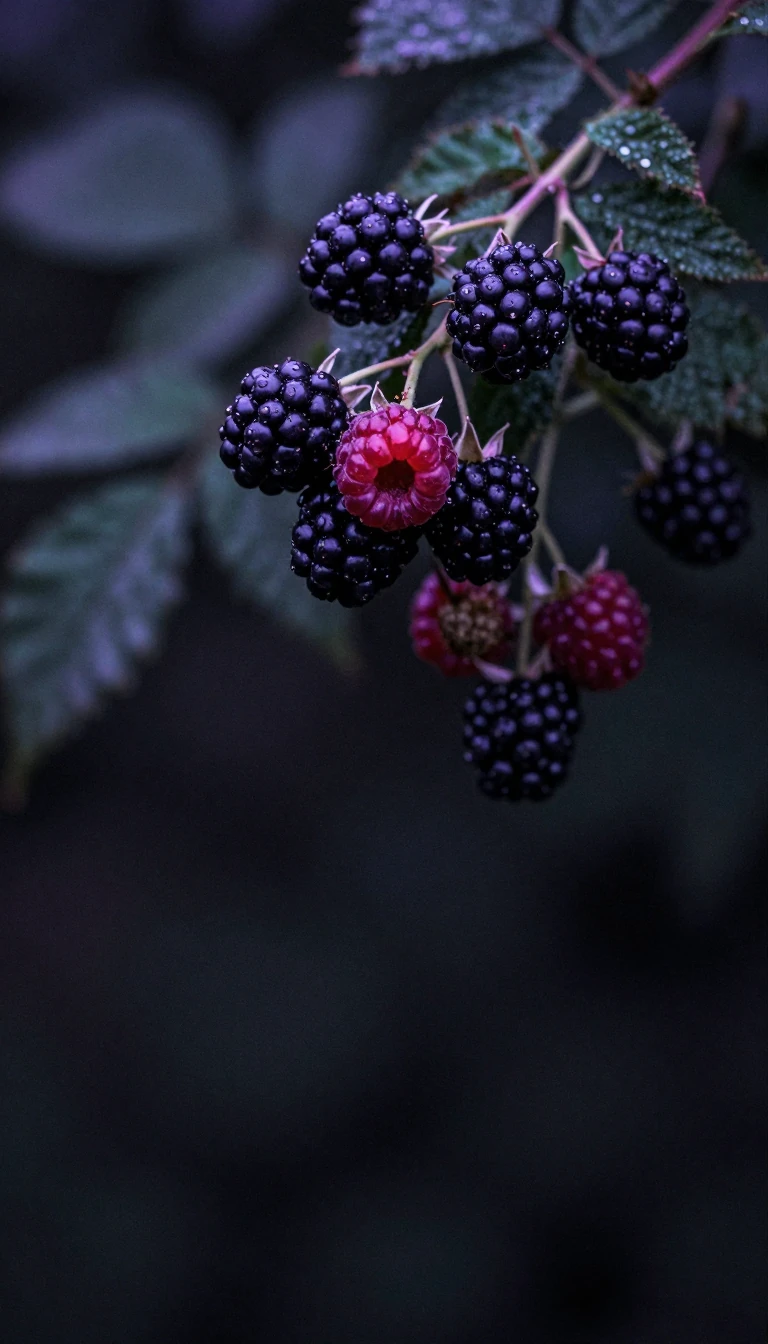 Why the humble bramble is a botanical nightmare for even the best scientistsFrom raspberries to blackberries, the Rubus genus is a global powerhouse of fruit. Yet, beneath their thorny canes lies a chaotic genetic landscape defined by polyploidy and hybri…
- Beyond the Lemon: The Hidden Diversity of the Global Rutaceae Plant FamilyYou likely know Rutaceae through your morning orange juice or a squeeze of lime. Yet, this vast family of 160 genera and over 2,000 species holds far more than citrus. From fragra…
- The hardy Philippine banana that serves as both a staple food and industrial resourceBeyond the fruit bowl, the Saba banana is a robust, triploid hybrid that thrives in conditions where other varieties fail. Prized for its starchy flesh and culinary versatility, t…
 The ancient fan-palms of the Americas have a history stretching back millions of yearsSabal palms are iconic New World plants, recognizable by their unique fan-shaped leaves and central midribs. While these hardy palms are now staples of subtropical landscapes, the…
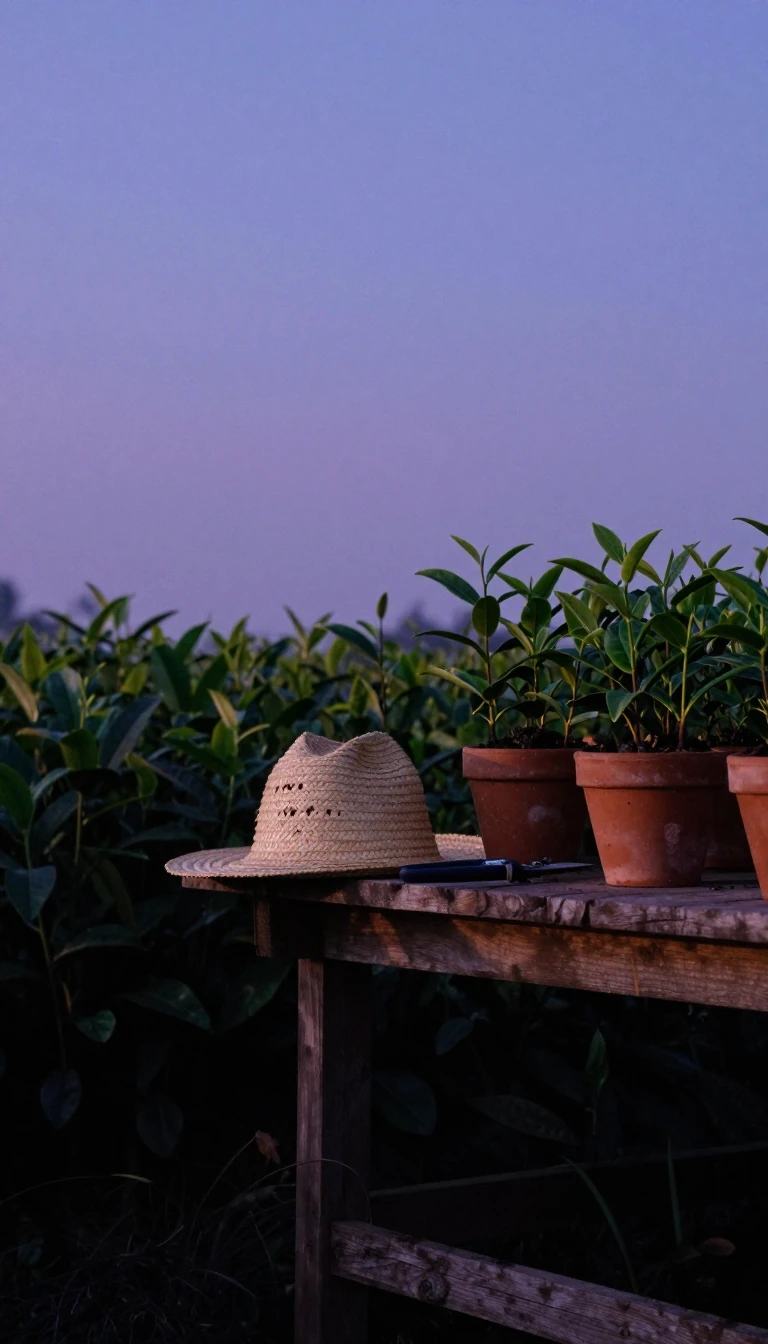 Safflower: The Ancient Thistle That Now Produces Insulin and Industrial LubricantsKnown for millennia as a source of vibrant red dye and a budget-friendly alternative to expensive saffron, the humble safflower has evolved. Today, this drought-tolerant, deep-roo…
- The willow family is a global powerhouse of medicine, timber, and resilient survivalFrom the pain-relieving compounds in willow bark to the fire-hardy roots of the aspen, the Salicaceae family is remarkably versatile. These trees and shrubs dominate landscapes ac…
- The white willow is a versatile powerhouse of timber, medicine, and winter garden color.Known for the silvery underside of its leaves, the white willow is more than a riverside fixture. From the specialized wood used in cricket bats to the historical search for fever…
- The weeping willow is neither from Babylon nor is it the Biblical treeCarl Linnaeus famously misnamed this Chinese native, linking it to the rivers of Babylon in a biblical misunderstanding. While the tree is now a global icon of the landscape, the …
- The Black Willow: North America's Largest Native Willow and a Master of Flood SurvivalThe black willow is more than just a waterside tree. As the largest native willow in North America, it possesses remarkable biological adaptations for surviving floods, including …