 Intellect Plus
Plants
384 cards. Each one is a 40-second story with a five-minute read behind it. Page 2 of 7.
 The Blue Java banana tastes like vanilla custard and survives in cooler climatesKnown for its silvery-blue skin and ice cream-like texture, the Blue Java banana is a unique hybrid that defies typical tropical expectations. This hardy plant is prized not just …
 The blue spruce is a resilient high-altitude survivor that thrives in moist mountain soils.Native to the North American Rockies, the blue spruce is prized for its striking, glaucous needles. While often mistaken for its cousin, the Engelmann spruce, this hardy conifer i…
 Why Korea's winter-hardy spring cabbage grows flat against the frozen groundUnlike the upright, tightly packed heads of standard napa cabbage, bomdong spreads its leaves outward in a distinctive, flower-like rosette. This hardy vegetable thrives in the co…
 Beyond the garnish: The surprising history and hidden chemistry of the borage plantKnown for its vibrant blue flowers and cucumber-scented leaves, borage is more than a garden aesthetic. While historically celebrated as a tonic for the mind, modern science revea…
- Why the Borage family is a botanical puzzle that refuses to stay putThe Boraginaceae family, home to forget-me-nots and borage, has long baffled taxonomists. Once grouped with mints, it has been shuffled between orders for decades. Today, this div…
 Bracken is an ancient, resilient survivor that can quickly dominate your garden landscapeBracken is a hardy perennial fern that spreads through extensive underground rhizomes and windborne spores. While it provides shelter for wildlife, its ability to form dense thick…
 Why brown rice is more than just a healthier alternative to white riceBrown rice is a whole grain that retains its nutrient-dense bran and germ, distinguishing it from its polished white counterpart. While it offers a richer profile of minerals like…
 Why the modern Brussels sprout is far sweeter than your childhood memories suggestLong maligned for a bitter taste, the Brussels sprout has undergone a culinary transformation. Thanks to selective breeding that identified and reduced specific chemical compounds…
 Why the vast majority of the world's mosses are actually joint-toothedIf you have ever looked closely at a moss, you have likely encountered the Bryopsida. Comprising 95% of all moss species, this group dominates the global landscape. Their secret w…
 The accidental squash: how a 1944 experiment created a kitchen stapleWhile many squashes have ancient roots, the butternut is a modern invention. Born from a cross-breeding experiment in Massachusetts, this versatile fruit has since conquered globa…
 Why the humble Calendula was once considered a magical tool for finding true loveKnown as the little calendar, this hardy daisy has been a staple of human ritual for centuries. Beyond its vibrant petals, which once served as a poor man's saffron in kitchens ac…
 Is the Nootka cypress a cedar, a cypress, or something entirely unique?Botanists have spent nearly two centuries debating the identity of the Nootka cypress. Often called a cedar, it is actually a coniferous tree caught in a taxonomic tug-of-war betw…
 The incense cedar is a fire-hardy giant that once defined the humble wooden pencil.Native to western North America, the incense cedar is a resilient conifer known for its aromatic foliage and impressive longevity. Beyond its role as a vital forest inhabitant, th…
 The Hindu Kush origins of the world's most famous broad-leafed cannabis plantCannabis indica is more than just a name; it is a distinct botanical lineage originating from the Hindu Kush mountains. Known for its short, dense structure and broad leaves, this…
- Why this hardy, weedy plant is the secret to modern cannabis breeding successCannabis ruderalis is a compact, resilient plant that ignores light cycles to bloom based on age alone. While its low THC content makes it unpopular for recreation, this unique au…
- Cannabis sativa is a complex botanical machine capable of producing over 500 distinct chemical compounds.Beyond its reputation as a recreational drug, Cannabis sativa is a versatile annual flowering plant with a history of industrial and medicinal use spanning centuries. From its uni…
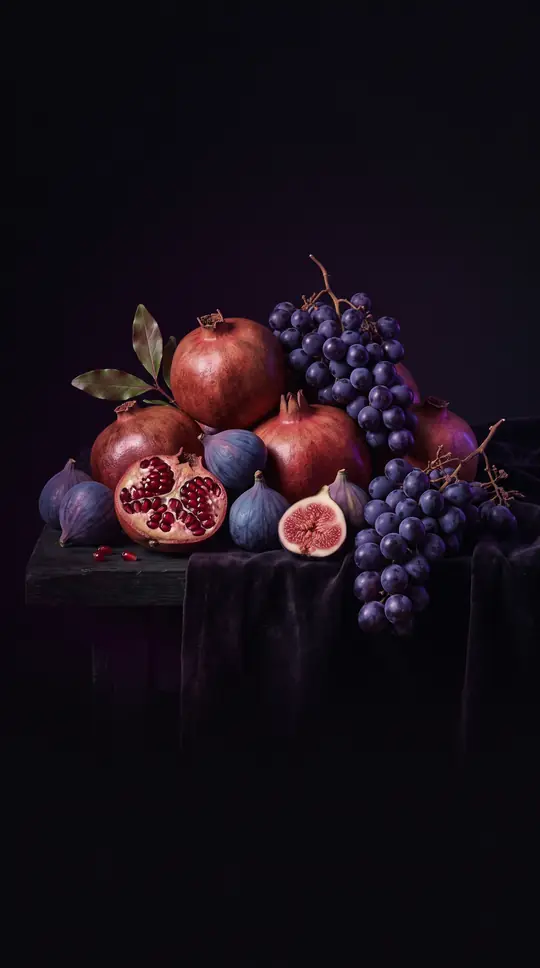 The surprising history of the cantaloupe, from Vatican estates to life-saving medicineThe cantaloupe is more than a breakfast staple. Named after a papal summer estate, this fruit has a complex lineage spanning from ancient Egypt to modern laboratories. Beyond its …
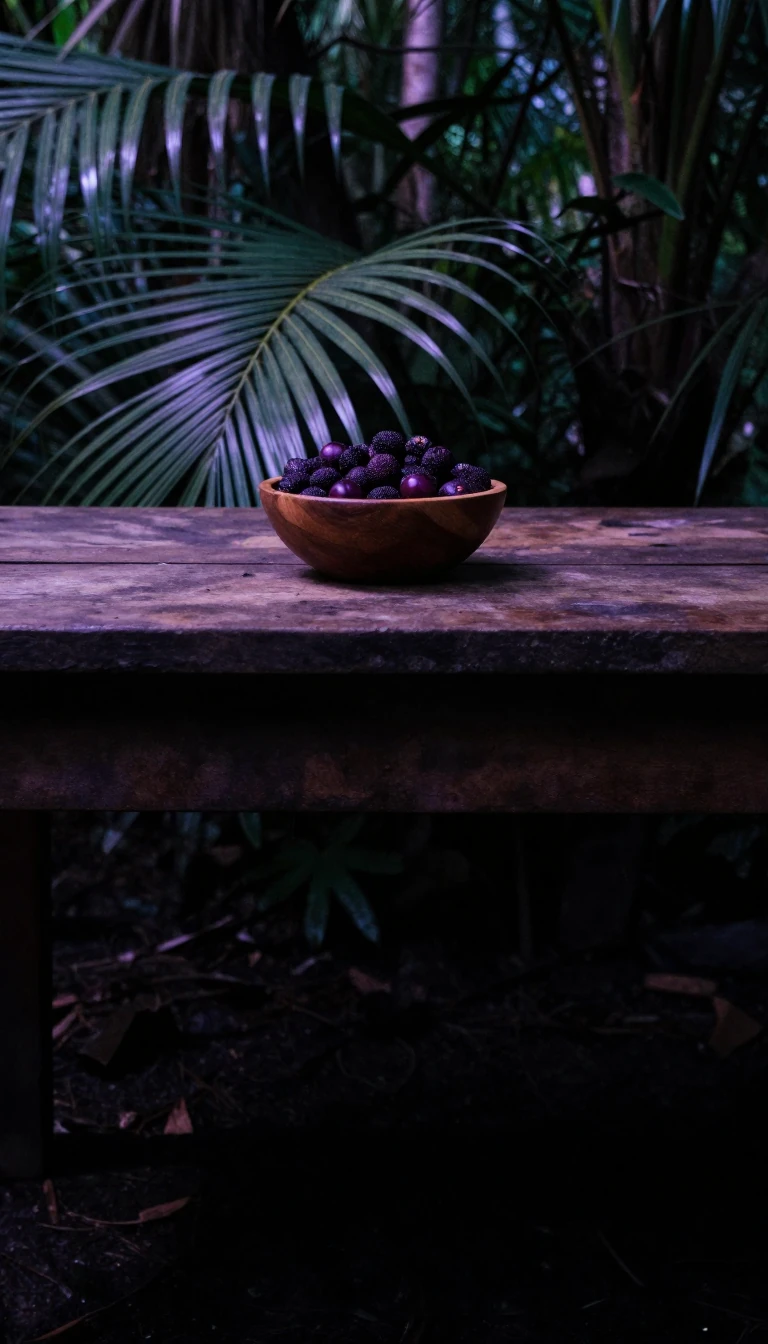 The Caper Bush Is a Resilient Survivor That Has Seasoned History for MillenniaBeyond its role in a martini or pasta sauce, the caper bush is a botanical enigma. Thriving in harsh, arid landscapes, this plant has been harvested since the Upper Paleolithic. I…
 Caraway is a versatile culinary powerhouse hiding in the carrot familyOften mistaken for a simple spice, caraway is a complex biennial plant with a history spanning from ancient Greek tonics to modern European kitchens. Beyond its signature anise-li…
 Why these grass-like plants were essential for survival at the South Pole in 1911Often mistaken for common grass, the genus Carex—or sedges—are actually complex, triangular-stemmed perennials. Beyond their ornamental value in modern gardens, these resilient pl…
 The Carolina Reaper: A decade of breeding for the world's most intense heatBefore Pepper X claimed the throne in 2023, the Carolina Reaper reigned as the world's hottest chili for a decade. Created by Ed Currie through years of meticulous hybridization, …
 Why the pignut hickory earned its name from colonial American hogsThe pignut hickory is a resilient, slow-growing tree native to the Eastern United States. While its pear-shaped nuts are a vital food source for wildlife, the tree’s common name s…
- The Shellbark Hickory Produces the Largest Nuts of Any Hickory Tree SpeciesKnown for its shaggy bark and massive, sweet nuts, the shellbark hickory is a slow-growing giant native to North America. While it once thrived across a vast range from Canada to …
 Why the Shagbark Hickory is a titan of the American forest and historyThe shagbark hickory is a towering, long-lived native of North America, instantly recognizable by its peeling, shaggy bark. While its nuts were a vital staple for indigenous peopl…
- The mockernut hickory is a resilient native giant with a deceptive, thick-shelled secret.Known as Carya tomentosa, this tree dominates temperate forests across the eastern United States and Ontario. While it is the most abundant of the hickories, its heavy, four-angle…
- From desert succulents to carnivorous traps, the Caryophyllales order defies simple botanical categorization.The Caryophyllales order is a botanical paradox. Comprising 37 families and 12,000 species, it encompasses everything from common spinach and rhubarb to bizarre, stone-like succul…
- The Cedar of Lebanon: An Ancient Conifer That Shaped Empires and Modern LandscapesFor millennia, the Lebanon cedar has stood as a symbol of endurance, from the pages of the Epic of Gilgamesh to the flag of a modern nation. This majestic conifer, prized for its …
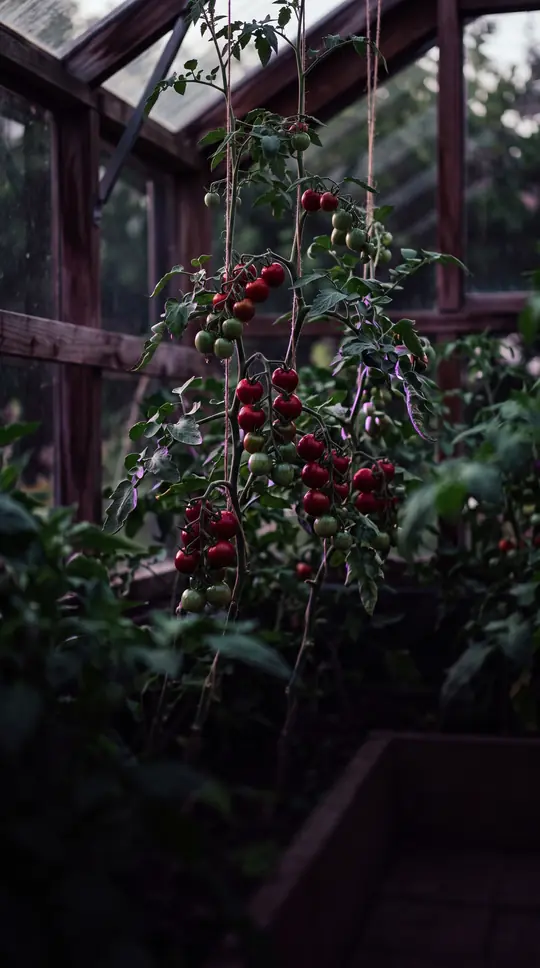 This knobbly winter vegetable is actually a swollen stem, not a rootCeleriac may look like a pale, misshapen swede, but this hardy crop is a culinary powerhouse. Requiring a long, slow growing season and consistent moisture, it rewards patient gar…
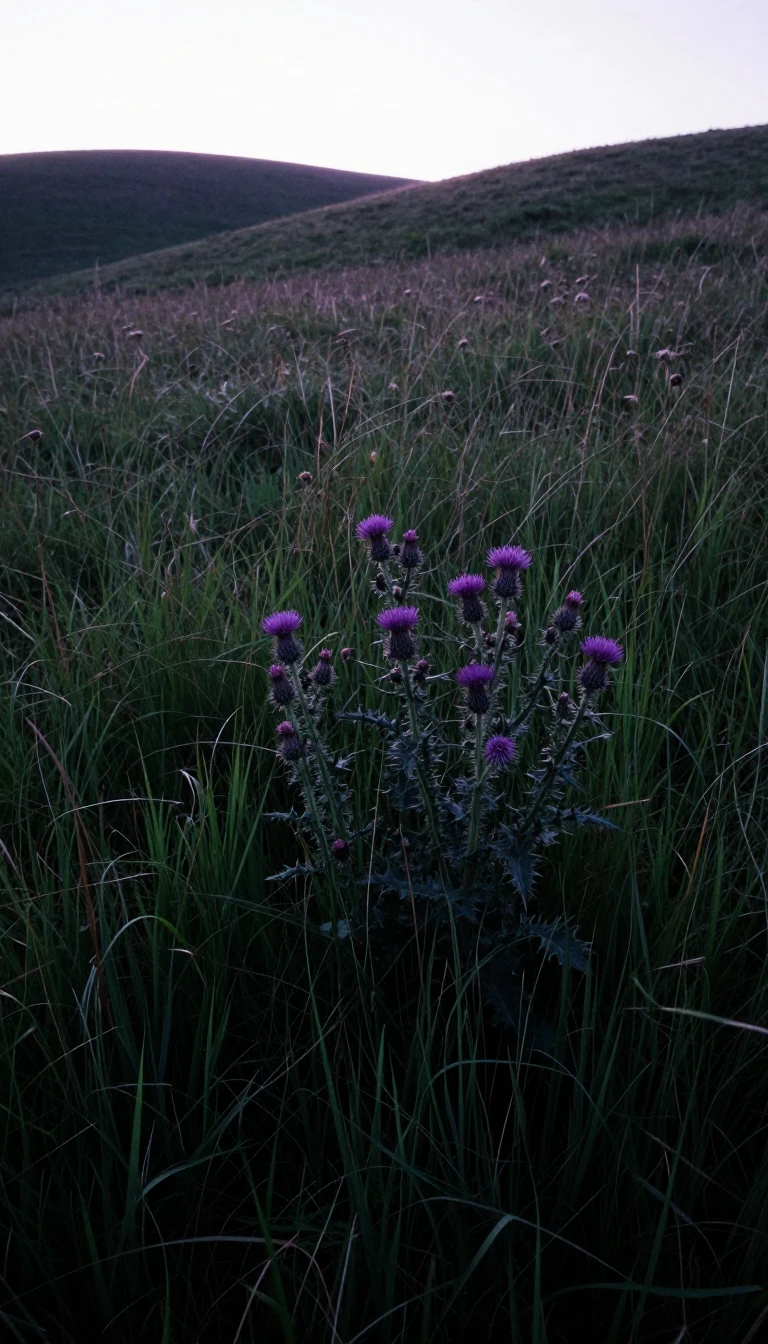 The cornflower is a resilient botanical survivor with a surprisingly complex political historyOnce a common weed in grain fields, the cornflower is now an endangered native in Europe, a valued ornamental, and a potent political symbol. From its role in German folklore to i…
 The Quindío wax palm is the tallest monocot on the planetRising up to 60 meters, the Ceroxylon quindiuense is a botanical giant native to the high-altitude Andes. Beyond its record-breaking stature, this tree has served as a vital sourc…
- The cherimoya is a tropical fruit with a name meaning cold seeds in Quechua.Known for its creamy, custard-like flesh, the cherimoya is a fascinating member of the Annonaceae family. While prized for its flavor, this tree hides a complex reproductive strat…
 Why the delicate French herb chervil is a masterclass in culinary timingOften overshadowed by parsley, chervil is a sophisticated, anise-scented herb essential to French cuisine. Because its flavor vanishes under heat and the plant bolts rapidly in th…
- Why Chinese cabbage is the ultimate fast-growing crop for your home gardenChinese cabbage, also known as napa cabbage, is a versatile brassica that thrives from spring to autumn. Whether you want crisp salad leaves or dense, succulent heads, these fast-…
- The humble spider plant is a botanical mystery hiding in plain sightKnown for its resilience and cascading plantlets, the spider plant is a household staple. Yet, beneath its familiar leaves lies a complex evolutionary puzzle. Recent genetic resea…
- Why the yellow-flowered choy sum is the heart of Chinese vegetable cookingChoy sum, or heart of the vegetable, is a staple of Chinese cuisine prized for its tender stems and vibrant yellow blossoms. Unlike its cabbage cousins, this mustard family member…
 The butterfly palm is a Madagascar native that conquered the world's living rooms.Known by many names—from areca to bamboo palm—this perennial tropical plant is prized for its upward-arching leaves and golden, cane-like stems. While it thrives outdoors in tropi…
 Cider apples are not just fruit; they are complex chemical engines for perfect fermentation.Unlike the sweet, crisp apples found in grocery aisles, true cider apples are often unpalatable on their own. They are defined by their high tannin and acid content, which provide…
- The citron is the ancient, fragrant ancestor of almost every citrus fruit you eat.While modern lemons and limes dominate our kitchens, they are merely descendants of the citron. This rugged, thick-skinned fruit has been cultivated for thousands of years, servin…
 The accidental fruit: how a French missionary’s garden gave us the clementineBorn from a spontaneous hybrid in an Algerian orphanage, the clementine is a citrus marvel that defies easy classification. Often marketed as the quintessential easy-peeler, this …
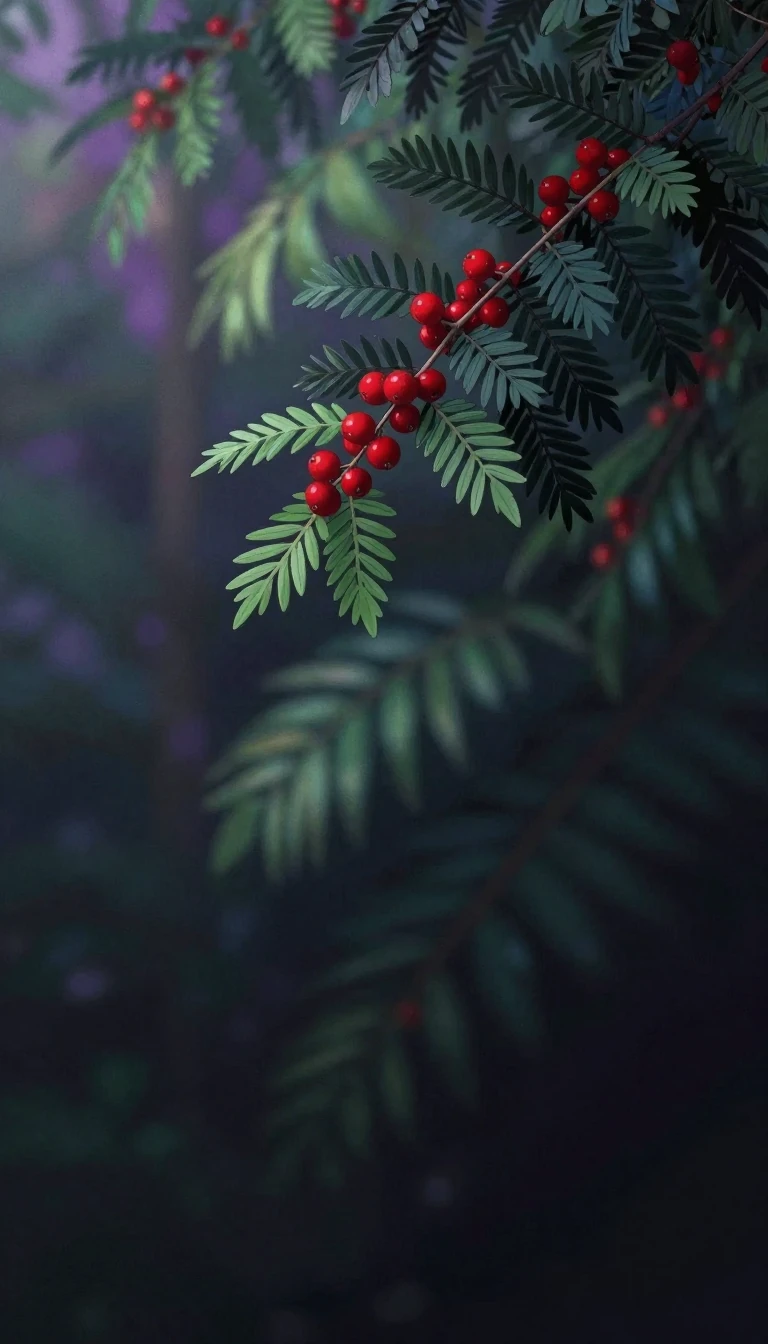 Coffee is not a bean, and its caffeine is a sophisticated chemical defense systemCoffee is a botanical enigma. Despite the name, coffee beans are seeds from a fruit, not legumes. These plants evolved caffeine as a dual-purpose survival tool: a toxic deterrent …
 Why these fleeting blue flowers are named after a pair of Dutch botanistsKnown as dayflowers for their remarkably short-lived blooms, the Commelina genus is a botanical puzzle of asymmetry. Named by Carl Linnaeus to honor two Dutch botanists, these pla…
 The spiderwort family uses clever floral deception to trick pollinators into visitingKnown as the dayflower or spiderwort family, these herbaceous plants are masters of illusion. Because they lack nectar, they rely on visual trickery to attract pollinators, using …
- Why the spiderwort and water hyacinth share a surprising botanical family treeThe Commelinales order brings together plants as diverse as terrestrial spiderworts and aquatic water hyacinths. While they look worlds apart, these 800-plus species are linked by…
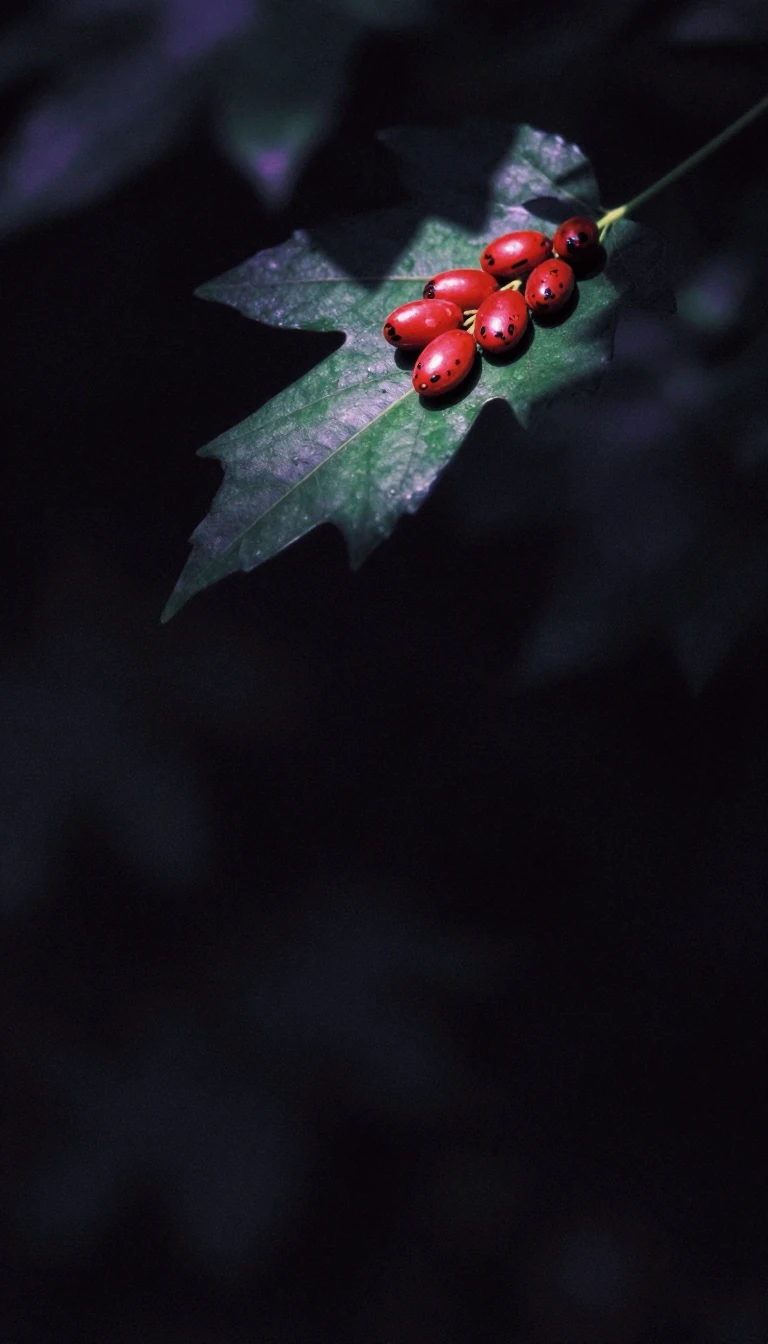 Poison hemlock is a lethal, invasive weed that hides in plain sight among us.Often mistaken for harmless wild parsley or carrots, this biennial plant contains potent alkaloids that cause respiratory failure in humans and livestock. Despite its deadly reput…
- The Morning Glory Family: From Garden Beauties to Parasitic Weeds and Psychedelic SeedsThe Convolvulaceae family spans 59 genera and 1,600 species, ranging from the common sweet potato to invasive parasitic dodders. While many are prized for their vibrant, funnel-sh…
- Why some apples turn into smooth sauce while others hold their shape perfectlyNot all apples are created equal in the kitchen. While dessert varieties are bred for raw snacking, culinary apples are engineered for heat. Some varieties collapse into a consist…
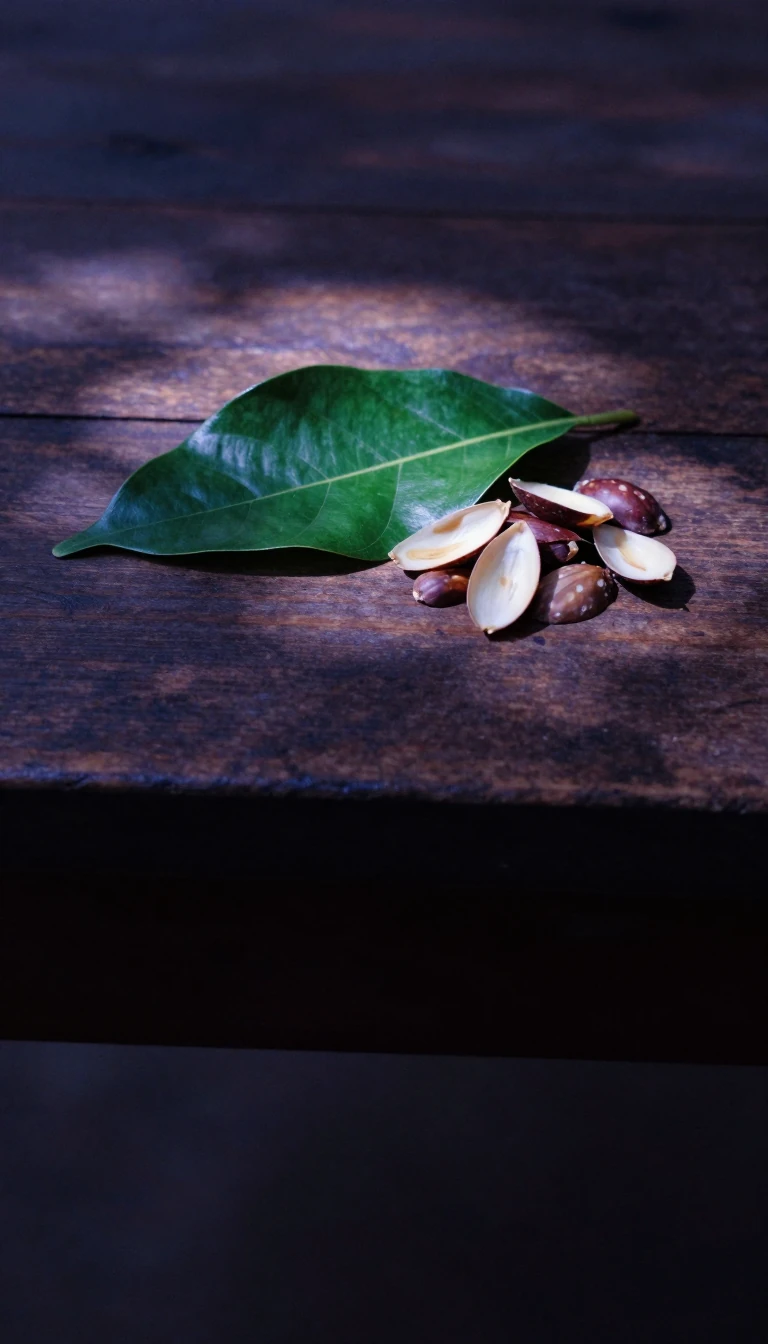 The filbert is a hazelnut, but not every hazelnut is a true filbert.Known as Corylus maxima, the filbert is a distinct deciduous shrub native to southeastern Europe and southwestern Asia. While often confused with the common hazel, this plant hide…
- The ancient, drought-defying legume that feeds 200 million people every single dayOften called poor man's meat, the cowpea is a nutritional powerhouse that thrives in the world's harshest, driest soils. From its origins in Africa to its role in Southern America…
- The Japanese cedar is a botanical traveler with a history spanning millions of years.Known as Sugi in Japan, this iconic conifer is not just a timber powerhouse but a living fossil. While it defines the Japanese landscape, its ancient lineage stretches across Euro…
- From the world's tallest trees to your gin, the cypress family dominates the landscape.The Cupressaceae family is a global powerhouse of conifers, encompassing everything from the massive coast redwood to the humble juniper. These trees have conquered nearly every c…
 Why the Mediterranean cypress is the ultimate survivor of the ancient worldKnown for its iconic exclamation-mark silhouette, the Mediterranean cypress is more than a landscape staple. This long-lived evergreen defies fire, thrives in harsh soils, and car…
 The curry tree is a citrus relative that defines the flavor of South AsiaOften mistaken for a spice blend ingredient, the curry tree is actually a small tropical plant in the citrus family. Its leaves, which lose their aromatic potency when dried, are …
- The resilient grass named for a dog's tooth that dominates global landscapes and greensCynodon, known commonly as Bermuda grass, is a botanical powerhouse native to the Old World. Valued for its remarkable drought tolerance, it is a staple on golf courses and sports…
 Why the world's most prized musical instruments and furniture are under global protectionThe Dalbergia genus produces some of the most sought-after timber on Earth, from the deep black of African woodwind instruments to the fragrant, colorful rosewoods of Brazil and I…
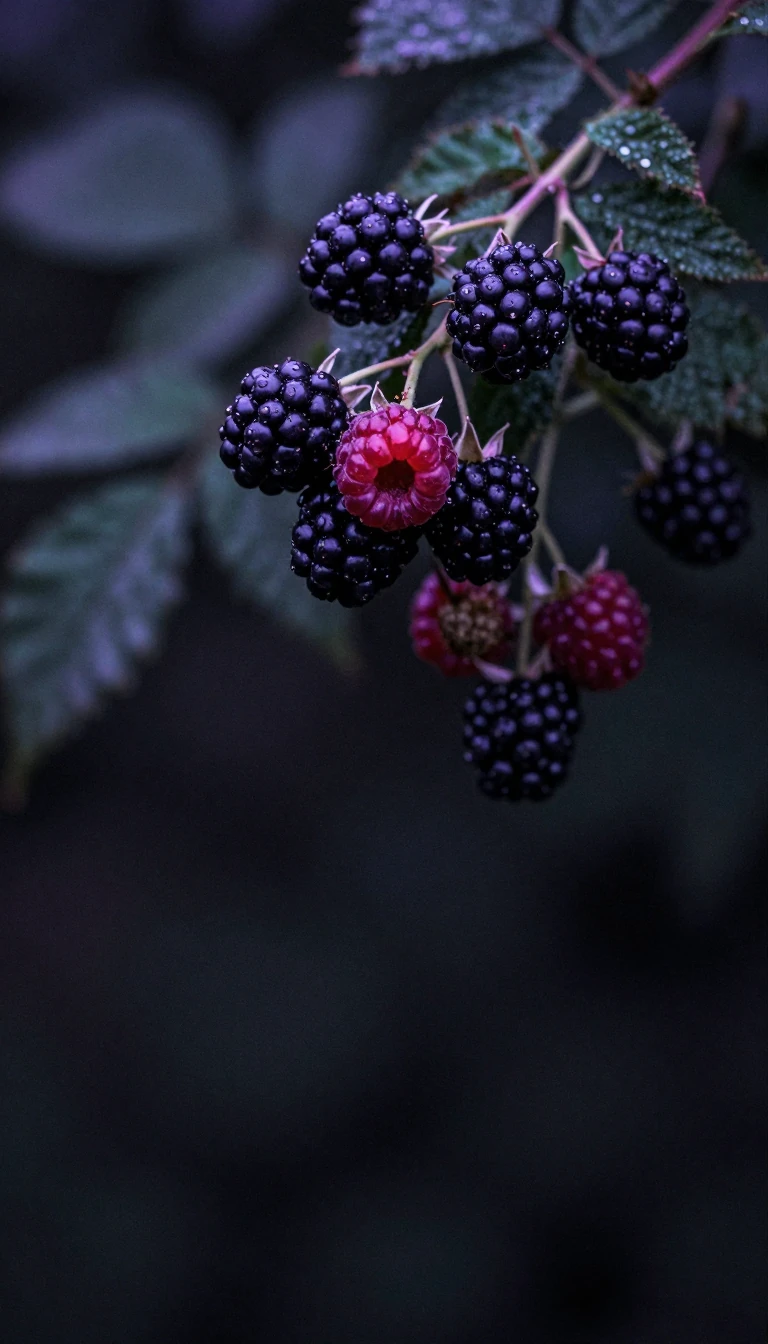 Why the humble dewberry is a botanical master of the ground-hugging lifestyleOften dismissed as a common weed, the dewberry is a sophisticated trailing bramble that dominates the Northern Hemisphere. Unlike its upright blackberry cousins, this low-growing …
 The flower that gave the colour pink its name, not the other way aroundDianthus is a genus of roughly 340 species, including carnations and sweet williams. While we associate the word pink with a hue, the term likely originated from the flower's fril…
 Why the classic 'dicot' label is a botanical simplification of a complex evolutionary historyYou likely learned that flowering plants split into two neat categories: monocots and dicots. While the two-seed-leaf rule is a helpful starting point, modern DNA analysis reveals…
 Why crabgrass is an evolutionary masterclass in surviving modern chemical warfareLarge crabgrass is one of the world's most resilient weeds, capable of causing massive crop yield losses. While gardeners often view it as a simple lawn pest, recent genomic resea…
 Why your dragon plant might be suffering from a common tap water habitThese popular, long-lived houseplants are surprisingly sensitive to the contents of your kitchen faucet. While they are famously easy-going, their foliage often suffers from hidde…
 Why the resilient snake plant is a global symbol of protection and warKnown by many names, from mother-in-law's tongue to Saint George's sword, Dracaena trifasciata is a botanical marvel. Beyond its reputation as an indestructible houseplant, this A…