 Intellect Plus
Plants
384 cards. Each one is a 40-second story with a five-minute read behind it. Page 3 of 7.
 Sundews are carnivorous plants that use sticky dew-like traps to digest their insect prey.With at least 194 species found on every continent except Antarctica, sundews are masters of nutrient-poor soil. These plants lure insects with glistening mucilage, ensnaring them…
- The Droseraceae family uses ingenious traps to thrive in nutrient-poor, boggy soil environments.Carnivorous plants in the Droseraceae family have evolved sophisticated mechanisms to survive where most vegetation fails. By capturing and digesting insects, these plants supplem…
 Wood ferns are ancient survivors that have been evolving for 100 million yearsKnown as wood ferns, the Dryopteridaceae family is a cosmopolitan group of about 1,700 species. These resilient plants have thrived since the Mid-Cretaceous, adapting to terrestri…
 Why Durum Wheat Is the Secret to Perfect Pasta and Resilient Global Food SystemsDurum wheat is more than just the foundation of your favorite pasta. This hardy, tetraploid cereal thrives in arid climates where other crops fail, offering a unique protein struc…
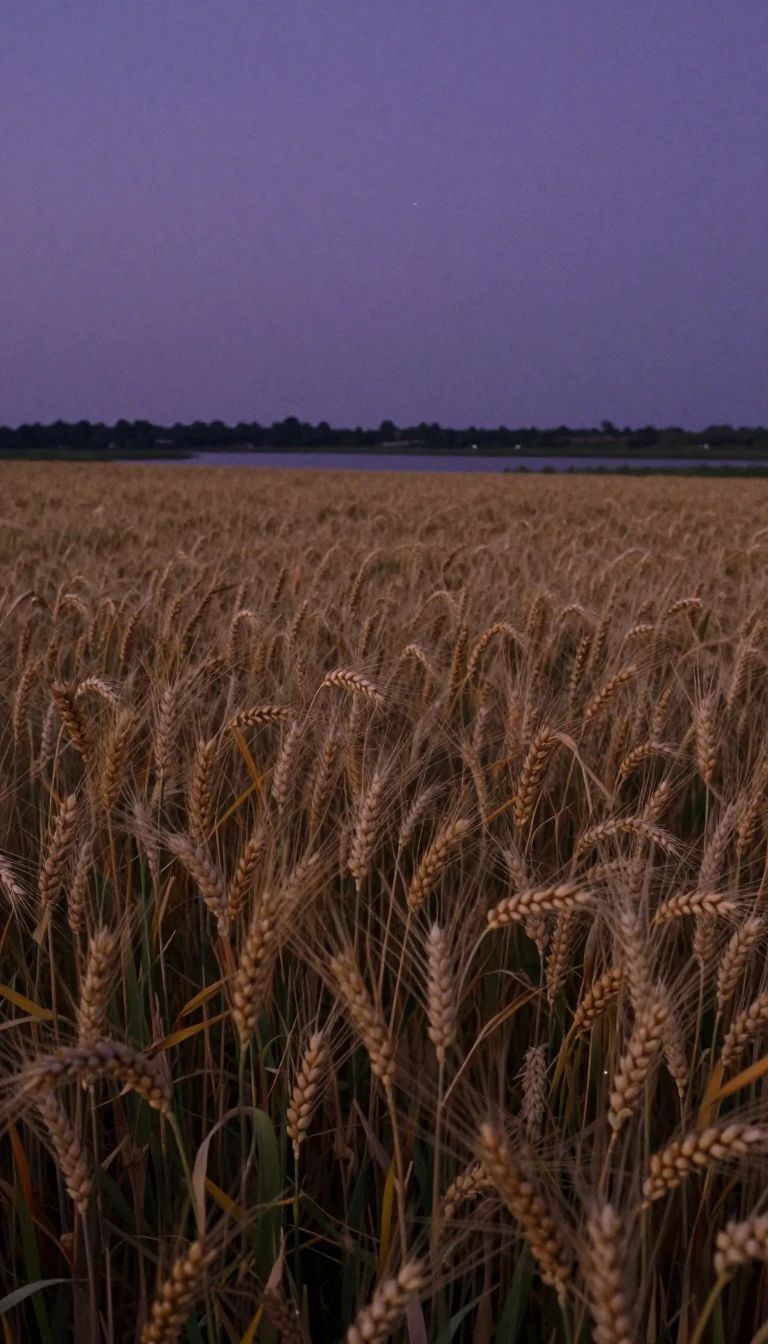 Einkorn: The ancient, resilient grain that humans accidentally domesticated 10,000 years agoEinkorn is a primitive wheat that survived on marginal soils long before modern agriculture. By selecting for plants that held onto their seeds rather than scattering them, early …
 The African oil palm is a botanical powerhouse that feeds and fuels the world.Native to the tropical regions between Angola and Gambia, Elaeis guineensis has become the most widely used vegetable oil source on Earth. This single species now accounts for ove…
- Emmer: The Ancient Grain That Shaped Early Human Civilization and AgricultureEmmer is a foundational hybrid wheat species that helped launch the agricultural revolution in the Near East. Once a staple of the ancient world, this resilient grain is now prima…
 Why this bitter salad green is the secret weapon for your winter gardenEndive is a versatile, lettuce-like vegetable that thrives when other greens fade. Whether you prefer the frilly, curly frisée or the broad-leaved, robust escarole, this plant off…
 Why these desert-dwelling shrubs are the ancient source of a modern stimulantEphedra shrubs are evolutionary outliers, standing as the sole genus in their entire biological order. Thriving in arid landscapes from the American Southwest to China, these resi…
 Beyond the illicit trade: The complex, ancient, and medicinal world of the Erythroxylum genusWhile infamous as the source of cocaine, the Erythroxylum genus encompasses roughly 230 to 250 species with deep roots in indigenous culture. These plants offer untapped potential…
 How plants conquered the land: a billion-year journey from algal scum to forestsPlants did not simply walk onto land; they spent hundreds of millions of years evolving from simple algal mats into complex organisms. This transition required revolutionary innov…
 The humble bean pod is the secret engine behind global food security and soil health.The order Fabales encompasses over 20,400 species, yet one family—Fabaceae—dominates this group, accounting for more than 95 percent of its diversity. Beyond their role as a vital…
- The Fagaceae family: Why oaks, beeches, and chestnuts rule the Northern Hemisphere forestsThe Fagaceae family comprises roughly 1,000 species, serving as the ecological backbone of temperate forests across North America, Europe, and Asia. From the timber-producing oak …
 The ancient order of Fagales includes the world's most iconic temperate forest trees.From the sturdy oaks of the Northern Hemisphere to the southern beeches of Gondwana, the order Fagales defines landscapes across the globe. These woody plants, once grouped by the…
 The European beech is a forest giant with a surprisingly complex human historyThe European beech is more than a common forest tree. It is a biological marvel that can live for half a millennium, hold its leaves through the winter, and serve as a cornerstone…
 The Pacific's heaven-gazing banana that stands tall against the common drooping varietyUnlike the familiar drooping bananas in your grocery store, the Fe'i banana grows its fruit in an upright, defiant cluster. These vibrant, orange-fleshed fruits were once a vital …
 Finger millet is a resilient, iron-rich grain that can stay edible for fifty years.Native to the highlands of East Africa, finger millet is a nutritional powerhouse capable of surviving harsh droughts and high altitudes. While often overlooked for more labor-int…
- The Fraser fir is a high-altitude survivor that became a holiday icon.Native only to the highest peaks of the southern Appalachian Mountains, the Fraser fir is a botanical marvel. Once known as she-balsam, this fragrant, pyramidal evergreen has surv…
- The Crown Imperial: A Striking Garden Giant With a Surprisingly Skunky SecretThe Fritillaria imperialis is a botanical showstopper, reaching heights of over a meter with bold, nodding blooms. Yet, beneath its regal appearance lies a pungent, sulfurous odor…
 Hardy fuchsias are versatile, resilient shrubs that can transform your garden into a floral display.Often mistaken for delicate, tender plants, hardy fuchsias are actually robust shrubs capable of surviving winter chills. Whether you want a vibrant container display or a living …
 The global apple icon that began as a cross-bred experiment in 1939 JapanDeveloped at the Tōhoku Research Station, the Fuji apple transformed from a local Japanese project into a worldwide produce powerhouse. Known for its exceptional shelf life and de…
 Why Chinese broccoli is the resilient, bitter cousin of your favorite supermarket cruciferous vegetableGai lan, often known as Chinese broccoli, is a hardy cool-season crop that thrives where other brassicas falter. With its glossy blue-green leaves and robust stems, this vegetable…
- How a New Zealand seedling became the world's most popular modern appleBorn from a 1930s cross-breeding experiment in New Zealand, the Gala apple has quietly conquered the global market. Once a niche seedling, this sweet, crisp fruit now dominates or…
 Beyond ginger: the aromatic rhizome that defined medieval medicine and Southeast Asian cuisineOften mistaken for its cousin ginger, galangal is a diverse family of pungent rhizomes essential to Southeast Asian cooking. From the floral, peppery heat in Thai soups to its his…
 The delicate snowdrop is a botanical puzzle that has baffled scientists for centuriesKnown for pushing through winter snow, the snowdrop is far more complex than its simple white bell suggests. While once classified by how its leaves fold in the bud, modern geneti…
- Why this fast-growing herb is a staple in both biology labs and kitchensGarden cress is more than a peppery garnish for your sandwich. This resilient, rapid-growing plant is a nutritional powerhouse, a staple in traditional medicine across the Middle …
 The ghost pepper is so intense it is used to deter wild elephantsKnown as the bhut jolokia in Northeast India, this superhot chili pepper is famous for its extreme pungency. While it once held the Guinness World Record for heat, its utility ext…
- The Gnetophytes are a botanical enigma, bridging the gap between ancient gymnosperms and flowering plants.Gnetophytes are a bizarre trio of plants that share almost nothing in common. From desert-dwelling shrubs to tropical vines and a singular, ground-hugging desert giant, these gymn…
- This ancient tree offers a potent, natural defense against modern chronic health threatsGnetum gnemon, a tree native to Southeast Asia, is far more than a culinary staple. Recent pharmacological research reveals its extracts possess powerful antioxidant, antibacteria…
- Why this humble yellow apple remains a titan of the global fruit industryDiscovered as a chance seedling in a West Virginia orchard, the Golden Delicious transformed from a local curiosity into a global staple. Beyond its sweet flavor and culinary vers…
- Why the humble gooseberry is a garden powerhouse hiding in plain sightOften overlooked and rarely found in supermarkets, the gooseberry is a hardy, versatile fruit that thrives in diverse climates. Whether you prefer sweet dessert varieties or tart …
- Cotton is not just a soft fabric but a complex, ancient, and diverse genus.Beyond the white fluff in your shirt lies Gossypium, a genus of fifty species ranging from Australian fire-adapted shrubs to Mexican trees. This plant family, which emerged millio…
 The global cotton industry relies on a shrub that originated in the Americas.Gossypium hirsutum is the world's most widely planted cotton species, accounting for about 90% of global production. Native to a range spanning Mexico to Ecuador and northeast Bra…
- The West African spice that once defined a coastline and fueled a royal monopolyKnown as grains of paradise, this pungent ginger relative once commanded such immense European value that it gave the West African coast its nickname. From fueling a 15th-century …
- A chance seedling found in an Australian creek bed conquered the global fruit market.In 1868, Maria Ann Smith discovered a mysterious apple tree growing near a creek on her New South Wales farm. What began as a discarded core from French crab-apples became a globa…
- The habanero pepper is a botanical traveler with a surprisingly floral, citrus-infused heat profile.Often misunderstood as purely painful, the habanero is prized by connoisseurs for its complex, fruity aroma. While it once held the title of the world's hottest pepper, its true a…
 Every Hass avocado you have ever eaten comes from one single mother treeThe world's most popular avocado variety was not the result of a scientific breeding program. It began as a single, accidental seedling in a California backyard in 1926. Today, ev…
 The Monterey cypress is a global traveler with a misunderstood, ancient reputationNative to a tiny sliver of the California coast, the Monterey cypress has been planted from New Zealand to the Falkland Islands. While often romanticized as a millennial giant, th…
- Why the Honeycrisp apple is a triumph of academic research and agricultural innovationThe Honeycrisp apple is more than a grocery store staple; it is a scientific breakthrough. Developed by the University of Minnesota, this cultivar revitalized family orchards and …
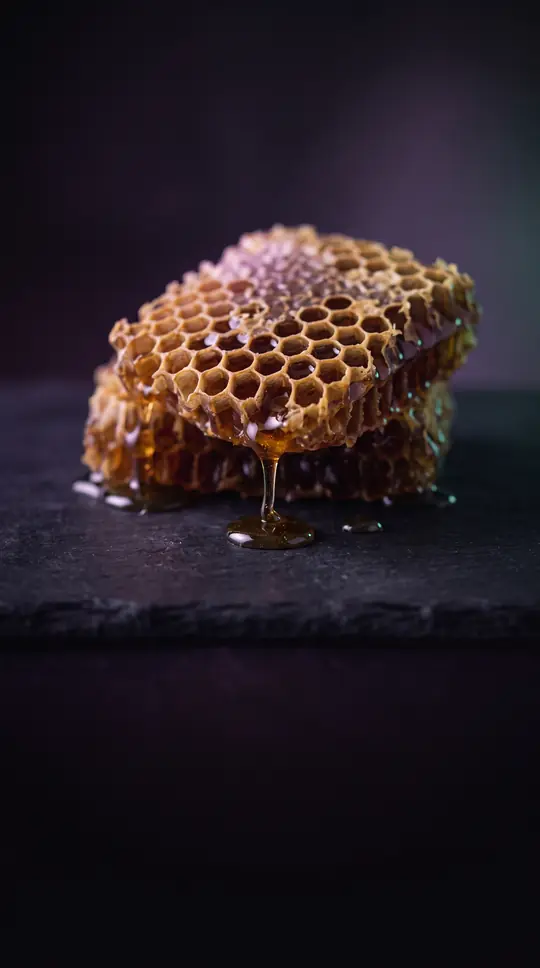 The surprising history of the honeydew melon, from French fields to Chinese fameThe honeydew melon is a global staple, yet its identity is a patchwork of international influence. Known as the White Antibes in France, it became a Chinese sensation thanks to a …
 Why the fragrant honeysuckle is both a gardener's dream and a global ecological threatHoneysuckle is prized for its intense fragrance and ability to cloak walls in lush, tubular blooms. Yet, beneath this romantic exterior lies a botanical opportunist. While some va…
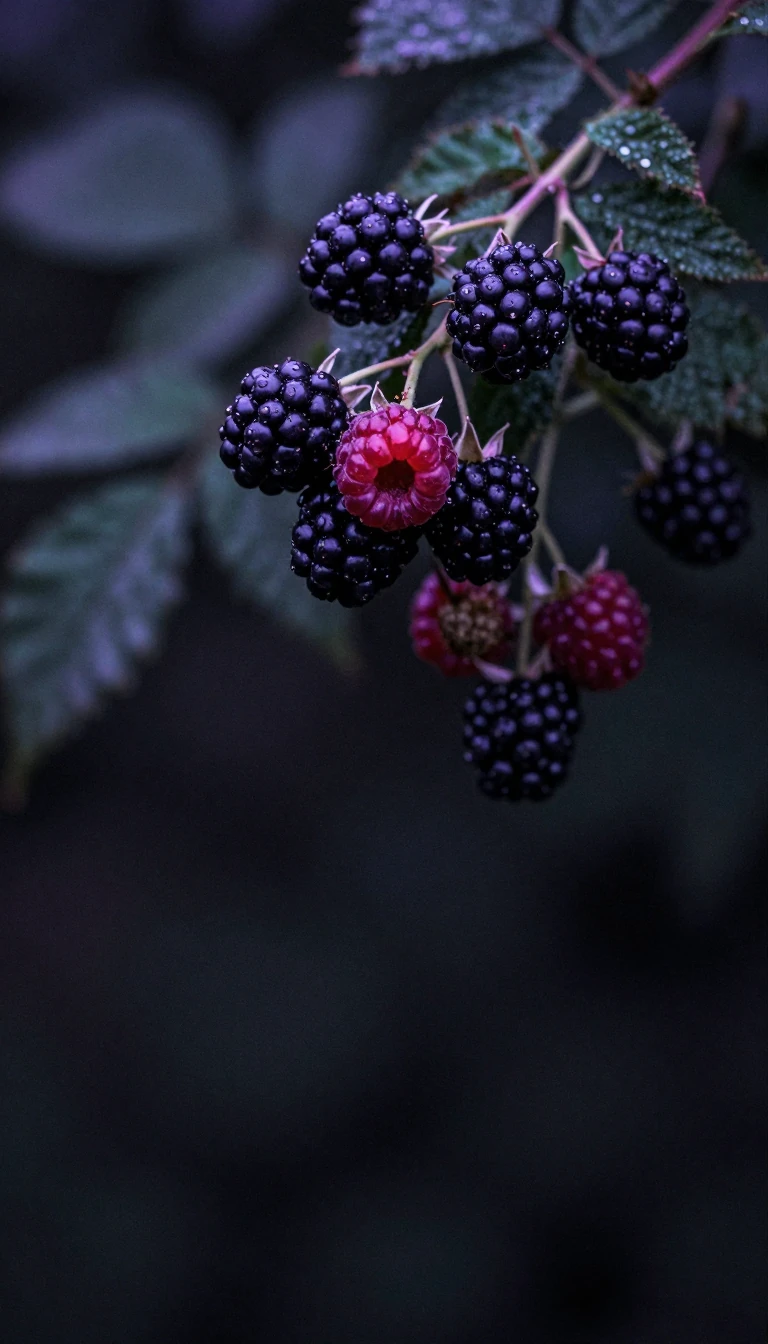 The elusive huckleberry is a botanical puzzle with a rich history in American slangHuckleberries are not just a single fruit but a label for various plants across two distinct genera. While they resemble blueberries, they remain notoriously difficult to cultivat…
- Why the humble hop is actually a wolf in sheep's clothingHumulus lupulus is more than just a beer ingredient. This perennial climber, a close relative of cannabis, has been cultivated for millennia. Beyond its role in brewing, it posses…
 Why the vibrant hyacinth is a masterclass in seasonal garden engineeringHyacinths are iconic for their heady scent and dense, colorful spikes, but their spectacular spring performance is often a one-time show. While these bulbs can be coaxed into retu…
- The ancient herb that wards off demons and treats modern depression with equal fervor.St. John's wort is more than a garden resident. Known historically as a magical shield against evil spirits, this resilient perennial is also a scientifically recognized treatment…
- Is the hyssop mentioned in ancient texts actually the plant growing in your garden?Hyssopus officinalis is a vibrant, aromatic shrub prized in traditional medicine for its soothing effects. Yet, historians debate whether this plant is the same hyssop referenced …
- The prickly holly tree is a resilient survivor with a surprisingly complex historyKnown for its glossy, spiny leaves and bright red berries, the European holly is more than a festive decoration. This hardy evergreen has served as winter livestock fodder, a sour…
- The morning glory is a resilient space traveler with a hidden, mind-altering chemistryBeyond their ornamental beauty, Ipomoea plants are botanical powerhouses. From the humble sweet potato to the psychoactive seeds of the Heavenly Blue, this genus of 500 species th…
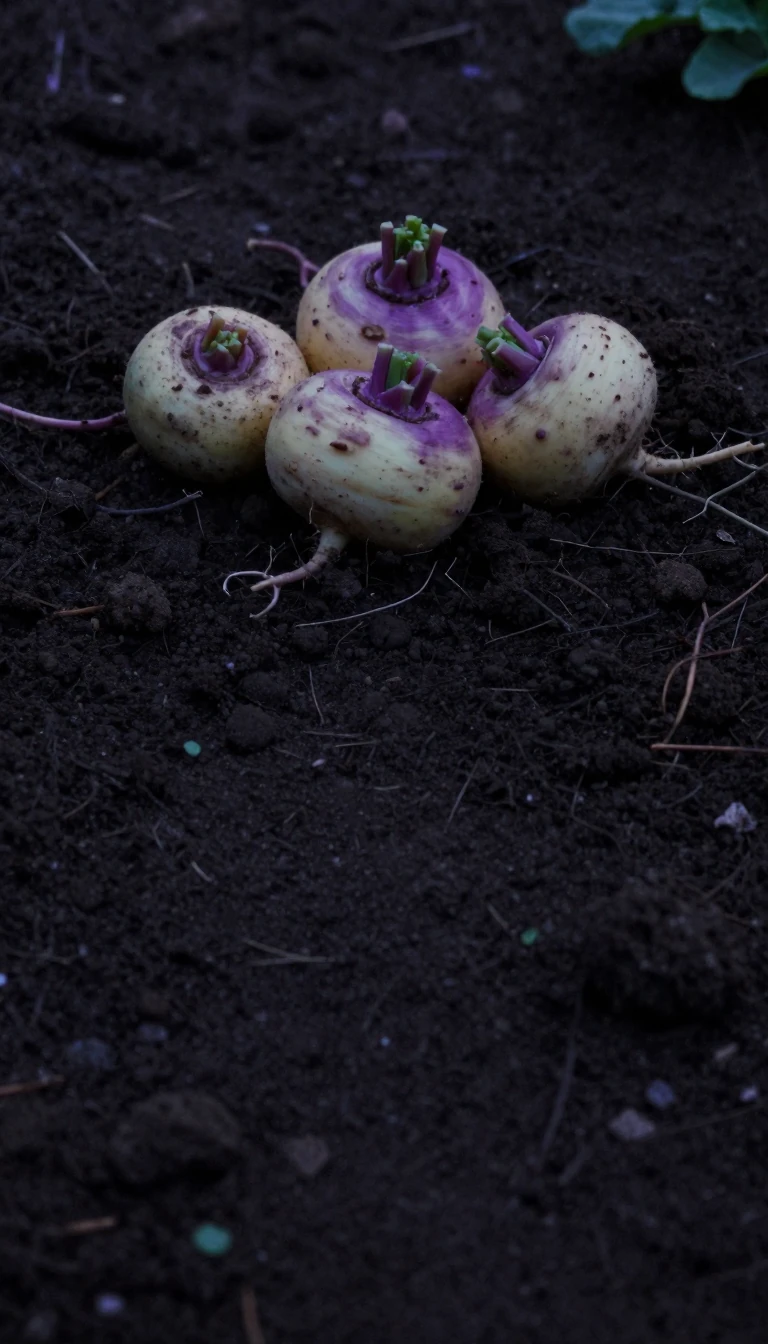 Before synthetic dyes, this humble mustard plant built the fortunes of medieval Europe.Long before global trade brought exotic pigments to European shores, Isatis tinctoria—commonly known as woad—was the backbone of the continent’s textile industry. From the prosper…
- The ancient quillworts are living fossils that have barely changed in 200 million years.Quillworts are mysterious, grass-like plants that have survived since the Jurassic epoch. Despite their simple appearance, these aquatic survivors use a complex form of carbon fix…
 Why the world's most fragrant rice is losing its scent every single dayJasmine rice is prized for a distinct aroma reminiscent of pandan and popcorn, driven by the compound 2-acetyl-1-pyrroline. Because this fragrance fades rapidly after harvest, con…
- The ancient grain that doubles as natural jewelry and a spiritual symbolJob's tears is a versatile tropical grass that has served humanity for millennia. While its soft-shelled varieties provide a nutritious cereal crop, its hard-shelled wild counterp…
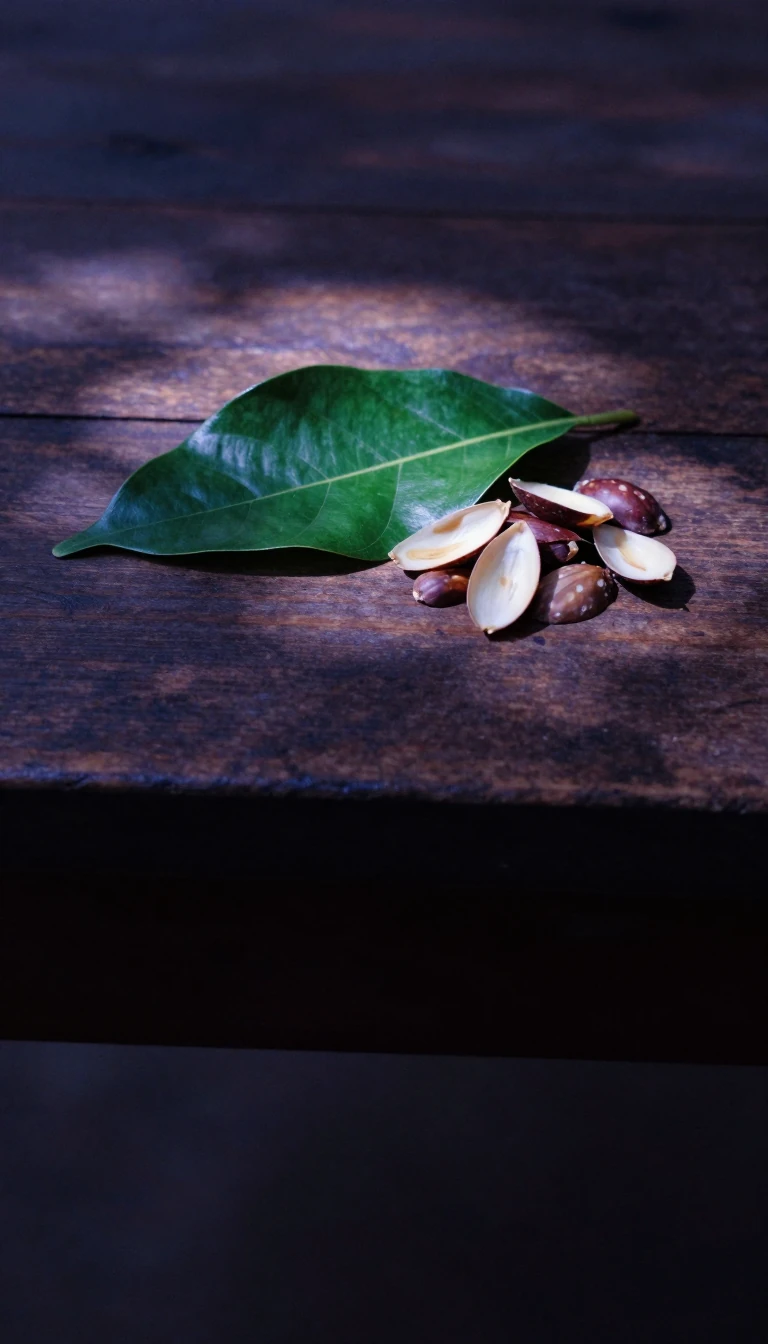 The walnut family once dominated European forests before disappearing during the ice agesToday, the walnut family is synonymous with global agriculture, but its history is written in ancient fossils. Once abundant across Central Europe, these trees were pushed to exti…
- The juniper berry is not a berry, but a fleshy, fused conifer cone.Often mistaken for a simple fruit, the juniper berry is actually a botanical marvel—a cone with merged scales known as a galbulus. While essential to the flavor of gin and traditi…
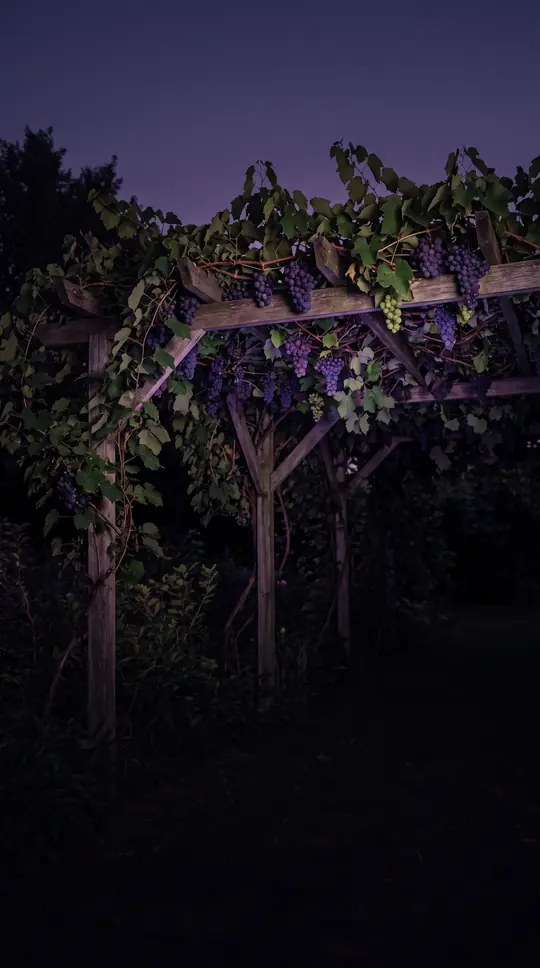 The California juniper is a rugged, multi-stemmed survivor of the American SouthwestNative to the arid landscapes of California and beyond, the California juniper is a resilient shrub known for its bluish-gray foliage and berrylike cones. Beyond its ecological ro…
- The common juniper is a botanical record-breaker with a lifespan exceeding two millennia.With the largest geographical range of any woody plant, the common juniper thrives from the Arctic Circle to the Atlas Mountains. This resilient conifer is not only a cornerstone …
 Why the alligator juniper is named for its thick, square-cracked, reptilian barkThe alligator juniper is a resilient evergreen tree native to the American Southwest and Mexico. Its most striking feature is its dark, hard bark, which cracks into small, square …
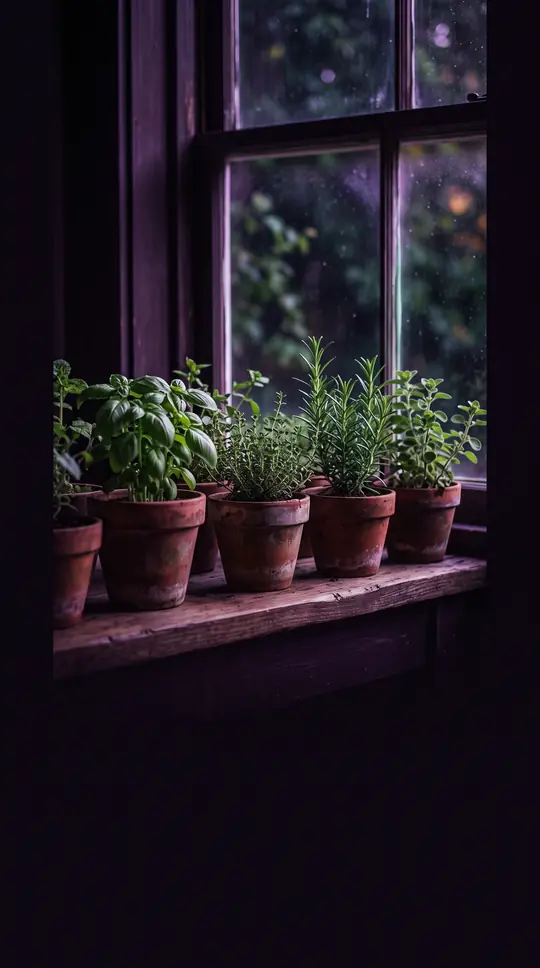 Is this Mediterranean shrub the original cedar mentioned by the ancient Greeks?Juniperus oxycedrus, a resilient conifer native to the Mediterranean, is a botanical shapeshifter. Often appearing as a spreading shrub or a small tree, this plant has been used f…
- The Rocky Mountain juniper is a resilient, ancient survivor of the American WestSpanning from Canada to Mexico, the Rocky Mountain juniper is a master of survival in harsh, rocky terrain. These aromatic trees can live for over 1,500 years, providing essential…
 Why this Japanese winter squash actually owes its name to Portuguese sailors from CambodiaKabocha is a culinary chameleon, tasting like a hybrid of pumpkin and chestnut. While synonymous with Japanese cuisine, this sweet, knobbly squash has a global history that stretc…