 Intellect Plus
Modern (1800-1945)
244 cards. Each one is a 40-second story with a five-minute read behind it. Page 3 of 5.
 How a wave of liberal idealism nearly dismantled the mighty Habsburg Empire in 1848In March 1848, a group of young Hungarian intellectuals ignited a revolution that transformed their nation. By abolishing censorship and pushing through radical democratic laws, t…
 The short-lived Idel-Ural State: A bold attempt at autonomy during the Russian RevolutionIn the chaos of the Russian Civil War, Tatar, Bashkir, and Chuvash leaders attempted to forge a new republic. Known as Idel-Ural, this ambitious project aimed to unite Muslim popu…
 How a fleeing European monarch accidentally birthed the Empire of BrazilWhen Napoleon invaded Portugal in 1807, the royal family fled to Rio de Janeiro, transforming a colony into the seat of an empire. This unlikely relocation set the stage for Brazi…
 How a colonial education system accidentally birthed the modern Indonesian nationThe Dutch sought to train a compliant clerical class to manage their colonial bureaucracy. Instead, they inadvertently provided the intellectual tools for an indigenous elite to d…
 How a colonial governor manufactured an invasion to seize Māori land in New ZealandIn 1863, Governor Sir George Grey launched a massive military campaign against the Kingitanga Movement, claiming it was a defensive necessity to protect Auckland. Historians now a…
 How a decade of revolution transformed Ireland from a British dominion into a republicBetween 1912 and 1923, Ireland underwent a seismic shift from seeking limited self-government to fighting a brutal war for total independence. This revolutionary period dismantled…
 When a Poet Seized a City and Invented the Rituals of Italian FascismIn 1919, Italian poet Gabriele D'Annunzio led a rogue military force into Fiume, establishing a bizarre, short-lived state. While he styled himself a dictator, his regime birthed …
 How a massive guerrilla network helped liberate the Philippines from Japanese occupationBetween 1942 and 1945, the Philippines endured a brutal occupation, yet a sprawling underground resistance movement controlled sixty percent of the islands. These guerrillas provi…
 Was the Jazz Age a golden era of liberation or a reckless, moral collapse?Emerging from the trauma of the Great War, the 1920s became a decade of frantic, lighthearted excess. While cities boomed and jazz defined the rhythm of a new, modern world, a dee…
 Nazi ghettos were not just prisons, but tools of systematic exploitation and propaganda.Nazi Germany established over 1,000 ghettos across occupied Eastern Europe to segregate Jewish populations. While often framed as temporary measures, these sites were designed to …
 The Jewish Question: How a 19th-Century Debate Shaped Modern European Identity and TragedyEmerging from the Enlightenment, the Jewish Question was a pervasive debate regarding the status of Jews as a minority within European nation-states. While initially a neutral inq…
 Did a failed raid on a federal armory trigger the American Civil War?In October 1859, militant abolitionist John Brown led an armed band to seize the federal armory at Harpers Ferry. Though the mission failed to spark a mass slave revolt, it became…
 The forgotten First World War campaign fought in the lethal jungles of West AfricaWhile the Great War raged in Europe, a brutal, overlooked conflict unfolded in Germany’s Kamerun colony. Allied forces faced not only German resistance but also a hostile environm…
 When the German army refused to fire on itself, the republic nearly collapsedIn March 1920, elite paramilitary units marched on Berlin to topple Germany's young democracy. When the government ordered the regular army to defend the capital, commanders famou…
 A three-day revolution in 1884 attempted to modernize Korea by emulating Meiji Japan.In December 1884, a group of radical reformers staged a daring coup in Seoul, seizing the royal palace to dismantle Korea's conservative, pro-Chinese order. Their vision for a con…
 The Asharshylyq: How Soviet Collectivization Erased a Nomadic Way of Life and Millions of LivesBetween 1930 and 1933, the Kazakh famine claimed up to 2.3 million lives, wiping out nearly 40 percent of the ethnic Kazakh population. This man-made catastrophe, driven by forced…
 Could a single piece of paper really make the world stop going to war?In 1928, the world’s major powers signed a historic agreement to renounce war as a tool of national policy. While it failed to prevent the Second World War, this ambitious pact fu…
 How a remote island of pirates became a sovereign kingdom recognized by global powersBefore it was a French territory, Bora Bora was the seat of a distinct, independent kingdom. Born from a history of warrior clans and religious rivalry, the island navigated the c…
 The short-lived monarchy that attempted to unify the islands of Fiji under one crownBetween 1871 and 1874, the Kingdom of Fiji emerged as the first unified state in the region. Led by Ratu Seru Epenisa Cakobau, the monarchy was a fragile experiment in constitutio…
- How a Pacific island kingdom voluntarily sought British protection to avoid French colonial expansion.In 1858, the Kingdom of Rarotonga emerged as a sovereign entity, shaped by the influence of high chiefs and Christian missionaries. Yet, within decades, the island nation found it…
- How British missionaries and a local dynasty forged the short-lived Kingdom of TahitiIn the early 19th century, the island of Tahiti underwent a radical transformation. Supported by the London Missionary Society, the Pomare family consolidated power, replacing tra…
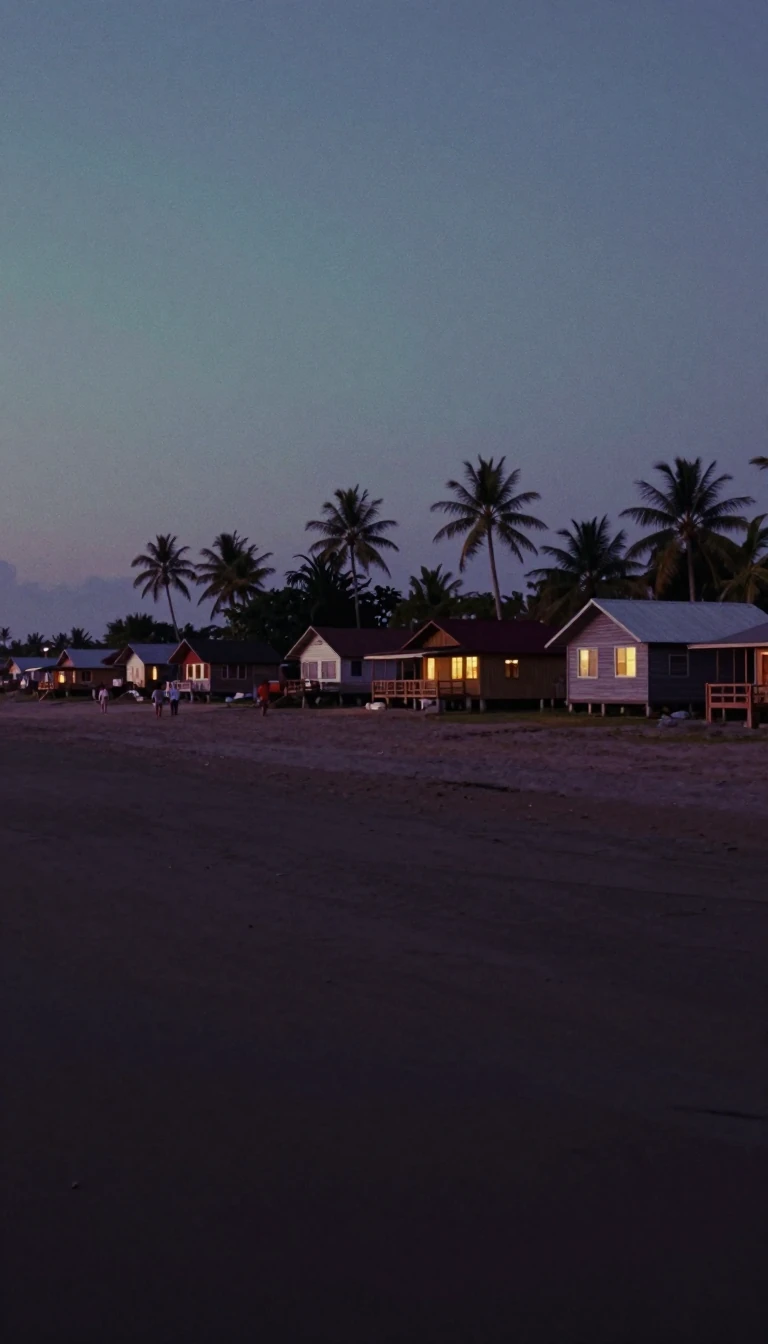 The Kokoda Track campaign: A brutal struggle for Australia's northern defensive frontierBetween July and November 1942, Australian and Japanese forces clashed in the rugged Owen Stanley Range. This campaign was a desperate attempt to secure Port Moresby, as Japan sou…
- The Red Sailors Who Helped Create the Soviet Union Tried to Destroy ItIn 1921, the elite Baltic Fleet sailors at Kronstadt, once the Bolsheviks' most loyal allies, launched a desperate mutiny. They demanded an end to the party's iron grip on power a…
 How a 52-day campaign in Manchuria shifted the balance of the Chinese Civil WarIn late 1948, the Chinese Communist Party launched a decisive military operation to seize control of Manchuria. Over 52 days, the People's Liberation Army dismantled Nationalist d…
 The Long Depression: A Global Economic Crisis That Preceded the 1930s Great DepressionBefore the 1930s, the world endured a prolonged era of deflation and economic instability known as the Long Depression. Spanning from 1873 to as late as 1899, this period of fluct…
 How a desperate military retreat became the foundation of a modern superpowerFacing total annihilation by Nationalist forces, the Chinese Communist Party abandoned its Jiangxi stronghold in 1934. What began as a chaotic, high-casualty flight across thousan…
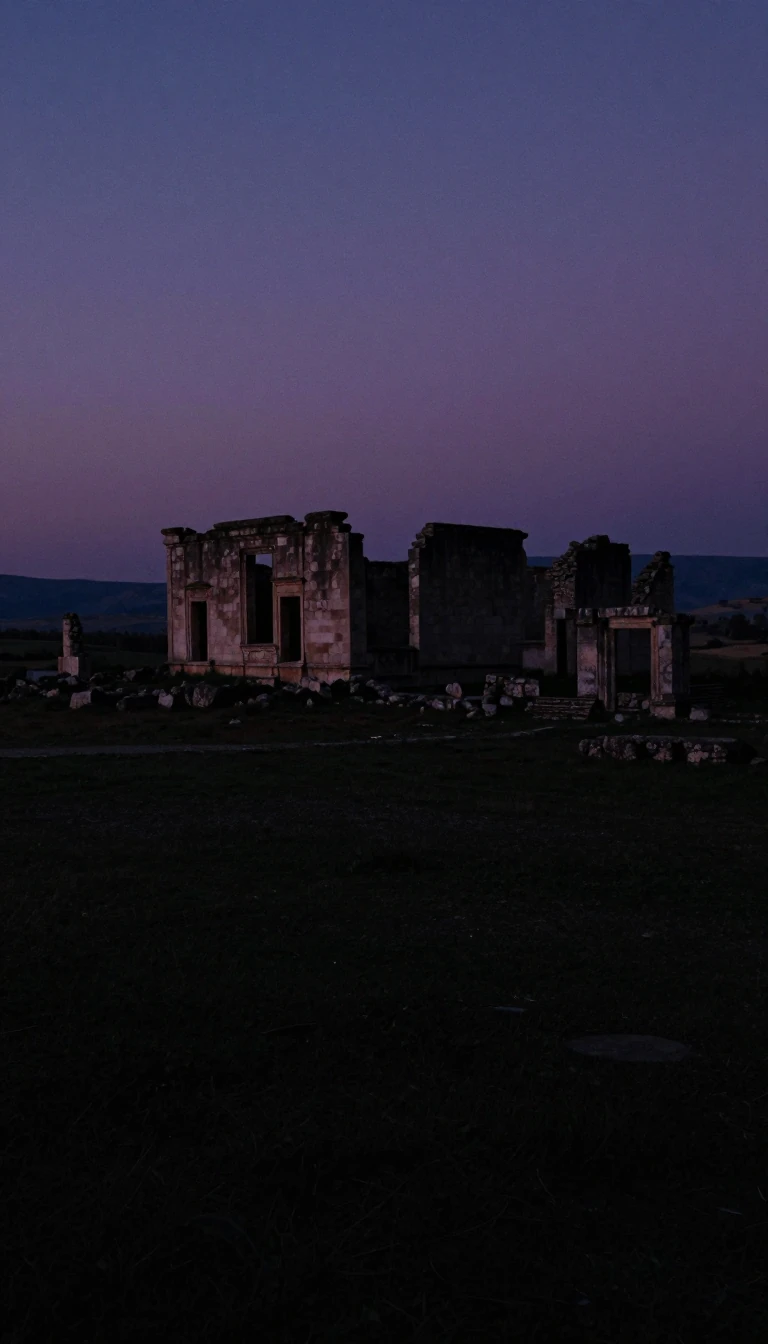 How a forgotten Balkan front became the decisive turning point of World War IOften dismissed as a stagnant sideshow, the Macedonian front was far more than a collection of bored soldiers in the Gardeners of Salonika. It was a complex geopolitical trap that…
 The Malayan campaign was a total disaster for Allied forces from the very start.When Japan invaded Malaya in December 1941, they held overwhelming advantages in air power, naval supremacy, and tactical experience. Despite British attempts to defend the penins…
- How a massive, peaceful protest movement redefined the fight for Korean independence in 1919Beginning on March 1, 1919, millions of Koreans launched a series of decentralized, nonviolent protests against Japanese colonial rule. Despite brutal suppression and a global dis…
- The Mau movement: A non-violent struggle for Samoan independence against colonial ruleLong before the term became associated with militant rebellion in Kenya, the Samoan Mau movement defined itself through resolute, non-violent civil disobedience. By harnessing tra…
 How a power vacuum in Europe sparked the birth of a new nationWhen Napoleon invaded Spain in 1808, he inadvertently triggered a political earthquake across the Atlantic. In Buenos Aires, the news of the Spanish government's collapse reached …
- How a minor disagreement over party membership definitions birthed the Russian Revolution's losing faction.The Mensheviks were once the primary rivals to Lenin’s Bolsheviks within the Russian Social Democratic Labour Party. While they shared a Marxist foundation, their preference for b…
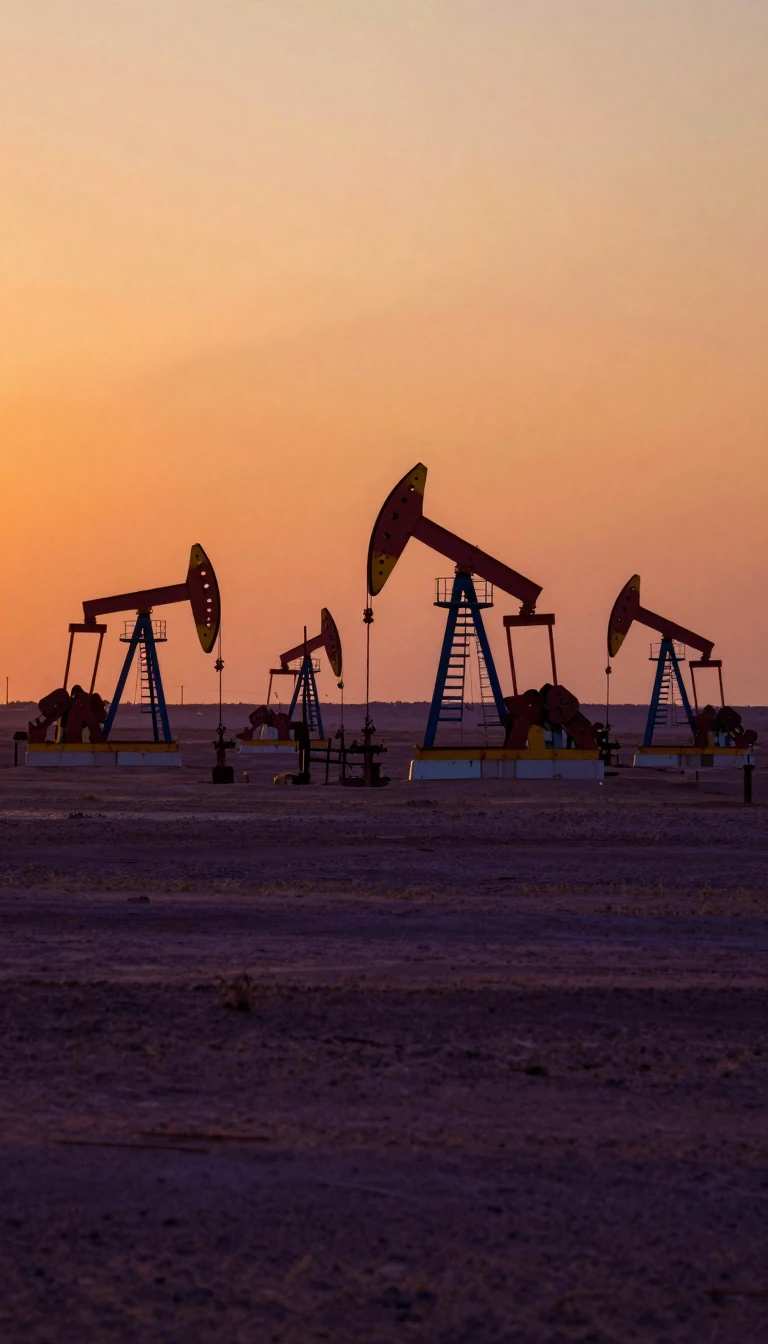 How a quest to protect oil supplies turned into a tragic Mesopotamian disasterDuring the First World War, Britain sent troops to Mesopotamia to secure vital oil assets. What began as a strategic defense evolved into a grueling, multi-year campaign marked by…
- The deadliest campaign in American history remains a monumental, often overlooked, military operation.The Meuse-Argonne Offensive was the largest and bloodiest operation of the American Expeditionary Forces in World War I. Spanning 47 days, it involved over a million American sold…
 Why the United States occupied the Dominican Republic for eight years of military ruleBetween 1916 and 1924, the United States established a military government in the Dominican Republic to secure debt repayments and regional stability. While the occupation moderni…
 Was the 1820 Missouri Compromise a lasting peace or a tragic preamble to war?In 1820, the United States faced a crisis that Thomas Jefferson likened to a firebell in the night. To preserve the fragile balance between free and slave states, Congress brokere…
- How a pacifist philosophy led to the near-extinction of the indigenous Moriori peopleIn 1835, hundreds of Māori warriors invaded the Chatham Islands, home to the Moriori. Despite outnumbering the invaders two-to-one, the Moriori chose to uphold a centuries-old law…
 In 1900, China’s regional governors defied the Empress Dowager to prevent a national catastrophe.When the Qing court declared war on eleven foreign nations during the Boxer Rebellion, powerful Han governors chose disobedience over imperial loyalty. By signing the Mutual Defen…
 Why do some groups insist the Nanjing Massacre was a complete fabrication?The Nanjing Massacre is a well-documented historical atrocity, yet it remains a flashpoint for intense denialism. By narrowing the definition of the event's geography and duration…
- Nat Turner’s 1831 rebellion shattered the myth of the contented, servile enslaved person.In August 1831, Nat Turner led the only sustained slave rebellion in American history. Driven by religious fervor and a belief in divine mandate, he and his followers launched a c…
 How a disparate coalition of rebels became the unified Nationalist force of SpainThe Nationalist faction was not a single party, but a volatile alliance of monarchists, fascists, and conservatives. United by a military coup in 1936, they forged a new identity …
- How the rulers of Bengal went from Mughal power brokers to British pensionersIn the early 18th century, the Nawabs of Bengal governed a wealthy, proto-industrial powerhouse that served as the financial engine of the Mughal Empire. Yet, within decades, inte…
 A private company once tried to buy one-third of New Zealand for halfpennies.The New Zealand Company aimed to build a perfect English society in the Southern Hemisphere. By using aggressive land-buying tactics and grandiose advertising, they attempted to o…
- How Hitler’s 1934 purge of his own allies secured his absolute totalitarian controlIn June 1934, Adolf Hitler turned his elite SS guards against his own paramilitary Brownshirts. By murdering his longtime comrade Ernst Röhm and hundreds of other perceived enemie…
 Could a single state veto federal law? The 1832 constitutional showdown that shook America.In 1832, South Carolina attempted to declare federal tariffs null and void, sparking a constitutional crisis that pitted state sovereignty against federal authority. Led by Vice P…
 The Baltic states spent fifty years under Soviet rule, yet never legally ceased existing.When Paris fell in 1940, Stalin seized the opportunity to occupy Lithuania, Estonia, and Latvia. While the Soviet Union integrated these nations into its system through forced col…
 How a wartime border shift reshaped the map of Europe and displaced millionsThe Oder–Neisse line, the modern border between Germany and Poland, was not a natural evolution but a synthetic creation of Joseph Stalin. Established at the 1945 Potsdam Conferen…
- In 1944, the Soviet Union erased an entire nation from its native Caucasus home.Operation Lentil was a systematic, state-ordered ethnic cleansing that forcibly deported nearly 500,000 Chechens and Ingush to Central Asia. Packed into unheated freight trains, t…
 The deadliest phase of the Holocaust was a secret plan named Operation ReinhardBetween 1942 and 1943, the Nazis executed a systematic campaign to murder millions of Jewish people in occupied Polish territories. This operation introduced purpose-built extermi…
 Operation Weserübung: The daring, multi-front gamble that reshaped the Second World War in ScandinaviaOn 9 April 1940, Germany launched a synchronized, surprise invasion of Denmark and Norway. While Denmark fell in hours, Norway mounted a fierce, months-long resistance. This campa…
- The accidental republic that Britain tried to abandon but could not easily shake off.In 1854, the British Empire officially renounced its sovereignty over the territory between the Orange and Vaal rivers, desperate to shed administrative burdens. Yet, the newly fo…
 How a forgotten 19th-century border dispute nearly triggered a two-front war for America.The Pacific Northwest was once a geopolitical chessboard where empires vied for control. What began as a commercial hunt for fur pelts escalated into a high-stakes standoff betwee…
 How a Sugar-Fueled Coup Ended the Hawaiian Kingdom and Led to U.S. AnnexationIn 1893, a group of American sugar planters orchestrated the overthrow of Queen Liliuokalani, ending the Hawaiian monarchy. This event, driven by economic interests and strategic …
- How a 19th-century movement for Slavic unity shifted from cultural pride to Russian dominanceBorn from a desire to celebrate shared folklore and language, Pan-Slavism began as a peaceful intellectual pursuit in Prague. Yet, as political tensions rose across Europe, the mo…
- How a speculative land bubble and central bank mismanagement triggered America's first major financial crisis.The Panic of 1819 was the first widespread economic collapse in United States history. Driven by post-war global market shifts and excessive speculation in public lands, the crisi…
 When the US had no central bank, one man held the keys to survival.In October 1907, the American financial system teetered on the brink of total collapse. With no Federal Reserve to provide liquidity, the nation’s wealthiest banker, J.P. Morgan, …
- How four men in a room redrew the map of the world in 1919The Paris Peace Conference was meant to secure a lasting global order after the Great War. Instead, a small group of leaders monopolized the proceedings, creating a rigid hierarch…
 How the Ottoman Empire's collapse redrew the map of the modern Middle EastFollowing World War I, the Ottoman Empire was dismantled by Allied powers through a web of secret agreements and mandates. This geopolitical earthquake replaced a centuries-old Is…
 How a Commodore’s Gunboat Diplomacy Forced Japan to End Two Centuries of IsolationIn 1853, Commodore Matthew Perry sailed into Edo Bay with a fleet of steam-powered warships, demanding Japan abandon its long-standing policy of seclusion. His arrival, backed by …
- How a Mexican General Turned a Republic Into a Progressive Dictatorship for Three DecadesPorfirio Díaz ruled Mexico for over thirty years by balancing consensus with brutal repression. While his regime modernized the nation through massive foreign investment and infra…