 Intellect Plus
Modern (1800-1945)
244 cards. Each one is a 40-second story with a five-minute read behind it. Page 4 of 5.
 A personal rivalry and a false rumor triggered Brazil's transition to a republic.On November 15, 1889, a military coup ended the Brazilian Empire. While often remembered as a grand ideological shift, the uprising was sparked by a sick marshal’s fear of a polit…
 Were the 1837 Canadian rebellions a noble fight for democracy or pointless, bloody failure?In 1837, armed uprisings erupted across Upper and Lower Canada, challenging British colonial rule. Led by figures like Louis-Joseph Papineau and William Lyon Mackenzie, these rebe…
 How three post-Civil War amendments fundamentally rewired the American constitutional balance of powerAdopted between 1865 and 1870, the Thirteenth, Fourteenth, and Fifteenth amendments were intended to secure freedom and civil rights for formerly enslaved people. While these meas…
 The Red Terror in Spain was a systematic campaign of violence against perceived enemiesBetween 1936 and the end of the Spanish Civil War, Republican factions executed tens of thousands of people. This campaign, known as the Red Terror, targeted clergy, business owne…
 Did a single arsonist ignite the end of Germany's first liberal democracy?On February 27, 1933, the Reichstag building in Berlin erupted in flames. Adolf Hitler immediately framed the incident as a communist uprising, using the chaos to secure dictatori…
 Why the Spanish Republic’s fight against fascism became a lonely, desperate struggle for survivalThe Republican faction in the Spanish Civil War was a fragile coalition of liberals, communists, and anarchists. While they initially held a massive numerical advantage, they were…
 Thousands risked death to save Jews from the Nazi extermination machine during World War II.Across occupied Europe, ordinary citizens and diplomats defied the Nazi death sentence to protect Jewish lives. From hiding families in rural villages to orchestrating daring esca…
 Resistance in occupied Europe was never a unified front, but a fractured, complex web.Across German-occupied Europe, secret groups fought Nazi rule through sabotage, intelligence gathering, and armed struggle. Yet, these movements were rarely cohesive. Deep ideolog…
 How a broken coffee economy and a political betrayal sparked Brazil's 1930 revolution.For decades, Brazil’s presidency alternated between two powerful states, São Paulo and Minas Gerais. When a presidential successor was handpicked to break this tradition, the resu…
- The Global Wave of Unrest That Redrew the Map After World War IBetween 1917 and 1923, a seismic revolutionary wave swept the globe, fueled by the Russian Revolution and the chaos of the Great War. From socialist uprisings in Europe to anti-co…
 Modern nationalism began as a religious mission before evolving into a political forceModern nationalism did not start with borders or flags, but with the 17th-century English Puritan revolution. It was a fusion of optimistic humanism and religious fervor, framing …
 The Porajmos: How Nazi Germany Systematically Attempted to Eradicate Europe's Romani and Sinti PopulationsWhile the Holocaust is widely recognized for the genocide of Jewish people, the systematic murder of hundreds of thousands of Romani and Sinti people remains a parallel, often ove…
 How a devastating crop failure forced the young Soviet state to accept Western aidIn 1921, the newly established Soviet government faced a catastrophe that threatened its survival. Years of civil war and aggressive grain requisitioning had left the peasantry wi…
 How a century of Finnish autonomy was dismantled by the Russian EmpireFor nearly a century, Finland thrived as an autonomous Grand Duchy under the Russian tsar. But in 1899, a sweeping imperial decree began a systematic campaign to erase Finnish cul…
 Why a simple pinch of salt brought the British Empire to its kneesIn 1930, Mahatma Gandhi chose a humble kitchen staple to challenge British colonial rule. While critics mocked the idea as trivial, Gandhi understood that salt was a universal nec…
 How a West African leader built an empire and a secret arms industrySamory Toure forged a sophisticated state in the late 19th century, resisting French colonization with a disciplined army and a clandestine, assembly-line weapons manufacturing ne…
 The 1925 Monkey Trial was a staged publicity stunt for a small Tennessee townWhen Tennessee banned teaching evolution in 1925, local boosters in Dayton saw an opportunity. They recruited a young teacher to violate the law, hoping a high-profile trial would…
 How a French lobbyist and a U.S. President engineered the birth of PanamaIn 1903, Panama broke away from Colombia, fueled by local separatists and the strategic interests of the United States. With the tacit backing of Theodore Roosevelt and the financ…
 Was the Second Bank of the United States a central bank or a private corporation?Chartered in 1816, the Second Bank of the United States was a hybrid entity that acted as the federal government's fiscal agent while operating as a private, profit-seeking corpor…
 Could China modernize its military while keeping its ancient Confucian soul intact?Between 1861 and 1895, the Qing dynasty attempted a radical transformation to survive foreign encroachment. By adopting Western weaponry, steamships, and telegraphs, reformers hop…
 In 1848, a small group of women ignited a movement for American gender equality.When Elizabeth Cady Stanton and Lucretia Mott were barred from participating in a global anti-slavery meeting, they vowed to launch their own convention. Held in a small New York …
 How a brutal 1927 purge in Shanghai reshaped the future of modern ChinaIn April 1927, Chiang Kai-shek launched a violent crackdown on his Communist allies in Shanghai, effectively ending their urban influence. This purge, known as the White Terror, s…
 Was Sherman’s March to the Sea a military campaign or a psychological weapon?In late 1864, William Tecumseh Sherman led 62,000 Union soldiers across Georgia, abandoning traditional supply lines to live off the land. By systematically dismantling railroads …
 How a desperate siege in 1857 decided the fate of the Mughal EmpireWhen mutinous soldiers marched on Delhi in May 1857, they sought the leadership of the elderly Mughal emperor. This act transformed a localized military uprising into a full-scale…
 Why a tiny Mediterranean island became the most bombed place on the planetDuring World War II, Malta was a vital British outpost that threatened Axis supply lines to North Africa. To neutralize this strategic thorn, German and Italian forces unleashed a…
 How a nineteenth-century naval base became the site of a legendary, brutal siege.The Siege of Sevastopol was the defining clash of the Crimean War, pitting 50,000 Allied troops against a fortified Russian naval stronghold. It remains one of history's final cla…
 Why Brazil and Argentina Spent Fortunes on Battleships They Could Barely AffordIn the early 1900s, South America’s leading nations engaged in a fierce naval arms race, ordering the world's most powerful dreadnoughts to secure international prestige. These fl…
 How a forgotten First World War campaign was won in the desertIn 1915, South African forces achieved a swift victory in German South-West Africa, now Namibia. This campaign of maneuver, fought across harsh, arid terrain, aimed to neutralize …
 How Stalin’s drive for industrialization turned Soviet agriculture into a man-made catastropheBetween 1931 and 1934, at least five million people perished across the Soviet Union as state-mandated collectivization and political repression triggered a devastating famine. In…
 Soviet partisans were not a unified army but a chaotic, desperate, and often autonomous force.While Soviet propaganda painted the partisan movement as a disciplined, party-led resistance, the reality was far messier. Born from the chaos of the initial German invasion, thes…
 How a calculated lie about a military defeat fueled the rise of Nazi GermanyThe stab-in-the-back myth claimed the German Army remained undefeated in World War I, betrayed only by domestic traitors. This narrative was not a grassroots conspiracy but a deli…
 Strategic bombing evolved from rudimentary World War I experiments into a decisive global conflict tool.Strategic bombing sought to break enemy morale and industrial capacity by bypassing front lines. While early efforts were limited by aircraft range and payload, the strategy matur…
 Why did militant British women adopt a label meant to mock their revolutionary impatience?In 1906, a journalist coined the term suffragette to belittle activists who rejected the slow, peaceful methods of the mainstream movement. Instead of retreating, these women embr…
 The 19th-century Somali state that challenged colonial powers with its own bureaucracy and army.The Sultanate of Hobyo was not a mere tribal outpost but a sophisticated, centralized state. With its own flag, professional military, and written records, it navigated the danger…
- Why the British Empire Invaded Its Own Ally in the Middle of World War IIIn June 1941, British forces launched Operation Exporter to invade Syria and Lebanon. Though technically allies, these territories were controlled by Vichy France, a vassal of Naz…
 How a secret oil deal turned a presidential cabinet into a national disgraceIn the early 1920s, the Teapot Dome scandal exposed a web of bribes and corruption within the Harding administration. By secretly leasing federal oil reserves to private companies…
 Why Texas joined the United States through a simple congressional vote instead of treatyTexas voted for annexation in 1836, but the United States rejected it for nearly a decade. When formal treaties failed, Congress bypassed the traditional process using a joint res…
- The Third Plague Pandemic: How a Global Shipping Crisis Reshaped Modern Disease ControlWhile the Black Death remains history's most infamous plague, the Third Pandemic quietly circled the globe at the turn of the 20th century. Arriving in Europe via international sh…
- The First World War's opening shots were fired in a forgotten West African colony.In August 1914, British and French forces launched a lightning invasion of Togoland, a German protectorate. The objective was not territory, but a massive wireless station at Kami…
- How a 19th-century peasant uprising in Korea challenged both local corruption and foreign powers.The Tonghak Peasant Revolution began as a local revolt against a corrupt magistrate but spiraled into a national movement. Driven by the egalitarian ideals of the Donghak religion…
 Was the Tongzhi Restoration a genuine revival or merely a delayed collapse for China?Between 1860 and 1874, the Qing dynasty attempted to arrest its decline through the Tongzhi Restoration. Engineered by Empress Dowager Cixi, this movement sought to strengthen Chi…
- The Trail of Tears was not just a single event, but a systematic displacement.Between 1830 and 1850, the United States government forcibly removed 60,000 Native Americans from their ancestral homelands. This ethnic cleansing, driven by the desire for land a…
 The 1920 Treaty of Trianon stripped Hungary of two-thirds of its territory and population.Signed at Versailles, the Treaty of Trianon formally ended World War I for Hungary but left a legacy of deep-seated resentment. By redrawing borders without plebiscites, the Allie…
 A locked door turned a factory fire into a national movement for worker safety.On March 25, 1911, a fire broke out in a New York City garment factory. With exits bolted to prevent theft, 146 workers were trapped in the inferno. The tragedy, which lasted only…
 The secret desert test that changed the course of human history foreverBefore the atomic bomb could be used in war, scientists had to prove their complex plutonium design would actually detonate. On a stormy morning in the New Mexico desert, the Gadg…
 How a 19th-century Muslim theocracy attempted to unify West Africa through holy warFounded by a cleric of the Tijānīyah brotherhood, the Tukulor Empire stretched from Senegal to Timbuktu. By training an elite military corps equipped with European firearms, its l…
 The race for Tunisia: How a winter gamble turned into a brutal stalemateWhen Allied forces landed in North Africa in late 1942, they hoped for a quick dash to Tunis to trap Axis troops. Instead, they faced a rapid German buildup, torrential rains, and…
- How Germany’s desperate gamble to starve Britain triggered the first global submarine war.During World War I, Germany turned to U-boats to break the British naval blockade. What began as a tactical experiment against warships evolved into a controversial campaign of un…
- How Napoleon’s Grand Army achieved a strategic masterpiece by marching around an entire enemyIn 1805, Baron Mack expected Napoleon to march through the Black Forest with a modest force. Instead, Napoleon moved his Grand Army with such speed and precision that he encircled…
 How a series of forced agreements reshaped East Asian sovereignty for over a centuryDuring the 19th and early 20th centuries, imperial powers compelled China, Japan, and Korea to sign unequal treaties. These agreements stripped nations of their territorial rights…
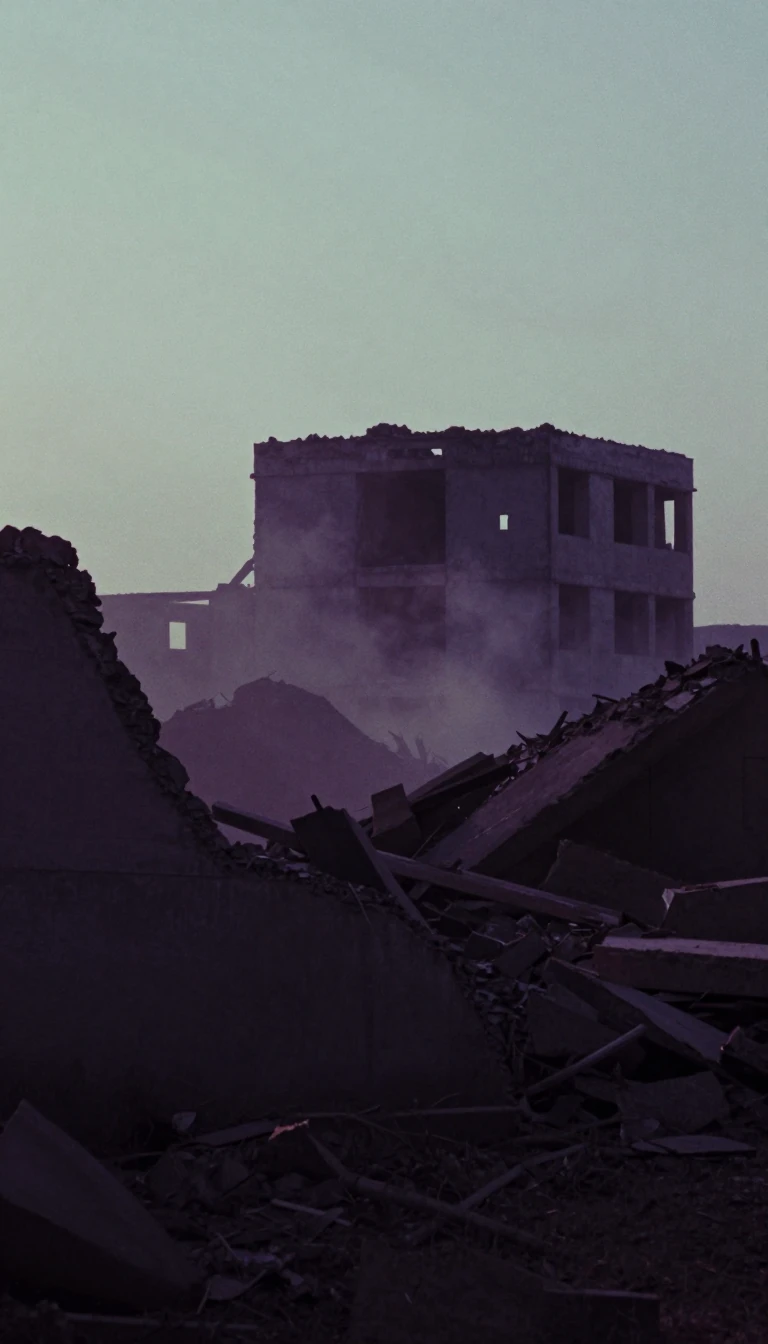 How American bankers and Marines seized control of Haiti for nearly two decadesIn 1915, US Marines invaded Haiti to secure financial interests for the National City Bank. What began as a mission to protect debt repayments evolved into a nineteen-year militar…
 How a failed canal dream turned Nicaragua into a decades-long American military protectorateNicaragua’s strategic geography once made it the primary candidate for an interoceanic canal. When the United States chose Panama instead, a spurned nationalist leader triggered a…
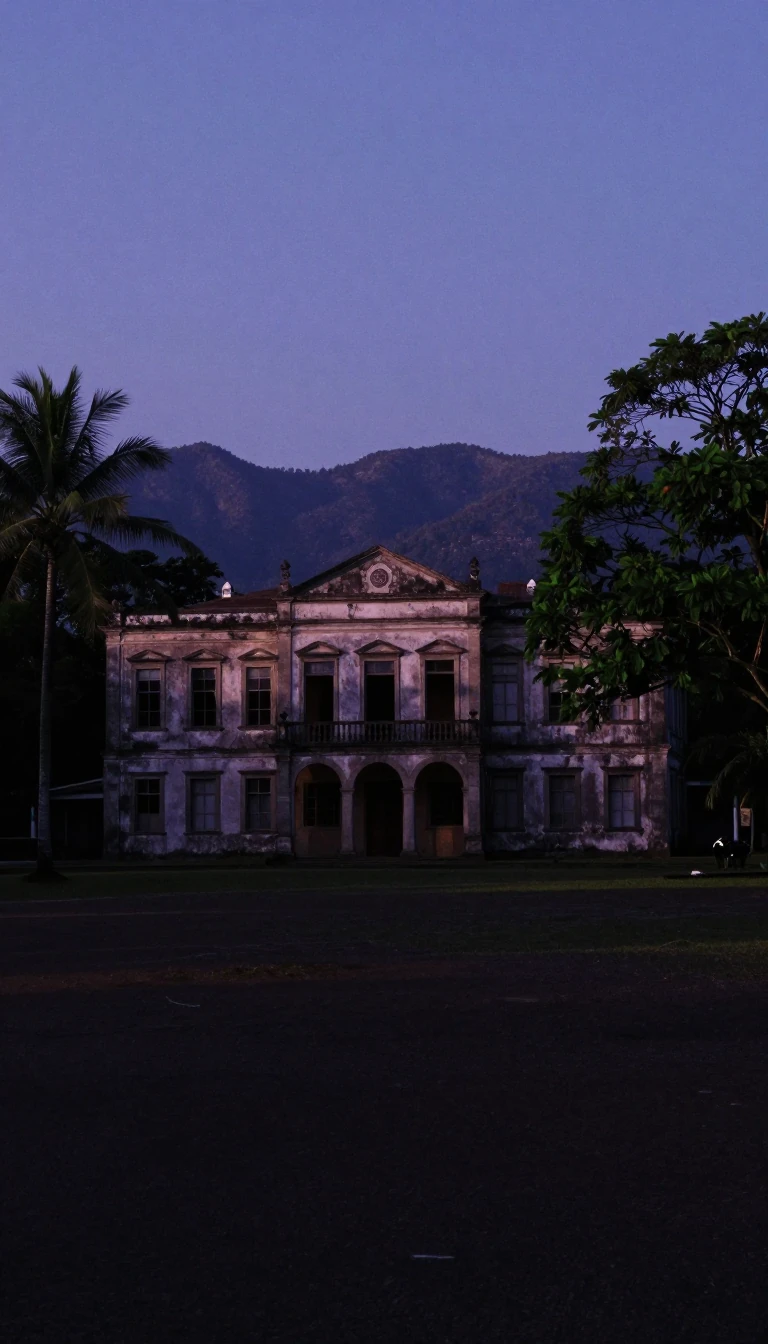 Venezuela’s path to independence was a brutal, century-long struggle defined by shifting loyalties and warlords.Venezuela’s fight for independence was not a clean break, but a chaotic, decades-long ordeal. From failed early uprisings to the rise of military caudillos, the nation’s birth was…
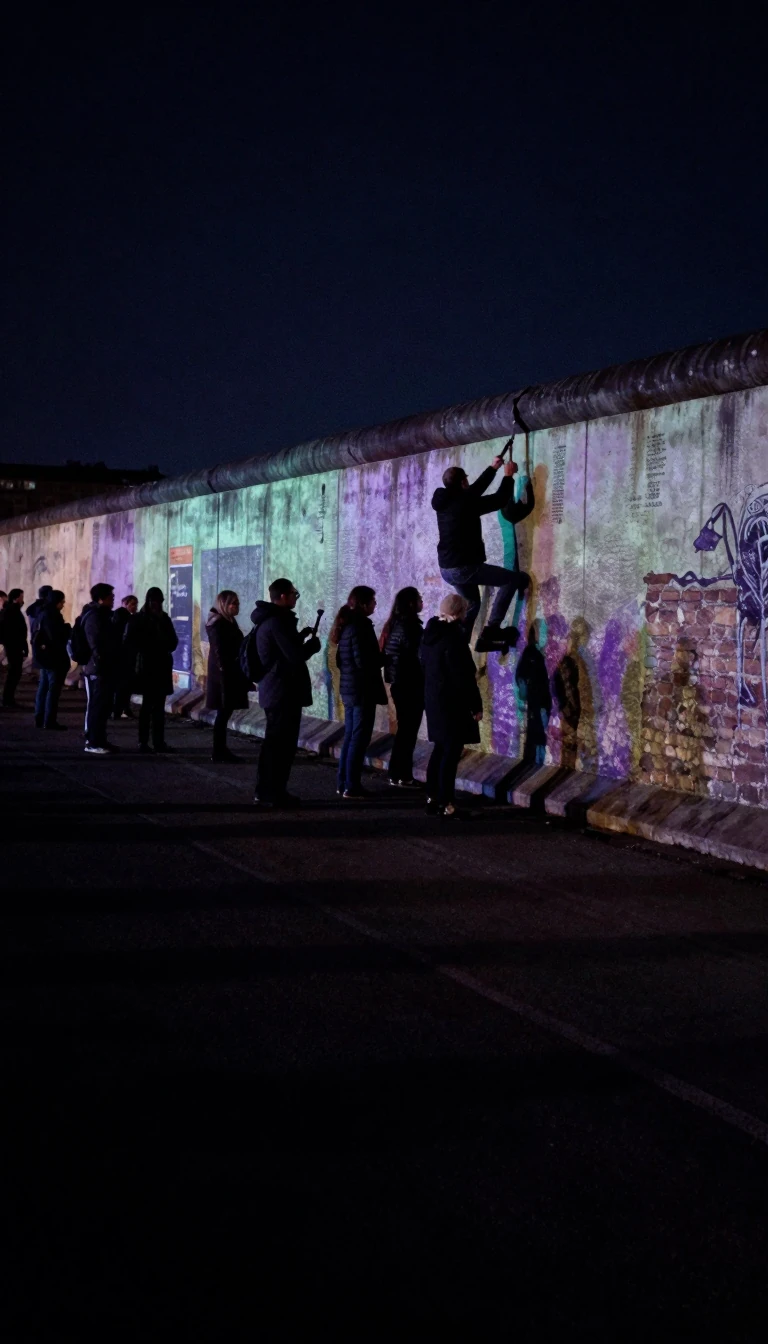 The Wannsee Conference was not where the Holocaust began, but where it was coordinated.On January 20, 1942, fifteen high-ranking Nazi officials gathered at a villa in Berlin to synchronize the systematic murder of European Jews. While the mass killings were already …
 The Warsaw Ghetto: A City Within a City Built for Systematic DestructionEstablished in 1940, the Warsaw Ghetto confined nearly half a million Jews into a tiny, walled-off district. Through forced labor, starvation, and eventual mass deportation to Tre…
- The Warsaw Ghetto Uprising: A Month of Defiance Against Impossible OddsIn April 1943, a small, poorly armed group of Jewish fighters launched an uprising against Nazi forces in the Warsaw Ghetto. Though they knew victory was impossible, they chose to…
- How the Western Allies raced to cut Germany in two before the war endedIn early 1945, the Western Allies launched a final, massive campaign to overrun Germany. While Field Marshal Montgomery prepared a meticulous, artillery-heavy assault in the north…
 Why the North African desert became the decisive proving ground for Allied victoryBetween 1940 and 1943, the North African desert hosted a brutal, shifting conflict that ultimately secured the first significant triumph for the Allies. Beyond the tactical maneuv…
 How a small group of students challenged the Nazi regime with only paper and inkIn 1942, a handful of Munich students launched a daring campaign of nonviolent resistance against the Nazi regime. Armed with intellectual idealism and a series of anonymous leafl…
 The White Terror was a systematic, state-sanctioned campaign to cleanse Spain of political enemies.During the Spanish Civil War, the Nationalist faction launched a methodical campaign of mass executions, imprisonment, and social purging. Unlike the spontaneous violence seen els…