 Intellect Plus
Mythology
258 cards. Each one is a 40-second story with a five-minute read behind it. Page 4 of 5.
 Was the biblical prophet Samuel actually two different people spliced into one legend?Samuel is a towering figure in three major religions, yet scholars suggest his story is a composite. By stitching together conflicting accounts of a local seer and a national judg…
 Was Sarah a princess, a sister, or a political pawn in ancient history?Sarah, the biblical matriarch, remains a figure of intense debate. While tradition paints her as a pious wife and mother, scholars and theologians have long wrestled with her comp…
 Are legendary sea serpents actually just giant squids hiding in the deep ocean?For millennia, sailors and ancient cultures have reported terrifying encounters with colossal, snake-like marine monsters. While these tales of sea serpents are remarkably consist…
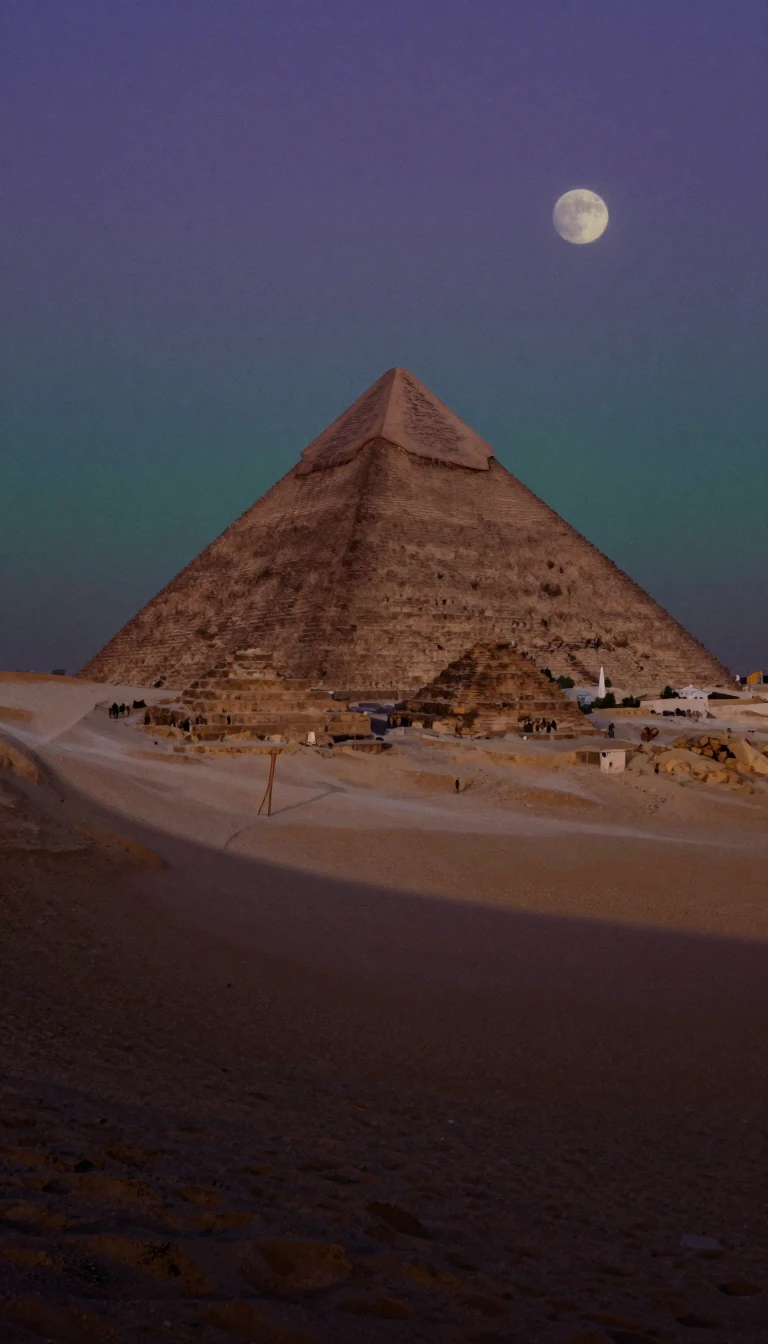 Why the Egyptian God of Chaos Was Essential to Maintaining Cosmic OrderSet is often remembered as the villainous usurper of the Osiris myth, yet his role in ancient Egyptian theology was far more nuanced. Far from being a simple agent of evil, he ser…
 Beyond the Bible: The Many Lives and Legions of Adam's Third Son, SethSeth is the third son of Adam and Eve, yet he is far more than a biblical footnote. Across centuries and cultures, he has been reimagined as a prophet, a divine incarnation, the a…
 Why Spanish explorers spent decades chasing a mirage of gold in the American desertIn the 16th century, Spanish explorers were gripped by rumors of seven legendary cities overflowing with riches. This obsession drove them deep into the North American wilderness,…
 How a legendary Yoruba king became a global deity of thunder and justiceShango, the third ruler of the Oyo Empire, transformed from a bellicose historical monarch into a powerful orisha of fire and lightning. His legacy survived the Atlantic slave tra…
 Is the mythical paradise of Shangri-La a hidden valley or a marketing invention?James Hilton introduced the world to Shangri-La in his 1933 novel, Lost Horizon. This harmonious, near-immortal utopia captured the global imagination, sparking decades of real-wo…
 Is the legendary dragon-slayer Sigurd a historical king or a purely mythological invention?Sigurd, also known as Siegfried, is the quintessential Germanic hero who slew a dragon and claimed a cursed hoard. While his story is immortalized in the Nibelungenlied and the Vö…
 Were the Norse gods actually just powerful, semi-divine rulers from the distant past?The term Æsir defines the gods of Germanic paganism, yet its precise meaning remains a subject of intense scholarly debate. While often viewed as a divine pantheon, historical int…
 Why the king who cheated death was condemned to push a boulder foreverSisyphus was the craftiest of men, a king who trapped death itself and tricked the gods. His punishment in the underworld—rolling a boulder up a hill for eternity—became the ultim…
 Why the animated skeleton remains our most versatile cultural symbol of death and lifeFrom the grim reaper of medieval art to the comic relief of modern video games, the animated skeleton is a global chameleon. It serves as a terrifying harbinger of doom, a satiric…
 Why the Navajo skin-walker is far more than a simple monster of horror fictionIn Navajo tradition, the skin-walker is a malevolent figure representing the absolute inversion of community values. Often reduced to a creature of modern horror, these sorcerers …
- Why the ancient Egyptians worshipped a creature as dangerous as the Nile crocodileIn the pantheon of ancient Egypt, few figures are as striking as Sobek. Represented as a crocodile or a crocodile-headed human, this deity embodied the raw power of the Nile. Whil…
 Surya: How the Sun God evolved from a Vedic force to a global iconSurya is more than just the Sun in Hinduism; he is a complex deity whose identity shifted through centuries of cultural exchange. From his origins in ancient Vedic hymns to his ad…
 Was the Norse god Týr originally the supreme deity of the ancient Germanic peoples?Known today as the one-handed god of war who sacrificed his limb to bind the wolf Fenrir, Týr may be a shadow of a much greater figure. Etymological evidence suggests his name onc…
 Why did early Americans invent giants to explain the vast, inhospitable frontier they inhabited?Tall tales are stories told with a straight face, despite their impossible, exaggerated nature. More than just simple lies, these narratives served as a cultural coping mechanism …
 Tan'gun: The Bear-Born King Who Founded Korea and Still Shapes Its National IdentityTan'gun is the legendary progenitor of Gojoseon, Korea's first kingdom. Born of a divine prince and a bear transformed into a woman, his story has evolved from ancient myth to a p…
 Is Tara a goddess, a Buddha, or a mirror of your own mind?Tara is one of the most revered figures in Buddhism, acting as a savior who rescues beings from both physical and spiritual peril. Whether seen as a compassionate deity or a manif…
- Is Tefnut the personification of moisture or a fiery celestial force in Egyptian myth?Tefnut, the ancient Egyptian deity and feminine counterpart to the air god Shu, remains a figure of scholarly debate. While often associated with moisture, her mythological role i…
 The Book of Revelation describes three distinct beasts, but their true identities remain debated.The Book of Revelation features a dragon, a beast from the sea, and a beast from the earth. While often interpreted as the Antichrist and a false prophet, these figures are shroud…
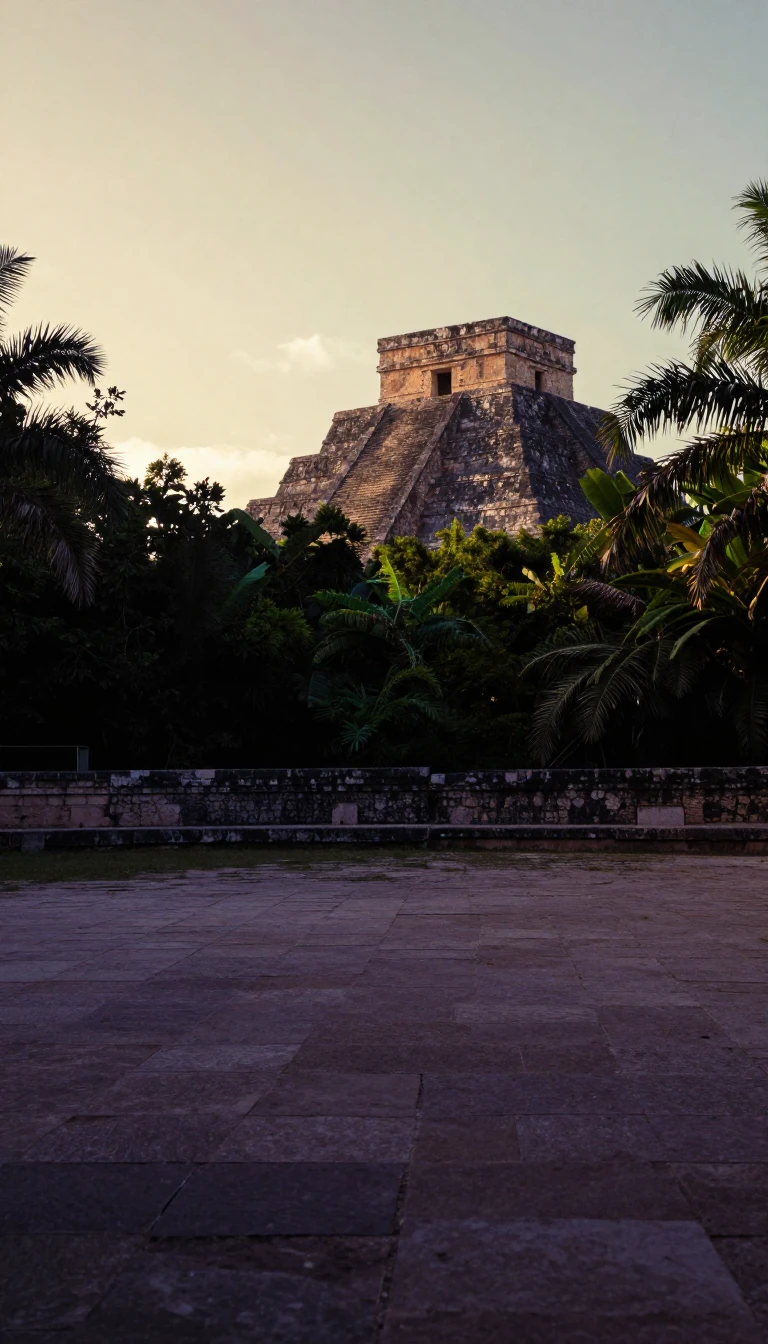 Why the Aztec rain god Tlaloc promised a watery paradise to the sick and drownedTlaloc was a central figure in Aztec cosmology, governing rain, fertility, and the terrifying power of storms. Unlike the warriors who ascended to the heavens, those who died from…
- Was the forbidden tree in Eden a source of moral wisdom or total power?The tree of the knowledge of good and evil remains one of history's most debated symbols. While often reduced to a simple moral test, scholars and traditions interpret its fruit a…
 Is the Trimurti a unified trinity or a theological experiment that never quite succeeded?The Trimurti represents the divine triad of creation, preservation, and dissolution within Hinduism. While often depicted as Brahma, Vishnu, and Shiva, this concept was a bold att…
 Was the legendary Trojan Horse actually a ship or a massive earthquake?The iconic wooden horse that supposedly ended the ten-year Trojan War may be more than just a myth. While ancient poets immortalized it as a hollow statue filled with soldiers, mo…
 Why China’s most approachable deity is essentially the neighborhood’s local government officialTudigong are the grassroots guardians of Chinese folk religion, serving as localized, low-ranking deities who manage specific patches of earth. Often depicted as smiling, white-be…
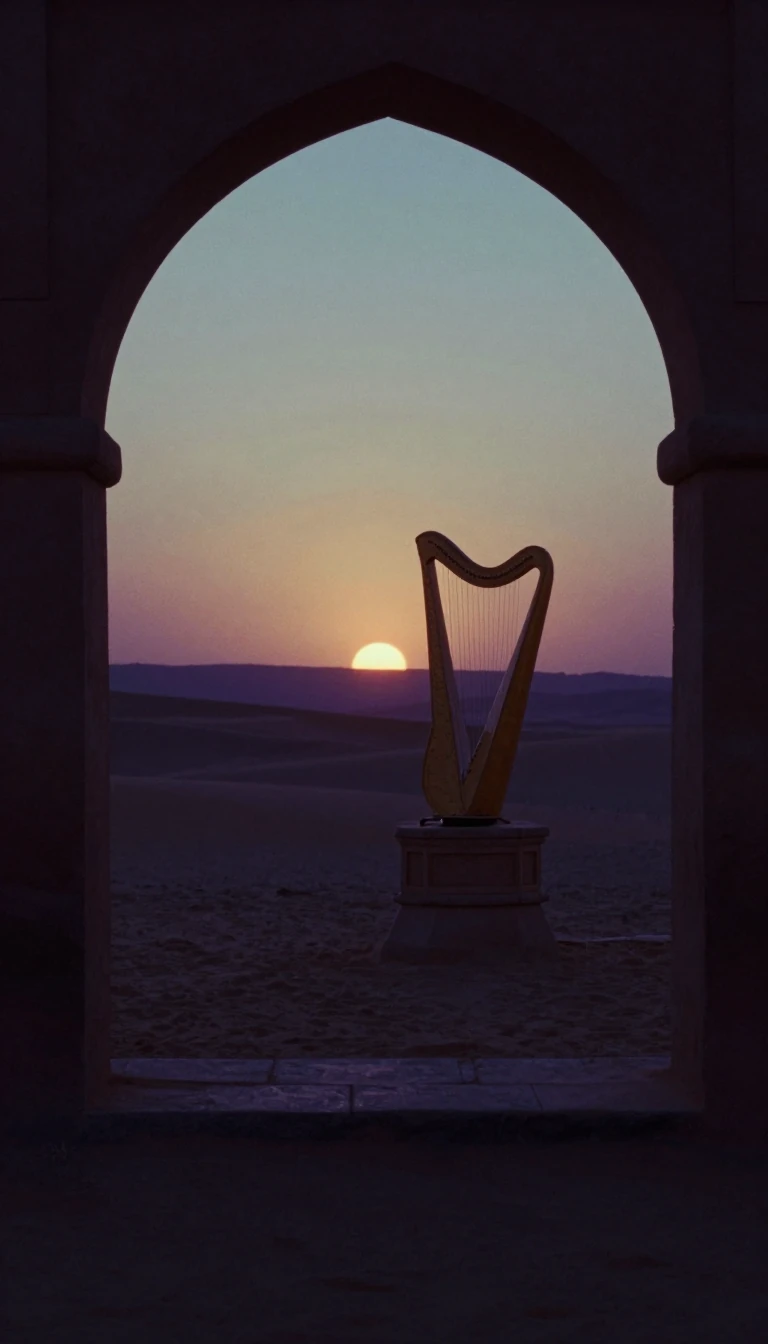 Umay: The Ancient Turkic Goddess Who Governs the Sacred Cycle of Life and BirthIn the vast pantheon of Turkic mythology, Umay stands as the invisible guardian of mothers, children, and the very essence of fertility. From the 8th-century Orkhon monuments to m…
 Why the undead are more than just monsters, but a reflection of our fearsThe undead are beings that are deceased yet behave as if they were alive. While we often associate them with horror fiction, the term has evolved from a literal description of lif…
- Why millions of pilgrims visit a cave to honor a goddess who never existedVaishno Devi is not a statue, but three natural rock formations inside a mountain cave. While popular iconography depicts her as a warrior goddess, her true origin lies in the syn…
 Valhalla was not just a hall for the dead, but a rock of the slain.While modern culture paints Valhalla as a golden paradise for fallen warriors, its etymological roots suggest a more rugged origin. Derived from Old Norse, the name originally mea…
 Are the Vanir of Norse mythology a genuine ancient pantheon or a medieval literary invention?In Norse mythology, the Vanir are gods of fertility and wisdom, distinct from the warlike Æsir. Yet, modern scholars debate whether this group ever existed in pre-Christian belief…
 Is the wind the secret engine powering every living body in the universe?In Hindu tradition, Vayu is far more than the god of wind. As the divine messenger and the vital life force known as Prana, he is the invisible power that keeps the gods functioni…
 Why the Roman god of fire was both a master builder and a menaceVulcan was far more than a simple blacksmith. While he forged divine armor and jewelry, he also embodied the volatile, dual nature of fire itself. Romans worshipped him to harness…
 The Green Cobra Goddess Who Guarded Pharaohs and Inspired Modern SymbolsWadjet, the ancient Egyptian deity of Lower Egypt, evolved from a local protector into a powerful symbol of royal authority. Often depicted as a rearing cobra, she guarded pharaoh…
 From ancient birth charms to stage magic, the wand is humanity's oldest tool.Long before they were icons of fantasy fiction, wands served as symbols of authority and protective talismans. From Egyptian hippopotamus-tusk charms to the ceremonial rods of gov…
 Why do cultures across the globe share the haunting legend of the White Lady?From the Philippines to Wales, the White Lady is a universal specter. Often appearing in a pale dress, she is a vessel for stories of betrayal, grief, and violent death. Whether s…
 Why medieval Europe obsessed over the hairy, club-wielding wild man of the woodsLong before modern cryptozoology, medieval Europe was haunted by the wild man—a hairy, forest-dwelling figure who served as the ultimate antithesis to civilization. Whether depict…
 The cosmic tree: how ancient cultures mapped the universe onto a single trunkFrom the Norse Yggdrasil to the Mayan ceiba, the world tree is a near-universal motif. By anchoring the heavens, earth, and underworld, this colossal axis mundi provides a bluepri…
 Is the King of Hell a monster, a judge, or a civil servant?Across Asia, Yama is the ultimate arbiter of the afterlife, yet his identity shifts wildly. From a wrathful Buddhist deity judging karmic consequences to a mortal magistrate appoi…
 Is the legendary Yeti merely a misidentified Himalayan bear or a cultural ghost?For decades, explorers and locals have reported sightings of a bipedal, ape-like creature in the Himalayas. While Western media dubbed it the Abominable Snowman, scientific analys…
 In Vajrayana Buddhism, a yidam is not a god but a mirror of enlightenment.Far from being a deity to worship, a yidam is a meditational tool used to internalize enlightened qualities. By visualizing these figures in intricate detail, practitioners aim to…
 Yomi is not a place of punishment, but a gloomy, eternal shadow of life.In Shinto mythology, the afterlife is not a destination for moral judgment or divine reward. Yomi, the land of the dead, is a shadowy, polluted realm where all souls exist in perp…
- Did Viking paganism really exist in the way we think, or is it myth?Norse invaders brought gods like Odin and Thor to Britain, leaving traces in stone carvings and graves. Yet, our understanding of their faith relies on medieval texts written cent…
 Were the legendary Amazon warriors of Greek mythology actually real historical figures?Greek myths describe the Amazons as fierce, independent female warriors who lived in isolated communities. While long considered purely imaginary, modern archaeology suggests thes…
- Can a single spoken name guarantee entry into paradise?In the devotional tradition of Pure Land Buddhism, salvation does not require grueling asceticism or complex rituals. Instead, the path to a realm free from suffering rests on a m…
 The ancient nightmare that lies upon the sleepingFrom Mesopotamian storm demons to the legendary father of Merlin, the incubus has haunted human sleep for millennia. While folklore describes a seductive predator capable of fathe…
- Was the legendary Bunyip actually a wandering seal or an extinct marsupial?For generations, the Bunyip has haunted the billabongs of Australia. Described as a terrifying, amphibious predator with a booming roar, this creature's identity remains a mystery…
- The Egyptian goddess who could both destroy civilizations and cure diseaseIn the ancient Egyptian pantheon, Sekhmet embodied a terrifying paradox. As a fierce lioness-headed warrior, she was the unstoppable destroyer of enemies, yet she also held the po…
 Why the ancient gods created humanity to serve as divine laborersIn the cradle of civilization, humans weren't created for glory, but for chores. From the Tigris–Euphrates river system to the libraries of Ashurbanipal, ancient Mesopotamian myth…
 What if the gods were merely kings who lived too long in memory?The ancient practice of euhemerism suggests that Olympus was not a celestial realm, but a distorted archive of human history. It proposes that mighty monarchs and conquerors were …
- The vulgar, charismatic master of the crossroads and the deadHe is a skeleton in a top hat, smelling of tobacco and rum, known for obscene jokes and a nasal voice. Yet, in Haitian Vodou, this figure is not merely a bringer of death, but a v…
 Is the legendary Hanging Gardens of Babylon merely a figment of ancient imagination?Of the seven classic wonders of the ancient world, only the Egyptian pyramids remain visible today. While ruins exist for most, the Hanging Gardens of Babylon have never been loca…
 Did medieval maps really warn sailors about dragons lurking at the world's edge?The idea that medieval cartographers marked unknown territories with the ominous phrase Here Be Dragons is a popular myth. This video examines the reality of medieval geography, c…
 How a Guatemalan dance explains the sacred origins of human society and ritualIn Santa Cruz Verapaz, Guatemala, performers enact a traditional story that grounds social structures and religious practices in the power of earth and mountain deities. This film…
 In Maya art, gods were not static icons but beings who aged and died.This virtual exhibition tour explores how ancient Maya artists depicted their deities through every stage of life. By tracing these divine life cycles from birth to transformation…
 How folklore and the Unicorn Tapestries inspired a haunting musical performanceThree-time Grammy winner Cécile McLorin Salvant performs a digital-exclusive set inside The Met Cloisters. Drawing from European legend and her own textile artistry, she explores …
 Which deity truly holds the title for the fastest being in world mythology?Mythology is filled with wind-like goddesses and creatures that outrun every captor. This video convenes various supernatural beings for a hypothetical Myth Olympics to determine …
 Is the ancient Greek Underworld actually a lovely place to live?Forget the grim stereotypes of a desolate hell. This video follows the Sibyl of Cumae as she guides the fallen hero Achilles through a realm filled with historic charm and eccentr…
 Why have werewolf legends haunted human imagination for thousands of years?Werewolf stories have persisted across millennia, evolving alongside human society. This video examines how these myths originated and transformed within folklore and literature, …
 Why do stories of unproven creatures like the Loch Ness Monster persist across cultures?Cryptids are animals claimed to exist without scientific proof. This video explores the global phenomenon of these legendary beasts, from the famous Loch Ness Monster to the obscu…