 Intellect Plus
Mythology
258 cards. Each one is a 40-second story with a five-minute read behind it. Page 3 of 5.
 The Inca sun god Inti was more than a deity; he was a political instrument.Inti, the golden-faced sun god, served as the divine ancestor of the Inca rulers. By mandating his worship across the empire, the state transformed religious devotion into a mecha…
 Is Iram of the Pillars a lost city, a nomadic tribe, or a desert mirage?Mentioned in the Quran, Iram of the Pillars has captivated imaginations for centuries. While some search for a physical city buried beneath the sands, others argue it refers to a …
 Beyond the Quran: The rich, complex, and often debated world of Islamic mythologyWhile Islam prioritizes law and social order over ritualized myth, it contains a vast, intricate body of narratives. These stories explore the origins of the universe, the nature …
 How a primordial Japanese deity created the world through a failed marriage ritualIzanagi, the creator god of Japanese mythology, shaped the archipelago by churning watery chaos with a jewelled spear. Yet, his first attempt at procreation produced a deformed ch…
 The World Serpent: Why Norse Mythology’s Greatest Monster Is Also Its Most Vital AnchorJörmungandr, the colossal serpent encircling Midgard, is more than a mere villain. As the middle child of Loki and Angrboða, this monstrous creature binds the world together by bi…
 Is Jahannam a static place of punishment or a sentient, living entity?In Islamic theology, Jahannam is far more than a simple pit of fire. It is a complex, multi-layered realm that coexists with our world. Described as having seven gates and vast, t…
 Jannah is the Islamic concept of a permanent, multi-level paradise for the righteous.In Islamic belief, Jannah is not merely a destination after Judgement Day, but a co-existing realm of physical and spiritual reward. Often translated as paradise or heaven, this g…
 Is Jehovah a divine name or a linguistic accident born from a misunderstanding?The name Jehovah is a historical hybrid, created by combining the four consonants of the Hebrew Tetragrammaton with the vowel points of a different word. While it became a staple …
- Was the father-in-law of Moses a single man or a collection of seven identities?In the Hebrew Bible, the man who sheltered Moses in Midian appears under several different names, including Jethro, Reuel, and Hobab. This mystery has sparked centuries of debate,…
 Why Jewish mythology transformed the ancient world by placing God directly into human history.Unlike neighbors who viewed time as a repeating seasonal cycle, Jewish mythology introduced a radical concept: a God who acts within linear history. This shift transformed divine …
 The hopping vampire of Chinese folklore was likely born from a practical, grim necessity.The jiangshi, or Chinese hopping vampire, is a staple of East Asian horror cinema, often depicted as a stiff, Qing-era official. Yet, its origins are rooted in the very real, ardu…
 Kachinas are not just dolls: they are the living spirits of the entire universe.In Pueblo cultures, kachinas are powerful supernatural beings representing everything from stars to ancestors. They are not worshipped as gods, but respected as essential partners…
 The Japanese river-child: a shape-shifting monster that loves cucumbers and sumo wrestlingIn Japanese folklore, the kappa is a legendary water-dwelling creature known for its turtle-like shell, webbed limbs, and a water-filled dish atop its head. While once feared as a…
 The Scottish kelpie is a shape-shifting water spirit that hides in plain sightIn Scottish folklore, the kelpie is a malevolent water spirit that often takes the form of a horse to lure victims into the depths. While these legends served as cautionary tales …
 Are the trickster foxes of Japanese folklore divine messengers or dangerous, shape-shifting demons?Kitsune are legendary fox spirits from Japanese folklore known for their supernatural intelligence and metamorphosis. Ranging from benevolent messengers of the deity Inari to male…
 Is the Southwest's favorite icon a fertility god, a traveling trader, or an insect?Kokopelli, the humpbacked flute player, is a fixture of Southwestern art and modern kitsch. While often reduced to a symbol of regional tourism, this ancient figure is a complex d…
 The Kraken was likely a misunderstood encounter with sperm whales hunting giant squids.For centuries, Norwegian sailors feared a gargantuan sea monster capable of dragging ships into the abyss. While legends described a many-armed beast, modern analysis suggests the…
 The Krasue is a floating, disembodied head trailing internal organs through the Southeast Asian night.Across Southeast Asia, folklore describes a nocturnal spirit consisting of a woman's head with dangling viscera. Known by names like Krasue in Thailand and Ahp in Cambodia, this e…
 How a feathered serpent deity became a bridge between ancient Mesoamerican civilizationsKukulkan is more than a mythological snake. Originating as a Classic Period Maya deity, this plumed figure evolved into a powerful symbol of trade and diplomacy. By transcending e…
 The Kuntilanak is a vengeful spirit that haunts the folklore of Southeast AsiaOften appearing as a beautiful woman with long, dark hair, the Kuntilanak or Pontianak hides a terrifying, monstrous reality. This vengeful spirit, linked to women who died during…
 Why the Supreme Deity of Yoruba Religion Has No Shrines or Direct WorshipỌlọrun is the omnipotent, omnipresent creator of the universe in Yoruba tradition, yet this supreme being remains distant and inaccessible. Unlike the divine beings who govern the…
 Why the legendary brother of Rama is the namesake of modern naval admiralsLakshmana is celebrated in the Ramayana as the ultimate symbol of fraternal devotion. Beyond his role as Rama's loyal shadow, his name has transcended mythology to become a formal…
 Why the ancient Greek Hydra became the ultimate symbol of an impossible, never-ending task.The Lernaean Hydra was more than a multi-headed monster; it was a biological nightmare that could regenerate two heads for every one severed. This lethal creature, born of Typhon …
 The name Lucifer originally described the planet Venus, not a fallen angel or devil.For centuries, the name Lucifer has been synonymous with Satan. Yet, in its original Latin context, the word simply meant light-bringer, referring to the morning star. How did a c…
 In Haitian Vodou, spirits known as lwa serve as vital intermediaries between humanity and divinity.Lwa are the complex spirits of Haitian Vodou, acting as conduits between people and the creator, Bondyé. With over a thousand believed to exist, these entities possess distinct pe…
 Manannán mac Lir: The enigmatic sea god who ruled the Irish otherworldBeyond the crashing waves, Manannán mac Lir reigns as a warrior, king, and guardian of the hidden otherworld. A central figure in Gaelic mythology, he wields magical artifacts, co…
 Manitou is not just a god, but the omnipresent life force of the universe.In Algonquian theology, Manitou is the fundamental energy manifesting in every organism, environment, and event. While early European settlers often mistranslated it as a simple d…
 The Manticore: How a Persian Man-Eater Became a Medieval Heraldic IconBorn from ancient Persian tales of a man-eating beast with a scorpion tail, the manticore evolved through centuries of mistranslations and bestiary illustrations. From the court o…
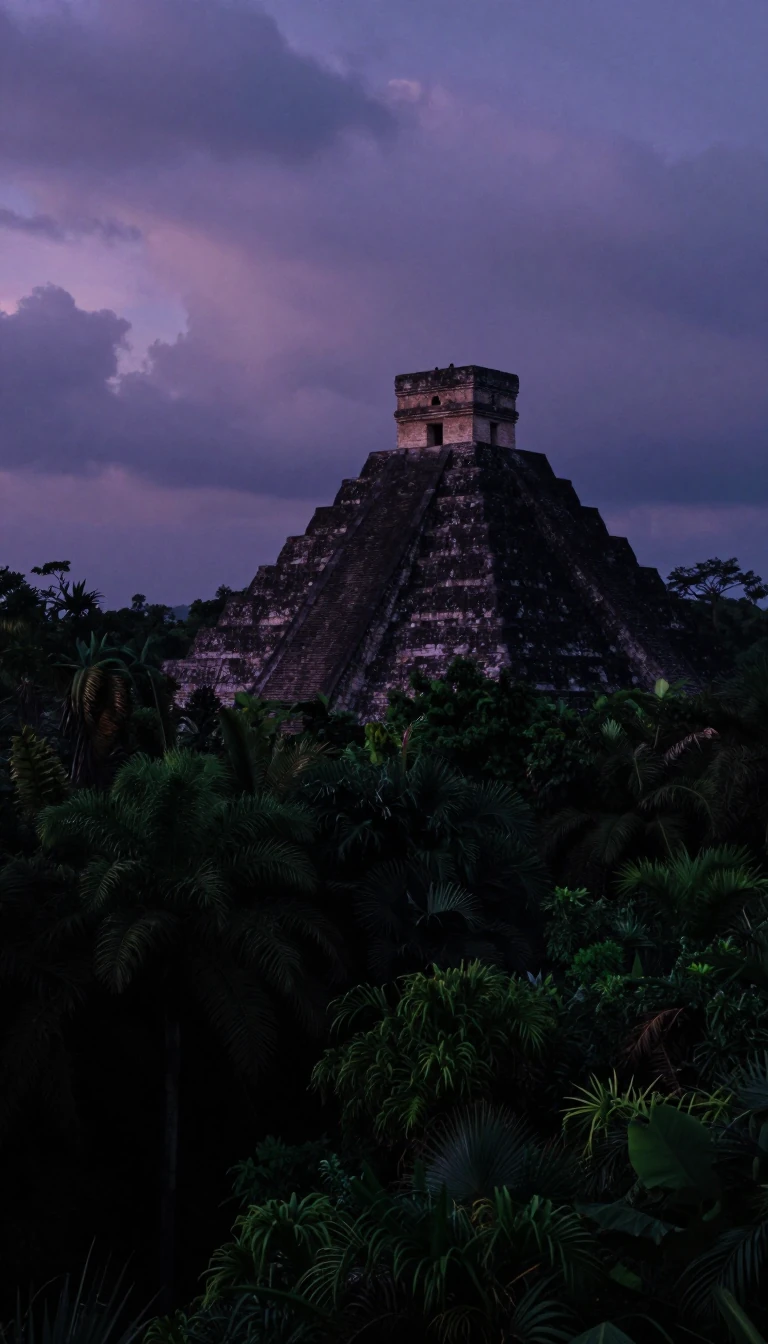 How Maya mythology explains the origin of the world through heroes and deitiesMaya mythology is not just a collection of ancient tales; it is a complex framework that defines the relationship between humanity and the natural world. From the creation of the …
 Why the most powerful goddess of the Chinese seas prefers a humble nameMazu is the preeminent sea deity for millions, yet her origins trace back to a quiet, tenth-century woman from Meizhou Island. While she holds grand, imperial titles like Queen of…
 Why did the Bible claim Methuselah lived for 969 years?Methuselah is the oldest person mentioned in the Bible, credited with a staggering 969-year lifespan. While his name has become a universal shorthand for extreme longevity, schola…
 The Cloud Serpent: How a Mesoamerican Hunting God Became the Milky WayMixcoatl, the Cloud Serpent, was a central deity of the hunt and war across Mesoamerican cultures. Often depicted with a black mask and distinctive stripes, he was identified with…
 Why are sightings of the mythical Congo dinosaur rising as the rainforest vanishes?For centuries, the mokele-mbembe has haunted the Congo Basin as a legendary creature. While cryptozoologists once chased it as a living dinosaur, modern conservationists suggest t…
 Is Moloch a bloodthirsty ancient deity or a misunderstood technical term for sacrifice?For centuries, Moloch was depicted as a terrifying, bull-headed idol demanding child sacrifice. Yet, modern scholarship suggests the name might not refer to a god at all, but rath…
 In Heian Japan, invisible spirits were blamed for everything from headaches to imperial deaths.Before modern medicine, the Japanese aristocracy lived in fear of mononoke—mysterious entities believed to cause illness and misfortune. These spirits, ranging from vengeful ghost…
 Mount Meru is both a physical Tanzanian volcano and a legendary cosmic axisThe name Mount Meru refers to two distinct worlds. One is a tangible, 14,978-foot volcanic peak rising above the Tanzanian plains. The other is a sacred, five-peaked mountain at t…
 Are these half-human, half-serpent beings the true architects of ancient Asian civilization?Across South and Southeast Asia, the naga—a divine, shape-shifting serpent—is far more than a myth. From guarding sacred waters to founding royal dynasties, these beings bridge th…
 The myth of Narcissus was never about vanity, but a tragic failure to grow.We often mistake the story of Narcissus for a simple warning against self-obsession. Yet, ancient interpretations suggest a far more complex tragedy. From a rejected suitor's leth…
 National myths are not just fairy tales; they are powerful tools for building nations.A national myth is an inspiring, often fictional narrative that shapes a country's identity and values. While these stories may blend historical facts with invention, they serve a…
- The Nine Faces of Durga: Unveiling the Divine Stages of a Mythic VictoryIn Hindu tradition, the Navadurga are not merely nine separate goddesses, but nine distinct manifestations of the deity Durga. Worshipped collectively during the festival of Navar…
 Was the biblical governor Nehemiah a high-ranking eunuch in the Persian royal court?Nehemiah is celebrated for rebuilding Jerusalem’s walls in just 52 days under the Achaemenid Empire. Yet, modern scholars debate his very existence. Some argue that his presence a…
 The Egyptian god Onuris was known as the one who brings back the distant one.In the pantheon of Ancient Egypt, Onuris stood out as a formidable deity of war. Worshipped primarily in the regions of Abydos and Thinis, he was defined by his role as a protecto…
- Oshun: The Yoruba Orisha of Love, Wealth, and the Power of Feminine InfluenceAs the divine patroness of the Osun River, Oshun is one of the most venerated figures in the Yoruba religion. Beyond her role as a goddess of love and beauty, she represents the e…
 Pachamama is not just Mother Earth, but the cosmic matrix of space and time.Often mistaken for a simple fertility goddess, Pachamama is the foundational Andean deity of totality. She represents the living, breathing connection between all things—past, pre…
 Did a hairy giant with a giant axe really chisel the world into existence?In Chinese mythology, the universe began as a cosmic egg, from which Pangu emerged to separate heaven and earth. This primordial giant, often depicted with horns, spent eons pushi…
 Why ancient Mesopotamians wore the face of a terrifying demon to protect their homesPazuzu was the king of wind demons in Mesopotamia, a figure both feared and revered. While he embodied the destructive power of the wind, his grotesque image was mass-produced as …
- Is the goddess of Hawaiian volcanoes a vengeful spirit or a force of nature?Pele is the fiery deity of Hawaiian mythology, believed to reside in the Halemaʻumaʻu crater of Kīlauea. Known for her intense passion and capriciousness, she is both a creator wh…
 Are pixies the remnants of an ancient, forgotten race or merely mischievous spirits?Deep in the moorlands of Cornwall and Devon, folklore tells of the pixie: a small, often helpful, yet occasionally troublesome creature. While modern depictions favor green outfit…
 Pluto was not the dark, violent Hades, but a god of hidden earthly abundance.While often conflated with the grim Hades, Pluto emerged as a distinct, positive figure in Greek religion. As the ruler of the underworld, he was venerated not just as a stern jud…
- Are noisy spirits really ghosts, or just juvenile tricksters looking for attention?The German term poltergeist translates to noisy ghost, describing spirits blamed for moving furniture, loud knocking, and spontaneous fires. While folklore often attributes these …
 Why Polynesian oral traditions were never meant to be fixed in stone or inkPolynesian mythology is not a static collection of ancient tales, but a living, flexible tool for political legitimacy. By prioritizing the needs of the present over historical ac…
 Ptah: The Architect God Who Built the World Through Thought and WordIn the ancient Egyptian pantheon, Ptah stands apart as a master creator. Unlike deities who fashioned the world through physical labor, Ptah is credited with bringing existence in…
- Why did the biblical matriarch Rachel hide her father's idols beneath her seat?Rachel, a central figure in the Hebrew Bible, is remembered for her beauty and her role as the mother of Joseph and Benjamin. Yet, her story is marked by complex deception, from a…
 Ragnarök is not just the end of the world, but a cycle of rebirth.In Norse mythology, Ragnarök is a foretold cataclysm where gods perish in a final battle against monsters. Yet, this destruction is not absolute. The world is destined to sink int…
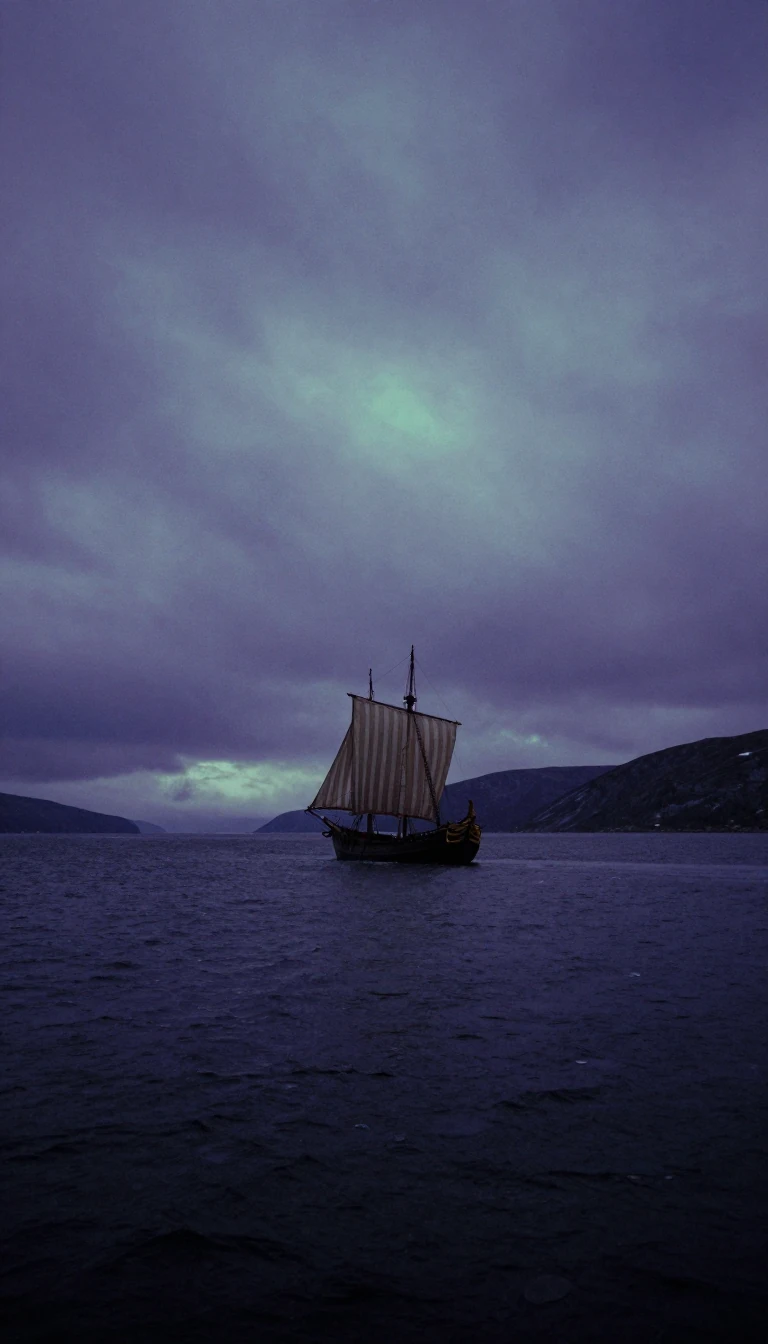 Was the legendary Viking hero Ragnar Lodbrok a single man or a composite myth?Ragnar Lodbrok is a titan of Norse legend, famous for his dragon-slaying, shield-maiden wives, and a tragic death in a snake pit. Yet, while his sons were undeniably real historic…
 Why does Japan's thunder god Raijin want to steal your belly button?Raijin is the fierce, drum-beating deity of thunder in Japanese mythology. Often depicted with a muscular frame and gravity-defying hair, he is a complex figure who ranges from a …
- Is the Rainbow Serpent a singular deity or a collection of ancient regional myths?Across Australia, the Rainbow Serpent is a powerful, multifaceted creator god linked to water, fertility, and the landscape. While often viewed as a singular entity, this figure i…
- A mother's calculated deception secured the future of a nation, according to biblical tradition.Rebecca, the wife of Isaac, was far more than a passive figure in the Hebrew Bible. When she learned her younger son Jacob was destined to lead, she orchestrated a complex ruse to…
 Was the biblical figure Ruth a seductress or a model of selfless loyalty?The Book of Ruth tells the story of a Moabite woman who becomes the great-grandmother of King David. While often celebrated as a paragon of kindness and conversion, scholars debat…
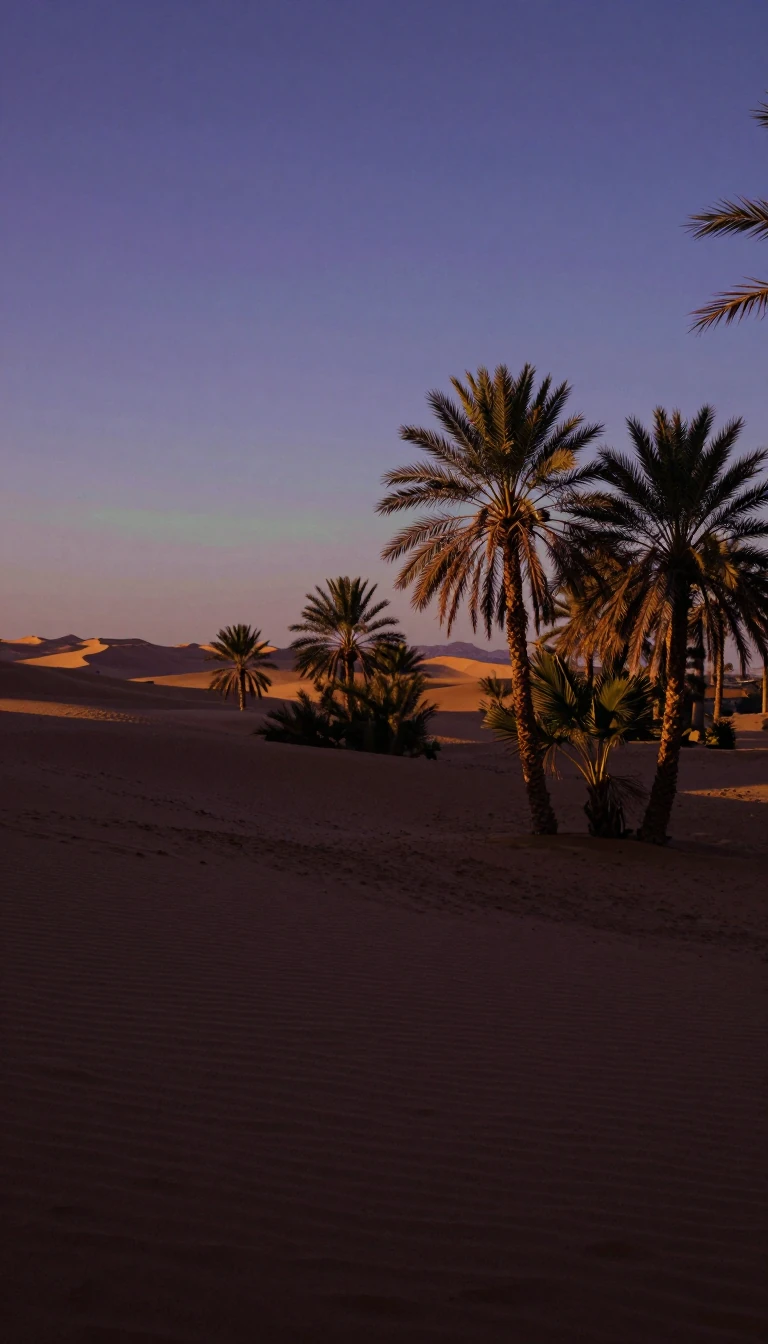 Was the biblical Samson a historical judge or a solar deity in disguise?Samson is remembered for his legendary strength and tragic betrayal by Delilah, but scholars debate his true nature. Is he a literal historical figure, a Hebrew adaptation of Near…