 Intellect Plus
Mythology
258 cards. Each one is a 40-second story with a five-minute read behind it. Page 2 of 5.
 Was Aaron the true power behind the throne of ancient Israelite religious life?While Moses is remembered as the primary lawgiver, his brother Aaron served as the inaugural high priest. Often cast as a supporting figure, Aaron’s legacy became the foundation f…
 Amitābha: The Buddha whose vow promises enlightenment to even the most wicked individualsAmitābha, the Buddha of Limitless Light, is the central figure of Pure Land Buddhism. His legend suggests that by simply reciting his name with sincere faith, anyone—regardless of…
 Why a shepherd from Teqoaʿ became the first prophet to write his own message.Amos was no professional seer. A simple shepherd and fig farmer, he rejected the title of prophet to distance himself from those who flattered the powerful. When he was expelled f…
 In ancient Mesopotamia, the afterlife was a bleak, dusty shadow of life on earth.Forget heaven or hell. For the ancient Mesopotamians, death was a dreary, subterranean existence where everyone—regardless of their earthly deeds—ended up. With no final judgment,…
 Anshar: The primordial Mesopotamian god who became a political tool for Assyrian kingsAnshar began as an abstract, unworshipped personification of the horizon. Yet, by the first millennium BCE, Assyrian rulers transformed this ancient figure into a powerful politic…
 The Ancient Egyptian Serpent Who Embodied the Ultimate Threat to Cosmic OrderIn the mythology of Ancient Egypt, Apophis was not merely a monster but the fundamental personification of chaos, darkness, and fire. Often depicted as a colossal serpent, he exis…
 How one legendary archer’s final shot defined the ancient borders of IranIn Iranian mythology, Arash the Archer is the hero who sacrificed his life to save his country. Tasked with ending a war by firing a single arrow, his shot traveled across the lan…
 Asgard was never a fixed place on a map, but a shifting mythological concept.Often compared to Mount Olympus, Asgard is the fortified home of the Norse gods. Yet, historical texts offer contradictory accounts of its location, placing it everywhere from the…
 The Queen Who Defied a Tyrant to Become a Pillar of FaithAs the wife of the Pharaoh of the Exodus, Asiya bint Muzahim lived in extreme luxury, yet she chose to abandon her status for a secret, dangerous devotion. After discovering the i…
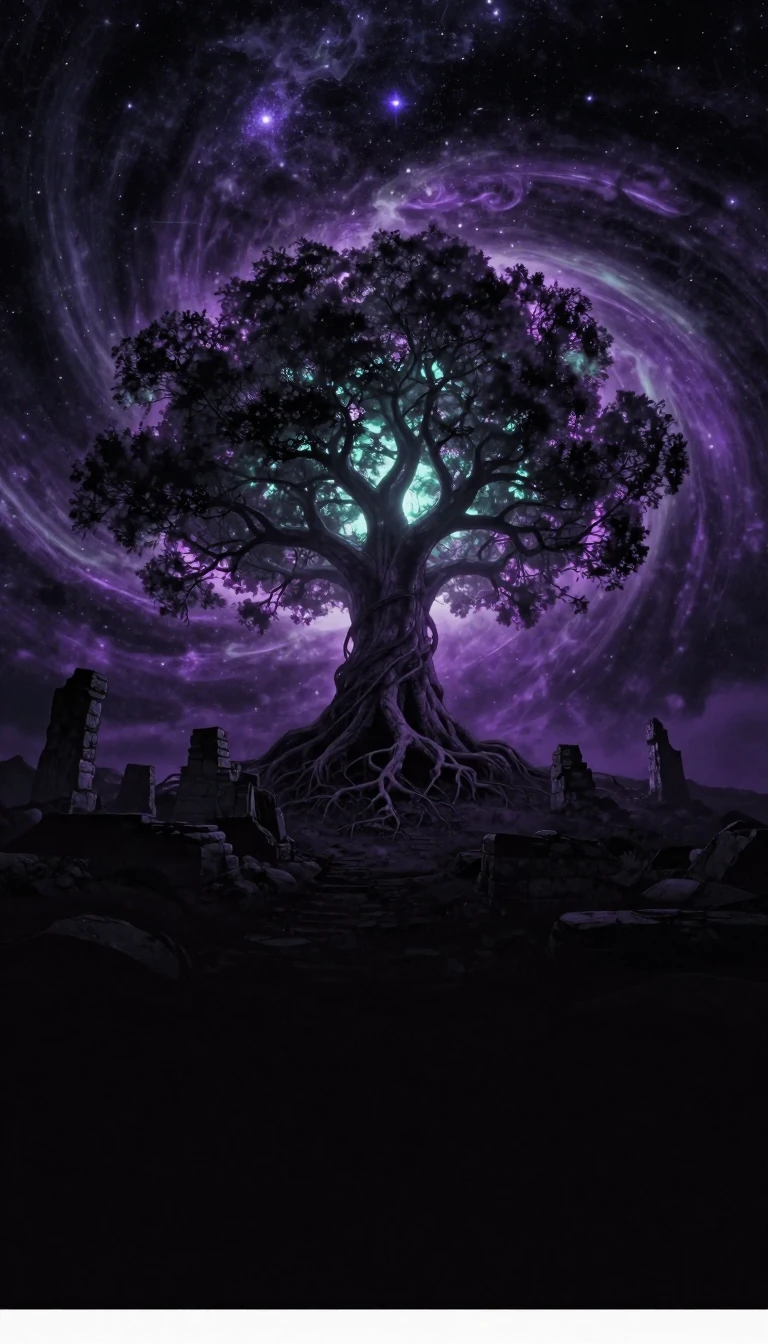 Why do cultures across history build towers, plant trees, and worship mountains?From the Norse World Ash to the modern skyscraper, humanity is obsessed with the axis mundi. This cosmic pillar serves as the vital link between the earthly, heavenly, and underwo…
 Why a legendary prince abandoned his kingdom to stand motionless for twelve yearsBahubali, a figure of immense physical power, once challenged his brother for imperial control. After winning a series of contests, he realized the futility of conflict over world…
 Why Japan’s legendary shapeshifting raccoon dogs are more than just comical forest monstersThe bake-danuki is a supernatural figure in Japanese folklore, known for its ability to shapeshift and deceive. While often depicted as a comical, belly-drumming trickster, these …
 The basilisk: how a small, venomous snake became a legendary king of deathAncient folklore transformed a modest, twelve-inch reptile into a terrifying monarch capable of killing with a single glance. From the deserts of Cyrene to the streets of medieval…
 Is the biblical Behemoth a divine monster, a literal hippopotamus, or a prehistoric dinosaur?The Behemoth appears only once in the Book of Job as a primeval creature of immense power. While theologians debate its true nature, the name has evolved into a metaphor for any m…
 Is the legendary warrior queen Brunhild based on a real Merovingian political feud?Brunhild stands as the paramount figure of Germanic legend, a powerful valkyrie or Amazonian queen whose tragic betrayal leads to the death of the hero Sigurd. While her mythic st…
 The Irish demigod who fought with seven fingers and a terrifying, shape-shifting battle frenzy.Cú Chulainn, the legendary warrior of the Ulster Cycle, was a figure of contradictions. Born Sétanta, he earned his name by replacing a slain guard dog. He was a beautiful, youthf…
 Camelot is a legendary capital that never existed, yet people have hunted it for centuries.Camelot is the ultimate Arthurian symbol, yet it was absent from the earliest legends. It first appeared in 12th-century French romances, where its geography remained intentionall…
 Why a Greek god in Mexico sparked a modern battle with an ancient deityIn 2024, a statue of Poseidon installed in Yucatán triggered local outrage, with many residents blaming the Greek god for recent storms. They believed the installation offended Ch…
 From a Hindu deity to a powerful space telescope and a destructive storm.The name Chandra carries vastly different meanings across history and science. It represents the ancient Hindu moon god, a sophisticated NASA observatory peering into the universe…
 Is the Chinese Moon goddess a devoted wife or a selfish thief?Chang'e, the celestial resident of the Moon Palace, is one of Chinese mythology's most enduring figures. Depending on the era and the storyteller, she is either a tragic heroine w…
 Why did European folklore insist that fairies were stealing human children and replacing them?Across centuries of European tradition, parents lived in fear of their children being abducted by supernatural beings. These replacements, known as changelings, were often blamed …
 Was the terrifying fire-breathing Chimera of Greek myth actually a geological phenomenon?The Chimera is famous as a monstrous hybrid of lion, goat, and snake. While ancient poets described it as a divine bane to humanity, some scholars suggest the myth may have been i…
 Was this ancient tribal leader a demon of war or a misunderstood founding ancestor?Chiyou is a shapeshifting enigma of Chinese mythology. To some, he is a terrifying demon god of violence with a bull's head and six arms. To others, he is a sagacious king and a f…
- Is the Christian narrative a myth, or is it a true myth?Scholars define Christian mythology as the vast body of sacred narratives and legends associated with the faith. While some early writers rejected the term as implying fiction, mo…
 Why do so many ancient cultures imagine the universe began as an egg?From the Dogon of Burkina Faso to Vedic India and ancient China, the cosmic egg is a recurring motif for creation. This simple, universal shape captures the transition from chaos …
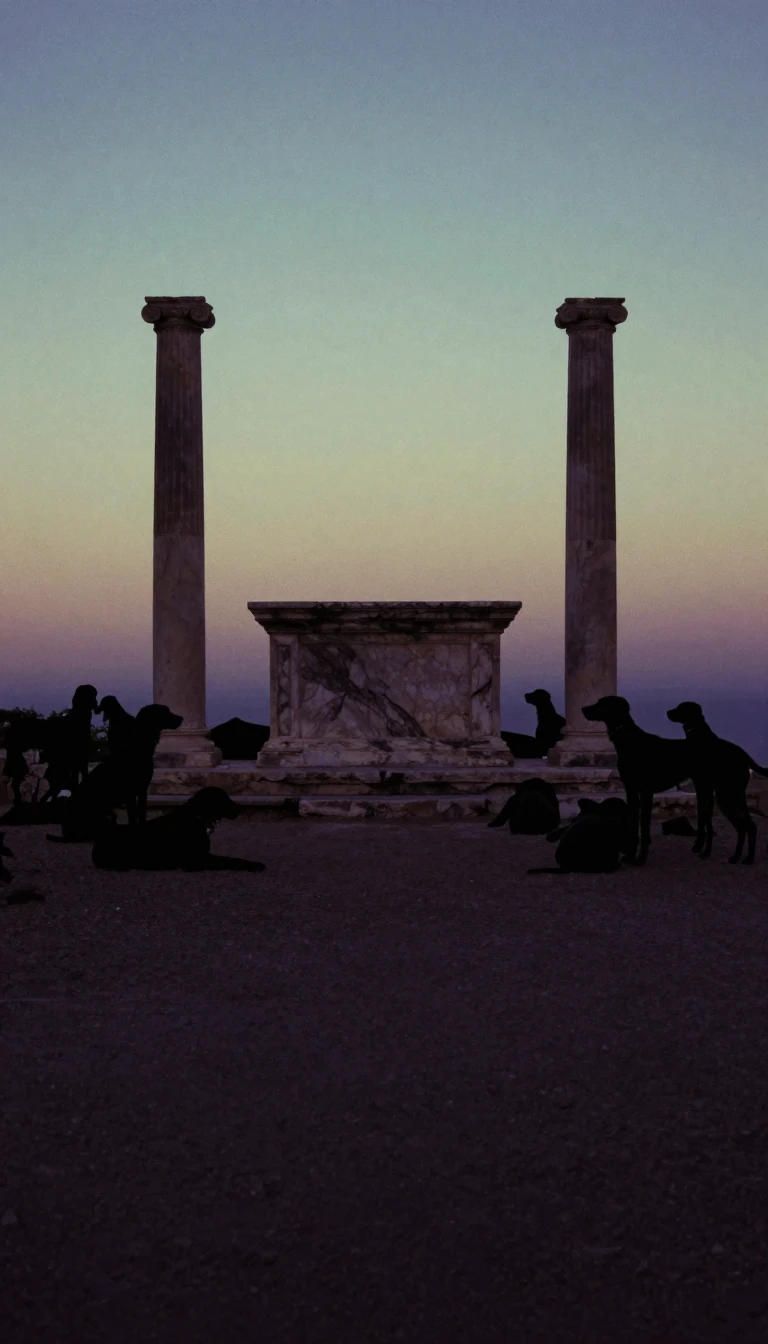 Ancient Greeks imagined three distinct types of Cyclopes, from divine smiths to man-eating giants.The one-eyed giant of myth is not a single character, but a triple-layered archetype. Ancient writers distinguished between celestial thunderbolt-forgers, lawless cave-dwelling sh…
 The ancient gods who became demons: How the Daeva evolved into a force of evilIn the oldest Zoroastrian texts, the daevas were recognized as genuine gods, albeit ones to be rejected. Over centuries, this status shifted dramatically. These divine beings were…
 From flesh-eating demon to imperial protector: the shape-shifting history of the DakiniThe Dakini began as a terrifying demoness in Hindu and Buddhist lore, known for consuming human flesh. Yet, in Japan, this figure underwent a radical transformation. Through syncr…
 Was the legendary founder of Carthage a real queen or a mythic invention?Dido, the fabled founder of Carthage, is best known as the tragic lover of Aeneas in Virgil's epic. Yet, ancient records and chronological analysis suggest she may have been a his…
 Why did ancient Mesopotamians mourn a shepherd god every single summer?Dumuzid, the ancient shepherd deity, was the original dying-and-rising god. His myth defined the seasons, inspired the Greek legend of Adonis, and left a lasting mark on religious…
 Is Electra a grieving daughter or a cold-blooded mastermind of matricide?In Greek tragedy, Electra is the daughter of Agamemnon who seeks vengeance for his murder. Yet, her character shifts wildly across centuries of storytelling. From a reluctant part…
 Elves were not always tiny, playful creatures; they were once feared as powerful, humanlike beings.Forget the diminutive, toy-making sprites of modern holiday lore. In medieval Germanic folklore, elves were formidable, human-sized entities capable of causing illness, seducing m…
- Elisha: The Wonder-Working Prophet Who Inherited a Double Portion of PowerAn Israelite prophet and wonder-worker, Elisha served as a pivotal advisor to kings and a successor to Elijah. From multiplying oil to resuscitating the dead, his narrative is def…
 The divine warrior with three eyes who once split a mountain to save his mother.Erlang Shen is a powerhouse of Chinese mythology, blending historical engineering feats with celestial drama. Whether he is the deified son of a hydraulic expert or the nephew of …
- Erlik Khan: The Fallen Architect of the Underworld in Ancient Turkic MythologyIn the vast, non-written traditions of Tengrism, Erlik stands as the formidable lord of the underworld. Often cast as the brother of the creator deity, he is the architect of sin,…
 Is the biblical Queen Esther a historical figure or a reimagined Babylonian goddess?The Book of Esther tells a dramatic tale of a Jewish queen who saves her people from genocide in the Persian Empire. Yet, scholars largely view the narrative as fiction, suggestin…
 Was the continent of Europe named after a Phoenician princess abducted by a bull?In Greek mythology, Europa was a Phoenician princess carried to Crete by Zeus in the form of a white bull. While her name may have inspired the continent, the myth likely masks an…
 Why the European dragon evolved from a simple serpent into a fire-breathing winged beast.The dragon of medieval lore was not always a winged, fire-breathing monster. Originally, the term simply described large snakes. Over centuries, these serpentine figures merged wi…
 Was Eve the first woman, or a symbol of life, snakes, and ancient myths?Eve is the foundational figure of Abrahamic origin stories, yet her identity shifts across traditions. Is she a literal ancestor, a rib-born companion, or a metaphorical vessel fo…
 Why ancient traditions imagined celestial beings descending to earth to corrupt humanityThe concept of fallen angels is a complex tapestry woven from ancient myths, not a single biblical narrative. While often associated with Satan's rebellion, these figures original…
- Why humanity remains obsessed with a mythical spring that never actually existedFor centuries, legends of a fountain capable of reversing aging have captivated the human imagination. From ancient poets to modern explorers, the dream of eternal youth persists …
 Is the goddess Frigg actually the same deity as the Norse goddess Freyja?Frigg, the wife of Odin and queen of the gods, remains one of the most enigmatic figures in Germanic mythology. While she is associated with marriage and prophecy, scholars have l…
 Was the legendary first emperor of China a serpent-bodied deity or a human patriarch?Fuxi stands at the dawn of Chinese civilization, credited with inventing writing, cooking, and the family unit. Often depicted as a divine being with a serpent's body, he represen…
 Why Ancient Egyptians Believed the Earth God Geb Caused Every EarthquakeIn the complex pantheon of Heliopolis, Geb stood as the foundational deity of the Earth. While modern science attributes seismic activity to shifting tectonic plates, the ancient …
 The ghoul began as a desert-stalking jinn before becoming a Western grave-robbing nightmare.In ancient Arabic folklore, the ghoul was a shape-shifting spirit that lured travelers into the wilderness to devour them. Over centuries, this desert predator migrated to the Wes…
 Were the terrifying Gorgons of Greek myth actually just misunderstood ritual masks?In ancient Greek mythology, the Gorgons were monstrous sisters whose gaze turned men to stone. Yet, some scholars suggest these creatures were not originally monsters at all. Inst…
 The Grim Reaper is a modern invention, not an ancient mythological figureThe iconic image of a hooded, scythe-wielding skeleton in a black robe is surprisingly recent. While death has been personified in art for centuries, the specific combination of f…
 Guarani mythology is a living, oral tradition shaped by centuries of cultural evolutionWithout ancient written records, the gods and spirits of the Guarani people have survived through centuries of word-of-mouth storytelling. From the supreme creator Tupã to the sev…
 Do you have a celestial companion watching over your every step and decision?Across centuries and cultures, the concept of a personal guardian angel has persisted as a source of comfort and guidance. From ancient theological debates to modern spiritual pra…
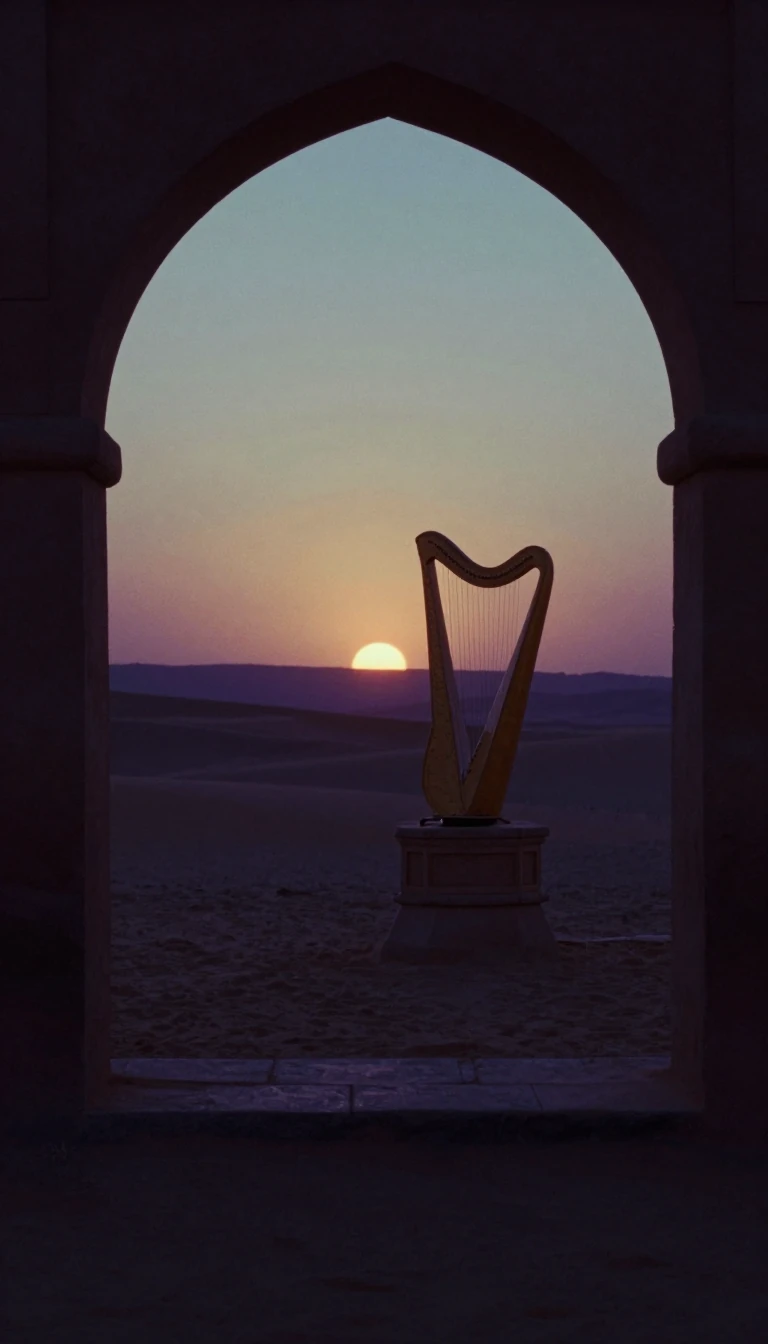 Is Hagar a forgotten slave or a royal matriarch of three world faiths?Hagar is a figure of immense contradiction. To some, she is a mistreated bondswoman fleeing a jealous mistress; to others, she is an Egyptian princess and a revered matriarch of m…
 Is the Norse goddess of the dead a genuine deity or a literary invention?Hel, the ruler of the Norse underworld, is often depicted as a terrifying, half-flesh-colored figure. Yet, scholars debate whether she was a pre-Christian goddess or merely a late…
- Is hell a physical place of fire or an experience of God's presence?Christianity offers no singular, static vision of hell. While popular imagery depicts a subterranean furnace of torment, theological traditions range from literal fiery pits to me…
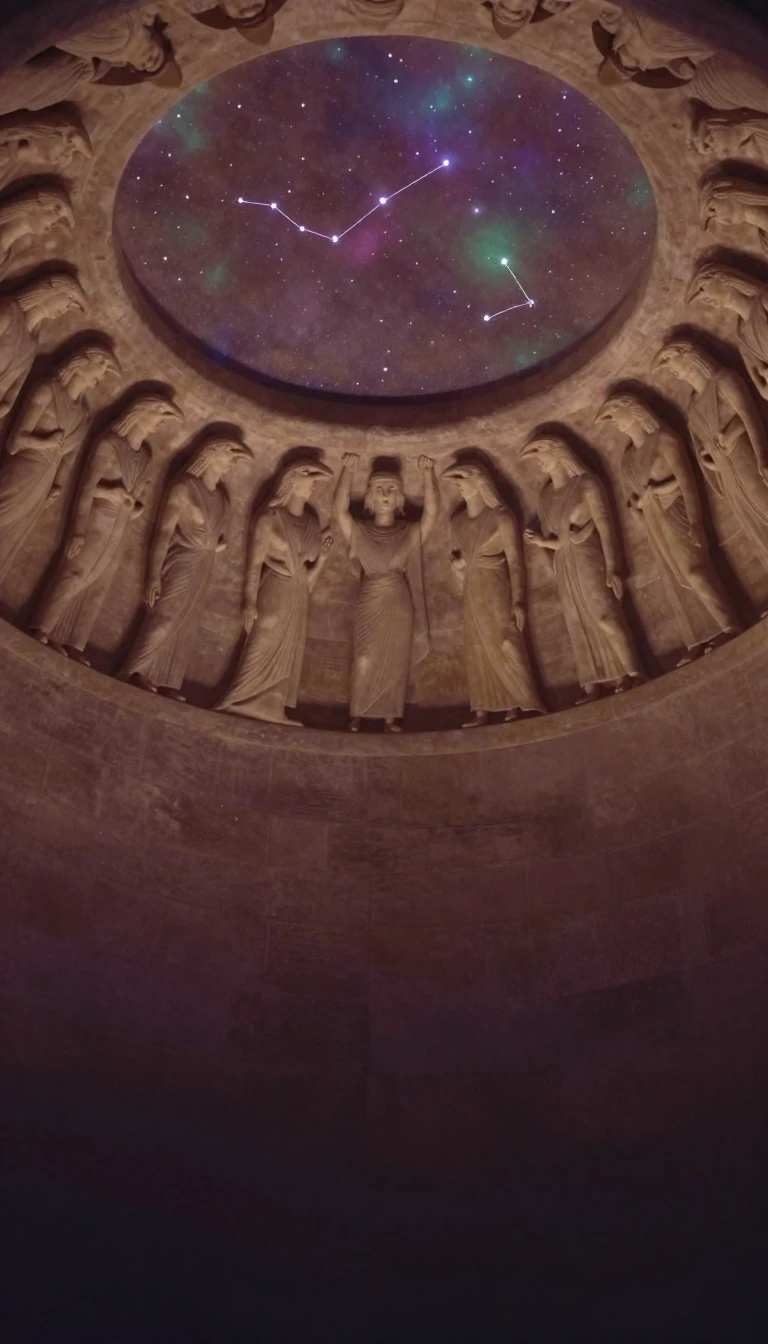 How Hindu mythology evolved from ancient Vedic hymns to complex, narrative-driven cosmic epicsHindu mythology is not a static set of beliefs, but a vast, evolving tapestry spanning thousands of years. From the early oral traditions of the Vedas to the narrative-rich Purana…
 The Holy Lance: A Legendary Weapon of Destiny With Multiple Historical IdentitiesThe Holy Lance, or Spear of Destiny, is the legendary relic said to have pierced the side of Jesus during the Crucifixion. While it became a potent symbol of divine favor in medie…
- Why the ancient Aztec fire god was depicted as both a youth and elderHuehueteotl, the Old God of Mesoamerica, remains a central figure in Aztec mythology. Often linked to the fire deity Xiuhtecuhtli, he presents a striking paradox: while stone carv…
 In Chinese folklore, the nine-tailed fox can be a divine omen or a man-eater.The huli jing, or fox spirit, is a shapeshifting creature that has haunted Chinese mythology for millennia. Depending on the era and the tale, these beings are either benevolent i…
 Is Iblis a fallen angel or the father of all jinn?In Islamic tradition, Iblis is the personal name of the Devil, a figure defined by his refusal to bow before Adam. Yet, his true nature remains a subject of intense theological de…
- The myth of Icarus is not just a warning against excessive, high-flying ambition.We often remember Icarus for his fatal flight toward the Sun, but his father Daedalus also warned him against flying too low. While high-flying ambition is a classic cautionary ta…
 Why Japan’s most sacred imperial treasures remain hidden from the public eyeJapan’s Imperial Regalia—a sword, a mirror, and a jewel—are the ultimate symbols of divine authority. They are so revered that they are never seen, even by the Emperor during his …
 Why Japan’s most popular deity is a shape-shifting, rice-bearing, corporate-friendly enigmaInari Ōkami is the Japanese kami of everything from rice and sake to industry and prosperity. With over 40,000 shrines across Japan, this elusive figure is famously personalized b…