 Intellect Plus
Organisms
1,988 cards. Each one is a 40-second story with a five-minute read behind it. Page 21 of 34.
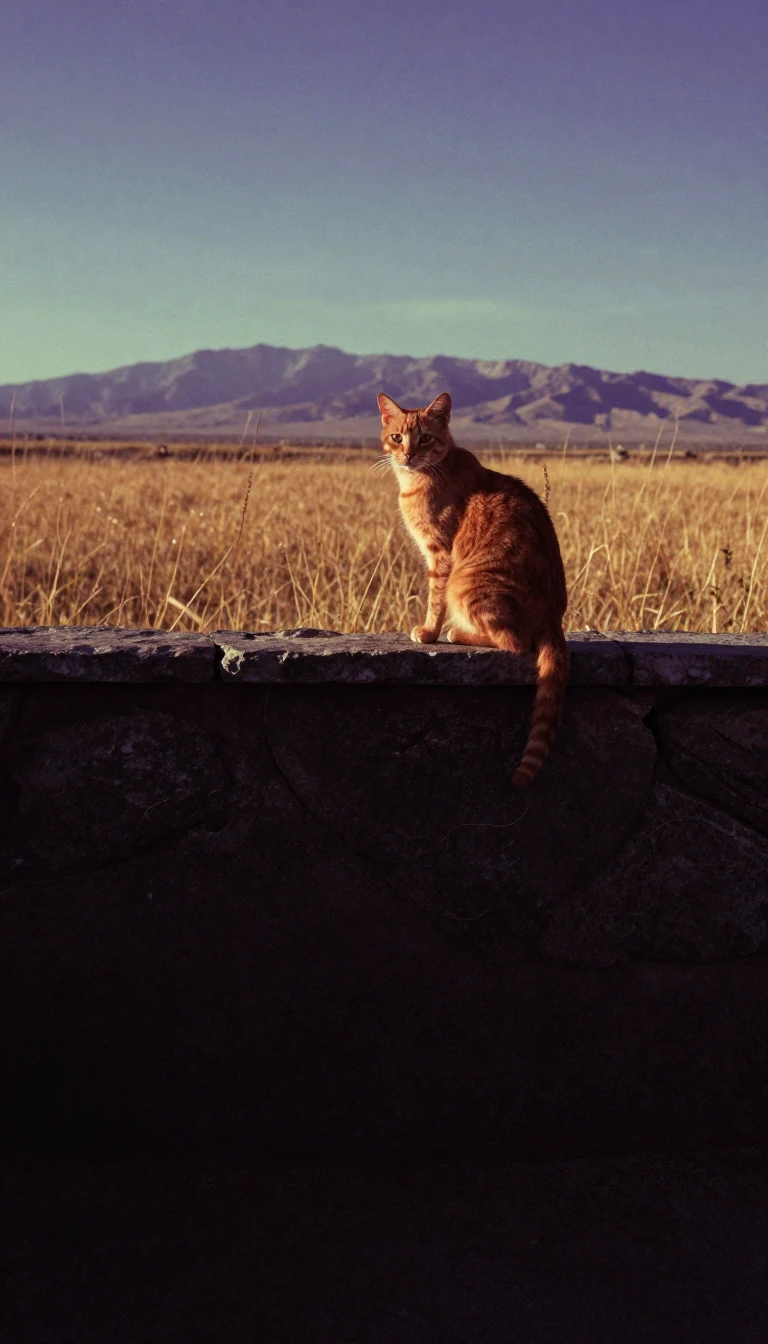 A heat-sensitive enzyme paints the dark points on Siamese catsSiamese kittens are born cream or white. Their dark ears, face, paws and tail appear over the first weeks because a mutated pigment enzyme only works where the skin is cooler than…
 Slime molds solve traffic problems without a brain and weigh up to 20 kilogramsA slime mold has no brain, yet species like Physarum polycephalum have been used to model traffic networks, and the group shows behaviours usually linked to animals that think. On…
 The only venomous primate brews its toxin by licking its own armSlow lorises make their venom in two steps. A gland on the arm secretes a fluid related to a cat allergen, and when the loris licks it, saliva activates it. The resulting bite was…
 Goldenrod takes the blame for hay fever that ragweed actually causesGoldenrod blooms bright yellow in late summer, right when noses start running, so it gets blamed. The real culprit is usually ragweed, flowering at the same time and scattering li…
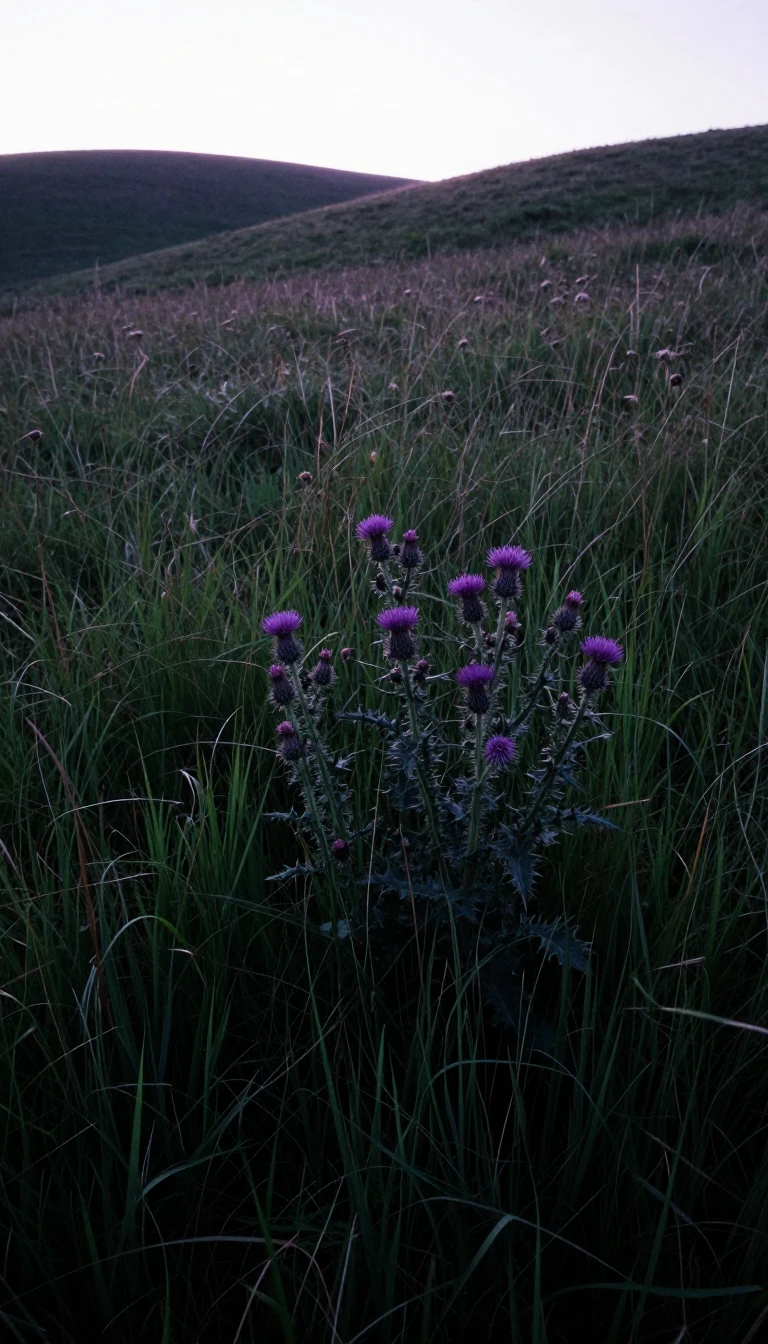 Sow thistles got their name from farmers feeding them to nursing pigsSnap a sow thistle stem and white latex oozes out. Farmers took that as a sign and fed the plants to sows with piglets, hoping to boost their milk, and the name stuck. The same ro…
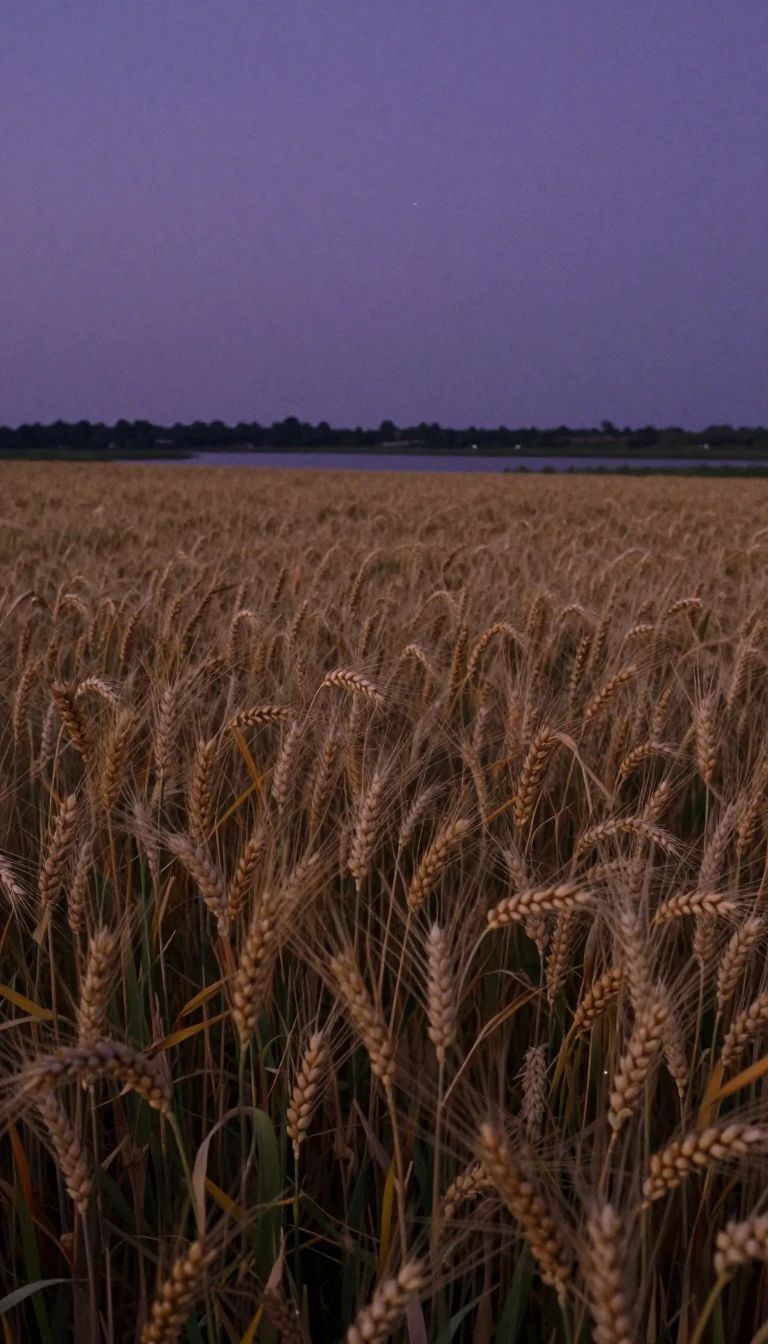 Sorghum, first tamed in Sudan, weeds its own fields with chemistrySorghum releases a compound called sorgoleone that holds back competing weeds, one reason smallholder farmers can grow it with no fertiliser or other inputs. Domesticated in easte…
 Spanish moss is neither Spanish nor a moss, but a rootless pineapple relativeThe grey beards draped over southern live oaks belong to the bromeliad family, the same group as the pineapple. Spanish moss has no roots, steals nothing from its tree, and is not…
- Rye sneaked into Europe as a weed hiding among the wheatRye probably did not travel west on purpose. It tagged along in wheat fields as a look-alike weed, and only later did farmers start growing it for itself. Today it survives snow t…
 Baker's yeast spends its winters inside wasps and its days in labsThe single-celled fungus that raises bread and ferments beer cannot fly. To get from one ripe grape to the next it hitches rides, and overwintering wasp queens carry it from autum…
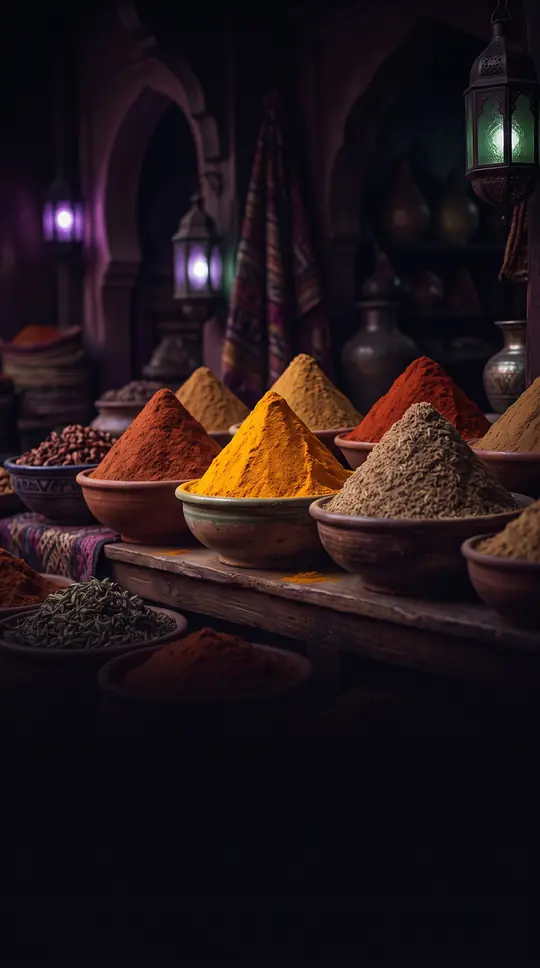 Every saffron crocus on Earth is a sterile clone that needs human handsThe saffron crocus cannot make seeds. It has three sets of chromosomes, no wild populations, and survives only because people dig up its bulbs, split them and replant them. A kilo…
- Salmonella carries the name of the boss, not the scientist who found itIn 1885 a research laboratory assistant named Theobald Smith isolated a bacterium he and his supervisor blamed for hog cholera. The supervisor was Daniel Elmer Salmon, and when a …
 Sage flowers use a hinged lever to slap pollen onto beesPush into a sage flower for nectar and a tiny lever swings down, dabbing pollen on your back. That trick defines Salvia, the biggest genus in the mint family, which now includes r…
 Seaweed is not one kind of living thing but several unrelated onesRed, brown and green seaweeds look like cousins, yet they share no common many-celled ancestor. What unites them is habitat: salt water, light and something to cling to. Humans fa…
 The coast redwood may be a hybrid of its two surviving cousinsOnly three redwood species survive, and one of them looks like the child of the other two. Genetic trees place the coast redwood beside the dawn redwood on one gene and beside the…
 Sesame pods burst open on their own, and farming still fights itRipe sesame capsules split and fling their seeds, and they do not all ripen at once. So farmers cut the plants by hand and stand them upright until every pod has popped. A non-sha…
 An 185-word Chinese text from 1209 taught the world to farm shiitakeThe oldest written guide to growing shiitake is a short passage in a Chinese county record compiled in 1209, under the Song dynasty. Copied and cited for centuries, it was adapted…
 Roses don't have thorns: those spikes are prickles, and one gene controls themThe sharp hooks on a rose stem are not true thorns, which grow from modified stems, but prickles sprouting from the skin of the plant. They help roses clamber over neighbours, and…
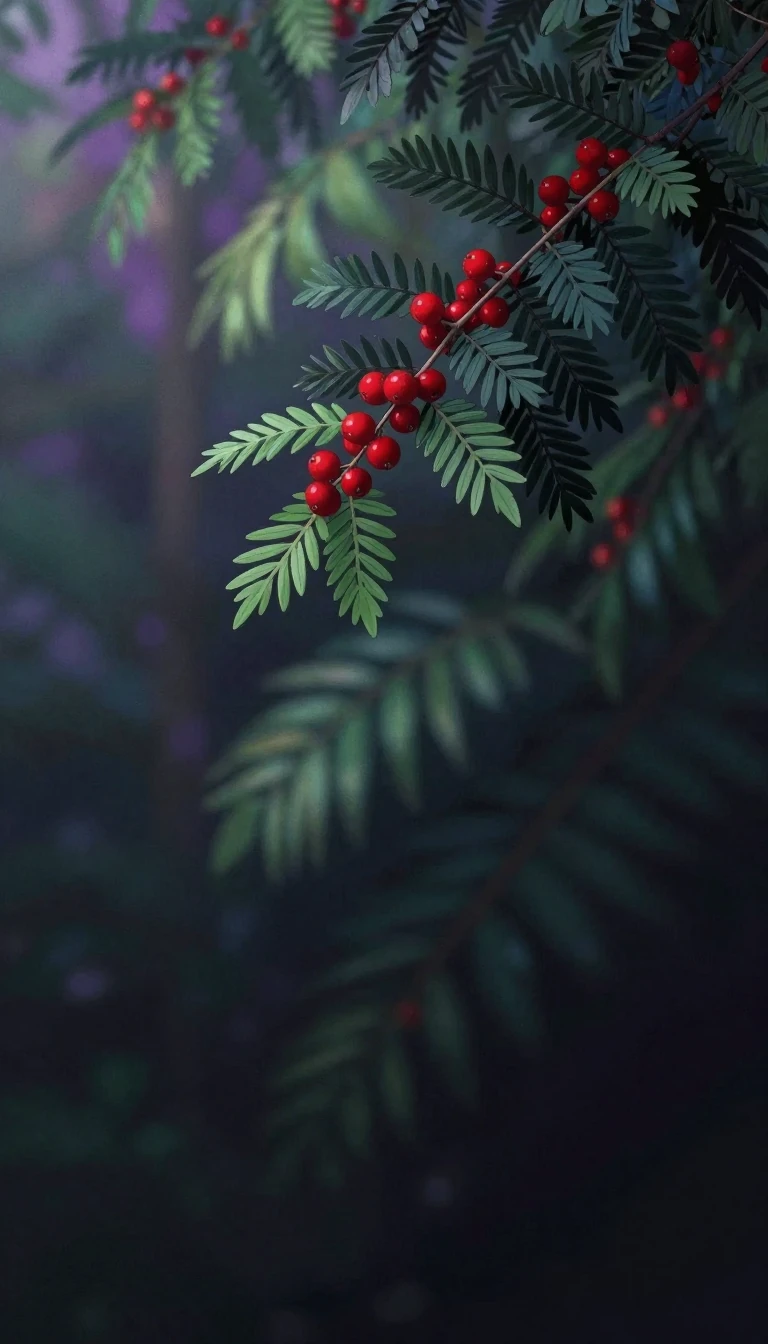 Coffee, quinine and a red dye all come from one huge plant familyThe family that gives us coffee also gave the world quinine, the antimalarial drawn from Cinchona bark, and madder, whose roots dyed cloth red since ancient times. With about 14,2…
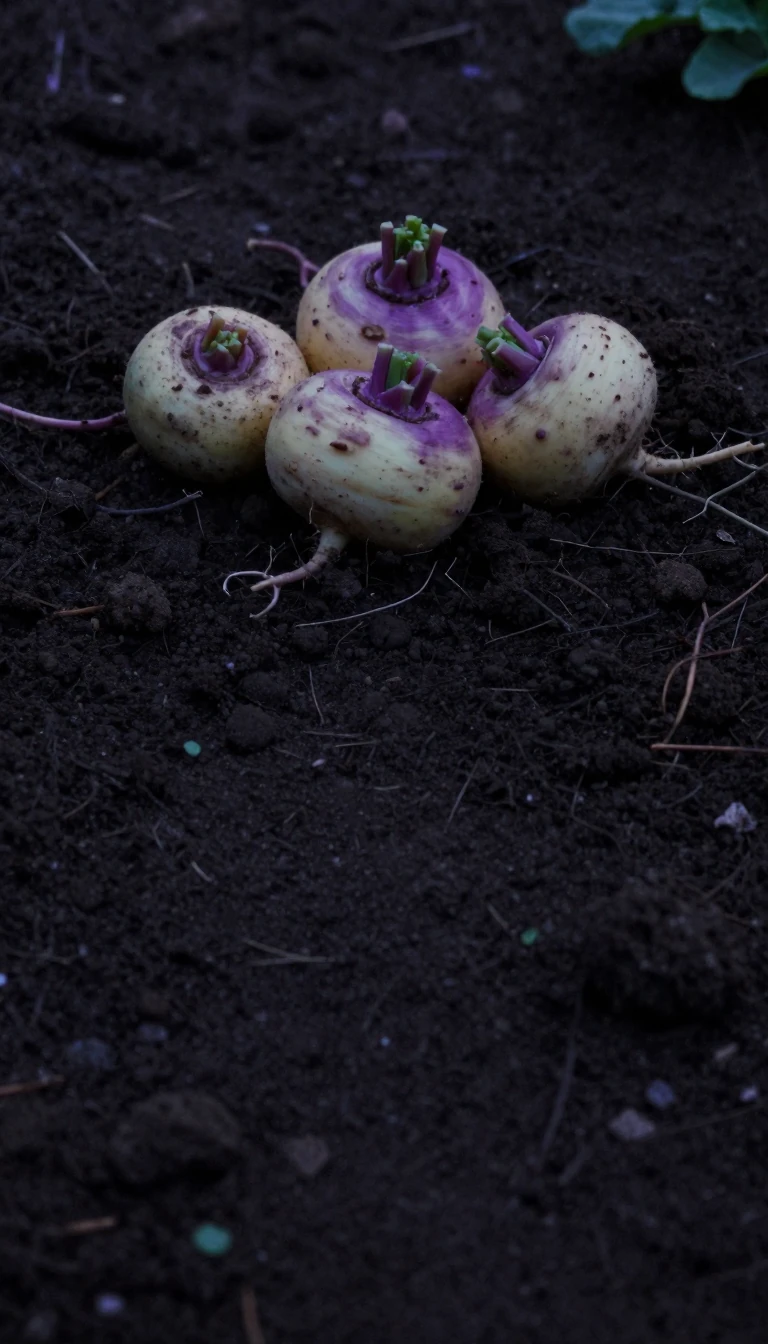 Swede, neep, rutabaga or turnip: one vegetable born from a cabbage-turnip crossThe rutabaga is a hybrid of cabbage and turnip that doubled its chromosomes, and it answers to a dizzying list of names: swede in England, neep or tumshie in Scotland, rwden in pa…
 Florida's wild monkeys escaped from a riverboat tour in 1938A tour boat operator known as Colonel Tooey released rhesus macaques near Silver Springs, Florida, around 1938, planning to keep them on an island as a Jungle Cruise attraction. N…
- Rhizaria: a group recognised by genes, not by looksNo single visible feature ties the Rhizaria together. These mostly single-celled organisms were grouped largely on DNA evidence, and they range from soil amoebae to ocean drifters…
 Every azalea is a rhododendron, but botanists took a century to agreeLinnaeus kept azaleas in a genus of their own, telling them apart by counting stamens: five instead of ten. Other botanists grew doubtful, and in 1836 azaleas were folded into Rho…
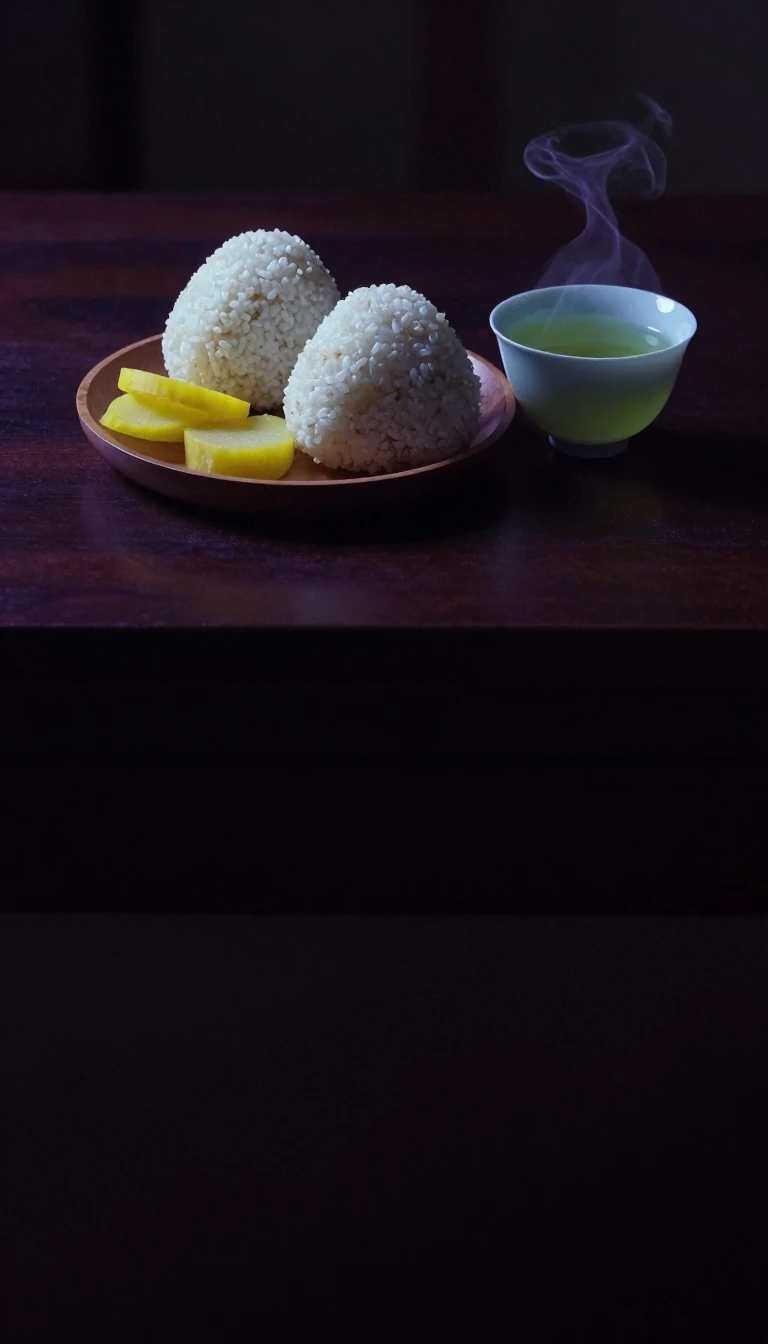 Half of humanity eats rice, yet little of it crosses bordersRice feeds more than half the people on Earth, and 800 million tons were grown in 2023. Yet only about 8 percent is sold between countries. Most is eaten close to where it is harv…
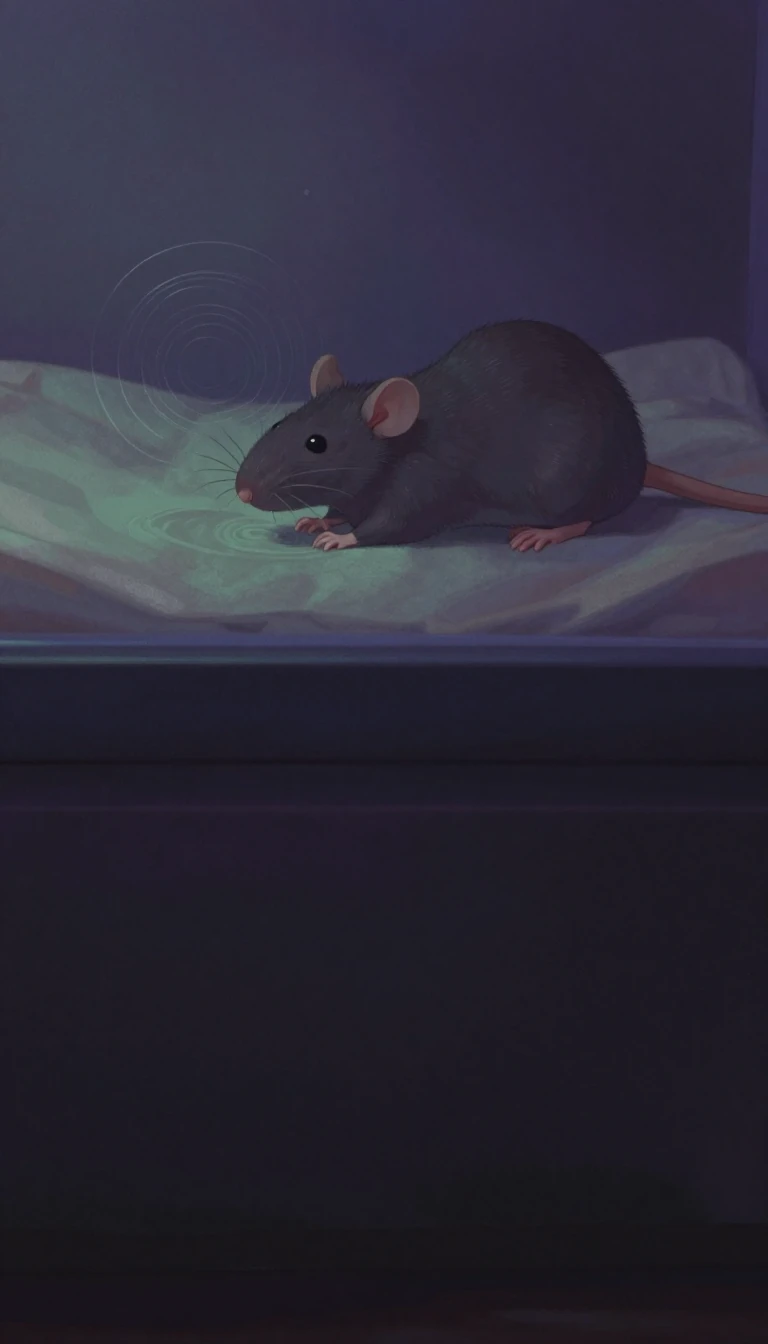 Rodents must gnaw constantly or their teeth keep growingAbout four in every ten mammal species are rodents, and all share one defining trait: a single pair of incisors top and bottom that never stops growing. Gnawing keeps them in chec…
- Apples, almonds and strawberries all belong to the rose familyA fruit bowl holding an apple, a peach, a cherry and a handful of raspberries is really a family reunion. All belong to the Rosaceae, along with almonds, pears, apricots and the r…
 Ferns are closer cousins of roses than of clubmossesFerns, horsetails and clubmosses were long lumped together as spore plants, or pteridophytes. Genetics broke the group apart: ferns and horsetails turn out to be more closely rela…
- The pumpkin has no scientific definition, only a very long historyBotanists cannot tell you exactly what a pumpkin is. The word covers round orange squashes from several different Cucurbita species, yet it has no formal meaning. What is certain …
 Quinoa fed Andean llamas long before it fed peopleQuinoa looks like a grain but is closer to spinach. Around Lake Titicaca it was first grown as animal fodder 5,200 to 7,000 years ago, and only later became human food. Its sudden…
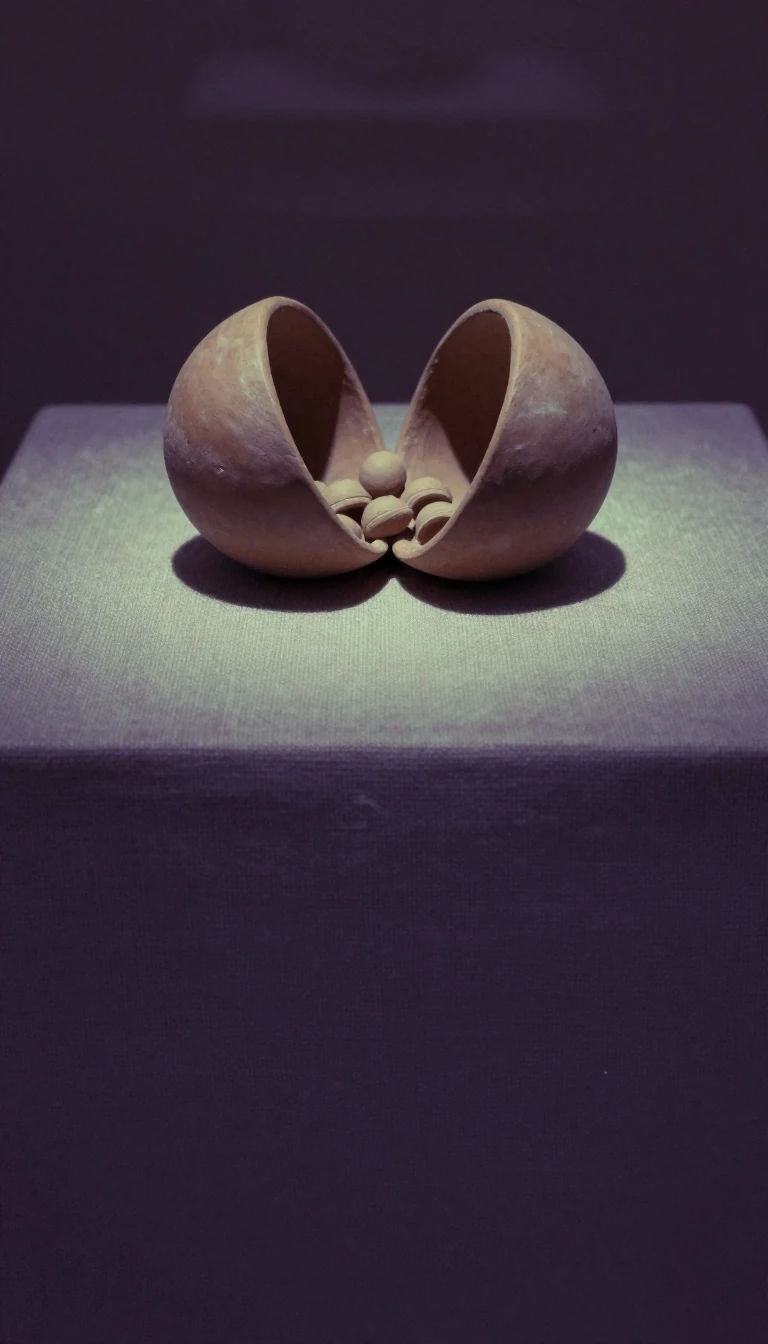 Single cells that build glass skeletons shaped like geometry lessonsA radiolarian is one cell, a fifth of a millimetre across at most, yet it builds an intricate mineral skeleton, often of silica, pierced with holes and bristling with spines. Some…
- A German botanist once reported radishes weighing 45 kilogramsMost radishes are ready to pull within a month and fit in the palm of a hand. Yet in 1544 a German botanist described roots of 45 kilograms and nearly a metre long. Only one varie…
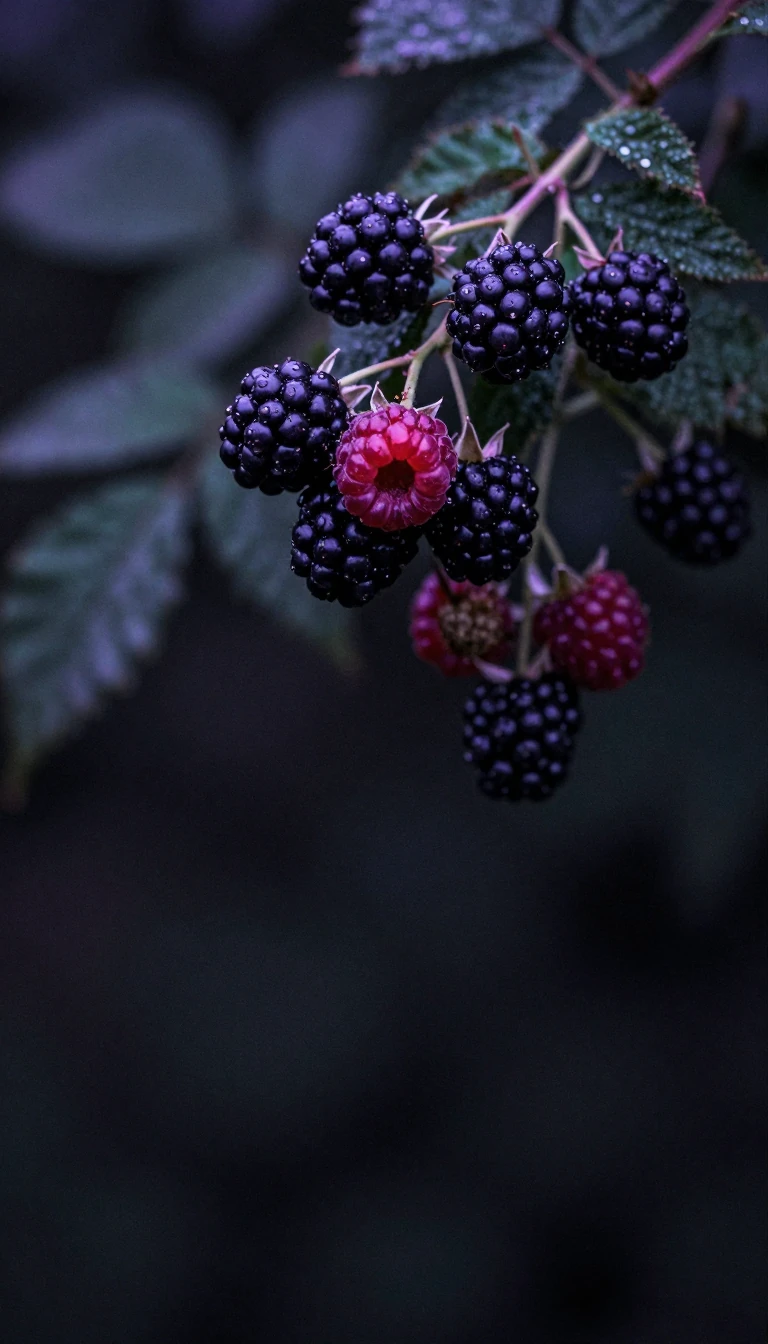 Why a raspberry is hollow and a blackberry is notPick a raspberry and the core stays behind on the plant, leaving a neat hollow. Pick a blackberry and its central stem comes away inside the fruit. That single difference is what …
- A rat's bare tail works as a radiator for shedding heatThat naked, scaly-looking tail puts many people off rats, but it is a precision tool. Thin skin laced with blood vessels lets it dump body heat far faster than the belly can, and …
 Red algae come in green, pink, purple and almost blackThe sushi wrapper nori, the jelly agar and the thickener carrageenan all come from red algae, one of the oldest and largest groups of seaweeds. Despite the name, many are not red …
 Water hyacinth mats can double in size within one to two weeksA pretty lavender-flowered pond plant from South America has earned the nickname terror of Bengal. Water hyacinth is among the fastest-growing plants known, cloning itself through…
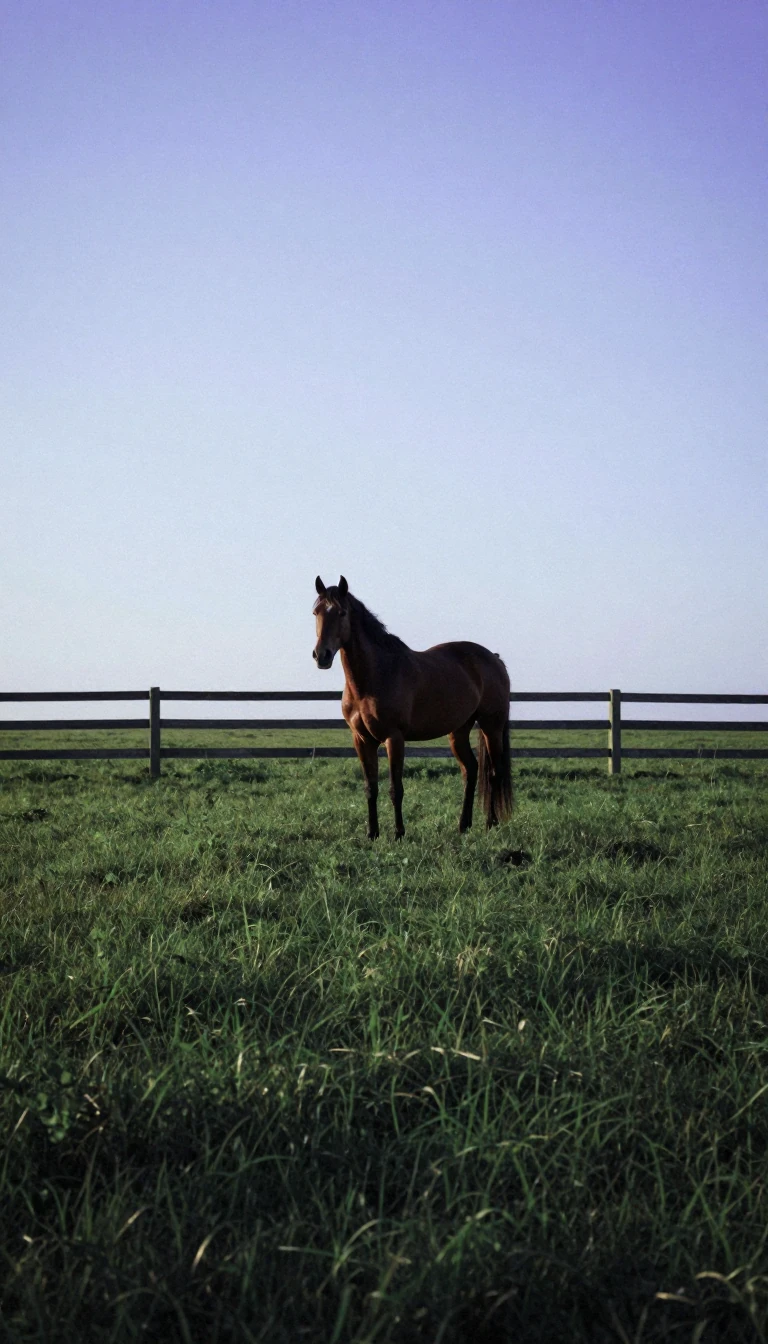 Pound for pound, a pony can pull and carry more than a horsePonies are small horses, but not weak ones. Bred in harsh, cold places where people needed sturdy workers, draft-type ponies can haul far more than their own weight, and even tiny…
- Old World and New World porcupines evolved their quills separatelyPorcupines on different continents look like close cousins, but they are not. The spiny rodents of Africa and Asia and the tree-climbing ones of the Americas grew their quills ind…
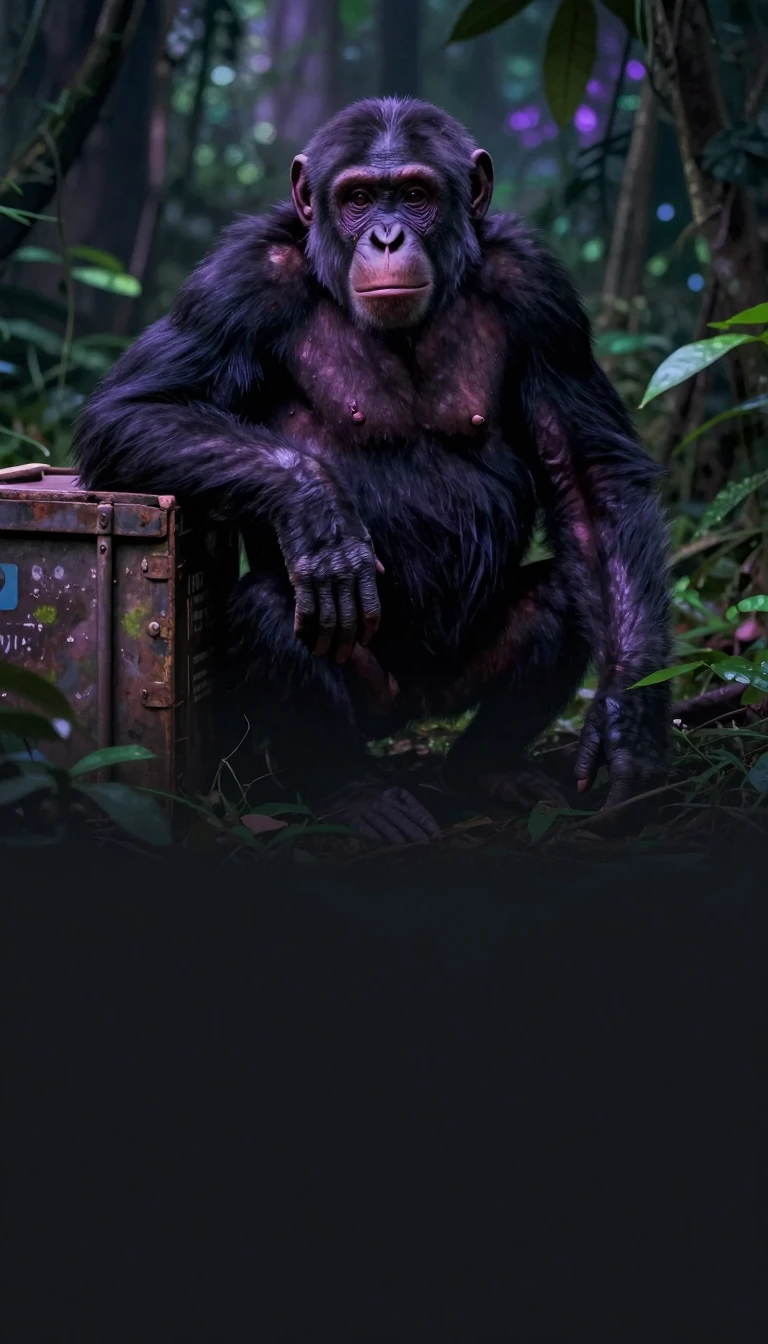 Primates range from a 30-gram mouse lemur to a 200-kilogram gorillaThe primate order spans Madame Berthe's mouse lemur, lighter than a letter, and the eastern gorilla, heavier than two grown men. Scientists count between 376 and 524 living specie…
 DNA studies swelled the primrose family to nearly 2,800 speciesThe primrose takes its name from Latin for little first of spring, one of the earliest blooms of the year. Its family, Primulaceae, once seemed tidy. Then molecular studies reshuf…
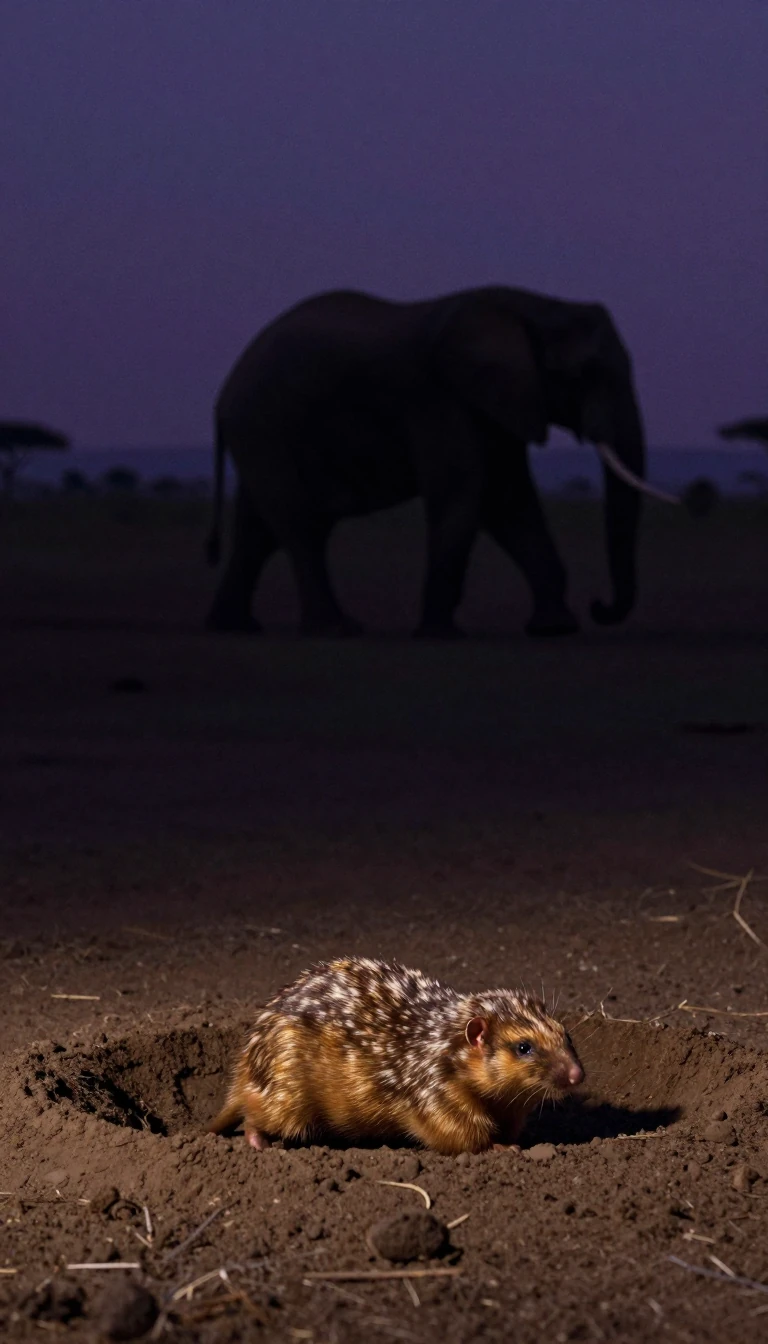 Elephants' earliest ancestors weighed about as much as a house catAround 60 million years ago in Africa, the first members of the elephant lineage, such as Eritherium, weighed just 3 to 8 kilograms. Their descendants grew into some of the larges…
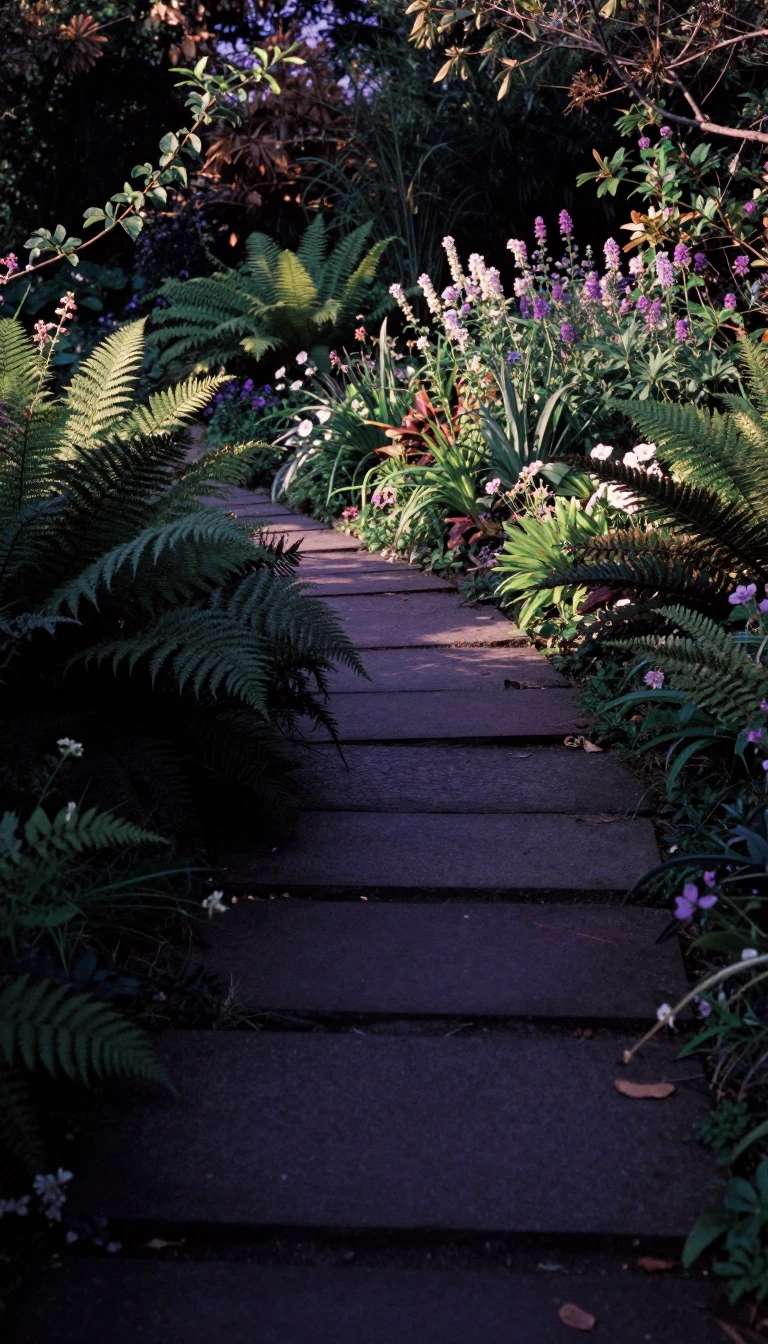 Protea flowers are named for a Greek god who kept changing shapeLinnaeus named Protea after Proteus, the sea god who could take many forms, and the family lives up to it. Proteaceae run from ground-hugging shrubs to 40-metre forest trees, with…
 Protists are defined by what they are not, and most remain unnamedBiologists define protists by exclusion: any organism with a nucleus that is not an animal, land plant or fungus. That leftover category turns out to hold most of the diversity of…
 Protozoa once included corals and jellyfish as the first animalsWhen the zoologist Georg Goldfuss coined the word protozoa in 1818, meaning first animals, he threw in not just microbes but sponges, corals, jellyfish and rotifers. Two centuries…
- The oyster mushroom on your plate hunts and digests tiny wormsOyster mushrooms look gentle, fanning out from dead logs in pale shelves. Underground, their threads trap and digest nematodes, microscopic roundworms, apparently to harvest nitro…
- Three of the most farmed plum species have never been found in the wildPlums may be among the very first fruits humans domesticated. Three of the most widely grown species exist only around human settlements, with no known wild populations, and plum …
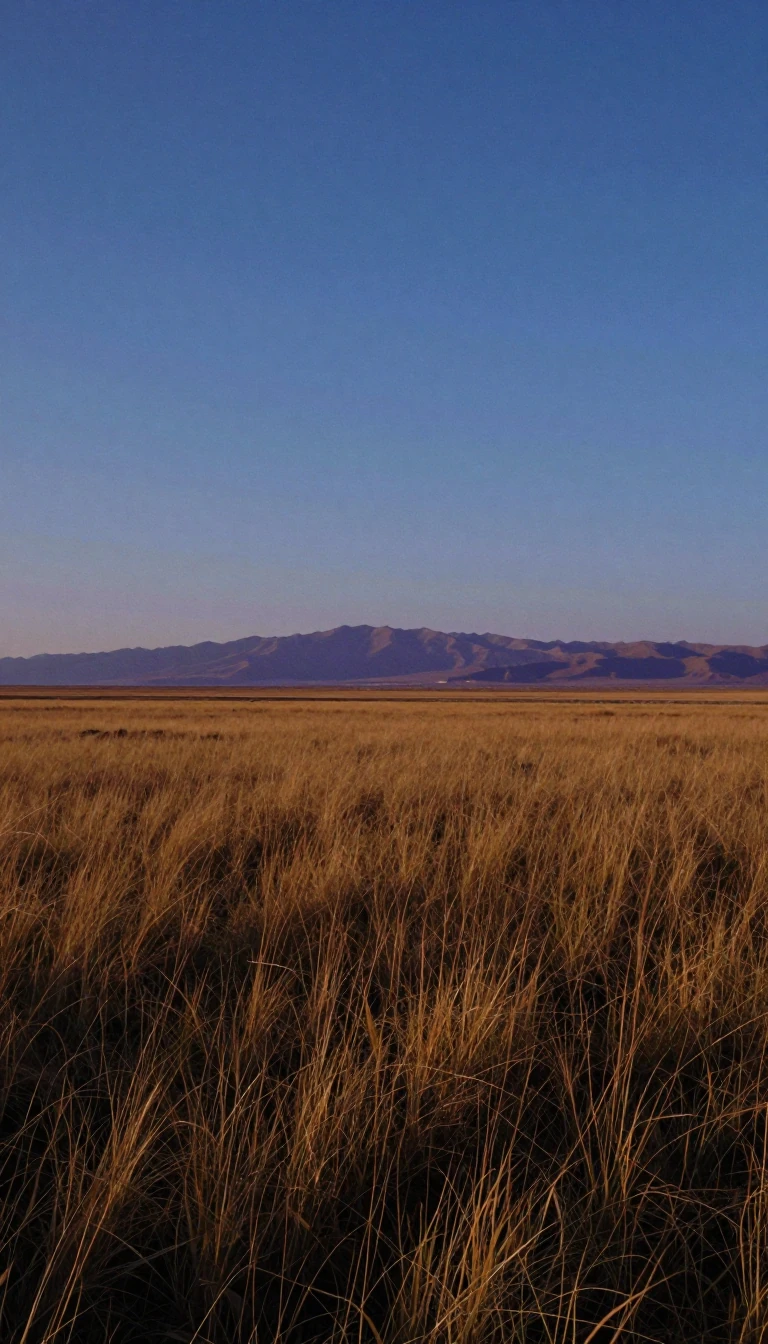 Grass survives mowing because it grows from the bottom, not the tipMost plants grow from their shoot tips, so cutting them off does real harm. True grasses put their growing point low, at the base of each leaf blade, an adaptation to grazing anim…
 Podocarpus is a conifer whose cones pose as juicy berriesConifers usually mean woody pine cones, but Podocarpus plays a different game. Its few cone scales swell and fuse into a bright, fleshy, berry-like base that birds eat, spreading …
 The deadly poinsettia myth began with a 1919 rumourMany people believe a single poinsettia leaf can kill a child. It can't. The scare traces back to a 1919 urban legend, later repeated in a book and even an FDA newsletter. Researc…
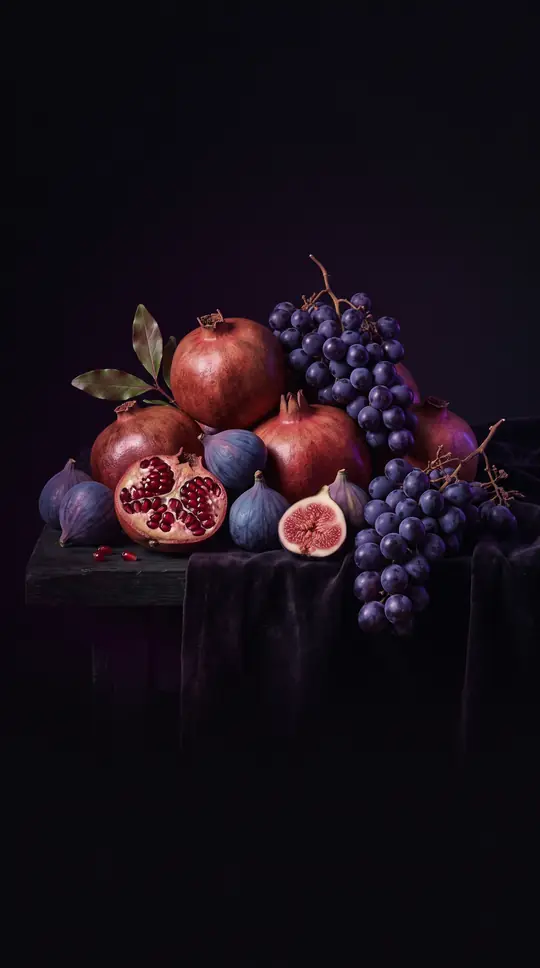 The hand grenade and the garnet both take their names from pomegranatesThe modern French word for pomegranate, grenade, gave its name to the military explosive, and the deep red garnet likely owes its name to the fruit's pulp too. The pomegranate its…
- Europe had beans long before the common bean arrived from the AmericasThe beans ancient Greeks and Romans ate were Asian species, unrelated to the common bean whose seeds and green pods fill markets today. When Phaseolus vulgaris crossed the Atlanti…
 Some philodendron flowers heat up, burning oxygen as fast as hummingbirds doDuring flowering, some philodendrons warm the central spike of their bloom in three separate peaks. The heat stirs up beetles sheltering inside, spreads scent into the air and may…
- Some pine cones stay sealed for years until a wildfire melts them openCertain pines, including Pinus radiata, lock their cones shut with resin and hold their seeds for years. Only the heat of a forest fire melts the seal. The seeds then drop onto fr…
- Hawaii barred imported hummingbirds to keep its pineapples free of seedsWild pineapples rely mostly on hummingbirds for pollination, but pollinated fruit develops seeds, and seeds spoil the eating quality. So in Hawaii, where pineapples were grown and…
 Seals are cousins of weasels, raccoons and red pandasSeals, sea lions and walruses look like a world apart from land carnivores, yet their nearest living relatives are the musteloids: weasels, raccoons, skunks and red pandas. The tw…
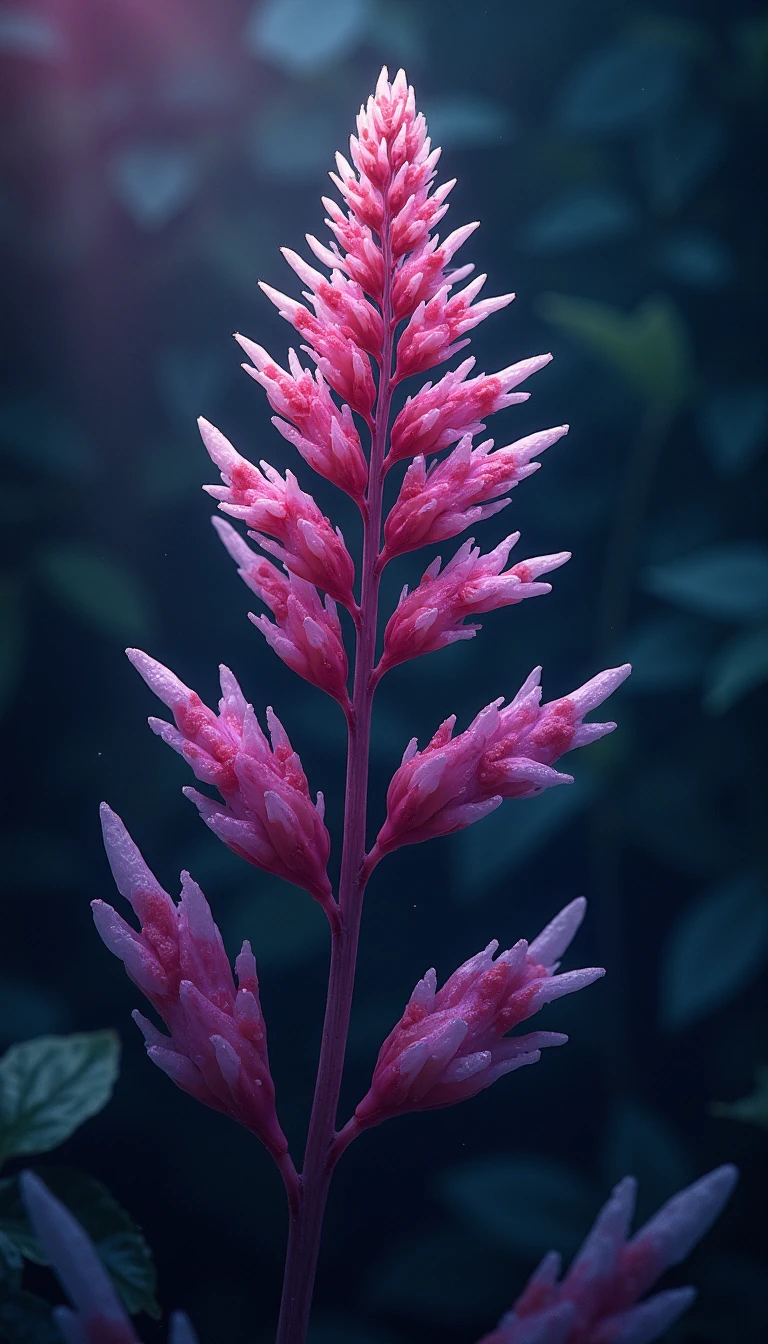 For Aristotle, anything alive that was not an animal counted as a plantThe ancient Greek scheme was simple: living things with a sensitive soul were animals, and those with only a vegetative soul were plants. Under that view the plant kingdom swept i…
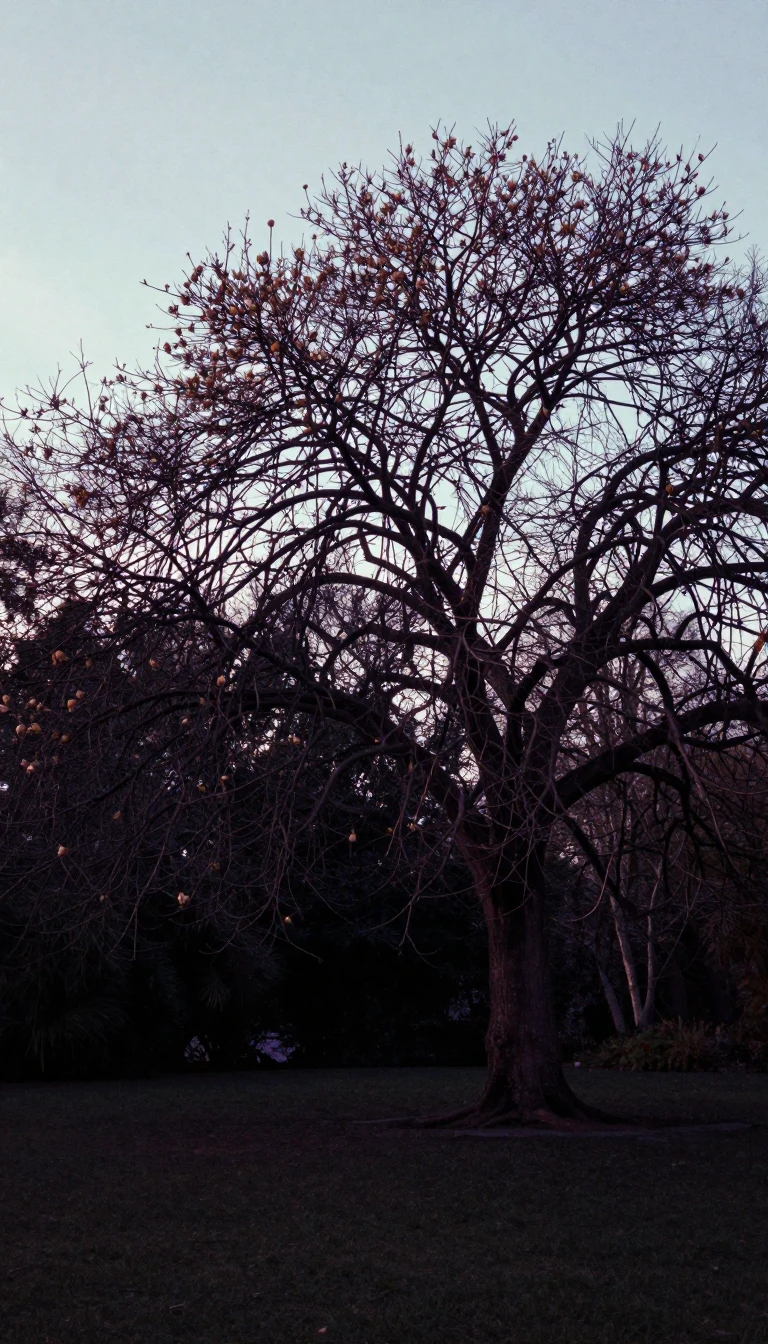 The London plane thrives in cities, though its relatives prefer riverbanksMost plane trees grow wild along rivers and in wetlands, yet one hybrid, the London plane, has turned out to be remarkably tough in cities. It lines streets in London and across t…
 A single-celled paramecium backs up and tries again when it hits somethingBump a paramecium into an obstacle and the hairlike cilia covering it reverse their power stroke, sending it swimming backwards for a moment before it sets off again at a new angl…
- Paranthropus had a gorilla-style skull crest on a small, upright bodyThe robust australopithecines had huge jaws, broad grinding teeth and a bony ridge along the top of the skull that anchored powerful chewing muscles. Below the neck they were smal…
 Parsley's name means rock celery, and the root goes back to Linear BBehind the word parsley sits the Greek petroselinon, rock celery. The celery half, selinon, is ancient enough to appear in Mycenaean Greek as se-ri-no, written in the Linear B scr…
- Before cane sugar reached Europe, the humble parsnip served as a sweetenerParsnips taste sweeter than carrots, and they get sweeter still if left in the ground through winter frosts. That natural sugar made them useful in Europe as a sweetener before ca…
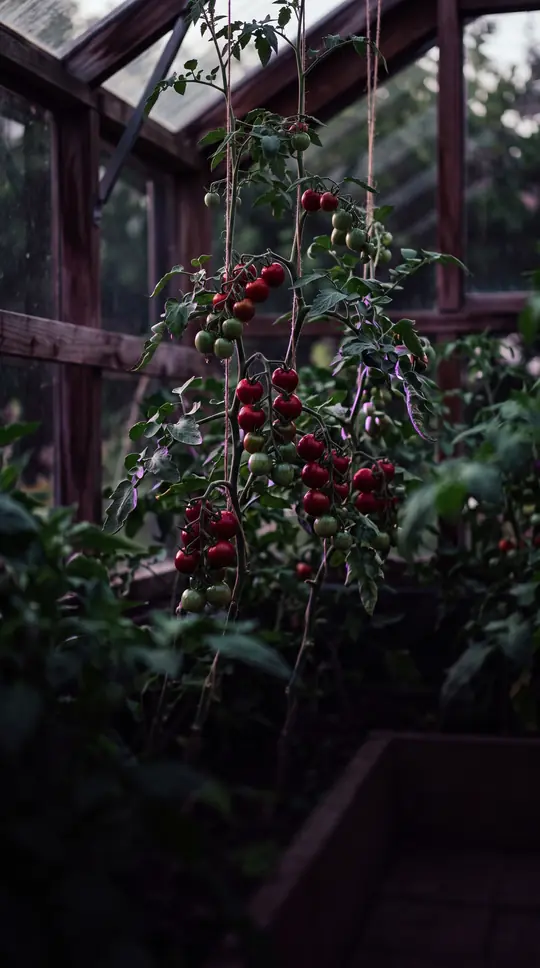 The word pea exists because English speakers misread pease as pluralEnglish originally had the noun pease, as in pease pudding. Because it ended in an s sound, speakers assumed it must be plural and trimmed it to make a singular: pea. Linguists ca…