 Intellect Plus
Organisms
1,988 cards. Each one is a 40-second story with a five-minute read behind it. Page 24 of 34.
 The battlefield of Marathon was named for fennel, and so was Madeira's capitalIn Greek, fennel is marathon, so the famous battle was fought on a fennel plain. In myth Prometheus smuggled fire from Olympus inside a hollow fennel stalk, and Portuguese settler…
 Every fern lives two lives, and one is a tiny green heartThe leafy fern you know is only half the story. Its spores grow into a separate, free-living plant just millimetres across, shaped like a heart, whose sperm must swim through wate…
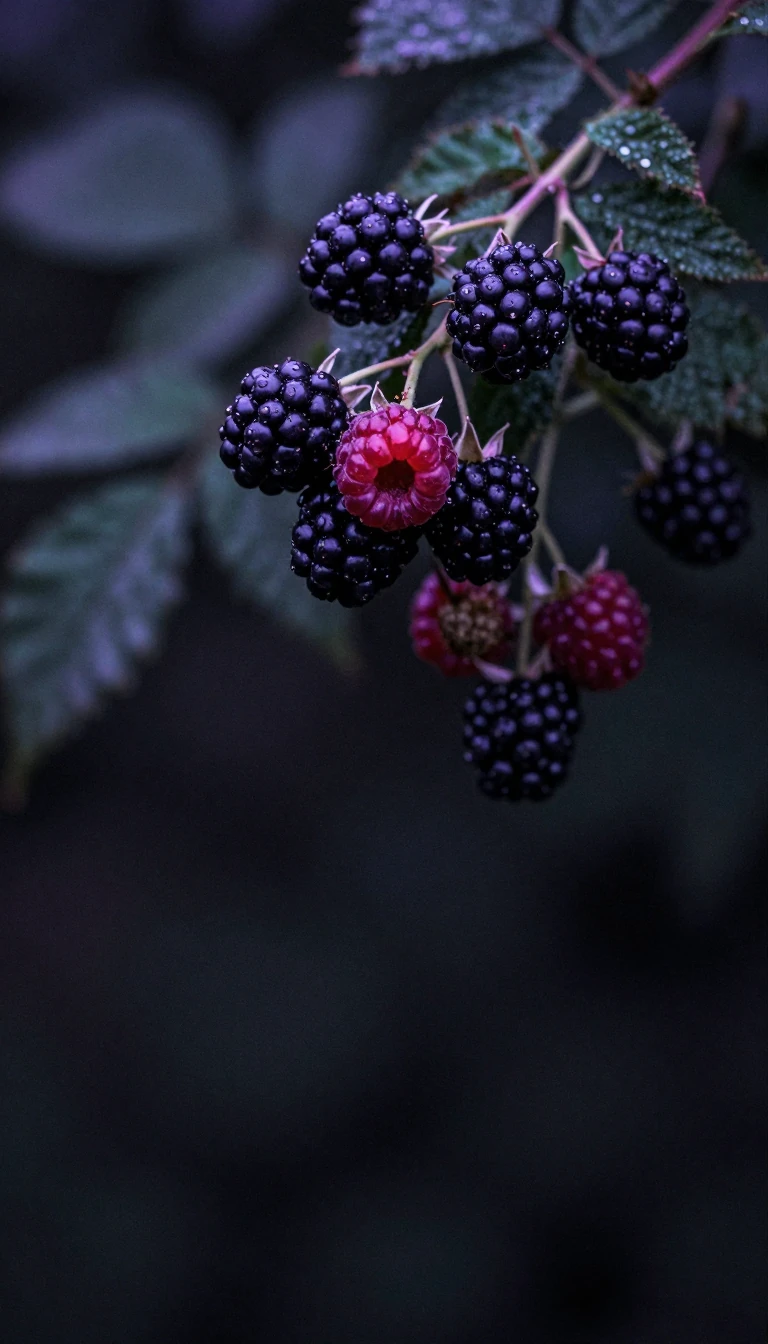 Blueberries, cranberries and rhododendrons are cousins that thrive where soil is poorThe heather family, Ericaceae, holds about 4,250 species, from creeping heaths to rhododendron trees, and many of them flourish in acidic, nutrient-starved ground that defeats oth…
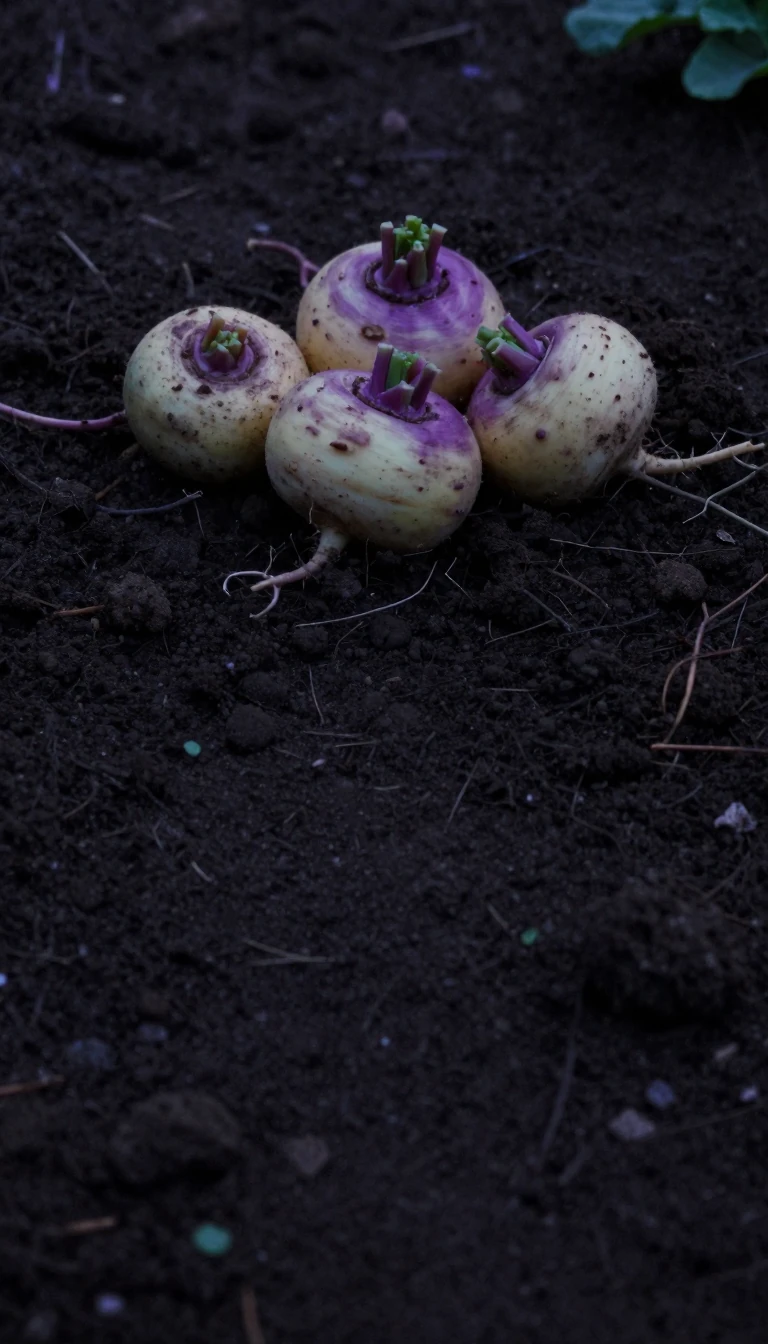 The word aubergine travelled from Tamil country through Persia, Arabia and SpainEggplant, aubergine, brinjal, melanzana: one vegetable, a tangle of names that all but one trace to a single ancient Dravidian word from southern India. Along the way the Sanskrit…
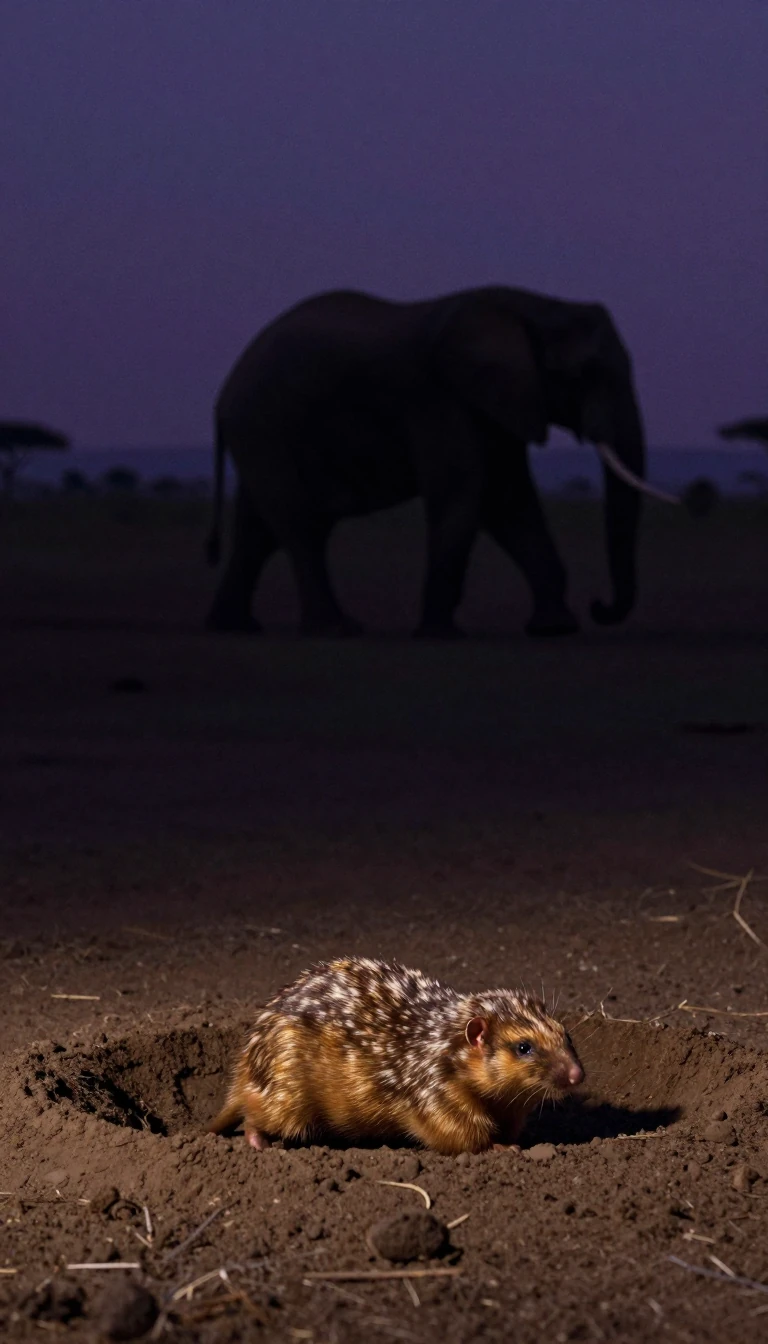 An elephant's trunk has up to 150,000 muscle bundles and no boneThe largest land animals descend from a creature weighing just 3 to 8 kilograms that lived in Africa 60 million years ago. Today's elephants pick up food with a boneless trunk of …
 A beetle-borne fungus wiped out most of the West's mature elmsElms once lined the streets of Europe and North America and filled English hedgerows at densities above 1,000 trees per square kilometre. Then Dutch elm disease, a microfungus car…
 Horsetails are the last survivors of plants that once grew 30 metres tallThe humble horsetail in a damp ditch is the only living genus of a plant group that dominated late Paleozoic forest floors for over 100 million years. Some of its extinct relative…
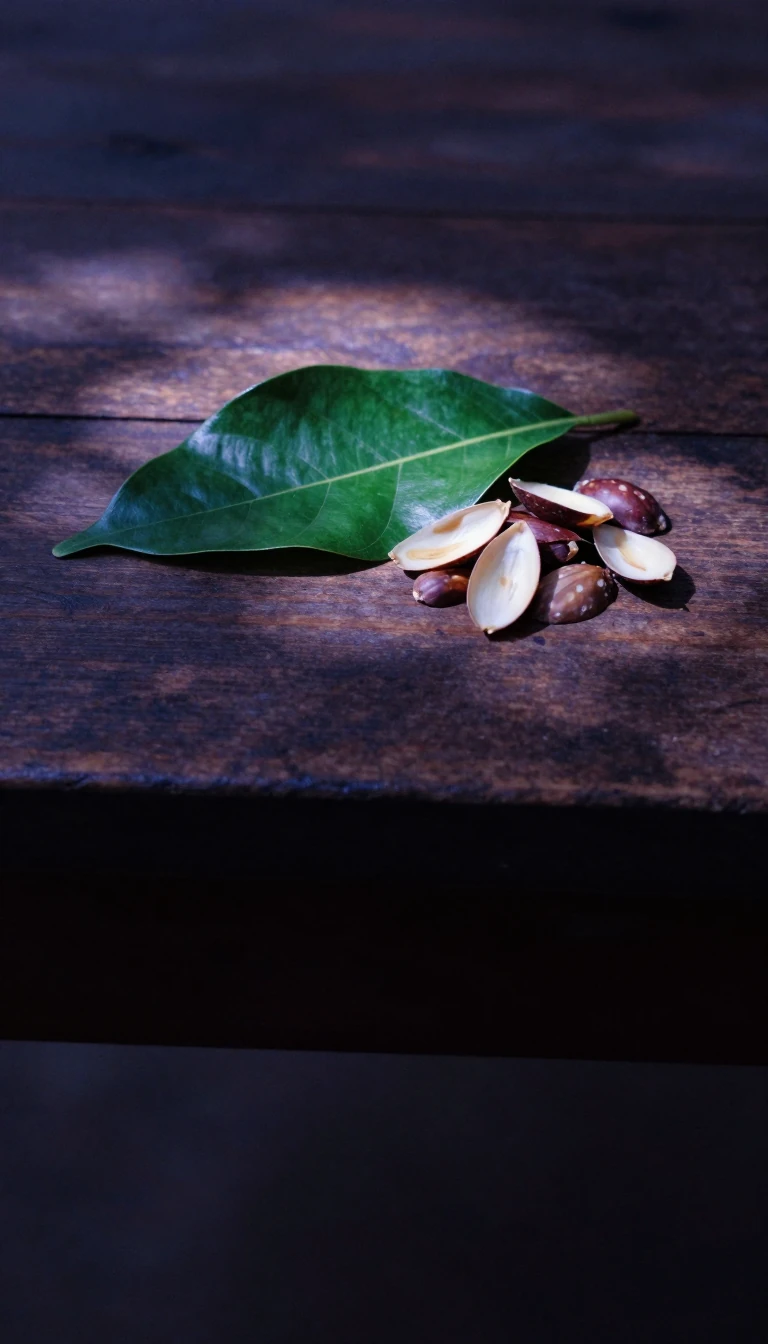 Cycads look like palms but split from them hundreds of millions of years agoWith stout trunks and crowns of stiff feathery leaves, cycads pass easily for palms. They are not even close relatives. These slow-growing seed plants date back roughly 300 millio…
 The dahlia reached Europe thanks partly to a spy sent to steal dye bugsDahlias come in nearly every colour except blue, from 5-centimetre buttons to dinner plates a foot across. That dazzling range comes from genetics: garden dahlias carry eight sets…
- In North America, the humble daikon is mostly planted to be left in the groundAcross Asia the long white radish goes into kimchi, pickles, turnip cake and bánh mì. In North America farmers mostly never harvest it: they sow it so its giant taproot can drill …
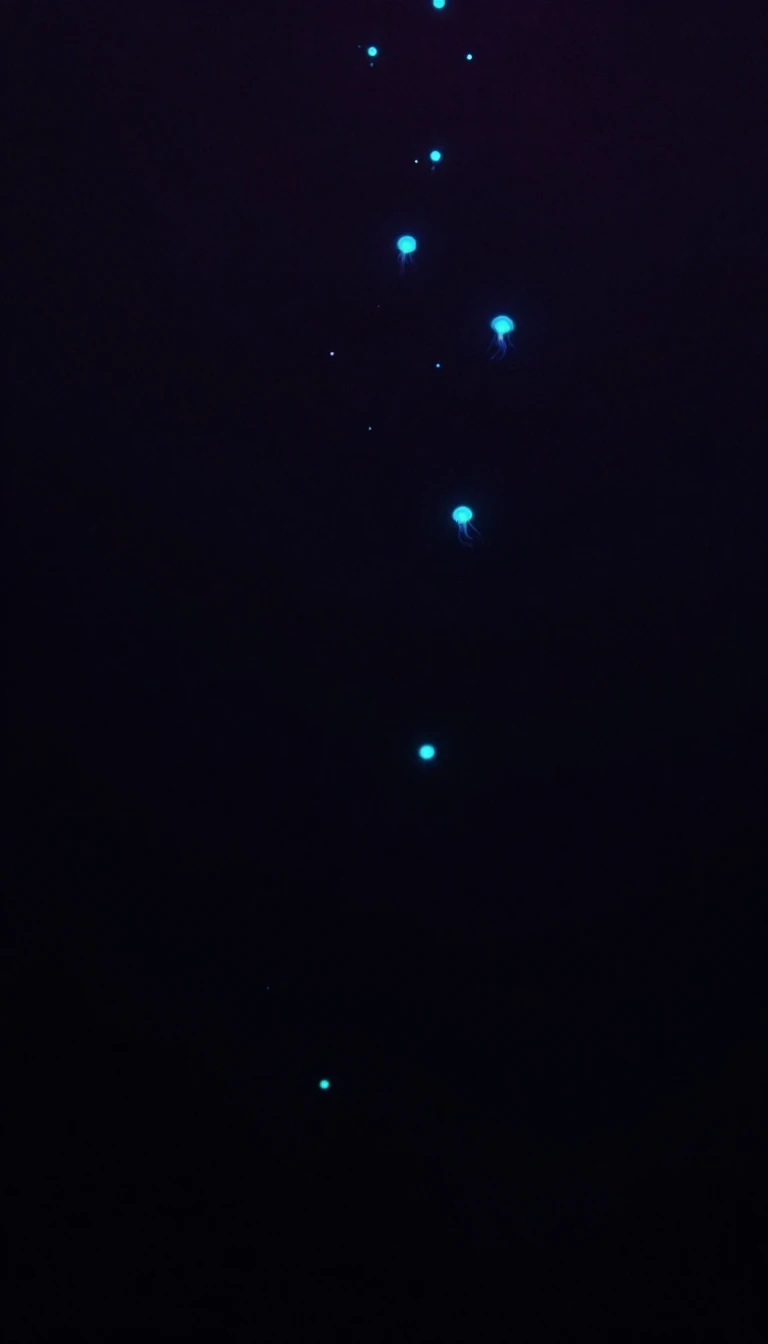 Microscopic algae in glass shells make a huge share of Earth's oxygenDiatoms are single cells encased in intricately patterned walls of silica, glassy enough to earn the nickname living opals. They produce an estimated 20 to 50 percent of the plane…
 The plankton behind glowing waves and red tides spins as it swimsNamed for their whirling swim, dinoflagellates are single cells that can make the sea sparkle blue-green at night or turn it red with toxic blooms. Some live inside corals, some h…
 Ebony and persimmons come from the same genus of 'divine fruit'The jet-black wood of fine ebony and the sweet orange persimmon both come from Diospyros, a genus of over 700 trees and shrubs. Its Greek name means roughly Zeus's wheat, or divin…
 Romans fattened dormice in special jars and served them dipped in honeyDormice can sleep through half the year, fattening up in summer and hibernating six months or more. That habit made them a Roman delicacy, raised in special enclosures and eaten a…
- The Douglas fir is not a fir, a pine or a spruceWestern North America's giant conifer has been called Oregon pine, Douglas spruce and red fir, yet it is none of those. Its genus name means false hemlock, and it is not a hemlock…
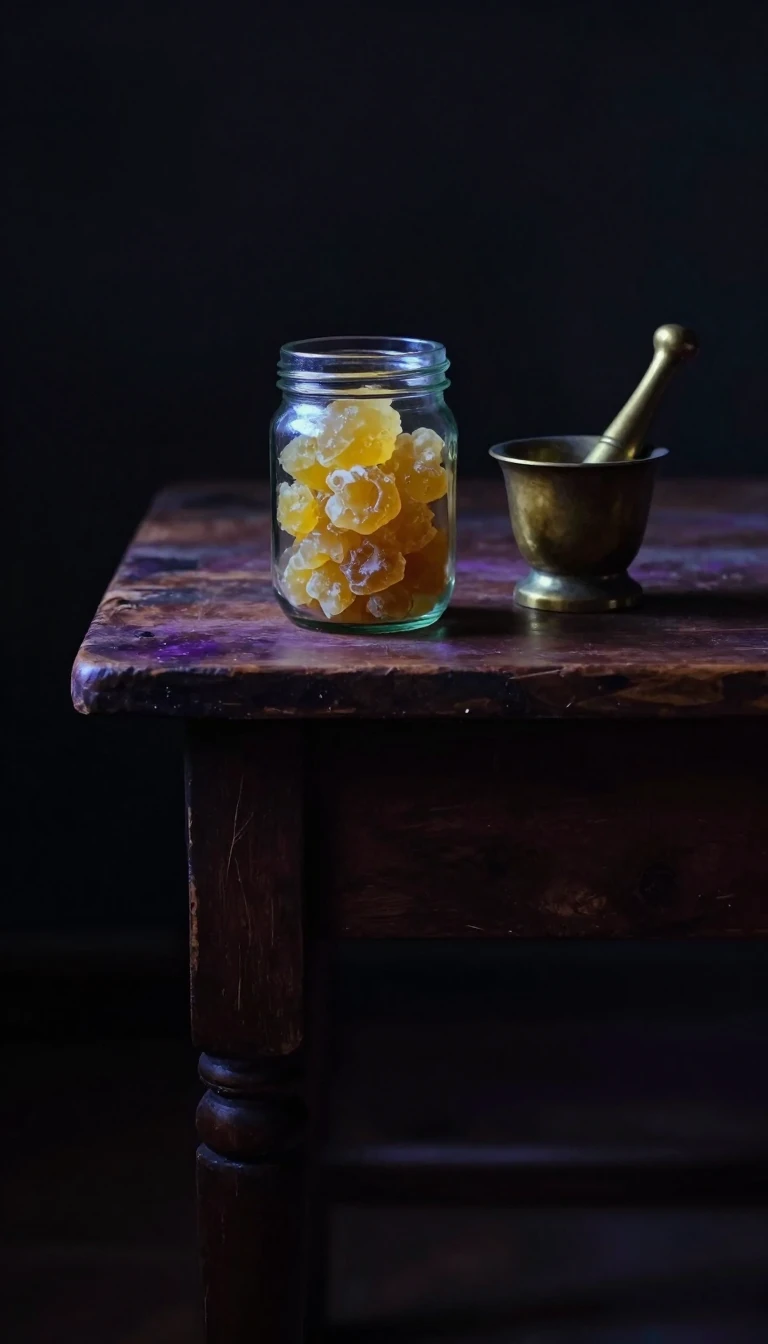 Durian smells so strong that hotels and trains ban itThe spiky durian can weigh three kilograms, tastes of custard with savoury undertones and gives off an odour that may linger for days. Some find it sweet, others find it revolting…
 Sea lions can walk on all fours, and true seals cannotLook for the ears. Sea lions and fur seals have small visible ear flaps, and they can swing their hind flippers forward to walk on land. Males can outweigh females sixfold, making…
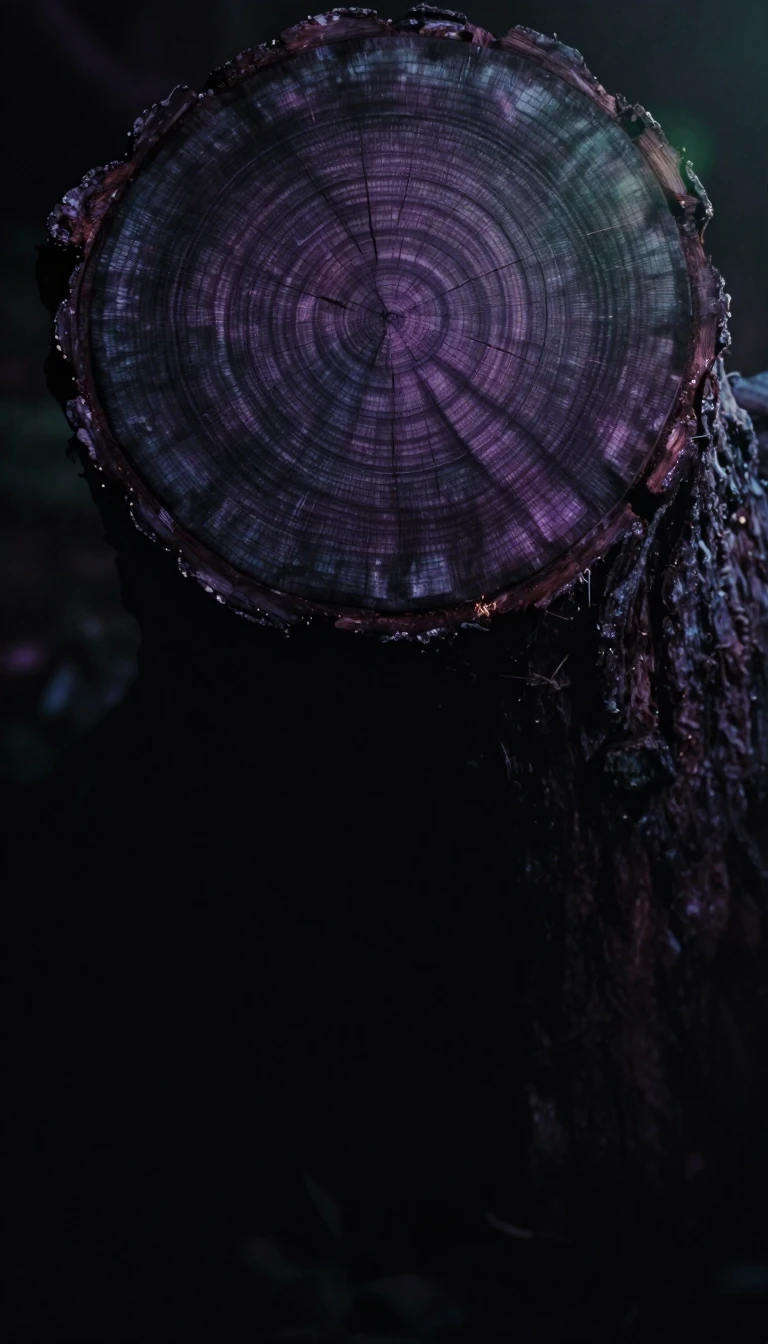 Some cypresses wait for fire before they let their seeds goMany cypress species keep their seeds sealed inside cones for years, releasing them only after a fire kills the parent tree and clears the ground. One Tibetan species reaches abou…
 Every breath you take owes something to blue-green bacteriaCyanobacteria were the first living things known to release oxygen, and over billions of years they turned Earth's air from oxygen-free to breathable, literally rusting the planet…
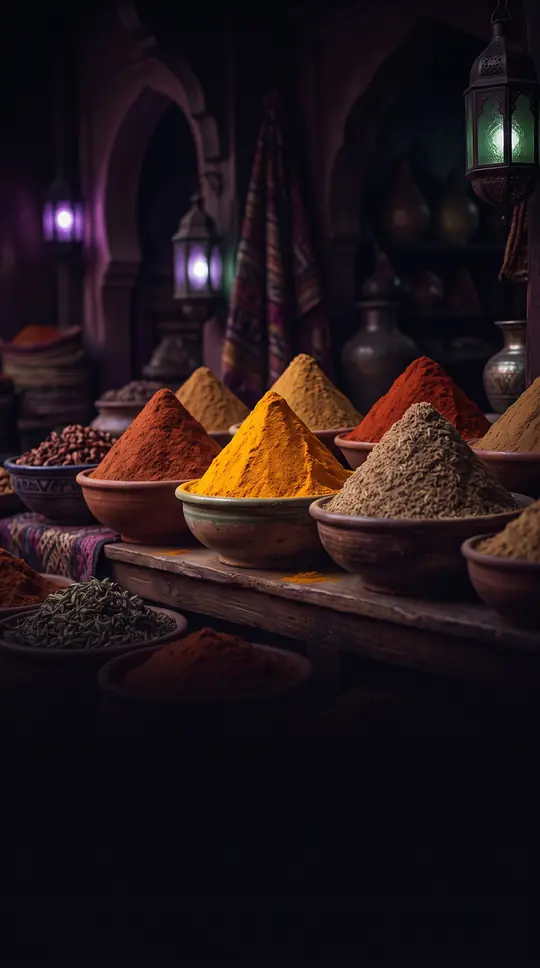 Cumin's name has passed from Sumerian clay tablets to modern kitchensSay cumin and you are repeating a word roughly as old as writing. It runs back through Latin cuminum and Greek kuminon to Akkadian kamunu and finally Sumerian gamun. The seeds the…
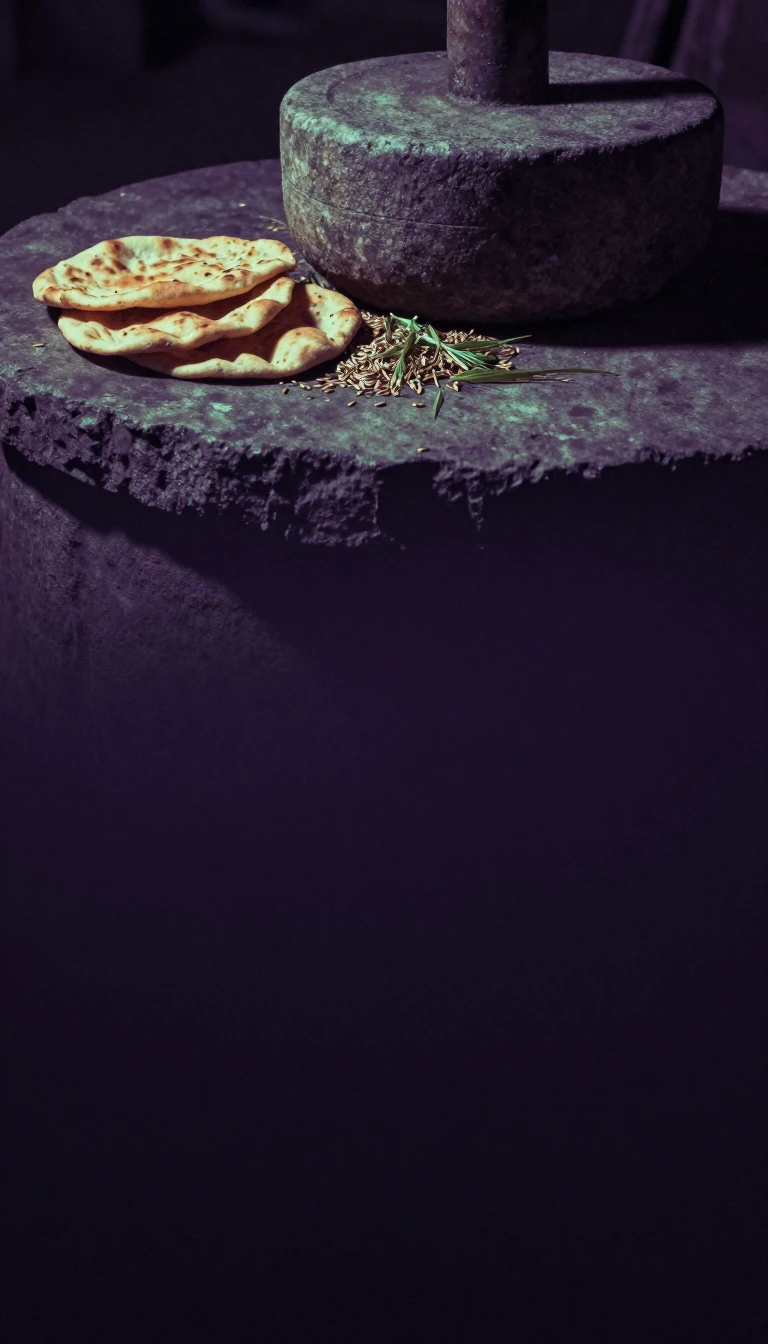 Bread wheat carries six chromosome sets inherited from three different grassesThe wheat in nearly every loaf is an accidental hybrid. About 8,000 years ago, a farmed wheat crossed with a wild goatgrass near the Caspian Sea, producing a plant with six sets o…
 Plantains rank as the world's tenth most important staple foodPlantains and other cooking bananas feed a huge share of the tropics, ranking tenth among the world's staple foods. In Africa, plantains and bananas supply over a quarter of the c…
 Nobody is sure why the dogwood is named after dogsEnglish speakers called it the dog-tree before 1548, and by 1614 it was the dogwood. One old theory says the word was really dag, a skewer, because butchers made skewers from its …
- Cranberries don't grow underwater; farmers flood the beds only at harvestThose photos of farmers wading through seas of floating red berries give a misleading impression. Cranberry beds are not kept flooded; through the growing season they are simply i…
 Europe's first lasting modern humans were named after a railway roadworks findIn 1868, workers cutting a road toward a railway station in the Dordogne stumbled on a rock shelter. Inside, Louis Lartet found five skeletons, and the spot's name, Cro-Magnon, be…
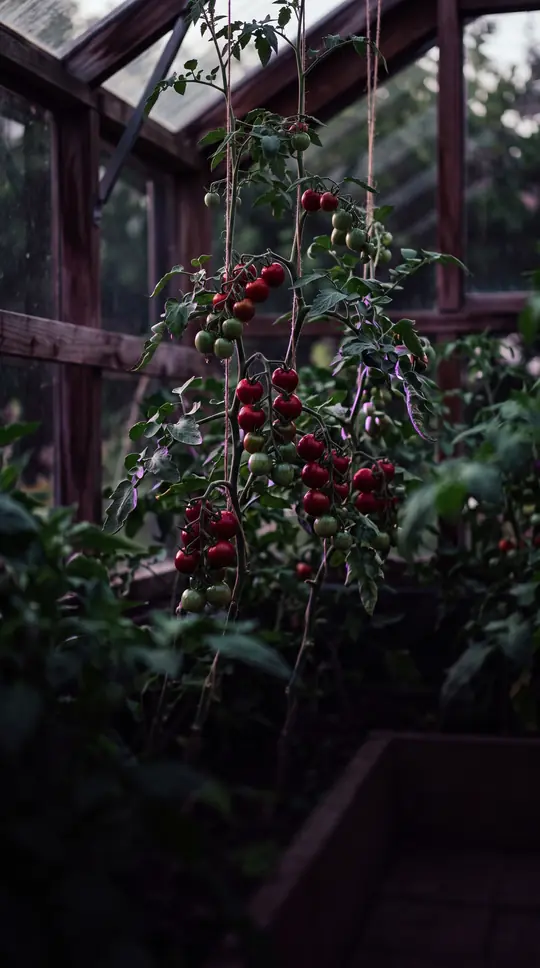 A Roman emperor wheeled his cucumbers into the sun every dayTiberius wanted cucumbers at every meal, winter included. According to Pliny the Elder, his gardeners planted them in raised beds mounted on wheels, rolled them out into full suns…
- Honeydew, cantaloupe and snake melon are all one species, tamed four separate timesA smooth pale honeydew, a netted cantaloupe and a long, cucumber-flavoured snake melon look like three different crops. They all belong to Cucumis melo, a single species that peop…
 From a 4-centimetre wild gourd to a pumpkin heavier than a tonneWild squash fruits can be as small as 4 centimetres across. In 2014, Beni Meier of Switzerland set the world record with a pumpkin weighing 1,054 kg. Both belong to Cucurbita, a g…
 Ciliates keep two genomes: one for heredity, a shredded copy for daily lifeEach ciliate carries a small nucleus that it passes to offspring but never reads, and a huge working nucleus built by chopping, copying and splicing that inherited DNA. In some sp…
 Spice traders invented giant cinnamon birds to hide where cinnamon grewHerodotus reported that huge birds built nests from cinnamon sticks gathered in an unknown land. Pliny called it a traders' fiction designed to inflate prices, yet the tale still …
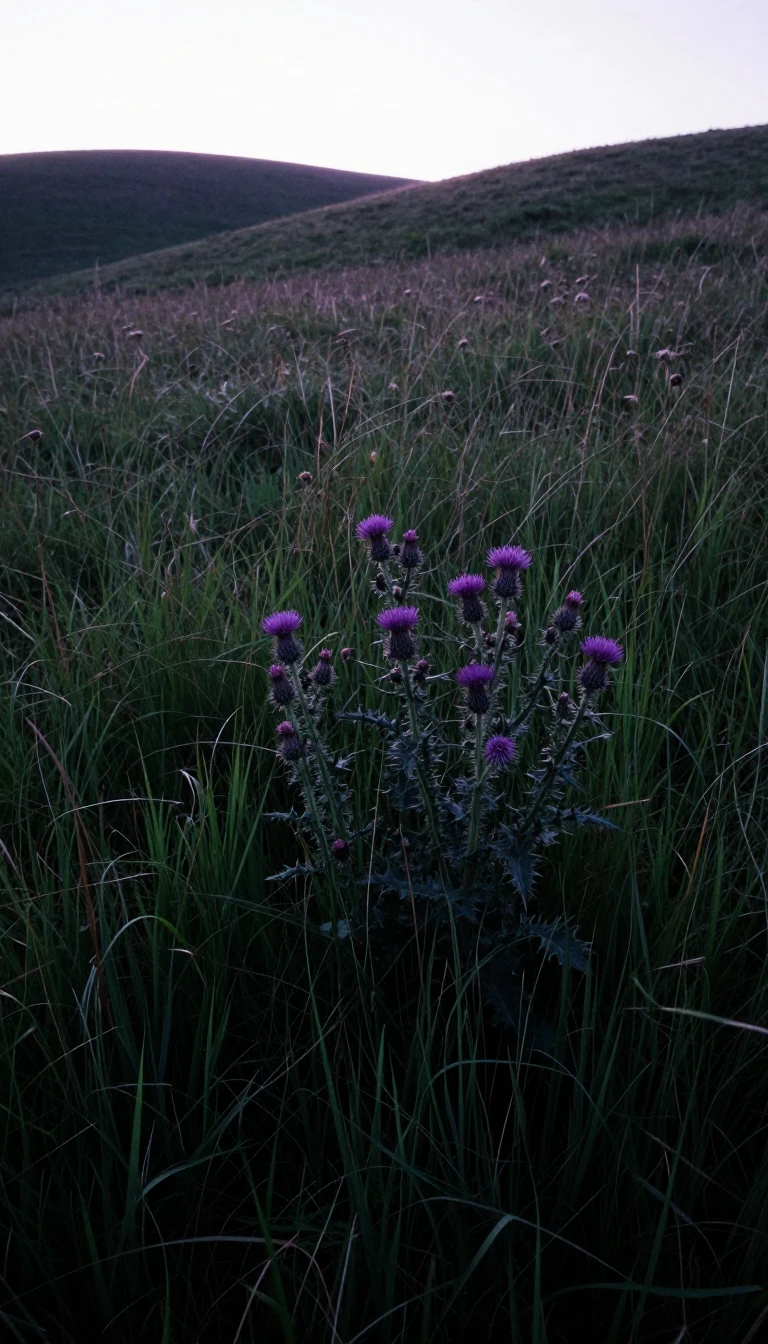 A thistle banned as a noxious weed ranks among Britain's best nectar plantsSpear thistle is Scotland's national flower, a legally listed noxious weed in nine American states, and one of the richest nectar sources in the British countryside. That split pe…
- Oranges, lemons and limes are nearly all mixes of just three wild fruitsSweet oranges, lemons, grapefruit and limes are not ancient wild species. Nearly every major commercial citrus is a hybrid of three ancestors, the mandarin, the pomelo and the cit…
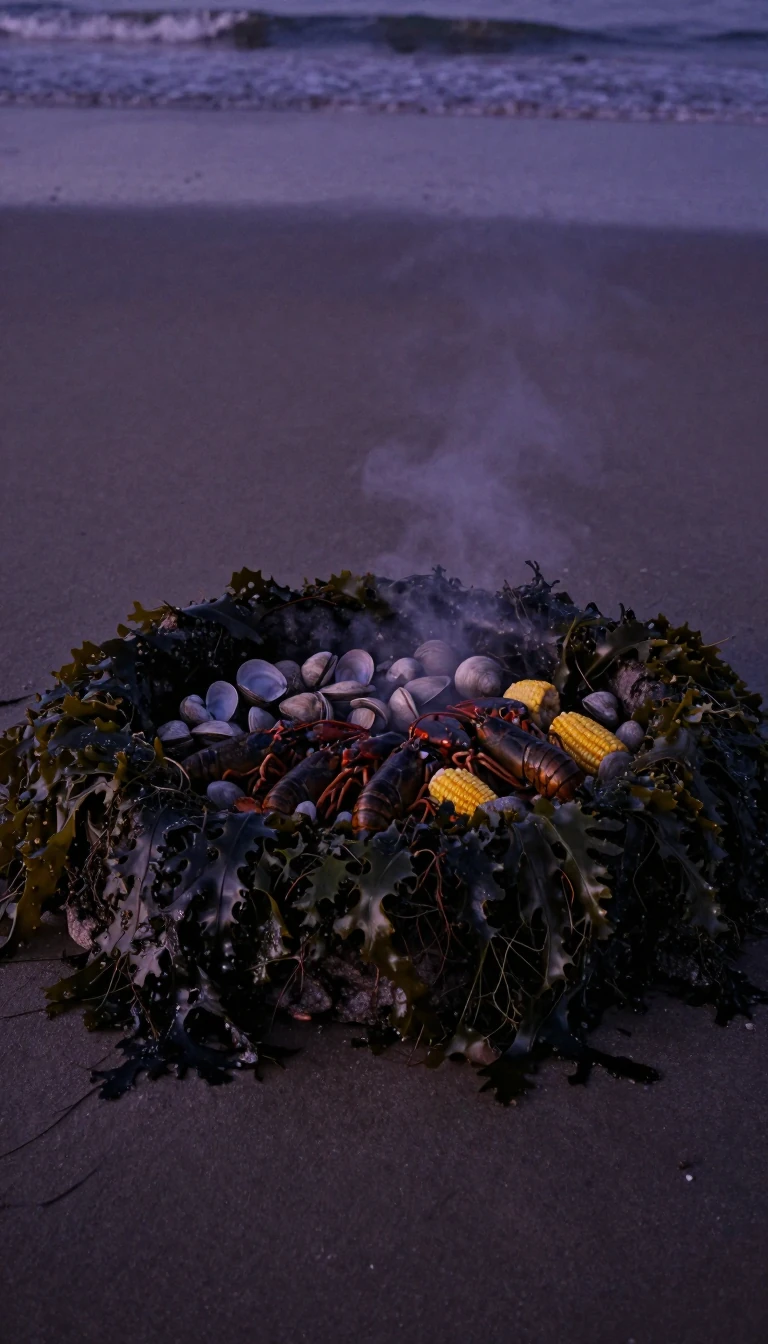 Cloves from a few tiny Indonesian islands reached Syria by 1720 BCUntil colonial times, clove trees grew only on a handful of islands in Indonesia's Moluccas. Yet cloves turned up in a burned house in Terqa, Syria, dated to 1720 BC, and Han dyna…
- Coconuts couldn't float across the Pacific alone; people carried themCoconuts are famous for drifting on ocean currents, yet models of Pacific winds and currents show they could not have crossed that ocean by themselves. Austronesian voyagers domes…
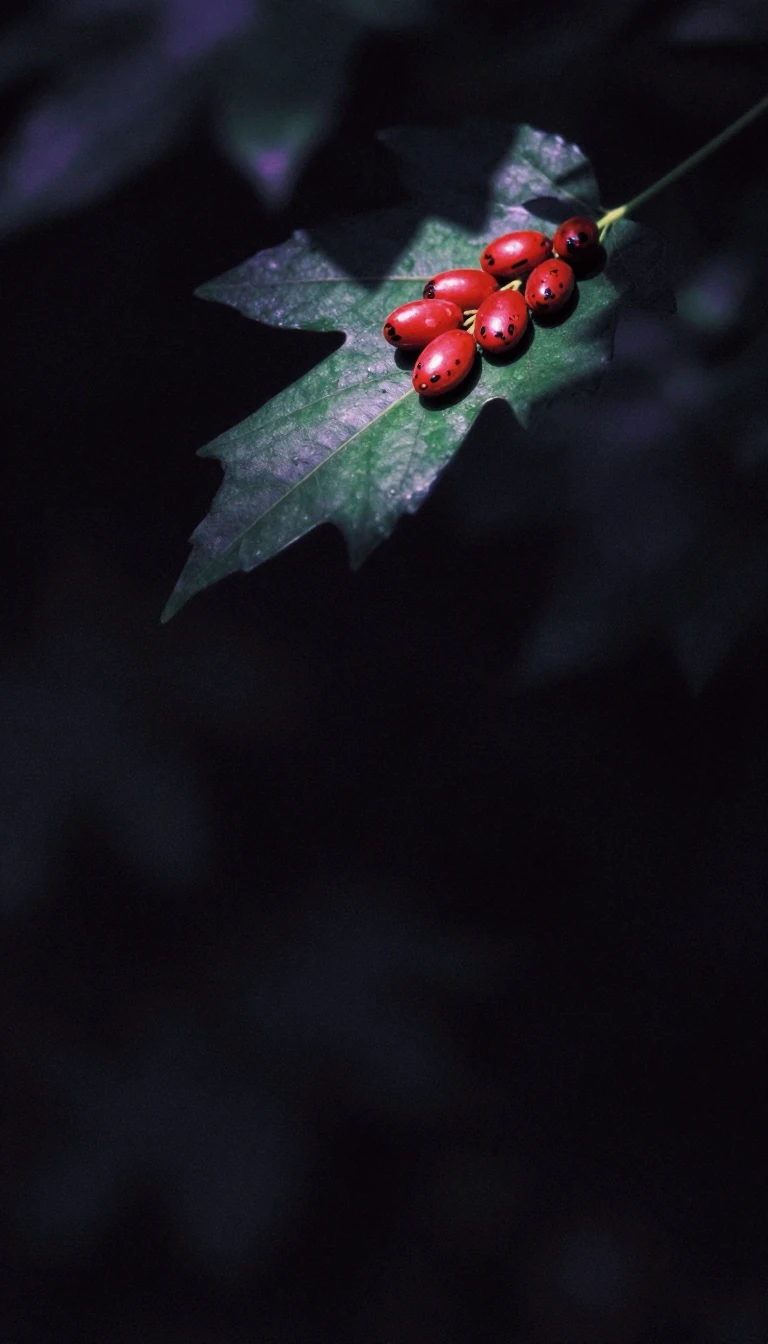 The autumn crocus isn't a crocus, and every species is poisonousAutumn crocus, meadow saffron and naked lady all name Colchicum, a genus that is neither crocus nor saffron. Its bare, crocus-like flowers rise in autumn months before any leaves …
- Collards, cabbage and broccoli are the same species wearing different leavesCollard greens belong to Brassica oleracea, the species that also gives us cabbage and broccoli. Collards simply never form a tight head, which helps them shrug off humidity and f…
 Swiss chard is the same species as beetroot, and may not be SwissChard is simply beet grown for its leaves instead of its root, which is why it answers to names like leaf beet, silver beet and perpetual spinach. Nobody is sure where the 'Swiss'…
 Every tree and flower on land grew out of a family of pond algaeCharophytes are humble freshwater green algae, yet land plants evolved from deep within their family tree. That makes oak trees and orchids, in a strict evolutionary sense, highly…
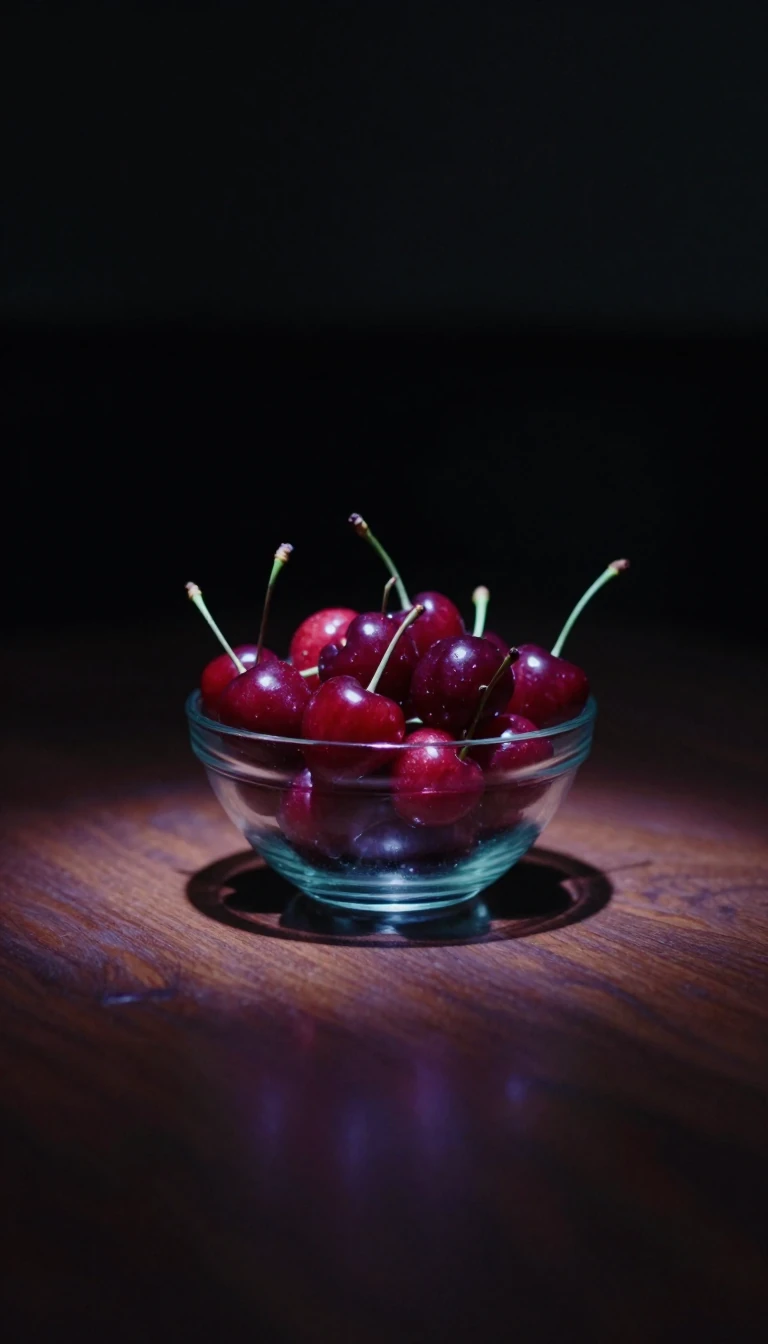 Cherries are named after a Black Sea town and reached England via Henry VIIIThe word cherry traces to Kerasous, near modern Giresun in Turkey, once thought to be where Europe got its first cherries. A Roman general carried a cultivated tree to Rome in 72 …
- Horse chestnuts, water chestnuts and Brazil nuts are not chestnuts at allOnly trees of the genus Castanea, cousins of oaks and beeches, bear true chestnuts. Horse chestnuts are mildly poisonous lookalikes, water chestnuts are sedge tubers, and Brazil n…
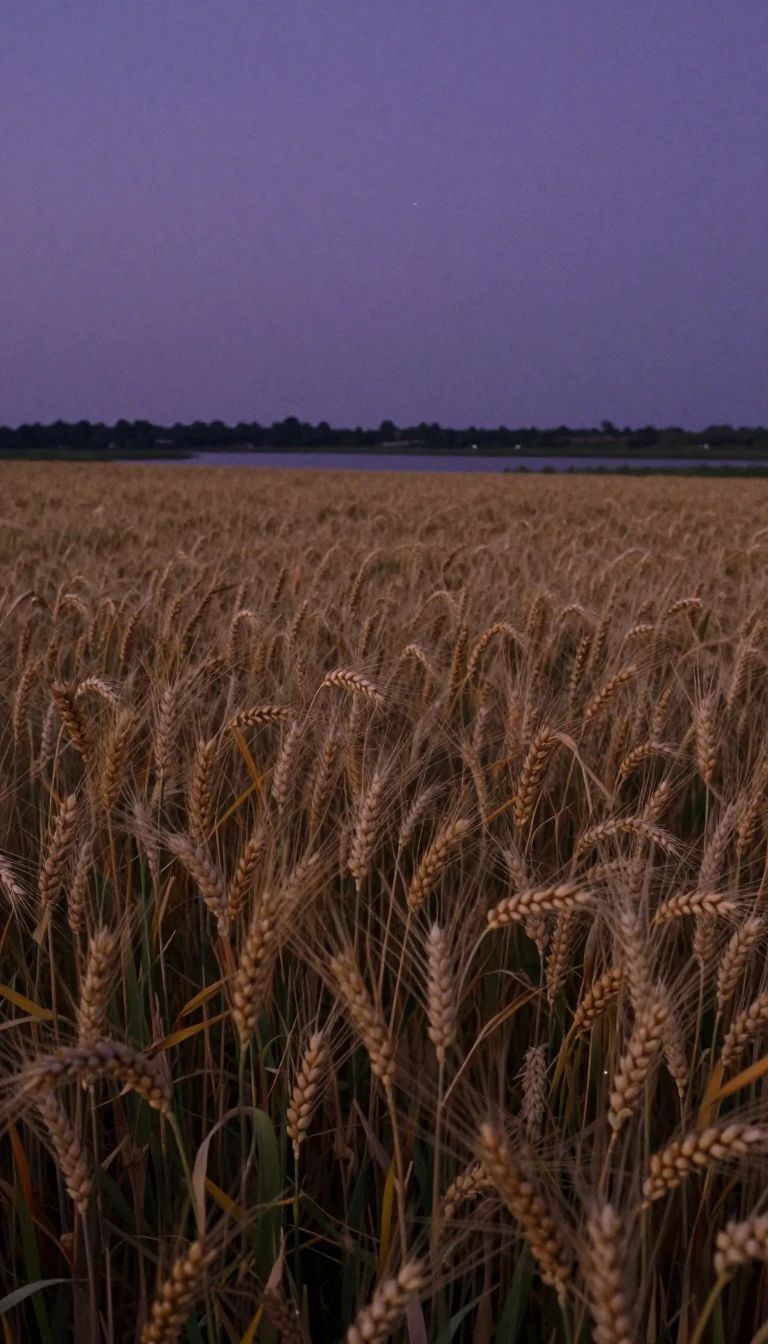 Chickpeas were named for looking like a ram's headThe chickpea's Latin species name, arietinum, comes from the seed's resemblance to a ram's head, a likeness noted by Theophrastus, Columella and Pliny. Domesticated around 10,000 …
 Belgian endive is a chicory root forced to sprout in total darknessThe pale, bitter heads called witloof, 'white leaf', grow from harvested chicory roots left to sprout indoors without light, which keeps the leaves from turning green or opening. …
- Thirsty chili plants make hotter peppersChili heat comes from capsaicin, a colourless, odourless waxy compound. How much a pepper makes depends partly on hardship: water-stressed plants usually yield fiercer fruit, and …
- Green algae fix over a billion tons of carbon a yearChlorophytes range from single swimming cells to seaweeds on rocky shores, and as phytoplankton they lock away more than a billion tons of carbon annually. One species colours alp…
- The canna's showy 'petals' are really transformed stamensCanna lilies are not lilies at all but cousins of gingers and bananas. Their blazing red and orange blooms are mostly modified stamens, while the true petals hide underneath. Belo…
 Capuchin monkeys have been cracking nuts with stone tools for 3,000 yearsCapuchins carry the largest brain relative to body size of any primate besides us, and they use it. Wild groups pick hammer stones by weight, place nuts on stone anvils and strike…
 The world's largest rodent can stay underwater for five minutesCapybaras weigh as much as an adult person, swim superbly and hide beneath the surface for up to five minutes. They are so relaxed that birds ride on their backs hunting insects. …
 Cardamom's name was already on Mycenaean spice tablets written in Linear BScandinavian buns, Indian masala chai and Arabian coffee all lean on the same small green pod. Cardamom ranks among the priciest spices by weight, yet a pinch goes a long way. Its…
 Carrots never gave pilots night vision; radar did, and wartime propaganda hid itDuring the Second World War, Britain spread the story that carrots helped its pilots see in the dark. It was cover for the real secret, radar. The vegetable itself has a stranger …
- The cashew nut grows outside its fruit, wrapped in a poison ivy relative's oilA cashew hangs beneath a fleshy, pear-shaped 'apple' that is not truly the fruit at all. The real fruit is the kidney-shaped shell, and it carries an irritant chemically related t…
- Cauliflower is a flower head frozen before it could bloomThe white 'curd' we eat is a dense mass of undeveloped flower buds, an arrested inflorescence that arose around 2,500 years ago. Genomic work suggests it branched off from broccol…
- Cedar has been prized timber since the days of GilgameshNo conifer has a longer record of human use than the true cedar. For over 4,000 years its fragrant, rot-resistant wood built temples and palaces. Genetic studies now confirm that …
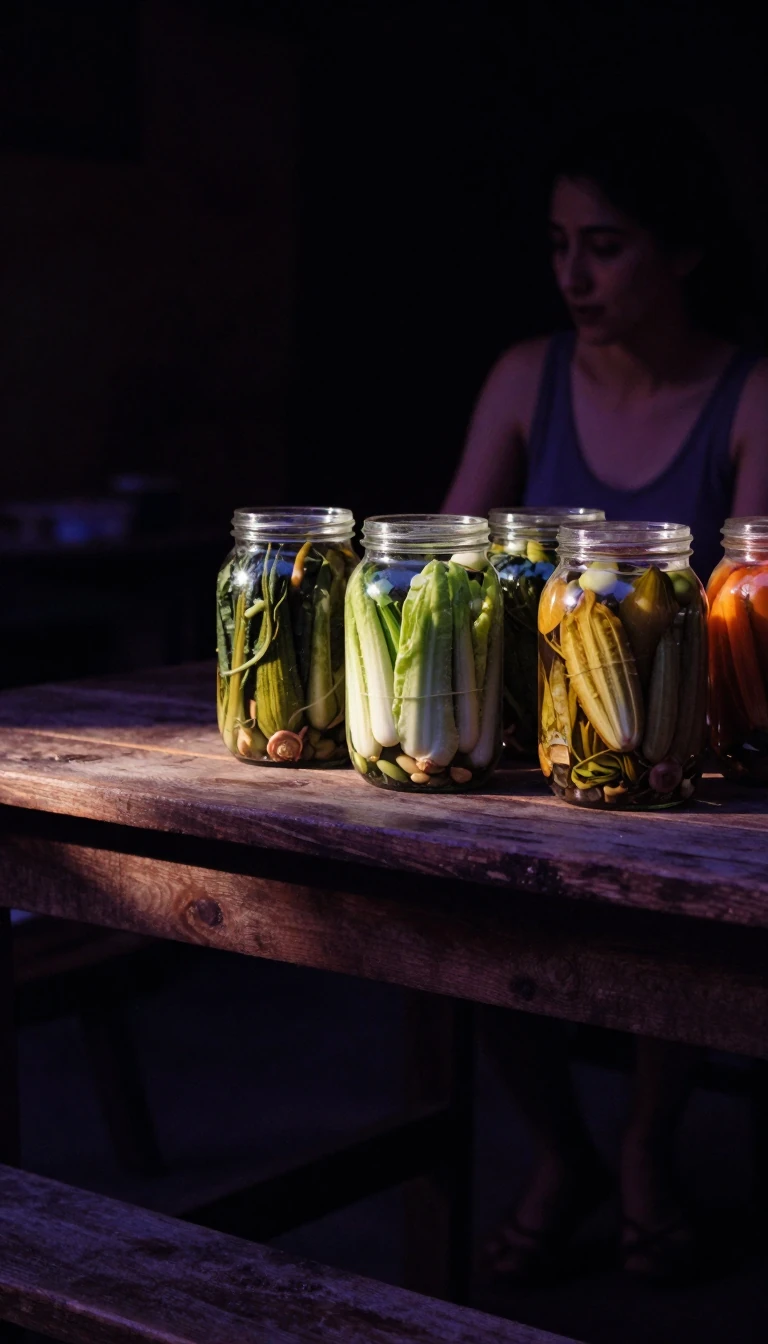 Celery was once a winter remedy against scurvy and an Egyptian funeral garlandBefore it became a diet snack, celery decorated ancient Egyptian funeral garlands and was grown as a cold-season cleanser for people living on salted meat. Its name appears in Lin…
- Most 'chanterelles' in French markets may not be the species people thinkChefs rank the golden chanterelle alongside truffles and morels. Yet DNA work keeps splitting what looked like one mushroom into many, and French specialists Eyssartier and Roux s…
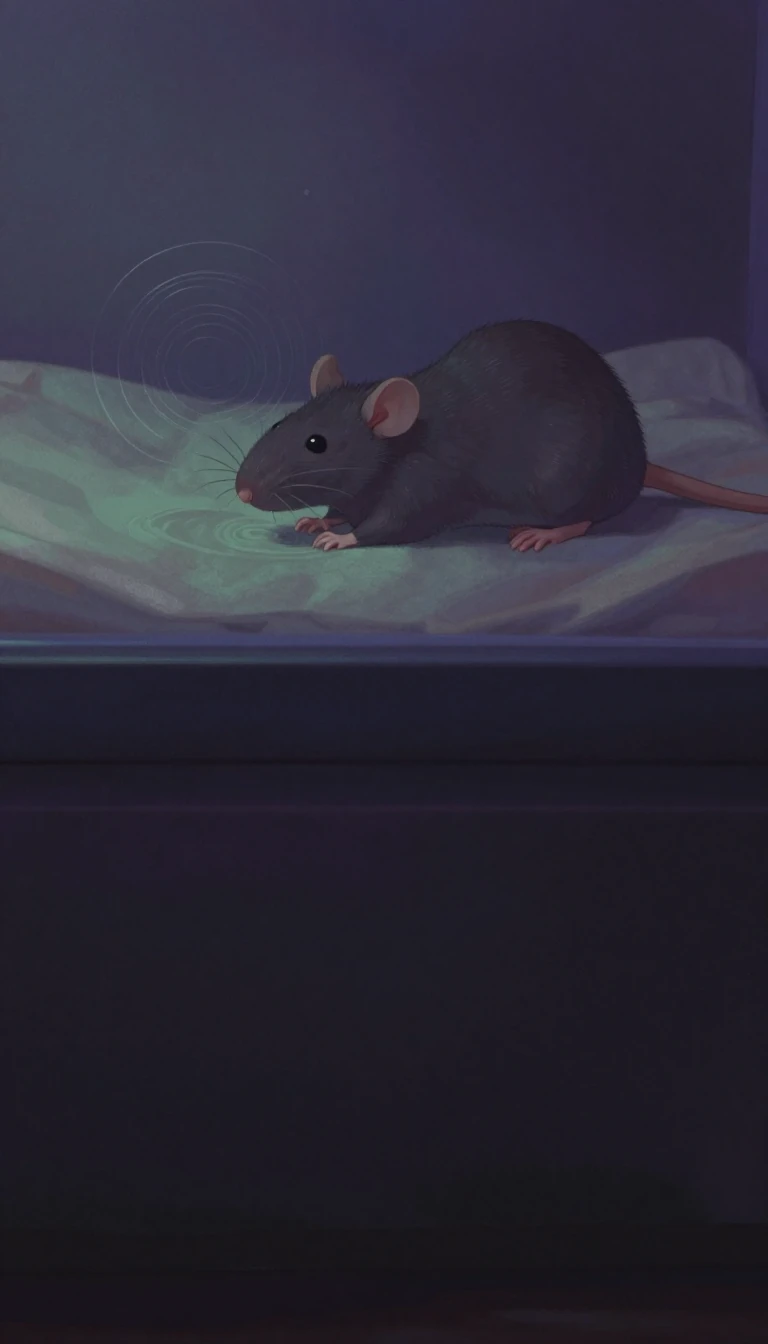 The Norway rat isn't from Norway, and it chirps with delight when tickledThe brown rat's scientific name means Norwegian rat, a mistake popularised by an 18th-century English naturalist. It actually came from northern China. Tickle one and it emits ult…
 In mosses, the plant you see is the half-chromosome generationEvery land plant alternates between two generations, one with a single set of chromosomes and one with two. Trees and ferns put the double-set phase in charge. Mosses, liverworts …
- Buckwheat isn't wheat, isn't a grass, and is closer to rhubarbDespite the name, buckwheat is no cereal. It belongs to the knotweed family alongside sorrel and rhubarb, and its name compares its three-sided seeds to beech nuts. First farmed i…
- Cabbage literally means head, and the record one weighed over 62 kilogramsThe word cabbage comes from caboche, an old Picard French word for head. Most heads weigh half a kilo to a kilo, but under the long summer days of high northern latitudes they bal…
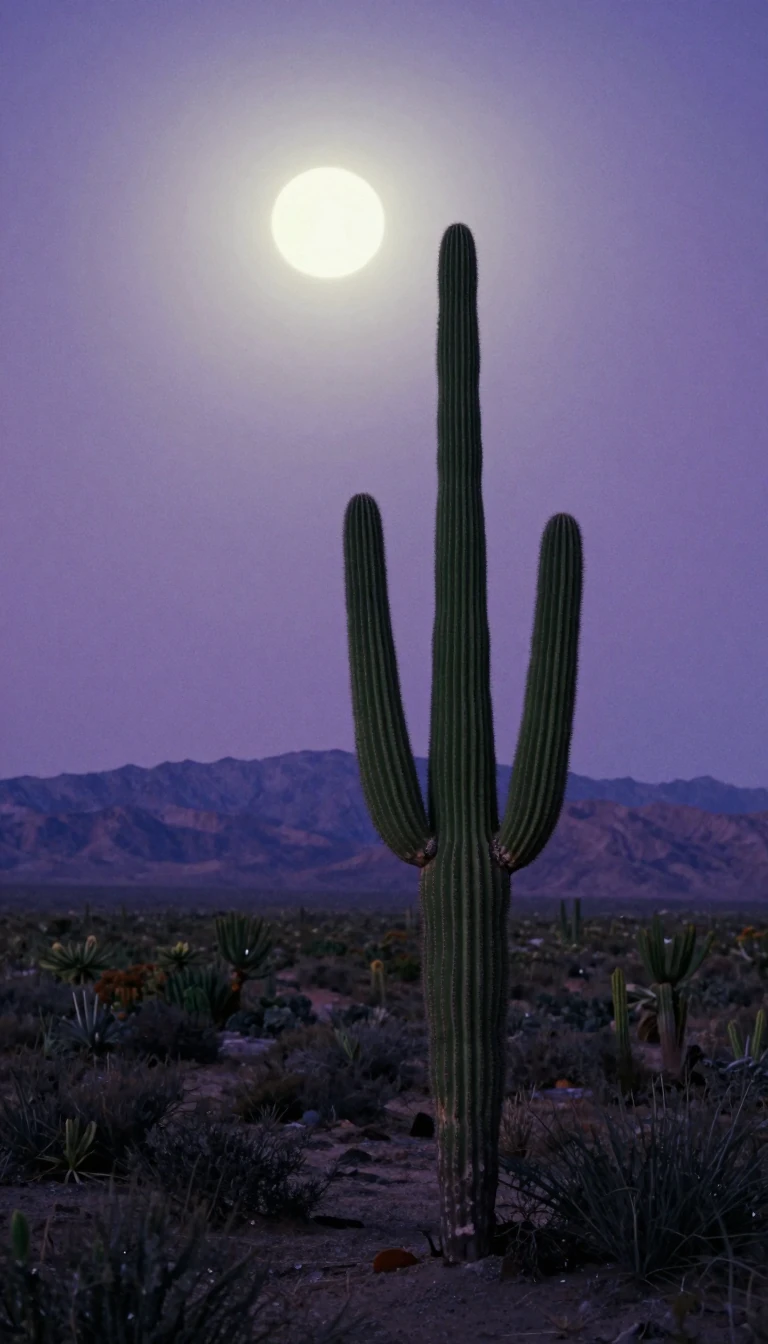 Cactus ribs often come in Fibonacci numbers, and there's a reasonCount the ribs on a cactus and you will often land on a Fibonacci number: 3, 5, 8, 13, 21. Those pleats let the stem swell after rain and shrink during drought, like an accordion.…
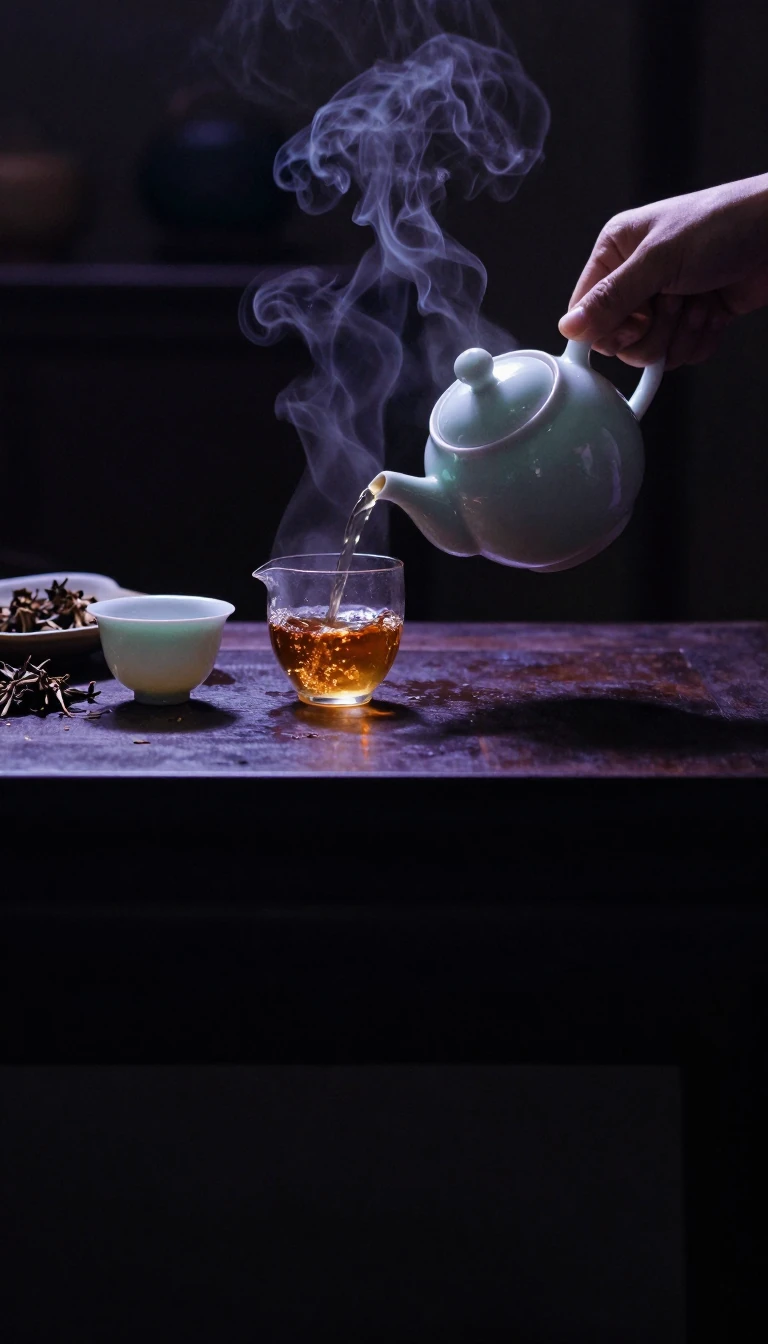 Your cup of tea and the camellia in the garden are close cousinsTea comes from the leaves of Camellia sinensis, a sibling of the showy garden camellias. In the 1840s those blooms were the luxury flower of Europe, and a Parisian courtesan famou…