 Intellect Plus
Organisms
1,988 cards. Each one is a 40-second story with a five-minute read behind it. Page 23 of 34.
 No perfumer can extract lily of the valley's scent, so it is fakedLily of the valley smells so sweet that Christian Dior made it the heart of Diorissimo in 1956, yet the flower yields no usable natural extract. Every perfume evoking it relies on…
 The world's largest tree fruit can weigh as much as a grown adult's suitcase: 50 kilogramsA single jackfruit can reach 90 centimetres long and 50 kilograms, the biggest fruit any tree bears. It sprouts straight from the trunk, holds up to 500 seed-filled bulbs, and sme…
 Once dismissed as obscure and uninviting, rushes quietly clean polluted waterIn 1819 a botanist wrote off the rush genus Juncus as dull. Two centuries later these grass-like wetland plants look far more interesting: they grow on every continent but Antarct…
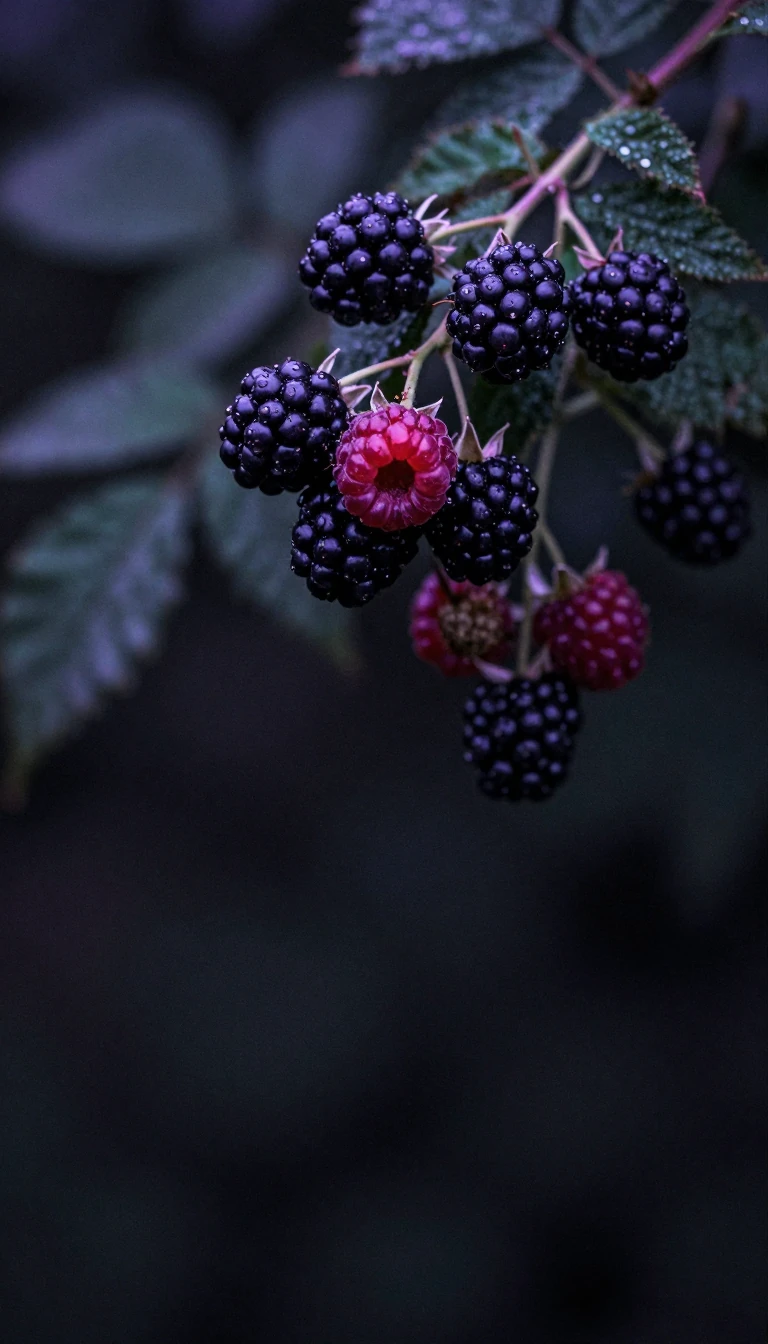 Juniper berries that flavour gin are not berries at allThe blue beads that give gin its flavour are actually cones whose fleshy scales have fused into a berry-like ball. Junipers are conifers with no true fruit or flowers, and they ar…
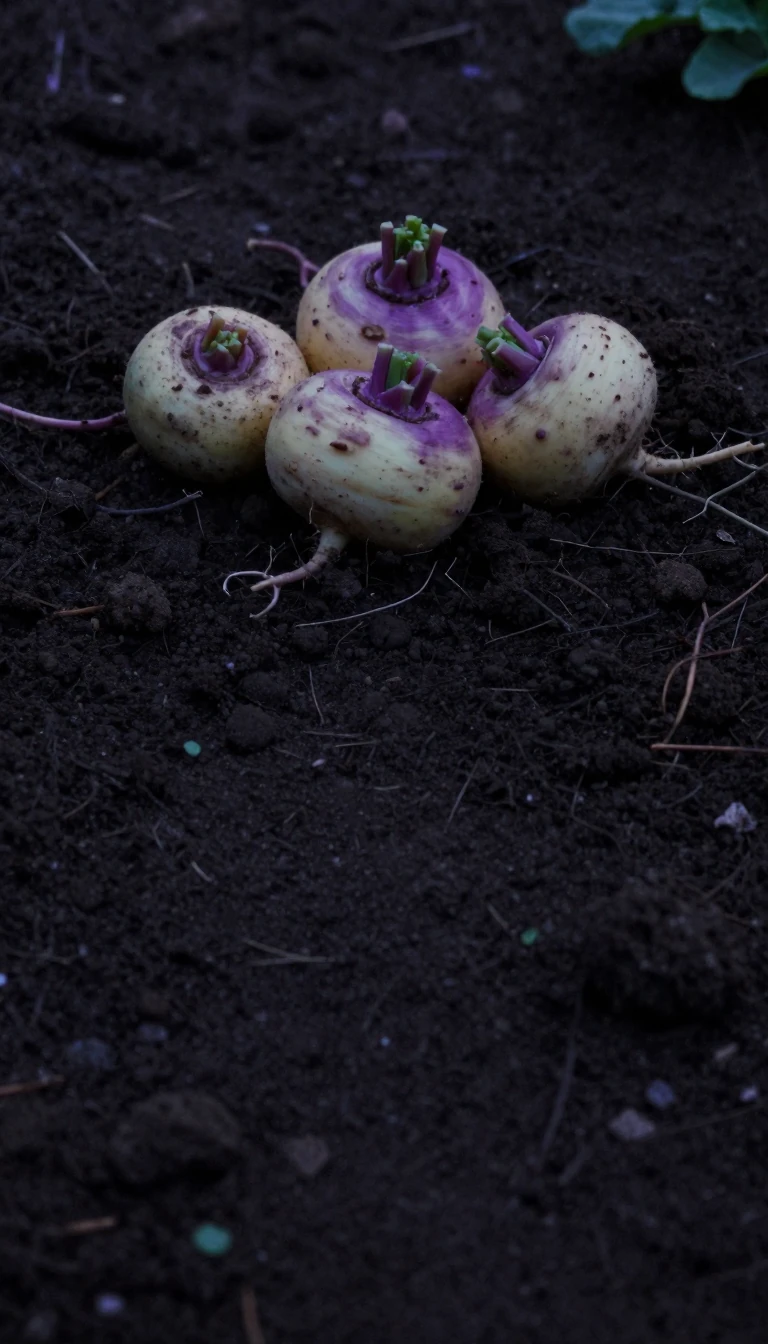 In 2012 Pizza Hut bought about 14,000 pounds of kale purely as decorationFor most of the twentieth century Americans treated kale as garnish, and a pizza chain once bought roughly seven tonnes just to dress its salad bars. Only from the 1990s did it be…
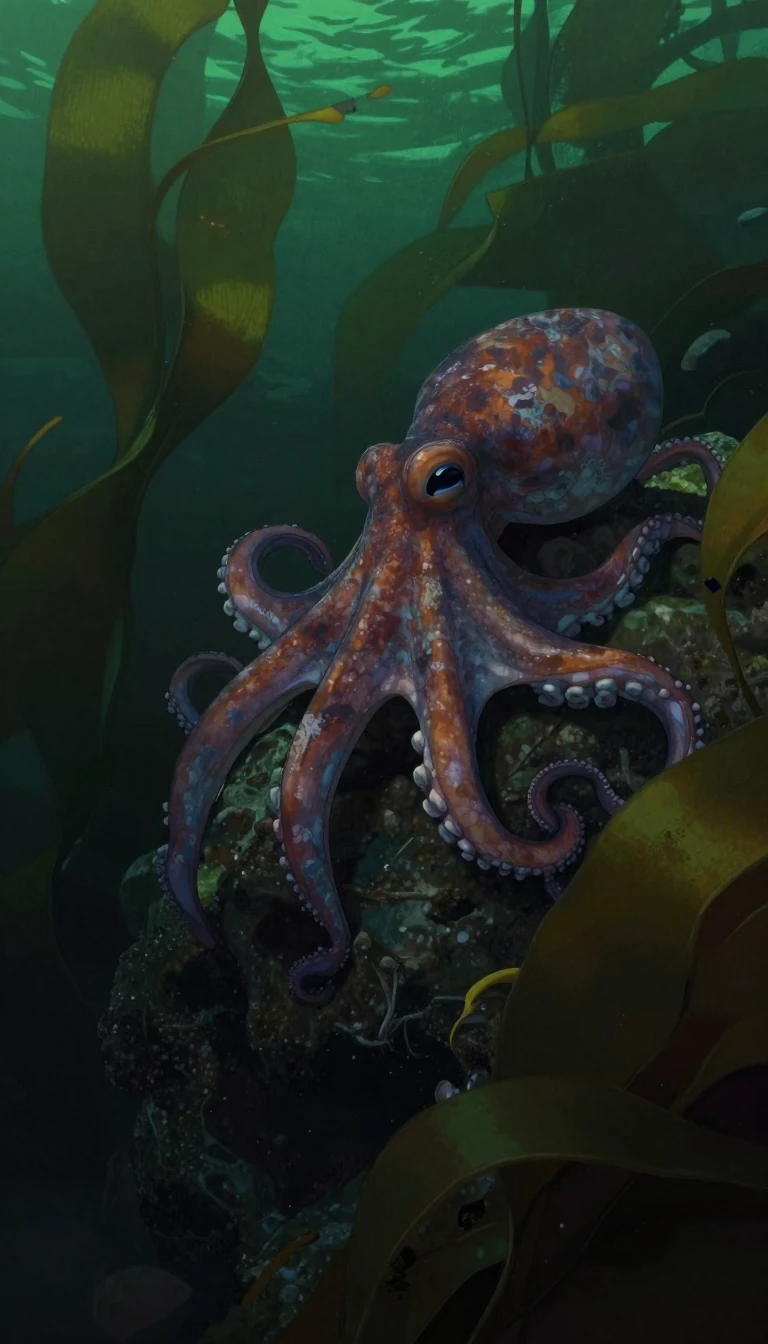 Kelp builds underwater forests without being a plant at allGiant kelp can add half a metre in a single day and tower up to 80 metres, forming dense forests in cold coastal seas. It photosynthesises and has stalks and blades, yet kelp is n…
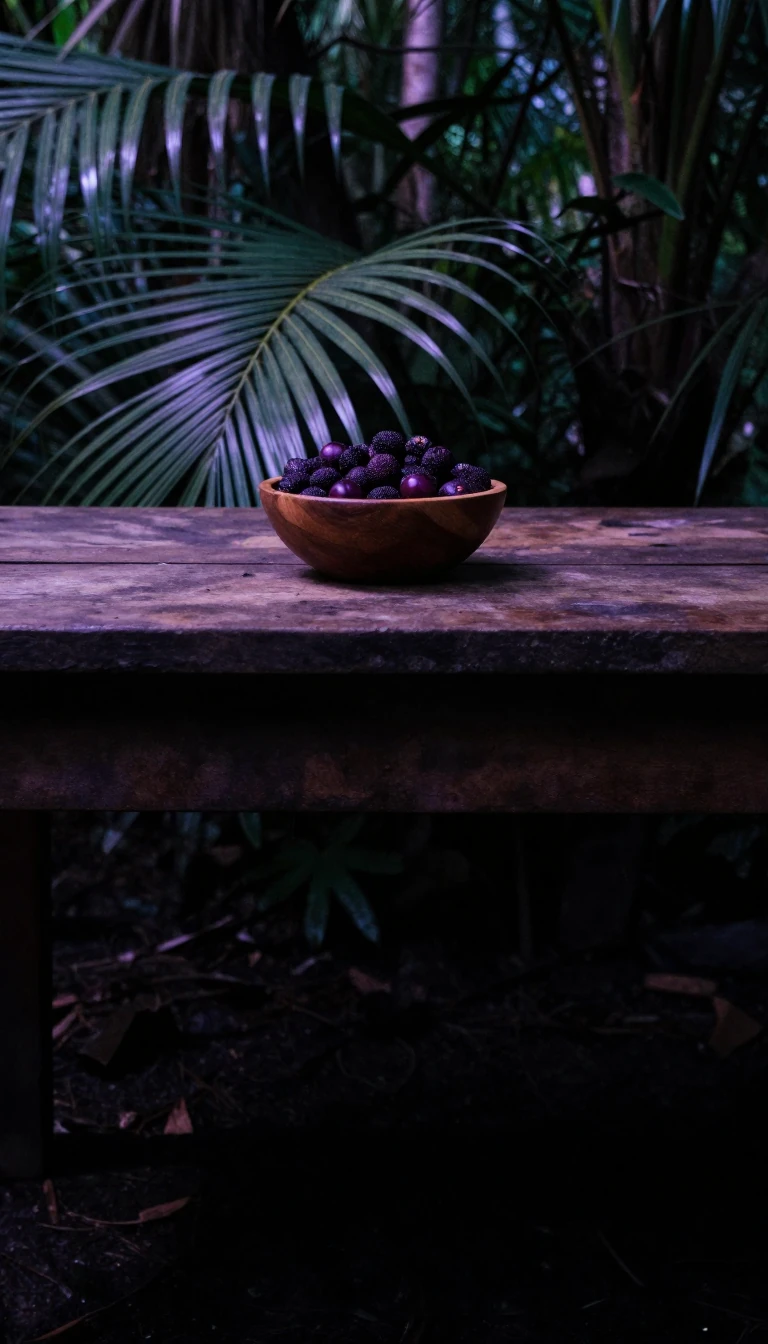 Kiwifruit got its name partly to slip past American quarantine inspectorsIn 1959 a New Zealand exporter renamed the Chinese gooseberry after a US client warned that berries were attracting suspicion at quarantine, over fears of soil contaminated with a…
- Kohlrabi looks like a turnip but is really a swollen cabbage stemIts German name means cabbage turnip, and its common English nicknames call it a turnip too, yet kohlrabi is no turnip at all. Breeders coaxed wild cabbage into growing a fat, alm…
- The kumquat flips citrus logic: sweet skin, sour insideA kumquat looks like an orange shrunk to olive size, and you eat it whole. The surprise is that the peel is the sweet part while the pulp inside is tart. Its name is Cantonese for…
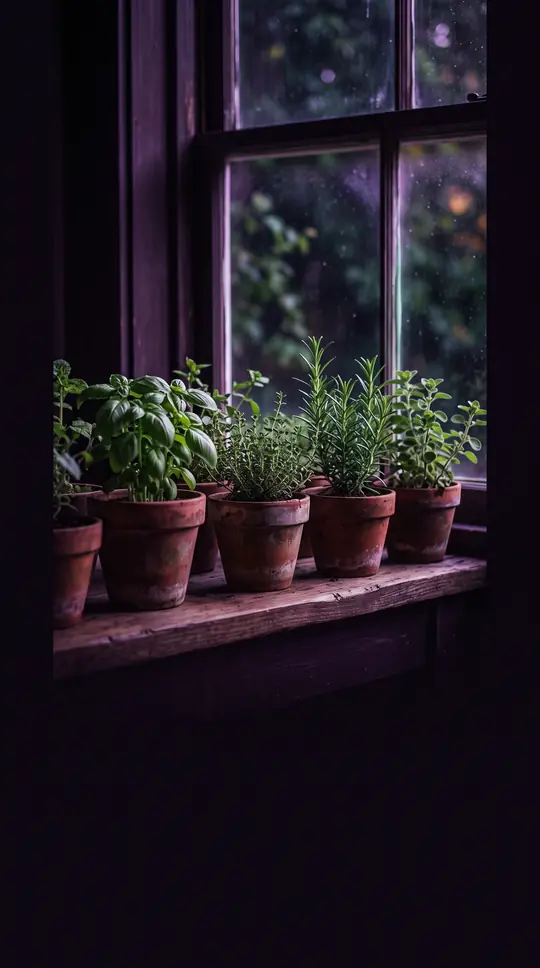 Your herb garden and the teak tree belong to the same plant familyBasil, rosemary, thyme and lavender are all members of the mint family, Lamiaceae, along with chia and catnip. So, less obviously, is teak, a timber tree. With roughly seven thous…
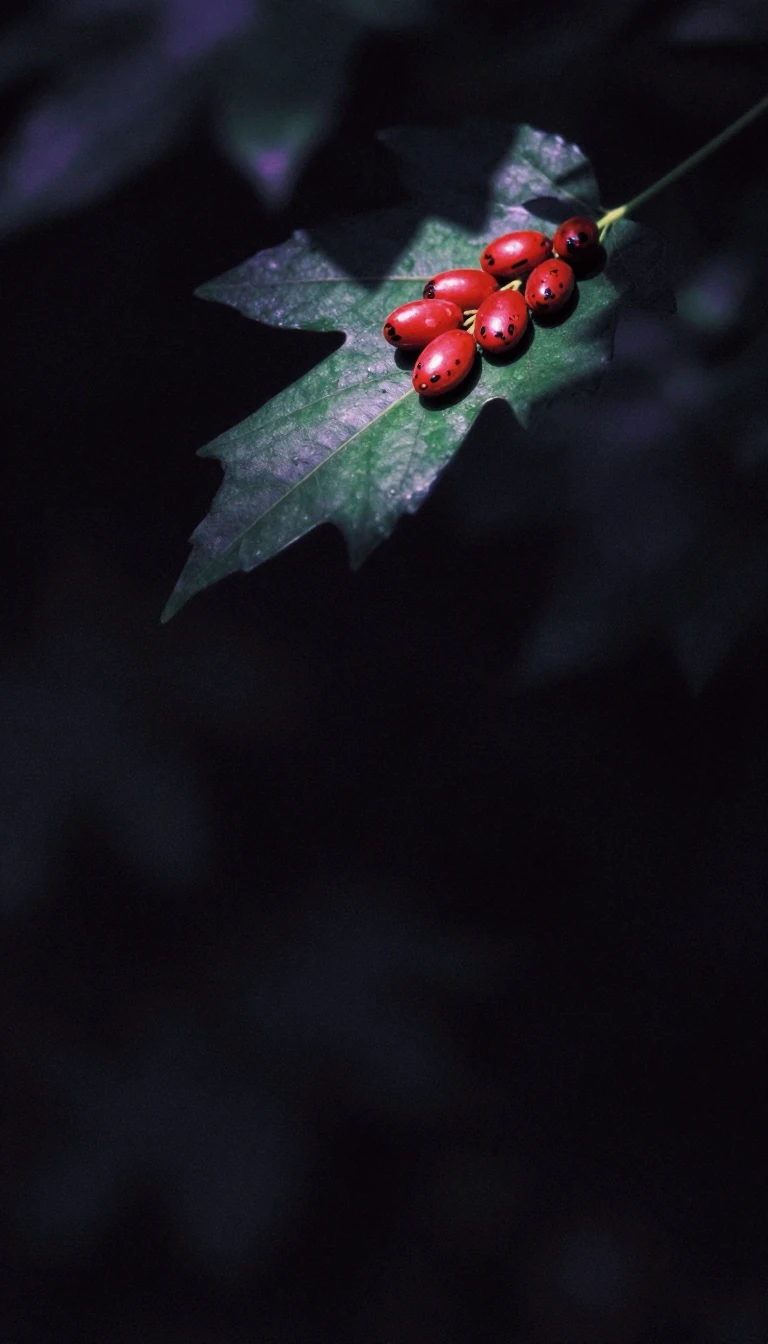 St. John's wort bleeds red, which is how it got its saintly nameCrush the tiny dark dots on a St. John's wort leaf or petal and they leave a red stain. In the 16th century Paracelsus called the secretion John's blood, tying the plant to the ma…
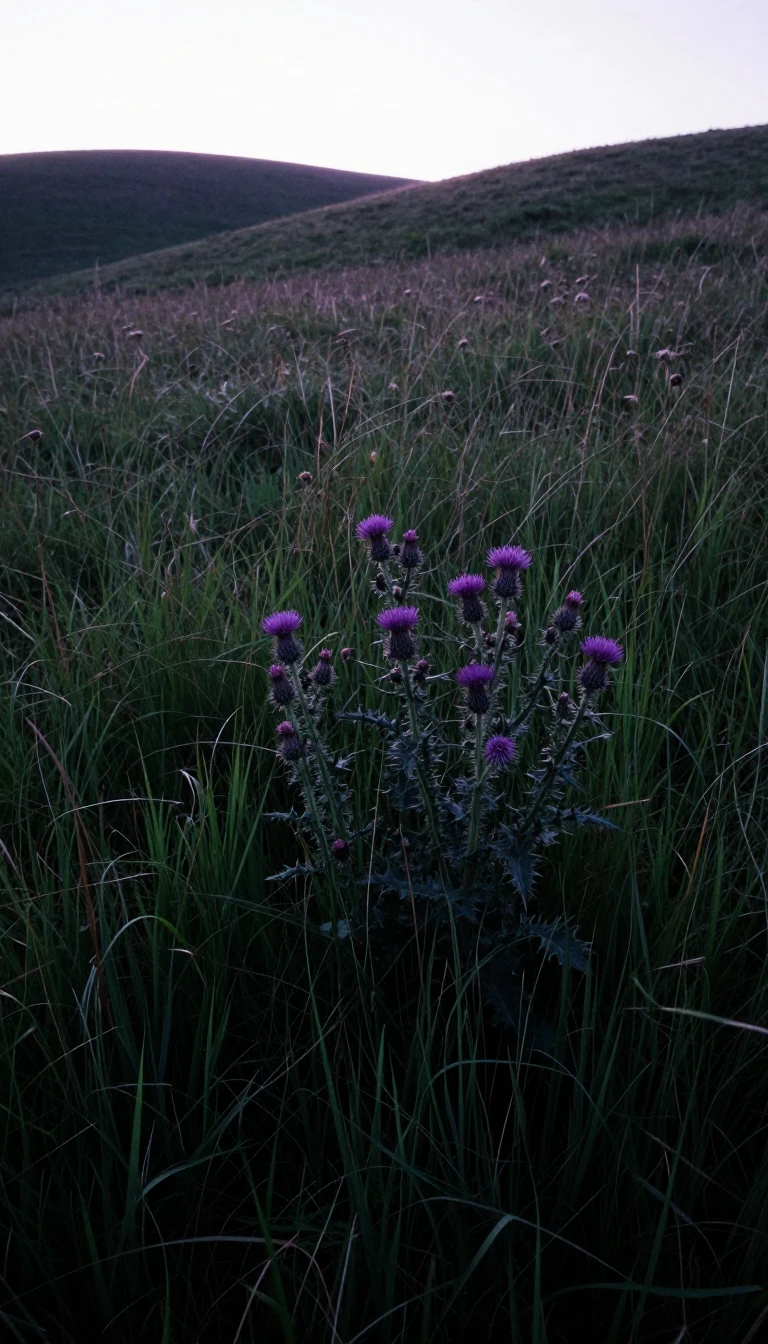 Touch-me-nots fling their seeds several metres with an exploding podImpatiens means impatient in Latin, and the name is earned. Ripe seed capsules split open violently at the slightest touch, hurling seeds up to several metres away. That explosive…
- The iris family survives wildfires by hiding underground in corms and bulbsMost members of the iris family die back above ground during dry or cold seasons and wait it out as bulbs, corms or rhizomes. In fire-prone grasslands and South African fynbos, th…
 Iris flowers helped launch a classic statistics experiment in 1936Ronald Fisher's 1936 paper on using multiple measurements in taxonomy relied on three kinds of iris. The resulting iris flower data set became a standard example of linear discrim…
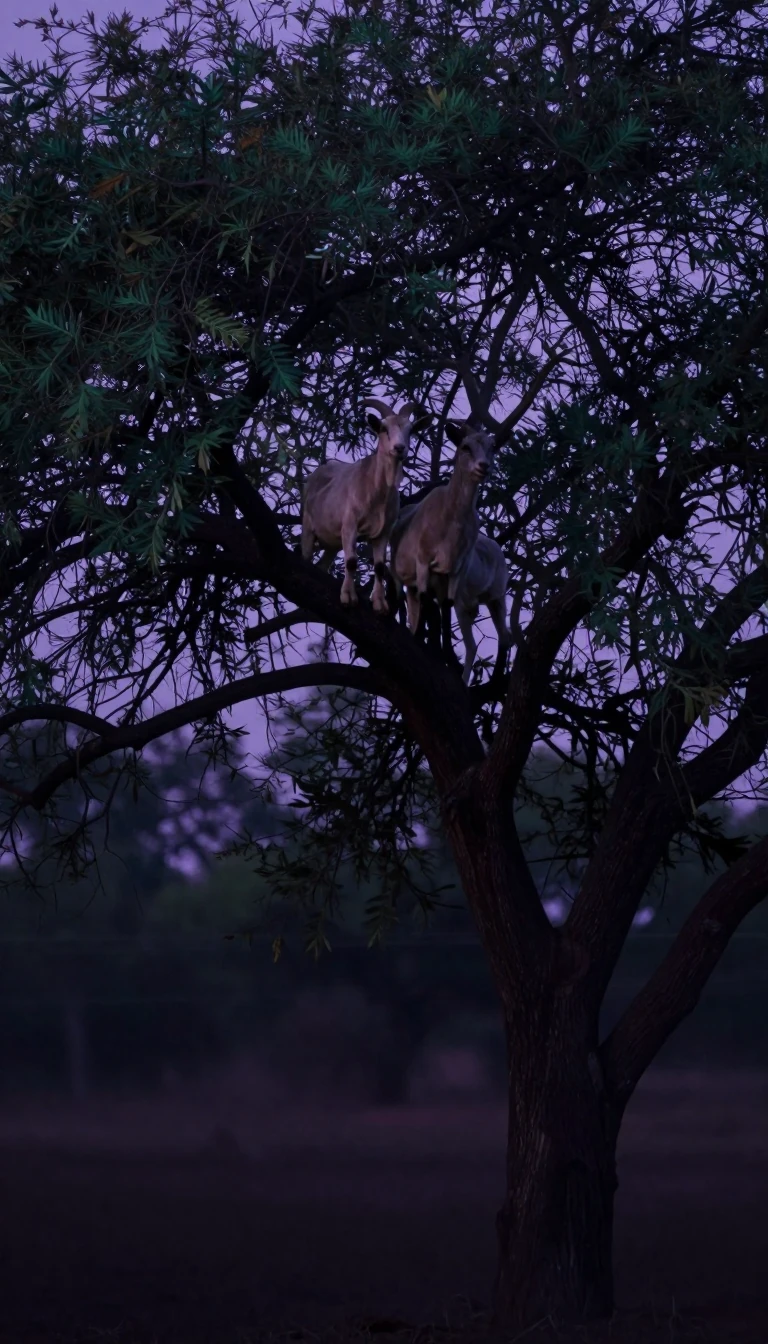 Every herding dog is a hunter taught not to finish the chaseHerding is predatory behaviour, reshaped. Over generations, breeders dampened dogs' urge to treat sheep and cattle as prey while keeping the stalking, circling and staring that hu…
- Herefords were once solid red; the white face came laterBefore the 18th century, Herefordshire cattle looked like other southern English stock: entirely red with a white tail switch. Crossing with other breeds, chiefly Shorthorns, prod…
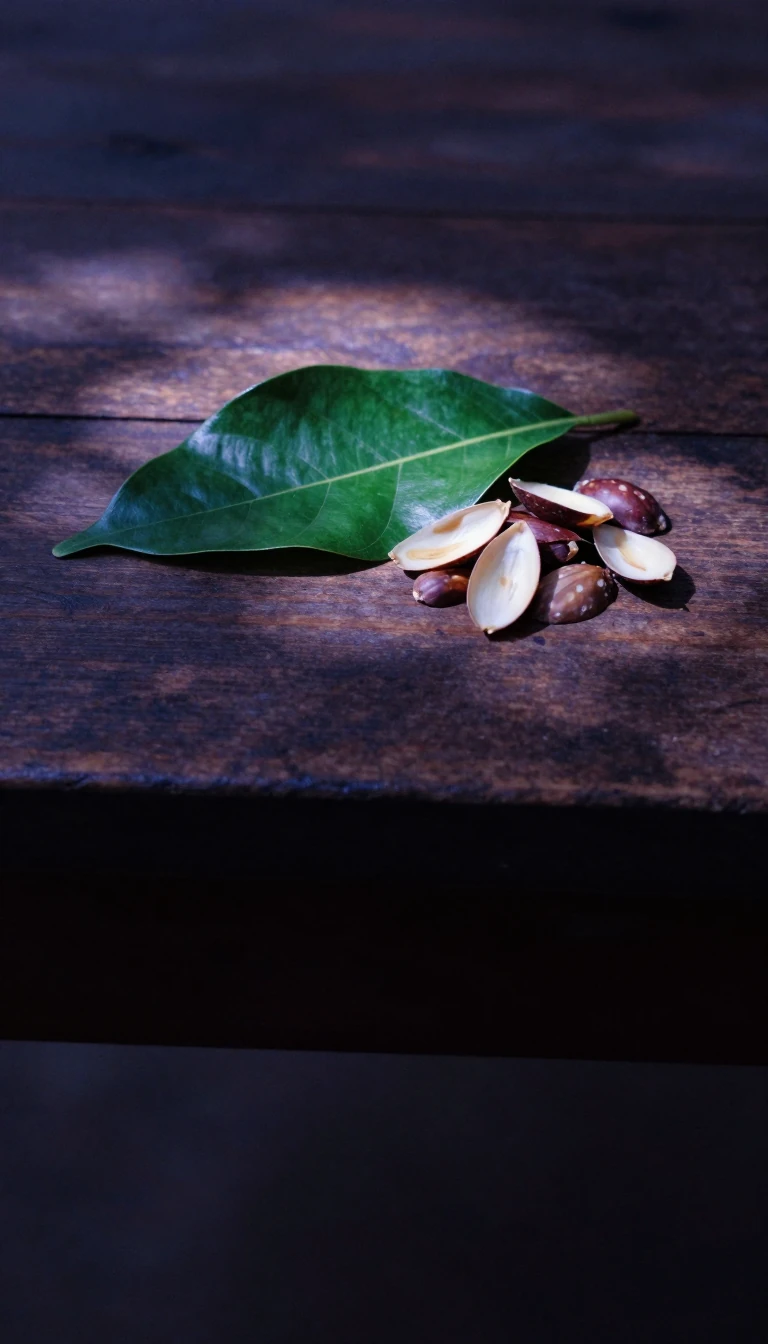 Hickory nuts grew thicker shells as defence against rodentsFossil hickory nuts have thinner, simpler shells than living species, pecans excepted. The likeliest explanation is an evolutionary arms race: over millions of years, trees whose …
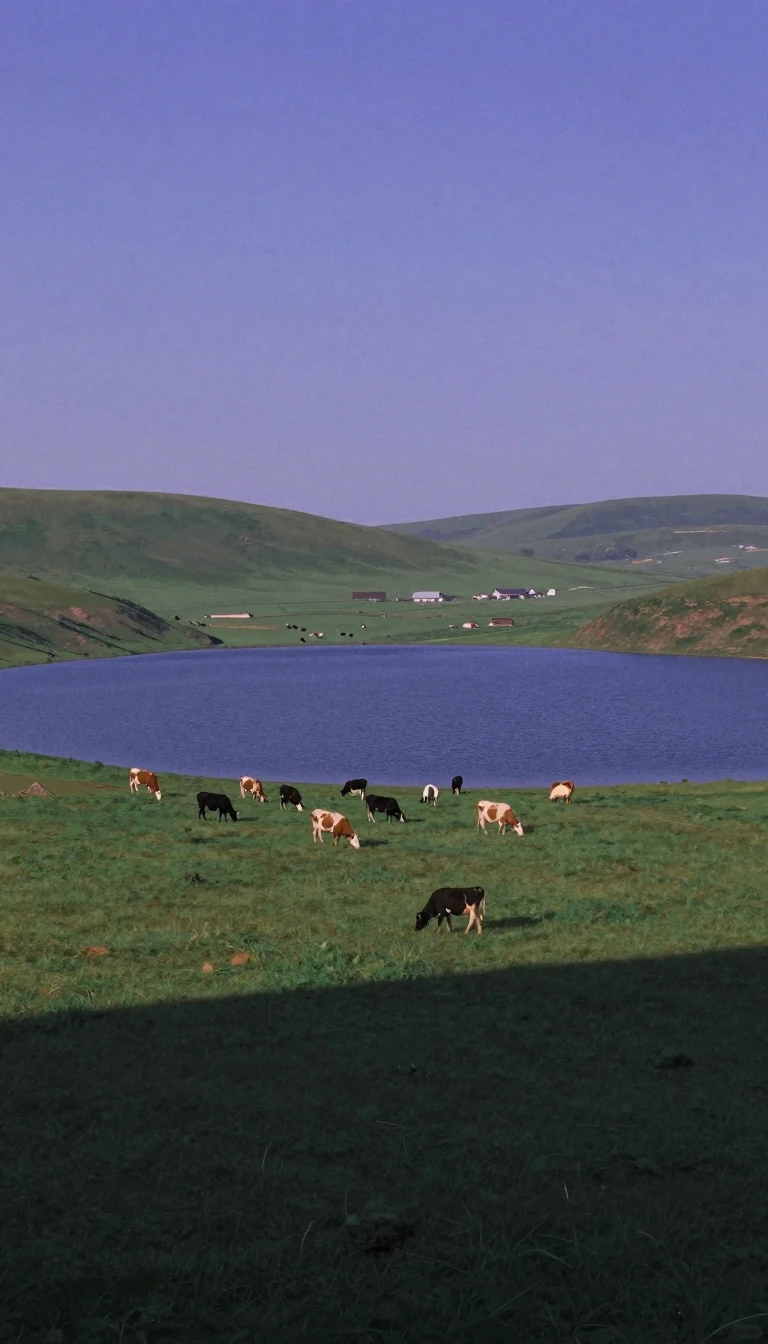 No two Holstein cows share exactly the same black and white patternThe piebald gene lays down Holstein patches at random, so every cow's coat is unique. Some are red and white, rare ones mix black and red, and a few look bluish where white hairs …
 Homo erectus walked the Earth for nearly two million yearsUpright man was the first human species with a body and stride like ours, the first to leave Africa for Asia and Europe, and the first to handle fire. It persisted for close to tw…
 Scratches on an ancient tooth hint that Homo habilis was right-handedThe teeth of one Homo habilis fossil, OH 65, carry scratches slanting to the right. One explanation: the individual gripped meat in its teeth and left hand while slicing with a st…
 Hornworts lure bacteria into slimy chambers to farm nitrogen-fixing partnersMany hornworts grow internal cavities filled with mucilage, then release chemical signals that coax free-living cyanobacteria, especially Nostoc, to move in. The resulting colonie…
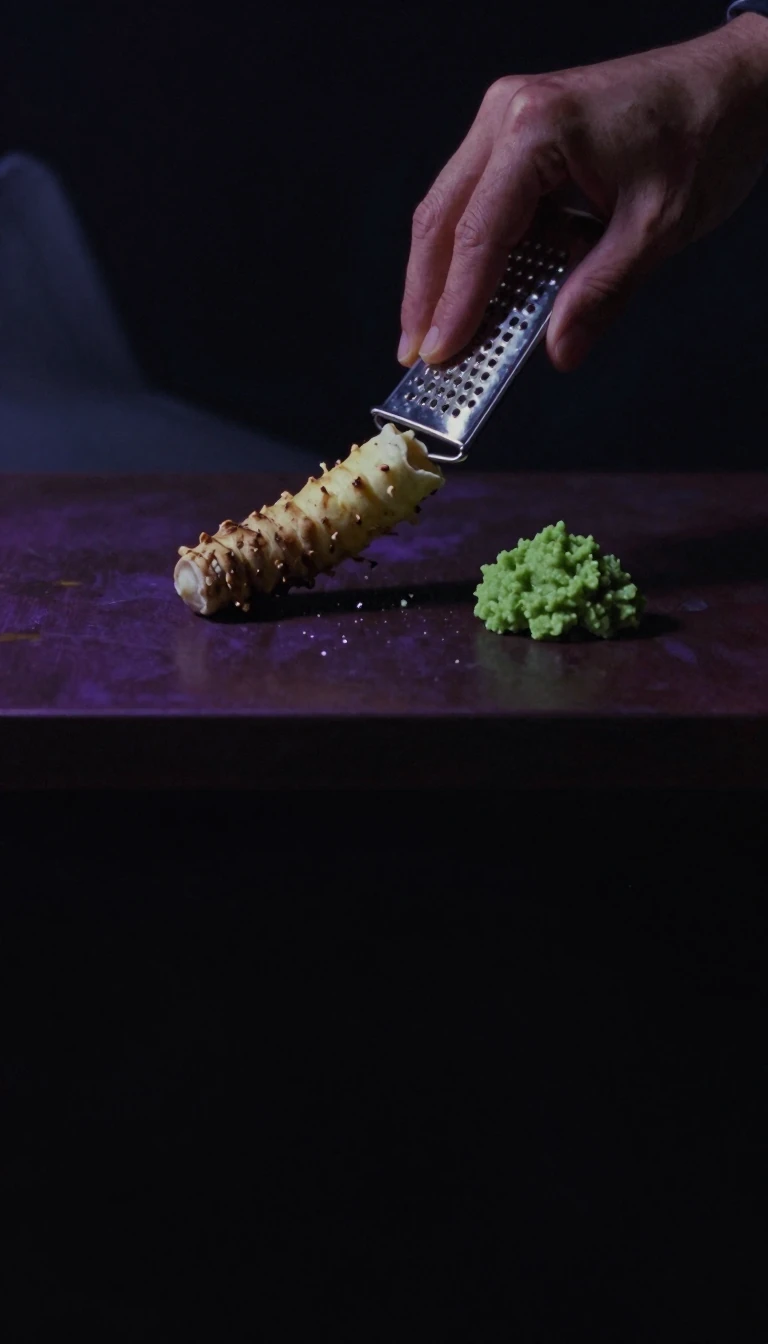 Most wasabi served outside Japan is actually horseradishTrue wasabi is scarce, so the green paste beside sushi abroad is usually made from horseradish instead. Japanese botanists even call horseradish Western wasabi. Both belong to the…
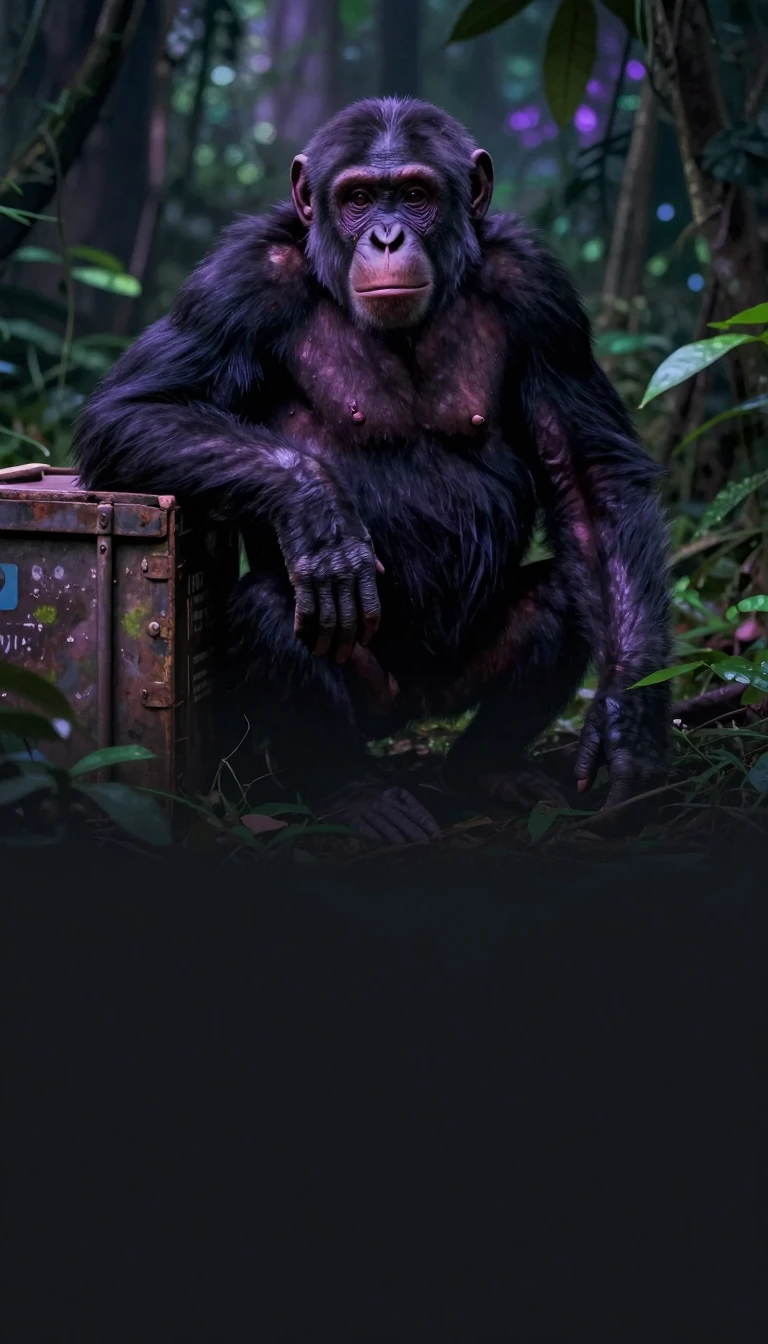 Our earliest ancestors may have been less like chimpanzees than assumedA study of Ardipithecus ramidus, a hominin from roughly 4.4 million years ago, argues that it looked and perhaps behaved more like a gentle bonobo than an aggressive chimpanzee. I…
 Ivy grows two completely different kinds of leaf on the same plantDown on the ground and up a wall, ivy produces lobed leaves on slender stems that grip with tiny aerial roots. Once a shoot reaches full sun high on a tree or cliff, it switches t…
 Young sunflowers follow the sun, then settle facing east for goodBefore they bloom, sunflower heads swing from east to west during the day and turn back overnight to greet the dawn. Once mature, they stop and stay pointed east, warmed by the ri…
 Heliconias are the oldest known hummingbird-pollinated plants on EarthLobster-claw heliconias arose in the Late Eocene, about 39 million years ago, making them the oldest known lineage of plants pollinated by hummingbirds. Their blazing waxy bracts …
 Fresh henna leaves cannot stain skin until they are crushedThe dye in henna, a molecule called lawsone, stays locked inside intact leaves. Only when dried leaves are ground and mixed into a paste does it seep into the outer skin and bind …
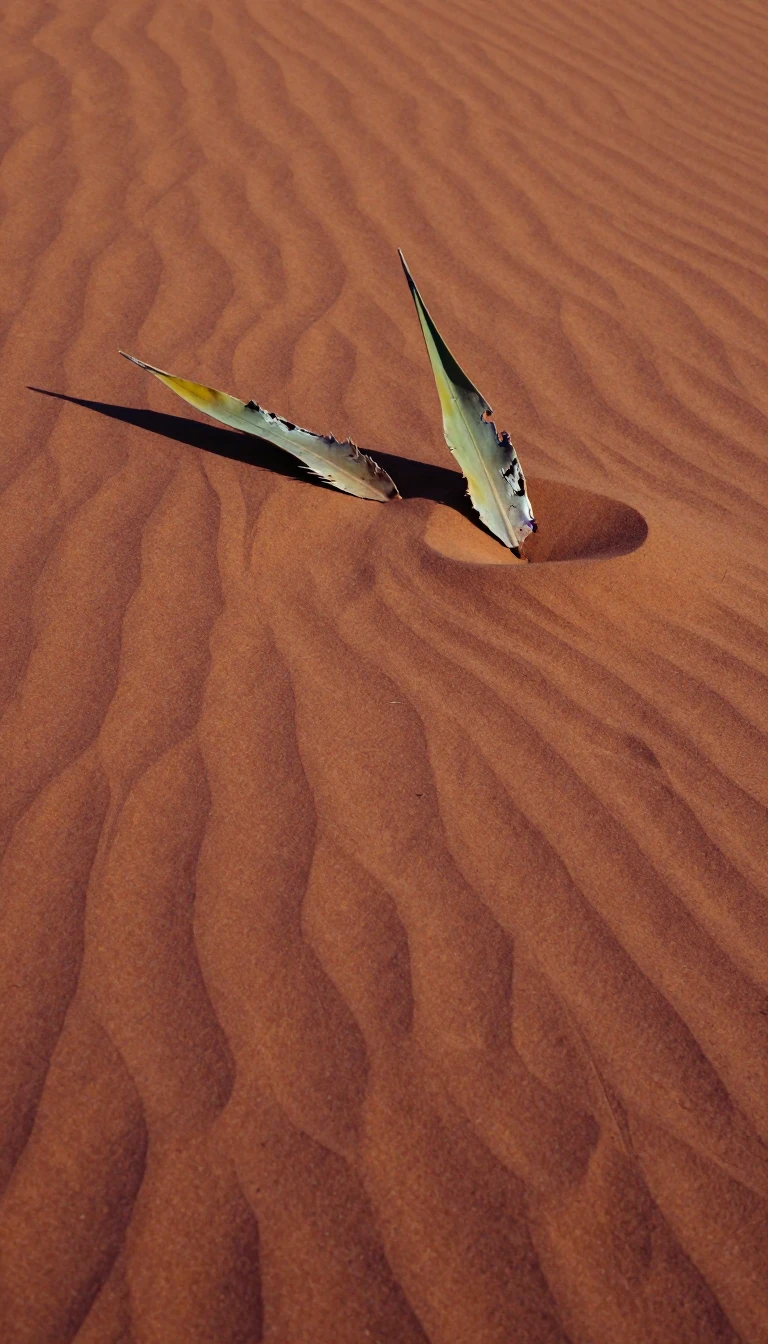 Gymnosperm means 'naked seed', and they are Earth's most threatened plantsPines, cycads, the ginkgo and the bizarre Welwitschia share one feature: their seeds sit exposed on scales or leaves instead of tucked inside a fruit. That lineage split from the …
 The German verb for hoarding comes straight from the hamsterHamsters stuff food into cheek pouches reaching back to their shoulders, sometimes swelling their heads to double or triple normal size, then haul it home to underground larders. …
 Microscopic algae in armoured plates helped build the world's chalkMost haptophytes are coccolithophores, single-celled algae that wrap themselves in tiny plates of calcium carbonate. They rank among the most abundant plankton in the open ocean, …
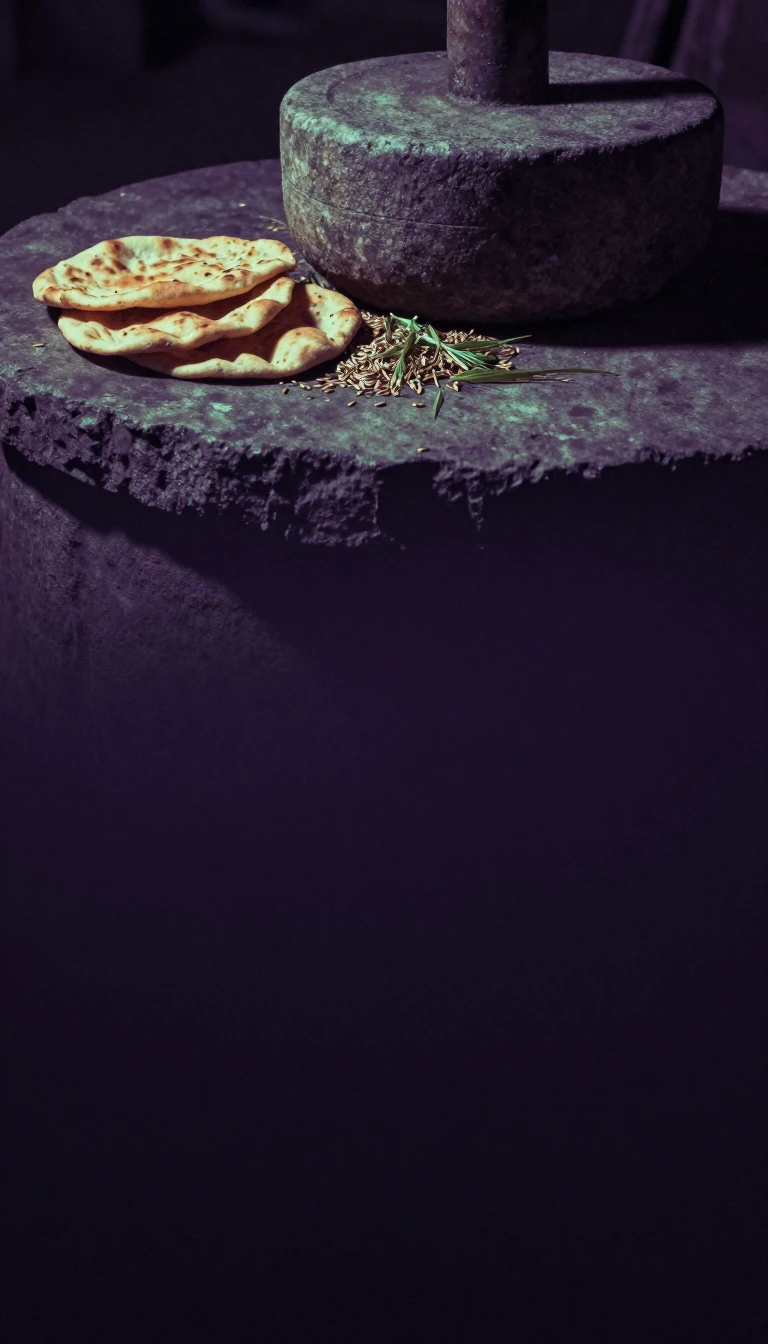 Eight thousand years ago, Scottish islanders roasted hazelnuts on an industrial scaleOn Colonsay, a small Scottish island, archaeologists found a shallow pit holding hundreds of thousands of burned hazelnut shells, dated to about 6000 BCE. Every nut was gathered i…
 Ginseng sells billions of dollars a year despite no proven health benefitIts Chinese name means 'person root', after the forked, body-like shape of the plant. Ginseng has been prized in Korean and Chinese tradition for centuries and topped $2 billion i…
- The word that won America's first spelling bee was 'gladiolus'In 1925 Frank Neuhauser won the first National Spelling Bee by correctly spelling gladiolus, Latin for 'little sword' after its blade-shaped leaves. Those leaves hide a neat trick…
- The word 'gorilla' comes from a Carthaginian voyage around 500 BCA Carthaginian explorer named Hanno sailed down West Africa around 500 BC and met hairy beings his interpreters called Gorillae. Nobody knows whether they were apes, monkeys or pe…
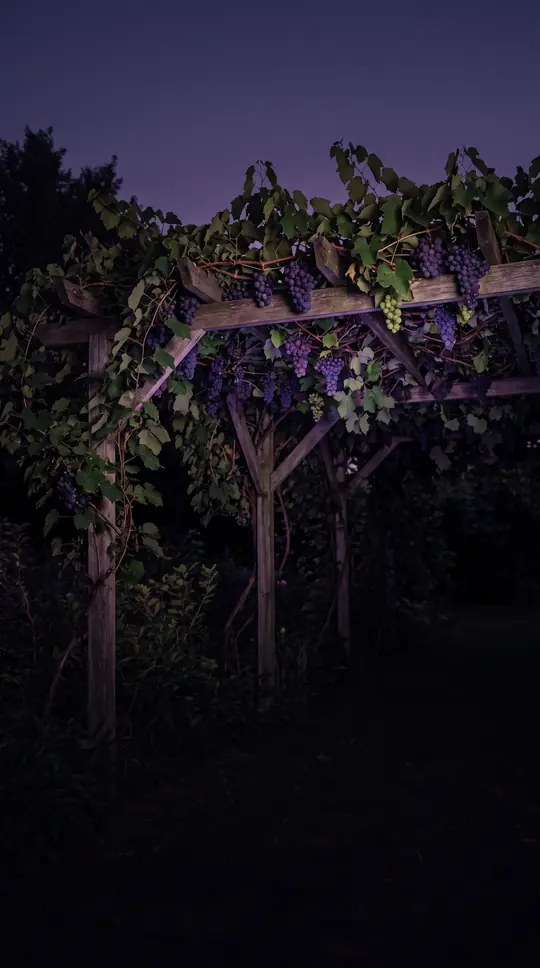 White grapes are really purple grapes with two genes switched offEvery green 'white' grape descends from a purple ancestor. Mutations in two regulatory genes shut down the pigments that colour red wine, leaving pale fruit behind. That is just o…
- Grapefruit was an eighteenth-century accident on Barbados, once called 'forbidden fruit'The grapefruit did not come from ancient Asia. It arose in Barbados in the 1700s as a chance cross between a sweet orange and a pomelo, both newly brought from Asia. Its scientifi…
 Every tree and flower on land is technically a branch of green algaeLand plants did not evolve alongside green algae; they grew out of them. Genetic evidence places the first land plants deep inside one algal group, as sisters of a family of pond-…
- Green beans lost their strings thanks to one New York breeder in 1894Older cooks called them string beans for good reason: a tough fibre ran down every pod and had to be peeled away. In 1894 Calvin Keeney of Le Roy, New York, bred the first stringl…
- One guava delivers more than twice a day's vitamin CA 100-gram serving of raw guava supplies about 254 percent of the daily value for vitamin C. The fruit has been grown in Peru since at least 2500 BC, its name comes from the Taíno…
 Guinea pigs are neither from Guinea nor related to pigsThe guinea pig is a South American rodent, first domesticated for food in the Andes as early as 5000 BC. How it got its misleading name nobody knows for sure. One popular story, t…
 A bush baby's legs outperform a frog's by up to nine timesGalagos, Africa's bush babies, can leap more than two metres from a standstill. A Royal Society study found their jumping muscles perform six to nine times better than a frog's sh…
- The gardenia is a coffee relative that Freud named his favourite flowerGardenias belong to the same plant family as coffee. Their heavy night-time perfume evolved to lure moths, yet it has also adorned Parisian evening suits, Gilded Age buttonholes a…
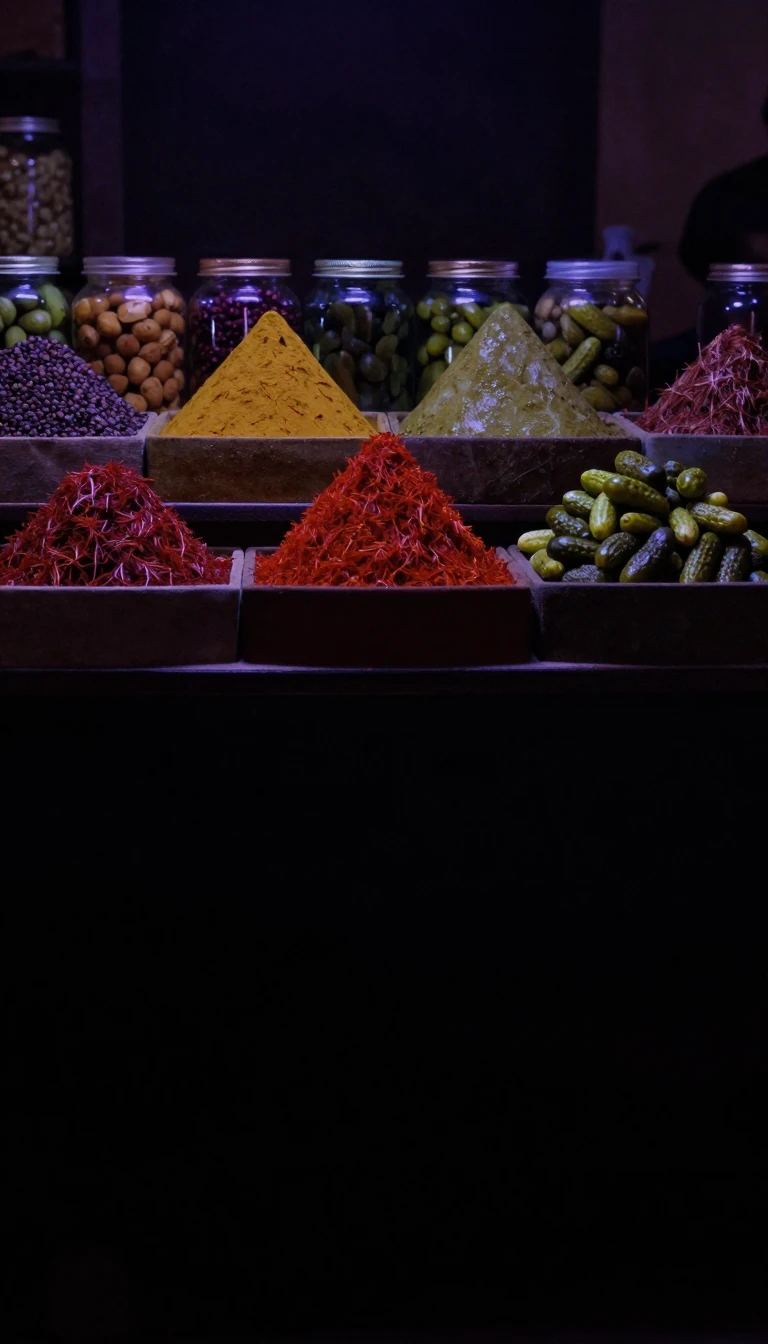 Garlic's bite is a chemical weapon that only fires when you crush itAn intact garlic clove barely smells. Break its cells by chopping or chewing and stored enzymes set off a chain of sulfur reactions, producing the heat and stink that probably evo…
 Medieval English shoppers paid a whole sheep's worth for one pound of gingerGinger no longer exists in the wild. It survives only because people keep planting it, and seafaring Austronesians carried it by canoe across the Pacific as far as Hawaii some 5,0…
 The ginkgo has swimming sperm and survived the Hiroshima bombThe ginkgo is the last survivor of a plant order that appeared more than 290 million years ago. It fertilises its seeds with sperm that swim using thousands of tiny hairs, some tr…
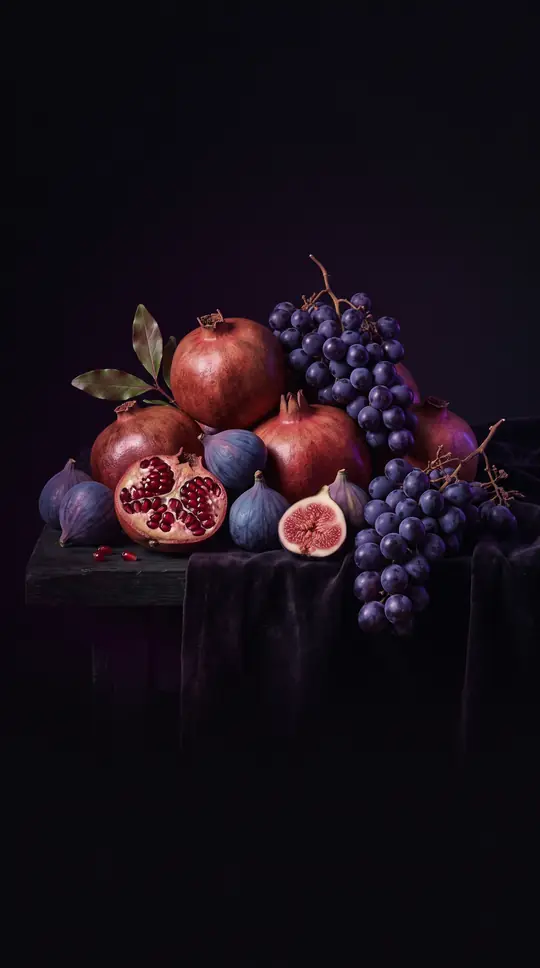 The fig may have been humanity's first crop, planted before wheatIn a Jordan Valley village called Gilgal I, archaeologists found nine figs roughly 11,000 years old. They belonged to a seedless variety that can only spread if people plant cutti…
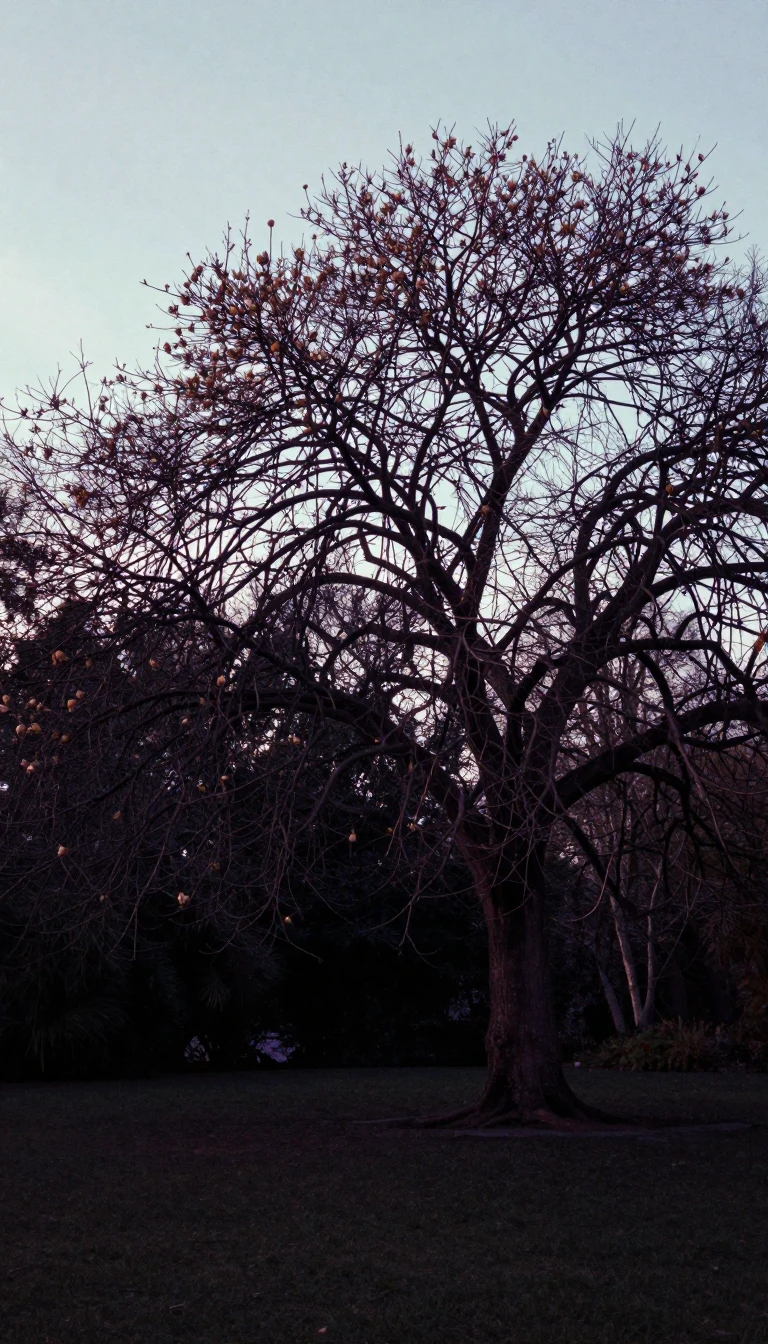 Fir cones stand up like candles and fall apart on the branchLook up at a fir and you will never find a whole cone on the ground beneath it. Unlike spruce cones, which dangle, fir cones sit upright on the branches and crumble in place when …
 Dyed flax threads from a Georgian cave are some 30,000 years oldLong before farming, people in what is now Georgia were spinning, dyeing and knotting wild flax fibres in Dzudzuana Cave, around 30,000 years ago. The plant they later domesticate…
 Flowering plants fertilise twice: one sperm makes the embryo, the other its lunchEvery seed of a flowering plant is the product of a double act. A pollen tube delivers two sperm cells; one fertilises the egg, while the other fuses with two more nuclei to build…
 Strabo mistook the fossil shells in the pyramids for workers' leftover lentilsIn the 1st century BCE the geographer Strabo noticed coin-like objects packed into the stone of the Great Pyramid and guessed they were petrified lentils dropped by the builders. …
 Ash wood still frames Morgan sports cars, yet the trees face a double threatAsh is tough and springy enough for tool handles, Fender guitar bodies and even the frames of Morgan sports cars. That same wood is now under siege: a beetle from Asia threatens s…
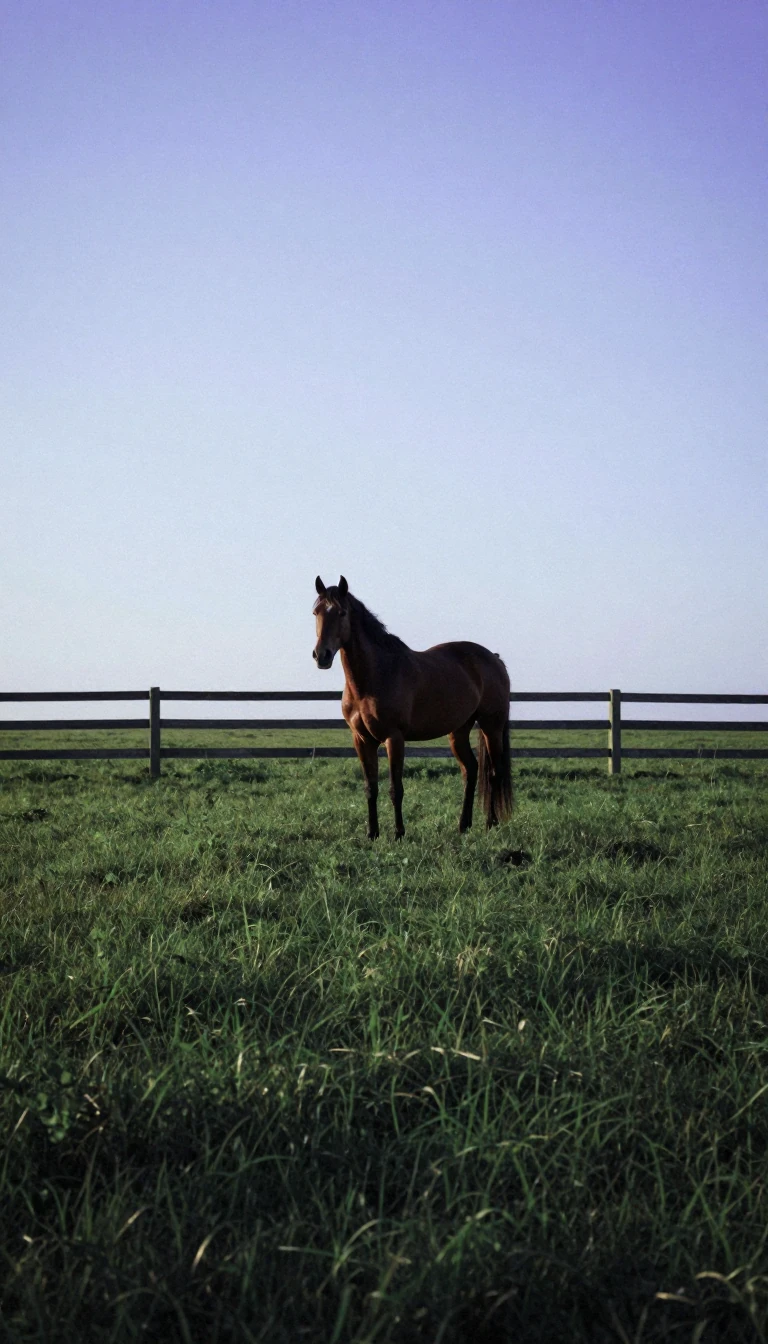 By the early 1900s the Friesian horse was down to three breeding stallionsThe jet-black Friesian, with its flowing mane, feathered legs and high-stepping trot, is a favourite of fantasy films. It nearly vanished more than once: at one point only three s…
 Mushrooms are closer kin to you than to the plants they grow besideFor centuries botanists filed fungi alongside mosses and ferns. DNA told another story: the kingdom that gives us bread yeast, penicillin and truffles split from animals and plant…
- Rocket's name traces back to a Latin word for caterpillarRocket, arugula, rucola: one peppery Mediterranean salad leaf wears a dozen names. The English one comes via French and Italian from Latin eruca, meaning caterpillar, while arugul…
- E. coli is so genetically varied that strains share only a fifth of their genesEscherichia coli is biology's favourite lab workhorse, able to double in about 20 minutes. It is also a species in name only: a typical genome shares just 20 percent of its genes …
- Eucalyptus flowers have no petals, just a lid that pops offThe name eucalyptus means well covered, after the woody cap that seals each flower bud until the swelling stamens shove it off. Behind that little lid sits a genus of more than 70…
 Three tiny grooves on a pollen grain mark out most of the world's flowering plantsSunflowers, apples, cabbages, maples and dandelions share a secret visible only under a microscope: pollen with three furrows. That trait defines the eudicots, the true dicots, a …
- Rubber, cassava, castor oil and poinsettias all come from the spurge familyThe spurge family gives us natural rubber, the staple root cassava and the Christmas poinsettia, yet it is also stocked with poisons, from the ricin in castor seeds to a mangrove …
 The microbes once lumped as Excavata may hold clues to how complex cells beganExcavata was named for a scooped-out feeding groove on the underside of many single-celled organisms, including the parasites Giardia and Trichomonas. Genetics has since shattered…
 The bean family pulls its own fertiliser out of thin airPeas, peanuts, soybeans, chickpeas, liquorice and tamarind all belong to one family of nearly 20,000 species. Many of them house bacteria in root nodules that grab nitrogen gas fr…