 Intellect Plus
Organisms
1,988 cards. Each one is a 40-second story with a five-minute read behind it. Page 25 of 34.
 The bellflower family builds pollen pumps and has lizards as pollinatorsHarebells and lobelias look modest, but their family is inventive. Some push pollen out of a tube like a piston, presenting it to visitors. In Hawaii the family evolved palm-like …
 Cannabis has one of the plant world's most tangled ways of deciding sexMost cannabis plants are either male or female, a rarity among flowering plants. Yet scientists have argued for a century over how that sex is set. Chromosomes play a part, but so…
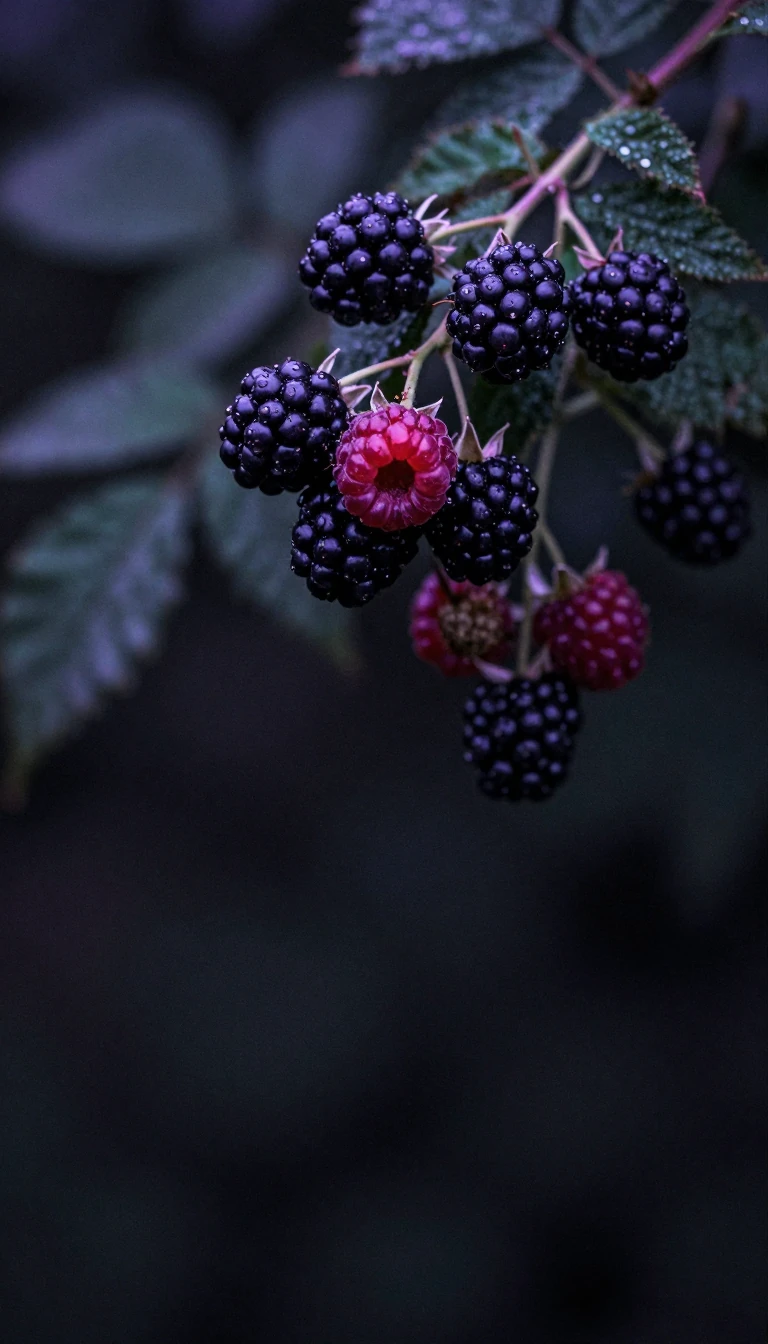 America banned the blackcurrant for decades to protect its pine forestsBlackcurrants are a European staple for juice, jam and cassis, yet for much of the 20th century the United States outlawed growing them. The shrub hosts a rust fungus that barely …
- Cultivated blueberries exist because one New Jersey woman paid locals for wild bushesA century ago, blueberries were a wild crop. Then Elizabeth Coleman White, daughter of a cranberry grower in the New Jersey Pine Barrens, offered cash for wild bushes with unusual…
 The porcini mushroom defies farming and once had a Swedish king as fanPorcini, ceps, penny buns: one prized mushroom with dozens of names, from squirrel's bread in Dutch to belly in Mexican Spanish. It can grow a cap wider than a dinner plate, yet i…
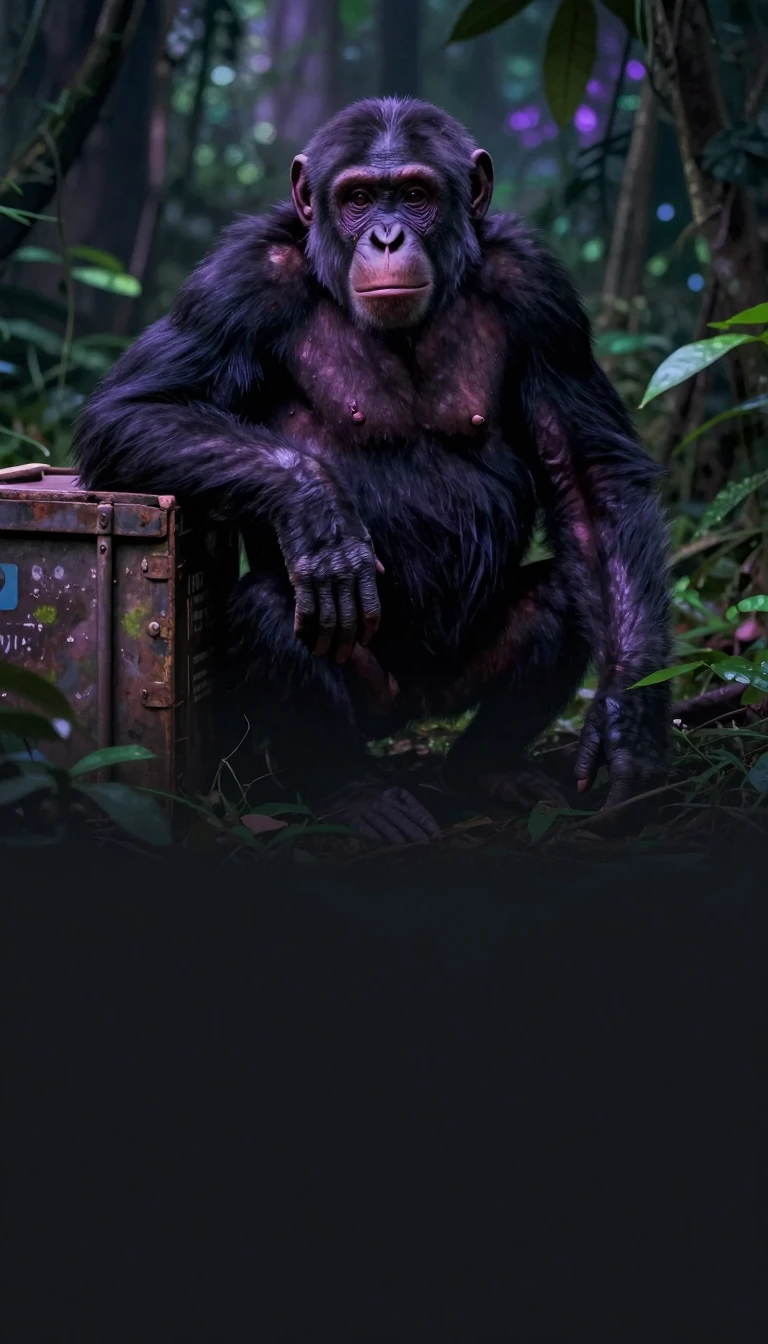 The bonobo's name probably comes from a misspelled shipping crateOne of humanity's two closest living relatives was named by accident. Bonobo is thought to be a garbled spelling of Bolobo, a Congo River town stencilled on a crate. And the old l…
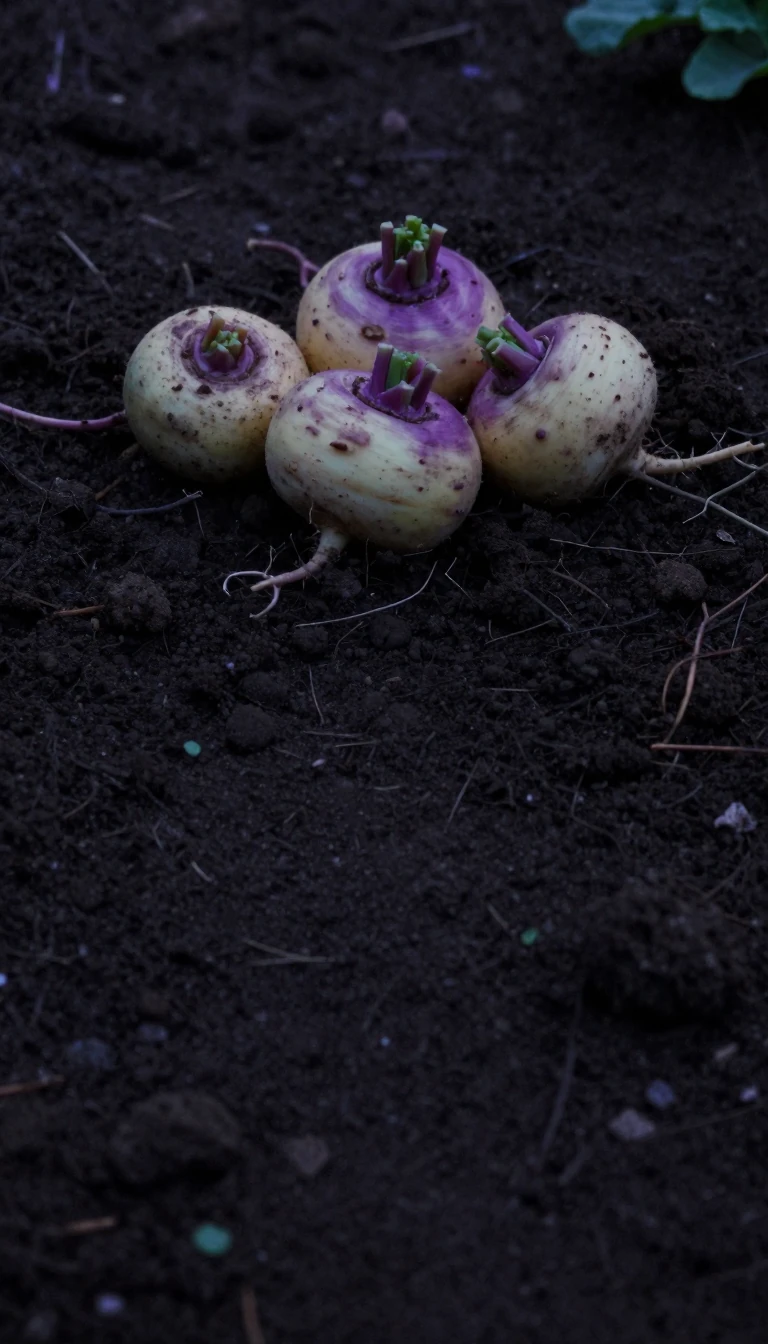 Cabbage, broccoli, kale and cauliflower are all one species wearing different outfitsThe mustard family gives us cabbage, kale, cauliflower, broccoli and collards, and all of them are cultivated forms of the single species Brassica oleracea. The family's sharp bit…
 Brazil nuts depend on big wild bees and a rodent that forgets its stashAlmost every Brazil nut sold comes from wild Amazon trees, because plantations barely produce. The flowers can be opened only by large-bodied bees that vanish when forest is distu…
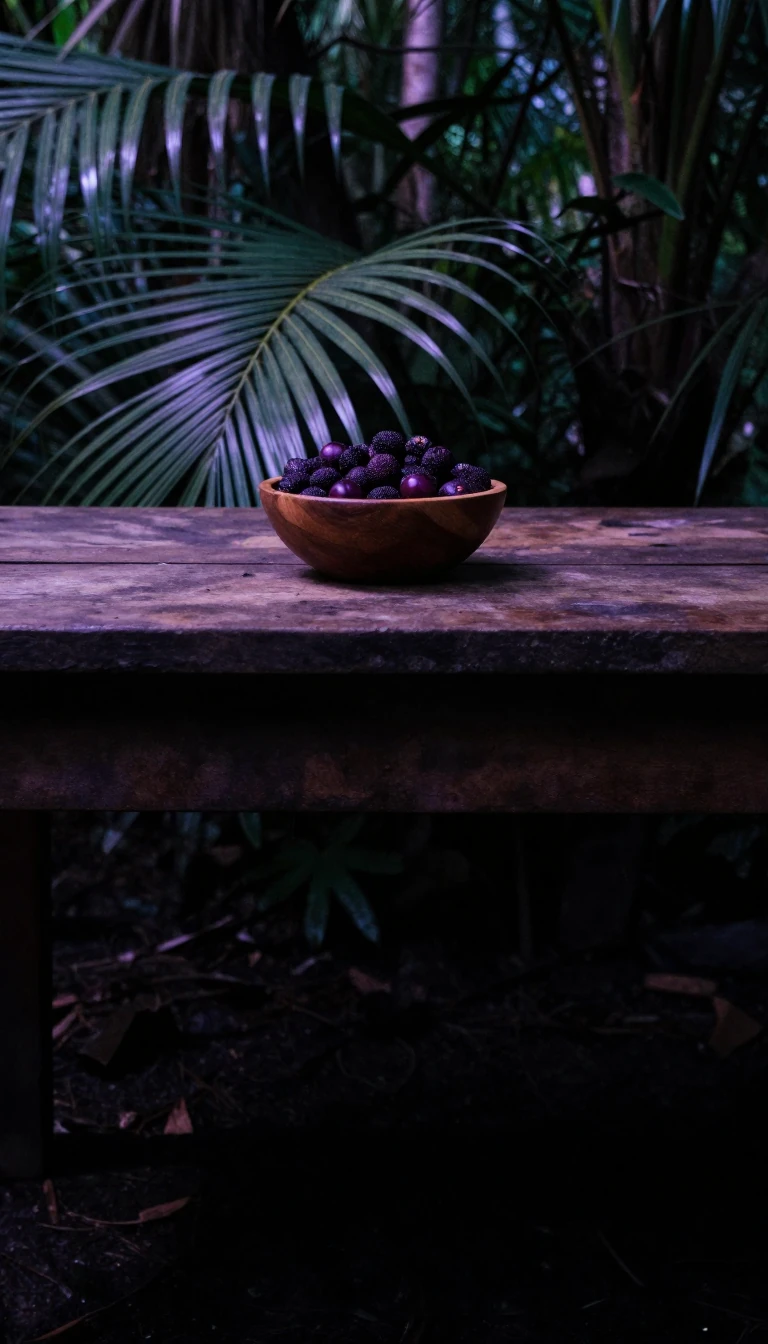 The Bounty voyage was a mission to carry breadfruit across the worldWilliam Bligh's ill-fated voyage on HMS Bounty had a botanical purpose: fetching breadfruit from Tahiti to feed enslaved workers in British Caribbean colonies. That attempt failed…
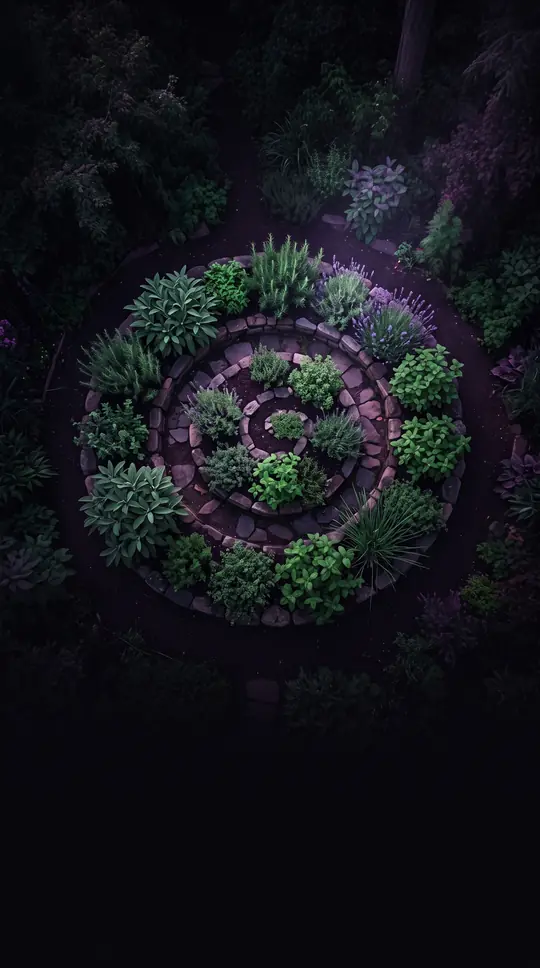 Broccoli is a bouquet of unopened flowers, and machines still can't pick itEvery broccoli head is a dense cluster of flower buds harvested before they bloom yellow. Its name comes from an Italian word for a cabbage's flowering crest, it was shaped by Rom…
 One bromeliad's water tank held a frog, an ant colony and a centipedeMany bromeliads grow leaves in a tight rosette that forms a natural tank holding up to 10 litres. These pools become miniature ecosystems. One was found housing a small frog, an a…
 Giant kelp isn't a plant, and its closest kin are microscopicBrown seaweeds such as giant kelp can top 50 metres, the largest algae on Earth, forming undersea forests rich in life. Yet they are not related to plants or to green and red seaw…
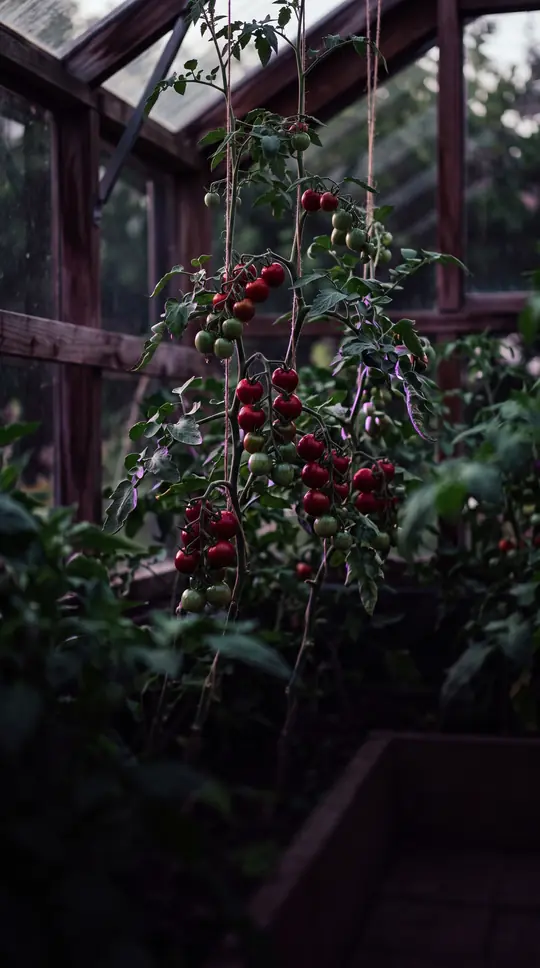 Black, white and green pepper all come from one climbing vineThe pepper in your grinder is the dried fruit of a woody vine from South Asia. Pick it unripe and scald it, and it turns black and wrinkled. Soak ripe berries for a week and strip…
- A blackberry isn't a berry, and it keeps a core raspberries loseBotanically, a blackberry is a cluster of tiny stone fruits, not a berry at all. What separates it from a raspberry is the core: pick a raspberry and the central stem stays on the…
 Beetroot was first farmed for its leaves, not the purple rootEarly farmers in the ancient Middle East grew beet for its greens; the swollen root came later, probably by Roman times. Since then it has tinted 17th-century wine, cured garlic b…
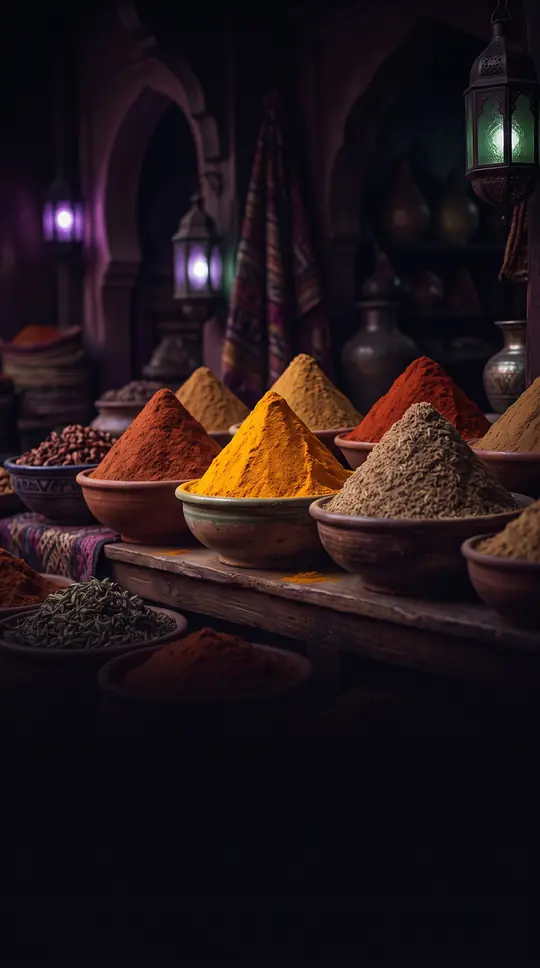 A red bell pepper is just a green one left to ripenGreen, yellow and red peppers in a stoplight pack are often the same plant at different ages; reds are simply ripened greens. The bell pepper is botanically a berry, borrowed a sp…
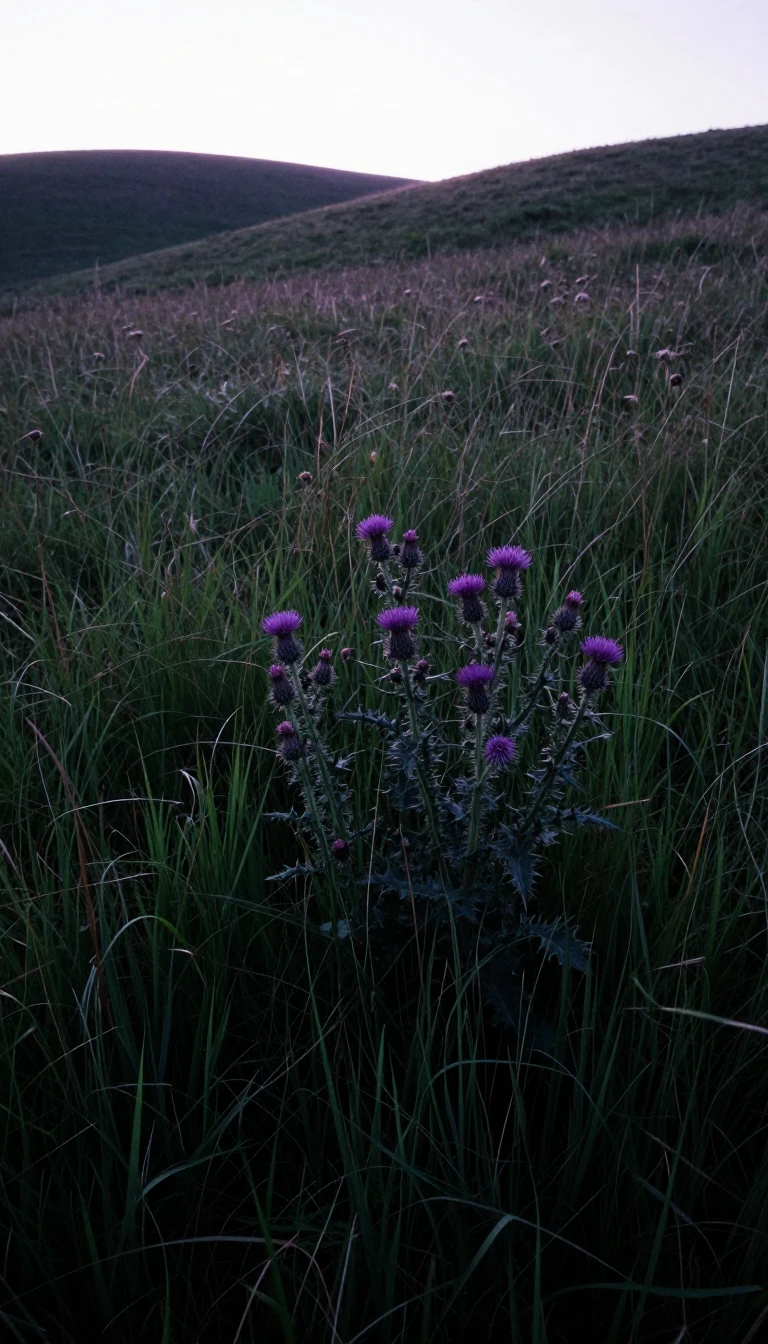 The word daisy began as day's eye, for a flower that sleepsThe common lawn daisy shuts its whole head at night and opens again at dawn, which is probably how it got its name: day's eye. Chaucer called it the eye of the day. Its flowers al…
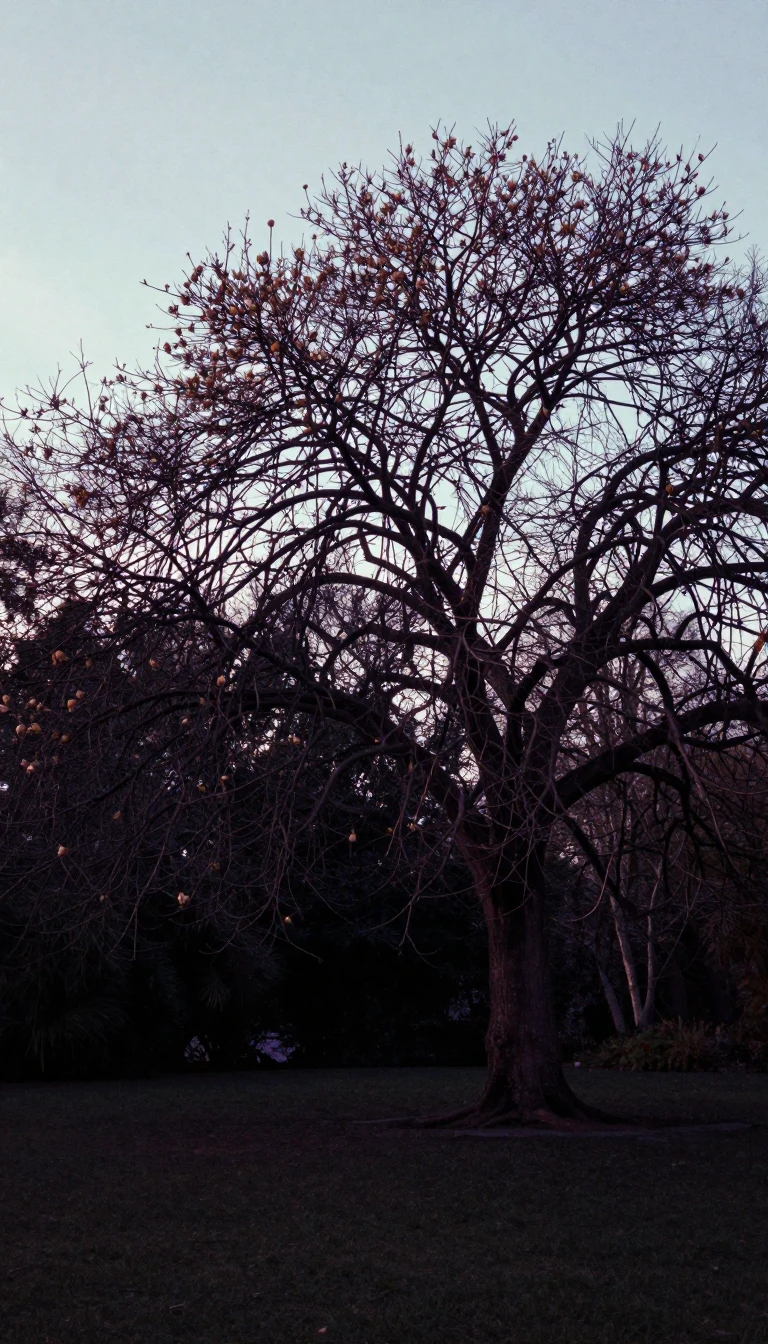 Birches are fast-living pioneers whose catkins shatter to release seedsBirches are among the first trees to colonise open ground across the northern world, and most do not live long. Their bark peels in papery sheets and gives species their names: si…
 About 43,000 bacterial species have names, yet most remain unstudiedEarth holds an estimated two million trillion trillion bacteria, a living mass second only to plants. They were among the first life on the planet. Yet science barely knows them: …
 Some bamboo shoots out almost a metre in a single dayBamboo is a grass, yet its giants reach 46 metres and weigh up to 450 kilograms. Certain species add 91 centimetres in a day, about a millimetre every 90 seconds. Stranger still, …
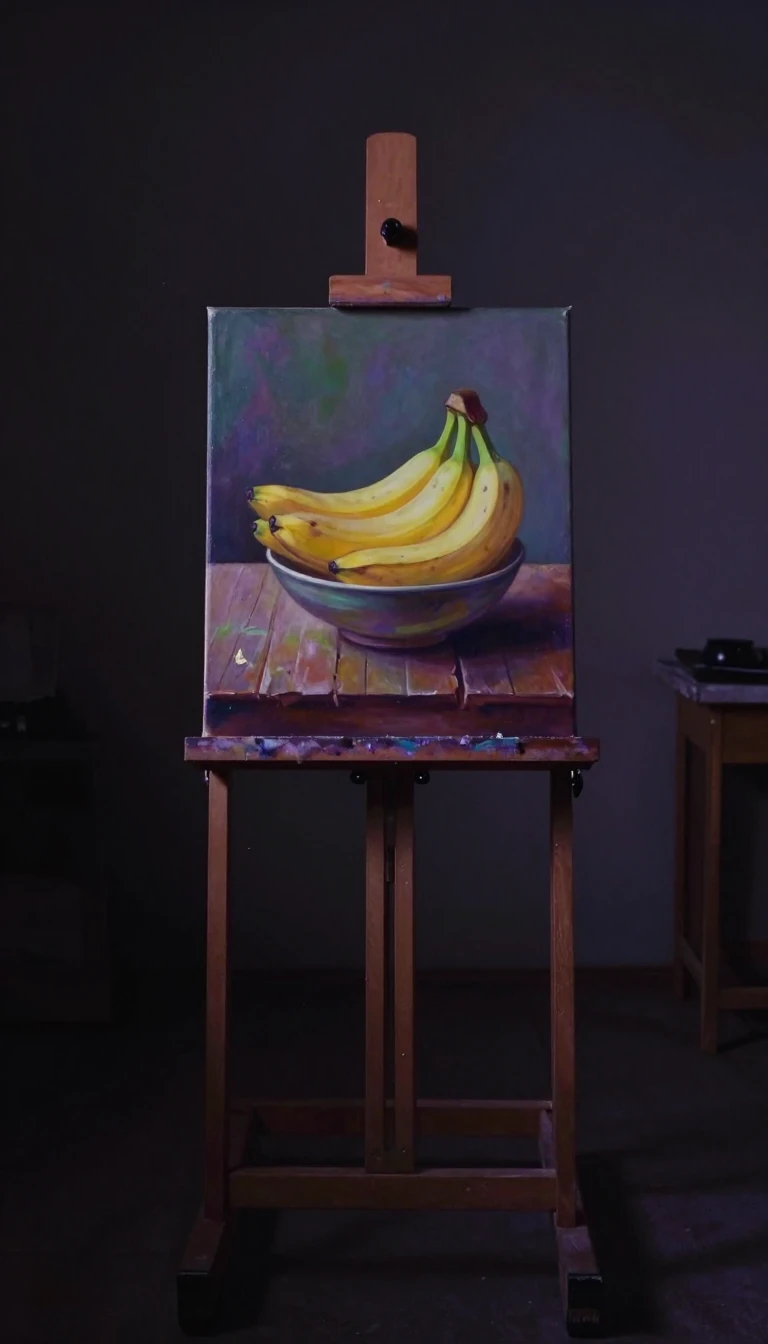 The banana plant has no trunk and is technically a giant herbWhat looks like a banana tree is the largest herbaceous flowering plant on Earth, standing on a false stem of tightly rolled leaf sheaths. Its seedless fruit is botanically a berr…
- The English word barn originally meant a store for barleyBarley was among the first grains humans ever farmed, domesticated in the Fertile Crescent around 9000 BC. It fed Mycenaean workers, flavoured a sacred drink at Eleusis and gave E…
- Mushroom fungi have no males or females, only compatible partnersChanterelles, puffballs, bracket fungi, crop-ruining rusts and a yeast that infects people all belong to one fungal division. Their shared signature is a club-shaped cell that fir…
 Basil's name means the royal plant, perhaps from kingly perfumesBasil's name traces to a Greek phrase for a kingly herb, possibly because it went into royal perfumes, and the French still call it the royal herb. The clove note in sweet basil c…
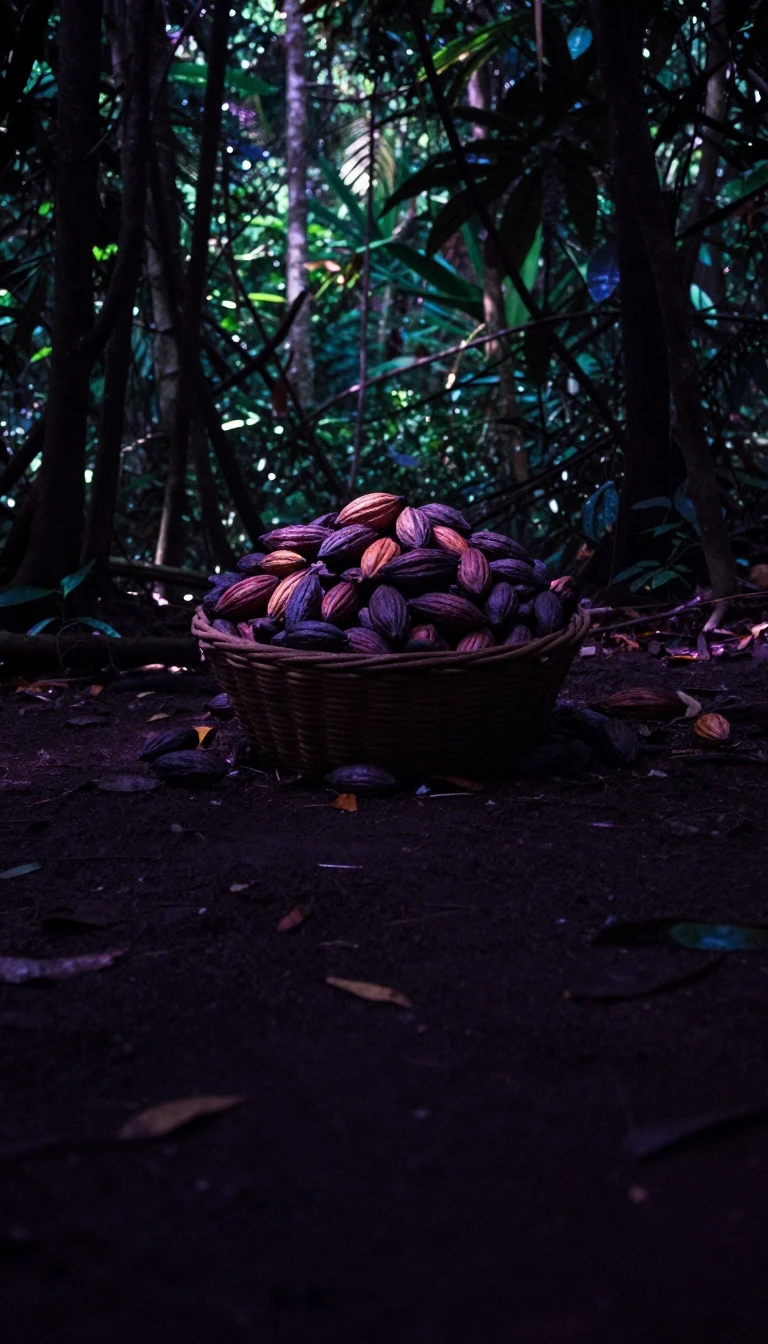 Europe had beans for millennia before the ones most people eat todayThe word bean was in West Germanic speech before the 12th century, naming broad beans and chickpeas. Then the Columbian exchange delivered Phaseolus, the American genus behind mos…
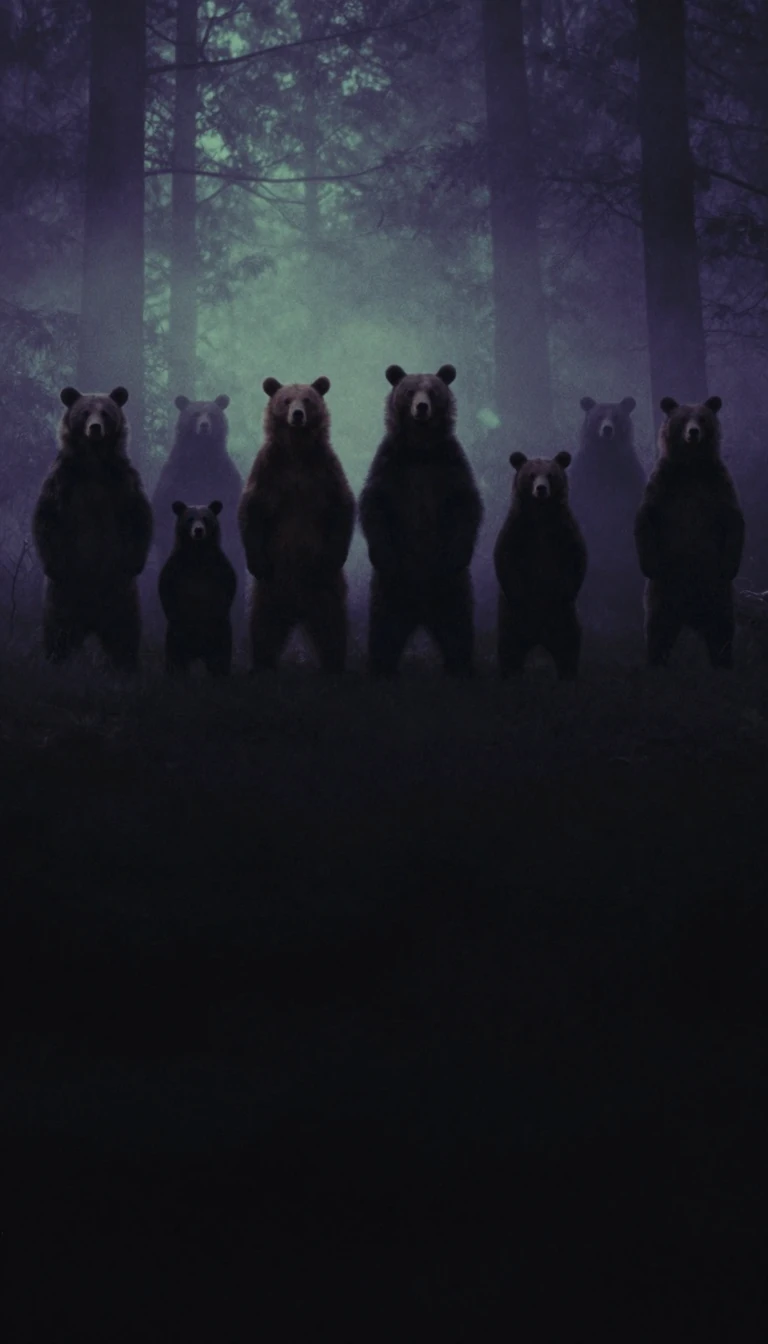 Beavers were hunted almost to extinction, then bounced back as ecosystem engineersBy felling trees and damming streams, beavers create whole wetlands that many other species depend on, which is why ecologists call them a keystone species. Fur, meat and a scent …
 The English word book may grow from the beech treeOld English boc, German Buche and Swedish bok all meant both beech and book, a link often explained by early runic tablets carved from beech wood. The tree's Latin name, fagus, ev…
- Truffles, baker's yeast and penicillin all come from the sac fungiThe biggest group of fungi, with more than 64,000 species, gives us bread, beer, cheese and antibiotics. It also contains rice blast, ergot and Candida, plus Cordyceps, a genus th…
 English speakers once called asparagus sparrow grass, and meant itIn 1791 one writer complained that the word asparagus sounded stiff and pedantic because everyone said sparrowgrass. Rural East Anglia kept the folk name into the 20th century. Th…
 A daisy is not one flower but hundreds packed into a disguisePluck a daisy or sunflower and you are holding a crowd. Each head is a capitulum of tiny florets pretending to be a single bloom, with the petals themselves being separate flowers…
 A South African quarry skull put Africa at the centre of human originsIn 1924 lime-quarry workers at Taung unearthed the skull of a three-year-old who had walked upright. Raymond Dart named it Australopithecus africanus, the southern ape, and argued…
- No, avocado did not originally mean testicle, despite the popular storyA favourite bit of food trivia says the Aztec word for avocado meant testicle. The reconstructed original meaning is simply avocado; the word was later borrowed as a euphemism. Th…
- Azaleas in a black vase once served as a death threatBehind the springtime show, azaleas are poisonous down to their nectar. Their reputation was grim enough that a bouquet delivered in a black vase was understood as a threat to kil…
- Baboons can work out who outranks whom just by eavesdroppingAmong the biggest monkeys alive, baboons live in troops of up to 250 animals with strict pecking orders. Listening to vocal exchanges is enough for them to judge dominance between…
 These parasites carry a leftover algal plastid they can no longer use for sunlightApicomplexans are single-celled parasites that break into animal cells using a specialised toolkit at their tip. Most also carry the apicoplast, a relic plastid probably inherited…
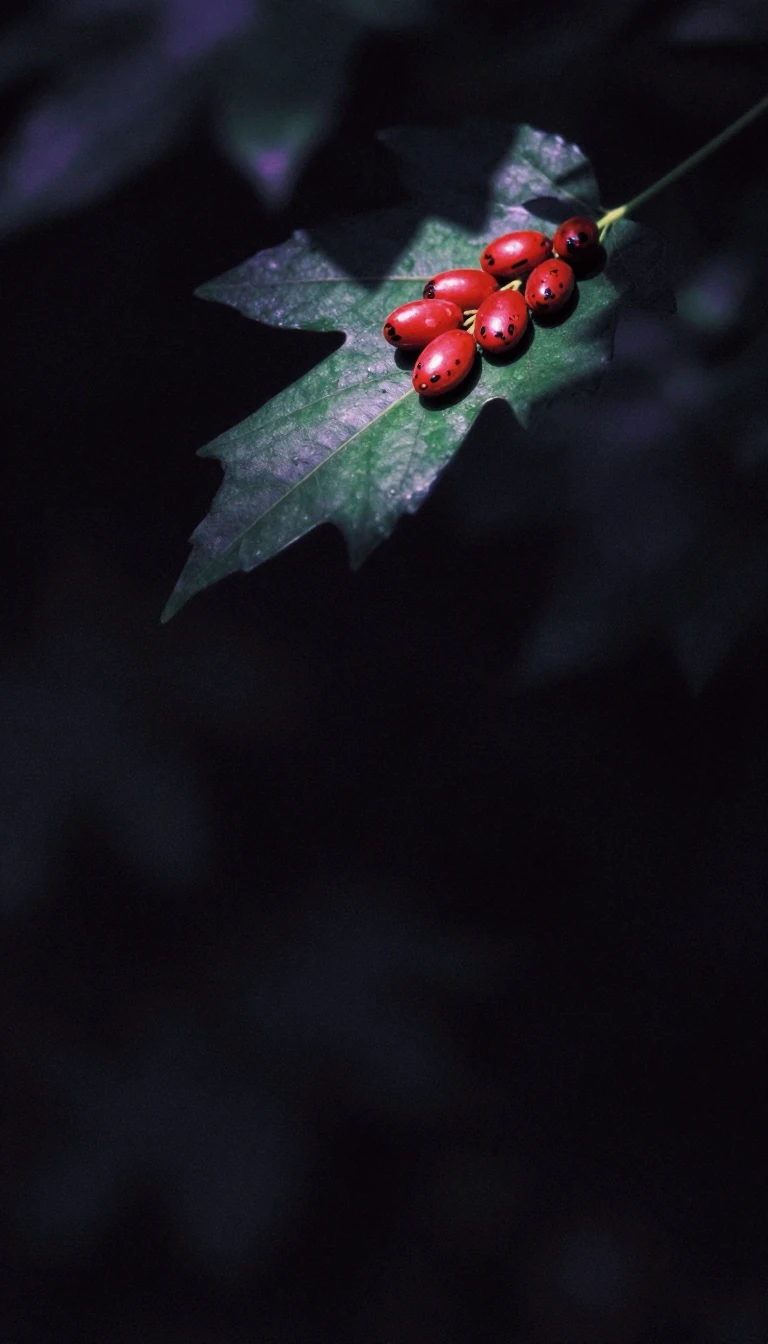 The dogbane family's name literally means away, dogApocynaceae takes its name from Greek words meaning away and dog, because some of its plants served as dog poison. The same family gives us frangipani, milkweed and oleander, arro…
 The apricot's scientific name honours Armenia, but genetics points to ChinaBotanists named the common apricot Prunus armeniaca because it had grown in Armenia for so long that it seemed native there. Genetic studies instead back Nikolai Vavilov's idea th…
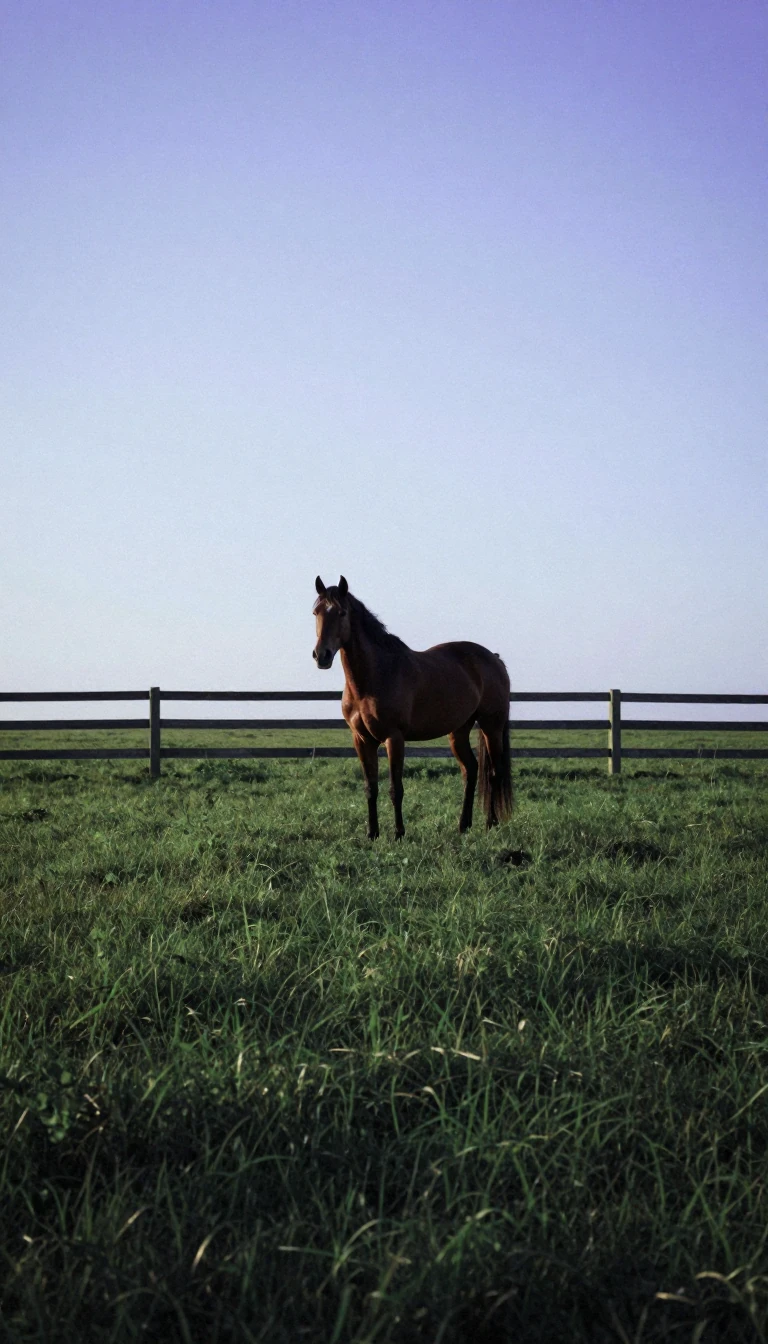 Bedouin families sheltered their best Arabian mares inside the family tentDesert nomads kept prized war mares beside their children to guard them from thieves, and bred only from calm, cooperative animals. The result is a horse that can be small yet car…
 The arum family spans the titan arum and the world's smallest flowering plantOne plant family holds both the largest unbranched flower spike on Earth, the titan arum, and the tiniest flowering plant, the duckweed Wolffia. Some members heat their blooms to …
- Microbes once filed as bacteria turned out to be our distant ancestorsArchaea look like bacteria under a microscope, yet their machinery for reading genes resembles ours, and complex cells, including human ones, appear to have evolved from them. Fir…
 Palms hold plant records for the biggest seed, leaf and flower clusterThe coco de mer grows seeds weighing up to 30 kg. Raffia palms unfurl leaves 25 metres long, Corypha palms raise flower spikes holding millions of blossoms, and Colombia's wax pal…
 A starch from St. Vincent once earned nearly half the island's exportsFrom the 1930s to the 1960s, arrowroot starch supplied close to 50 percent of St. Vincent's foreign earnings and most rural jobs. It also went into early carbonless copy paper. Th…
- The artichoke is a thistle bud, and its name comes from an Arabic word for scaleAn artichoke is an unopened thistle flower, eaten before it blooms into purple florets. Its English name passed from Arabic through Spanish and Italian, and speakers kept twisting…
 Amaranth's name means unfading, and its h is a spelling mistakeAmaranth plants can tower 2.5 metres, glow maroon to crimson and yield thousands of tiny seeds per gram. The Greek name meant unfading. The h in the Latin spelling crept in throug…
 The amaryllis sold every winter is usually not an Amaryllis at allThose big bulbs that bloom indoors at Christmas are mostly Hippeastrum, a South American genus. True Amaryllis has just two species, both from South Africa's Cape. Botanists argue…
 Forty-nine Brahman cattle shipped to Australia became over a million in QueenslandBetween 1933 and 1954 Australia imported just 49 American Brahman cattle. Their heat-proof, parasite-resistant descendants multiplied until, by century's end, no breed in the coun…
 Amoeba is a way of moving, not a single branch of lifeThere is no amoeba family on the tree of life. Shape-shifting cells that crawl on pseudopods turn up in every major group of complex organisms, from fungi to algae to animals. The…
 Blobby amoebae are closer kin to you than plants areAmoebozoa, a supergroup of about 2,400 described species, includes classroom amoebae, parasites and slime moulds that can spread across several square metres. Genetic trees place …
- Spain's royal war horse was once too precious to exportFor centuries European kings rode Spanish horses, and Spain handed them out as diplomatic gifts. The Andalusian, or Pure Spanish Horse, has barely changed shape since the 15th cen…
- Star anise has nearly pushed true anise out of Western kitchensThe liquorice note in ouzo, sambuca and pastis comes from anethole, a compound shared by Mediterranean anise and a Chinese spice from a completely unrelated plant. Star anise is c…
- The glossy red 'flower' of an anthurium is really a modified leafAnthurium is the biggest genus in the arum family, with about 1,000 species from Mexico to Argentina. What looks like a shiny red petal is a bract called the spathe, and the true …
 By modern biology's definition, you are an apeApes lack tails because of a mutation in a single gene, TBXT. Biologists once used the word for every hominoid except humans, but a consistent family tree cannot leave us out, so …
- The carrot family feeds kitchens worldwide and also includes poison hemlockCarrots, celery, parsley, cumin, coriander and dill all belong to one family, recognisable by flat umbrella-shaped flower heads. So do giant hogweed, whose sap reacts with sunligh…
- Half a death cap mushroom may hold enough toxin to kill an adultThe death cap causes about 90 percent of the world's fatal mushroom poisonings. Cooking and freezing do nothing to its toxins, it resembles prized edible species, and its smell st…
 The malaria parasite's ancestors may once have lived on sunlightAlveolates are a huge group of single-celled organisms that includes pond ciliates, glowing marine dinoflagellates and parasites such as Toxoplasma. What unites them is a layer of…
- The fly agaric earned its name by being crumbled into milk to kill fliesThe red, white-spotted toadstool of fairy tales and Super Mario is a real and poisonous fungus. Its common name probably records an old household trick, sprinkling it into milk as…
- Baobab flowers open so fast you can watch them moveBaobabs, the 'upside down trees', rank among the longest-lived vascular plants, yet their flowers are fertile for at most 15 hours. They unfurl around dusk quickly enough to see, …
- The humble button mushroom belongs to a genus taxonomists still fight overAgaricus gives the West its everyday supermarket mushroom and the wild field mushroom, but the genus is anything but simple. It holds more than 400 species, perhaps as many again …
- Some agaves wait 60 years to flower, then dieThe 'century plant' does not really take a century, but some agave varieties live 60 years before blooming. Then they throw up a flowering mast that can top 12 metres, set seed an…
- Much of Venice stands on pilings cut from alder treesAlder wood holds up remarkably well underwater, which is why builders have used it for pier and wharf pilings for thousands of years, and why most of the piles beneath Venice came…