 Intellect Plus
Organisms
1,988 cards. Each one is a 40-second story with a five-minute read behind it. Page 26 of 34.
 An almond is not a nut, and California grows most of themBotanically, the almond is the seed of a drupe, a cousin of the peach whose fleshy layer has shrunk into a leathery hull. About 80 percent of the world's supply comes from Califor…
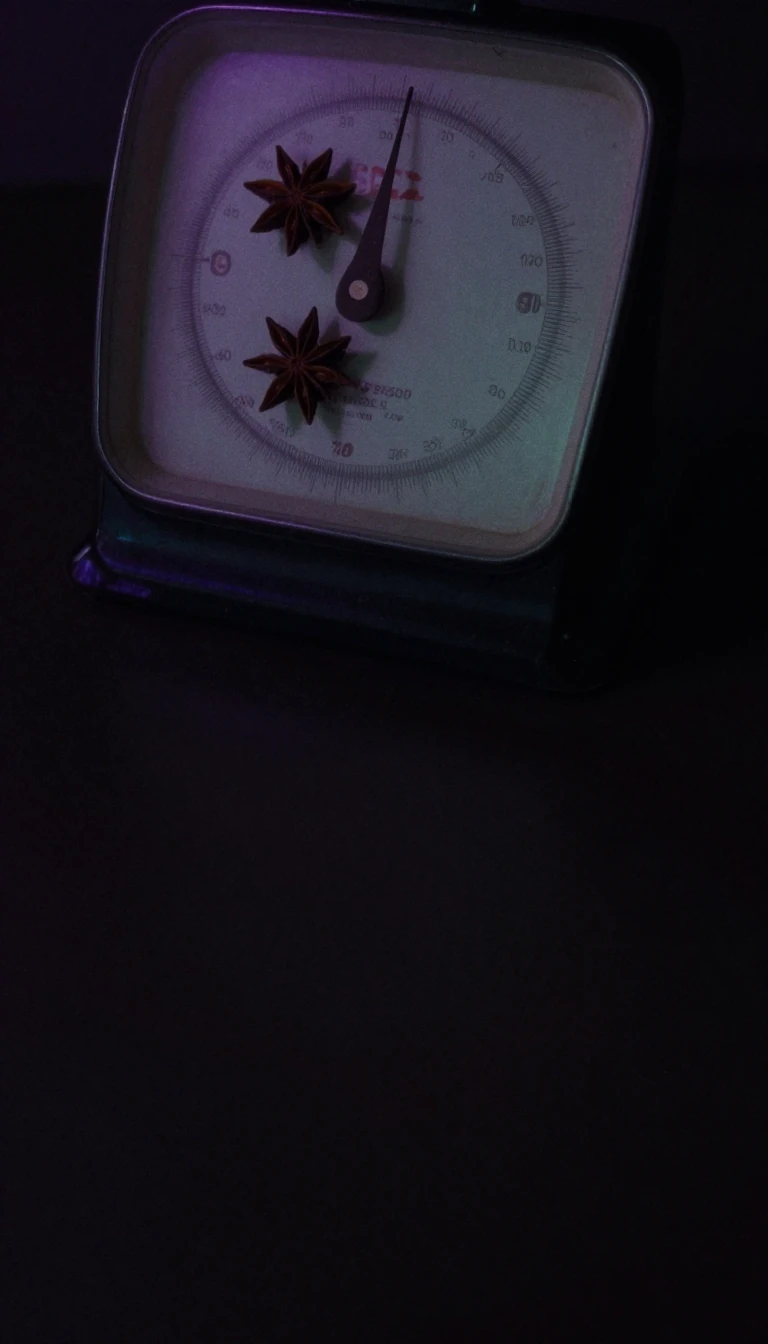 Aloe's healing fame outruns the evidence behind itAncient Greeks and Romans dressed wounds with Aloe vera, and it now fills soaps and supplements. Yet clinical evidence is limited. The US Food and Drug Administration ruled in 200…
 Florists' year-round Peruvian lilies come from crossing Chile with BrazilWild alstroemerias keep to seasons: Patagonian species grow in winter, Brazilian ones in summer. Breeders crossed the two groups, starting with American trials in the 1980s, and p…
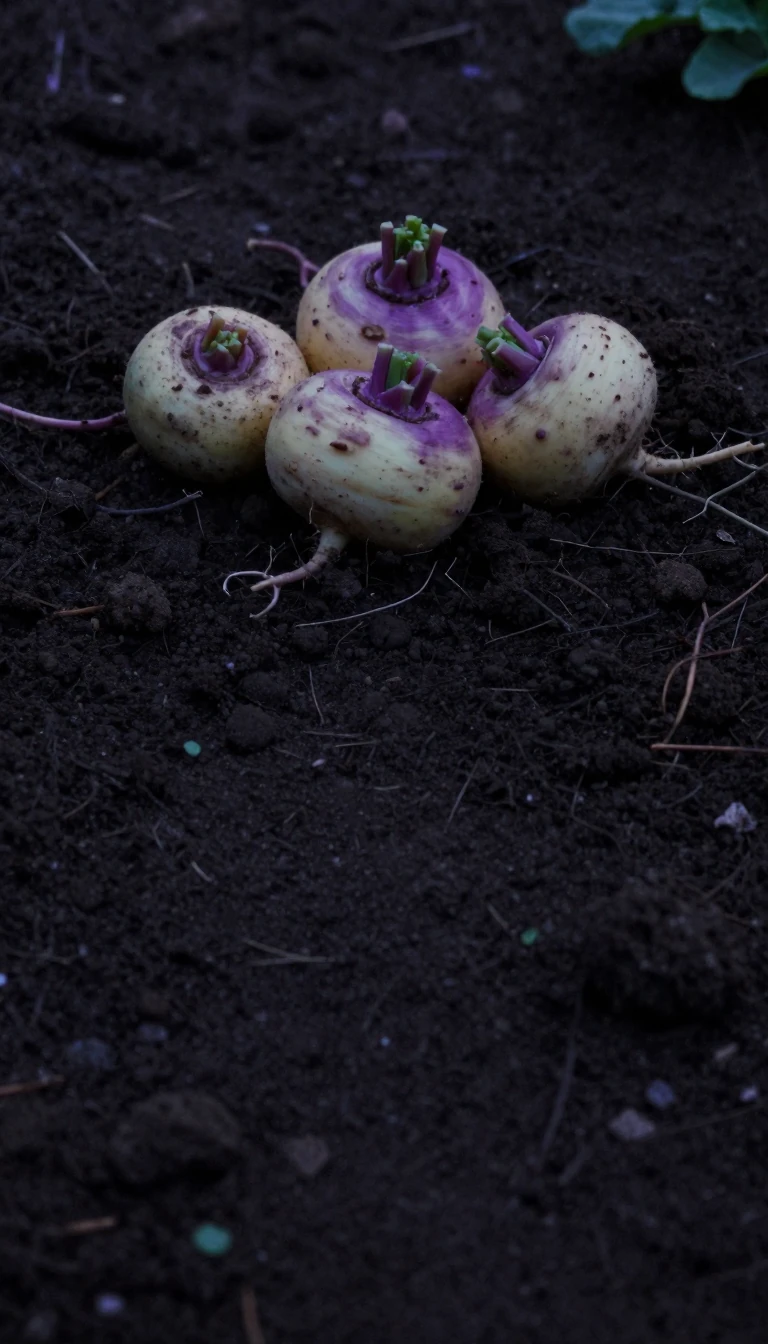 Tomatoes, potatoes and deadly belladonna all belong to one plant familyThe nightshade family gives the world some of its favourite foods, including tomatoes, potatoes and chilli peppers, alongside tobacco and Atropa belladonna, among the most toxic p…
 Apis mellifera is the beekeeper's default honey engineAmong roughly seven to twelve honey-bee species, Apis mellifera—Latin for honey-bearing bee—is the everyday western honey bee. Eusocial colonies hold one queen, sterile-leaning wo…
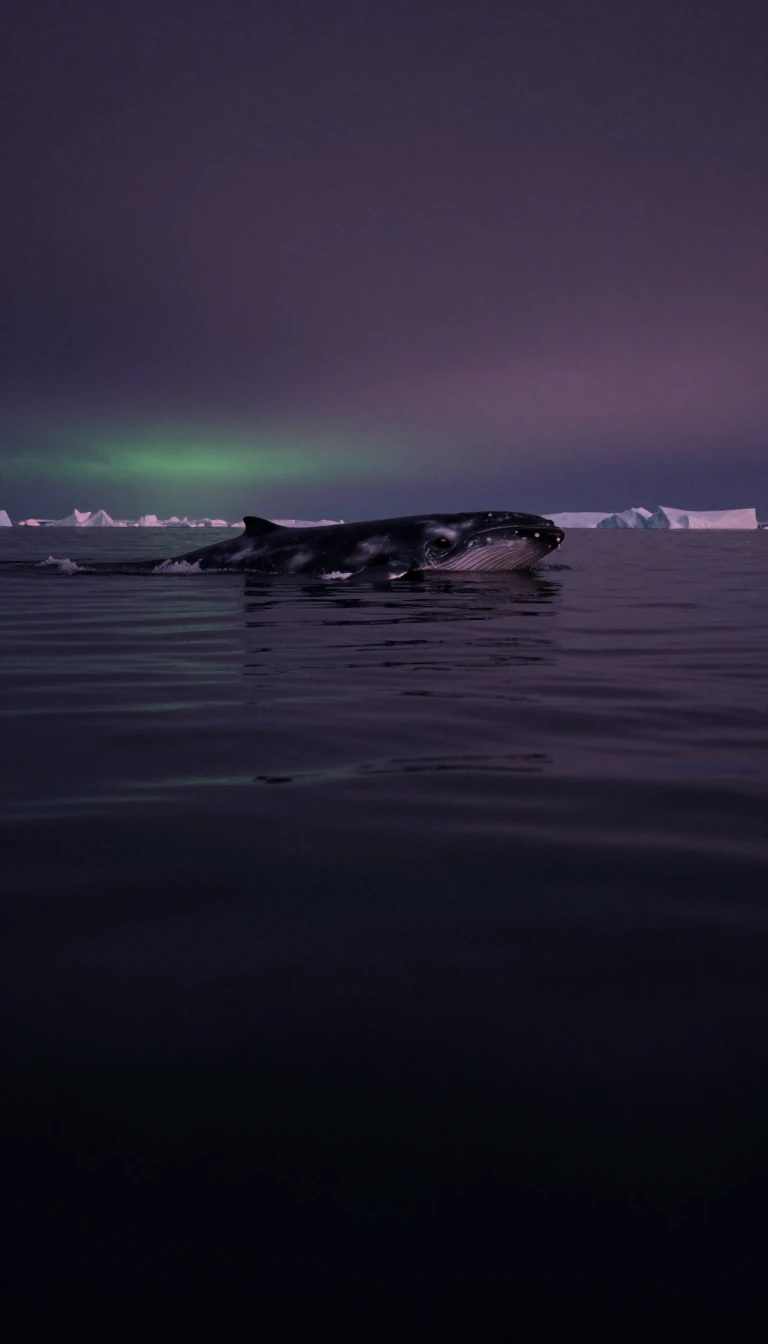 Whales live entire lives at sea—from birth to sucklingAs a colloquial label, whales cover the larger fully aquatic placental mammals of Cetacea. They feed, mate, calve, and nurse offshore. Size spans roughly 2.6 m and 135 kg dwarfs u…
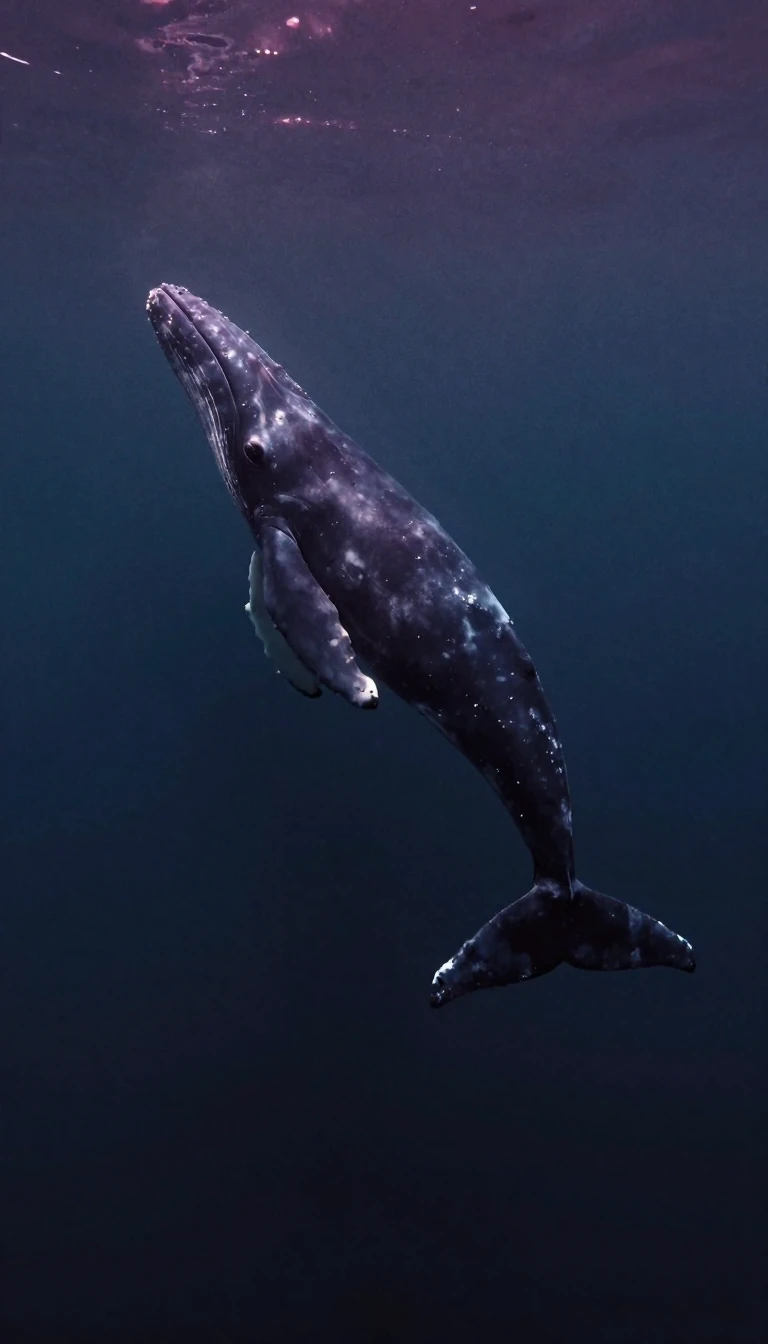 The biggest fish alive filters plankton like a swimming sieveRhincodon typus, a slow carpet shark, is the largest living fish—one measured 18.8 m. Tropical oceans above about 21 °C are home; lifespan estimates run roughly 80–130 years. In A…
 Whiteflies slip through greenhouse mesh too fine for their own predatorsAleyrodidae—the sole family in Aleyrodoidea—are tiny hemipterans that usually suck from leaf undersides. Most sport wingspans under 3 mm and bodies 1–2 mm long, so small that gree…
 Sus scrofa painted Eurasia before it filled farms worldwideWild boar—also called Eurasian wild pig—are native across much of Eurasia and North Africa and have been widely introduced. Up to sixteen subspecies in four skull-based groups wer…
 Blue wildebeest rivers of herds still cross East AfricaConnochaetes antelopes—wildebeest or gnu—belong to Bovidae's Alcelaphinae and live in eastern and southern Africa. Fossils suggest blue and black wildebeest split about a million …
 Grey wolves still number roughly a quarter million worldwideCanis lupus—the grey wolf—of Eurasia and North America includes more than thirty subspecies, including the domestic dog. Among Canis, wolves are most specialised for cooperative h…
- Gulo the glutton is the largest land mustelidWolverines (Gulo gulo)—also carcajou or quickhatch from East Cree—are the biggest terrestrial mustelids, roaming boreal forest, subarctic, and alpine tundra especially across the …
 Woodlice are land crustaceans, not lice at allOniscidean isopods nicknamed woodlice haunt damp wood yet are neither parasites nor insects. Molecular clocks suggest Paleozoic landfall, though the oldest fossils are mid-Cretace…
 Woodpeckers drill timber almost everywhere except Australasia and MadagascarWoodpeckers, piculets, wrynecks, and sapsuckers form family Picidae within Piciformes, absent from Australia, New Guinea, New Zealand, and Madagascar. Drumming and chiseling mostl…
 Six hundred wrasse species polish reefs in bright armourLabridae holds over 600 marine species in 81 genera, many dazzlingly coloured. Most stay under 20 cm, yet humphead wrasse can reach 2.5 m. The English name comes from Cornish wrag…
 Almost all wrens are New World voices in brown feathersTroglodytidae counts 96 species in 19 genera of small brown passerines. Only the Eurasian wren among them lives outside the Americas. Most look plain yet sing loud, complex songs;…
- Horseshoe crabs are sword-tailed cousins of spidersOrder Xiphosura—Greek for sword tail—groups arthropods related to arachnids, the familiar horseshoe crabs among them. Their look barely shifted across hundreds of millions of year…
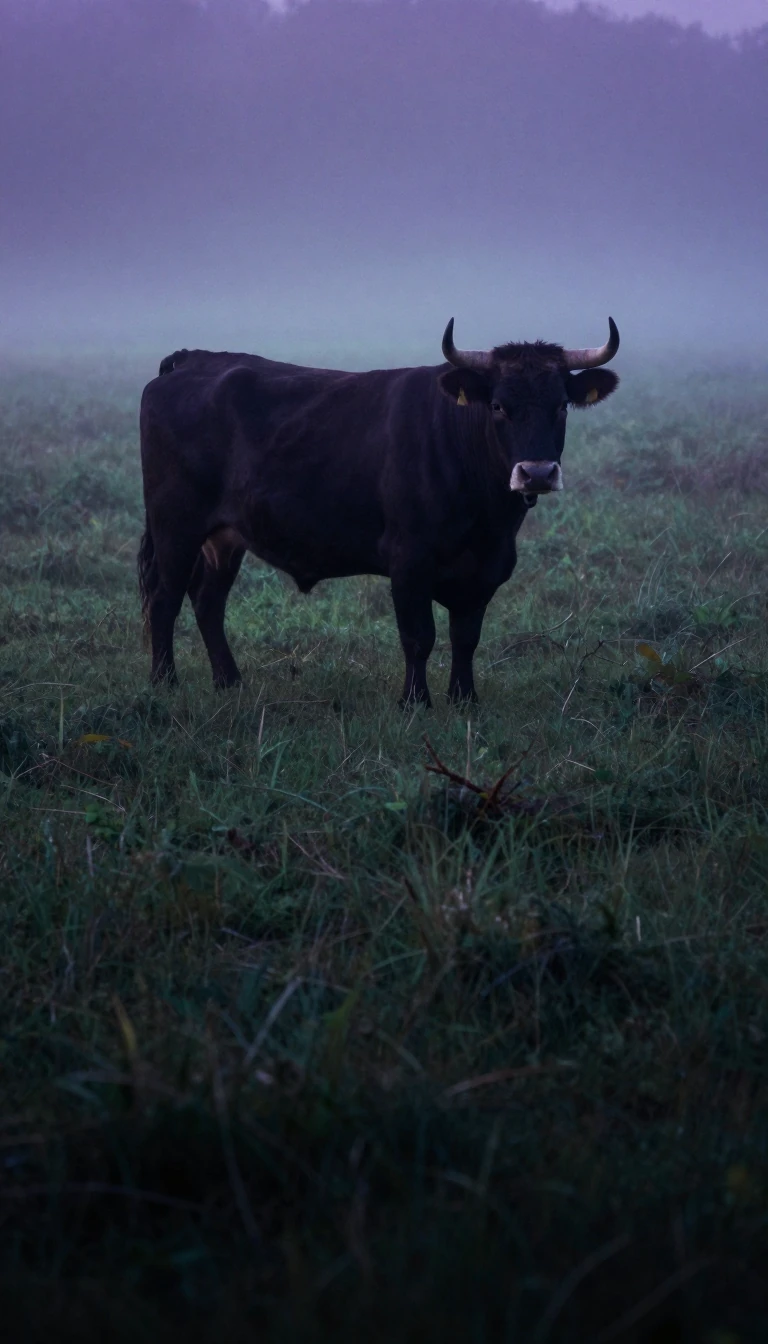 Tibetan g.yag means the bull—females answer to 'briDomestic yaks (Bos grunniens) carry long hair across the Himalaya, Tibetan Plateau, Pamirs, and neighboring highlands. English yak borrows Tibetan g.yag for the male; females are …
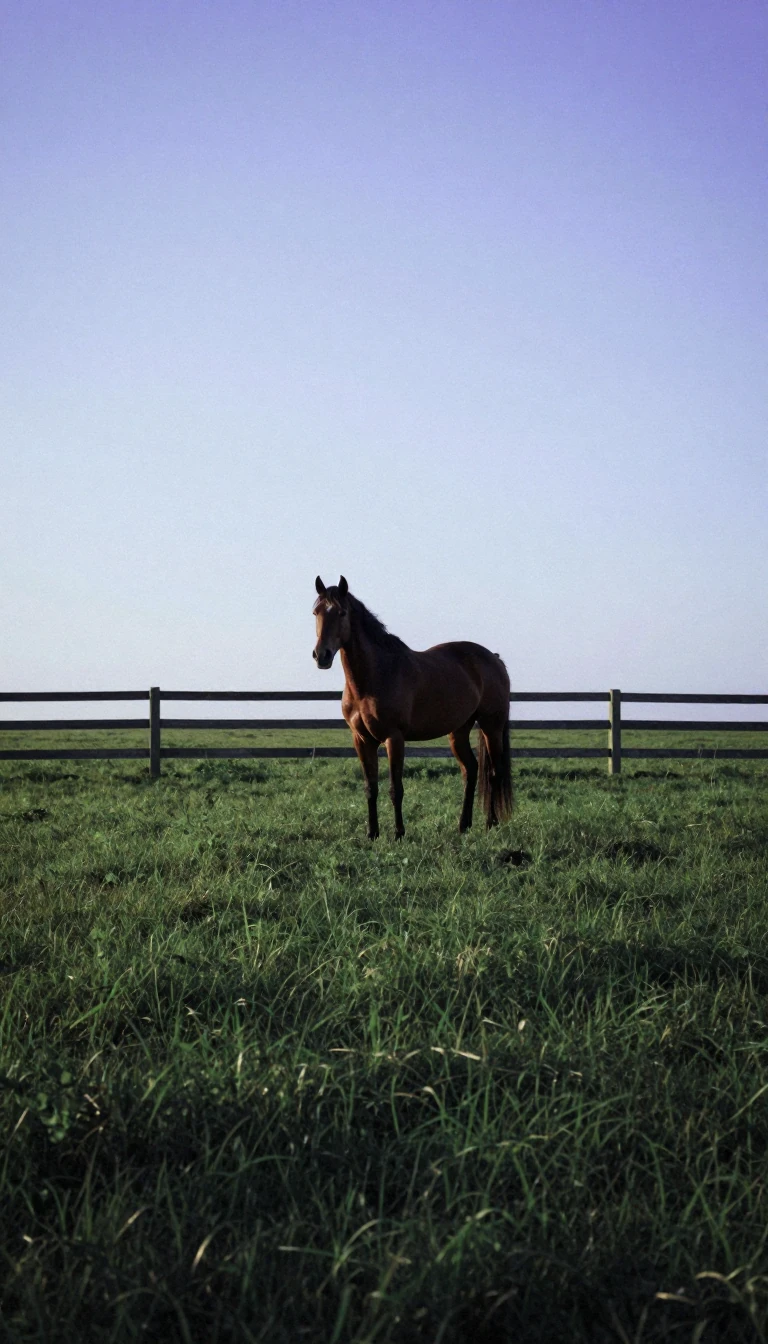 Three living zebra species wear Africa's barcode coatsZebras—subgenus Hippotigris—are African equines with black-and-white stripes. Living species are Grévy's, plains, and mountain zebras. Primary grazers on often poor forage, they f…
 Skinks shed tails and hide necks across fifteen hundred speciesScincidae packs more than 1,500 described species into about a hundred genera, making skinks one of lizard life's most diverse families. Most look short-necked with modest legs, y…
 Africa's tsetse folds its wings like stacked bladesTsetse—genus Glossina, in their own family—are large biting flies across much of tropical Africa and parts of the Arabian Peninsula. Twenty-three living species are known; fossils…
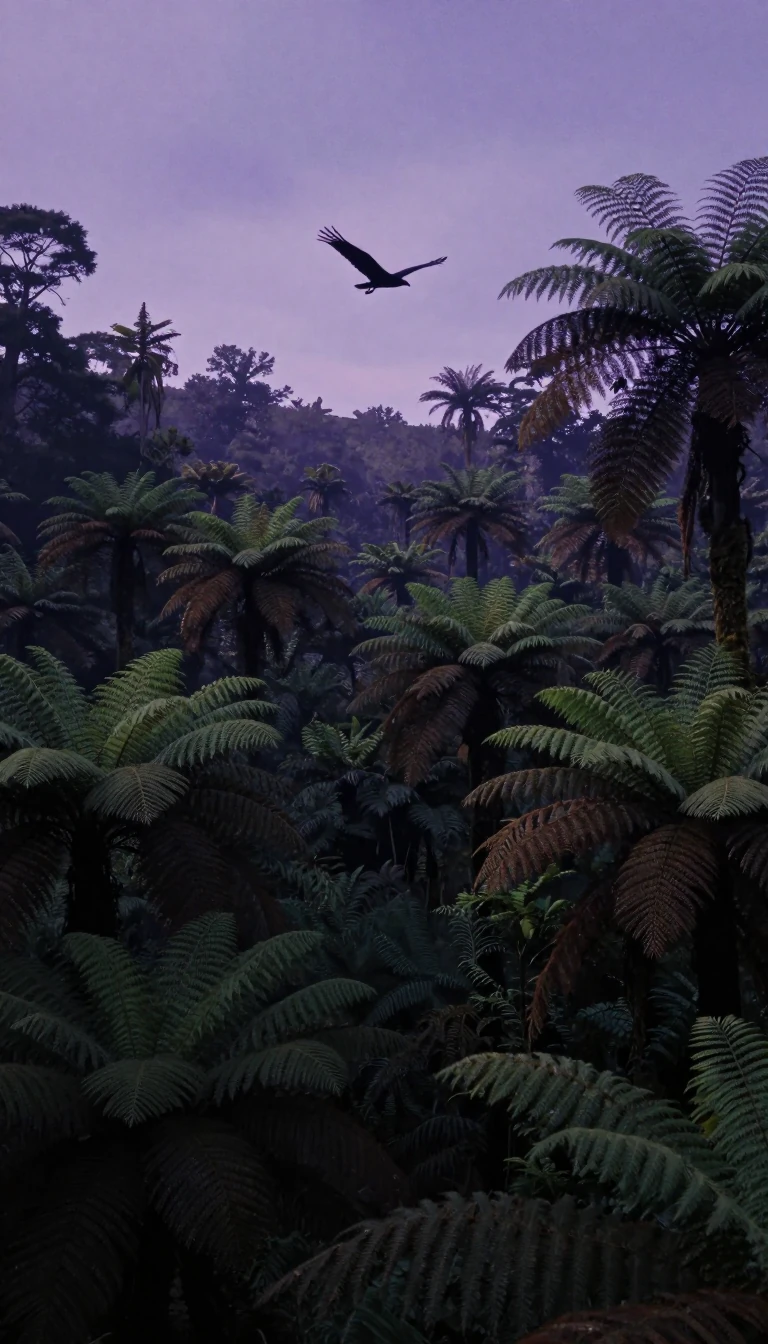 New Zealand's tuatara is no lizard—it is the last of its orderSphenodon punctatus looks lizard-like yet is the sole living rhynchocephalian, a once-diverse order that appears in Middle Triassic rocks about 244–241.5 million years ago. Endemi…
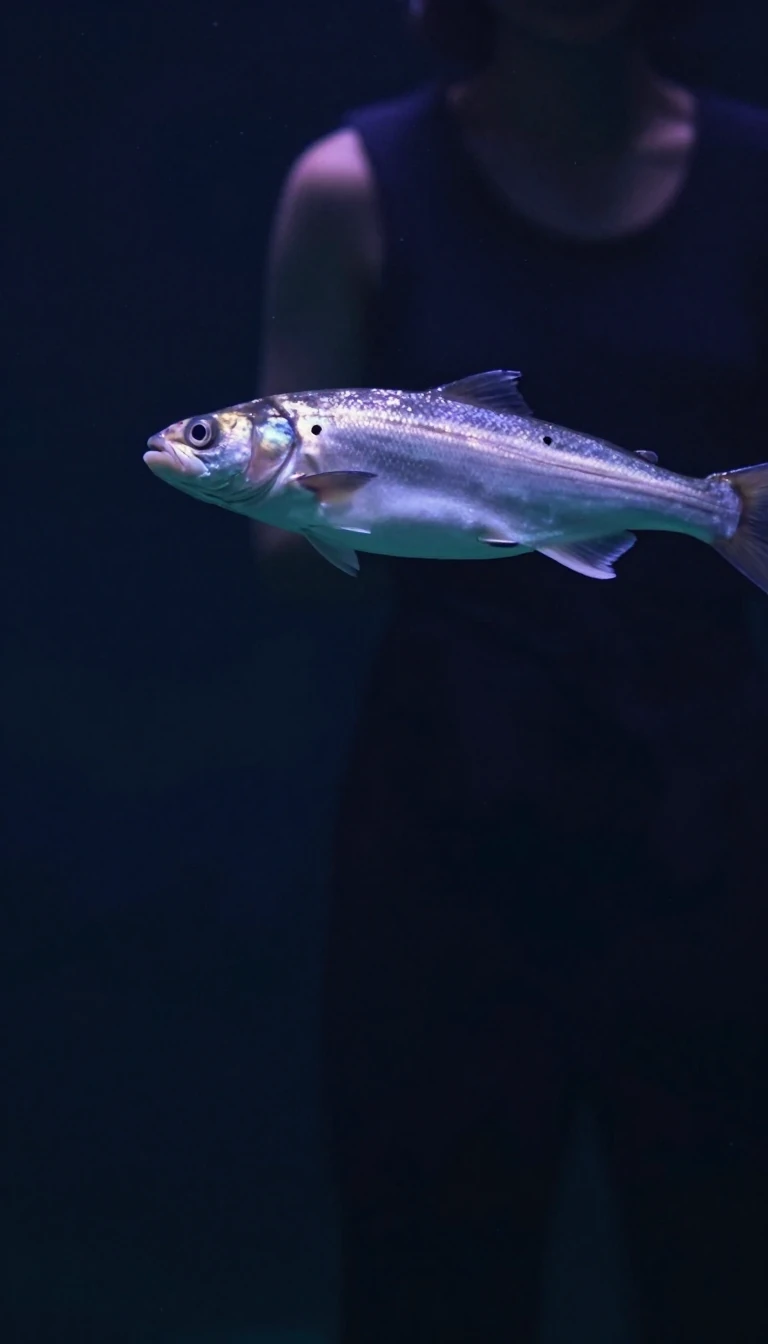 Tuna run warm-blooded engines through open oceanFifteen Thunnini species in five genera—from fifty-centimetre bullet tuna to giants—share a rare fish trick: with opah and mackerel sharks, they keep body heat above seawater. Str…
 Africa's banana-eaters flash green and shout go-awayTuracos of family Musophagidae—"banana-eaters," including plantain-eaters and go-away-birds—are nearly unique among birds for being endemic to Africa (mousebirds are another). Sem…
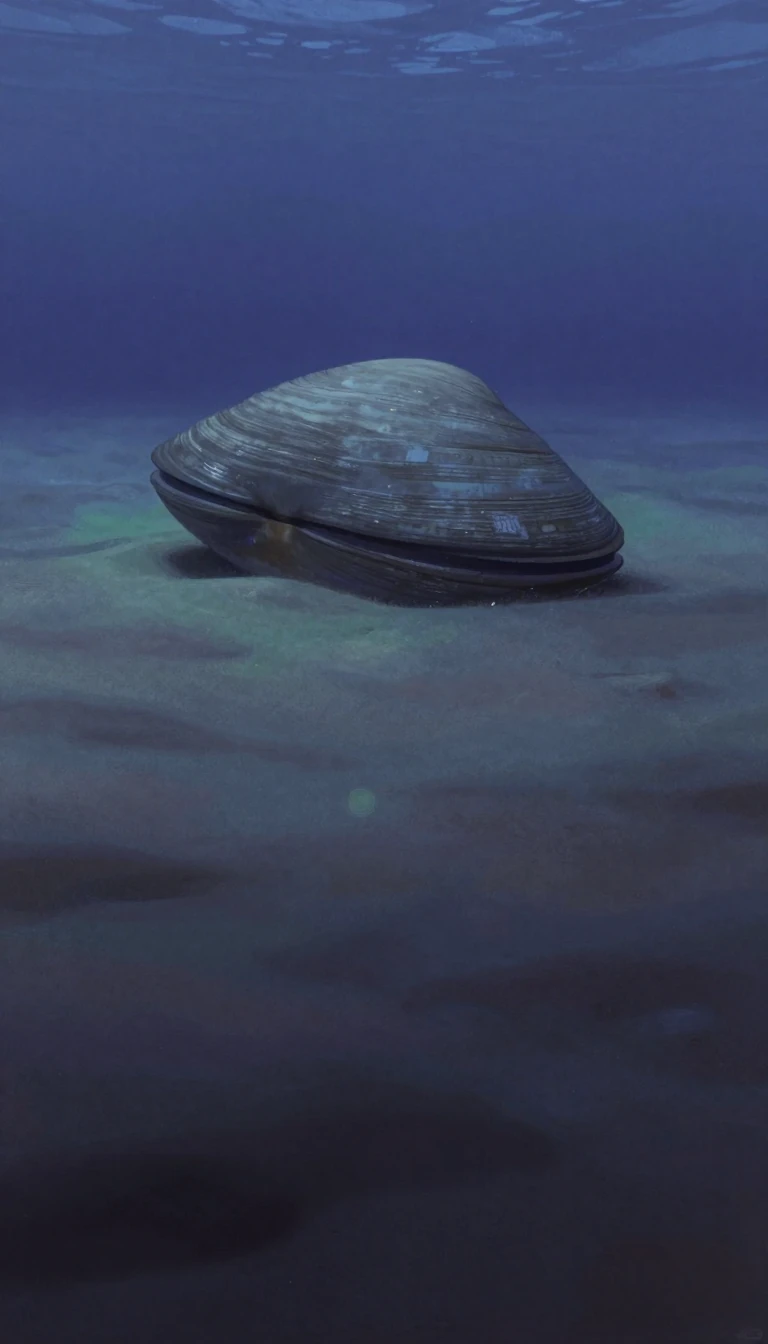 Turbot's left-eyed disk sells as white table luxuryScophthalmus maximus is a large left-eyed flatfish of Northeast Atlantic, Baltic, and Mediterranean shores—an important food species with bright white flesh that stays pale when c…
 Turtle shells are ribcages worn outside the bodyOrder Testudines wraps reptiles in shells built mainly from ribs: a domed bony carapace above and flatter plastron below, sheathed in keratin scutes like hair and claws. Living tu…
 T. rex balanced a huge skull on tiny, strong armsTyrannosaurus rex—Latin rex for king—is among the best-represented large theropods, a bipedal carnivore whose massive skull rode opposite a heavy tail. Hind limbs dwarfed short ye…
 Tyrant flycatchers are the Americas' biggest bird familyTyrannidae packs more than four hundred passerine species from Alaska to Patagonia—the world's largest bird family and the most diverse in the Americas. Most wear camouflage brown…
 Barn-owl genus Tyto hunts ground prey on silent wingsTyto, named in 1828 by Gustaf Johan Billberg from Greek tutō for owl, is the cosmopolitan heart of Tytonidae. Western, eastern and American continental forms plus many island line…
 Only three bat species truly live on blood mealsDesmodontinae leaf-nosed bats of Central and South America are the only mammals specialised for hematophagy—feeding on blood. Three living species, each in its own genus, look mor…
 Real Velociraptor was turkey-sized, not movie-monster tallVelociraptor—"swift thief"—was a small Asian dromaeosaur living about 75 to 71 million years ago in the Late Cretaceous. Two species are recognised. At roughly 1.5–2.07 m long and…
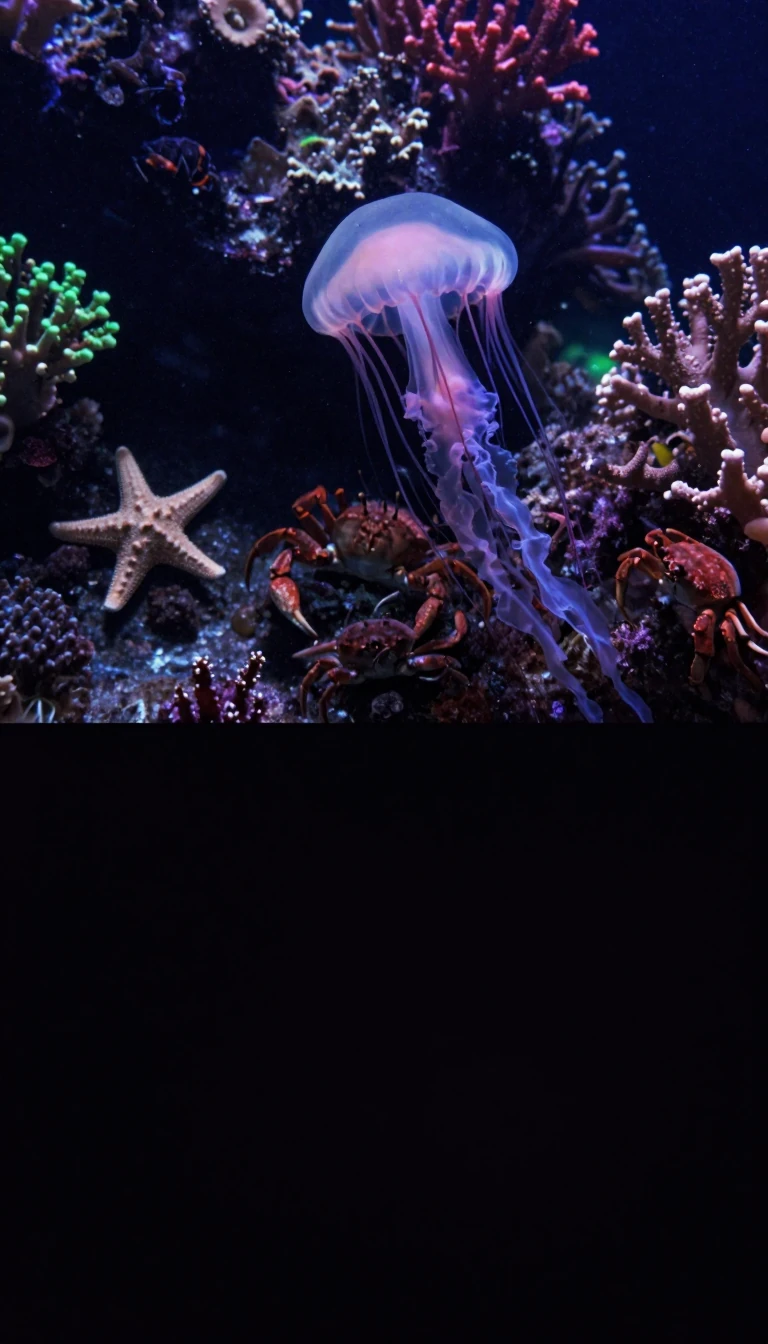 A backbone and skull define some sixty-five thousand speciesVertebrates—also called craniates—wrap spinal cord and brain in vertebral column and skull. Subphylum Vertebrata holds about 65,000 species, the largest cut of phylum Chordata, sp…
 Andean vicuñas wear the world's dearest wild woolLama vicugna, the wild Andean camelid of high alpine slopes, is kin to the llama and likely ancestor of the alpaca. It yields tiny amounts of extremely fine fibre so costly becaus…
- Wasps are every skinny-waisted hymenopteran that is not a beeIn entomology a wasp is any narrow-waisted Apocrita that is neither bee nor ant—leaving sawflies aside as broad-waisted cousins. Familiar yellowjackets and hornets in Vespidae liv…
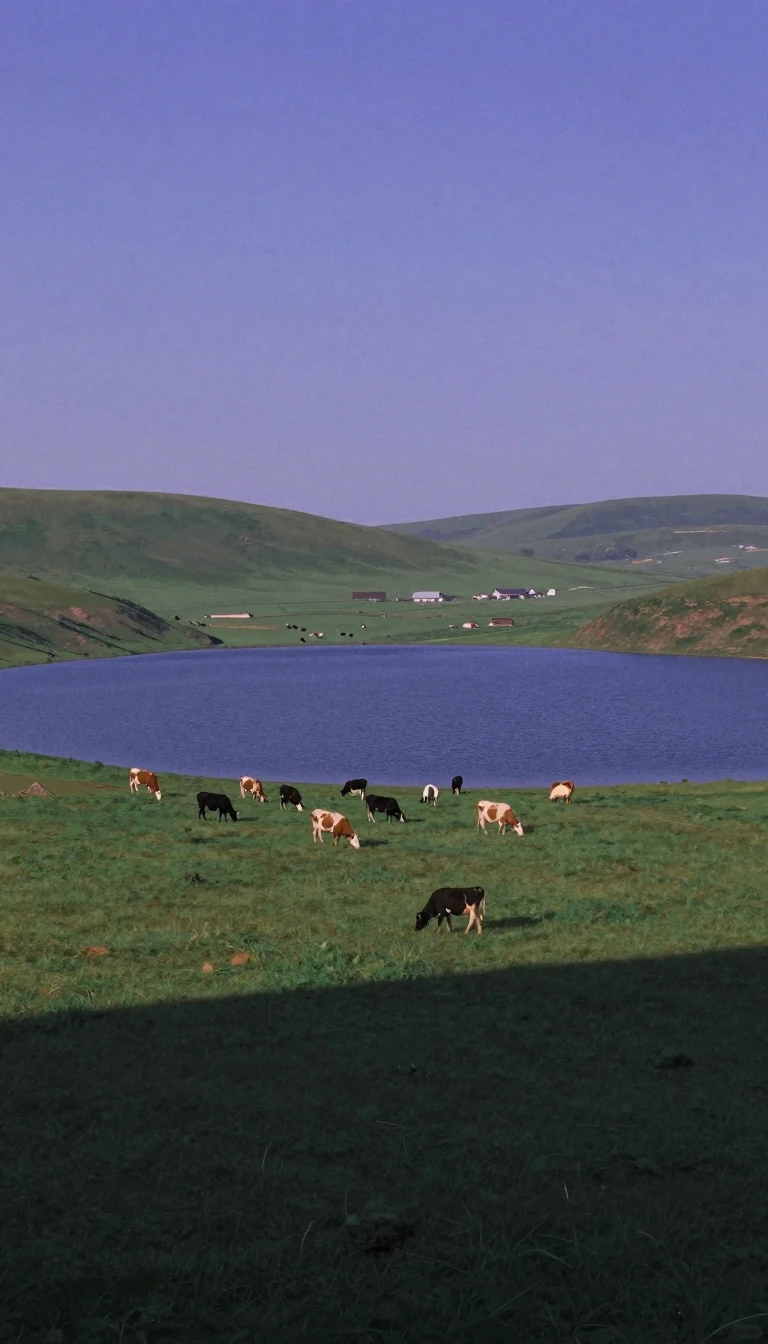 Rice paddies run on water buffalo muscle and rich milkBubalus bubalis, the domestic Asian water buffalo, likely descends from wild Bubalus arnee. River-type stock seems to have arisen in South Asia; swamp-type animals took different …
 Mustela packs weasels, stoats, ferrets, and mink togetherGenus Mustela in the mustelid family covers least weasels, polecats, stoats, ferrets, and European mink—slender hunters of small mammals. Least weasels run about 173–217 mm, femal…
 Weevil snouts chew—they do not pierce like a mosquitoCurculionoidea beetles, usually under 6 mm and plant-eating, brandish elongated rostra that carry chewing jaws at the tip. About 97,000 species make them one of beetle-dom's mega-…
 Foam-filled bills and tails that flip onto their backsRamphastidae toucans—five genera and over forty Neotropical species—flash oversized colorful bills that look heavy yet weigh little thanks to bone struts packed with foam-like ker…
 Three-horned giants of Laramidia’s last Cretaceous daysTriceratops—“three-horned face”—roamed western North America’s island continent Laramidia about sixty-nine to sixty-six million years ago. Eight to nine metres of four-legged bulk…
- Calcite-armored arthropods that ruled seas for 270 million yearsTrilobites—“three-lobed entities”—were among Earth’s earliest abundant arthropods, surfing Cambrian through Permian oceans for almost 270 million years. Their calcite exoskeletons…
 Compact forest jewels whose order is still a phylogenetic puzzleTrogonidae’s forty-nine species in seven genera—the sole Trogoniformes—haunt tropical forests worldwide, brightest in the Neotropics’ thirty-four species. Fossils reach the Early …
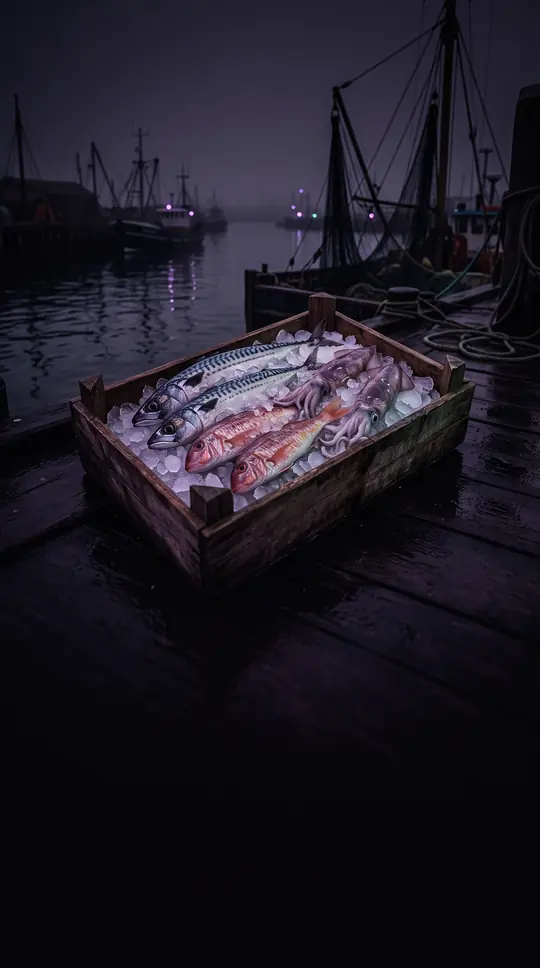 Salmon’s cousins named across three cold-water generaTrout is a catch-all for carnivorous salmonids in Oncorhynchus, Salmo, and Salvelinus—Pacific, Atlantic, and circum-arctic lineages inside Salmoninae. Most stay potamodromous, liv…
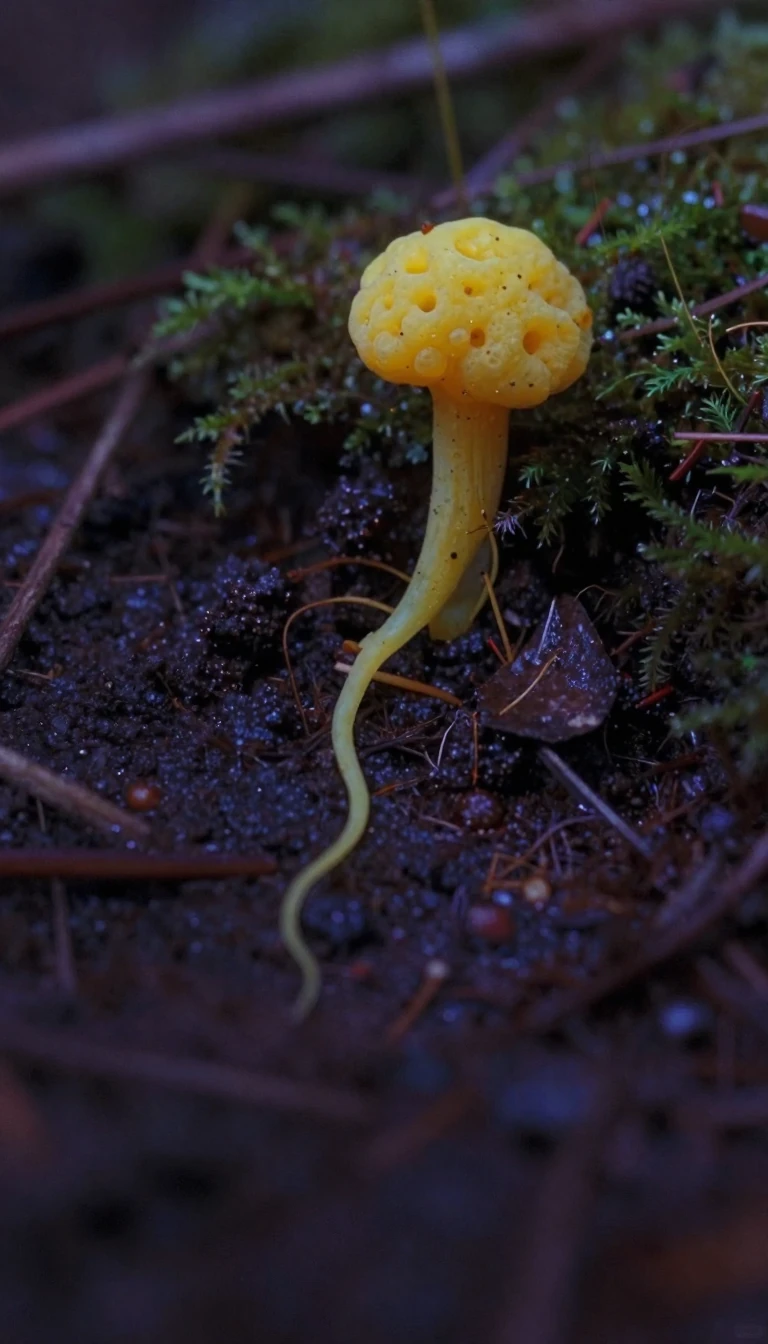 Toothless bufonids with poison shoulders and a spare ovaryBufonidae true toads exceed thirty-five genera and 570-plus species, the only anuran family whose members are all called toads. Toothless and warty, they wear parotoid glands behi…
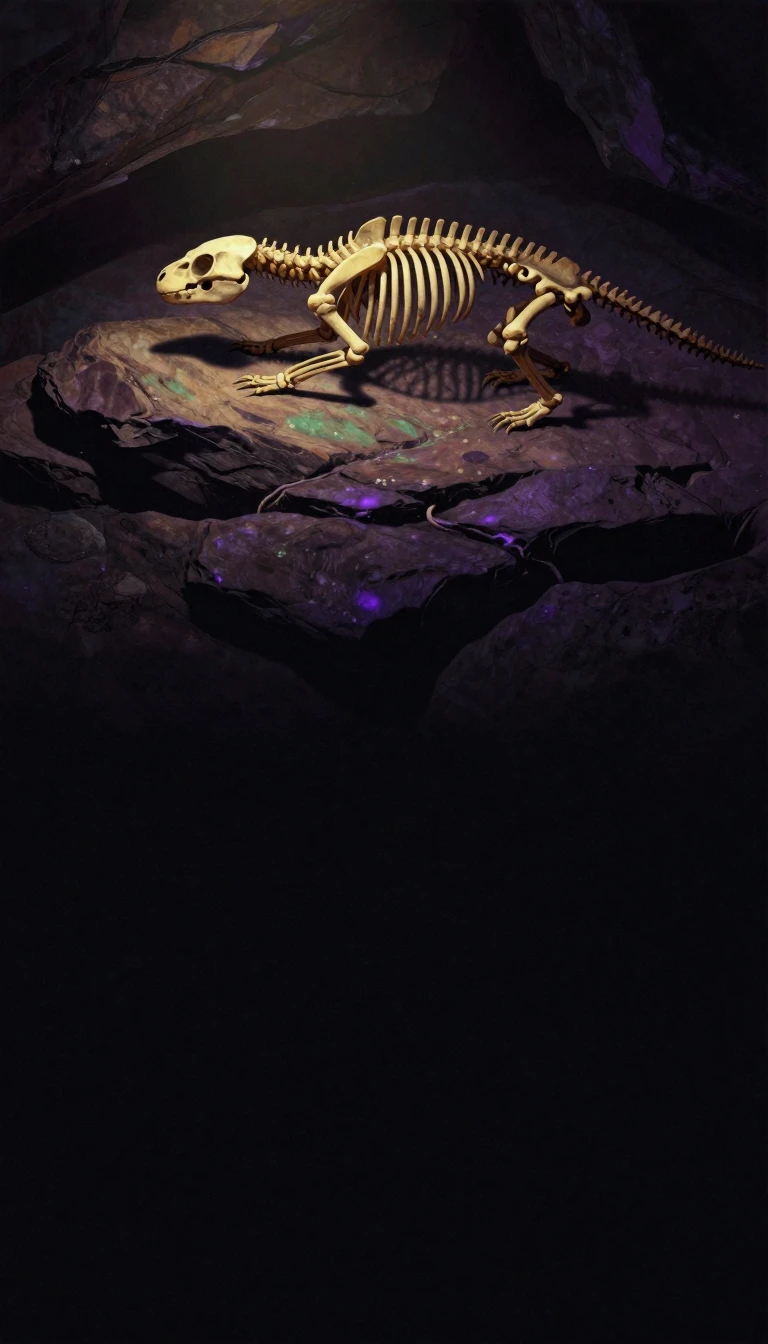 Mammals’ clade once mislabeled mammal-like reptilesSynapsida covers every mammal plus extinct cousins that share a single lower temporal fenestra behind each eye. They are amniotes’ other great branch beside Sauropsida. Early form…
 Nectar drinkers whose females need blood for eggsTabanidae—horse flies and deer flies—are agile daytime biters on every continent save polar wastes and some islands. Males sip nectar with weak mouthparts; females wield paired cu…
- Odd-toed forest giants with a flexible mini-trunkTapirs are the third living perissodactyl branch beside horses and rhinos—pig-shaped browsers with a short prehensile proboscis. Four widely accepted Tapirus species still haunt A…
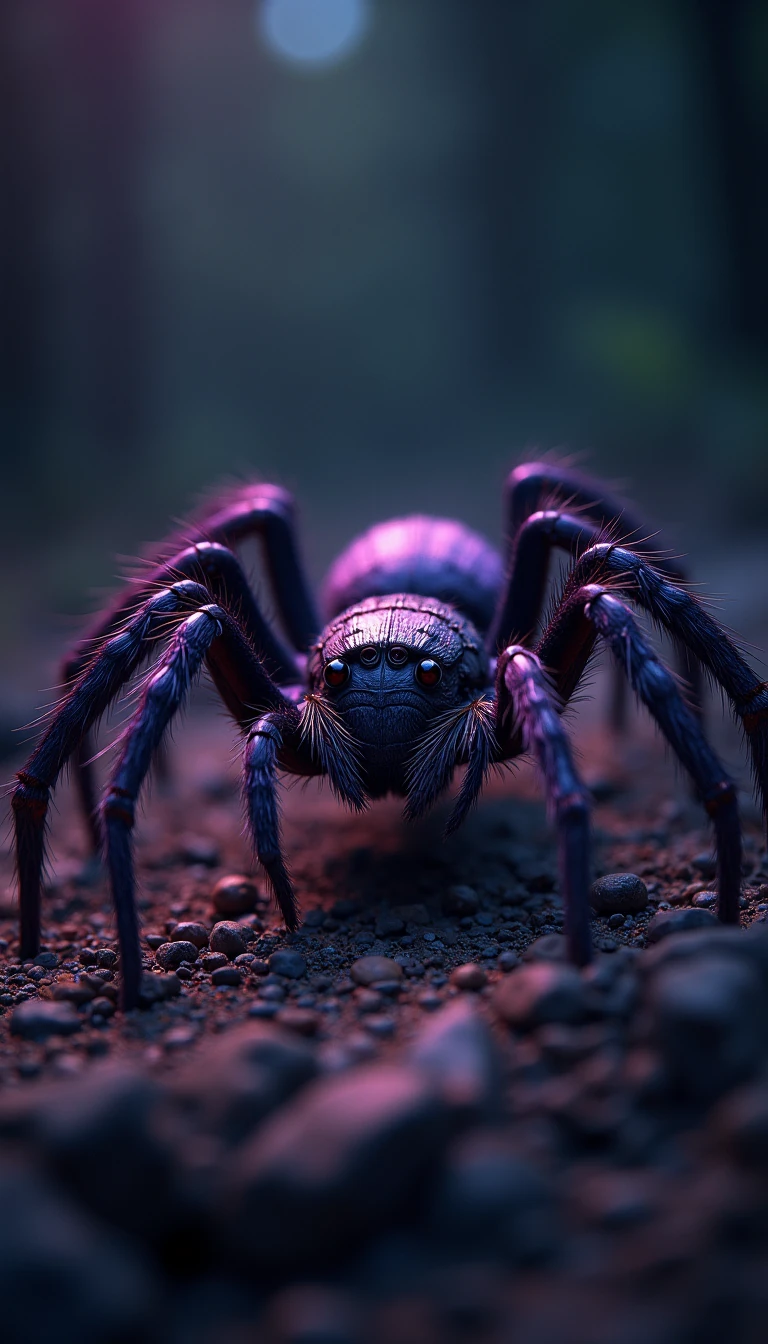 A thousand theraphosids stole a wolf spider’s nameTheraphosidae packs more than a thousand often-hairy spiders in nearly two hundred genera, yet the word tarantula began with Lycosa tarantula, a Mediterranean wolf spider named fo…
 Australia’s largest marsupial carnivore fights a contagious cancerSarcophilus harrisii, the Tasmanian devil, vanished from mainland Australia about 3,500 years ago and now survives on Tasmania. Stocky as a small dog yet able to hit thirteen kilo…
 Social cockroaches that can out-biomass the tropicsTermites are eusocial Blattodea that chew wood, litter, and humus with beaded antennae and soft pale workers. Once ranked as their own order Isoptera, they nest inside cockroach p…
 Streamlined seabirds whose Old English name was stearnSterninae terns share Laridae with gulls yet look longer-billed and lighter, with narrow wings and forked tails. Least terns weigh thirty to forty-five grams; Caspian terns reach …
 Four-toothed puffers that inflate and poison predatorsTetraodontidae—pufferfishes and their many nicknames—pack roughly 193 to 206 species whose four fused beak-like teeth give the family its Greek name. Many store tetrodotoxin in or…
 Four limbs redefined the vertebrate body planTetrapoda means four-footed: vertebrates whose limbs meet shoulder and hip girdles, plus legless descendants of limbed ancestors. Amphibians and amniotes—the sauropsid reptiles an…
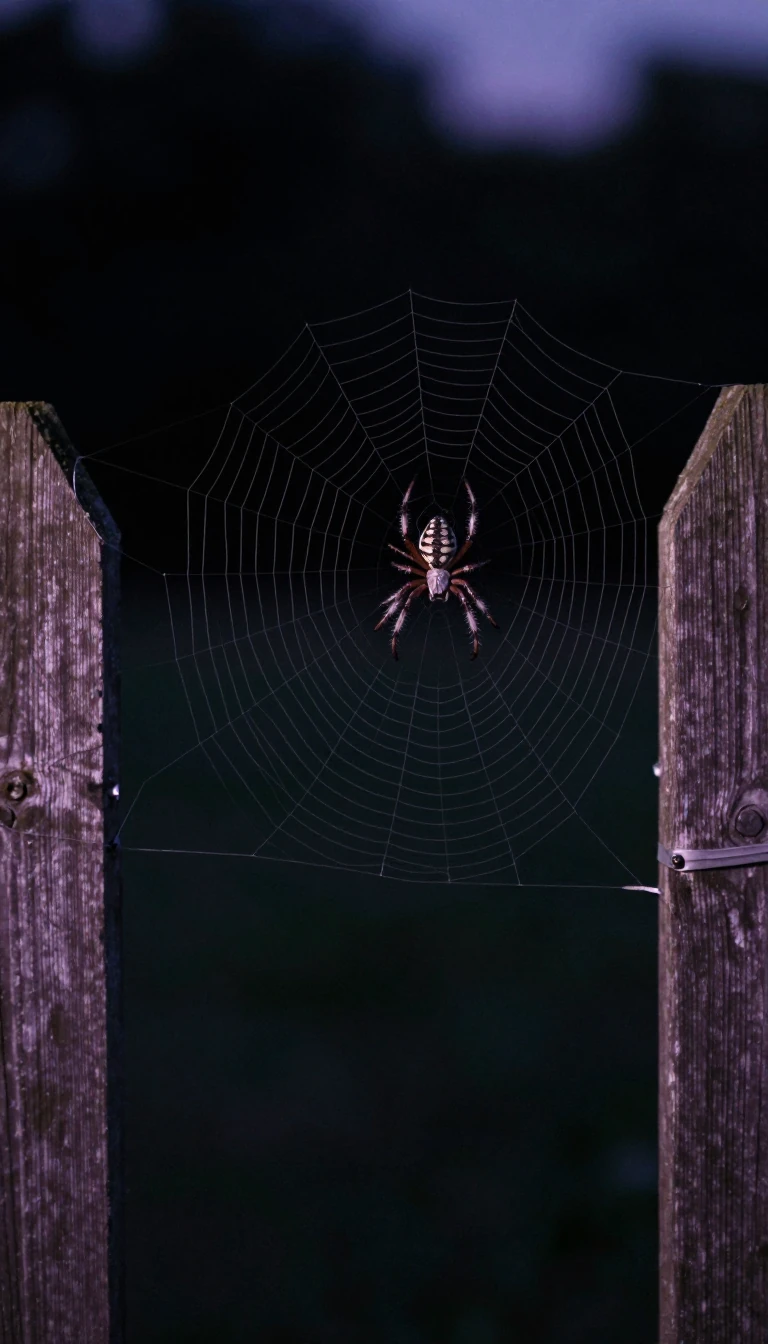 Eight thousand leaf-mimics formerly called long-horned grasshoppersTettigoniidae—katydids or bush crickets—are the sole living family in their ensiferan superfamily, with more than eight thousand species. Many sing at night in leaf camouflage; si…
- Beast-footed dinosaurs that still rule as birdsTheropoda—Greek for wild-beast foot—is one of three great dinosaur clades beside ornithischians and sauropodomorphs. Hollow bones and bipedal ancestry mark them. They appear by 23…
- Ground-feeding songbirds that plant forests with their gutsTurdidae thrushes are plump woodland passerines once swollen with chats and European robins now parked among Old World flycatchers. About 194 species in seventeen genera still sca…
 Blood-feeding mites tough enough for Antarctic penguinsIxodida ticks are parasitic parasitiform mites whose adults stretch about three to five millimetres before a blood feast balloons them larger. Hard Ixodidae and soft Argasidae dom…
 Asia’s striped Panthera that lost ninety-three percent of its rangePanthera tigris still stalks Asian forests from Russian taiga to Sumatran tropics, but early twentieth-century maps have lost at least ninety-three percent of historic ground. Loc…
 The ocean’s least picky big shark, second in fatal bitesGaleocerdo cuvier, sole living galeocerdonid, is a mostly nocturnal coastal hunter whose menu spans turtles, snakes, birds, dolphins, and junk. Females can top five metres. It ran…
 Warm-water cichlids that fed pharaohs and American fryersTilapia names nearly a hundred African cichlid species across several tribes, with Oreochromis stars dominating modern farms. Ancient Egypt painted Nile tilapia as rebirth beside …
 Flying palaeognaths that nest like serial polyandry puzzlesForty-six tinamou species in Mexico through South America are the only palaeognaths that still fly well, cousins to ostriches and kiwis. Shy day-active birds with cryptic plumage,…