 Intellect Plus
Organisms
1,988 cards. Each one is a 40-second story with a five-minute read behind it. Page 27 of 34.
 Tiny woodland acrobats among the smartest songbirdsParidae—tits, chickadees, and titmice—are stocky ten-to-twenty-two-centimetre passerines of the Northern Hemisphere and Africa. After corvids and parrots they rank among the most …
 Land shells that can outlive empiresTestudinidae tortoises carry high-domed terrestrial shells from six-centimetre speckled Cape miniatures to Galápagos giants past 1.2 metres in length. Individuals routinely top a …
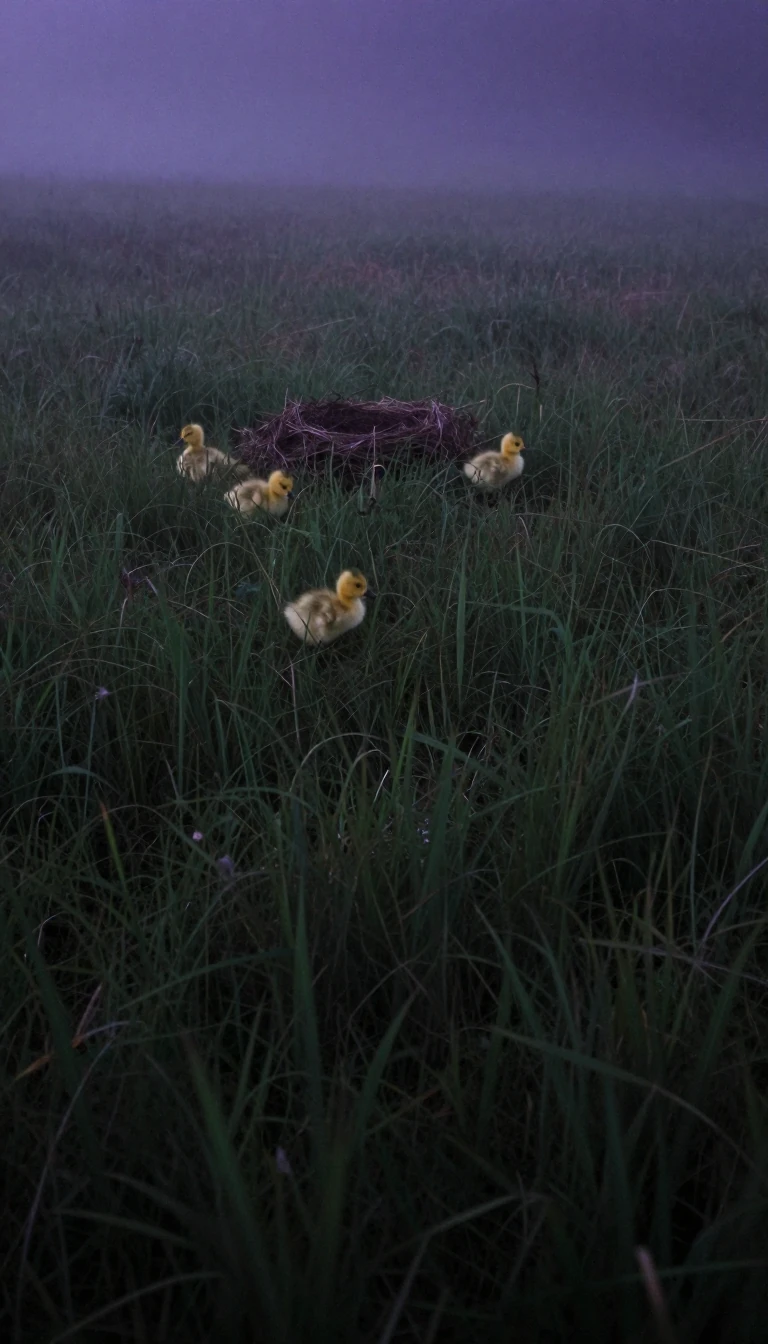 Aerial hunters that Aristotle thought slept underwaterHirundinidae—swallows, martins, and saw-wings—are roughly ninety passerine species built for catching insects on the wing. Temperate breeders vanish when prey collapses; ancients …
 Forked wings and a hidden stink organ in the larvaPapilionidae packs more than five hundred fifty swallowtail species almost worldwide, including the giant birdwings of Ornithoptera. The common name nods to hindwing tails; the ca…
- Footless-looking flyers faster than most birdsApodidae swifts share the sky with swallows but not their family tree; they sit with hummingbirds in Apodiformes. The Greek ápous—“footless”—mocks their tiny legs. Large needletai…
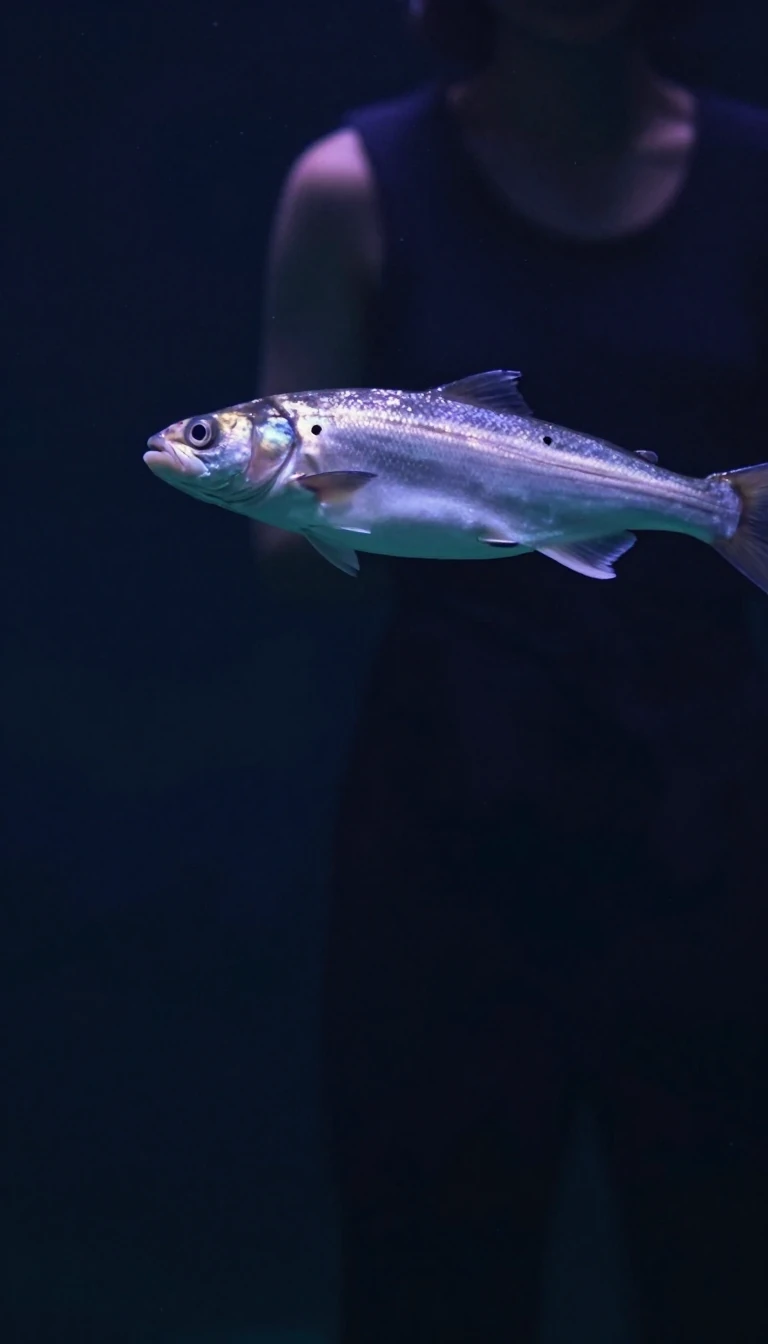 A lone billfish that warms its eyes to huntXiphias gladius, the only living xiphiid, carries a flat sword-like bill and sheds teeth and scales by adulthood. Common lengths near three metres mask rarer giants past 4.55 metr…
 Starling murmurations rewrite the sky with borrowed soundsSturnidae packs 128 species in 36 genera of glossy, often iridescent passerines famous for mimicry and swarming murmurations. Strong fliers of open country, they probe for grubs, …
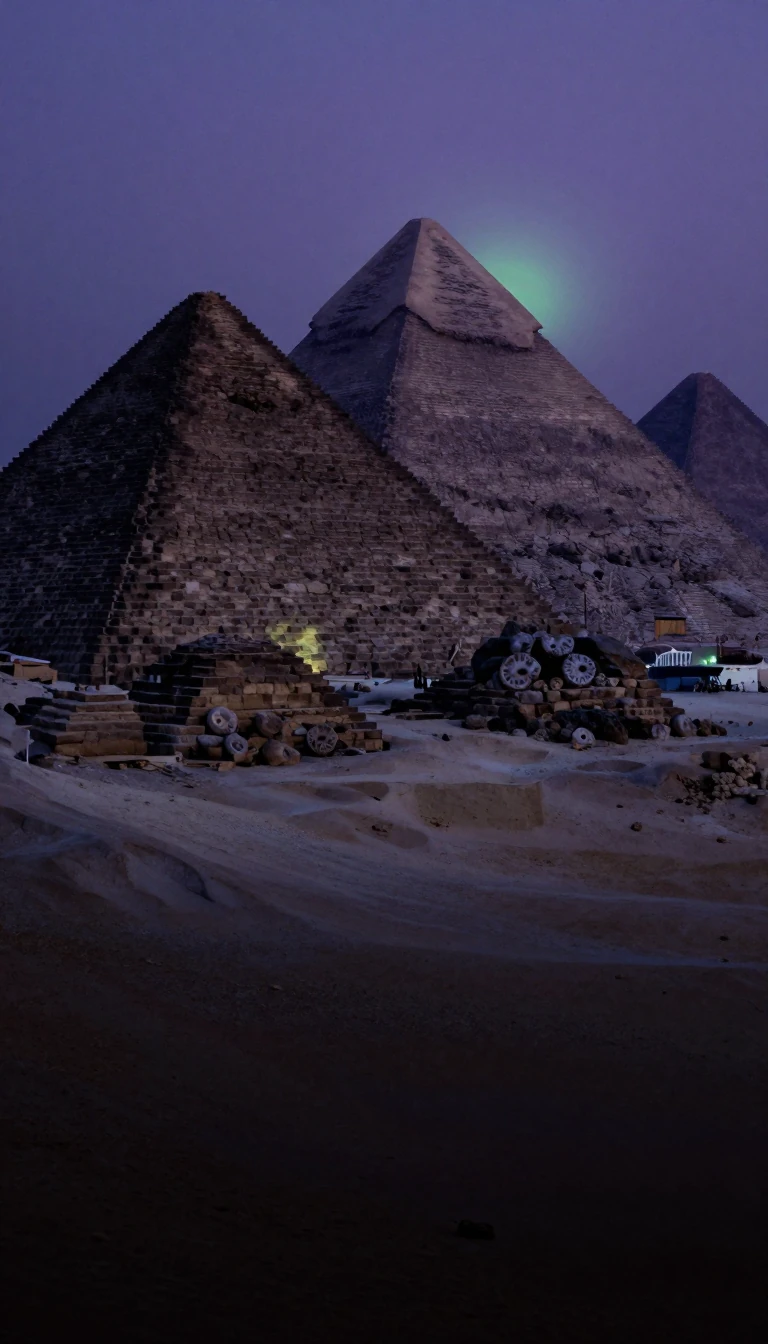 Bone Wars scraps hid Stegosaurus until a full skeleton arrivedStegosaurus, the roof lizard, was a Late Jurassic plated herbivore from the western United States and Portugal, found in Kimmeridgian to Tithonian rocks about 155 to 145 million y…
 Stickleback fathers glue weed nests with kidney cementGasterosteidae sticklebacks swim Holarctic fresh, brackish, and marine waters—closer to eelpouts and sculpins than to seahorses, modern trees say. FishBase lists about sixteen spe…
 Stingrays hid under sand with eyes on top and mouths belowAbout 220 stingray species in twenty-nine genera fill eleven myliobatiform families from whiptails and river rays to mantas. Coastal tropics dominate, yet thorntails enter tempera…
 Stoats painted heraldry white—and wrecked New Zealand birdsMustela erminea, the Eurasian ermine, ranges circumpolar across Eurasia and northern North America as an IUCN Least Concern mustelid whose winter white coat named aristocratic erm…
 Storks taught glider pioneers how wide wings ride thermalsCiconiidae storks—twenty species of long-legged, long-billed waders—now alone hold order Ciconiiformes after herons and ibises moved to Pelecaniformes. Drier habitats than herons,…
 Sturgeons outlived dinosaurs—then met the caviar marketTwenty-seven Acipenseridae species descend from Early Jurassic acipenseriforms some 174–201 million years ago, with true sturgeon fossils by the Late Cretaceous. Sister to paddlef…
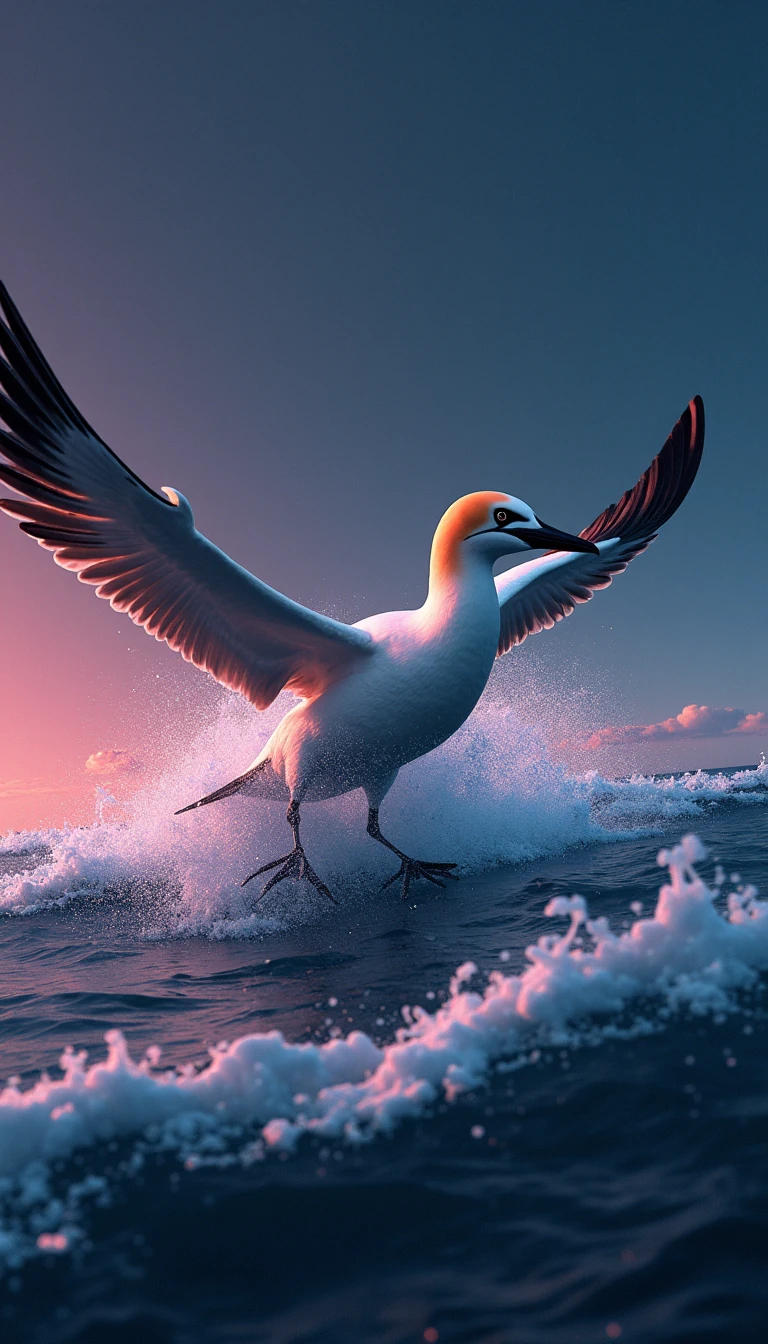 Gannets and boobies spear the sea from midair coloniesSulidae's eleven gannet and booby species are medium-large coastal plunge-divers, split morphologically and genetically between Sula boobies and Morus gannets. Bodies run about si…
 Sunbirds drink like hummingbirds without sharing their ancestryNectariniidae sunbirds and spiderhunters—152 species in sixteen Old World genera—wear curved bills and, in males, iridescent blaze from Africa through Asia to Australasia. Nectar …
 Bettas were gambled on in Thailand a thousand years agoBetta splendens, the Siamese fighting fish native across Mainland Southeast Asia, was domesticated on Thailand's central plain more than a millennium ago for aggression matches li…
 Sea cows share an Eocene cousinship with elephantsSirenia—dugongs and manatees—are fully aquatic herbivores of warm coasts and rivers, cousins of elephants and hyraxes within Paenungulata. Evolving about fifty million years ago, …
- Skates flattened themselves after genomic furniture movedSkates of family Rajidae are flattened cartilaginous cousins of sharks and rays, with more than 150 described species across seventeen genera—or about 250 valid names if counting …
 Skunk spray made Algonquian word into an English insultSkunks are New World mephitids famous for anal-gland spray and bold warning colors from black-and-white to cream or ginger. Closer to Old World stink badgers than to weasels, they…
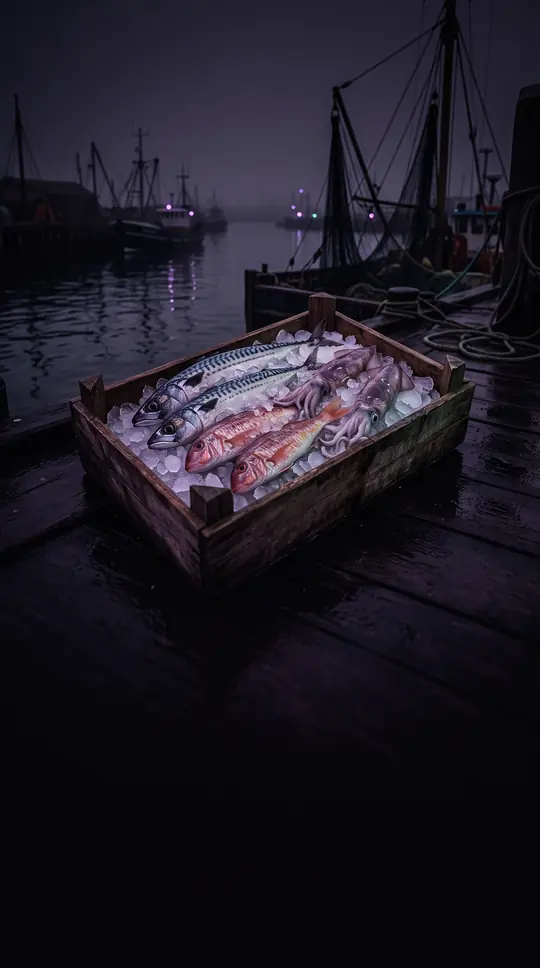 Smelt runs turn icy rivers into communal night fisheriesOsmerid smelts school the North Atlantic and Pacific plus northern lakes and rivers of Europe, North America, and Northeast Asia. Most stay under twenty centimeters, though some E…
 Snakes lost their legs yet kept a lizard's deep ancestrySerpentes are limbless squamate reptiles on every continent but Antarctica, missing from Ireland, Iceland, Greenland, New Zealand, and many small Atlantic and Pacific islands. Mos…
 Snow leopards patrol Asia's high cliffs with fewer than ten thousand adultsPanthera uncia wears whitish-grey fur with black spots and large flank rosettes across Himalayan and Central Asian mountains from roughly 3,000 to 4,500 meters. Once parked in its…
- Songbirds taught themselves language-like repertoires for territory and matesOscine songbirds in suborder Passeri number about four thousand species beside roughly one thousand Tyranni across much of the world. Complex, often learned songs advertise identi…
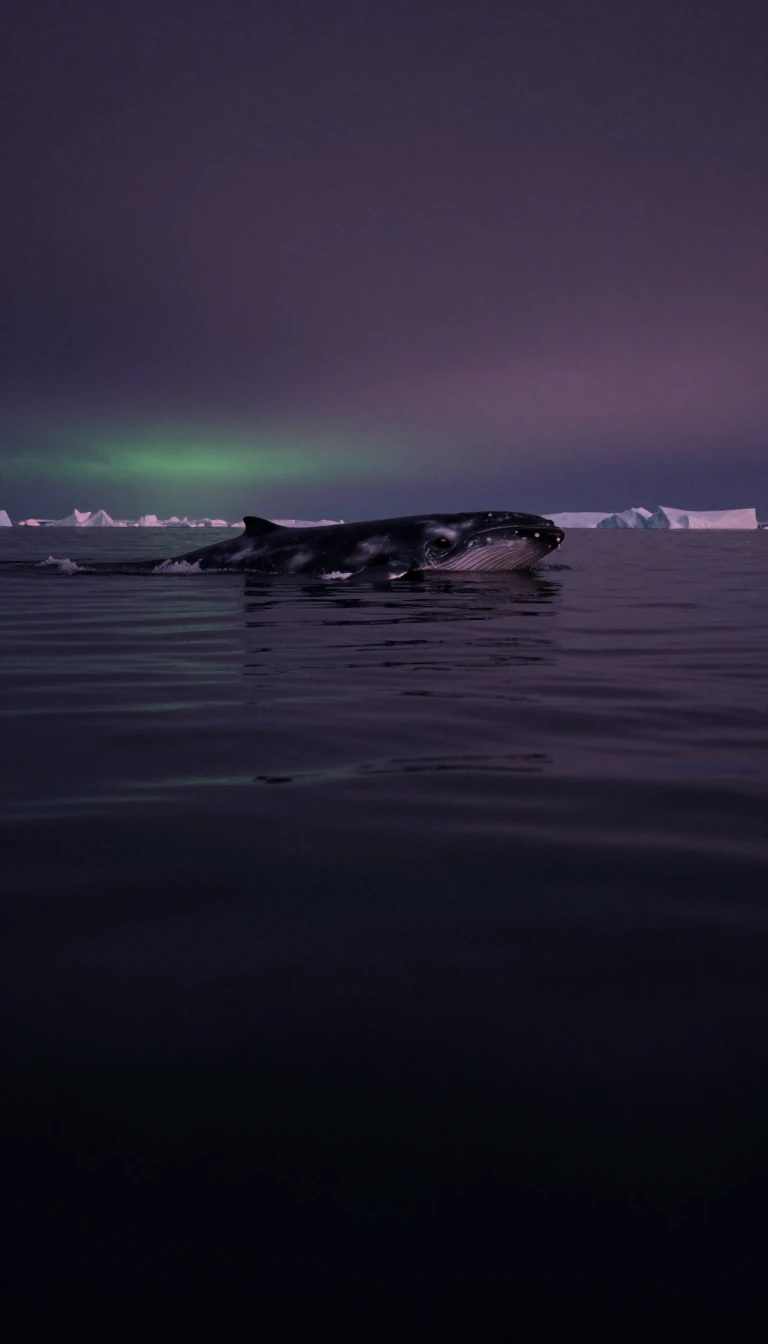 Sperm whales dive deeper than almost any mammal—and louderPhyseter macrocephalus, the cachalot, is the largest toothed whale and predator, sole living Physeter beside pygmy and dwarf kogia relatives. Bulls average sixteen meters with hea…
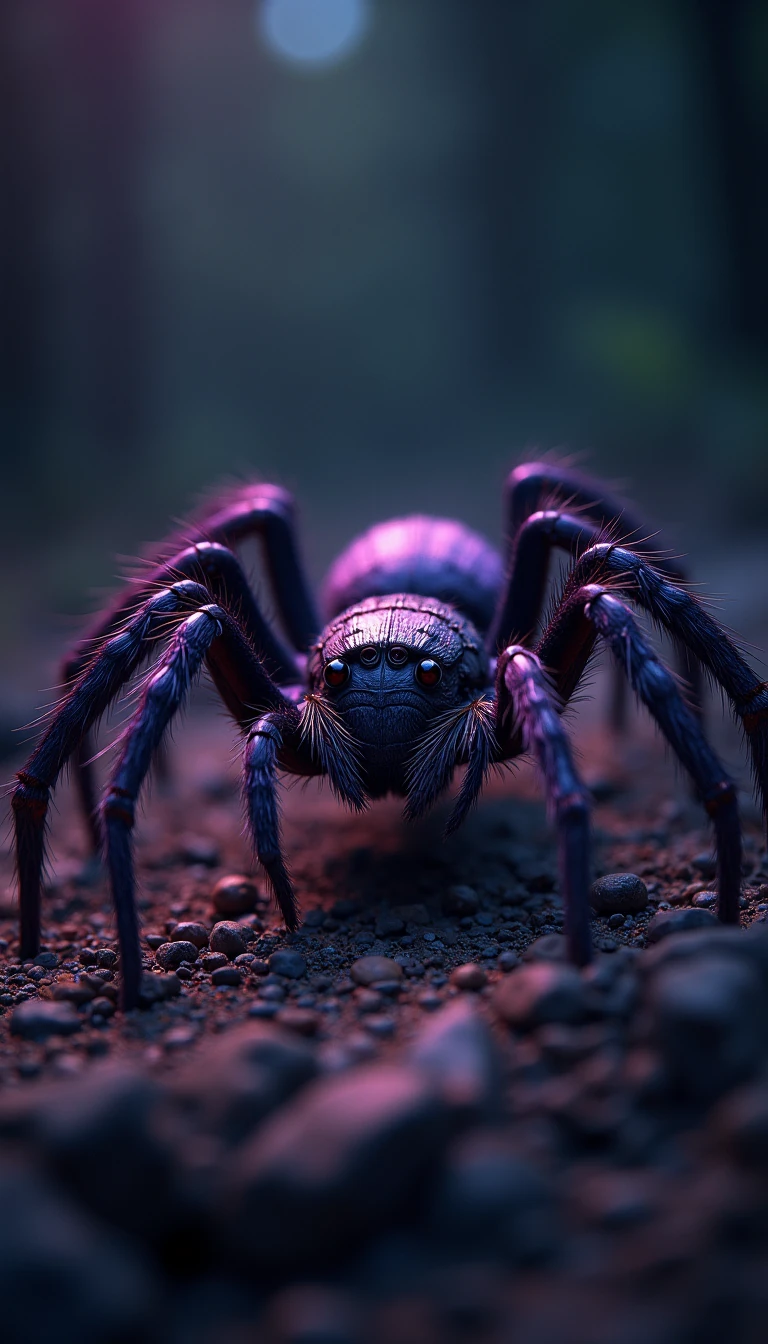 Spiders pump their legs with blood and farm silk factoriesOrder Araneae ranks seventh among all organism orders for species richness, blanketing every continent but Antarctica with hunters and weavers. Eight limbs, fang-tipped chelicerae…
- Sponges filter oceans without organs—and may root the animal treePorifera are mostly marine sessile filter feeders among Earth's oldest macrobenthos, some building reefs, a few living in fresh water. Jellylike mesohyl between cell sheets channe…
 Baltic sprats boom when cod slip—and feed half a sea's webTrue sprats are five oily Clupeidae species in genus Sprattus, though dozens of other small forage fishes wear the name. Packed with polyunsaturated fats, they are eaten worldwide…
 Springtails glue, jump, and shrink when the heat risesCollembola are the largest of three modern hexapod lineages no longer counted as insects, beside Protura and Diplura. Usually under six millimeters, they carry a sticky collophore…
- Squid remade the nautiloid shell into a chitin pen and jetSquid in Myopsida, Oegopsida, and Bathyteuthida are soft-bodied cephalopods with eight arms, two prey tentacles, huge eyes, and Jurassic–Cretaceous radiation into open-water preda…
- Starfish walk on glue and hide a hydraulic city insideAbout 1,900 asteroid species carpet seabeds as star-shaped echinoderms—usually five arms, sometimes dozens in Antarctic Labidiaster. Tube feet run on a water-vascular system that …
 Seabirds converge on ocean life yet nest in vast coloniesSeabirds are birds adapted to marine life, often showing convergent evolution as similar ocean niches reshape unrelated lineages. They typically live longer, breed later, and rais…
 Seahorses are pipefish remade into upright horse-headed swimmersA seahorse is any of forty-seven Hippocampus species—small marine bony fishes with horse-like heads, segmented bony armour, grasping tails, and independent eye movement. The genus…
- Africa's secretarybird is an eagle on crane legs that stamps snakesThe secretarybird Sagittarius serpentarius is a large, mostly terrestrial African raptor of open grasslands. An eagle-like body on crane-like legs can lift it to about 1.3 metres;…
 Groupers and sea basses are ambush carnivores of the reefSerranidae is a perciform family of marine fishes once counted near four hundred fifty species in sixty-five genera, including many groupers and sea basses, though revisions keep …
- Sharks are cartilaginous hunters from lantern size to whale scaleSharks are elasmobranch fishes with cartilaginous, ribless skeletons, dermal denticles, five to seven gill slits per side, and pectoral fins free of the head. They span the sevent…
 Domestic sheep began with mouflon and remade Eurasian textilesDomestic sheep Ovis aries are ruminant livestock; everyday 'sheep' means this species even though genus Ovis holds wild kin. They most likely descend from European and Asian moufl…
- The shoebill is a whale-headed stalker of African marshesThe shoebill Balaeniceps rex—also whale-headed or shoe-billed stork—is a large, long-legged African wader named for its enormous shoe-shaped bill and solemn look. Ancient Egyptian…
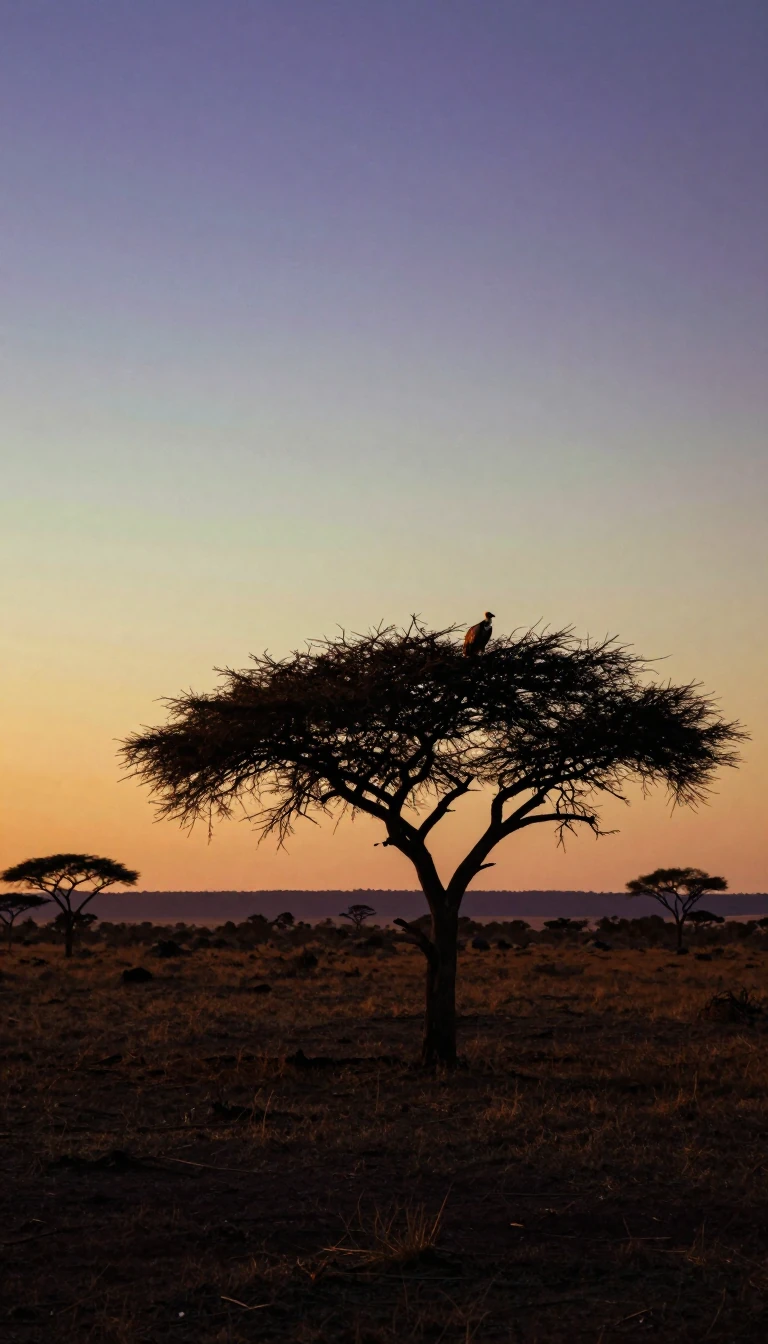 Shrikes are songbirds that butcher prey on thornsShrikes are passerines of family Laniidae—thirty-four species in four genera. Lanius and the family name come from Latin for butcher; some are called butcherbirds because males es…
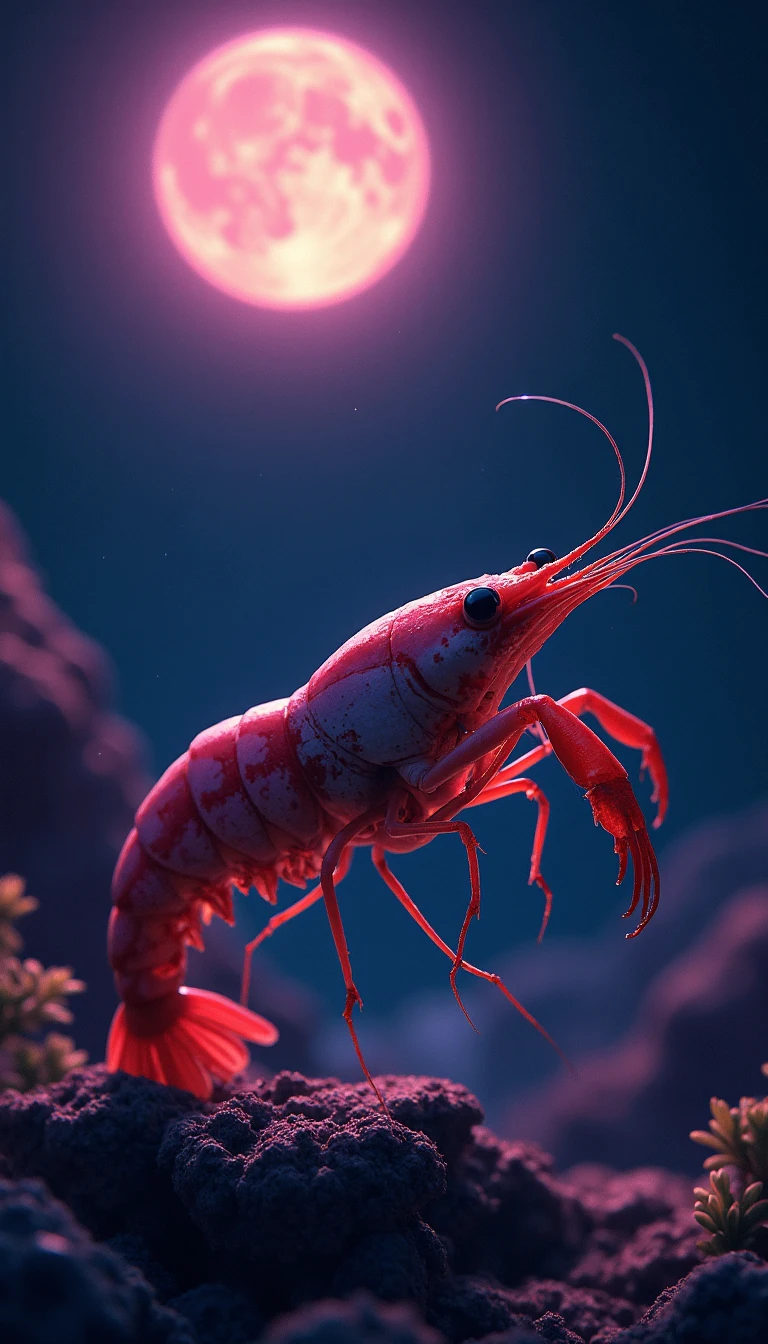 Shrimp are swimming crustaceans that feed coasts and marketsShrimp commonly names elongated, swimming crustaceans—usually caridean or related decapods—though narrow definitions limit the word to Caridea or only marine forms, and broad ones…
- Sauropods were the heaviest animals ever to walk on landSauropoda—lizard-footed saurischian dinosaurs—carried very long necks and tails, small heads relative to bulk, and four pillar-like legs. Some species reached the largest sizes of…
- Sawfish swing a toothed snout—and all five species are criticalSawfish are very large rays whose long, flattened rostrum is lined with sharp transverse teeth like a saw. Some species stretch around seven to seven point six metres. They haunt …
 Scale insects hide under wax and built dyes and lacquerScale insects are tiny hemipterans of infraorder Coccomorpha, wildly variable and extremely sexually dimorphic. Adult females are often soft, limbless blobs under domed scales, pu…
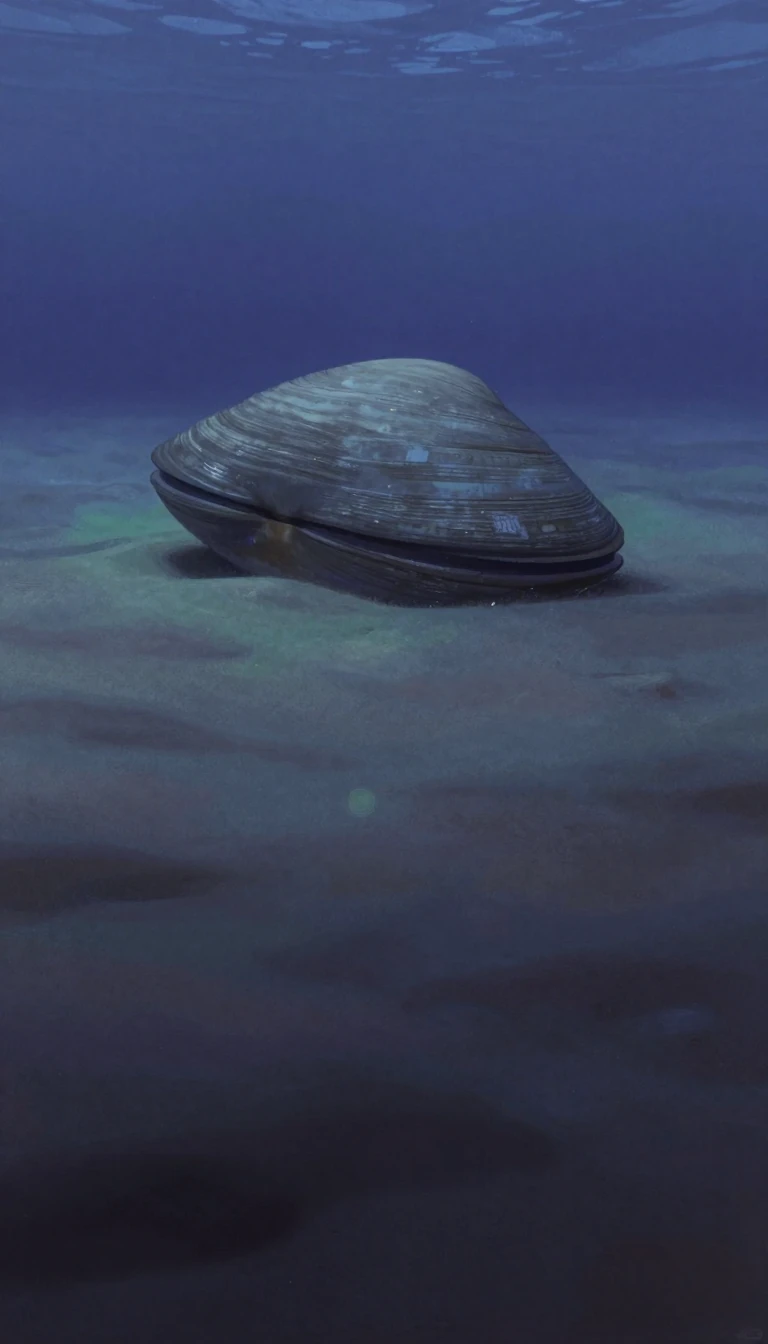 Scallops swim by clapping shells and watch with mantle eyesScallop names many marine bivalves in family Pectinidae—and sometimes cousins in Pectinoidea. Cosmopolitan in the world’s oceans but never in fresh water, they are among the few m…
 Mail-cheeked fishes include stonefish, lionfish, and sculpinsScorpaeniformes are a diverse order of ray-finned fishes—stonefish, lionfish, sculpins, and kin—also once called Scleroparei. With over thirteen hundred twenty species they rank a…
 Scorpions have hunted with pincers and sting for 430 million yearsScorpions are predatory arachnids with eight legs, grasping pincers, and a segmented tail that curves forward to a stinger. Their lineage reaches the Silurian, about four hundred …
- Sea cucumbers recycle the seafloor with sausage-shaped bodiesSea cucumbers are echinoderms of class Holothuroidea—about seventeen hundred eighty-six known species, densest in the Asia–Pacific region. Benthic worldwide, they act as detritivo…
- Sea otters wear densest fur and smash shells with toolsThe sea otter (Enhydra lutris) is a North Pacific coastal mammal. Adults weigh fourteen to forty-five kilograms—heaviest of the weasel family yet among the smallest marine mammals…
 Seven sea turtle species still patrol the world's oceansMarine turtles in the chelonioid superfamily still number seven living species worldwide, spanning hard-shelled cheloniids and a single leathery giant. Adults of each kind match i…
 Sea urchins crawl on tube feet beneath a spiny globeSea urchins are class Echinoidea within the echinoderms—about nine hundred fifty seabed species from intertidal rocks to the deep ocean. Typically three to ten centimetres across,…
 True frogs conquered more land than any frog familyRanidae, the true frogs, claim the widest distribution of any frog family, thriving on most continents with smooth moist skin, strong legs, and big webs. Sizes span tiny species t…
 Pit vipers that warn with a castanet of keratinRattlesnakes of genera Crotalus and Sistrurus are New World pit vipers that shake interlocking tail segments as a predator deterrent. Some thirty-six species and sixty-five to sev…
 Europe's classic stag is really a species complexRed deer (Cervus elaphus) rank among the largest deer; males are stags or harts, females hinds. Fourth-largest living deer after moose, elk, and sambar, they ruminate with four-ch…
- Pet-shop turtles that slid into rivers worldwideRed-eared sliders (Trachemys scripta elegans) are pond terrapins named for crimson ear stripes and a habit of slipping off logs into water. They evolved in the Mississippi basin a…
 Marsh blackbirds that may outnumber every other land birdRed-winged blackbirds (Agelaius phoeniceus) breed from Alaska through much of North and Central America. Winter censuses sometimes find loose flocks so huge that writers call them…
 The only deer humans semi-domesticated at real scaleReindeer, or caribou (Rangifer tarandus), circle the Arctic and subarctic in migratory and sedentary herds. Sizes run from tiny Svalbard animals to massive Osborn's caribou. They …
- Fish that turned a dorsal fin into a suction hitchhikeRemoras, also called sharksuckers, are ray-finned fish of the family Echeneidae that grow 30 to 110 centimetres long and spend most of their lives stuck to whales, turtles, rays o…
 Scaly amniotes that taxonomists keep redrawingReptiles, in ordinary speech, are ectothermic tetrapods with amniotic eggs—traditionally turtles, crocodilians, squamates, and tuatara. Class Reptilia remains disputed; the lineag…
 Cloud-forest emerald that crowned Mesoamerican mythResplendent quetzals (Pharomachrus mocinno) haunt Central American and southern Mexican montane cloud forests. Males wear iridescent green, red bellies, and streaming coverts; IUC…
 South America's ostrich cousins that never left the groundRheas—also called ñandú—are South American ratites, flightless birds without a keeled sternum, distant kin to ostriches and emus. Most authorities accept two living species: great…
 Nose-horned megafauna hunted for keratin worth fortunesRhinoceros means nose-horned in Greek. These megafauna all exceed half a tonne as adults, carrying one or two horns and hide 1.5 to 5 centimeters thick. Poaching for black-market …