 Intellect Plus
Organisms
1,988 cards. Each one is a 40-second story with a five-minute read behind it. Page 28 of 34.
 Cliff pigeons that invented the city sidewalk flockRock doves (Columba livia)—common or rock pigeons—are Columbidae birds whose wild form is pale grey with two black wing bars and little male-female difference. They forage on open…
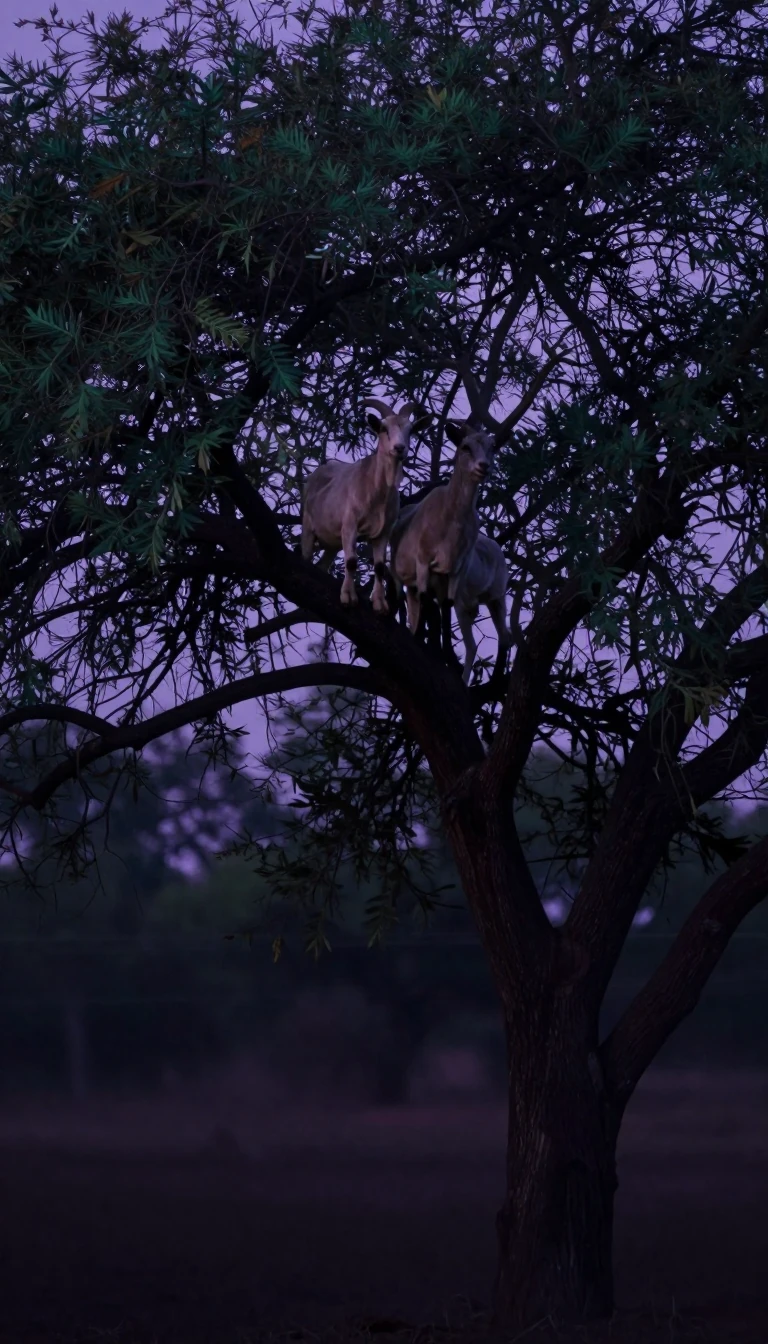 Four stomach chambers turned grass into mammal empiresRuminants are grazing or browsing even-toed ungulates in suborder Ruminantia that ferment plant fiber through cud chewing. Roughly two hundred species span cattle, sheep, goats, d…
 Lizard-shaped amphibians that can regrow whole limbsSalamanders look lizard-like with slender bodies, blunt snouts, and right-angled limbs, yet they are amphibians. Diversity peaks in eastern North America, especially Appalachia, m…
 Anadromous athletes that farm made into a global commoditySalmon are commercially vital euryhaline fishes in genera Salmo and Oncorhynchus of family Salmonidae. Typically anadromous, they hatch in gravelly fresh headwaters, grow in river…
 Salmon, trout, whitefish, and grayling share one cold familySalmonidae—the only living salmonoid suborder—holds eleven genera and over two hundred species of ray-finned fish. They look relatively primitive among teleosts, with rear-set pel…
 Ninety-eight shorebirds that nest in a scrape of earthScolopacidae packs sandpipers with woodcocks, curlews, and kin—long-bodied, long-legged waders with narrow, variable bills. Most nest in open scrapes, defending territories with a…
 Fleshy-finned fish that invented the road to landSarcopterygii—from Greek flesh and fin—are lobe-finned vertebrates whose fins hold muscular limb buds and internal bones, unlike ray-fins. Appearing in Silurian–Devonian seas, mos…
- Tiny oily fish whose name may remember SardiniaSardine and pilchard label assorted small oily forage fishes in the herring group Clupeoidei. Meanings shift by region—the UK Sea Fish Industry Authority draws its own size lines.…
 Secretive marsh birds named for a scraping cryRails of family Rallidae are cosmopolitan ground birds from twelve to sixty-three centimeters and twenty grams to three kilograms. Sexual plumage rarely differs; bills range from …
 Tubenosed seabirds nest on islands and invent long faithfulnessProcellariiformes—albatrosses, petrels, shearwaters, and storm petrels—are “tubenoses” named for bony nostrils. Colonial breeders on remote predator-free islands, larger species n…
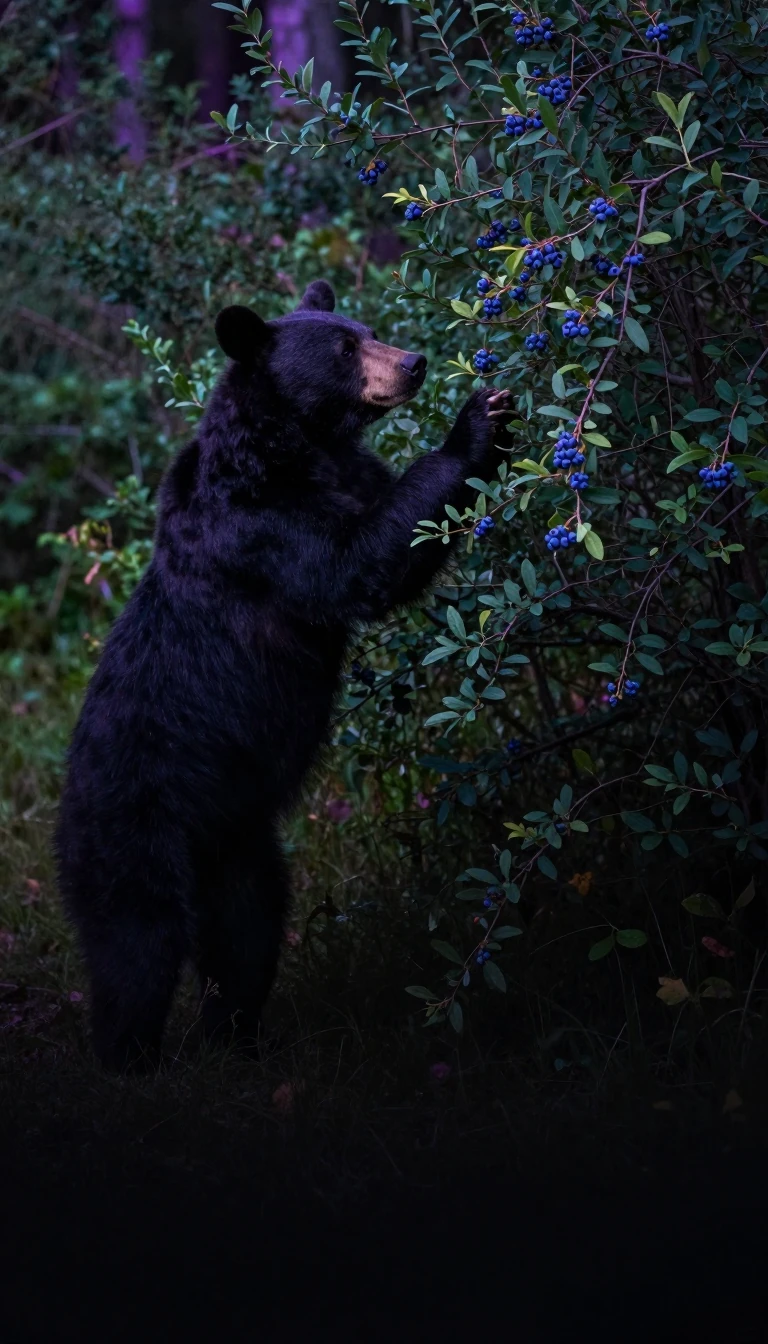 Raccoons’ family are New World “little bears” with weak carnassialsProcyonidae—raccoons, coatis, kinkajous, olingos, olinguitos, ringtails, cacomistles—are New World carnivorans, generally omnivorous across many habitats. German Kleinbären (“smal…
 America’s “antelope” is really a giraffe’s distant cousinThe pronghorn (Antilocapra americana) is a western and central North American artiodactyl nicknamed American antelope though it is not one. Its closest living relatives are the gi…
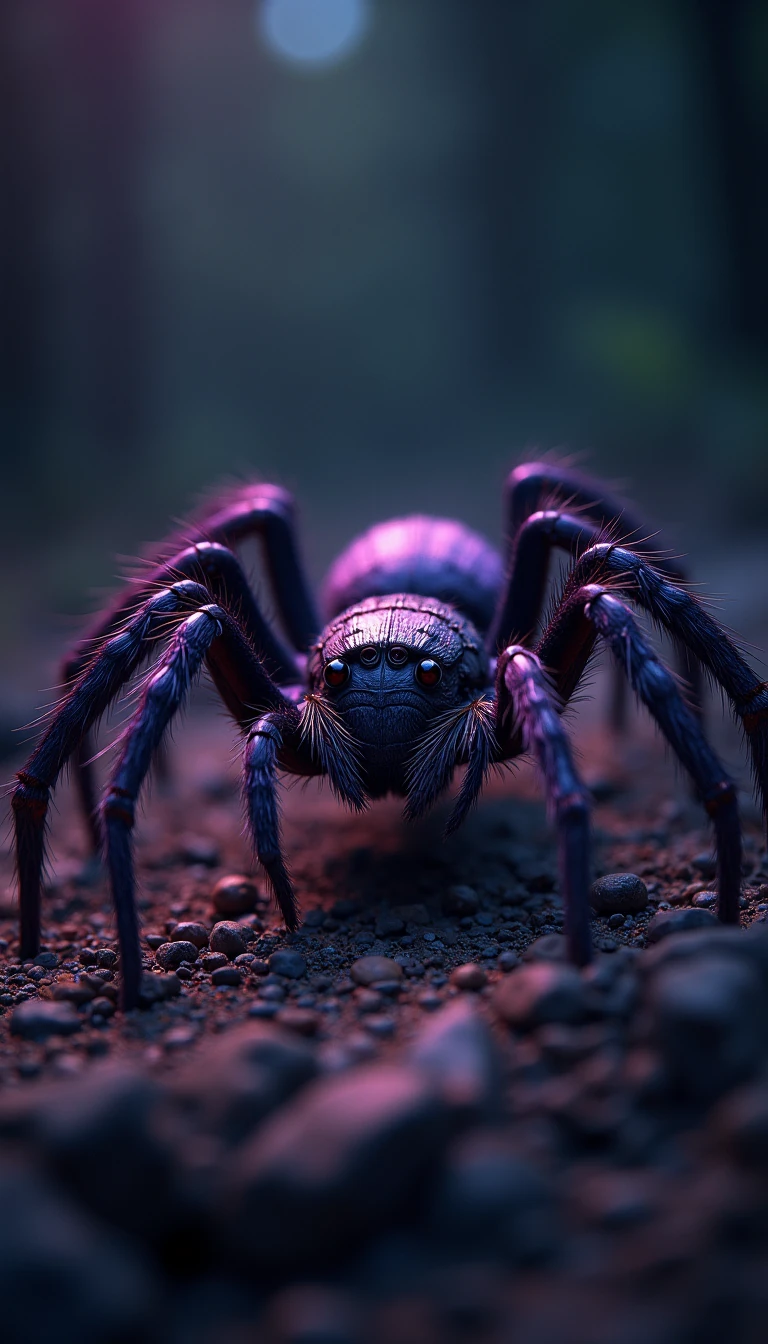 Booklice’s tiny pincer nemesis hides in homes unnoticedPseudoscorpions are flat, pear-shaped arachnids with scorpion-like pedipalp pincers but no stinging tail. Usually 2–8 mm long—Garypus titanius of Ascension Island reaches 12 mm—th…
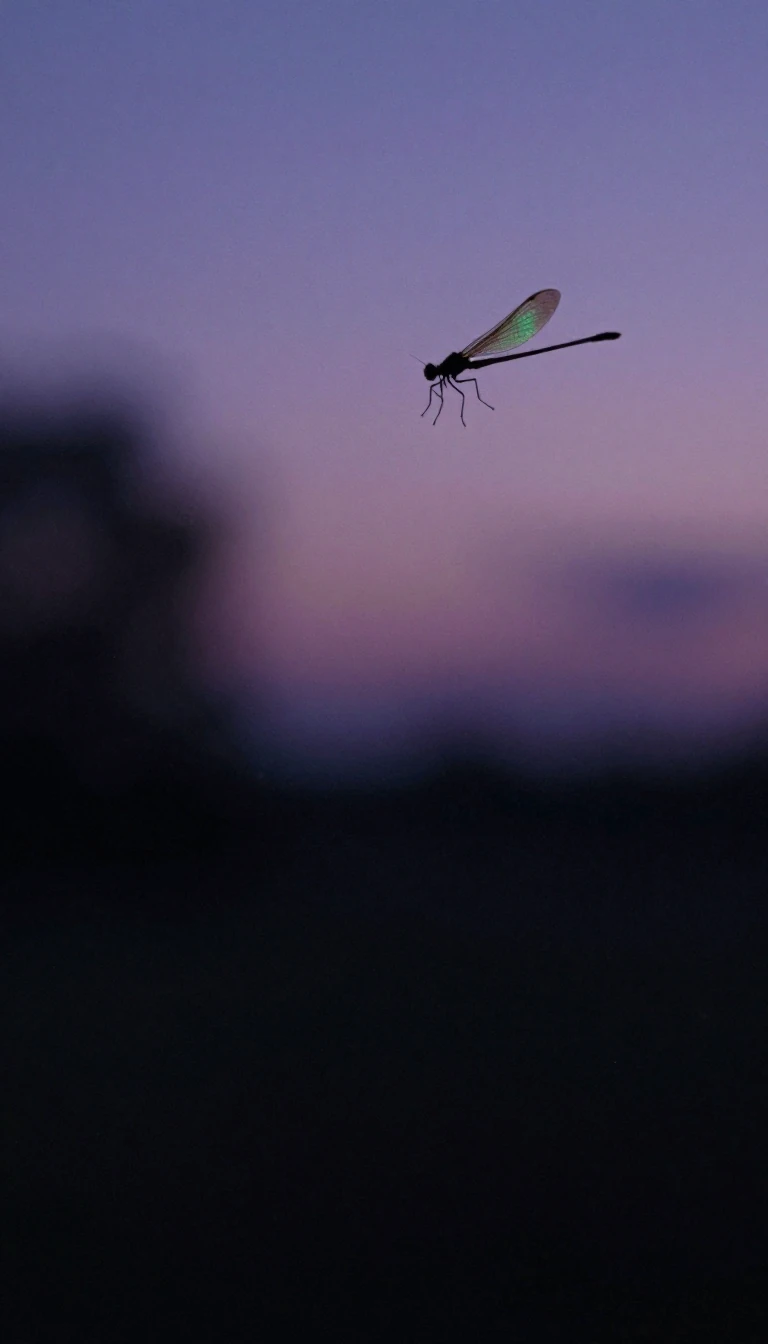 Flying foxes live long, breed slowly, and carry rare virusesPteropus bats—fruit bats or flying foxes—are among the world’s largest bats. Females of most species bear only one young a year, so slow life histories make hunting, culling, and …
 Pterosaurs flew before birds—and wore fuzzy pycnofiber coatsPterosaurs were warm-blooded flying reptiles of the Late Triassic to end-Cretaceous (about 228–66 million years ago)—the earliest vertebrates known to evolve powered flight. They …
 Nearly every insect you meet descends from the winged experimentPterygota—“winged”—is the insect subclass holding all winged insects and lineages that secondarily lost wings, about 99.9% of insect species. Only jumping bristletails and silverf…
 Rabbits are lagomorphs, not rodents—and Rome farmed them earlyRabbits are small leporid mammals in Lagomorpha alongside hares and pikas—familiar as herbivores, prey, livestock, and pets. They are a paraphyletic grouping because hares nest in…
 Europe’s large white butterfly became New Zealand’s unwanted guestPieris brassicae, the large white or cabbage butterfly, is a Pieridae relative of the small white. Common from Europe through North Africa to the Himalayas in farms and parks, it …
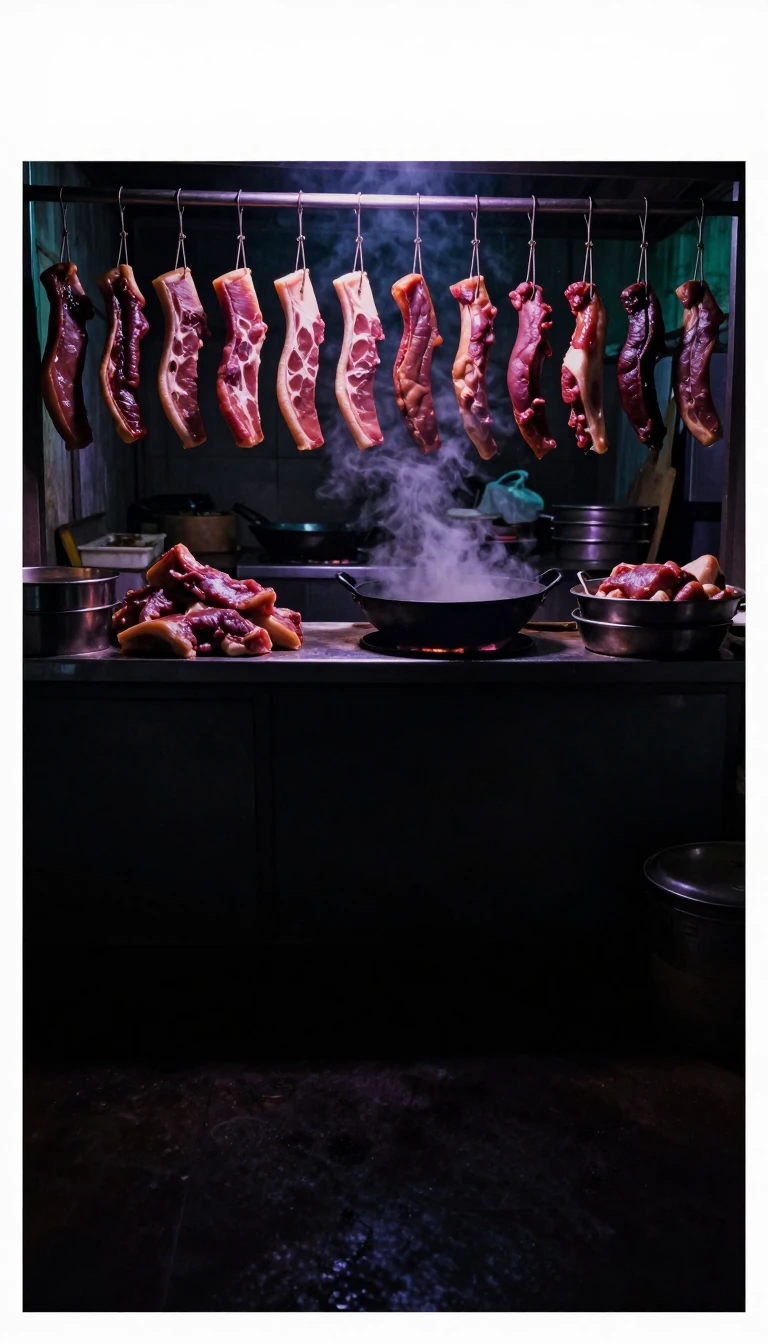 About 1.5 billion pigs yield roughly 120 million tonnes yearlyThe domestic pig (Sus domesticus) is an omnivorous even-toed hoofed mammal farmed mainly for pork, with hide used as leather. China leads production, then the EU and United States…
 Piranha means scissors in Old Tupi—and myths outrun the bitePiranhas are South American freshwater serrasalmids often cast as extreme predators, though many are less ferocious than folklore claims. The name traces to Old Tupi pirãîa, attes…
 Armored placoderms invented jaws, teeth, and pelvic fins earlyPlacoderms—“plate skins”—were Paleozoic jawed fishes of the Silurian and Devonian with cartilaginous endoskeletons under heavy armor. They were among the first jawed vertebrates, …
- Plaice names four flatfish—and Europe’s favorite dinner flounderPlaice covers four flatfish species: European, American, Alaskan, and scale-eye. The European plaice (Pleuronectes platessa) is Europe’s principal commercial flatfish, also angled…
 Half Earth’s photosynthesis rides on drifting microscopic plantsPlankton—from Greek planktos, “wanderer”—are water or air drifters too weak to swim against currents or wind. The cast spans bacteria and algae to jellyfish, split trophically int…
- Europeans first thought the platypus was a taxidermy hoaxOrnithorhynchus anatinus, the duck-billed platypus, lays eggs yet nurses young along eastern Australian streams including Tasmania. In 1799, naturalists facing a preserved body de…
 Long-necked and short-necked plesiosaurs “flew” through Mesozoic seasPlesiosaurs were Mesozoic marine reptiles of Sauropterygia, appearing by the latest Triassic (possibly Rhaetian, about 203 million years ago). Broad bodies, short tails, and four …
 Weaverbirds sew grass into nests and flash seasonal reds and yellowsPloceidae are small passerines—weavers, bishops, and kin—named for intricately woven vegetation nests. Carl Jakob Sundevall coined the family (as Ploceïdes) in 1836. Phylogenetics…
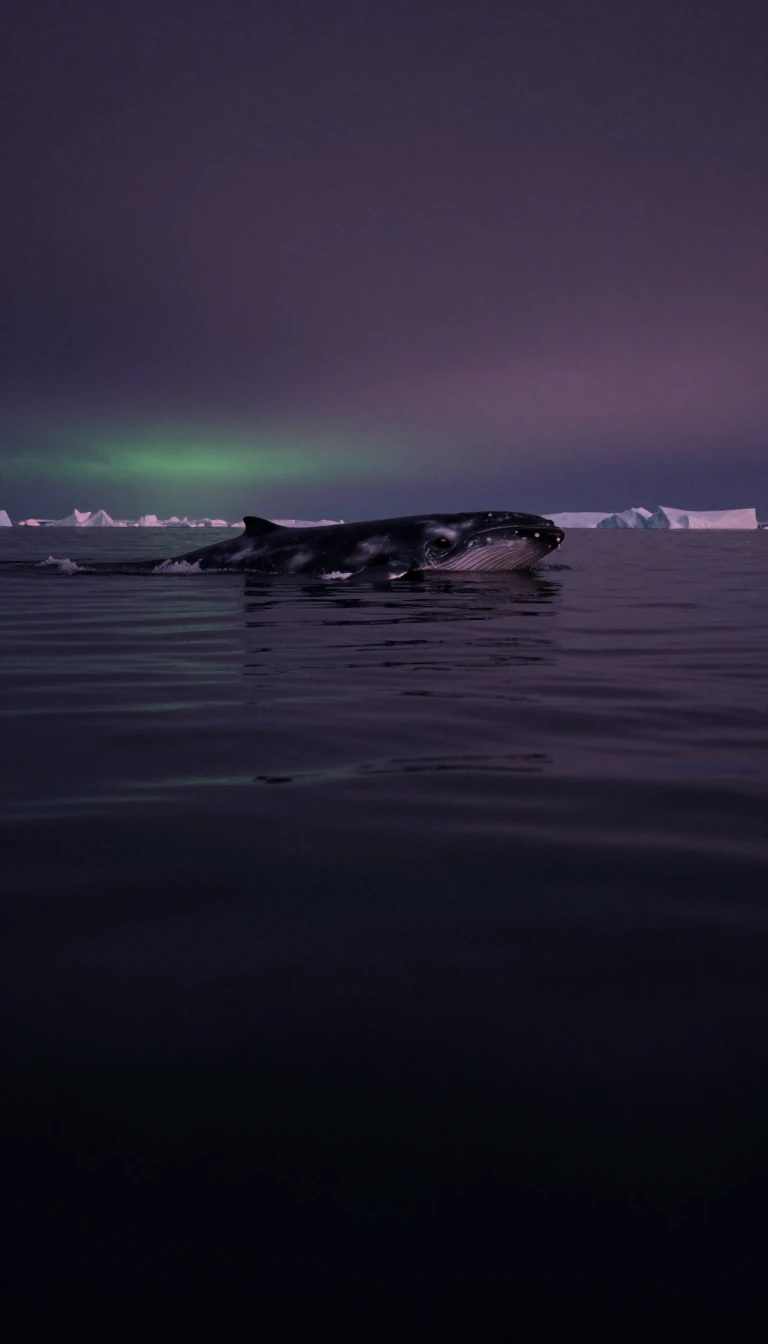 The Arctic’s top land carnivore still depends on melting sea icePolar bears (Ursus maritimus) are the largest living bears and land carnivores by mass—adult males 300–800 kg—and can interbreed with brown bears. Marine mammals by dependence on …
- Bristle worms paddle every ocean depth from surf to trenchPolychaetes are mostly marine annelids—“bristle worms”—with parapodia bearing chitinous chaetae on each segment. More than 10,000 species span planktonic surface lives to an undes…
 Porpoises are small cetaceans closer to narwhals than to dolphinsPorpoises (Phocoenidae) look dolphin-like yet relate more closely to narwhals and belugas. Eight living species are among the smallest toothed whales, from the 1.4 m, 54 kg vaquit…
- The wandering falcon that nested on skyscrapersThe peregrine falcon is the most widespread bird of prey on Earth, breeding from Arctic tundra to the tropics and absent from just one major ice-free landmass, New Zealand. Its na…
 Odd toes unite horses, rhinos, and vanished giantsHorses, rhinoceroses and tapirs look nothing alike, yet they form one order, the odd-toed ungulates, with about seventeen living species. The group was far richer in the past and …
- Stick insects: from two-centimetre males to the world’s longest insectStick insects, the order Phasmatodea, are plant-eating night feeders that hide in plain sight by looking like twigs or leaves. They live on every continent except Antarctica and r…
 Fourteen otter species, all built to slideOtters are the water-going branch of the weasel family, fourteen living species at home in rivers and seas. Thick fur keeps them warm and afloat, webbed feet drive them, and they …
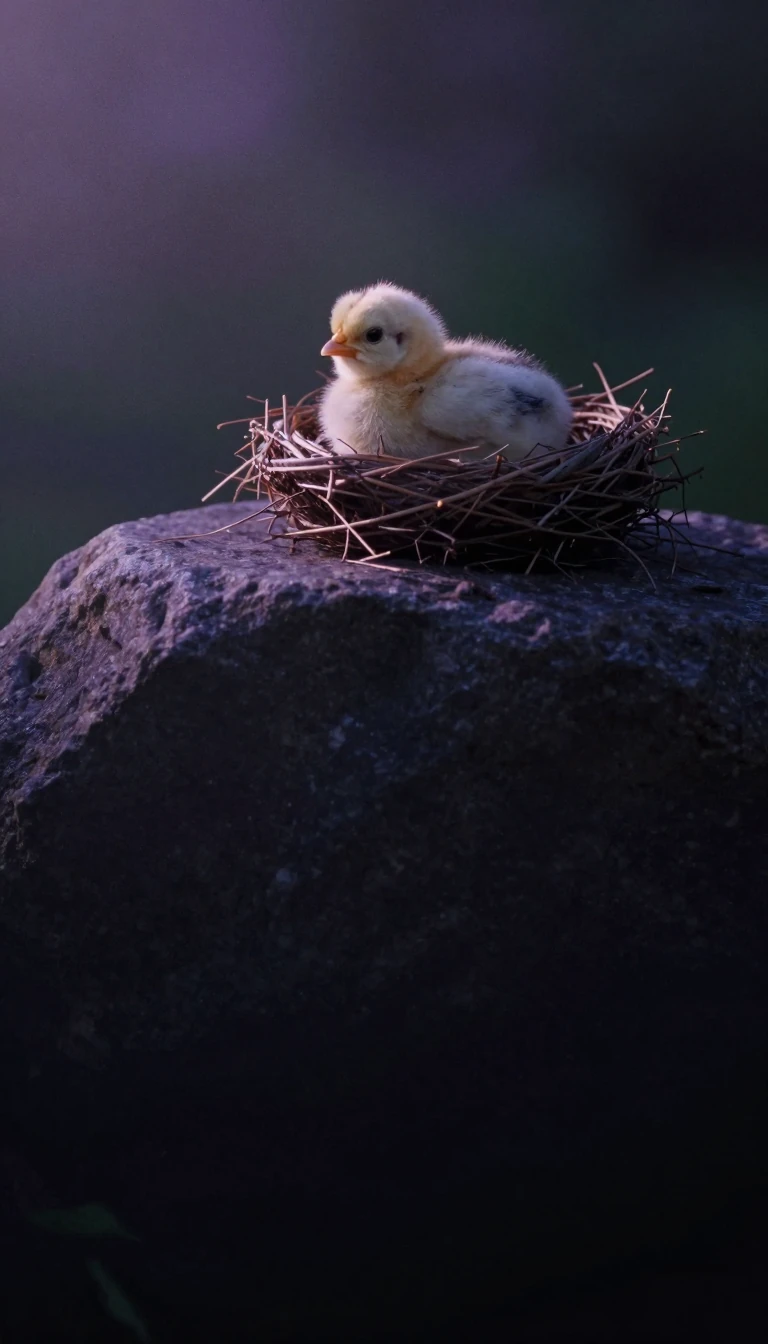 Hundreds of Neotropical birds named for clay ovensThe ovenbird family, Furnariidae, counts around 321 species of small insect-eating birds ranging from Mexico to the far south of South America. It takes its name from the horneros…
 Two hundred species, fourteen neck bones, near-silent wingsOwls (Strigiformes) number over two hundred mostly nocturnal raptors with forward-facing eyes, facial discs, and flight feathers tuned for quiet. They can turn their heads about 2…
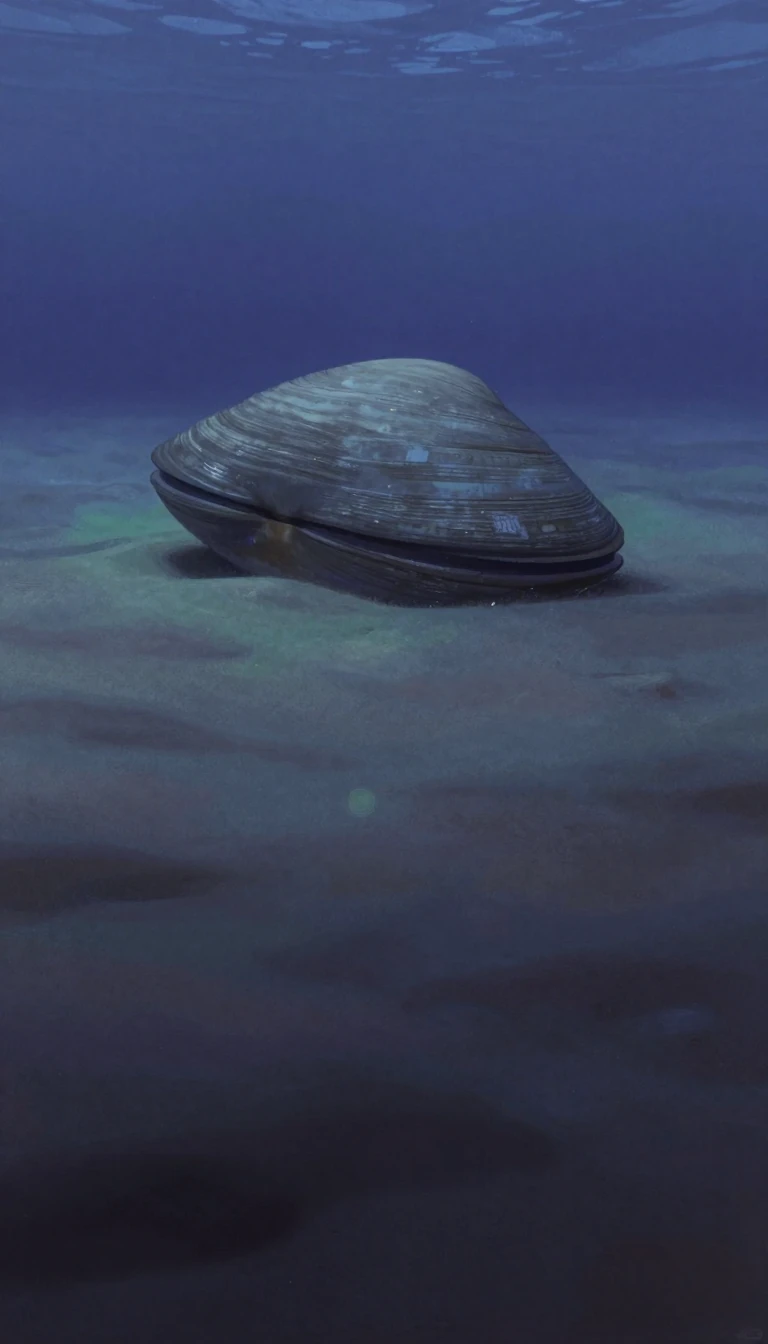 True oysters, pearl oysters, and a dinner-plate giant“Oyster” is a kitchen word covering several unrelated families of saltwater clams. The true oysters we eat belong to one family, the pearl oysters to another, and the biggest pear…
 North America’s most widespread turtle, fifteen million years oldChrysemys picta ranks as the native turtle found across more of North America than any other, with an evolutionary story about fifteen million years deep. Adults span roughly thir…
 Old jaws: the bird half that includes ostriches and moasBirds fall into two great living groups, and Palaeognathae, meaning “old jaws,” is the smaller. It holds the flightless ratites, such as ostriches and kiwis, along with the flying…
 Keratin armour made them the world’s most trafficked mammalsPangolins are toothless, scale-covered mammals that live on ants and termites, rolling into a tight armoured ball when threatened. That defence fails against people: an estimated …
- True climbers: parrots walk with beak, neck, and feetParrots, some 410 species found mostly in the tropics, rank with crows and ravens among the brainiest birds. They are also the only animals that truly climb on three limbs, haulin…
 From sky-darkening flocks to a closed museum drawerThe passenger pigeon, a bird found only in North America, is now extinct. Named from a French word for passing by because of its migrations, it was shot on a massive scale in the …
- Sixty percent of birds perch on one foot planSix in every ten bird species are passerines, members of the order Passeriformes, with more than 140 families and about 6,500 species. Their name comes from the Latin for sparrow,…
- Three peafowl species, and estrogen that keeps trains femaleThree birds go by the name peafowl: the Indian and green species of Asia and the Congo peafowl of central Africa. Peacocks are famous for their eyespotted trains, yet peahens have…
- New World “pigs” that travel in smelling squadronsPeccaries, also called javelinas or skunk pigs, look like pigs but belong to their own American family, Tayassuidae. They roam from the southwestern United States to South America…
- Eight pelican species closer to shoebills than to gullsPelicans are eight species of big water birds built around a vast throat pouch that scoops up fish and then drains away the water. Their name comes from the Greek for axe, and DNA…
- Southern specialists once named for a northern aukPenguins are flightless seabirds that live almost entirely south of the equator, with only the Galápagos penguin reaching slightly north of it. They range from emperors about 1.1 …
 Bandicoots’ teeth say carnivore; their feet say kangarooBandicoots and bilbies, the marsupial order Peramelemorphia, live only in Australia and New Guinea. Their teeth resemble those of marsupial carnivores, while their fused hind toes…
 Three true perches, and a crowd of lookalikesPlenty of fish get called perch, but a true perch belongs to the freshwater genus Perca, which most experts divide into just three species: the European, Balkhash and yellow perch…
 “Perch-like” fish once claimed forty percent of bony speciesPerciformes, meaning perch-like, is an order of ray-finned fish that includes perches, darters, sea basses, groupers and scorpionfishes. It was once thought to contain about 41 pe…
 The pike’s name comes from a pointed medieval weaponNorthern pike (Esox lucius)—also called jack or simply pike—are freshwater carnivores across the Northern Hemisphere. Average adults run about 40–55 cm, yet giants can near 150 cm…
 Nurse sharks shrug off capture for science tagsNurse sharks (Ginglymostoma cirratum) are bottom-dwelling sharks of warm coasts, rated vulnerable on the IUCN list. They cope with being caught, handled and tagged unusually well,…
- Giant oarfish stretch longer than any bony fishOarfish comprise three elongated pelagic species in the family Regalecidae, living from temperate seas into the tropics. The giant oarfish is the longest bony fish alive, reported…
- Mola mola is a giant disk with a clipped-off lookOcean sunfish (Mola mola) rank among the heaviest ray-finned fishes and serve as the type species of genus Mola. Biologists still lack clear maps of mating grounds, early life, an…
- Flycatcher borders blur into warblers and thrushesOld World flycatchers (Muscicapidae) are small songbirds of Europe, Africa, and Asia, with only scarce New World strays. John Fleming hung the Muscicapa family name in 1822. Ernst…
 True sparrows carry stubby beaks from the Old WorldPasseridae—the Old World or true sparrows—are compact brown-and-grey songbirds with short tails and strong seed-cracking bills. Field marks between species can be maddeningly fine…
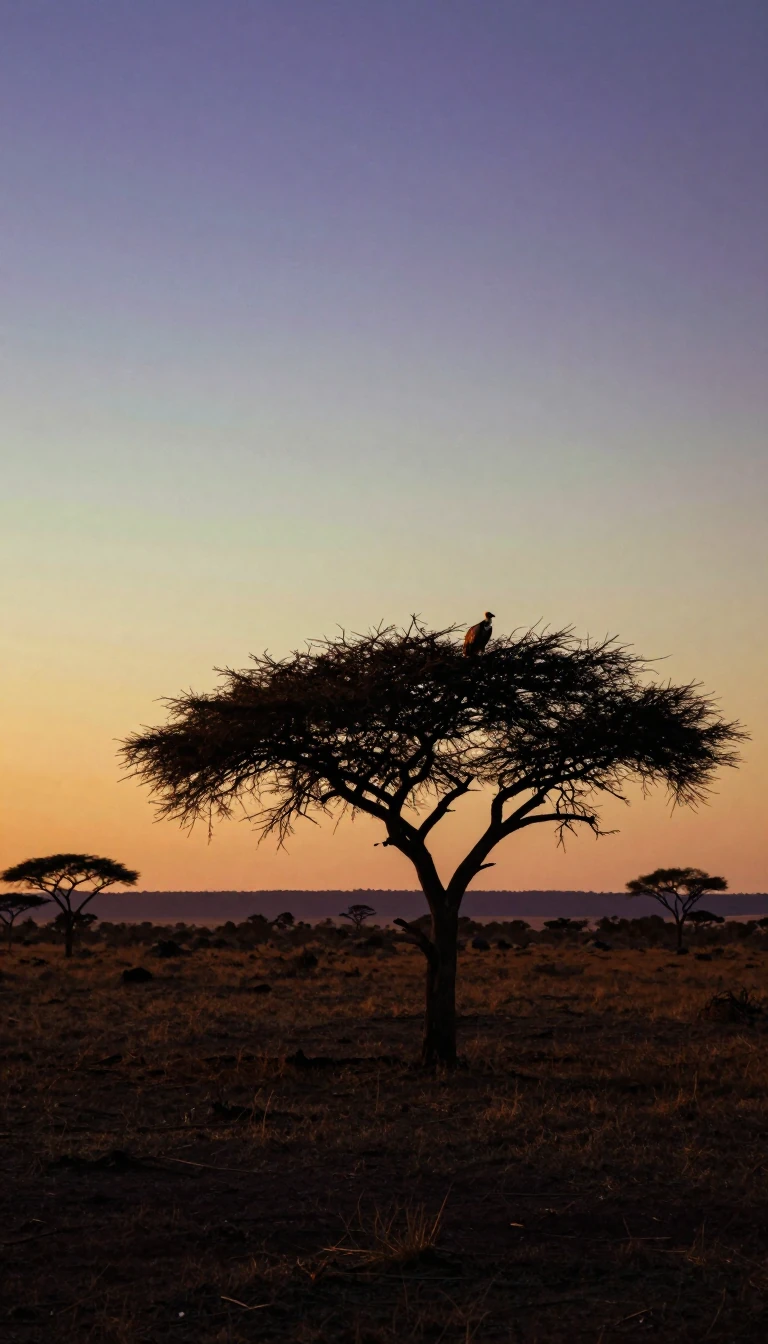 Old World vultures hunt carcasses by eye, not noseThe vultures of Europe, Asia and Africa belong to the hawk and eagle family Accipitridae, not to the lineage of American condors. They lack that group's keen sense of smell, and t…
 Cusk-eels include some of the deepest-living fishesOphidiiformes bundles cusk-eels, pearlfishes, live-bearing brotulas, and allies among ray-finned fishes. Fossils turn up by Maastrichtian time, such as Italy’s Pastorius. Abyssobr…
- Only one opossum reaches the United States and CanadaOpossums make up Didelphimorphia, the Americas’ largest marsupial order—about 126 species in eighteen genera. The Virginia opossum alone reaches the United States and Canada; Engl…
- Killer whales are dolphins that hunt like wolf packsOrcas (Orcinus orca), also called killer whales, are the largest oceanic dolphins and the only living Orcinus species. Apex hunters, their pods often specialize—fish here, seals t…
 Bird-hipped dinosaurs mostly chewed plants, not meatOrnithischia is an extinct clade of mostly plant-eating dinosaurs whose pelvis loosely resembles a bird's, hence the name bird-hipped. It gathered horned ceratopsians, dome-headed…