 Intellect Plus
Vertebrates
970 cards. Each one is a 40-second story with a five-minute read behind it. Page 16 of 17.
 Why the horned pheasant is neither a true pheasant nor a horned beastThe tragopan is a bird of contradictions. Known colloquially as the horned pheasant, it is actually not a true pheasant at all. Its defining feature—a pair of fleshy, vibrant horn…
 Why the red-eyed tree frog uses a startling flash of red to surviveTree frogs are masters of camouflage, blending seamlessly into leaves to avoid hungry predators. But when their green disguise fails, they deploy a high-stakes defensive strategy:…
 Tree-kangaroos are the only macropods that traded the Australian bush for the canopyWhile their terrestrial cousins hop across the Australian outback, tree-kangaroos have evolved into the only true arboreal macropods. These specialized marsupials navigate the rai…
 Why the most diverse kingfishers in the world rarely ever eat fishDespite their name, tree kingfishers are not specialized anglers. These compact, brightly colored birds prefer hunting invertebrates and small vertebrates from woodland perches. A…
 Why the humble tree squirrel is a master of deception and forest regenerationSquirrels are not just frantic garden visitors; they are sophisticated hoarders who use complex social tactics to protect their winter supplies. While they are often viewed as pes…
- Why these aerial birds are the only swifts capable of perching on branchesWhile true swifts are famously bound to the sky, the treeswift family possesses a unique anatomical advantage. Equipped with a nonreversible hind toe, these birds can land and res…
 Meet the ancient, tail-wagging ancestor that paved the way for every modern frogBefore frogs mastered the art of the leap, they were ten-centimeter creatures with long tails and stiff spines. Triadobatrachus, discovered in Madagascar, serves as a vital bridge…
 Why this reef fish uses a biological crossbow to survive in the oceanTriggerfish are masters of defense, using a unique locking spine mechanism that functions like a crossbow trigger to anchor themselves inside rocky crevices. Beyond their mechanic…
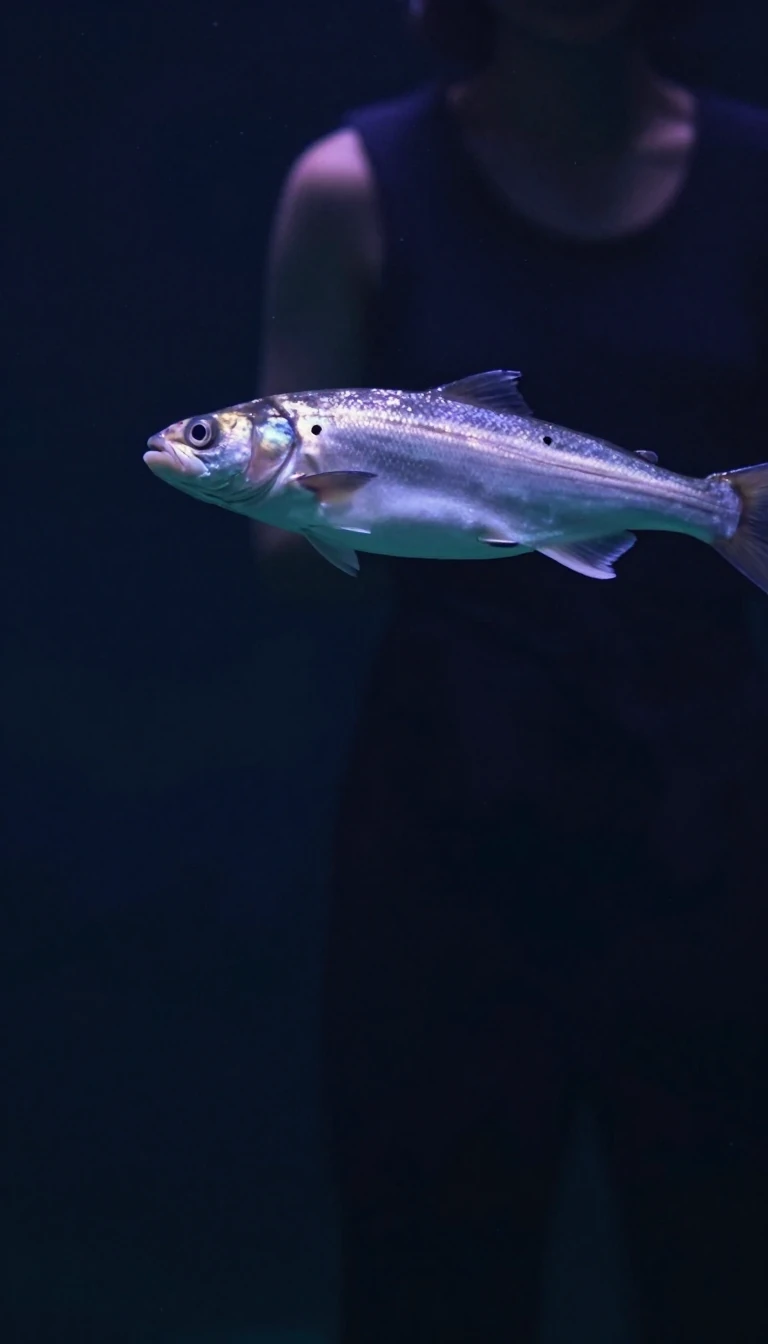 The sea robin is a bottom-dwelling fish that walks and tastes with its fins.Known as gurnards or sea robins, these bottom-feeding fish possess a unique anatomy that defies typical marine expectations. With bony, casque-like heads and pectoral fins that do…
 Why these bizarre, leathery turtles are masters of both land and underwater survivalSoftshell turtles are evolutionary outliers, trading the heavy, protective armor of typical turtles for a flexible, leathery carapace. This adaptation allows them to move with sur…
 Were these bird-like dinosaurs the clever, owl-eyed hunters of the Cretaceous period?Troodontids were small, bird-like theropods with unusually large brains and keen, asymmetrical ears. These gracile hunters likely used binocular vision and acute hearing to track …
- Why your home aquarium is a window into the world's most vibrant ecosystemsTropical fish are not a single biological group, but a diverse collection of species united by their warm-water origins and striking aesthetics. From the mass-produced freshwater …
 Tropicbirds are master aviators that cannot walk, yet they rule the open oceanThese elegant, white-plumaged seabirds are the only surviving members of their unique biological order. With legs positioned so far back on their bodies that walking is impossible…
- Beyond the mimicry, what defines the true parrot family in the wild?While many recognize parrots for their raucous calls and ability to mimic human speech, these birds are far more than clever talkers. Belonging to the Psittacidae family, true par…
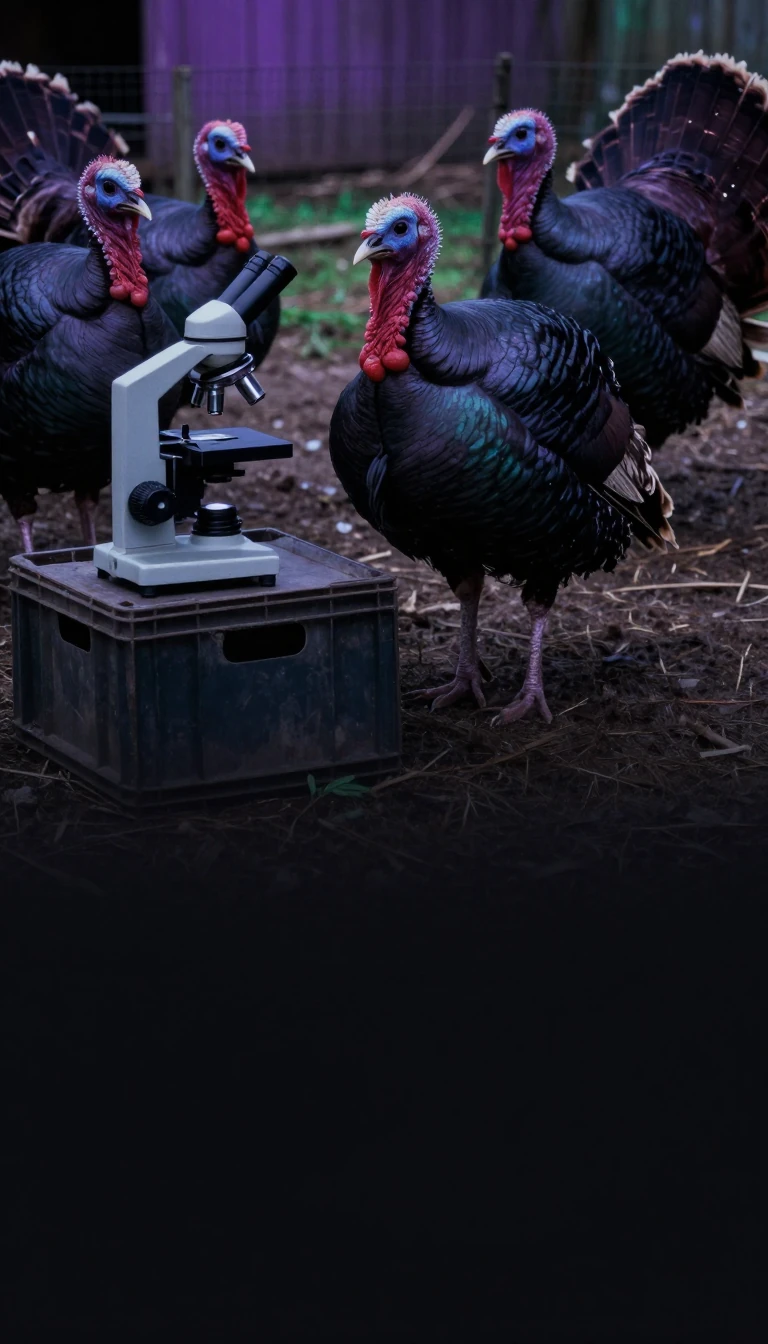 Why the turkey is named after a country that never grew itThe turkey is a North American native, yet its name links it to distant lands. From the guineafowl imported via Turkey to the French poule d'inde, the bird's global nomenclature r…
 The turnstone is a master of the shoreline, flipping obstacles to find hidden meals.These stocky, migratory waders are named for their unique foraging behavior. By using their powerful, slightly upturned bills, they systematically overturn stones and seaweed alon…
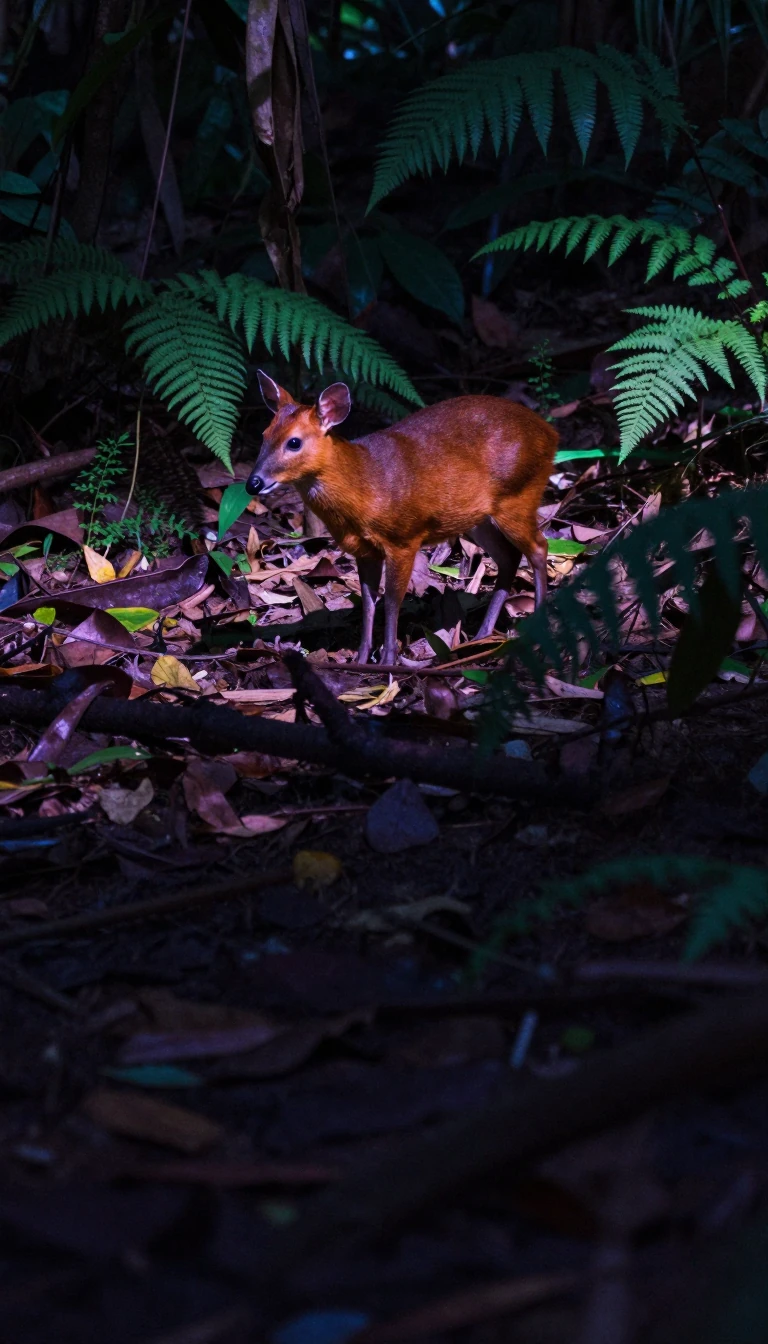 The two-toed sloth is a walking ecosystem that defies standard mammalian biologyWith fur that hosts entire colonies of moths and algae, the two-toed sloth is far more than a slow-moving mammal. These arboreal creatures operate on a metabolic rate less than ha…
 The Knob Lizard: How a Cretaceous Apex Predator Became a Subject of Scientific RivalryTylosaurus, a massive marine reptile that dominated Late Cretaceous oceans, was once the center of the infamous Bone Wars. Named for its unique, elongated snout, this apex predato…
 Why these birds are defined by the unique anatomy of their vocal organsThe Tyranni, or suboscines, are a massive group of over 1,000 passerine bird species. While they share a common ancestry, they are distinguished from their songbird cousins by the…
 Why the bald uakari wears its health on its bright red faceThe bald uakari is a striking South American primate with a signature crimson face and a nearly hairless head. Far from being a mere aesthetic quirk, this intense redness serves a…
 The bizarre, six-horned Uintatherium was once mistaken for a saber-toothed carnivore and an elephant.During the Eocene, a massive, barrel-chested mammal roamed North America and Asia, sporting three pairs of bony, skin-covered horns and oversized canine tusks. Though it looked li…
- Why these long-snouted predators evolved to run faster than their northern cousinsThe Unenlagiinae were a unique group of theropods that thrived in the southern hemisphere. While their northern relatives evolved for raw gripping power to tackle large prey, thes…
- The spiny-tailed Uromastyx lizard uses its whip-like tail as a formidable defensive weaponNative to the rocky landscapes of Africa and the Middle East, the Uromastyx is a master of survival. These herbivorous lizards bask in the sun to regulate their body temperature, …
 Utahraptor was a massive, feathered ambush predator that dominated the Early Cretaceous landscapeForget the agile, pack-hunting raptors of cinema. Utahraptor was a heavily built, six-meter-long carnivore that likely hunted solo or in small groups. With a massive sickle-shaped…
 Vesper bats are the world's most widespread and diverse family of flying mammalsWith over 400 species spanning every continent except Antarctica, the Vespertilionidae family has mastered life in environments from dense tropical forests to arid deserts. These …
 These bizarre Cambrian swimmers are challenging our understanding of how chordates first evolvedVetulicolians were once dismissed as stem arthropods, but their strange, two-part bodies and gill-like openings suggest they belong to the chordate lineage. These ancient, swimmin…
 The viperfish is a deep-sea predator with teeth so long they could pierce its brain.Inhabiting the twilight zone, the viperfish is a master of survival in the deep ocean. With a specialized jaw, bioluminescent lures, and the ability to withstand extreme temperatu…
 Why these shy, green-feathered songbirds are actually the secret cousins of the crowVireos are unassuming, shy birds often overlooked in the forest canopy. While they appear as simple, green-plumaged songbirds, DNA evidence reveals a surprising evolutionary linea…
- The South American rodent that acts like a rabbit but builds like an engineerViscachas are South American rodents that defy simple categorization. While mountain species resemble long-eared rabbits darting across rocky cliffs, their plains-dwelling cousins…
 The lizard that survives by freezing solid and giving birth to live youngThe viviparous lizard, Zootoca vivipara, thrives in climates no other non-marine reptile can tolerate. By mastering the art of subarctic survival, this small creature can endure b…
 The horned crocodile of Madagascar was once the island's apex predatorBefore humans arrived in Madagascar, a unique crocodile species ruled the landscape. Known as Voay robustus, this reptile was defined by a pair of prominent horns on its skull. Th…
 The koala and the wombat are the last survivors of a lost marsupial empireWhile the koala and wombat seem like solitary oddities, they are actually the final remnants of Vombatiformes, a once-diverse suborder of marsupials. This lineage once included gi…
 True foxes are not just small dogs, but a distinct evolutionary lineage of hunters.Often mistaken for smaller versions of wolves or dogs, the genus Vulpes represents a unique clade of canids. From the scorching deserts to the frozen Arctic, these opportunistic s…
 Why do wagtails constantly pump their tails? The answer remains a scientific mystery.Wagtails are slender, ground-feeding birds named for their signature tail-wagging behavior. While this movement is ubiquitous, its purpose is debated. Some suggest it flushes out …
 Why the wallaroo is the perfect middle ground in the Australian bushCaught between the kangaroo and the wallaby, the wallaroo is a distinct macropod that defies simple classification. From the rugged black wallaroo of Arnhem Land to the gregarious…
 The wallcreeper is a master of vertical terrain, hiding crimson wings on mountain faces.This small, elusive bird is the only member of its entire family, Tichodromidae. Often called the butterfly of the bird world for its striking crimson wings, it spends its life sc…
- Why the warthog enters its burrow backward to survive the African savannaThe warthog is a master of survival in the arid African landscape. While its appearance is defined by distinct facial wattles and impressive tusks, its most clever adaptation is b…
- The brilliant blue of a kingfisher is actually a clever optical illusionA kingfisher’s vibrant azure plumage contains no blue pigment at all. Instead, these birds rely on the structural arrangement of their feathers to scatter light, creating a dazzli…
 Why these nomadic birds sometimes descend on suburban streets in their thousandsThe waxwing is a master of the erratic migration. These starling-sized birds do not follow fixed paths, but instead roam in nomadic flocks searching for berries. When food supplie…
 Why the wedgefish is a master of disguise in the world of raysWedgefishes are not your typical rays. Belonging to the family Rhinidae, these unique creatures are often called giant guitarfishes or sharkfin guitarfishes. With eleven distinct …
 The hidden dragon beneath your feet: why the weever fish is a beach menace.Buried in the sand with only its eyes exposed, the weever fish is a master of ambush. While it is a prized ingredient in bouillabaisse, its venomous spines turn a casual beach str…
 The Wels catfish is a prehistoric giant lurking in Europe's rivers and lakesAs one of the largest freshwater fish in Europe, the Wels catfish is a formidable predator. Capable of reaching massive proportions, this scaleless giant uses sensitive barbels to…
 The prehistoric fish that shocked the world by refusing to stay extinctIn 1938, a trawler pulled a mysterious, steel-blue fish from South African waters. Thought to have vanished 70 million years ago, the coelacanth was a living fossil that captivate…
 Why Australia’s iconic western grey kangaroo spent two centuries in a taxonomic identity crisisFor nearly two hundred years, European scientists struggled to classify the western grey kangaroo. Misidentified as its eastern cousin, mislabeled as a Tasmanian native, and shuff…
 The jackdaw is a clever, chimney-nesting crow that can recognize individual human faces.Smaller than their cousins the rooks and crows, western jackdaws are social, intelligent birds known for their silvery-grey napes and pale eyes. They are surprisingly comfortable …
- How whiptail stingrays hunt in total darkness using invisible electric fieldsWhiptail stingrays are masters of the ocean floor, blending into sand to ambush prey. Beyond their famous whip-like tails and jagged stingers, these rays possess a sophisticated s…
 Why these long-legged ducks are causing a stir in the world of bird taxonomyWhistling ducks are not your typical pond-dwellers. With their long necks, upright stance, and penchant for perching in trees, these gregarious birds defy standard waterfowl expec…
- The white-eye is a bird family so uniform that scientists often struggle to distinguish them.With nearly 100 species across the Old World, white-eyes are remarkably similar in appearance and behavior. Named for the distinct ring of tiny white feathers around their eyes, t…
 Why the white-eyelid mangabey is not as closely related to other mangabeys as believedFor years, scientists grouped all mangabeys together, assuming they shared a common lineage. Modern genetic understanding has shattered this classification, revealing that the whi…
 The white tiger is not a separate species but a rare genetic mutationWhite tigers are not albinos, nor are they a distinct subspecies. They are leucistic variants of Bengal or Siberian tigers, appearing in the wild only once in every 10,000 births.…
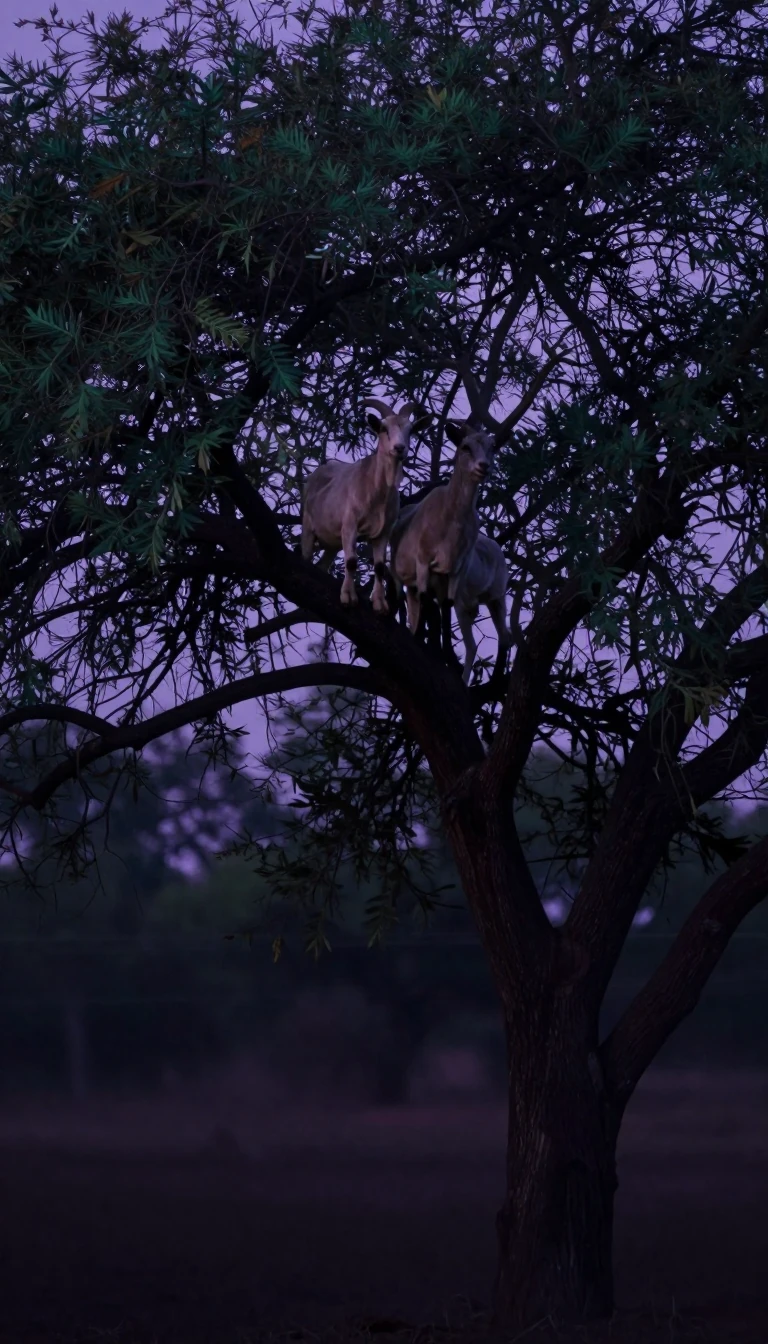 The wild goat is the rugged, high-altitude ancestor of every domestic goat today.From the craggy peaks of the Caucasus to the arid slopes of Pakistan, the wild goat (Capra aegagrus) thrives in extreme environments. While often overshadowed by its domesticated …
- The wobbegong is a master of disguise that hides in plain sightKnown as carpet sharks for their intricate, symmetrical patterns, wobbegongs are ambush predators that blend seamlessly into the sea floor. These bottom-dwelling creatures use wee…
 Are wolfdogs a distinct breed or a biological mystery hiding in plain sight?Wolfdogs are hybrids of domestic dogs and wolves, occurring both in the wild and through intentional breeding. While they are often sought as exotic pets, their behavior remains n…
- The wood frog is the only North American amphibian living north of the Arctic Circle.This resilient creature survives the brutal northern winter by essentially turning into an ice cube. When temperatures drop, the wood frog freezes its own blood and tissues, halti…
- The wood turtle is a surprisingly intelligent navigator with a talent for worm charming.Beyond its rugged, pyramid-sculpted shell, the wood turtle is a cognitive standout among reptiles. It possesses remarkable homing abilities comparable to those of a rat and employ…
 The woolly rhinoceros was a massive, hairy beast that once roamed the ancient world.Long before modern rhinos, the woolly rhinoceros thrived in the harsh, frozen landscapes of the Pleistocene. Covered in thick fur and sporting two formidable horns, this creature …
- Why these tiny Southeast Asian fish lock jaws in thirty-minute wrestling matchesThe wrestling halfbeak is a slender, surface-dwelling fish known for its elongated lower jaw and a peculiar habit of combat. Males of the species engage in intense, jaw-locking du…
- Why the iridescent sunbeam snake is a nightmare for even expert reptile keepersThe sunbeam snake is famous for its dazzling, rainbow-like scales that shimmer in the light. Yet, despite their beauty, these primitive Southeast Asian snakes are notoriously diff…
 Why this strange-footed African frog became a cornerstone of modern medical researchThe African clawed frog, or Xenopus, is a laboratory powerhouse. Beyond its surprising genetic similarity to humans, this aquatic amphibian has enabled breakthroughs from early pr…
 Why these African ground squirrels choose communal living over competitive mating ritualsThe Xerini tribe of ground squirrels defies typical mammalian behavior by sharing home ranges rather than fighting for territory. By prioritizing group safety over individual bree…