 Intellect Plus
Vertebrates
970 cards. Each one is a 40-second story with a five-minute read behind it. Page 14 of 17.
 Are blind snakes truly primitive, or did they evolve their subterranean lifestyle later?For decades, scientists assumed that the ancestors of all snakes were burrowers with poor vision. Recent genetic analysis of scolecophidians—the group known as blind snakes—challe…
 Why the world's most common owl genus spent a century in taxonomic confusionScops owls are masters of camouflage, but their evolutionary history has been anything but clear. For decades, scientists struggled to distinguish these Old World birds from their…
 The Scorpaenidae family hides a masterclass in evolutionary defense and invasive ecological dominance.Scorpionfish are far more than just bottom-dwelling rockfish. From the venomous, zebra-striped lionfish to the masters of camouflage, this diverse family of marine predators uses …
 Why these bulky South American birds are the ultimate feathered security guardsScreamers are large, marsh-dwelling birds that look like unlikely cousins to ducks. While they lack the full webbing of their waterfowl relatives, they possess a unique defensive …
 This massive Permian reptile wore a suit of armor to survive its own ecosystemScutosaurus was a heavy, barrel-chested reptile that roamed the Permian landscape over 250 million years ago. Covered in bony plates and sporting a spiked skull, this creature fac…
 Catsharks are not cats, but these bottom-dwelling predators possess some truly bizarre survival strategies.Catsharks, or Scyliorhinidae, are a diverse family of ground sharks found in oceans worldwide. While they are generally harmless to humans, they employ fascinating tactics to surv…
 Why the mighty sea eagle is often nicknamed the flying barn doorThe white-tailed eagle is the UK’s largest bird of prey, boasting a massive wingspan and a distinctive, wedge-shaped tail. Known for their opportunistic hunting and scavenging, th…
 Why the sea krait is a master of both land and oceanOften mistaken for true sea snakes, sea kraits are a unique semi-aquatic group. While they possess paddle-like tails for efficient swimming, they have retained the broad belly sca…
 The ancient vampire fish that accidentally collapsed a massive North American fishing industryThe sea lamprey is a primitive, jawless predator that has haunted Atlantic waters for eons. While native to the ocean, its accidental introduction into the Great Lakes via human-m…
 This bizarre, crochet-like fish walks across the seafloor to save energy while hunting.Deep beneath the waves off the coast of Chile, researchers recently discovered a strange, bright red creature that resembles a piece of yarn-work. Known as a sea toad, this fish u…
 Why the name rockfish is a misnomer for this diverse group of marine predatorsRockfishes are not cod, despite their common moniker. These marine fish, belonging to the Scorpaenidae family, are defined by their spiny, compressed bodies and venomous fins. Fou…
 Gray langurs are highly adaptable primates that thrive from Himalayan peaks to urban centers.These resilient Old World monkeys inhabit diverse environments, ranging from arid deserts to bustling Indian cities. While often recognized for their gray coats and black faces, t…
 The Seriema is the last living relative of the prehistoric terror birdsThese long-legged, ground-dwelling birds of South America are the closest modern kin to the extinct, massive predators known as terror birds. While they possess the ability to fly…
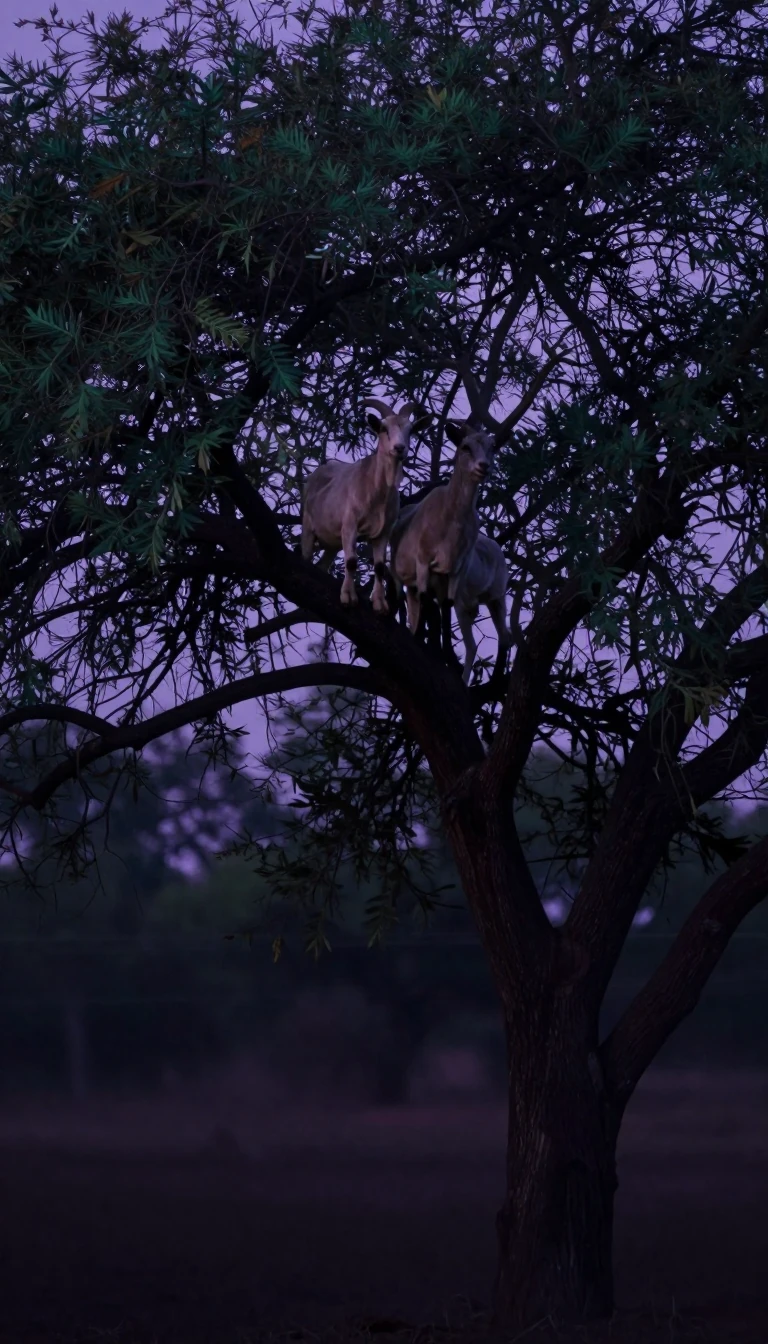 The elusive goat-antelopes that thrive from tropical forests to high Himalayan mountain peaksSerows are mysterious, goat-like mammals that navigate diverse Asian landscapes, from sea level to 4,000 meters. These solitary, territorial creatures are notoriously difficult to…
 Was this ancient creature a reptile or an amphibian? The answer is both.For decades, paleontologists hailed Seymouria as one of the world's earliest reptiles. Its robust limbs and lizard-like skeleton suggested a life spent entirely on land. Yet, the …
 This Triassic reptile was a delta-wing glider long before humans took to the skies.Sharovipteryx mirabilis, a small reptile from the Triassic period, defied evolutionary norms by evolving a wing membrane attached to its hind limbs rather than its front. This uni…
- Shonisaurus: The Triassic Giant That Redefined Our Understanding of Ancient Marine PredatorsShonisaurus was once imagined as a rotund, toothless wanderer of the Late Triassic seas. New research reveals a different reality: a sleek, macrophagous predator with a deep body …
 The elusive short-eared dog is a solitary, semi-aquatic enigma of the Amazon rainforestDeep in the Amazon basin lives the short-eared dog, a rare canid that defies typical pack behavior. With partly webbed paws and a mysterious, solitary lifestyle, this animal remai…
 Why these transparent, razor-thin fish spend their entire lives swimming upside downShrimpfish are masters of verticality, navigating tropical reefs with their heads pointed toward the seafloor. This unusual posture is not just a quirk of anatomy; it is a sophist…
 This Triassic reptile grew horns millions of years before the famous horned dinosaurs evolved.Long before ceratopsid dinosaurs roamed the earth, a large, herbivorous reptile named Shringasaurus was already sporting impressive brow horns. Discovered in India, this creature …
 The Sifaka: Madagascar’s acrobatic lemur that dances across the forest floorNamed for their distinctive shif-auk alarm call, sifakas are unique primates that navigate the trees with vertical leaps and traverse the ground using a graceful, bipedal sideways…
- Are these Triassic reptiles the missing ancestors of the iconic ornithischian dinosaurs?Silesaurids were once considered the sister group to all dinosaurs, but new research suggests they might actually be the long-sought Triassic ancestors of ornithischians. This shi…
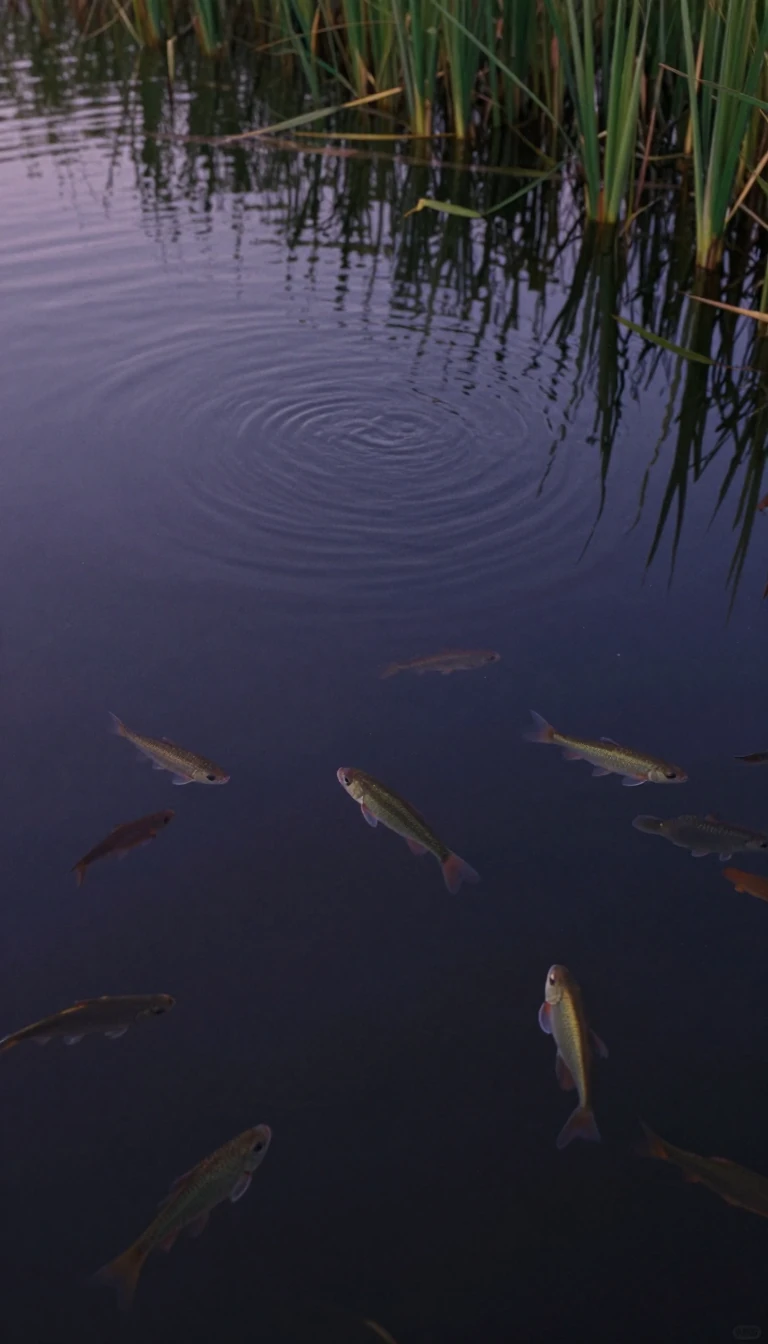 Why these invasive fish are famous for leaping into the path of speeding boatsSilver carp are notorious for their acrobatic, startling leaps when disturbed by boat motors, turning recreational waterways into hazardous zones. Originally imported to the Unite…
 Meet the pug-nosed crocodile: a tiny, herbivorous reptile from the Late CretaceousImagine a crocodile that ditched the river for the forest floor. Simosuchus, a pug-nosed creature from Madagascar, traded sharp, conical teeth for maple-leaf-shaped grinders. At j…
- Was this ancient ape the ancestor of humans or the modern orangutan?For decades, fossil hunters believed the genus Sivapithecus held the key to human origins. Once misidentified as a direct human ancestor under the name Ramapithecus, this Miocene …
 Sivatherium: The Massive Ancient Giraffid That Once Roamed Across Africa and EurasiaImagine a creature with the build of a heavy bovine but the lineage of a giraffe. Sivatherium, an extinct giant, once dominated landscapes from Africa to India. Though early resea…
 The skua is a master pirate of the skies that steals meals from others.Known as jaegers, meaning hunters, these aggressive seabirds are notorious for kleptoparasitism. They chase down gulls and terns to snatch their catches, sometimes attacking birds…
 The deep-sea slimehead can live for over a century, but its future is uncertain.Named for the mucus-filled canals riddling their heads, slimeheads are long-lived, deep-sea survivors. While some species reach ages of nearly 150 years, their slow reproduction r…
- How the smooth-coated otter mastered urban living and even learned to hybridizeThe smooth-coated otter is a master of adaptation, thriving from the marshes of Iraq to the concrete canals of Singapore. While globally vulnerable due to habitat loss and poachin…
 The elusive bird that gave the world the term for a deadly marksmanThe snipe is a master of camouflage and erratic flight, making it notoriously difficult to hunt. This challenge birthed the term sniper, originally describing a marksman skilled e…
- The snipe eel is a deep-sea minimalist with an anus located on its throatLiving in the twilight zone requires extreme efficiency. The slender snipe eel has evolved to strip away unnecessary body parts, resulting in a creature with 750 vertebrae, jaws t…
 Why these noisy, white-and-black geese are turning agricultural fields into their own snow globesSnow geese are among the most abundant waterfowl in North America, often gathering in massive flocks that blanket the landscape. While they are famous for their snowy white plumag…
 How the snowshoe hare survives by changing its coat with the seasonsThe snowshoe hare is a master of seasonal camouflage, trading a brown summer coat for a stark white winter disguise. Named for its oversized, fur-covered feet that act like natura…
 Why the humble sole fish is named after both footwear and anatomyThe sole is a flatfish with a dual identity. Its name reflects a linguistic split: in Romance languages, it is named for its resemblance to a sandal, while in many others, it is d…
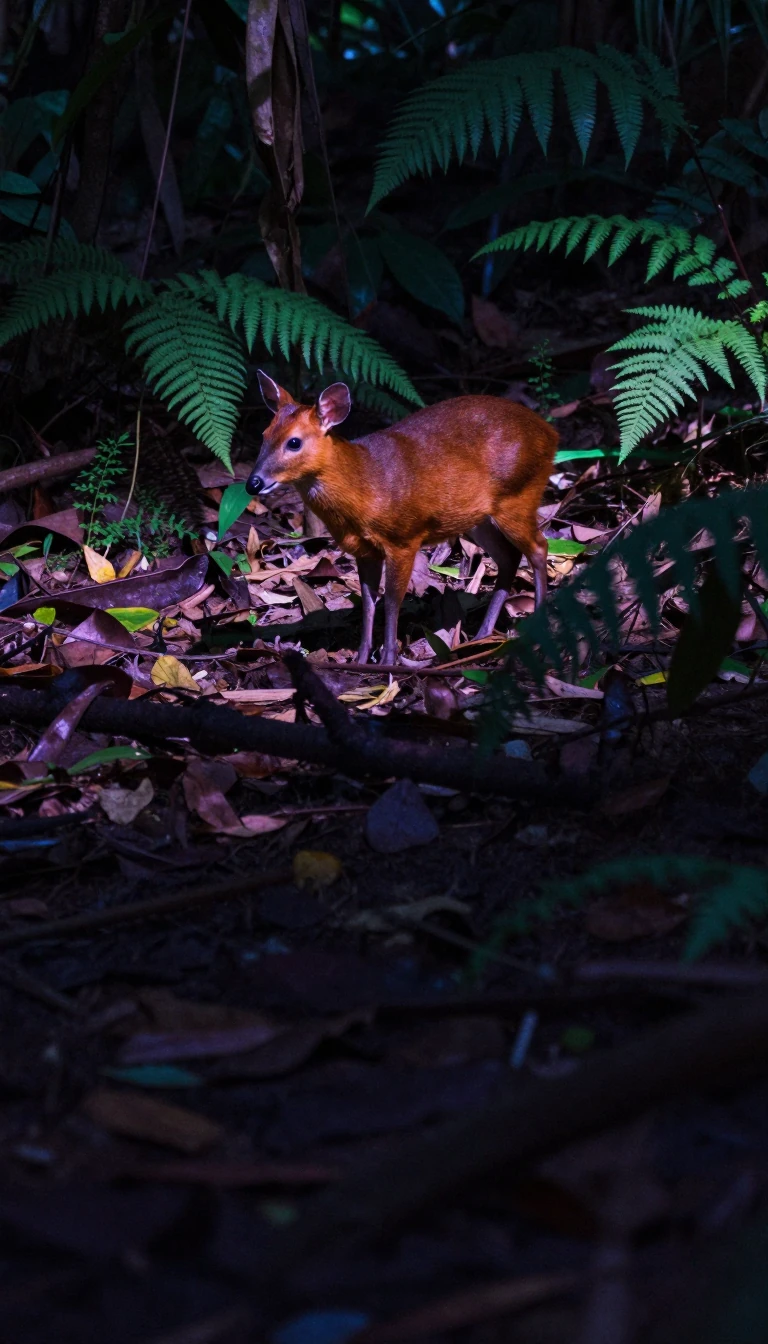 The venomous, goat-scented mammal that has survived for over 70 million yearsFound only on Cuba and Hispaniola, the solenodon is a rare, shrewlike mammal with a toxic bite. Despite its ancient lineage, this nocturnal creature remains a mystery, possessing …
 Solo Man: The Last Known Population of Homo erectus in Human HistoryFor decades, scientists debated whether Solo Man was a direct ancestor of modern humans or a relic of a vanished lineage. Recent dating of the Ngandong site in Java suggests these…
 Are southern giraffes a single species or part of a larger, complex family tree?Long considered a single species, the southern giraffe is now increasingly recognized as a distinct entity within a reorganized genus. These iconic, long-necked mammals roam the s…
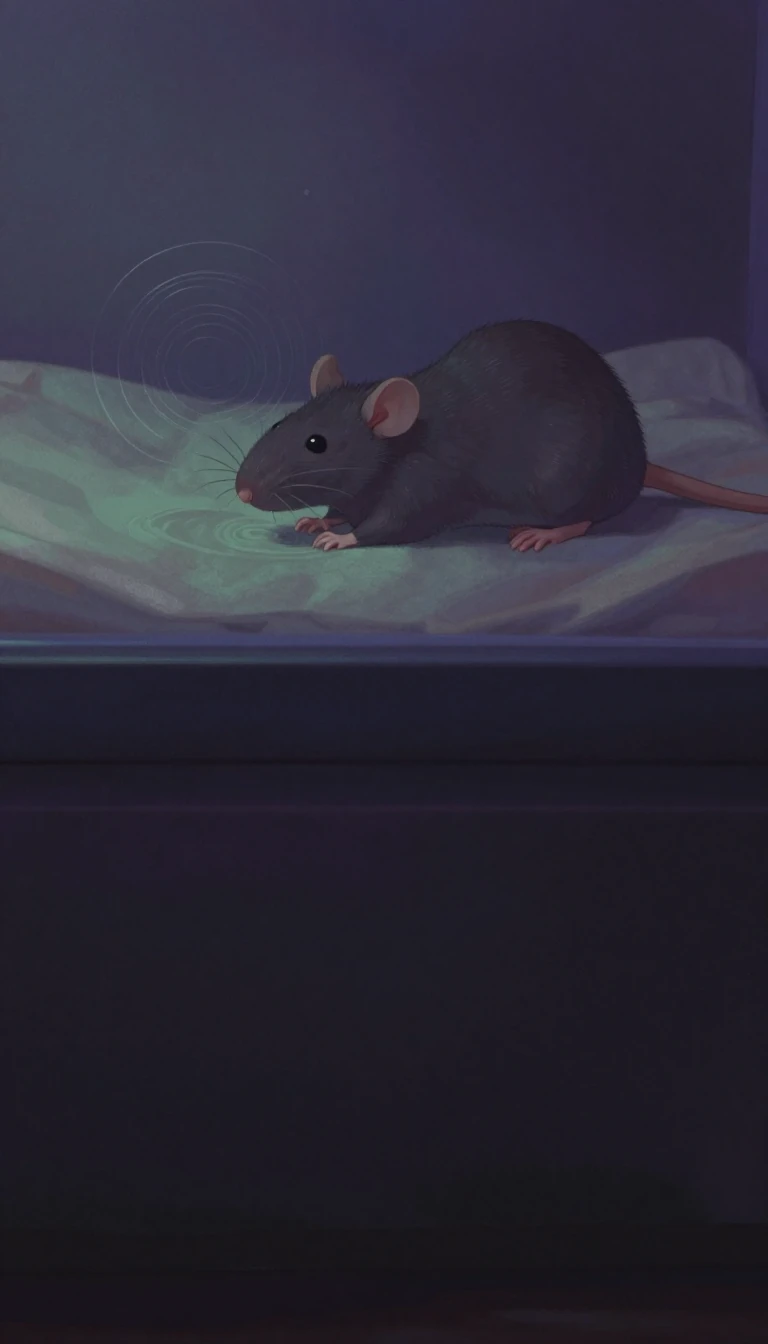 The blind mole-rat is a subterranean rodent with a surprising resistance to cancerDeep beneath the soil of Eastern Europe and Asia lives the Spalax, a genus of completely blind rodents. While their subterranean lifestyle is fascinating, researchers have discove…
 How the fast-moving Spanish mackerel became a model for sustainable American commercial fishingOnce an unregulated target for heavy commercial and recreational pressure, the Spanish mackerel is now a success story in marine management. With populations thriving above target…
 South America's ancient apex predators were not defeated by placental rivals as once thought.For millions of years, the Sparassodonta ruled South America as the continent's dominant mammalian carnivores. Long dismissed as victims of competition with immigrant placental pr…
 The seabream family is a masterclass in evolutionary adaptation and complex sexual biologySpanning over 150 species, the Sparidae family of ray-finned fishes thrives in waters from temperate to tropical zones. These demersal predators are defined by their compressed bo…
 The Eurasian ground squirrel that spends nearly nine months of the year asleepKnown as sousliks or spermophiles, these resilient rodents are masters of the Eurasian steppe. While they are social creatures that rely on high-pitched alarm calls to evade preda…
 Spinosaurids were massive, sail-backed predators that evolved to hunt like modern crocodilians.Spinosaurids were not typical theropods. With long, narrow skulls, conical teeth, and retracted nostrils, these dinosaurs abandoned the land to dominate aquatic environments. From…
 How the spoonbill uses its unique, flat bill to hunt in murky waterThe spoonbill is a master of tactile hunting. While many birds rely on sight, this long-legged wader sweeps its specialized, spatulate bill through shallow water, snapping it shut…
 The spotted dove is a global traveler that thrives in our urban landscapesNative to the Indian subcontinent and East Asia, the spotted dove has successfully colonized cities from Hawaii to Australia. Recognizable by its distinctive black-and-white neck …
- The spotted ratfish is a deep-sea survivor with a venomous spine and rabbit-like face.Separated from sharks nearly 400 million years ago, the spotted ratfish is a strange, iridescent dweller of the Pacific depths. With emerald eyes, a duckbill snout, and a venomous…
 Seven species of spotted skunk exist, and they all perform handstands before spraying.Spotted skunks are tiny acrobats that weigh under two pounds. Before releasing their potent scent, they plant their front paws, hoist their hind legs, and splay their tails like f…
 Why these small tropical monkeys use urine to survive the sweltering jungle heatSquirrel monkeys are masters of survival in the humid canopy, but they face a physiological challenge: they can only sweat through their palms and soles. To avoid overheating, the…
- The star-nosed mole uses a 22-tentacled face to see the world through touch.Imagine a creature with a nose that functions like a high-speed hand. The star-nosed mole, a semiaquatic mammal, uses 22 hairless, super-sensitive rays to navigate dark, waterlogg…
- The mysterious dome-headed dinosaur that once confused scientists for a unicornStegoceras, a small bipedal dinosaur from the Late Cretaceous, was initially misidentified as a unicorn-like creature. Its signature thick, domed skull has sparked decades of deba…
 The prehistoric giants that mastered island life before vanishing alongside early humansStegodon were massive, elephant-like creatures that once roamed across Africa and Asia. While mainland species grew to enormous sizes, those that reached remote islands underwent …
- The iconic spiked tail of the Stegosaurus was once dismissed as a mere joke.The thagomizer, that fearsome array of tail spikes, owes its name to a comic strip. Beyond the humor, these armored dinosaurs remain a scientific puzzle. From their mysterious ori…
- The gentle giant of the Bering Sea vanished less than thirty years after discoveryWhen naturalist Georg Wilhelm Steller first encountered the Steller's sea cow in 1741, he found a massive, social creature that had no fear of humans. Within three decades, this g…
 The steppe bison was a massive, wide-ranging herbivore that once dominated the mammoth steppe.Before modern bison roamed the plains, the steppe bison thrived across a vast biome stretching from Spain to Canada. Reaching over 1,000 kilograms, these formidable creatures were…
 The Steppe Eagle is a master of two lives, but its future is fading.With a wingspan of 2.6 metres, this raptor dominates the Eurasian grasslands in summer before embarking on a 10,000km journey to African savannahs or urban landfills. Once the pla…
 Before crocodiles ruled the waters, these giant amphibians dominated the world's ecosystems.Stereospondyli were a diverse group of extinct amphibians that thrived across all seven continents during the Mesozoic. Often filling niches now occupied by crocodilians, these cr…
 The bizarre anvil-backed shark that might actually be a cousin to the chimaeraStethacanthus was a prehistoric fish defined by a strange, anvil-shaped dorsal crest covered in spikes. While it looked like a shark, its unique anatomy—including mysterious fin w…
- The giant, bipedal kangaroos that walked like humans instead of hopping across AustraliaSthenurus, a genus of extinct kangaroos, were massive creatures reaching 240 kilograms. Unlike their modern, hopping relatives, these giants possessed a robust, monodactyl skeleta…
 Why these birds earned the name strap-leg in the ancient worldStilts are masters of the wetlands, easily identified by their exceptionally long, slender legs and thin bills. Belonging to the Recurvirostridae family, these birds thrive in war…
- Meet the duck-faced predators that roamed the Cretaceous deserts of North AfricaDuring the Late Cretaceous, a bizarre family of crocodylomorphs known as Stomatosuchidae prowled Egypt, Morocco, and Niger. These ancient reptiles possessed uniquely flattened, du…