 Intellect Plus
Vertebrates
970 cards. Each one is a 40-second story with a five-minute read behind it. Page 11 of 17.
 The Nile crocodile is a fearsome apex predator that doubles as a devoted parentWhile notorious for its aggressive reputation and hundreds of annual human attacks, the Nile crocodile defies typical reptilian behavior through complex parental care. These massi…
 The Nile monitor is a formidable, ancient predator now thriving in the Florida wild.Often sold as colorful pets, Nile monitors are aggressive, fast-growing carnivores that can reach seven feet in length. Escaped from captivity, these African lizards have establis…
 Are these ancient predators the true ancestors of the modern sabre-toothed cat?The Nimravidae were not true cats, yet they evolved remarkably similar bladelike teeth and predatory behaviors through parallel evolution. These false sabre-tooths dominated the l…
 Were these armored dinosaurs truly a single family or a misunderstood evolutionary grade?Nodosaurids were heavily armored, quadrupedal herbivores that roamed the Earth from the Late Jurassic to the Late Cretaceous. While traditionally viewed as a distinct family of di…
 The lost war elephants of Carthage: history's most famous, mysterious, and extinct pachydermsLong before the Roman Empire fell, the North African elephant served as a formidable weapon of war. These smaller, elusive creatures carried Hannibal across the Alps, yet their ex…
 The northern giraffe is a rare survivor of a once vast North African empireKnown as the three-horned giraffe, this species once roamed from Senegal to Egypt. Today, it is the most endangered of all four recognized giraffe species. Isolated in fragmented …
 The Northern Mockingbird is a master mimic that recognizes individual human facesThis slender gray bird is famous for an endless, complex song that often includes imitations of other species. Beyond their vocal talents, these territorial birds are surprisingly…
 Why the Northern Pintail is the most elegant silhouette in the wetlandsWith a slender, elongated profile and a signature pointed tail, the Northern Pintail is a master of the wetlands. These ducks are as comfortable waddling through agricultural fiel…
 The Northern Shoveler uses a specialized biological sieve to dominate shallow water habitats.With a bill shaped like a giant spoon, the Northern Shoveler is built for efficiency. These dabbling ducks use comb-like structures called lamellae to filter tiny crustaceans and …
 Why these tiny, water-walking seabirds became the ultimate symbol of revolutionary upheavalNorthern storm petrels are the smallest seabirds on Earth, known for their uncanny ability to walk on water. Sailors once feared these birds as harbingers of doom, but their assoc…
 The Triassic predator that hunted like a seal but paved the way for plesiosaursLong before the ocean giants of the Jurassic, the Nothosaurus prowled the Tethys Sea. This semi-oceanic reptile, with its needle-toothed jaws and webbed limbs, lived much like a m…
 Why these ancient, air-breathing fish are masters of swimming both forward and backwardThe Notopteridae family, known as featherbacks or knifefishes, are masters of movement. By keeping their bodies rigid and rippling their long anal fins, these freshwater predators…
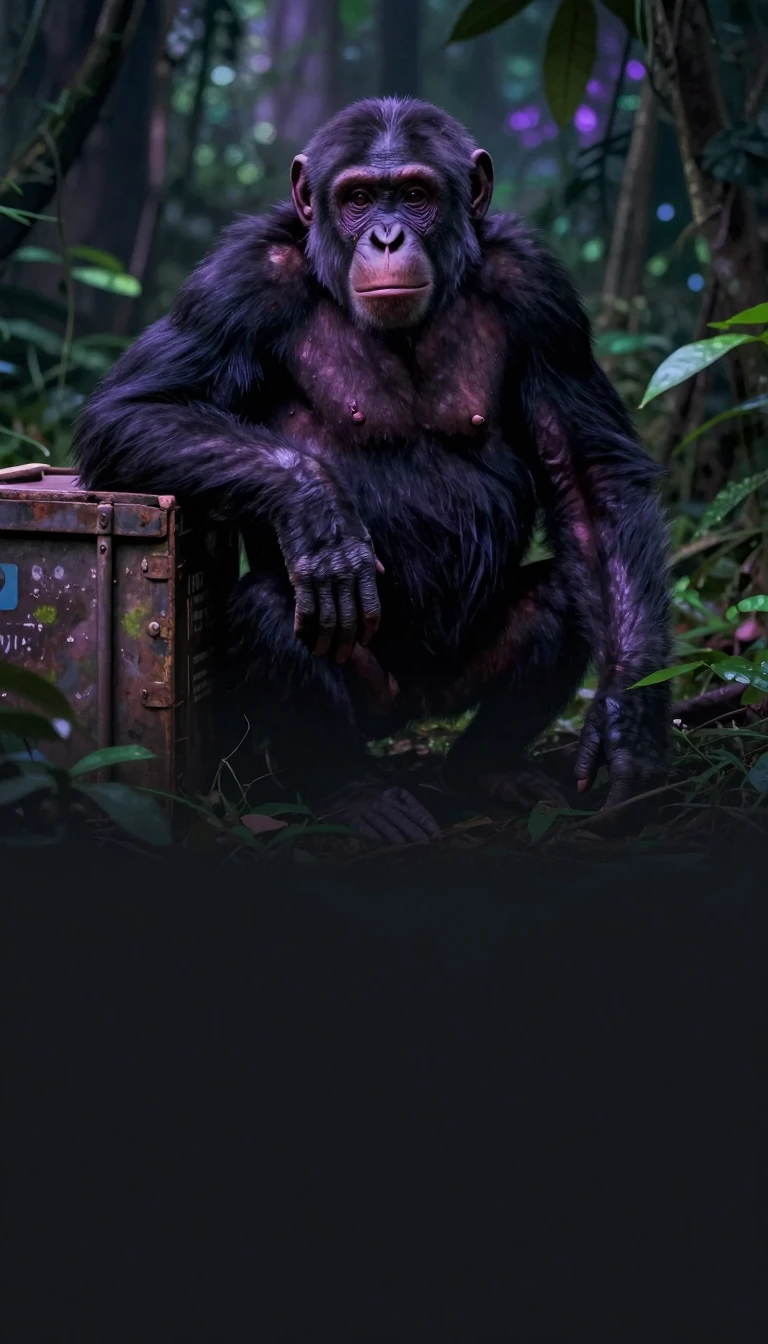 Notosuchia: The bizarre, terrestrial crocodilians that evolved mammal-like teeth and armadillo-style armorForget the swamp-dwelling predators you know. Notosuchia was a diverse group of terrestrial crocodilians that roamed the earth during the Jurassic and Cretaceous periods. From pug…
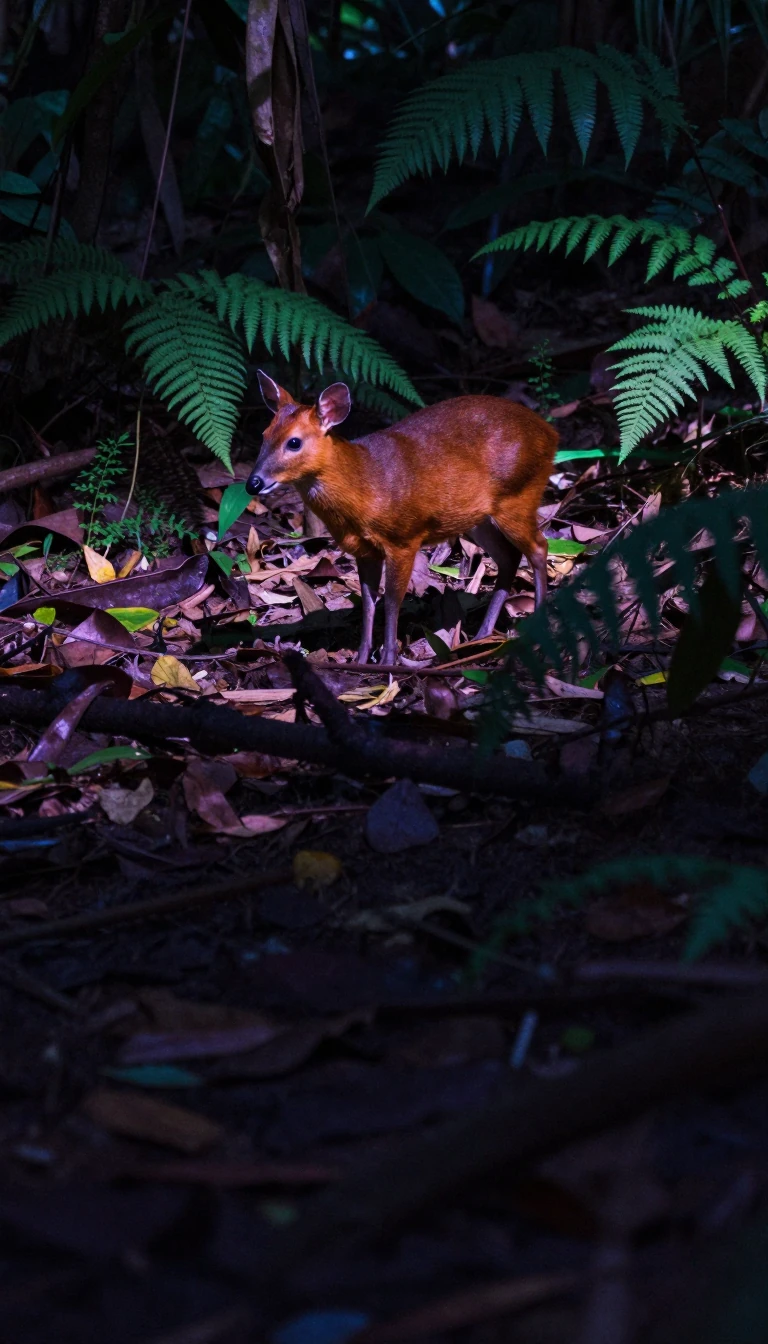 How South American mammals evolved to look like rabbits, rhinos, and wombatsFor millions of years, South America was an evolutionary laboratory. Isolated from the rest of the world, a unique order of hoofed mammals called Notoungulata thrived. They filled…
 The raccoon dog is an ancient Asian wanderer with a surprisingly modern, global impact.Known as the night wanderer, the genus Nyctereutes represents one of the oldest canine lineages in the Old World. Emerging millions of years ago, these opportunistic carnivores ha…
 The Ocellated Turkey: A Tropical Bird With a Bongo-Like SongUnlike its North American cousin, the ocellated turkey is a vibrant, iridescent bird native to the Yucatán Peninsula. It lacks the classic gobble, instead performing a rhythmic, b…
 Why these South American rodents are named after the number eightThe genus Octodon, native to the Chilean Andes, earns its name from a peculiar anatomical feature. Their molars and premolars are shaped precisely like the digit eight. These soci…
 This extinct whale grew a massive, fragile tusk that likely served no combat purposeOdobenocetops was a bizarre, suction-feeding whale from the late Miocene that evolved asymmetric tusks independently of narwhals. While these tusks resembled those of modern narwh…
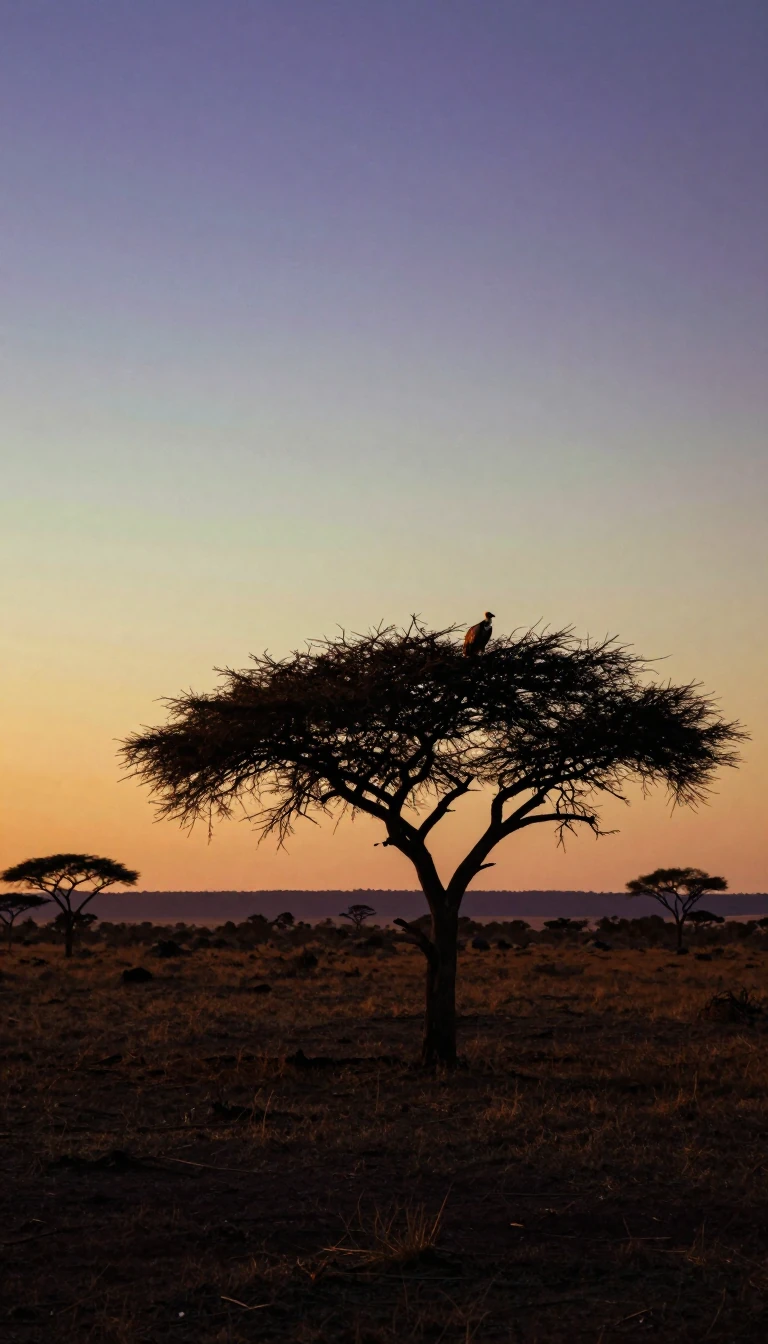 The nocturnal fruit-eater that navigates dark caves using high-pitched clicks like a bat.The oilbird is a biological anomaly: a nocturnal, fruit-eating bird that navigates pitch-black caves using echolocation. While most birds rely on sight, this South American specia…
 Why the Old World oriole is a master of evolutionary mimicry and survivalDo not let the name fool you. Despite sharing a name, size, and diet with New World orioles, the Old World family Oriolidae is a completely different lineage. These birds have evo…
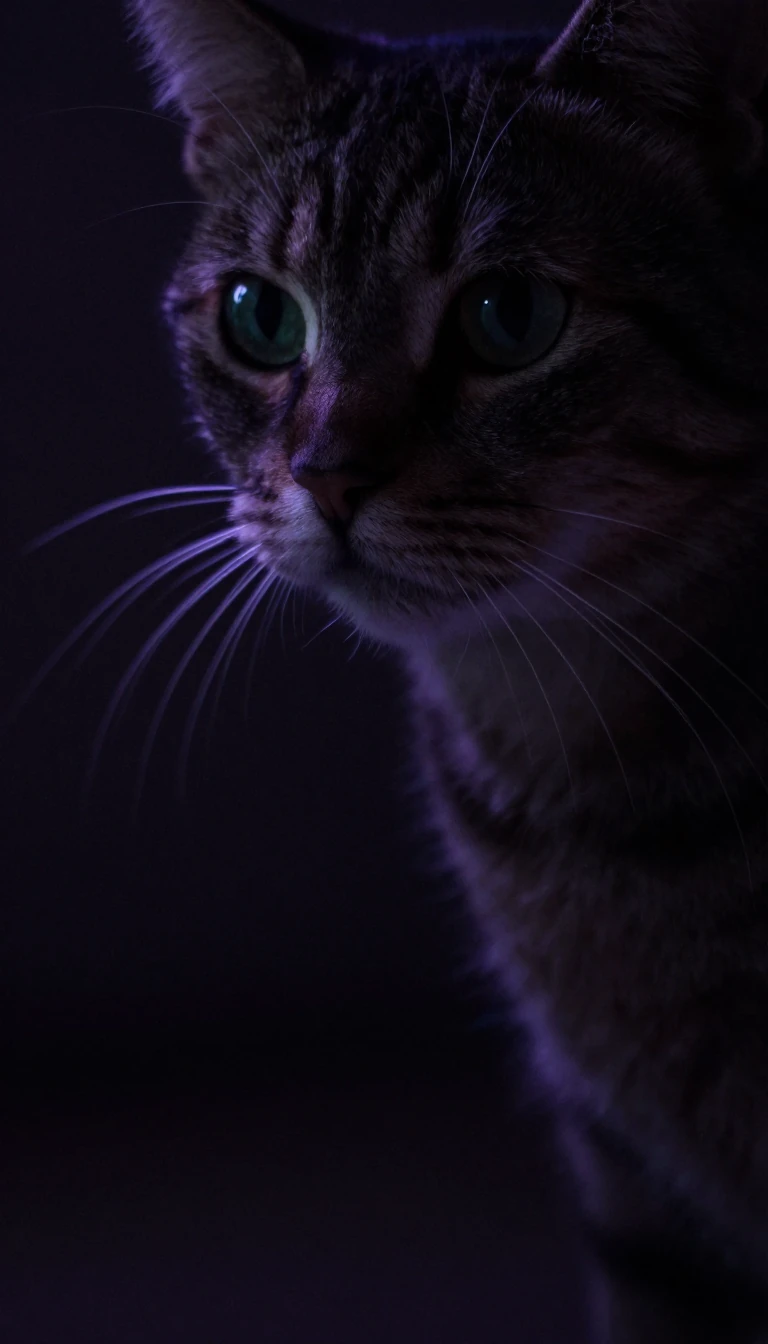 Old World porcupines are not just spiny rodents; they are masters of acoustic defense.While often confused with their New World cousins, Old World porcupines are distinct, heavily built rodents that rely on specialized quills and rattling tail displays to deter pre…
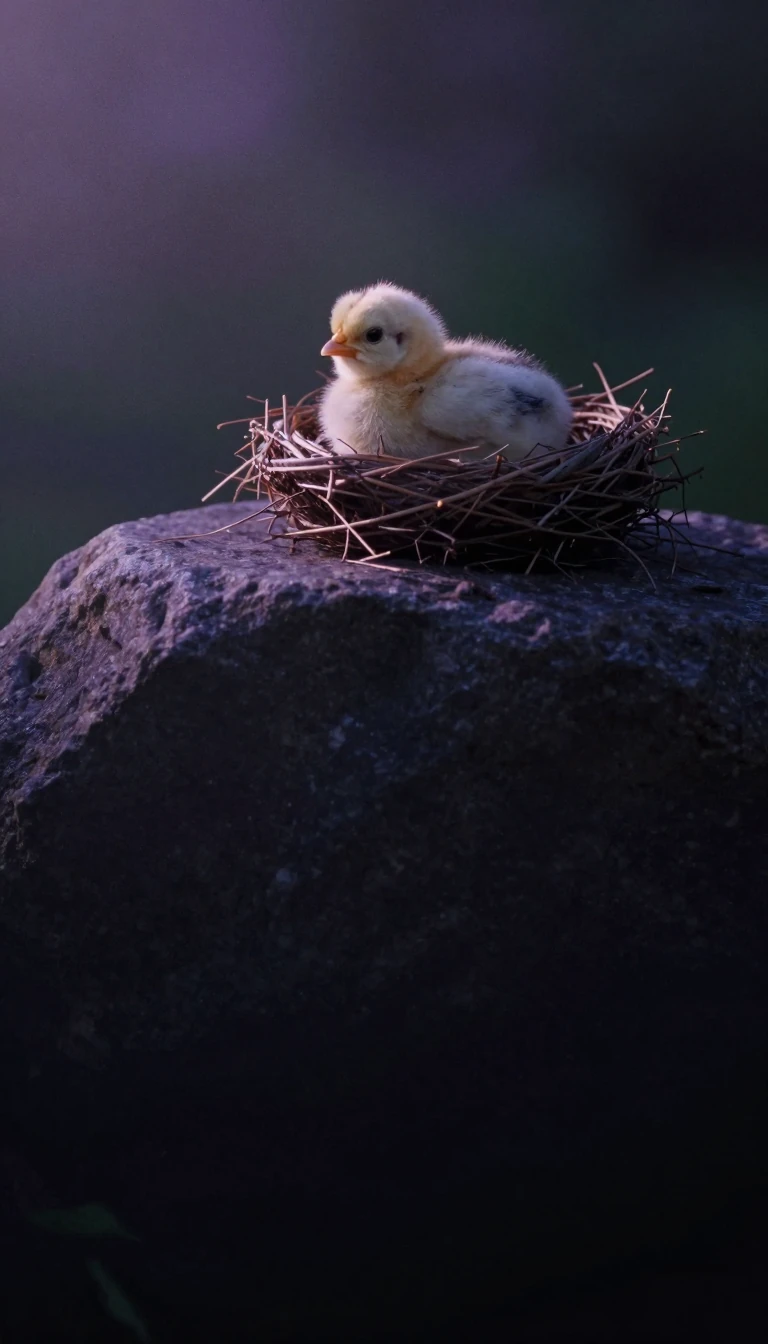 The deceptive quail: why these small, plump birds are not what they seemOld World quail are not a single, unified group, but a collection of unrelated species sharing a name. While they resemble their New World counterparts, they belong to entirely di…
 The Old World warbler was a taxonomic wastebin that scientists are finally cleaning up.For decades, the family Sylviidae acted as a convenient dumping ground for hundreds of unrelated songbirds. Modern DNA analysis has shattered this classification, revealing that t…
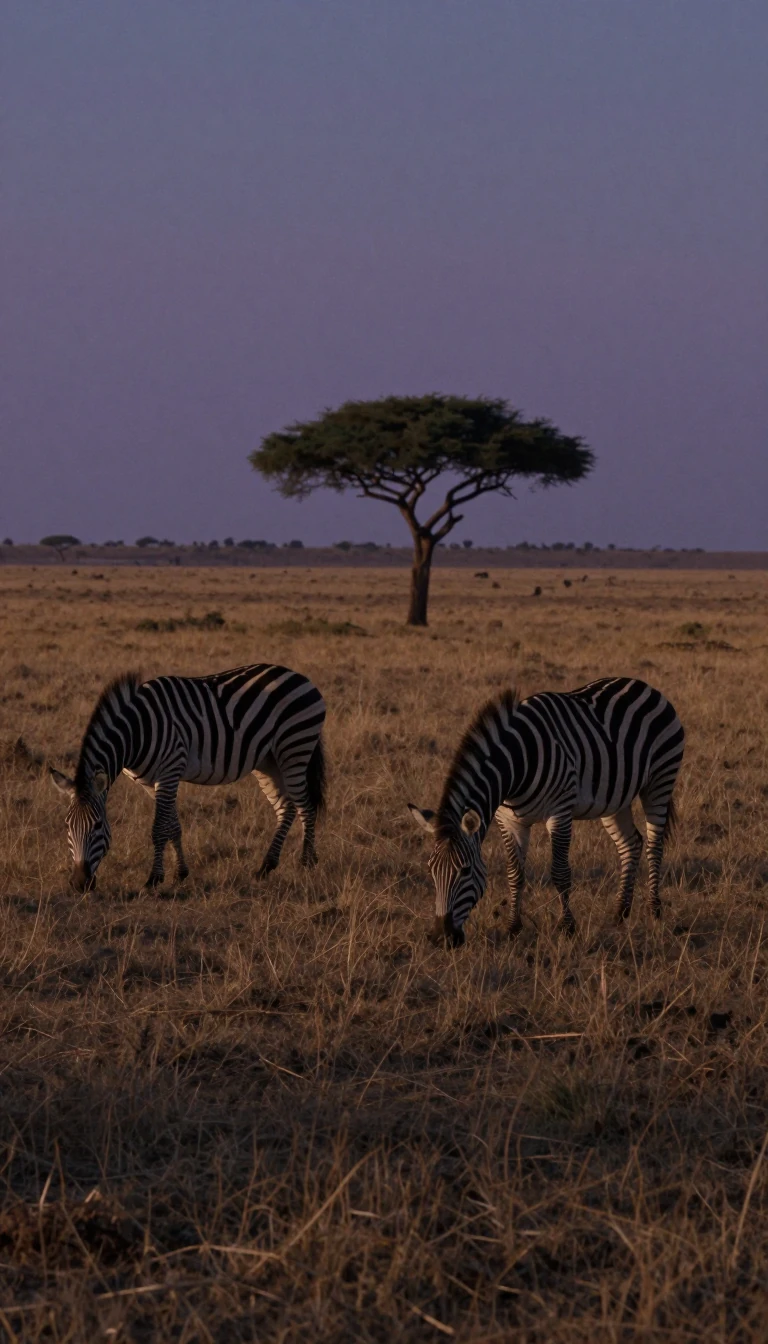 Why the olive baboon looks like a dog and acts like a complex societyWith a dog-like muzzle, a tail that appears broken, and a coat of multi-colored rings, the olive baboon is a master of adaptation. Spanning 25 countries across equatorial Africa, …
- The onager is a prehistoric survivor that once roamed from Europe to SiberiaKnown as the half-donkey, the onager is among the fastest mammals on earth. This resilient equid has survived for millions of years across the arid landscapes of Asia, yet today i…
 Why the iconic Pacific salmon is shrinking in size and struggling to surviveThe genus Oncorhynchus, encompassing Pacific salmon and trout, is defined by a remarkable migratory life and a hooked jaw known as a kype. Yet, these fish face a modern crisis: ov…
 The opah is the only known fish to possess a fully warm-blooded physiology.While most fish are cold-blooded, the opah defies the rule. By using a specialized heat-exchange system in its gills, this deep-ocean dweller maintains a body temperature higher t…
 The Jurassic predator with eyes the size of dinner plates and deep-sea ambitions.Named for its massive eyes, Ophthalmosaurus was a streamlined, tail-propelled ichthyosaur that dominated Middle-to-Late Jurassic seas. While its anatomy suggests it could dive hun…
- Why this common garden lizard is known as a bloodsucker across AsiaThe oriental garden lizard, often called a bloodsucker, is a master of disguise. During breeding season, males transform their appearance with vibrant red heads and throats to int…
- The Oriental giant squirrel is a cat-sized rodent native to Southeast Asian tropical forests.Often confused with their gliding cousins, the Oriental giant squirrel belongs to a distinct genus that prefers climbing over flying. These substantial rodents, weighing up to thr…
- The Oriental Pied Hornbill is a master of survival in human-disturbed forest landscapesAs one of the most widespread and adaptable Asian hornbills, the Oriental pied hornbill thrives where other species falter. These birds play a critical role in forest health as se…
- Why one of the most famous pterosaurs is actually a taxonomic nightmareOrnithocheirus was once imagined as a giant of the skies with a 40-foot wingspan. Today, it is recognized as a medium-sized creature, and its history is defined by over a century …
- These ostrich-like dinosaurs evolved specialized feet to master the arid landscapes of ancient Mongolia.Ornithomimosaurs were fast, bird-mimicking theropods that dominated Cretaceous ecosystems. While often associated with lush environments, the discovery of Aepyornithomimus tugriki…
 The bird-mimic dinosaur that was actually a feathered, omnivorous, ostrich-like speedsterOrnithomimus, meaning bird mimic, was a swift, bipedal dinosaur from the Late Cretaceous. Once thought to be scaly, we now know this toothless, long-necked creature was covered in…
- The bird-footed dinosaurs were the most successful herbivores of the Cretaceous periodOrnithopods, meaning bird-foot, were a remarkably enduring lineage of dinosaurs that thrived for over 160 million years. From small, swift bipeds to the massive, duck-billed graze…
- Is Orrorin the original human ancestor or just a branch on the evolutionary tree?Discovered in Kenya, Orrorin tugenensis lived six million years ago, challenging our understanding of human origins. With a femur suggesting bipedalism and teeth resembling modern…
 The bony-tongued fish that hunt with electricity and bite with their own mouthsKnown as Osteoglossiformes, these primitive, heavy-bodied fish are defined by a bizarre anatomical quirk: they use their tongues to bite into food. Found across tropical freshwate…
 Osteolepis: The Ancient Lobe-Finned Fish That Bridges the Gap to Land-Dwelling VertebratesDuring the Devonian Period, a small, armored fish known as Osteolepis thrived in freshwater environments. As a member of the Osteolepiformes group, this creature serves as a vital…
 The boxfish wears a suit of armor and hunts by blowing jets of water.Encased in a rigid, box-like carapace, the boxfish is a marvel of marine engineering. These slow-moving, square-shaped creatures navigate coral reefs with surprising precision, us…
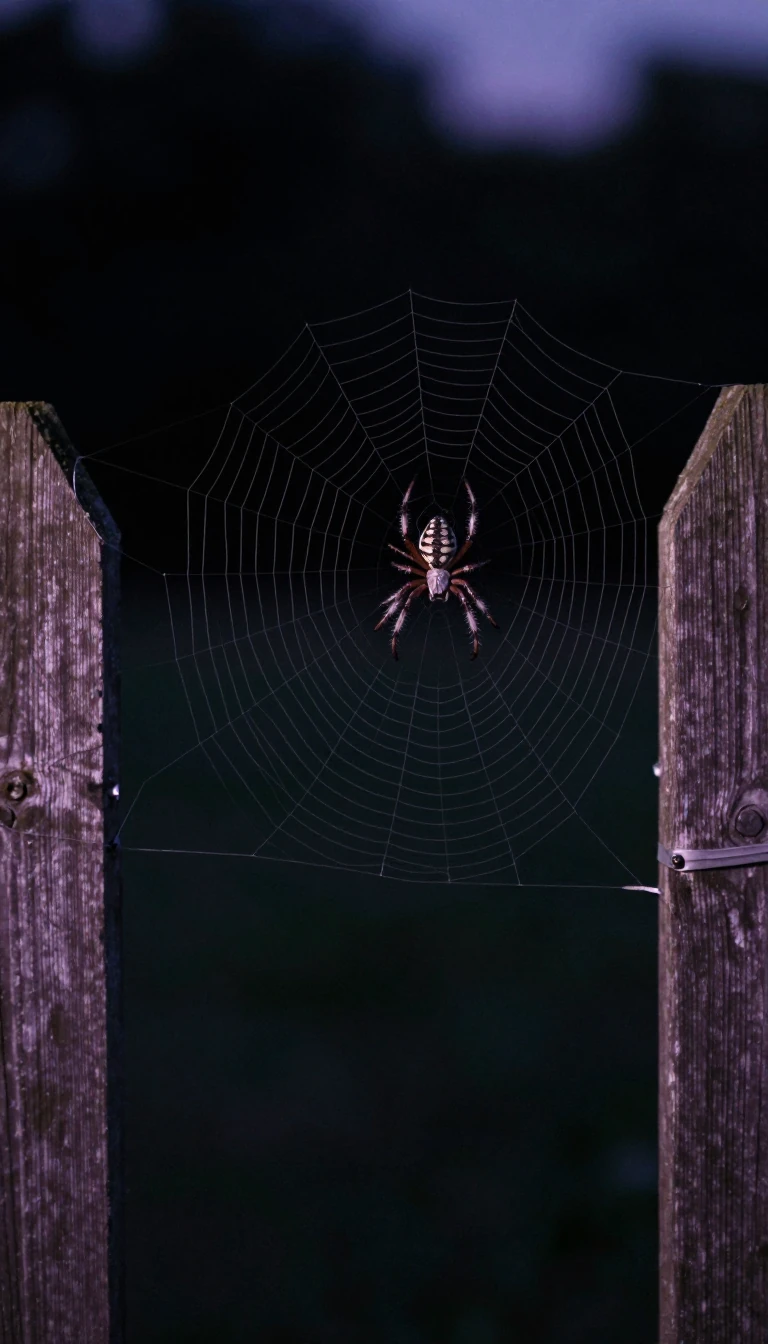 The dinosaur named for a crime it never committed: the truth about Oviraptor.Oviraptor means egg thief, a name born from a 1923 discovery where the dinosaur was found atop a nest. For decades, scientists assumed it was caught in the act of raiding. We now …
- Why these tiny, owl-like birds are actually the secret cousins of hummingbirdsThe owlet-nightjar looks like a miniature owl, but this Australasian insectivore is a master of evolutionary misdirection. While long grouped with nightjars and frogmouths, modern…
 Are oxpeckers helpful guardians or blood-thirsty parasites of the African savanna?Long considered the ultimate mutualistic partners of large African mammals, oxpeckers are now under scientific scrutiny. While they do consume ticks, recent evidence suggests thes…
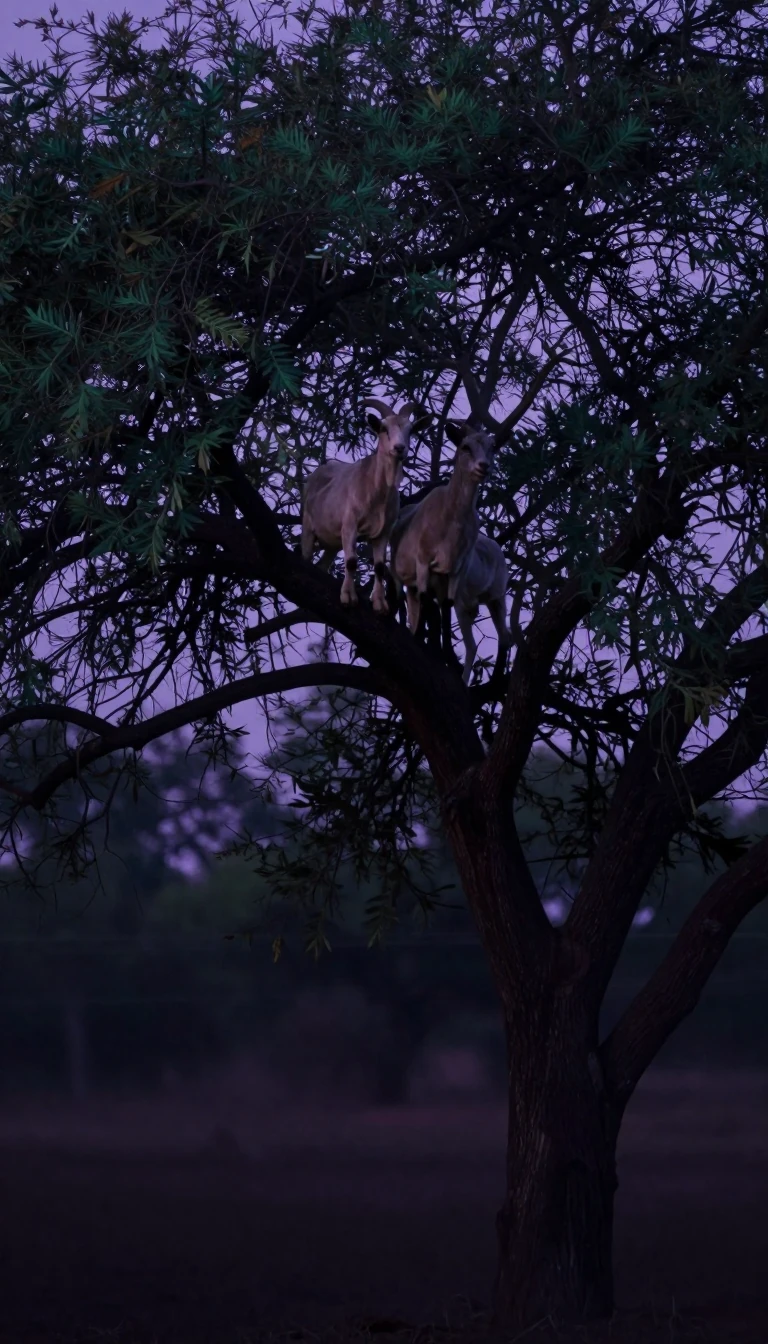 Before cats and dogs ruled, these sharp-toothed ambush predators dominated the ancient forestsLong before modern carnivores took over, the Oxyaenidae family thrived as specialized hunters. These flat-footed, badger-like mammals evolved unique grappling limbs and, in some c…
- The oystercatcher is a master of coastal survival that has recently moved inlandKnown for their striking orange-red bills and adaptability, oystercatchers are iconic wading birds. While they are traditionally associated with estuaries and rocky shorelines, th…
 Did dome-headed dinosaurs really use their thick skulls to head-butt like bighorn sheep?Pachycephalosaurs are famous for their remarkably thick skull domes, leading to the popular theory that they engaged in combat similar to modern bighorn sheep. However, microscopi…
 The Thick-Nosed Lizard: Why This Hornless Giant Roamed the Cretaceous NorthPachyrhinosaurus was a massive, herbivorous dinosaur that traded the iconic nose horn of its cousin Triceratops for a strange, flattened bony boss. Roaming North America millions …
 The Autumn Knife Fish: Why This Migratory Predator Is A Cultural Icon In AsiaKnown as the autumn knife fish for its resemblance to a katana, the Pacific saury is a highly migratory pelagic species. Beyond its role as a seasonal culinary staple in Japan and…
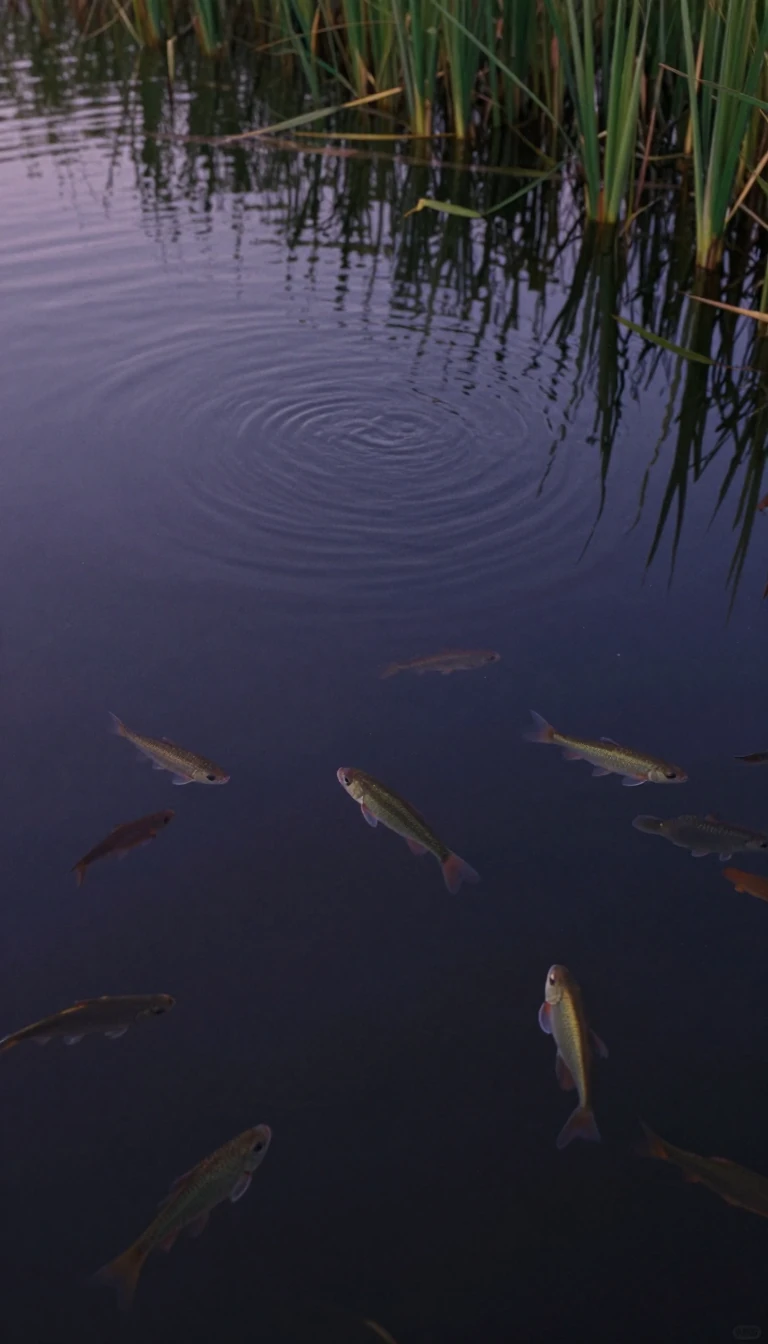 The ancient paddlefish survived the extinction of dinosaurs but could not survive modern dams.For 200 million years, the paddlefish thrived in the Yangtze River. It navigated the rise of flowering plants and the fall of the dinosaurs, only to vanish in the blink of an evol…
 Meet the pademelon, the tiny, elusive marsupial hiding in Australia’s dense forest undergrowth.Often mistaken for a small wallaby, the pademelon is a distinct member of the macropod family. These shy, forest-dwelling marsupials are defined by their compact size and short, t…
 These massive Miocene ruminants evolved bizarre, Y-shaped headgear for ancient combat and displayLong before modern deer or giraffes dominated the landscape, the Palaeomerycidae roamed Europe and Asia. These massive, long-legged ruminants, weighing up to 500 kilograms, sporte…
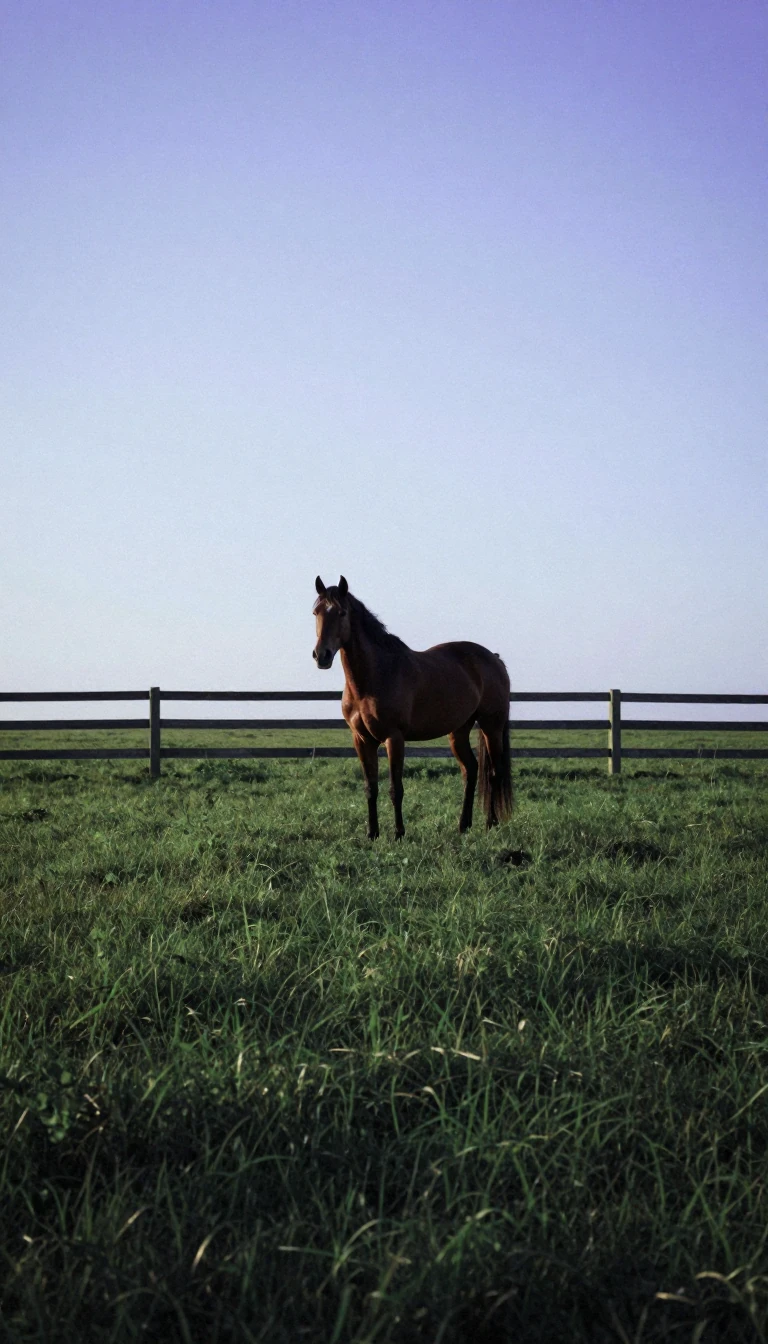 Before the horse, Europe was home to the diverse and extinct Palaeotheriidae family.Long before modern equines dominated the landscape, the Palaeotheriidae thrived across Europe. These herbivorous mammals, ranging from small, 36-kilogram creatures to massive, 200…
 The ancient beast that helped Georges Cuvier invent the science of paleontologyLong before dinosaurs captured the public imagination, French naturalist Georges Cuvier studied fossils from Montmartre to prove that entire species could vanish from the Earth. H…
- The cave lion was a distinct, massive predator that roamed the ancient mammoth steppe.Long misunderstood as a mere subspecies of the modern lion, the extinct Panthera spelaea was a genetically isolated apex predator. These formidable cats dominated Eurasia and Beri…
- The forgotten giants that dominated the world after the dinosaurs vanishedFollowing the mass extinction of the Cretaceous, a mysterious group of mammals rose to prominence. Known as the Pantodonta, these diverse creatures evolved into some of the larges…
- The regal blue tang is a reef-dwelling surgeonfish with a hidden defensive weapon.Known by many names, including the regal blue tang and hippo tang, this Indo-Pacific surgeonfish is a staple of marine aquaria. Beyond its striking royal blue body and yellow tail…
- Why are bright green parakeets screaming through the grey skies of British cities?Acid-green ring-necked parakeets have become a familiar sight across the United Kingdom. While urban legends once blamed film sets or rock stars for their arrival, the truth is a …
- The robust cousins of early humans were built for a life of heavy chewingKnown as the robust australopithecines, Paranthropus robustus thrived in southern Africa millions of years ago. With their massive jaws, flaring cheekbones, and prominent sagittal…
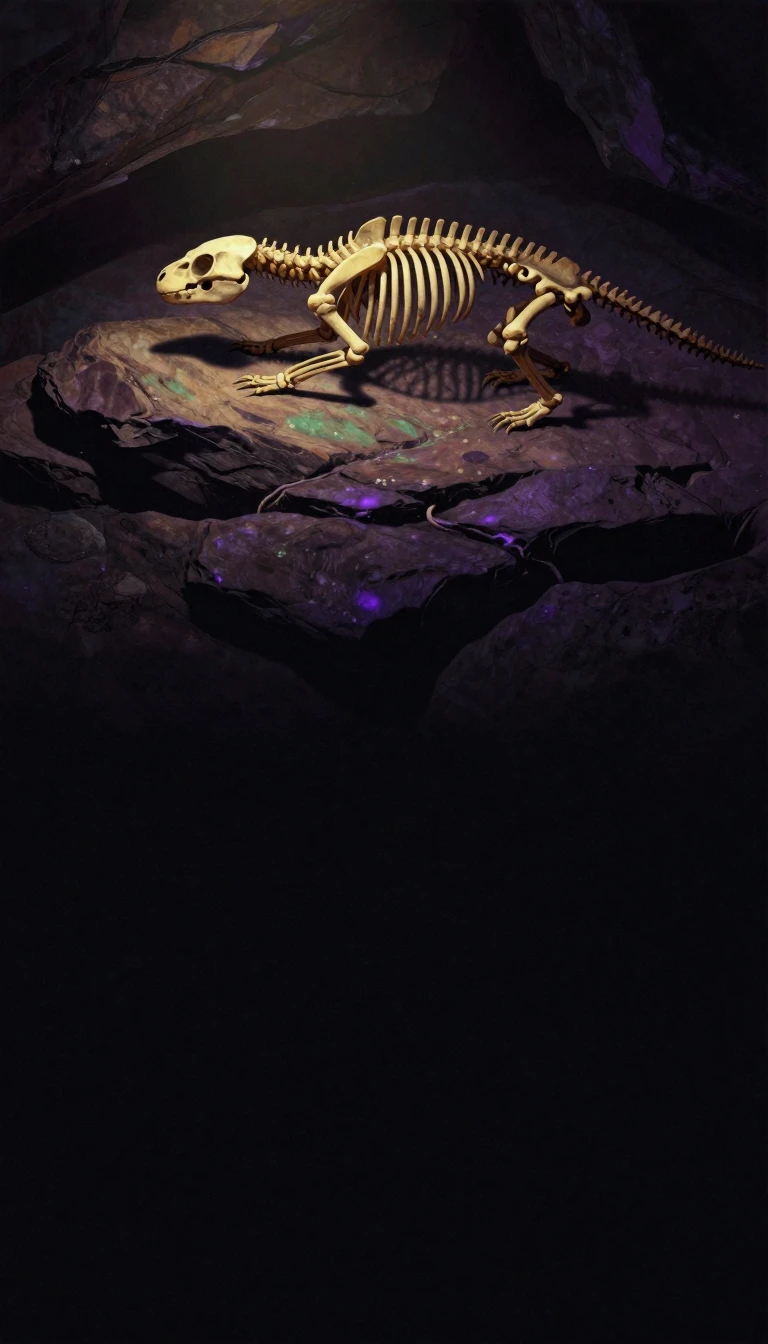 Were these ancient creatures the ancestors of turtles or just evolutionary lookalikes?Parareptiles were a diverse group of early reptiles that dominated the Permian period. Once thought to be the direct ancestors of modern turtles, their true place on the tree of l…
- The armored giants of the Permian were not the ancestors of modern turtlesBefore the age of dinosaurs, massive, heavily armored reptiles known as pareiasaurs dominated the landscape. While their bony, spiked skulls and protective plates once led scienti…
- The giant hummingbird is pushing the absolute physical limits of avian flight mechanicsAs the largest of its kind, the giant hummingbird exists in a precarious metabolic state. With a wingspan of over 20 centimeters and a heart rate that can spike to 1,020 beats per…