 Intellect Plus
Vertebrates
970 cards. Each one is a 40-second story with a five-minute read behind it. Page 12 of 17.
 The pearlfish makes its home inside a sea cucumber's anus to survive the oceanSome fish seek shelter in the most unlikely of places: the rear end of a sea cucumber. These slender, eel-like creatures navigate a toxic environment by coating themselves in a th…
 The spring hare is a bipedal rodent that defies easy classification among living species.Despite its name, the spring hare is not a hare or rabbit. This bipedal rodent, indigenous to Africa, moves in erratic leaps of up to three metres. It is the sole member of its fa…
 The lost remains of Peking Man may lie beneath a modern asphalt parking lotIn the 1920s, the discovery of Peking Man fossils at Zhoukoudian shattered existing timelines of human history. Yet, during the chaos of World War II, these priceless specimens va…
 The giant prehistoric bird that defied the physics of flightPelagornis sandersi possessed a wingspan of up to 7.38 meters, dwarfing any living bird. Scientists long doubted such a creature could ever take to the skies, but new research sug…
 The bony-toothed birds were the largest flying creatures to ever grace our planet's skies.For 50 million years, the Pelagornithidae dominated the world's oceans with wingspans reaching up to six meters. These prehistoric giants, known for their unique, tooth-like beak …
 The pelican eel is a deep-sea predator that uses a glowing tail to huntNeither a bird nor a typical eel, this deep-sea inhabitant is named for its massive, scoop-like jaw. It lacks the athleticism of a traditional hunter, instead relying on a biolumi…
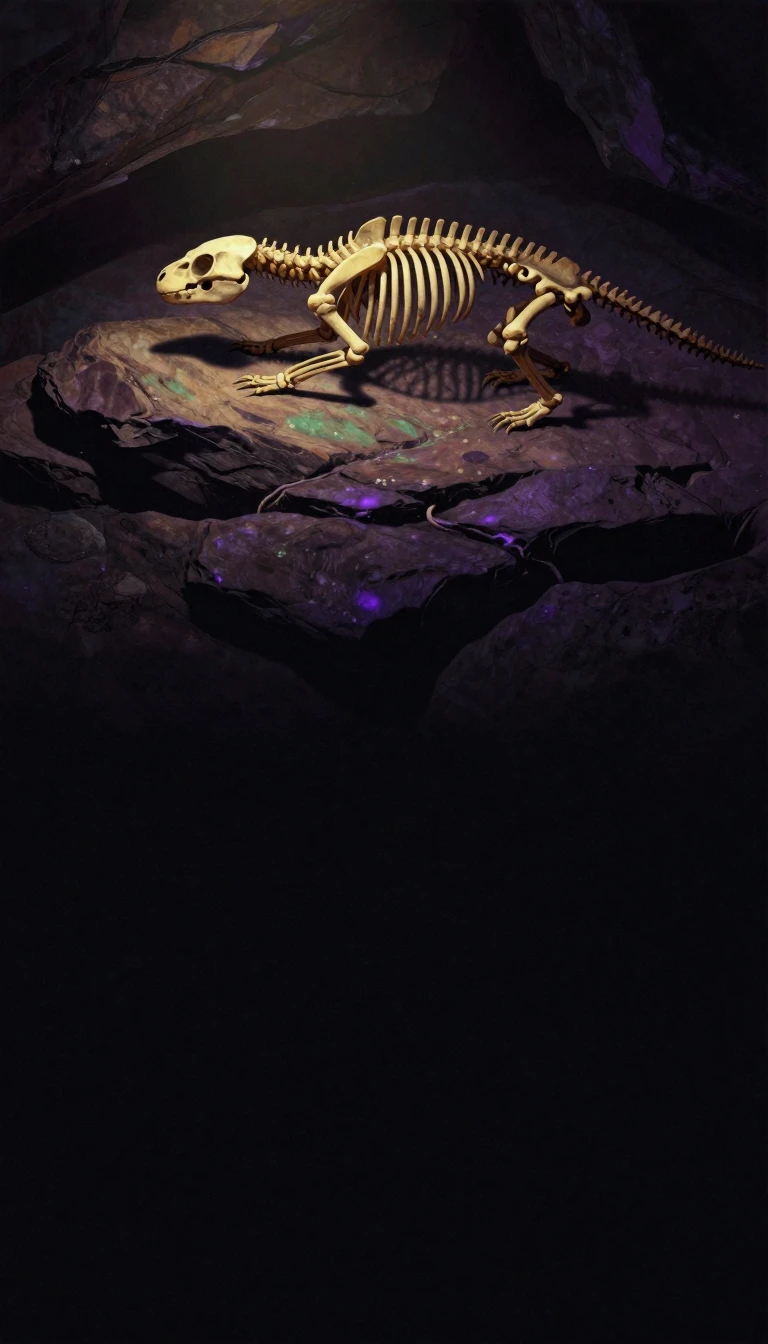 These ancient sail-backed creatures are not dinosaurs, but rather our own distant ancestors.Often mistaken for reptiles, pelycosaurs were actually primitive synapsids that dominated the Permian Period. These creatures were not dinosaurs, but they represent a crucial evol…
 Why these slender South American fish are named after a common writing toolPencil fish, or Nannostomus, are small, elegant characins named for their slender, pencil-like bodies. While they have been aquarium staples since the early 20th century, their ta…
 The penduline tit builds a sophisticated, booby-trapped home to protect its youngThese tiny birds are master architects, weaving elaborate, pear-shaped nests from spiderwebs, wool, and plant fibers. Some species take protection to the next level, constructing …
 A mysterious jawbone dredged from the seafloor reveals a hidden Denisovan presence in Taiwan.For years, a fossilized mandible pulled from the depths of the Penghu Channel puzzled scientists. Originally linked to various archaic groups, this robust jawbone has finally been…
 The Perentie is Australia's largest lizard, a shy apex predator with a hidden bite.As Australia's largest lizard, the perentie is a master of the arid outback. Rarely seen due to its elusive nature, this apex predator can sprint on its hind legs, climb trees, an…
 Meet Peteinosaurus, the tiny, winged lizard that challenges our understanding of early flightLiving 218 to 215 million years ago, Peteinosaurus was among the earliest and smallest pterosaurs ever discovered. With a wingspan as small as 60 centimeters, this insect-eating c…
 In the world of phalaropes, the females are the aggressors and the males are caregivers.These small, slender-necked shorebirds defy standard avian norms. While most birds follow traditional gender roles, phalaropes are defined by reversed sexual dimorphism and serial…
 The pheasant is a master of survival that has conquered the global landscapeBeyond their striking plumage, pheasants are resilient survivors that have adapted to environments far from their native Eurasia. These long-tailed game birds employ complex socia…
 The Philippine eagle is a legendary apex predator that once shaped the archipelago's creation.Known as the haribon or bird king, this critically endangered raptor is the world's longest eagle. Beyond its physical dominance, the species is deeply woven into Philippine folkl…
 Terror birds were not just nightmares; they were the apex predators of the Cenozoic.Colloquially known as terror birds, the Phorusrhacidae were a family of flightless, carnivorous giants that dominated the Americas for millions of years. Far from simple scavenger…
 Terror birds were not just monsters; they were the apex predators of Miocene ArgentinaStanding nearly two meters tall with a lethal, hooked beak, Phorusrhacos dominated the grasslands of South America millions of years ago. Once mistaken for a giant, toothless slot…
- Why the woodpecker's architectural habits are essential for the survival of other forest birdsThe order Piciformes includes woodpeckers, toucans, and honey guides, comprising about 450 species worldwide. While these birds are known for their specialized beaks and insect-ea…
 Is this tiny, 505-million-year-old creature the ancestor of all humans?Deep in Canada’s Burgess Shale lies Pikaia gracilens, a small, eel-like animal that has sparked a century of scientific debate. Once dismissed as a simple worm, this fossil is now…
- Why these drab, ground-dwelling birds are masters of global survivalPipits are the ultimate avian generalists, thriving on every continent except Antarctica. Though they appear as unremarkable, streaky brown birds, these insectivores have evolved …
 How pit vipers use a sixth sense to hunt in total darknessPit vipers possess a remarkable biological superpower: infrared-sensing pits located between their eyes and nostrils. This sixth sense allows these venomous snakes to detect the b…
 The barrel-bodied giant that roamed the Triassic landscape like a prehistoric hippopotamusBefore the age of dinosaurs fully took hold, the dicynodont Placerias dominated the landscape. Weighing up to a ton, this herbivore navigated the Late Triassic with a barrel-shape…
 These Triassic marine reptiles evolved unique metabolic strategies to survive in shallow watersPlacodonts were specialized marine reptiles that dominated Triassic seas by crushing shells with massive, flat teeth. While their heavy armor and dense bones made them clumsy swim…
- The Batfish: Why This Flat Reef Dweller Is Often Misidentified and MisnamedThe Platax genus, commonly known as batfish, features disc-shaped bodies that have confused taxonomists for centuries. From being mistaken for freshwater angelfish to sharing thei…
- The Swabian Lindwurm: How a Misunderstood Dinosaur Redefined Our View of Ancient LifeLong dismissed as a clumsy, lizard-like creature, Plateosaurus was actually a sophisticated, obligate biped. Once shrouded in taxonomic chaos and conflicting reconstructions, this…
 Did this prehistoric elephant relative really use its jaw as a giant shovel?Platybelodon, an extinct proboscidean, is famous for its bizarre, spoon-shaped lower jaw. While early researchers imagined it scooping up swamp plants, modern analysis reveals a m…
 Why the famous Cretaceous ichthyosaur Platypterygius is actually a scientific wastebasketFor decades, paleontologists dumped diverse Cretaceous ichthyosaur fossils into the genus Platypterygius, creating a false illusion of a single, global species. Modern analysis re…
 The prehistoric marine reptile that was never a swan-necked surface swimmerPlesiosaurs are often depicted as graceful, swan-like creatures arching their long necks above the waves. Science suggests this is impossible. These ancient marine predators were …
- Plesiosaurs were not dinosaurs, but they ruled the oceans for 140 million years.Often mistaken for dinosaurs, these marine reptiles were actually distant cousins that thrived in the open ocean. While land-dwelling dinosaurs faced extinction, plesiosaurs survi…
- The world's most successful salamanders breathe entirely through their own moist skinLungless salamanders, or Plethodontidae, are a biological paradox. Despite lacking lungs, they are the largest and most diverse family of salamanders on Earth. By mastering cutane…
- Meet the ancient, snake-like marine reptiles that thrived in the Jurassic seas of EuropeLong before modern snakes evolved, a unique family of sphenodontian reptiles took to the water. Known as Pleurosauridae, these creatures traded their limbs for elongated, serpenti…
- How did the sea murderers evolve their massive, bone-crushing skulls and apex-predator bodies?For 80 million years, pliosaurids dominated Mesozoic oceans as apex predators. Known as sea murderers, these reptiles evolved massive skulls and robust teeth to hunt. While their …
 The Northern Pacific once hosted flightless seabirds that looked and acted exactly like penguins.Known as Plotopteridae, these extinct birds dominated the Northern Hemisphere from the Eocene to the Miocene. While they shared a striking, penguin-like appearance and underwater …
 The Ringed Plover is a master of beachside romance and high-stakes theatrical deception.To win a mate, the male Ringed Plover performs elaborate dances and builds intricate nest scrapes. Once eggs are laid, these birds become brilliant actors, feigning broken wings t…
- Bearded dragons can perceive illusions and even experience temperature-dependent sex reversal in the egg.These Australian reptiles are far more complex than their spiny, docile reputation suggests. Beyond their iconic throat-inflating displays, bearded dragons possess a unique resist…
 Why the fish on your plate might be hiding under a different namePollock is a versatile whitefish that has quietly become a staple in kitchens worldwide. Often marketed as a sustainable alternative to cod or haddock, this marine fish hides behi…
- Did these ancient marine reptiles evolve short necks twice to conquer the prehistoric seas?Polycotylids were once thought to be close relatives of pliosaurs due to their short necks and elongated skulls. However, modern research suggests they are actually derived plesio…
 The elusive pomfret is a global wanderer hiding in plain sight on your platePomfrets are a diverse group of scombriform fish found across the world's major oceans. While they are prized as a culinary delicacy with distinct white meat, the name itself is a…
 The Triassic reptiles that were mistaken for dinosaurs for nearly a centuryPoposauroidea was a diverse group of pseudosuchians that evolved striking similarities to dinosaurs, including bipedal movement and open hip sockets. Because of these convergent t…
 Why this shy, spiky fish is the ocean's most formidable inflatable predatorThe porcupinefish is a master of transformation. By swallowing water, this solitary nocturnal hunter expands its body and erects sharp, modified scales to deter predators. While i…
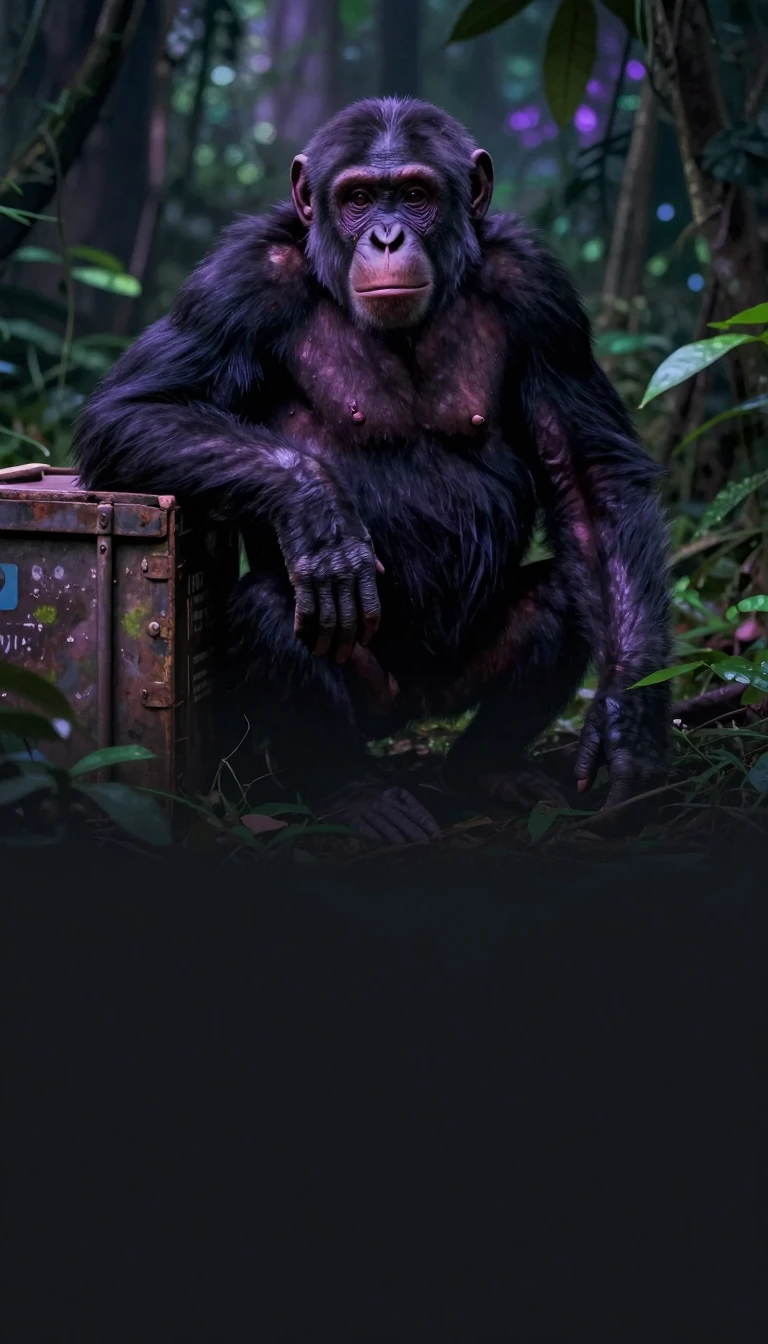 Before dinosaurs dominated, this crocodile relative ruled North America as a terrifying apex predator.Postosuchus, a massive reptile from the Late Triassic, was not a dinosaur but a distant cousin of modern crocodiles. Growing up to six meters long, this apex predator stalked the …
- The only family of rays that has conquered the rivers of South AmericaWhile most stingrays roam the oceans, the Potamotrygonidae family has made a permanent home in the freshwater rivers of South America. These cartilaginous predators range from sma…
 The nocturnal potoo is essentially a pair of enormous eyes and a gaping mouthBy day, the potoo is a master of disguise, perching vertically to mimic a dead tree branch. By night, it transforms into a specialized insect hunter, using its massive eyes and wi…
- The potoroo is a tiny, truffle-hunting marsupial surviving against the odds in AustraliaOften mistaken for a rat-kangaroo, the potoroo is a solitary, ground-dwelling marsupial that plays a vital role in forest ecosystems. While once widespread, these small creatures …
 The bizarre life of the pouched lamprey, a jawless parasite with a mysterious pouchThe pouched lamprey is a jawless, eel-like creature that spends its youth in freshwater before migrating to the sea to live as a parasite. Upon returning to spawn, males develop a…
- These burrowing rodents built a massive underground city the size of a small country.Forget the name; prairie dogs are not canines, but highly social squirrels. These master engineers construct elaborate subterranean towns featuring nurseries, sleeping quarters, a…
 Why these shorebirds hunt insects on the wing like swallows instead of wadingPratincoles defy the typical shorebird archetype. While they are classified as waders, these birds hunt insects mid-air with the agility of a swallow. Their short bills are specia…
- The arboreal porcupine that uses its tail like a fifth limb to navigate treesHigh in the South American canopy, the prehensile-tailed porcupine spends its life as a master climber. Far from the ground-dwelling stereotype, this nocturnal herbivore uses a sp…
- This ancient bird looked like a flamingo but acted like a modern duckStanding one meter tall with long, spindly legs and a graceful neck, Presbyornis was long mistaken for a prehistoric flamingo. Yet, beneath its elegant exterior lay the anatomy of…
 Why the male proboscis monkey evolved a fleshy, pendulous nose that hangs below its mouth.The proboscis monkey is a master of the Borneo wetlands, but its most striking feature is the male's oversized nose. Far from a mere curiosity, this fleshy appendage acts as a bio…
- The Procellariidae family: masters of the open ocean and long-distance navigationProcellariidae are a diverse family of seabirds, ranging from giant petrels to tiny diving species. These accomplished long-distance foragers rely on specialized flight techniques…
- Was this ancient primate the missing link between humans and the great apes?Proconsul, a primate that roamed Eastern Africa millions of years ago, remains a central puzzle in evolutionary biology. With a unique blend of monkey-like posture and ape-like an…
- This Triassic turtle was a heavily armored tank with a spiked, clubbed tailLong before modern turtles evolved, Proganochelys roamed the Late Triassic. Unlike its descendants, this stem-turtle could not retract its head into its shell. Instead, it relied …
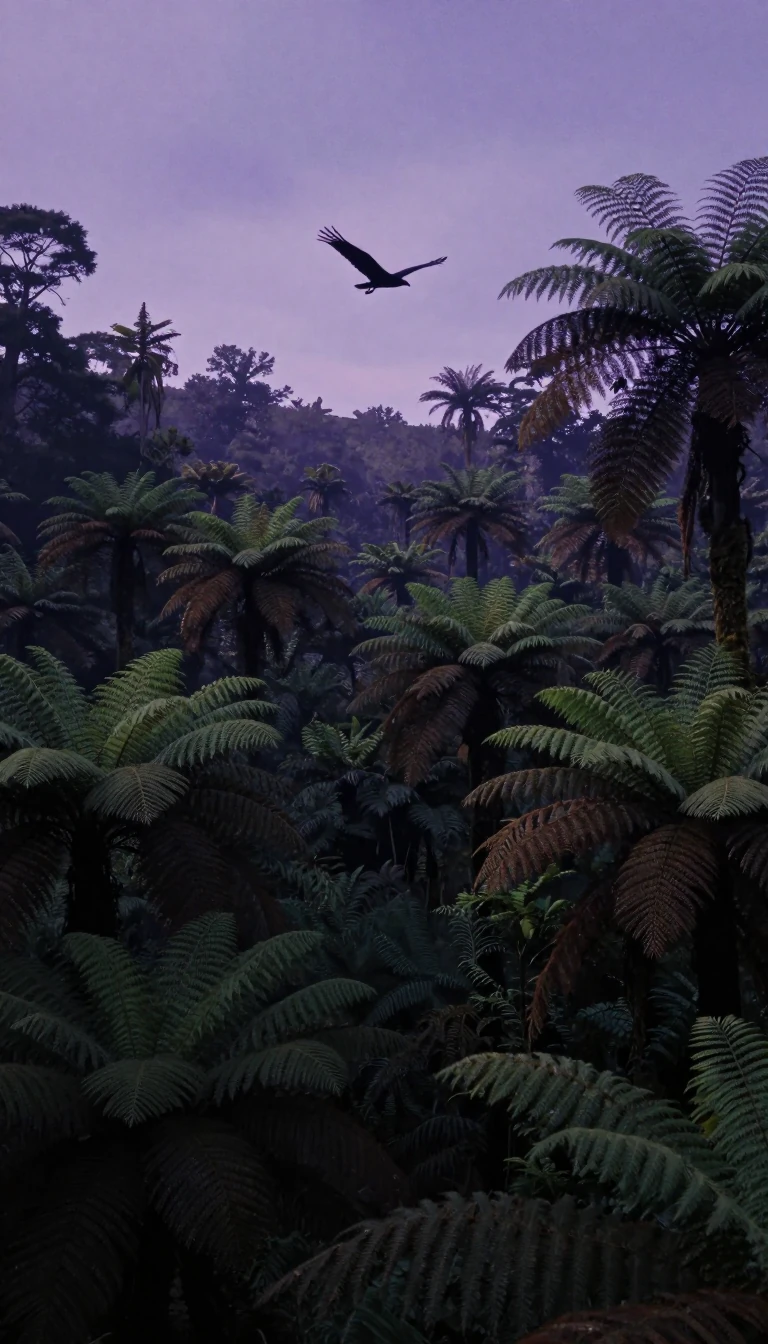 This ancient mammal wore massive, leaf-shaped headgear that defies modern biological classification.Roaming North Africa and Pakistan millions of years ago, Prolibytherium was a deer-like creature with a bizarre secret. While it superficially resembled an okapi, the males sporte…
- Was this Triassic predator a land-dweller or a swamp-lurking ambush hunter?Proterosuchus was a mid-sized, four-legged reptile that emerged immediately after the greatest mass extinction in Earth's history. With a distinctively hooked snout and a sprawlin…
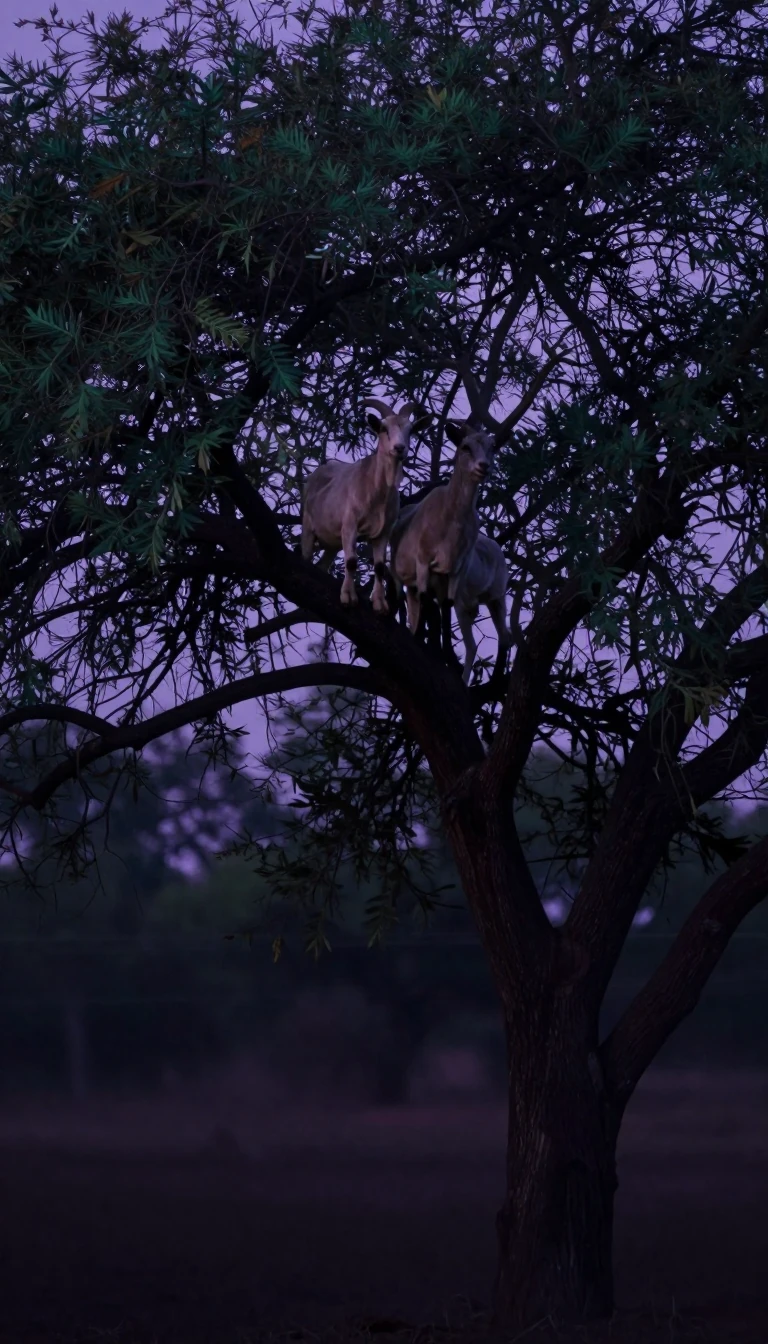 Why these ancient deer-like creatures grew bizarre horns on their nosesProtoceratids were North American herbivores that roamed from the Eocene to the Pliocene. While they resembled modern deer, they were not closely related. Their most striking feat…
 How a misidentified nest of eggs turned a dinosaur into a legendary egg-thief.Protoceratops was once the poster child for dinosaur parenting, thanks to a cluster of eggs found in the Gobi Desert. Scientists initially assumed the eggs belonged to the nearby …
- The prowfish is a solitary ocean dweller that hides inside the bells of jellyfishIn the cold depths of the northern Pacific, the prowfish leads a life defined by its unique anatomy and strange habits. Lacking a swim bladder, this benthic predator spends its da…
- The parrot lizard offers the most complete look at dinosaur skin ever discoveredWhile most dinosaurs are known from bones, the Psittacosaurus specimen SMF R 4970 provides a rare, detailed view of soft tissue. From its unique V-shaped cloaca to an umbilical sc…
- Pteranodon was a toothless giant that dominated the skies of the Late Cretaceous period.With a wingspan reaching seven metres, Pteranodon was a master of the air. Though often confused with dinosaurs, these flying reptiles were actually archosaurs. They were the firs…