 Intellect Plus
Countries & Cities
15,124 cards. Each one is a 40-second story with a five-minute read behind it. Page 240 of 253.
Subtopics: Africa · Americas · Ancient cities & ruins · Asia · Australia & New Zealand · Basics · Bodies of water · Canada · Capes · Capital cities · Caribbean & Pacific islands · Castles & palaces · Cathedrals & churches · China · Cities · Countries · Countries and other regions · Countries of the world · Countries: General · Deserts · Eastern Europe · Europe and Russia · Famous landmarks · Famous streets & squares · Flags & symbols · France · Germany & Central Europe · Ghost towns · Greece & Turkey · Historical cities · Historical cities, towns and archaeological sites · India & South Asia · Islands · Isthmuses · Italy · Japan & Korea · Land relief · Major world cities · Maps & cartography · Microstates & enclaves · Middle East · Mountain peaks and volcanos · Mountains · National parks · Non-city settlements · Oceania · Other hydrological features · Other terrestrial features · Parks, preserves, and World Heritage Sites · Peninsulas · Polar regions · Ports & harbours · Regions and country subdivisions · Rivers & lakes · Scandinavia · Seaside towns · South America · Southeast Asia · Spain & Portugal · Technical geography · UK & Ireland: places · UK & Irish cities · United States landmarks · Urban studies and planning · US cities · Vegetation features · World Heritage Sites
 Why is Greenland an island but Australia a continent? Mostly conventionGreenland, at about 2.17 million square kilometres, is the world's largest island. Australia, roughly three and a half times bigger, is the smallest continent. No strict rule sepa…
 Nobody can say exactly how many countries exist in the worldAsk how many countries there are and you will get different answers, because there is no universally agreed definition. Some states are recognised by only a few others, some count…
 Everest is the highest peak, but Chimborazo reaches farthest from Earth's centreMount Everest has the greatest elevation on Earth, yet the summit of Chimborazo sits farther from the planet's centre. The reason is the equatorial bulge. Elevation is measured no…
 Equatorial Guinea does not touch the equator anywhereEquatorial Guinea, whatever its name suggests, never actually touches the equator. The line itself is not fixed either: Earth's spin axis wanders about 9 metres a year, dragging t…
 Every one of Earth's 100 highest mountains stands in EurasiaEurasia holds roughly 70% of humanity on about 36% of the world's land, and all 100 of the planet's tallest peaks. Splitting it into Europe and Asia is a cultural habit rather tha…
 Norway’s Arctic islands sit halfway from Europe to the North PoleSvalbard lies between mainland Norway and the North Pole, spanning 74° to 81° north and 10° to 35° east across 61,022 square kilometres. Spitsbergen alone covers 37,673 square kil…
 Seleucus founded Antioch as a Hellenistic frontier capitalAntioch, beneath today’s Antakya in Turkey, was founded in 300 BCE by Seleucus I Nicator on the Orontes in the fertile Amuq plain. It became the Seleucid capital, a Roman and Byza…
 Çatalhöyük packed a Neolithic city into forked tumuliÇatalhöyük—Turkish for fork tumulus—is a vast Neolithic–Chalcolithic proto-city on Turkey’s Konya Plain that thrived from about 7500 to 5600 BCE, peaking near 7000 BCE. UNESCO lis…
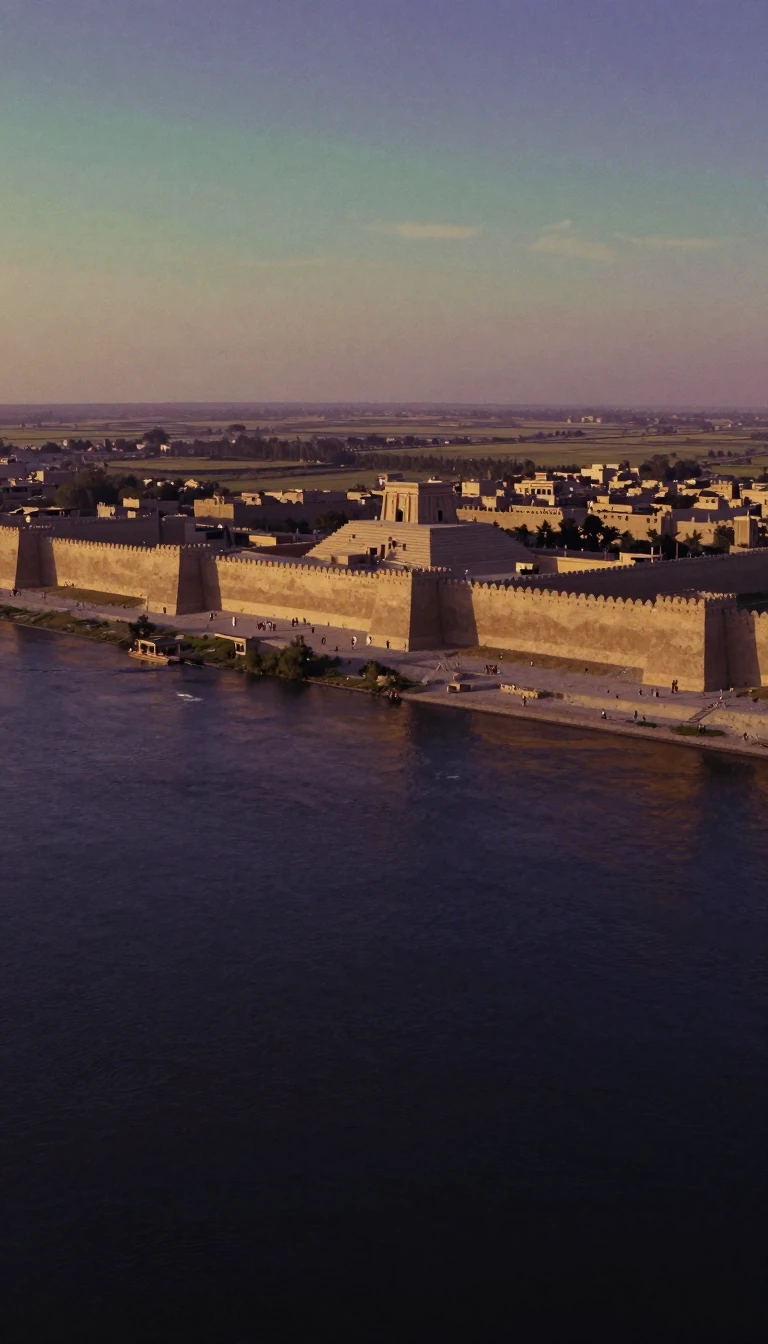 Hammurabi turned a Euphrates town into Babylonia’s nameBabylon sat on the lower Euphrates near modern Hillah, Iraq, about eighty-five kilometres south of Baghdad. First named on a tablet under Shar-Kali-Sharri (2217–2193 BCE) as a mod…
 North America’s greatest earthen city rose opposite St. LouisCahokia Mounds mark a Native American city that flourished about 1050–1350 CE across the Mississippi from today’s St. Louis, in southwestern Illinois. It was the largest Mississip…
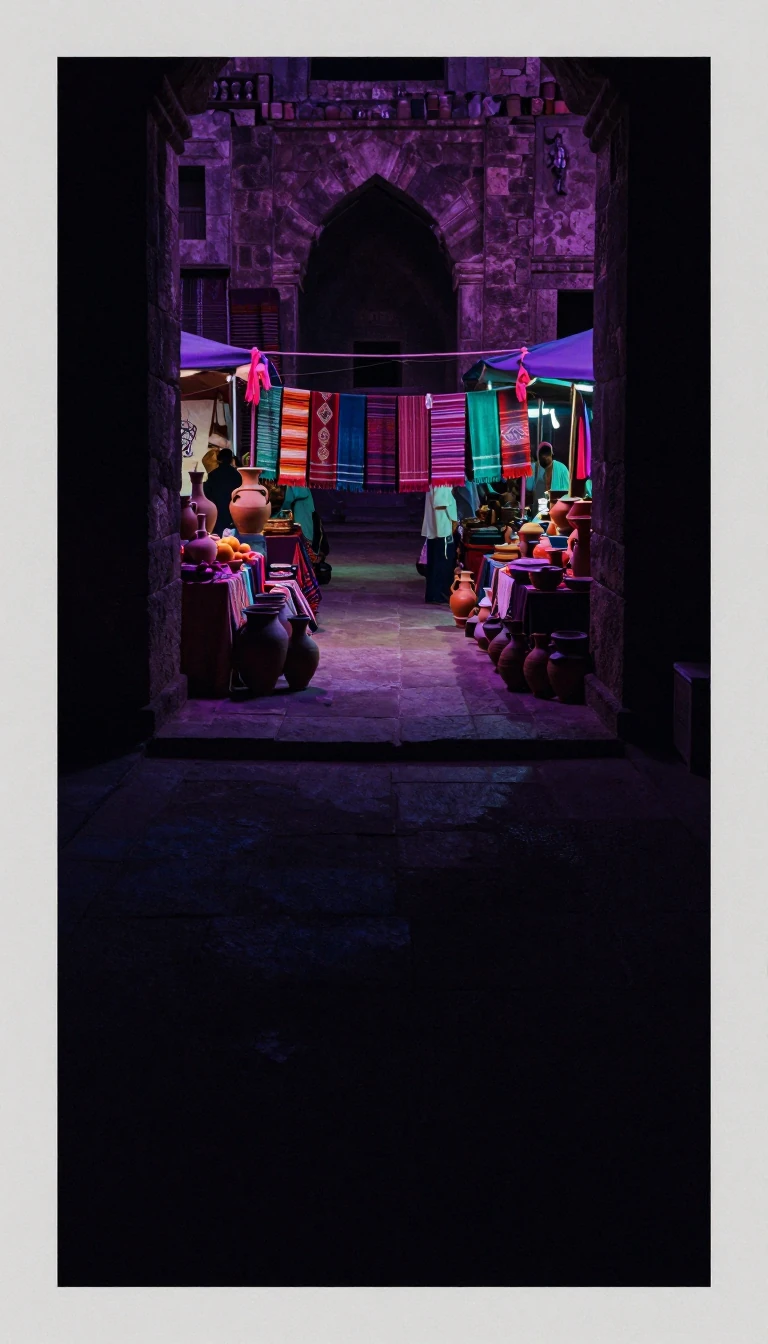 Rome erased Phoenician Carthage, then rebuilt it as Africa’s jewelCarthage, on Tunis’s lake shore in modern Tunisia, grew from a Tyrian Phoenician colony—legend credits Queen Dido—into the Punic capital that dominated the southwest Mediterranean…
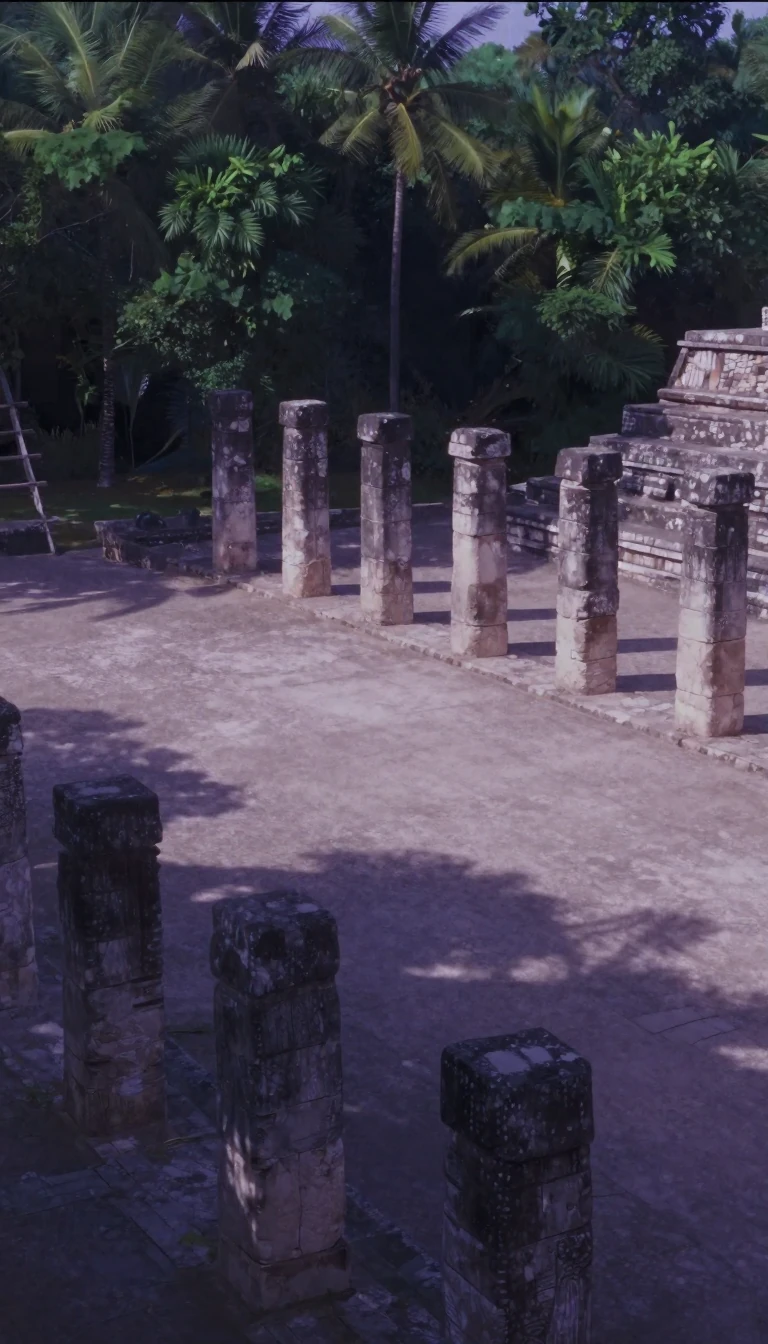 A northern Maya Tollan mixed many architectural accentsChichen Itza, in Yucatán’s Tinúm Municipality, was a major Terminal Classic Maya city spanning Late Classic through early Postclassic centuries (roughly 600–1200 CE). Likely one o…
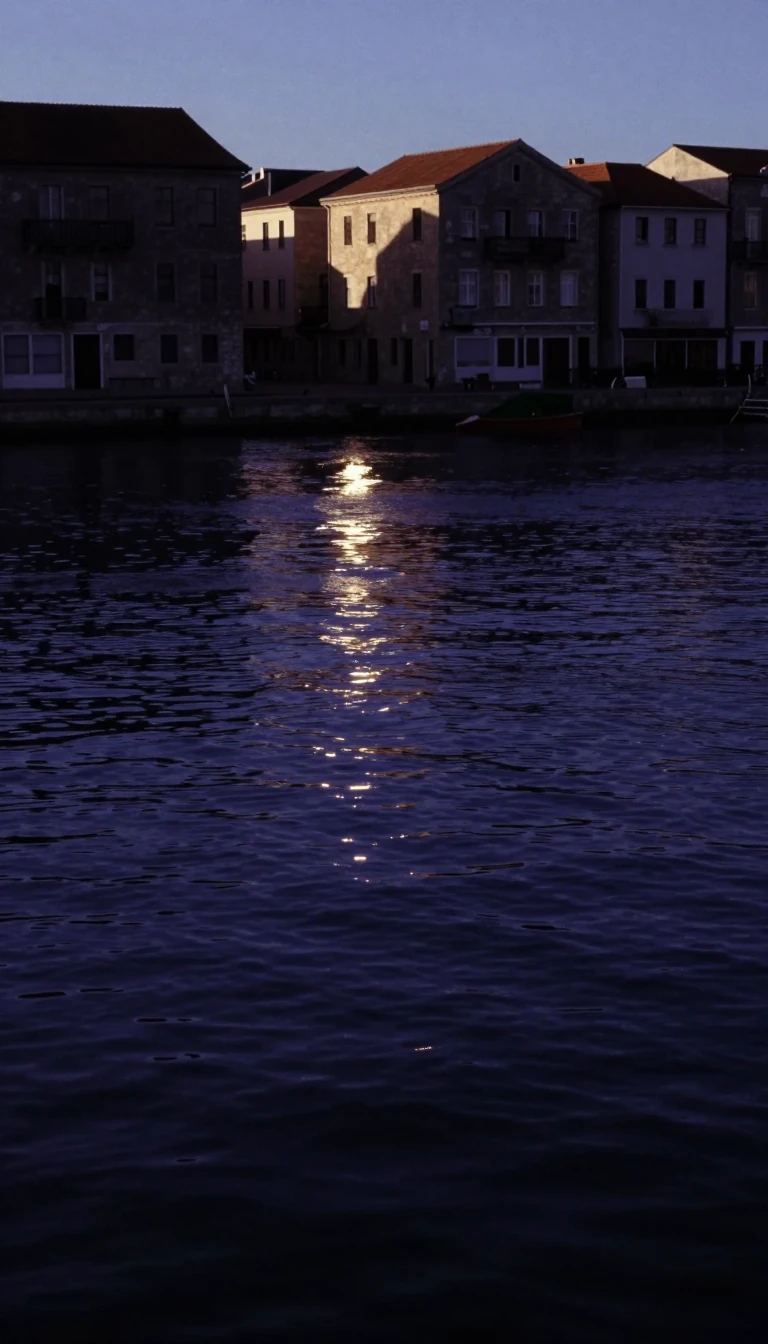 Constantine’s New Rome ruled until Ottoman 1453Constantinople, today’s Istanbul, became Roman capital in 330 after Constantine refounded Byzantium as New Rome in 324. It stayed Byzantine until the 1453 Ottoman conquest, then s…
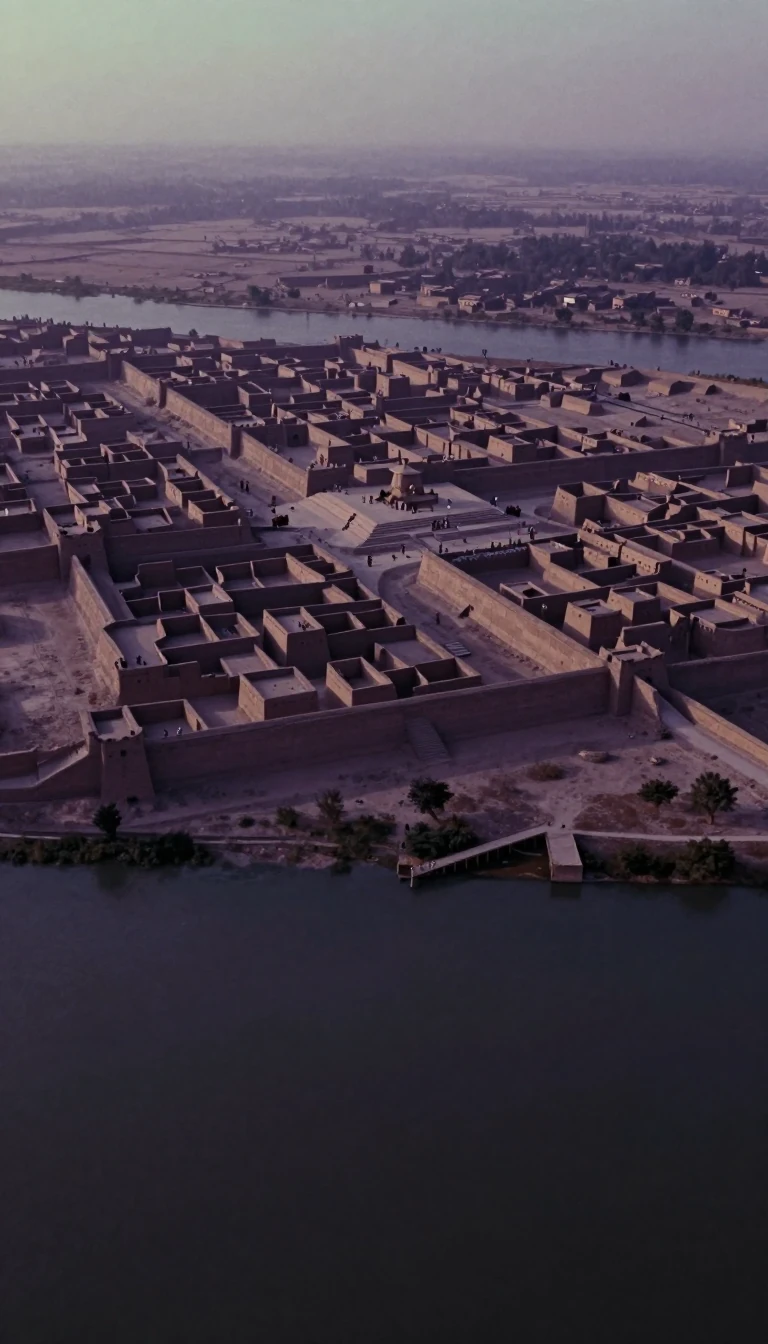 Parthian and Sasanian kings ruled from a Tigris mega-cityCtesiphon stood on the Tigris’s east bank about thirty-five kilometres southeast of Baghdad. Merging with Seleucia and neighbours as “the Cities” (Mahoza/al-Mada'in), it grew into…
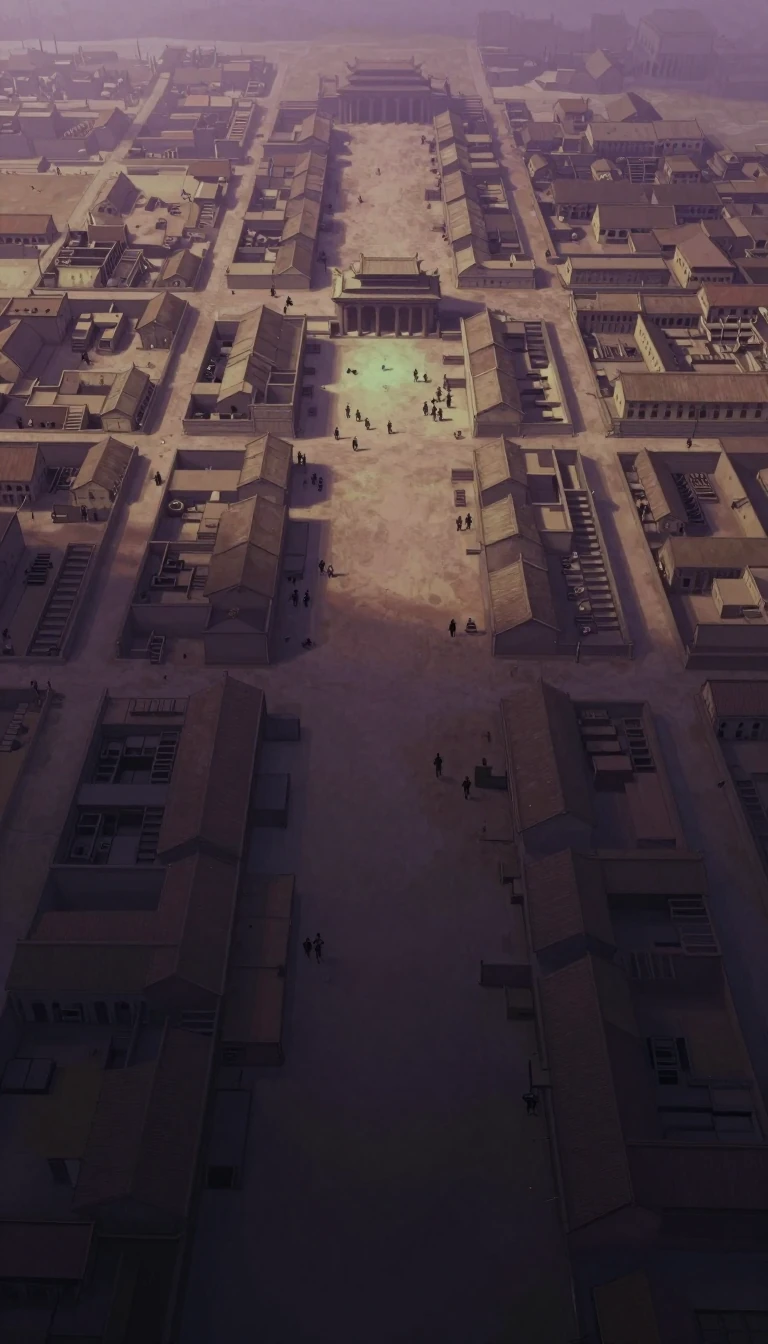 A Cretan hill town became the Minoan palace capitalKnossos sits about five kilometres south of Heraklion on Crete and is often ranked as Europe’s earliest urban centre. People settled Kephala hill near 7000 BCE; growth into a city…
 Pachacuti’s ridge estate became a New Wonder above the UrubambaMachu Picchu, a fifteenth-century Inca citadel at 2,430 metres in Peru’s Eastern Cordillera, sits about eighty kilometres northwest of Cusco above the Sacred Valley. Built around …
 Indus planners abandoned a 40,000-person brick metropolisMohenjo-daro—“Mound of the Dead Men” in Sindhi—rose about 2500 BCE as one of the Indus Valley Civilisation’s largest cities in Pakistan’s Larkana District. At least 40,000 residen…
- The world’s largest city fell in 612 BCE and never recoveredNineveh sat on the Tigris inside today’s Mosul and served as the Neo-Assyrian realm’s chief metropolis—briefly the biggest on Earth—until Medes, Babylonians, and Scythians sacked …
- Zenobia’s caravan city briefly defied Rome from the desertPalmyra in central Syria appears in documents from the early second millennium BCE, with Neolithic finds beneath. Silk Road merchants funded the Great Colonnade and Bel’s temple; …
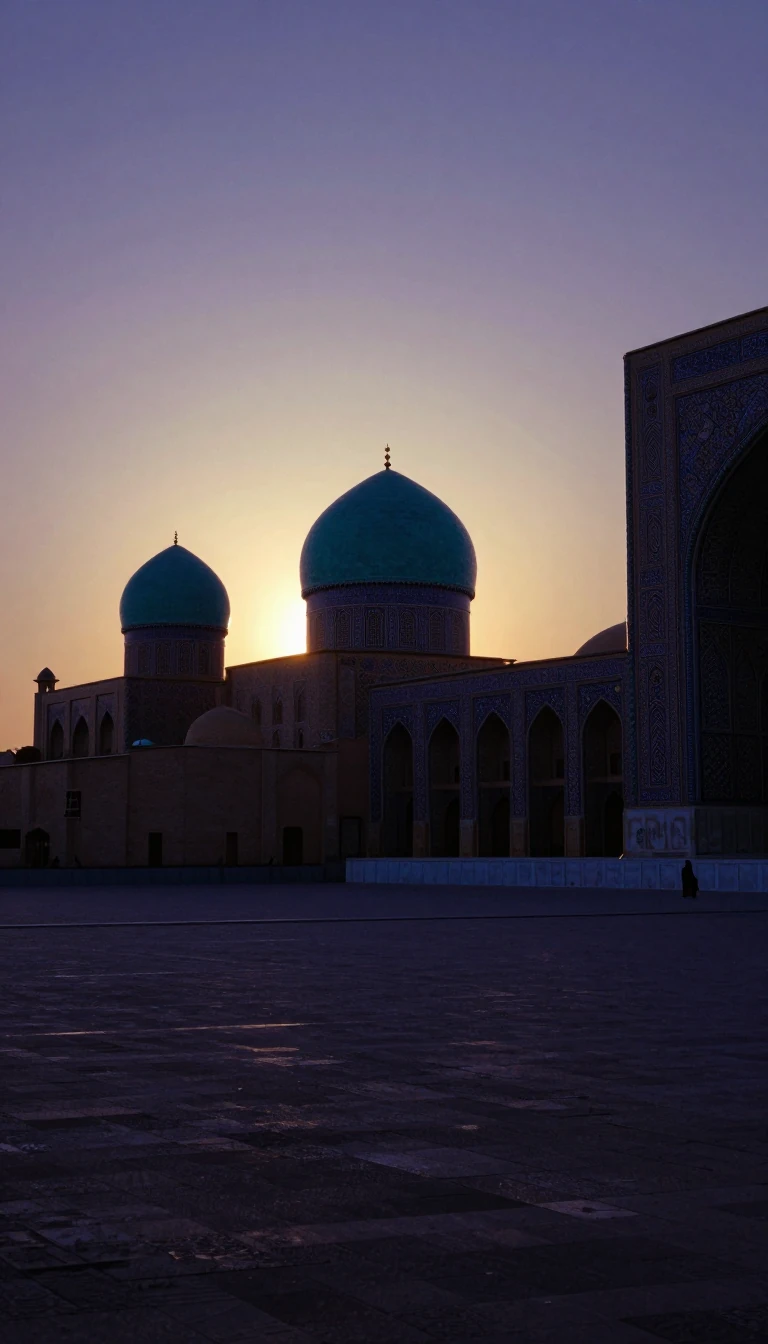 A seasonal Persian stage set unlocked cuneiform for modernsPersepolis—Parseh, or Takht-e Jamshid—was the Achaemenid Empire’s ceremonial capital (c. 550–330 BCE) on Iran’s Marvdasht plain. Remains begin about 515 BCE: a raised palace-citad…
 Nabataean Raqmu carved a rock city for twenty thousand soulsPetra—Arabic Al-Batra, “Rock,” once Raqmu to Nabataeans—lies in southern Jordan. Habitation nearby reaches 7000 BCE; Nabataeans settled in the fourth century BCE and made it their…
 Elamite Susa stars in Esther, Ezra, and Aeschylus alikeSusa, in Iran’s lower Zagros about 250 kilometres east of the Tigris between the Karkheh and Dez, underlies modern Shush. An Elamite name (Šušun/Šušan), it ranks among the Ancient…
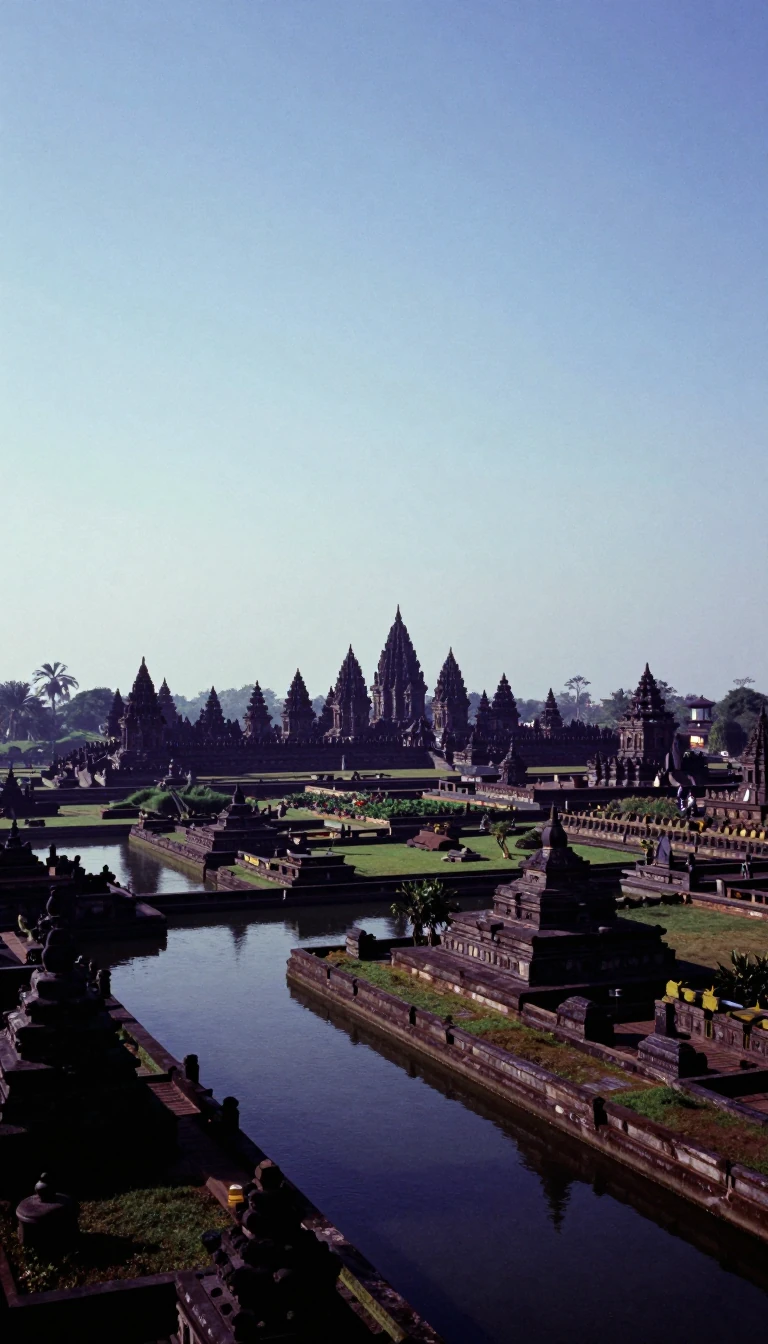 Teotihuacan housed most of a valley under twin pyramidsTeotihuacan, in a sub-valley of Mexico’s Valley of Mexico, built the Pyramid of the Sun and Pyramid of the Moon—among the Americas’ greatest pre-Columbian monuments. Covering abou…
- Waset on the Nile was Egypt’s City of Amun for centuriesThebes—Egyptian Waset—stood about 800 kilometres south of the Mediterranean along the Nile at modern Luxor. Close to Nubia and Eastern Desert mines, it was often Egypt’s most vene…
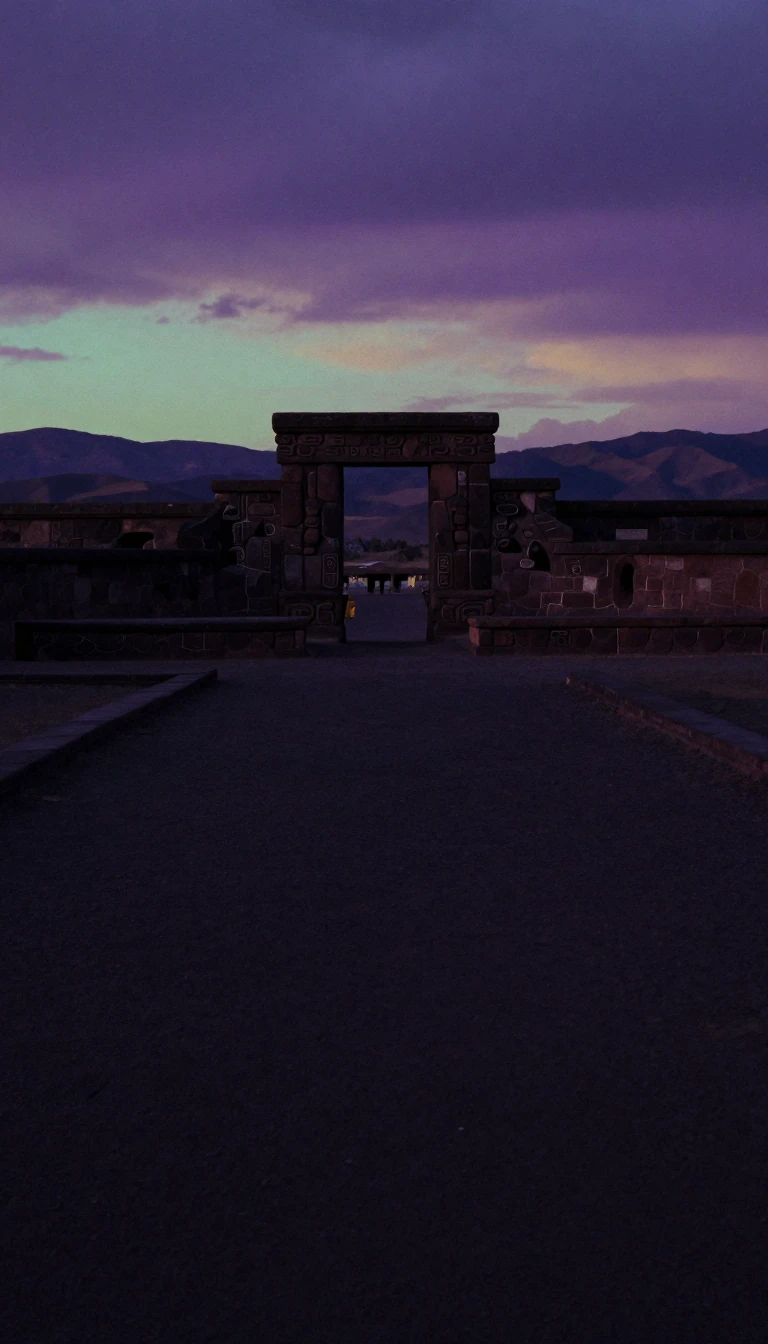 Titicaca’s stone centre grew into an Andean city of 10,000Tiwanaku near Lake Titicaca in western Bolivia, about seventy kilometres from La Paz, ranks among South America’s largest archaeological sites, with surface remains around four sq…
 Nine stacked Troys hide under the tourist hill of HisarlıkTroy—Ilion—at Hisarlık in Çanakkale, Turkey, is the legendary Trojan War setting and a UNESCO site open to visitors. Settled about 3600 BCE, fortified by 3000 BCE (Troy I), it was…
 Ugarit’s clay archives preserve the oldest systematic alphabetUgarit, at Ras Shamra near Latakia in northern Syria, revealed since 1928 the oldest known systematic alphabet. Occupied from the late eighth millennium BCE until destruction arou…
- Ur’s moon-god ziggurat rose where the Euphrates once met the GulfUr, at Tell el-Muqayyar in Iraq’s Dhi Qar Governorate, was a major Sumerian city-state once coastal near the Euphrates mouth on the Persian Gulf—silt has since moved the shore. Na…
 Uruguay’s name may mean bird-river in Guaraní countryThe Oriental Republic of Uruguay sits between Argentina and Brazil on the Río de la Plata and Atlantic edge of southeastern South America. Hunter-gatherers arrived about 13,000 ye…
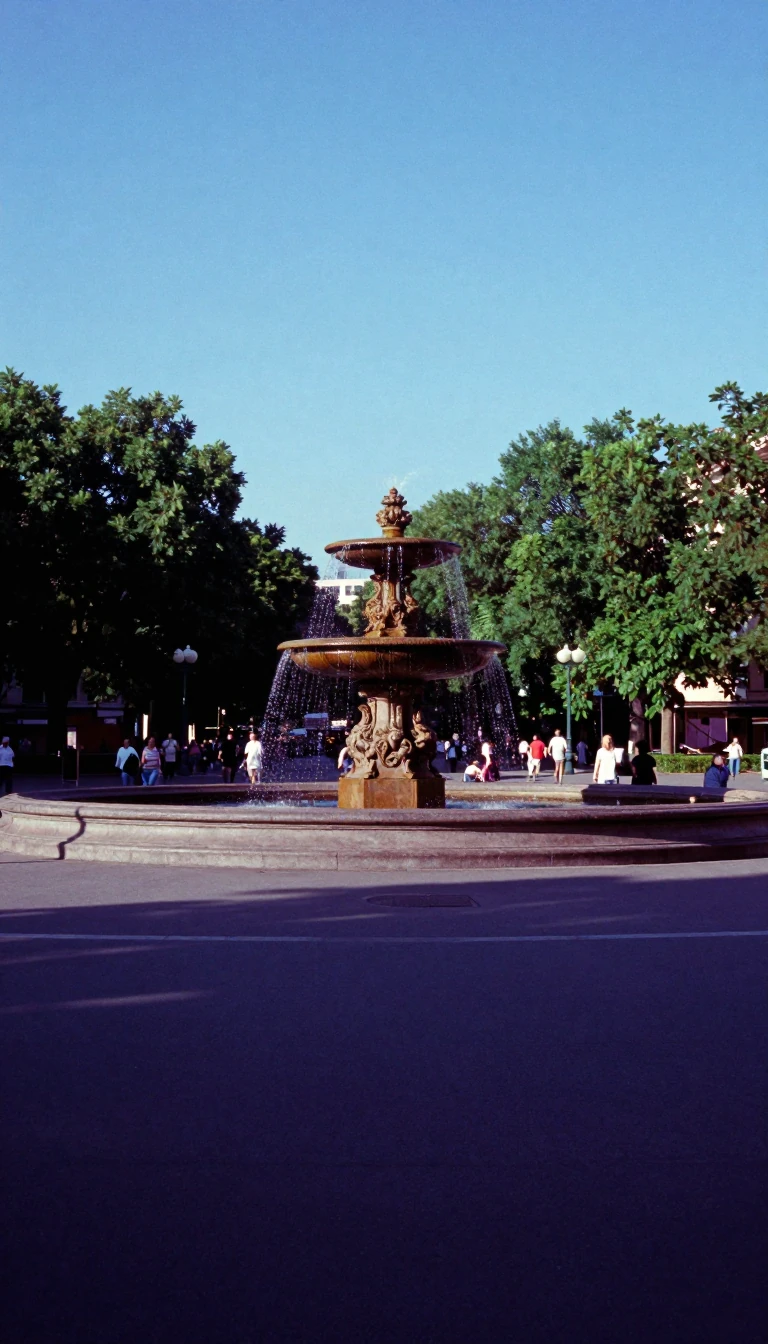 India’s most populous state holds over 241 million peopleUttar Pradesh—“Northern Province”—is India’s most populated state, with more than 241 million residents. Created in 1950 as successor to the United Provinces (renamed 1935 from th…
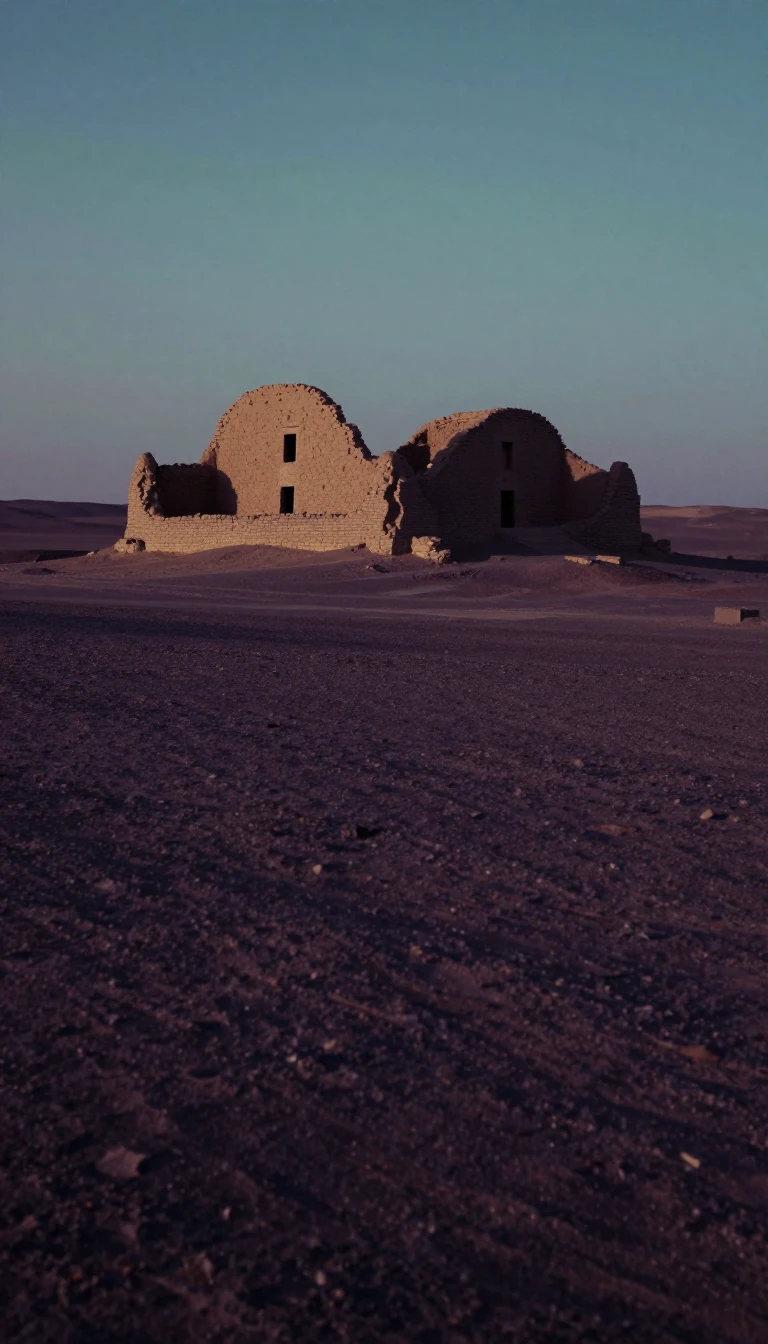 One of two doubly landlocked countries sits on the Silk RoadUzbekistan, a Central Asian republic bordered by Kazakhstan, Kyrgyzstan, Tajikistan, Afghanistan, and Turkmenistan, is one of only two doubly landlocked countries on Earth. Easter…
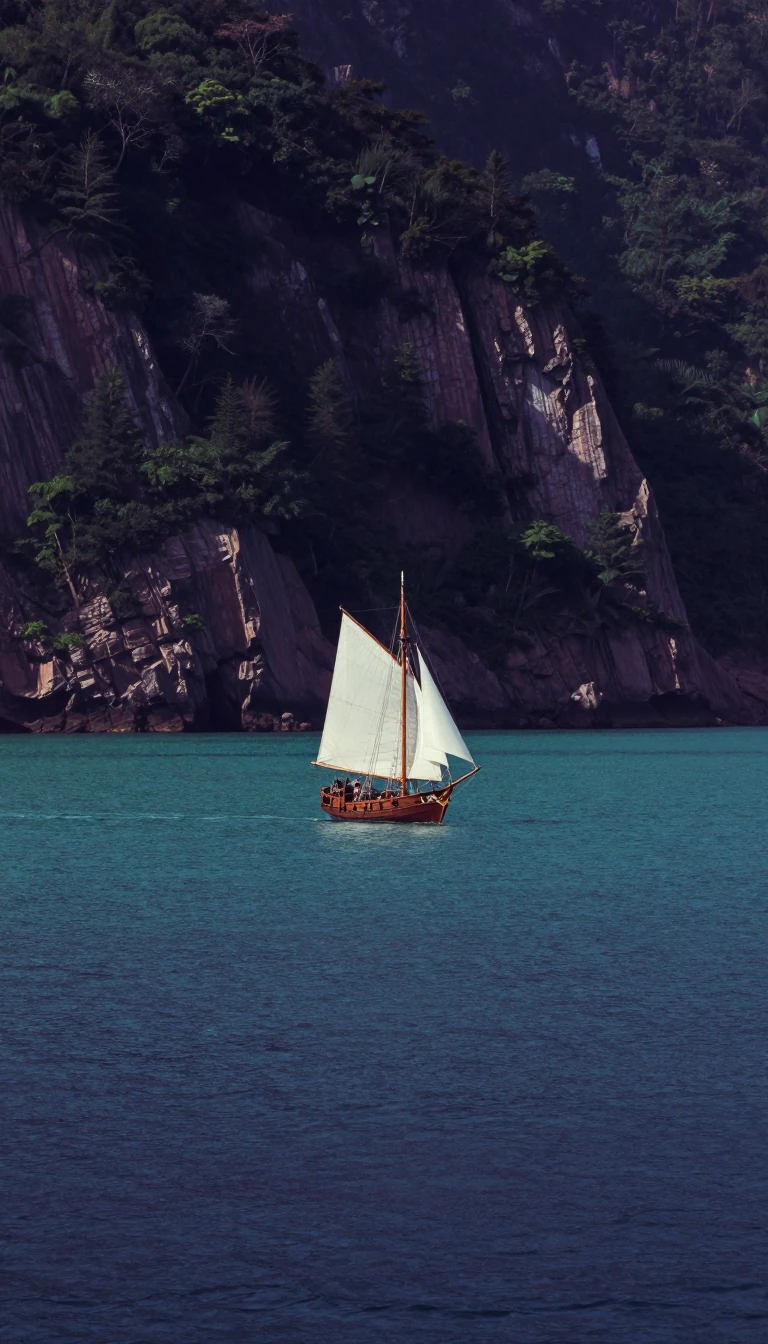 Vanuatu means land that stands after a Franco-British condoVanuatu’s volcanic Melanesian archipelago lies about 1,750 kilometres east of northern Australia. Melanesians settled first; Fernandes de Queirós claimed Espíritu Santo for Spain …
 The world’s smallest country has fewer than a thousand residentsVatican City State, a papal enclave inside Rome, covers 44 hectares with about 882 residents in 2024—the smallest country by area and population, and the only one under a thousand…
 Vespucci’s “Little Venice” named stilt houses on MaracaiboVenezuela, the Bolivarian Republic on South America’s Caribbean coast, covers about 912,050 square kilometres with roughly 31.8 million people. In 1499 Alonso de Ojeda’s expeditio…
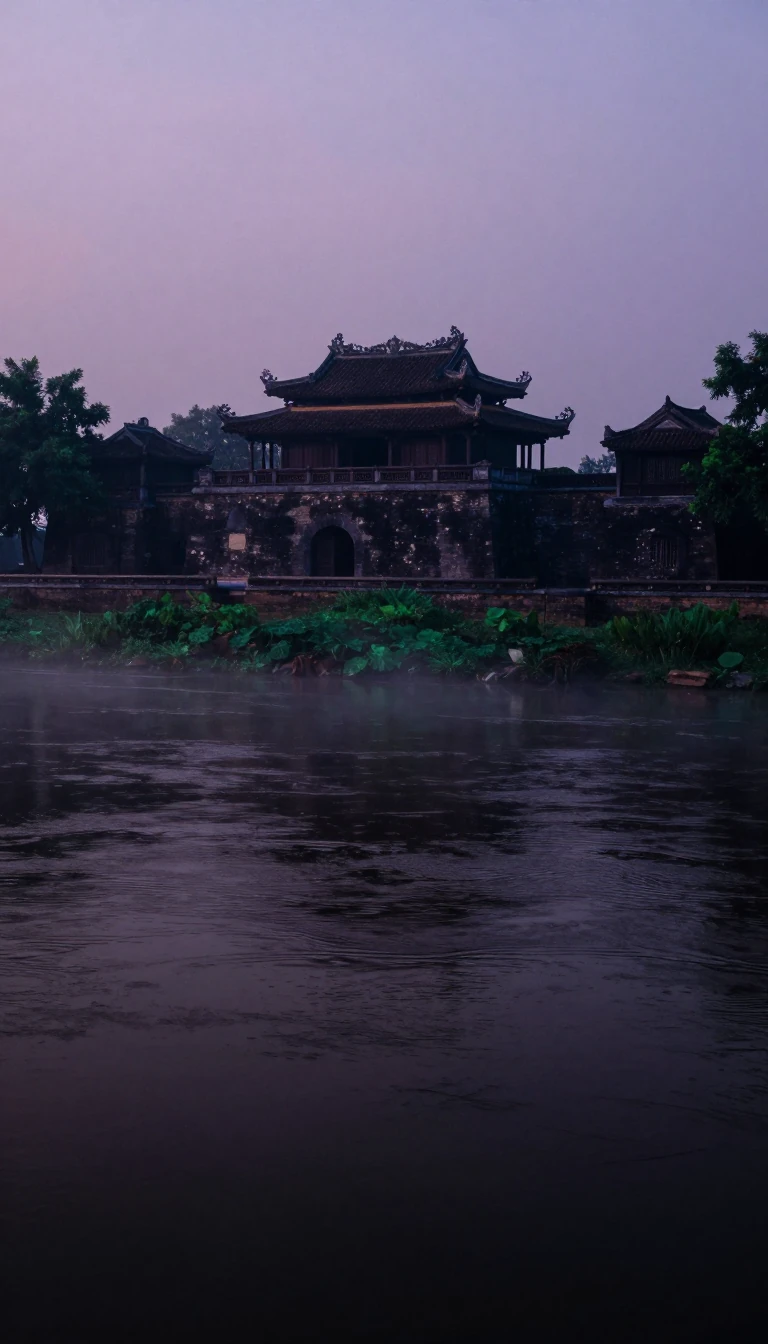 Việt Nam literally places the Viet people in the southVietnam, a Socialist Republic of about 331,000 square kilometres and over 102 million people, is the world’s sixteenth-most populous country and one of two communist states in Sou…
 Serbia’s northern province still means a duke’s domainVojvodina, Serbia’s northern autonomous province on the Pannonian plain, takes its name from voivodeship—a duchy under a voivode. A short-lived Serbian Vojvodina once declared aut…
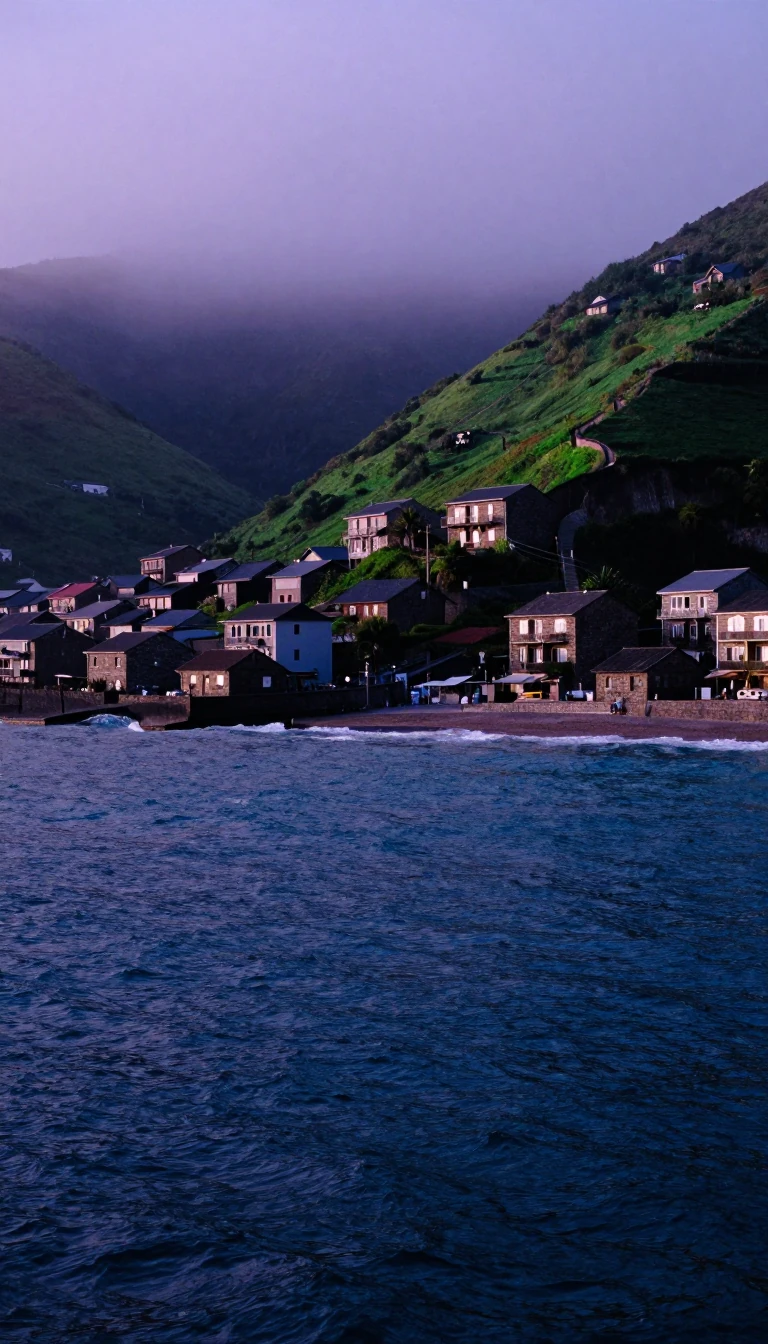 Cymru kept a Celtic language after Edward’s conquestWales—Cymru in Welsh—is a UK country on Great Britain bordered by the Irish Sea, England, the Bristol Channel, and the Celtic Sea. Distinct Welsh culture rose among Britons after …
 Romanians said Romanian Land; outsiders said WallachiaWallachia, between the Lower Danube’s north bank and the Southern Carpathians’ south face, was one of two principalities that founded modern Romania. It coalesced in the thirteent…
 Belgium’s south was Europe’s second industrial powerhouseWallonia, one of Belgium’s three regions beside Flanders and Brussels, made itself rich on coal and iron in the Industrial Revolution—second only to the United Kingdom. From the e…
 UN West Africa counts sixteen states from Sahara to AtlanticWestern Africa, in United Nations usage, groups sixteen countries from Benin and Burkina Faso through Nigeria and Senegal to Cape Verde. Historic empires such as Mali and Gao cont…
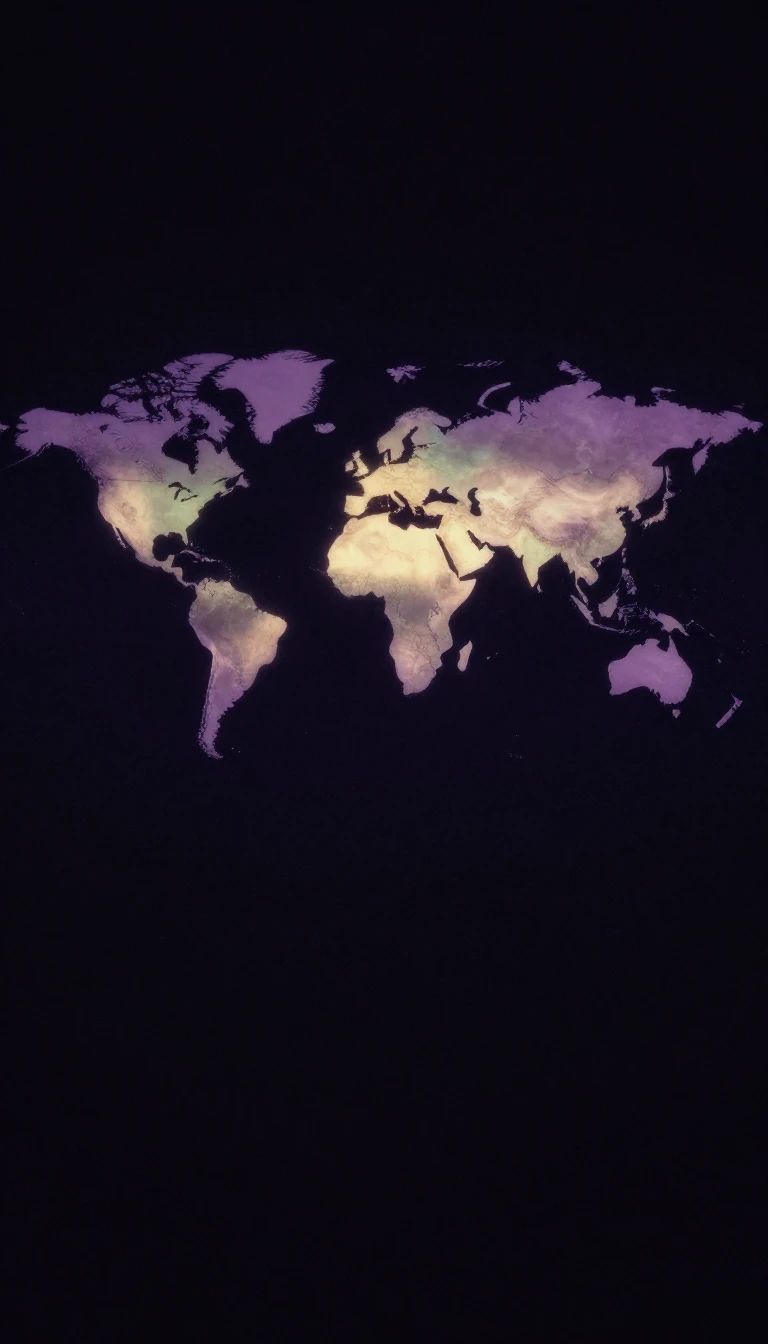 West Asia’s borders shift with every agency’s map keyWest Asia—also Western or Southwest Asia—typically covers Anatolia, Arabia, Iran, Mesopotamia, the Armenian highlands, the Levant, and Sinai, about 5.99 million square kilometres …
 Eastern India’s Bengal shore holds about a hundred millionWest Bengal, along the Bay of Bengal, counted about 91 million people on 88,752 square kilometres in 2011 and is estimated near 100.6 million by 2026—India’s fourth-most populous …
 Western Europe began as Rome’s Latin half versus the EastWestern Europe’s borders change with every context, but the idea of “the West” first opposed “the East” inside the ancient Mediterranean—the Latin West of Rome and later Western C…
 New Guinea’s west passed from Dutch rule to Indonesia in 1962Western New Guinea—also Papua or Indonesian New Guinea—is the island’s western half, transferred from Dutch control to Indonesia in 1962. Geographically part of the Australian con…
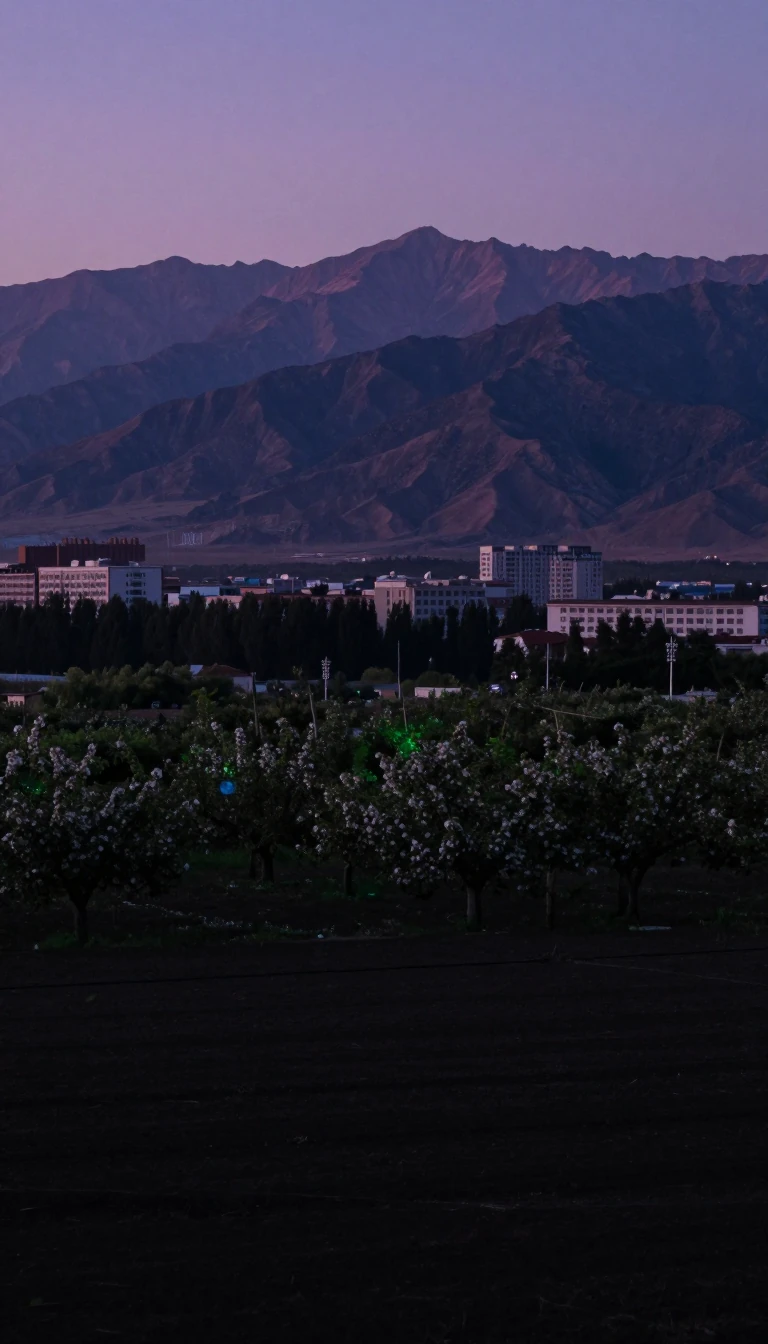 China’s southwest frontier drops three kilometres into valleysYunnan, an inland southwestern Chinese province of about 394,000 square kilometres and 47.2 million people (2020), centres on Kunming. Mountains dominate: northwest highs and sout…
 Zambia took independence under Kaunda on 24 October 1964Landlocked Zambia in Southern Africa borders the DRC, Tanzania, Malawi, Mozambique, Botswana, Namibia, Angola, and a tiny Caprivi strip geometry. Khoisan peoples lived there first…
 China’s longest mainland coast rises from ancient Yue hillsCoastal Zhejiang in East China centres on Hangzhou, with Ningbo, Yiwu, and Wenzhou as other hubs. About seventy percent of the province is hills, altitudes rising south and west, …
- Great Zimbabwe made this plateau a thirteenth-century trade hubLandlocked Zimbabwe lies between the Zambezi and Limpopo, bordered by South Africa, Botswana, Zambia, and Mozambique, with Harare as capital. About 17.3 million people (2026 estim…
 Four nations share one kingdom off Europe’s northwest edgeThe United Kingdom of Great Britain and Northern Ireland comprises England, Scotland, Wales, and Northern Ireland, with more than 69 million people in 2024. A constitutional monar…
 A fifty-state republic has led the world economy since about 1890The United States is a federal republic of fifty states plus Washington, D.C., with forty-eight contiguous states between Canada and Mexico. Paleo-Indian peoples arrived from Nort…
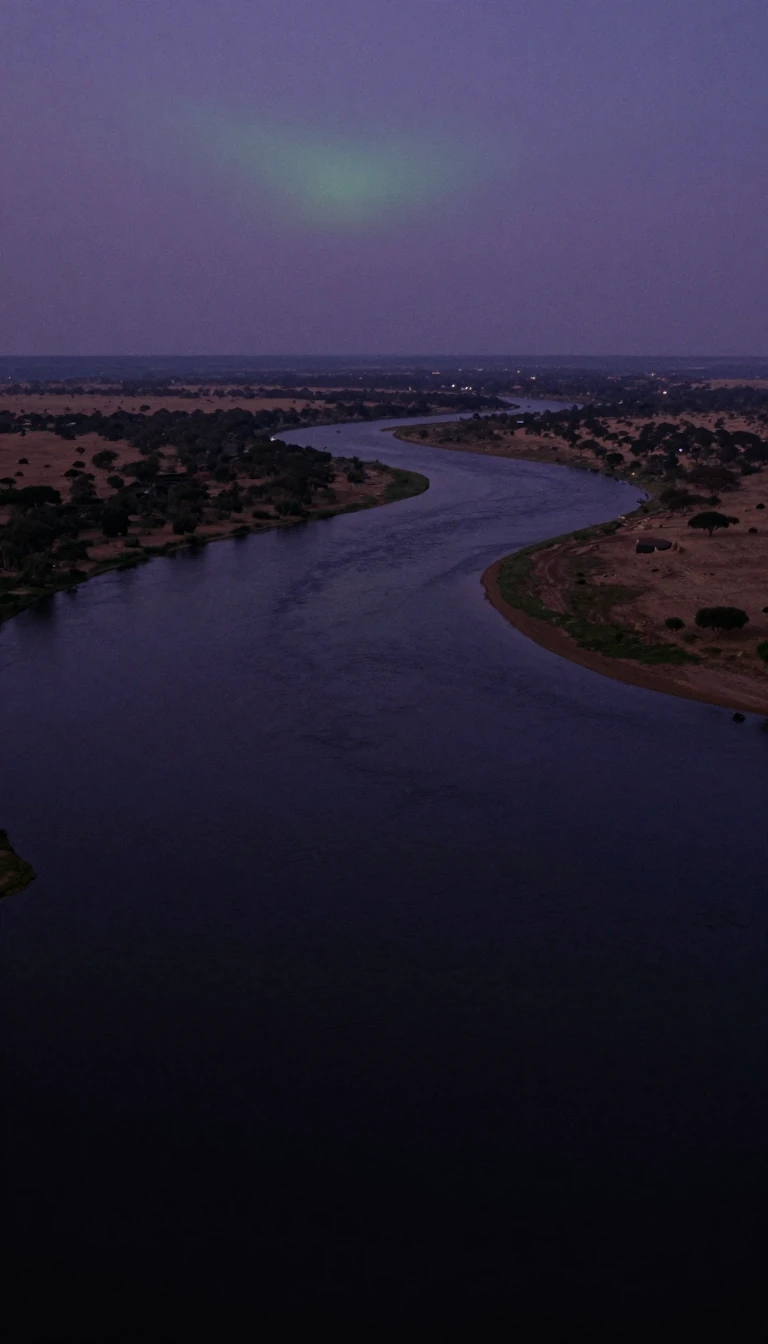 South Africa’s longest river starts as Lesotho’s SenquThe Orange River runs 2,432 kilometres from Drakensberg heights above 3,000 metres down to the Atlantic between Oranjemund and Alexander Bay. Its catchment, counting the Vaal, cov…
 A Lone Star giant leads America in export dollarsTexas covers 268,596 square miles and held an estimated 31.7 million people in 2025, ranking second among U.S. states on both counts. Its economy, spanning energy, farming, techno…
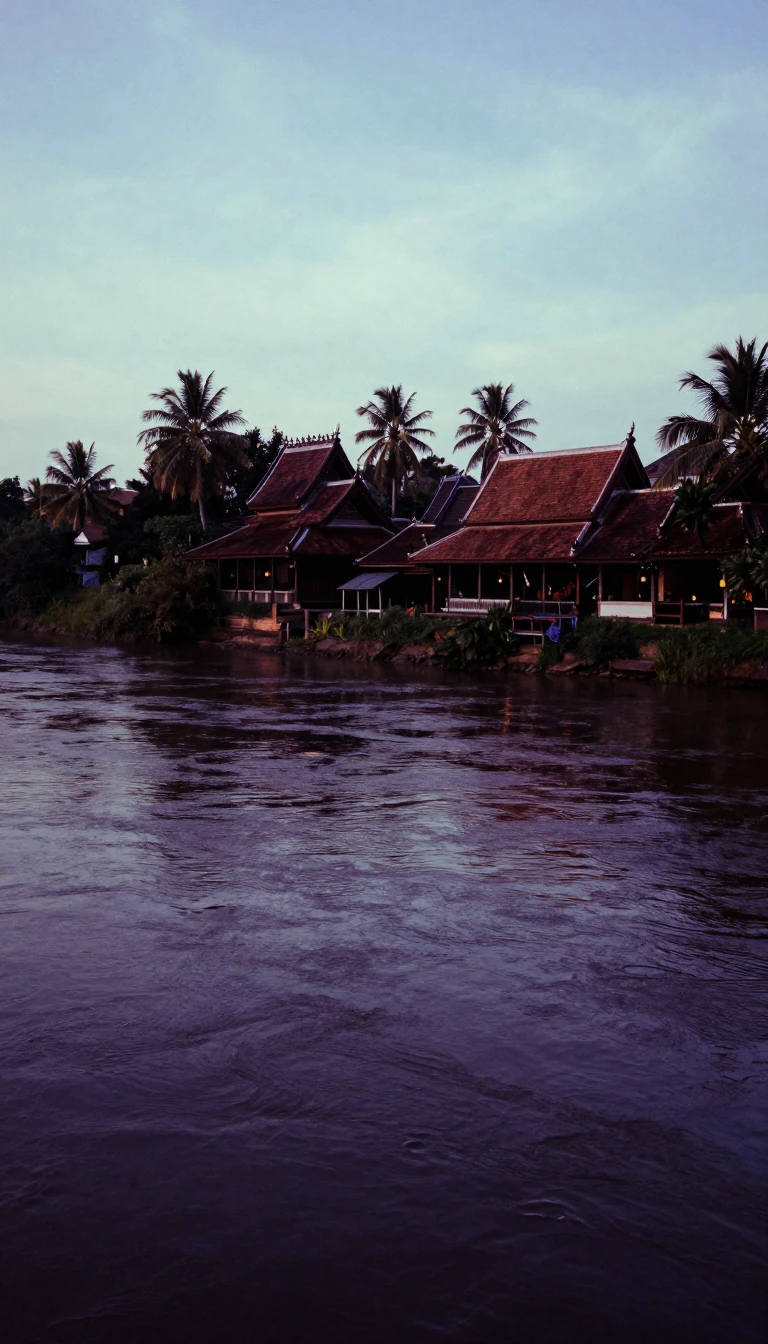 Siam’s Chao Phraya kingdom never wore a European flagThailand, known as Siam until 1939, sits in mainland Southeast Asia between Myanmar, Laos, Cambodia and Malaysia, with coasts on the Gulf of Thailand and the Andaman Sea. People h…
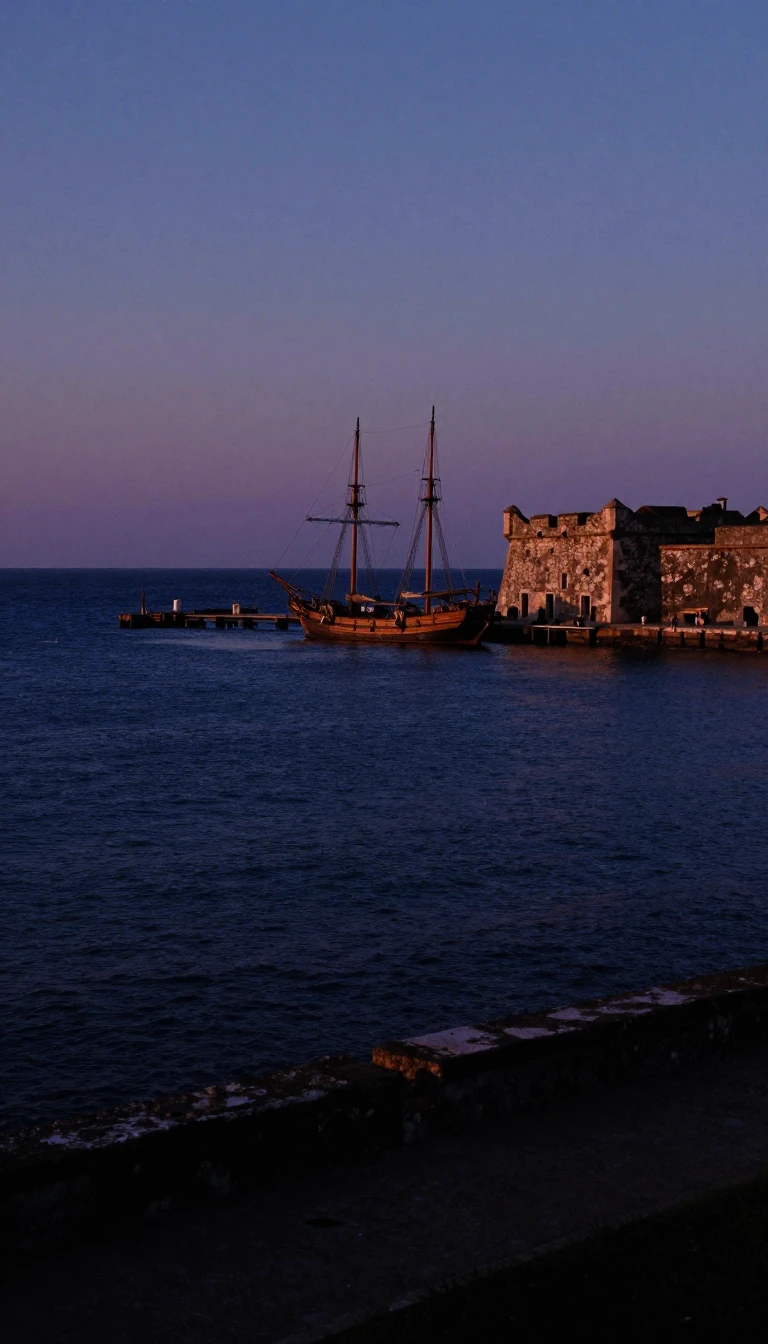 Columbus’s first New World beach became a pirate-tamed realmThe Bahamas, a Lucayan Archipelago commonwealth, counts some 700 islands and more than 2,500 cays north of Cuba and Hispaniola. Lucayan Taíno lived here for centuries before Colum…
- Continental Africa’s smallest country is a river with bordersThe Gambia, Africa’s smallest mainland country, is nearly wrapped by Senegal except for an Atlantic mouth, covering about 11,300 square kilometres along both banks of the Gambia R…
- Asia’s young republic keeps a Portuguese half of TimorTimor-Leste, or East Timor, covers the eastern half of Timor plus Oecusse exclave and Atauro and Jaco islands—about 15,000 square kilometres of Southeast Asian shore. Papuan and A…
 The Slave Coast’s thin republic still speaks French officiallyTogo, a West African strip between Ghana, Benin, and Burkina Faso, runs north from Gulf of Guinea capital Lomé. From the sixteenth to eighteenth centuries its coast was a European…
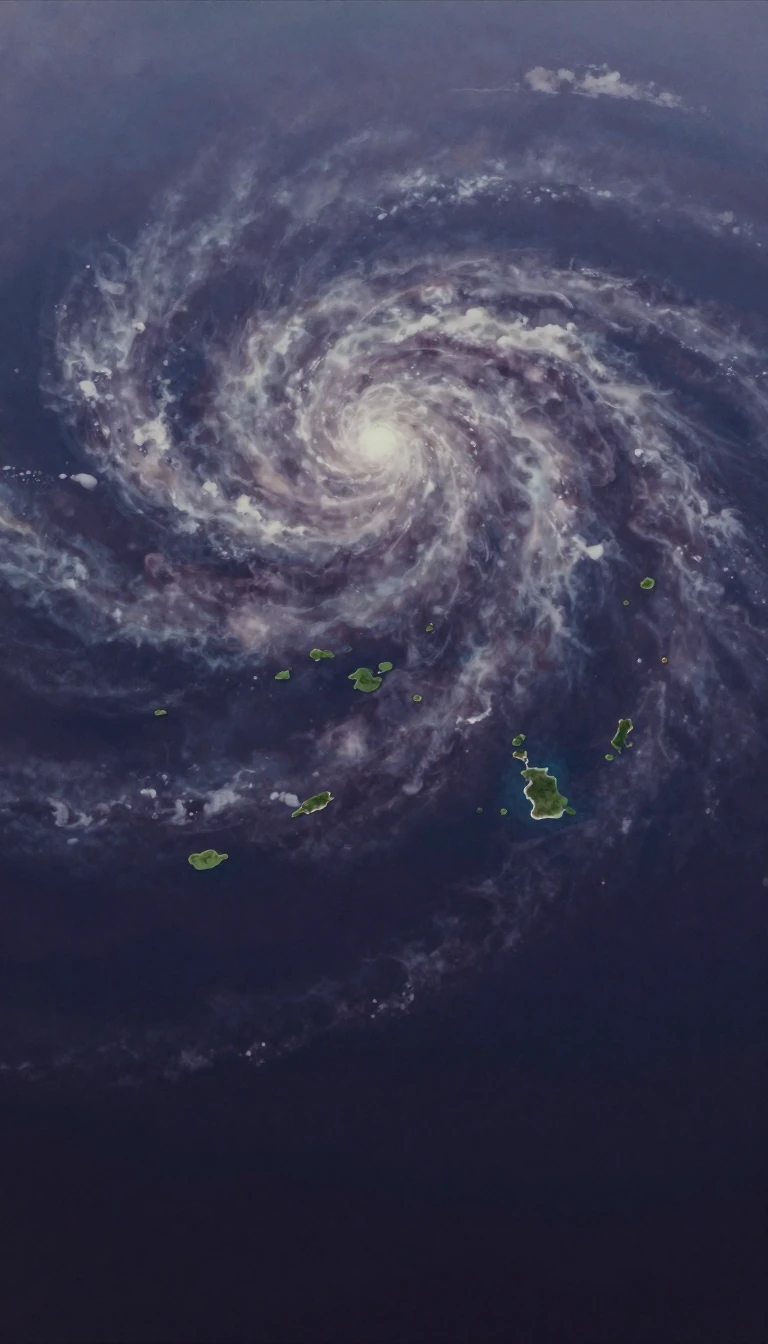 A Polynesian kingdom kept sovereignty under British protectionTonga, a Polynesian kingdom of 171 islands (45 inhabited), spreads about 750 square kilometres of land across 700,000 square kilometres of South Pacific ocean. Lapita-related sett…
- Carpathian crescent Romania still calls a cultural heartlandTransylvania, a historical region of central Romania, meets the Carpathians east and south and the Apuseni west, with broader definitions adding western counties. Cluj-Napoca is R…
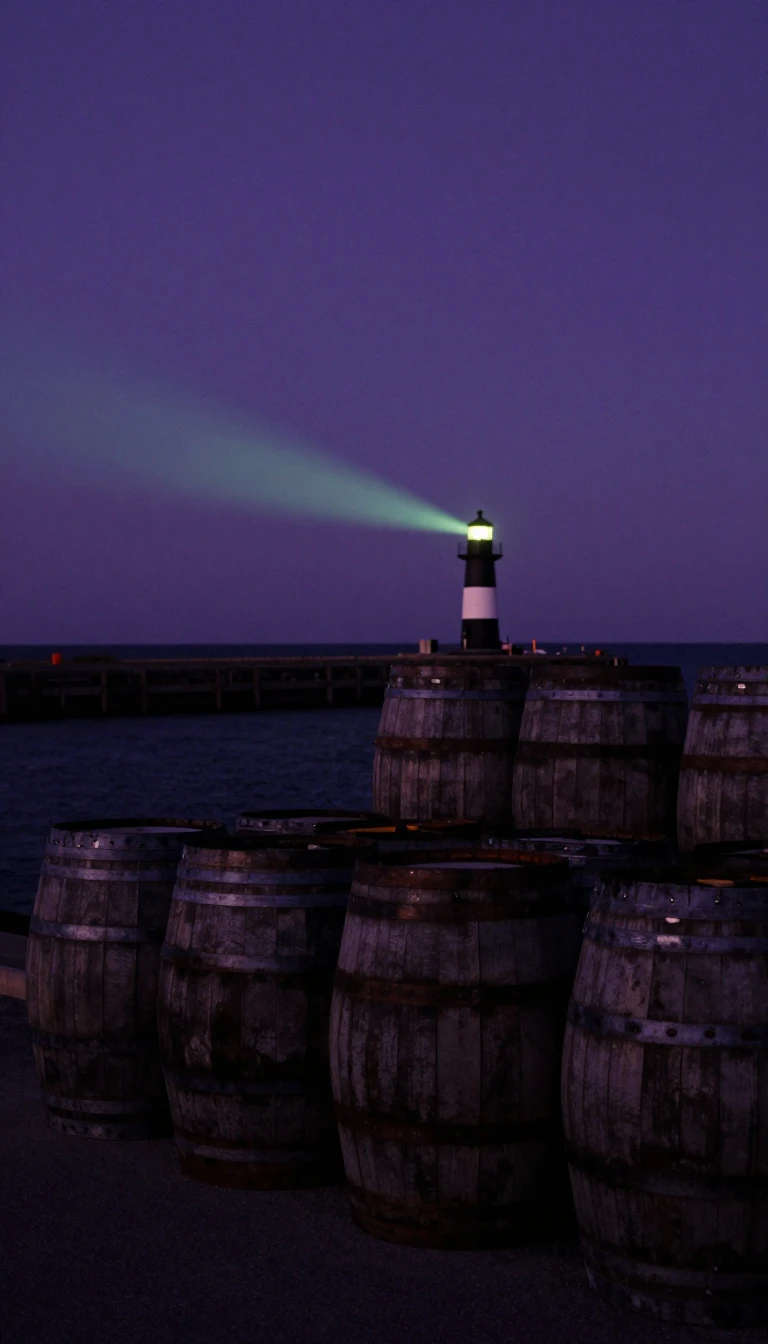 The Caribbean’s southernmost state runs on oil not hotelsTrinidad and Tobago, the Caribbean’s southernmost archipelagic country, sits about eleven kilometres off Venezuela, 130 from Grenada, and 287 from Barbados. Unlike most Caribbean …