 Intellect Plus
Countries & Cities
15,123 cards. Each one is a 40-second story with a five-minute read behind it. Page 236 of 253.
Subtopics: Africa · Americas · Ancient cities & ruins · Asia · Australia & New Zealand · Basics · Bodies of water · Canada · Capes · Capital cities · Caribbean & Pacific islands · Castles & palaces · Cathedrals & churches · China · Cities · Countries · Countries and other regions · Countries of the world · Countries: General · Deserts · Eastern Europe · Europe and Russia · Famous landmarks · Famous streets & squares · Flags & symbols · France · Germany & Central Europe · Ghost towns · Greece & Turkey · Historical cities · Historical cities, towns and archaeological sites · India & South Asia · Islands · Isthmuses · Italy · Japan & Korea · Land relief · Major world cities · Maps & cartography · Microstates & enclaves · Middle East · Mountain peaks and volcanos · Mountains · National parks · Non-city settlements · Oceania · Other hydrological features · Other terrestrial features · Parks, preserves, and World Heritage Sites · Peninsulas · Polar regions · Ports & harbours · Regions and country subdivisions · Rivers & lakes · Scandinavia · Seaside towns · South America · Southeast Asia · Spain & Portugal · Technical geography · UK & Ireland: places · UK & Irish cities · United States landmarks · Urban studies and planning · US cities · Vegetation features · World Heritage Sites
 How a small coastal trade hub became the primate city of Papua New GuineaPort Moresby, the capital of Papua New Guinea, evolved from a traditional Motu-Koitabu settlement into a strategic Allied bastion during World War II. Today, it stands as a comple…
 How a strategic plateau transformed a small beach settlement into a national capitalPraia began as a modest harbour village on Santiago island, constantly vulnerable to pirate raids. By leveraging its elevated plateau for defense, it eventually eclipsed the older…
 Nicosia is the world's last divided capital, a city shaped by millennia of conflict.For over 5,500 years, Nicosia has stood as the heart of Cyprus. Today, it remains the only capital city in Europe split between two separate administrations. From ancient kingdoms…
 Nukuʻalofa is the world's westernmost capital city of a sovereign state.Located on the northern coast of Tongatapu, Nukuʻalofa serves as the economic and political heart of Tonga. From its origins as a small fort and village, the city evolved into a m…
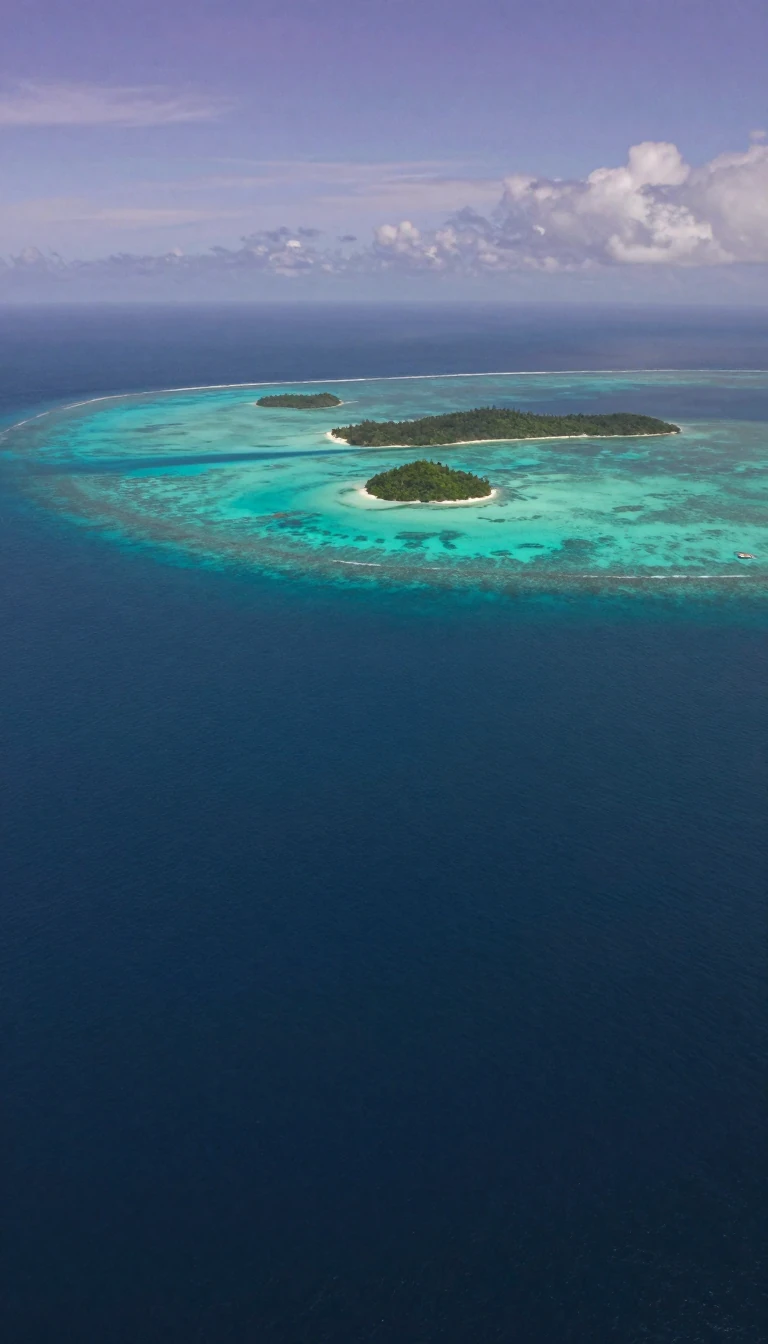 Why is the world's wettest capital city hidden in a tropical rainforest?Palikir, the capital of the Federated States of Micronesia, is a purpose-built administrative hub carved out of a dense forest. Despite its status as a national seat of power, it …
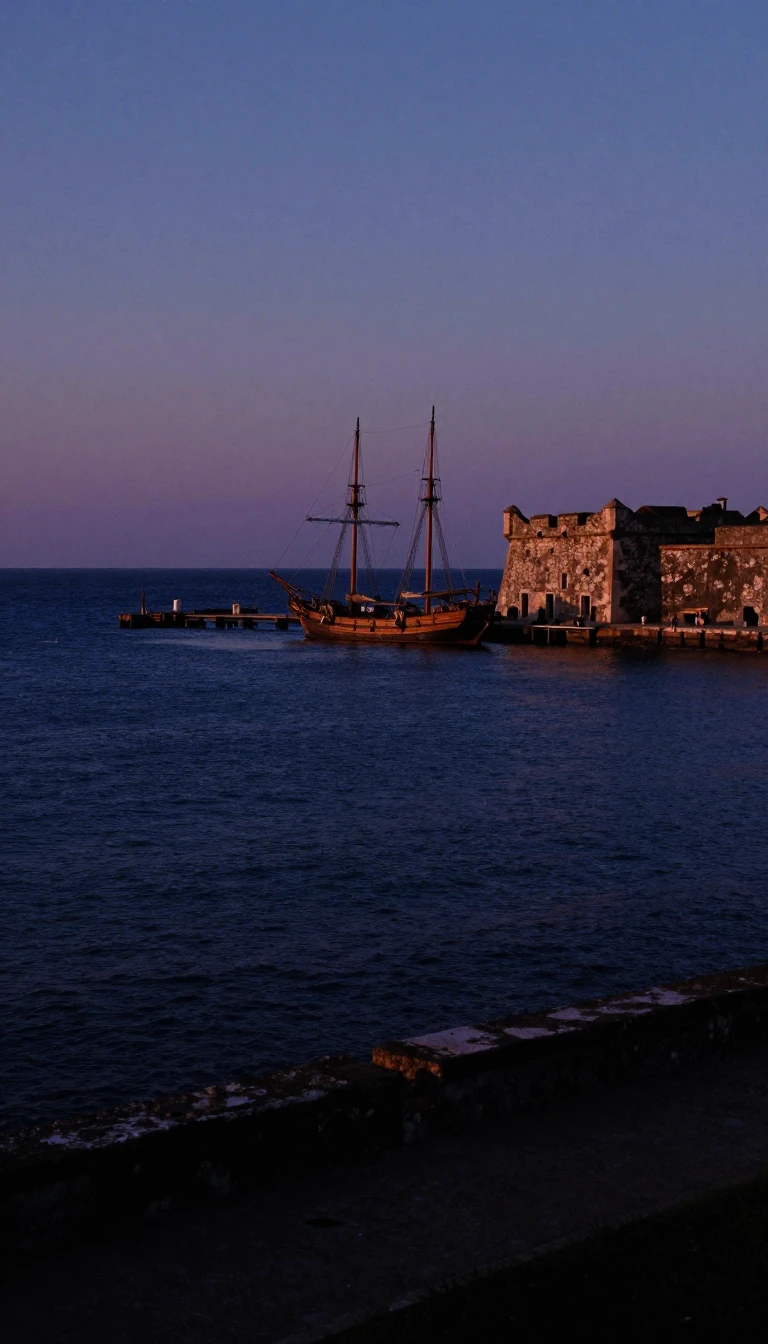 How a lawless pirate republic transformed into a modern Caribbean capital and tourist hub.Nassau began as a base for privateers and a notorious pirate haven, eventually becoming the dominant center of the Bahamas. Today, this capital city on New Providence Island blend…
 How a small pearling port transformed into a global financial powerhouse in the GulfManama began as a modest trading outpost, defined by the seasonal rhythm of pearl diving and ancient maritime routes. Today, it stands as a modern financial hub, having navigated …
 How a blood-stained sandbank became the world's most densely populated island cityMalé, the capital of the Maldives, is a marvel of extreme urban density. Once a modest royal seat, this tiny island has expanded through massive land reclamation to support over 2…
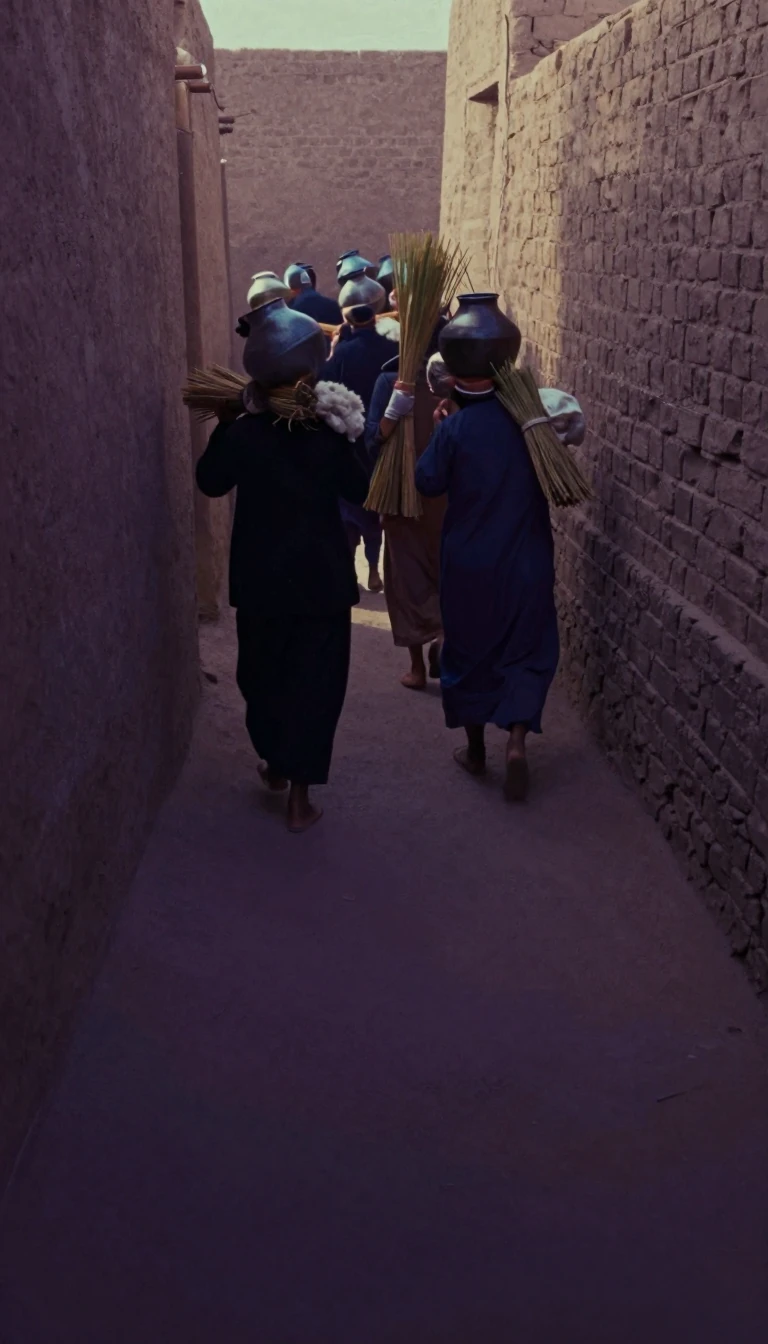 Maseru: The Red Sandstone Capital That Transformed From A Tiny Police CampFounded as a modest police outpost in 1869, Maseru has evolved into the bustling capital of Lesotho. Once constrained by colonial boundaries, the city expanded sevenfold after ind…
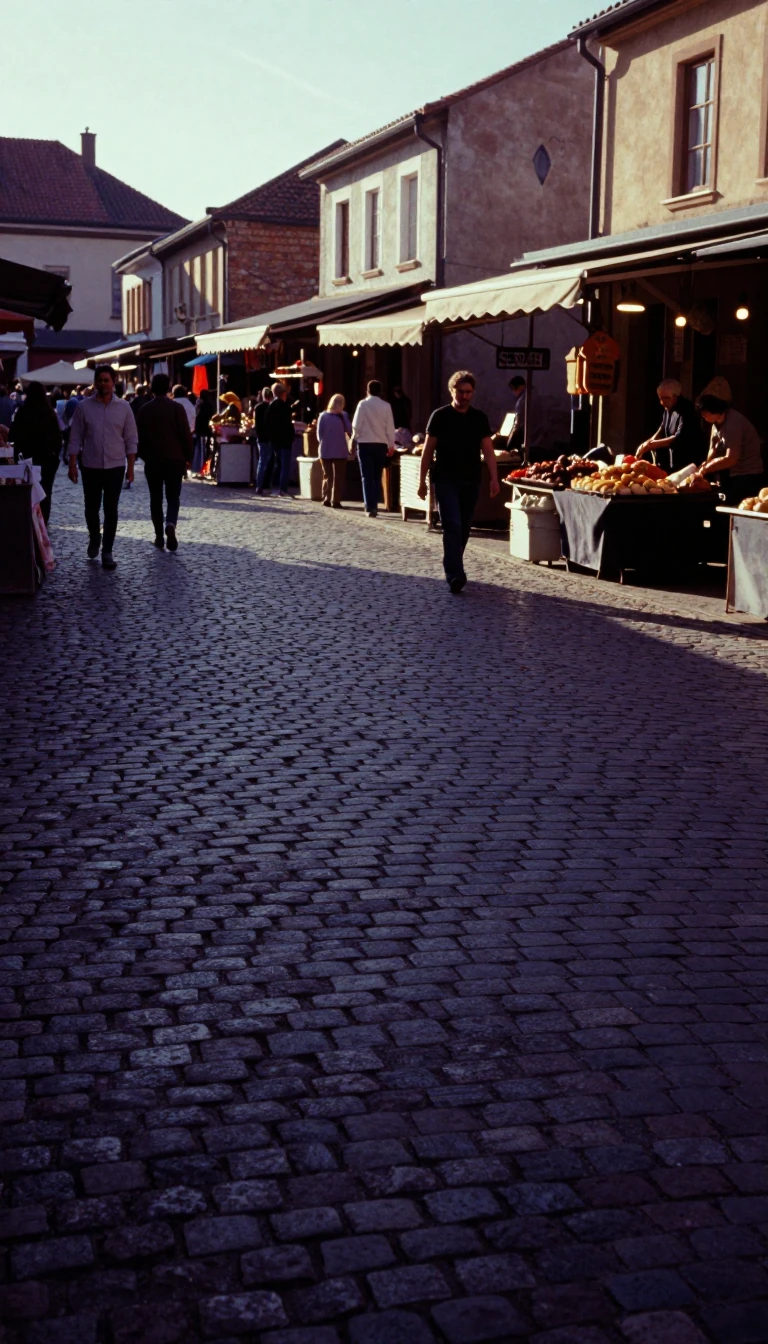 Mbabane: The High-Altitude Administrative Heart of the Kingdom of EswatiniPerched 1,243 meters high in the Mdzimba Mountains, Mbabane serves as the executive capital of Eswatini. Once a small colonial outpost, this city has transformed into a vital comm…
 Moroni: The Swahili Trading Hub Nestled Beneath an Active Volcanic GiantPerched on the rocky western coast of Ngazidja, Moroni serves as the capital of the Comoros archipelago. This historic city, defined by its ancient Medina and the looming presence…
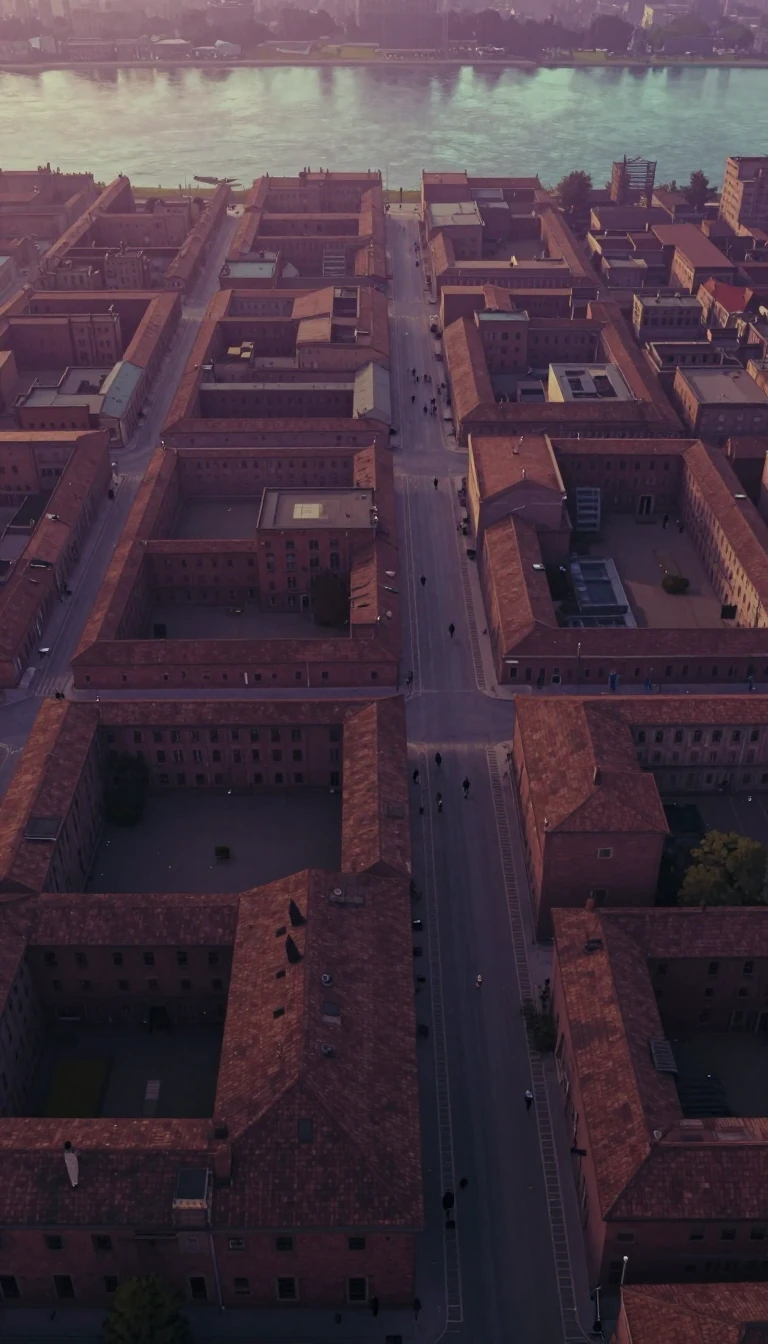 Why did Myanmar build a massive, empty capital city in the middle of nowhere?Naypyidaw is an entirely planned capital, rising from a greenfield site to replace Yangon in 2005. Known as the abode of kings, this sprawling city features twenty-lane boulevards…
 Ngerulmud is the world's least-populous capital, a government seat with zero permanent residents.Deep in the Pacific, the Republic of Palau built a sprawling, multi-million dollar capitol complex on a remote hill. Despite its grand architecture and status as a sovereign capit…
 How a clever tax-evasion scheme turned a quiet coastal forest into Togo's capital city.Lomé began as a modest forest of alo trees, but in the 1880s, it transformed into a bustling commercial hub. By positioning itself just outside British customs reach, the city att…
 How a small fortress became the Gibraltar of the North and a global powerPerched on dramatic cliffs, Luxembourg City evolved from a modest ninth-century castle into a strategic military stronghold. Today, this complex, multi-level capital serves as a v…
- Why does a dragon guard the capital city of Slovenia, Ljubljana?Ljubljana is a city defined by its dragon, a symbol of power and courage perched atop its castle and bridges. While legends link the creature to Jason and the Argonauts or the sla…
- Gitega: How a former royal seat reclaimed its status as Burundi's political capitalBurundi’s political heart has returned to its historical roots. Once the seat of the kingdom’s monarchs, Gitega was officially reinstated as the nation’s political capital in 2019…
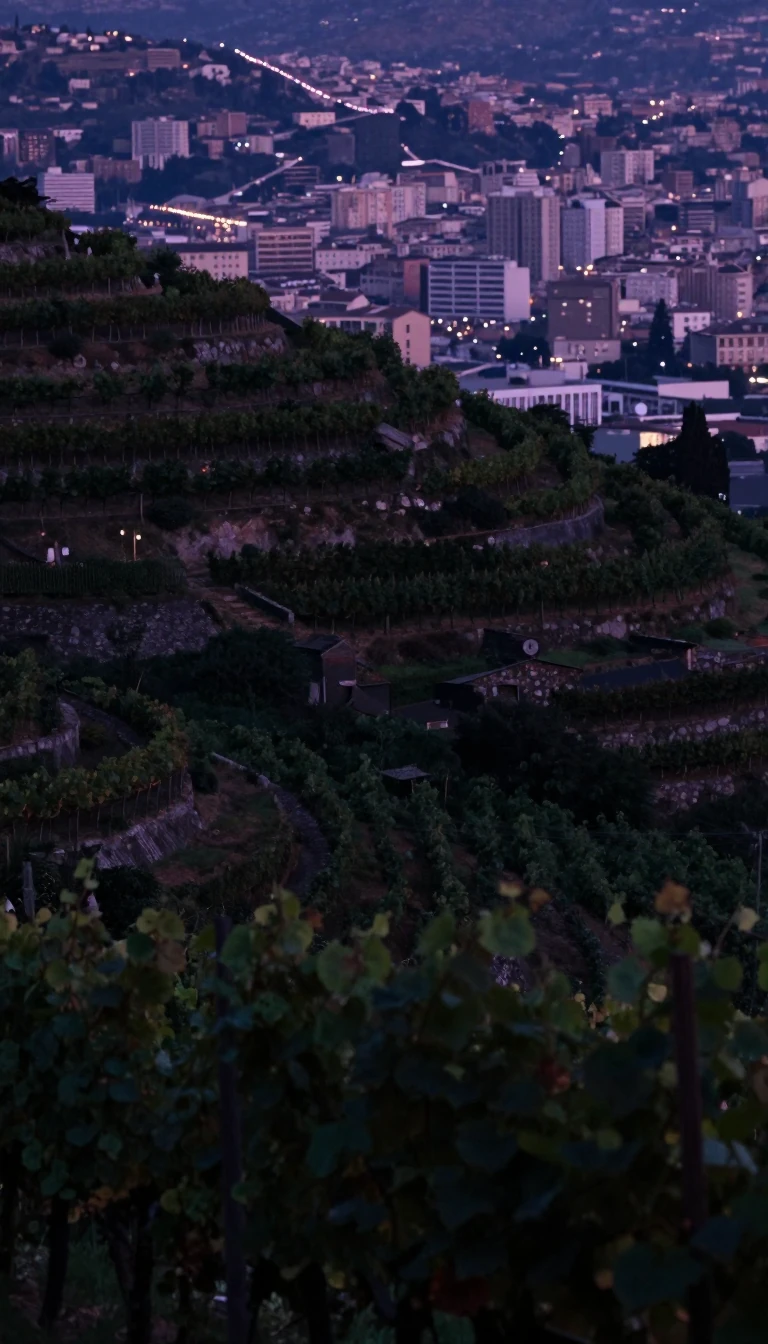 Honiara: The Tropical Capital Built on the Scars of World War IISituated on the coast of Guadalcanal, Honiara is the administrative heart of the Solomon Islands. Once a battleground for American and Japanese forces, the city evolved into a mod…
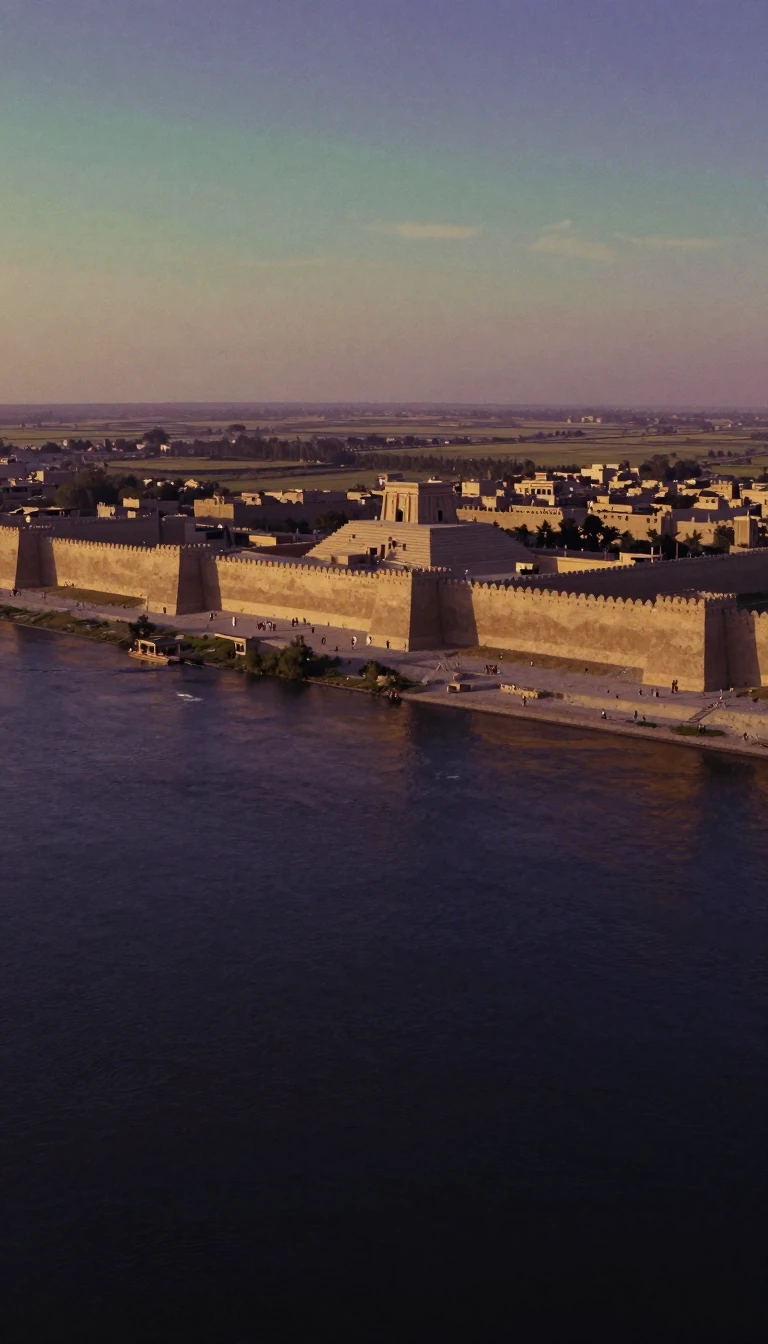 Juba: A river-side village turned capital that remains a work in progressEstablished in 1920 as a small mission outpost, Juba transformed into the capital of the world's youngest nation. Despite its rapid growth and strategic position on the White Nile…
 Why is the capital of Saint Vincent and the Grenadines facing a potential name change?Founded by French settlers in the 1720s, Kingstown has served as the commercial heart of Saint Vincent for centuries. Yet, this historic port city now faces a modern transformatio…
 Lobamba is the legislative and spiritual heart of Eswatini, nestled in the Valley of Heaven.Tucked between the cities of Mbabane and Manzini lies Lobamba, a town of profound cultural weight. As the legislative seat of Eswatini and home to the Queen Mother’s residence, th…
 Why is East Jerusalem considered one of the most complex geopolitical puzzles in history?East Jerusalem is a territory defined by conflicting claims, shifting borders, and deep religious significance. Since the 1967 war, it has been under Israeli control, yet it remai…
- Why did a small Monday market village become the capital of modern Tajikistan?Dushanbe began as a modest market town named for the day of its weekly bazaar. After the Soviet takeover, this crossroads was transformed into a planned administrative center. Tod…
- Djibouti City: The Strategic Peninsula That Became a Modern Red Sea CrossroadsFounded on a barren coast in 1888, Djibouti City transformed from a French colonial outpost into a vital maritime gateway. Today, this cosmopolitan capital serves as the primary e…
- Tanzania's capital Dodoma was designed to be a village in a nation of villages.Born from a colonial market town, Dodoma was envisioned as a socialist heartland that rejected the rigid grid-iron plans of traditional capitals. Instead of monumental hierarchy, …
 Funafuti is the world's easternmost capital of a sovereign state and a climate canary.As the capital of Tuvalu, this coral atoll is the nation's administrative and economic heart. Yet, with most of its land sitting less than one meter above sea level, Funafuti has …
- The island capital that was once a British military outpostBefore it was the vibrant capital of The Gambia, this island settlement was a strategic tool for colonial expansion. From its origins as a trading post to its recent history of po…
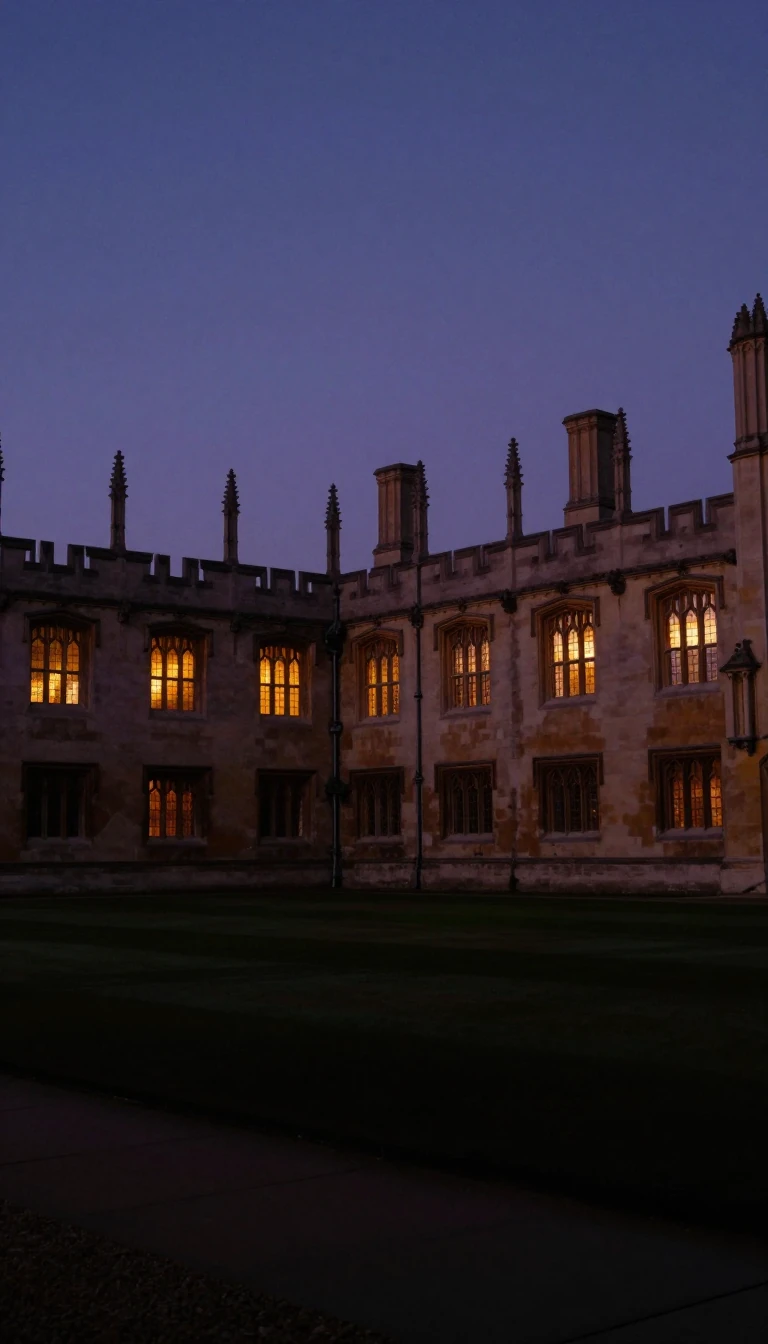 Canberra: The planned capital city born from a compromise between two feuding rivalsAustralia's capital was not a natural metropolis, but a deliberate creation. Chosen as a neutral middle ground to settle a bitter dispute between Sydney and Melbourne, this entire…
 Chișinău: The resilient capital city built on a spring and shaped by empiresChișinău, the capital of Moldova, is a city defined by its complex layers. From its origins as a monastery village to its transformation under Russian, Romanian, and Soviet rule, …
- Brussels is a city of layers, where medieval walls meet the heart of Europe.The City of Brussels is more than Belgium's capital; it is a complex administrative hub that serves as the seat of the European Union. Defined by its unique, irregular borders and…
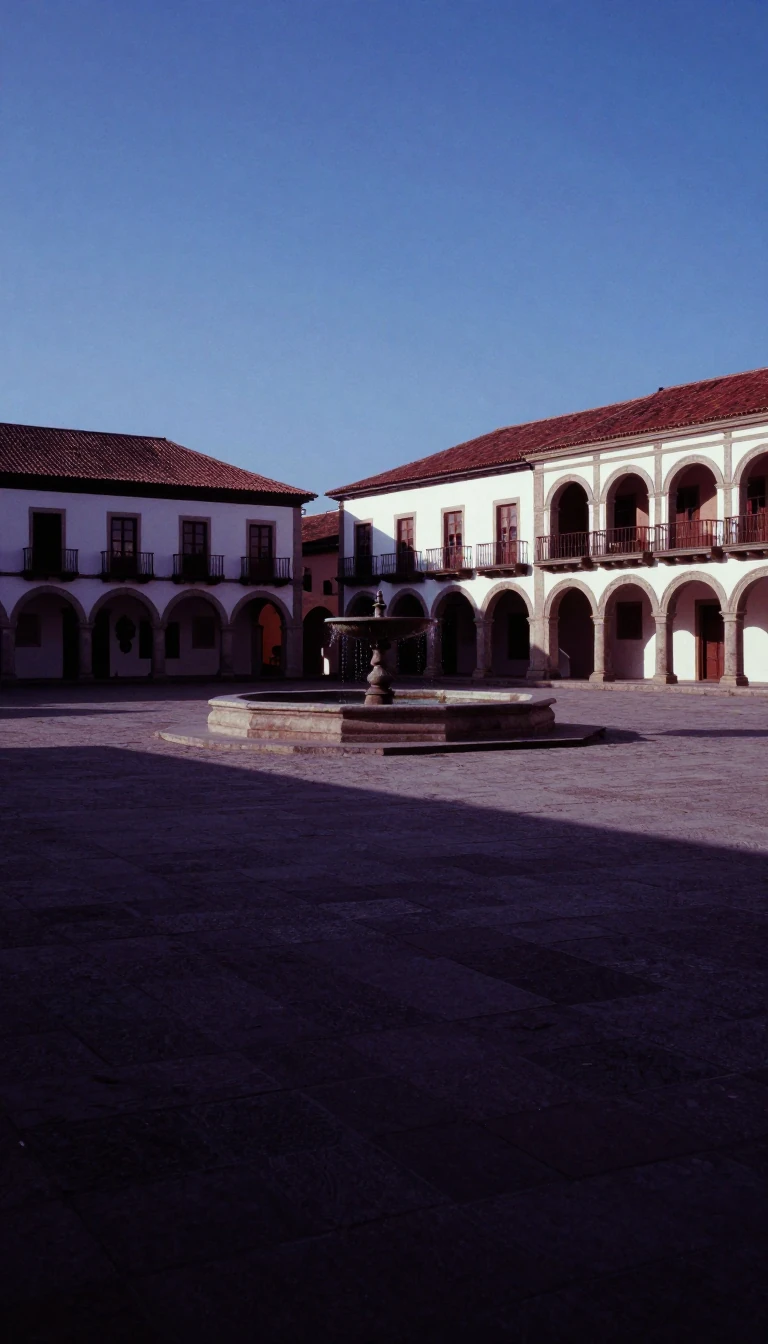 Deep in the rainforest, Equatorial Guinea is building a new capital from scratch.Ciudad de la Paz, formerly known as Djibloho or Oyala, is a planned city rising from the jungle. Designed to replace the island capital of Malabo, this inland project aims to hous…
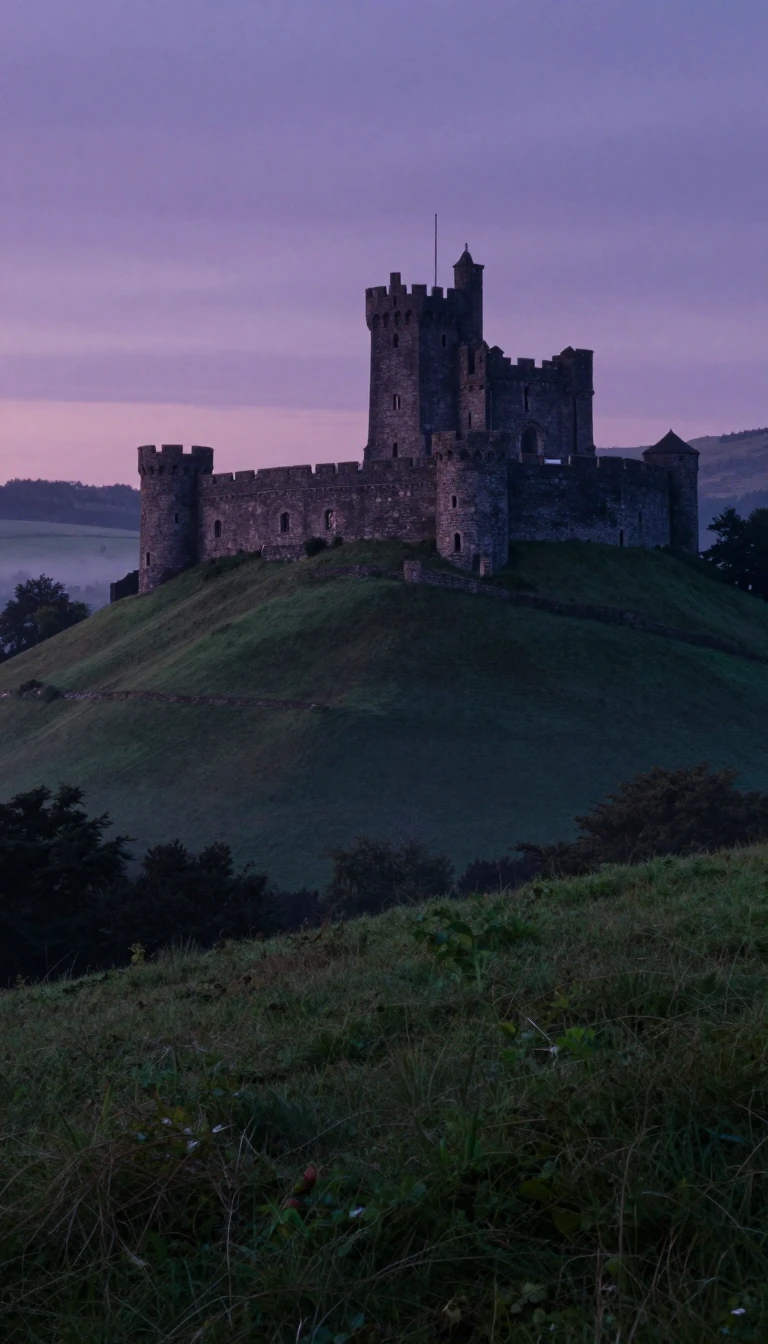 How a mountain fortress became a car-free capital of cobblestone and ancient tradition.Perched on the steep slopes of Monte Titano, the City of San Marino is a UNESCO-listed capital where cars are banned from the center. Founded by refugees in 301, this historic enc…
 Bloemfontein: The South African City That Rose From a Frontier FortKnown as the City of Roses, Bloemfontein serves as South Africa's judicial capital. Founded in 1846 as a British military outpost, this central hub has evolved from a Boer republi…
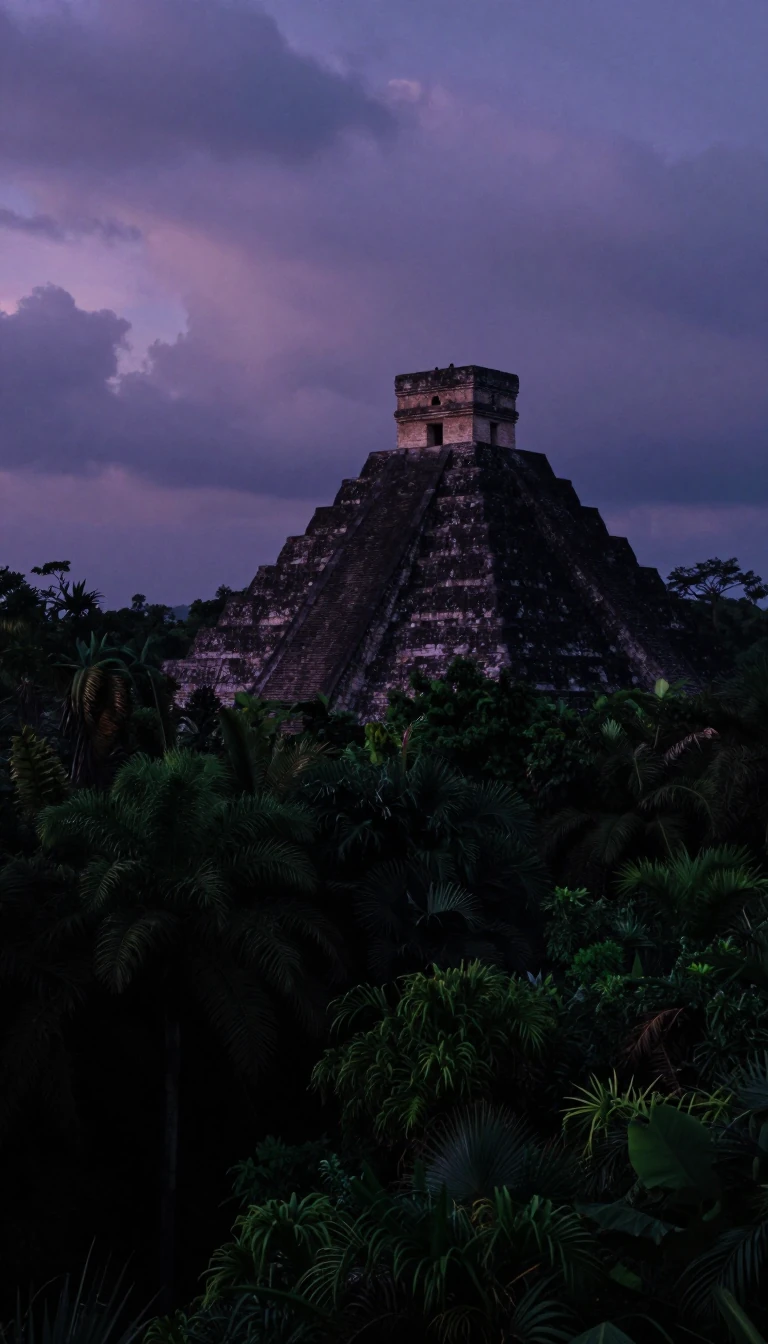 Why Belize built a brand new capital city in the middle of the jungleAfter a devastating 1961 hurricane nearly wiped out the coastal capital of Belize City, the government sought a safer, inland location. The result was Belmopan, a planned city des…
- Why Switzerland's de facto capital is not officially defined as its capital cityBern serves as the seat of the Swiss government, yet the nation's constitution never formally designated it as the capital. Chosen in 1848 to balance power away from economic hubs…
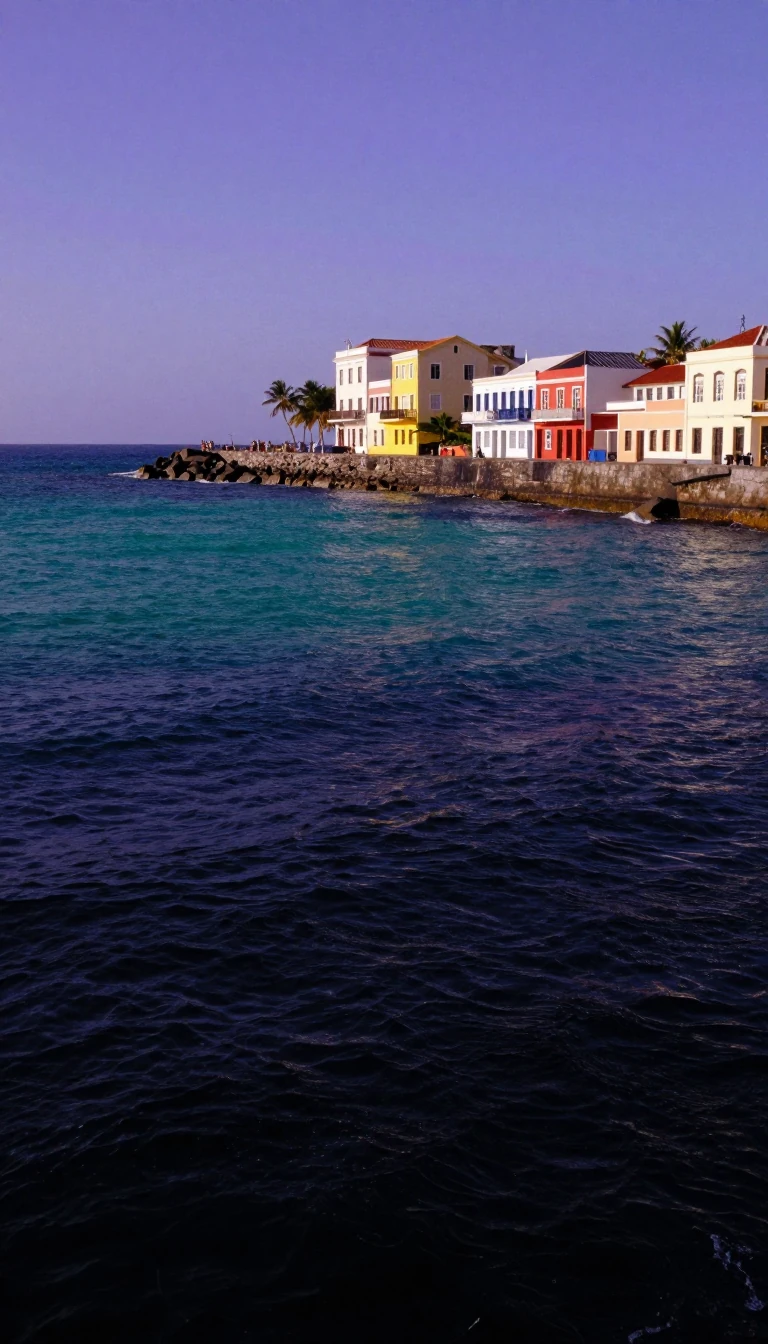 How a tiny Caribbean capital became a global heavyweight in sports and financeFounded in 1627, Basseterre has evolved from a French colonial outpost into a vital Eastern Caribbean hub. Despite its modest size, this low-lying city has outmaneuvered global po…
 Bissau: A West African Capital Built on the Legacy of a Papel KingdomBissau is the administrative heart of Guinea-Bissau, but its origins lie in a highly stratified kingdom governed by the Papel people. From its early days as a contested trading po…
- How a swampy Caribbean settlement became the only city George Washington ever visited abroadFounded in 1628 by English settlers, Bridgetown began as a primitive outpost built over a mosquito-ridden swamp. Today, this Caribbean capital serves as a vital financial and crui…
 Before the mechanical era, civilizations measured the passage of time by stealing water.Known as the clepsydra, or water thief, this ancient device tracked time by regulating the flow of liquid into or out of a vessel. Used from Babylon to China, these clocks were es…
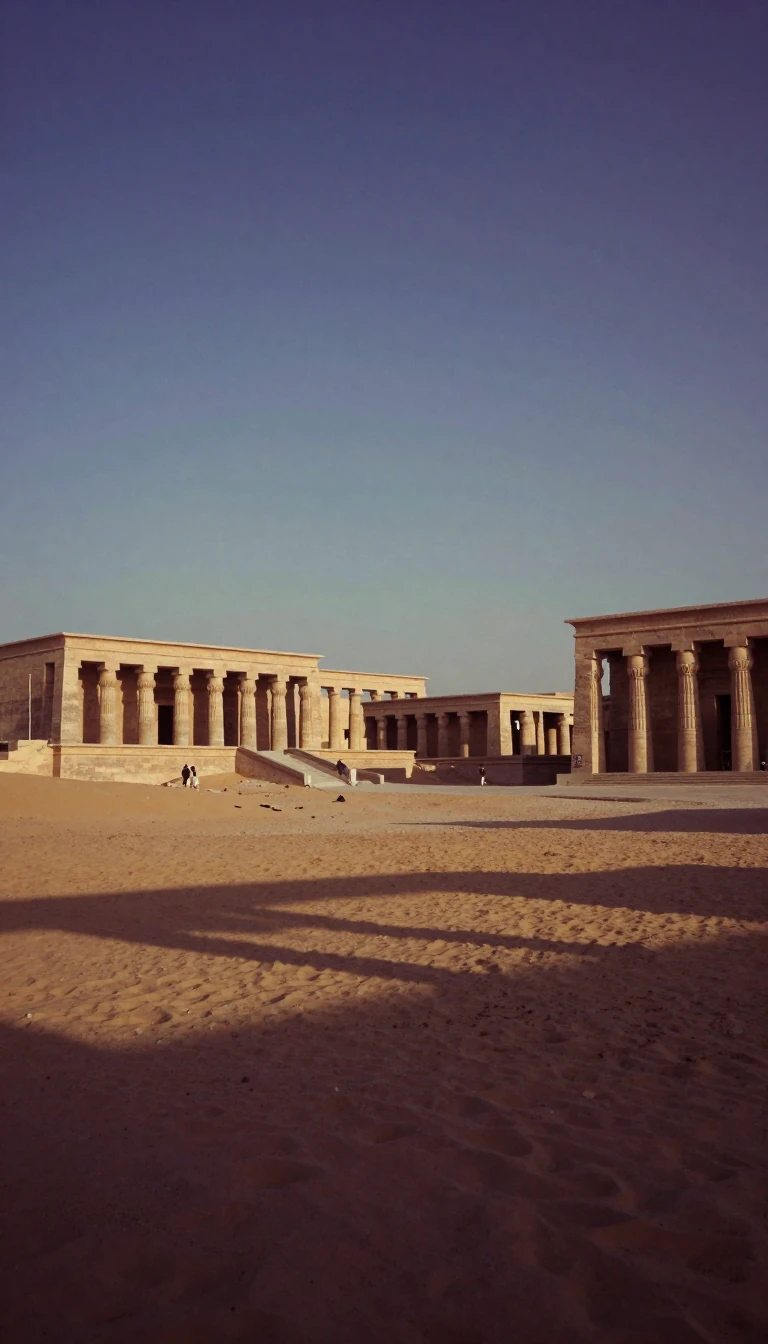 How a desert garrison transformed into a city of white marble and mysteryFounded as a Russian military outpost in 1881, Ashgabat has endured total destruction and radical reinvention. Today, the capital of Turkmenistan stands as a sprawling, modern met…
 Apia is a sprawling capital city composed of forty-five independent, traditional, and freehold villages.Samoa's capital, Apia, defies the conventional image of a centralized metropolis. Instead of a single municipal administration, it functions as a collection of nearly fifty distin…
 Vibration is the rhythmic dance of matter, oscillating around a point of perfect equilibrium.Whether it is the unwanted rattle of a car engine or the intentional chime of a tuning fork, vibration is the fundamental movement of matter. By understanding the interplay betwee…
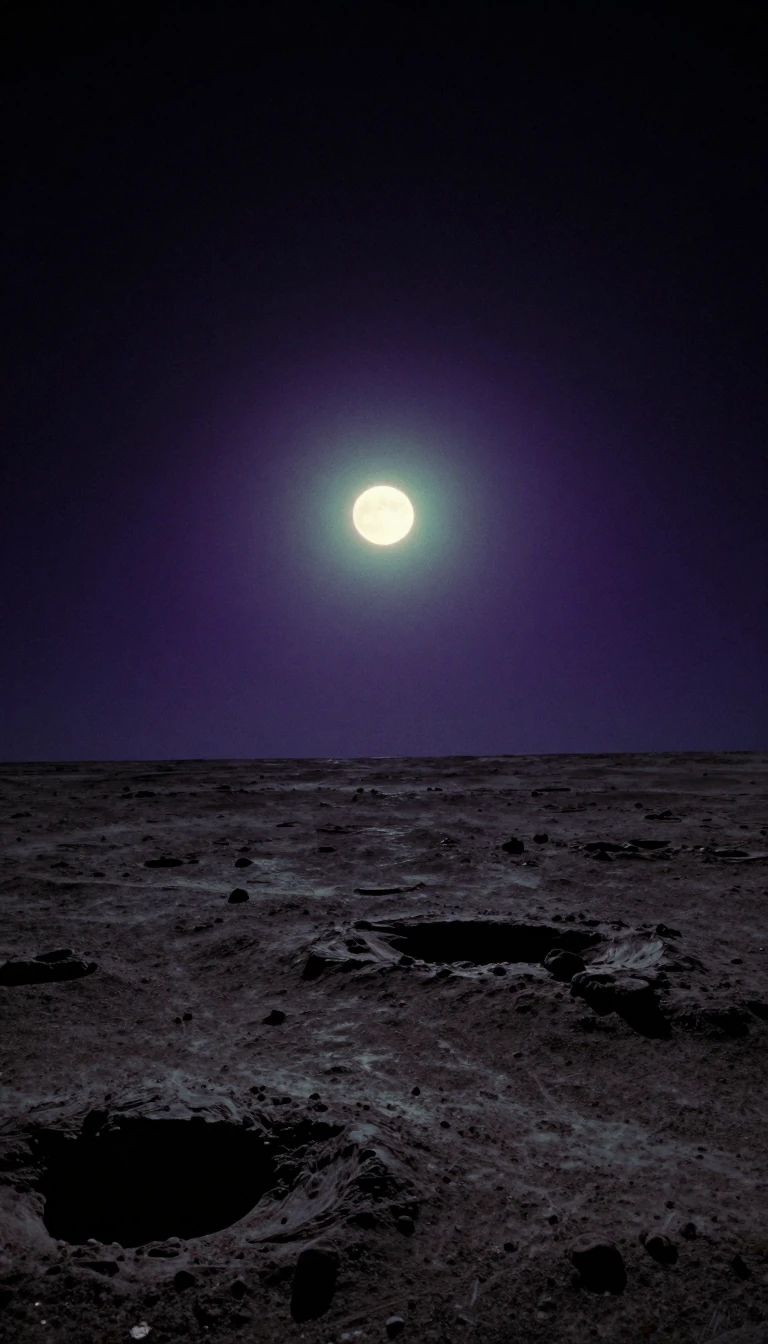 Why the winter solstice is the most significant astronomical turning point for humanityThe winter solstice marks the moment Earth’s pole tilts furthest from the Sun, creating the year’s longest night. While we experience it as a brief astronomical event, ancient cul…
 Perched high in the Pyrenees, Europe’s highest capital city is a unique mountain enclave.Andorra la Vella, the capital of Andorra, sits at an elevation of 1,023 meters. While its name implies an ancient origin, it functions as a modern commercial hub and tax haven. Th…
 Why the United Nations divides the world into 248 distinct statistical territoriesThe United Nations geoscheme organizes the globe into six continental regions and 22 subregions. While it appears to be a standard map, it is actually a tool for statistical conve…
- The United States Geological Survey maps everything from American landscapes to distant alien moons.Founded in 1879, the United States Geological Survey is the nation's primary civilian mapping and earth science agency. While it began by surveying public lands for minerals, its …
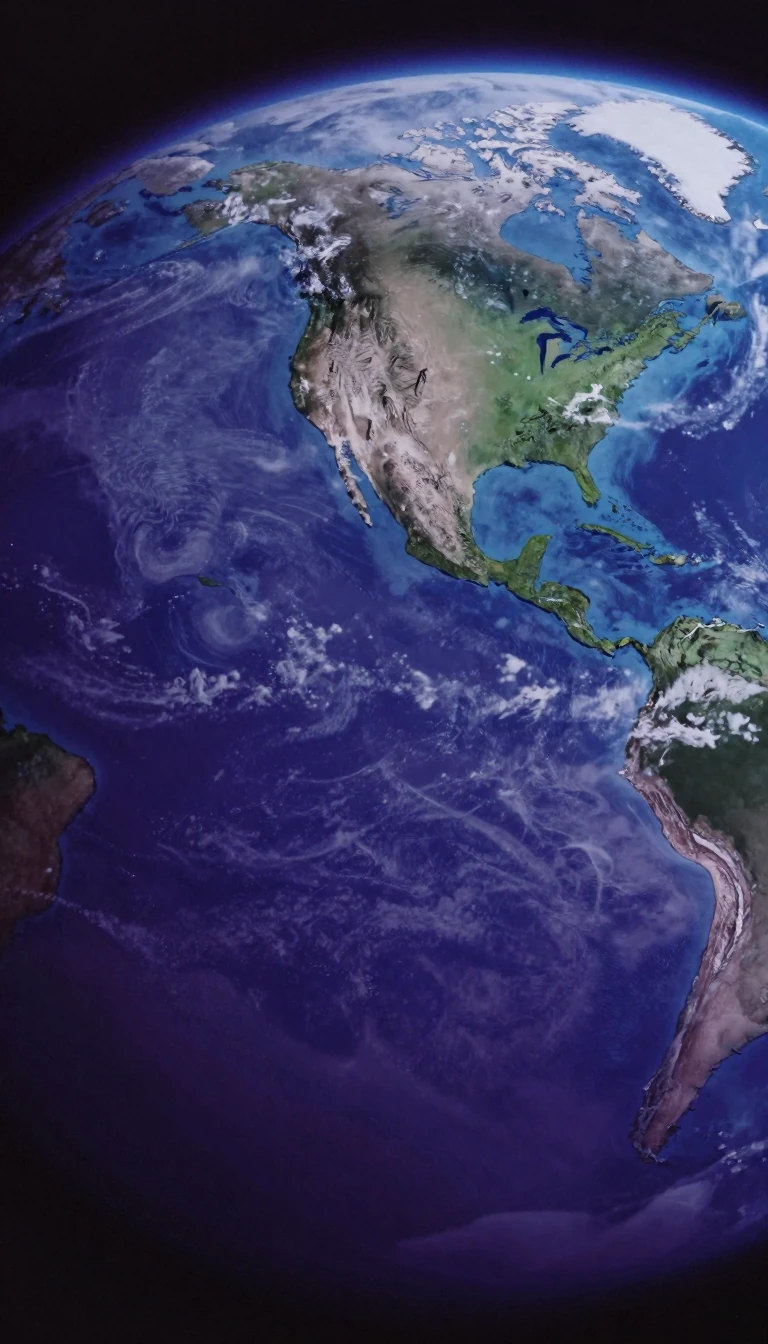 Why these nine remote islands are grouped together by the United NationsThe United States Minor Outlying Islands are not a single territory, but a statistical collection of nine scattered, uninhabited islands. From the Caribbean to the Pacific, these …
 Why the Universal Transverse Mercator system is the world's most precise grid map.The Universal Transverse Mercator system divides the Earth into 60 narrow strips to flatten our curved planet into a usable grid. By applying a specific scale factor, it keeps dis…
 Why every flat map of our round world is technically a lieMapping a sphere onto a flat surface inevitably warps reality. To measure exactly how much a map stretches, shrinks, or twists the world, cartographers use Tissot's indicatrix. Th…
 Tórshavn began as a neutral meeting ground for Viking parliaments without any permanent settlement.Long before it became the capital of the Faroe Islands, the Tinganes peninsula was a neutral, uninhabited site where Viking settlers gathered each summer to hold their parliaments…
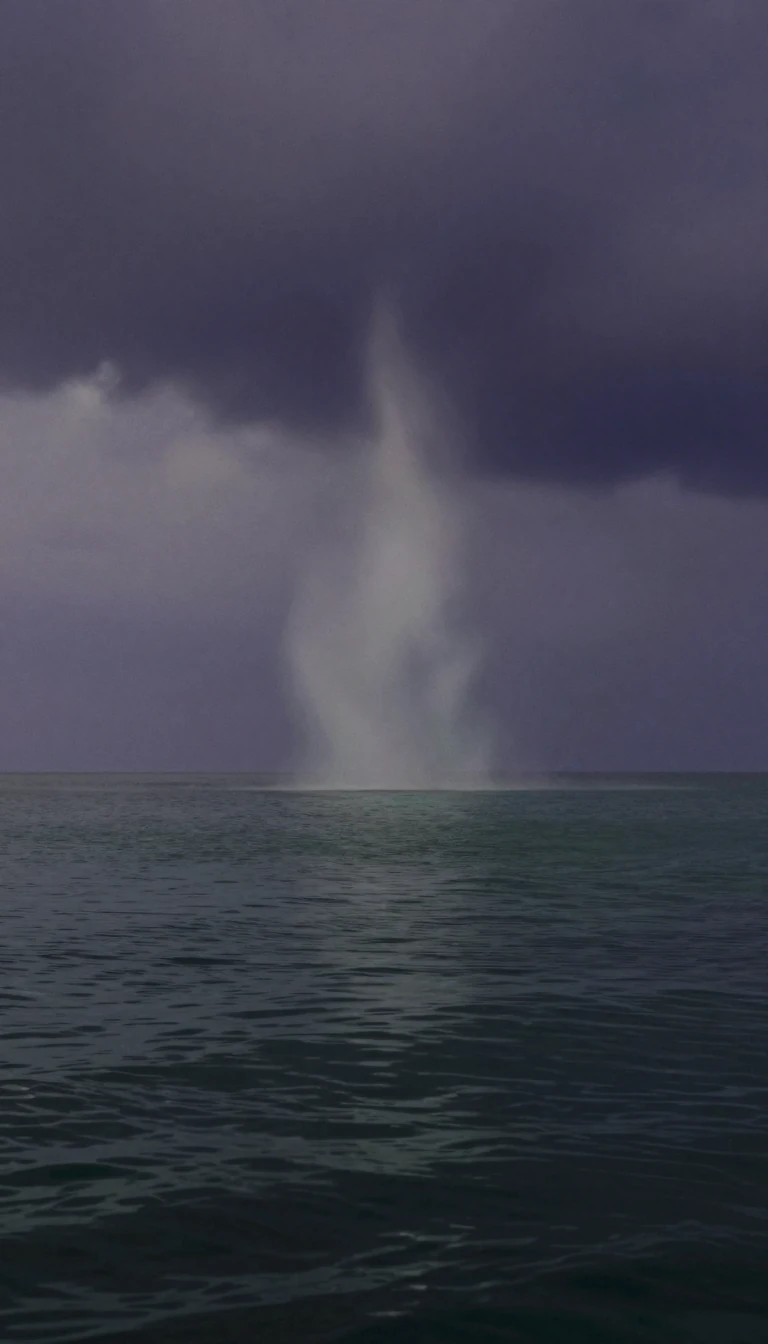 Why the saber-toothed cat did not evolve itself into a starving, toothy extinction.The image of Smilodon as a clumsy predator doomed by its own oversized teeth is a persistent myth. Early 20th-century scientists once argued these cats evolved their signature can…
 Why the world's official prime meridian is actually 102 metres off the markFor a century, the Greenwich meridian served as the global standard for time and navigation. Yet, modern satellite data reveals the historic line is not at zero longitude at all. …
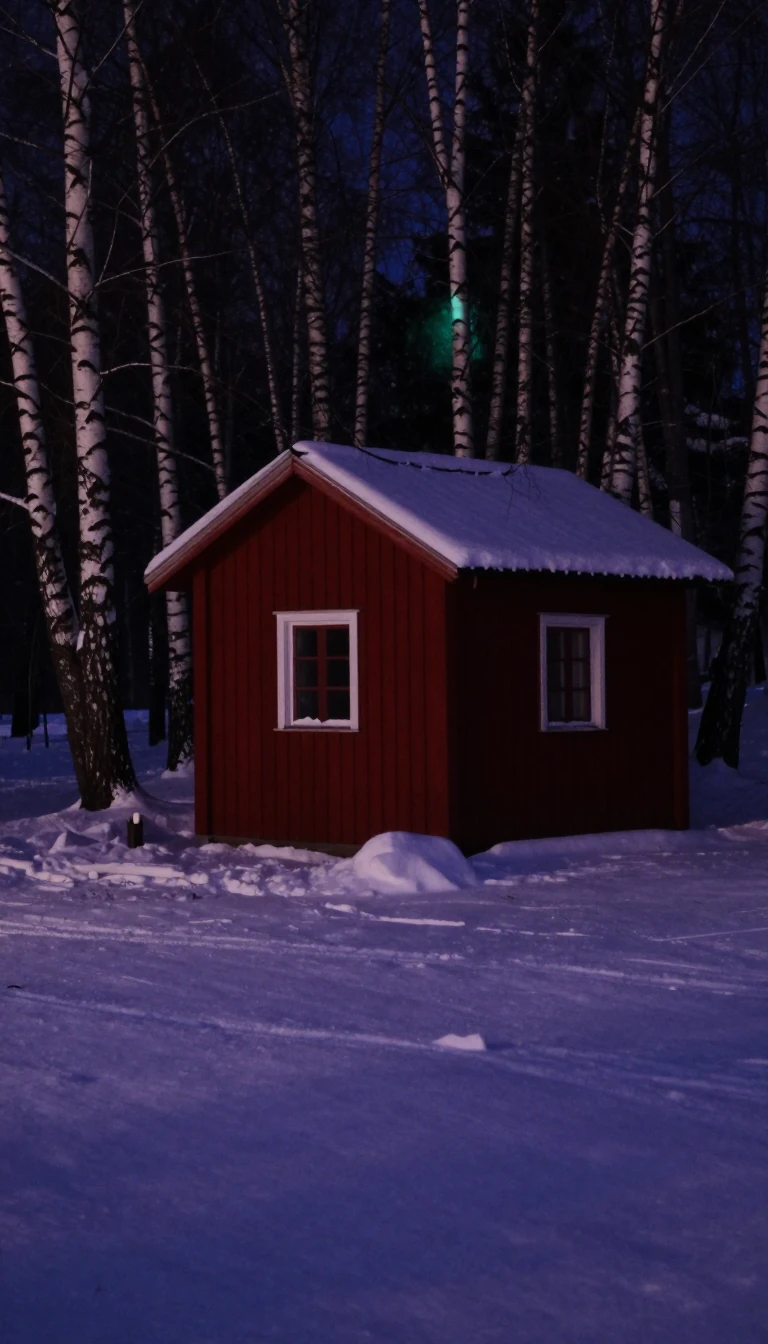 Karelia: A vast, ancient landscape defined by centuries of shifting borders and glacial iceSituated in Russia’s northwest, the Republic of Karelia is a land of 61,000 lakes and dense taiga. Once a strategic prize fought over by Sweden and Novgorod, this region—home to t…
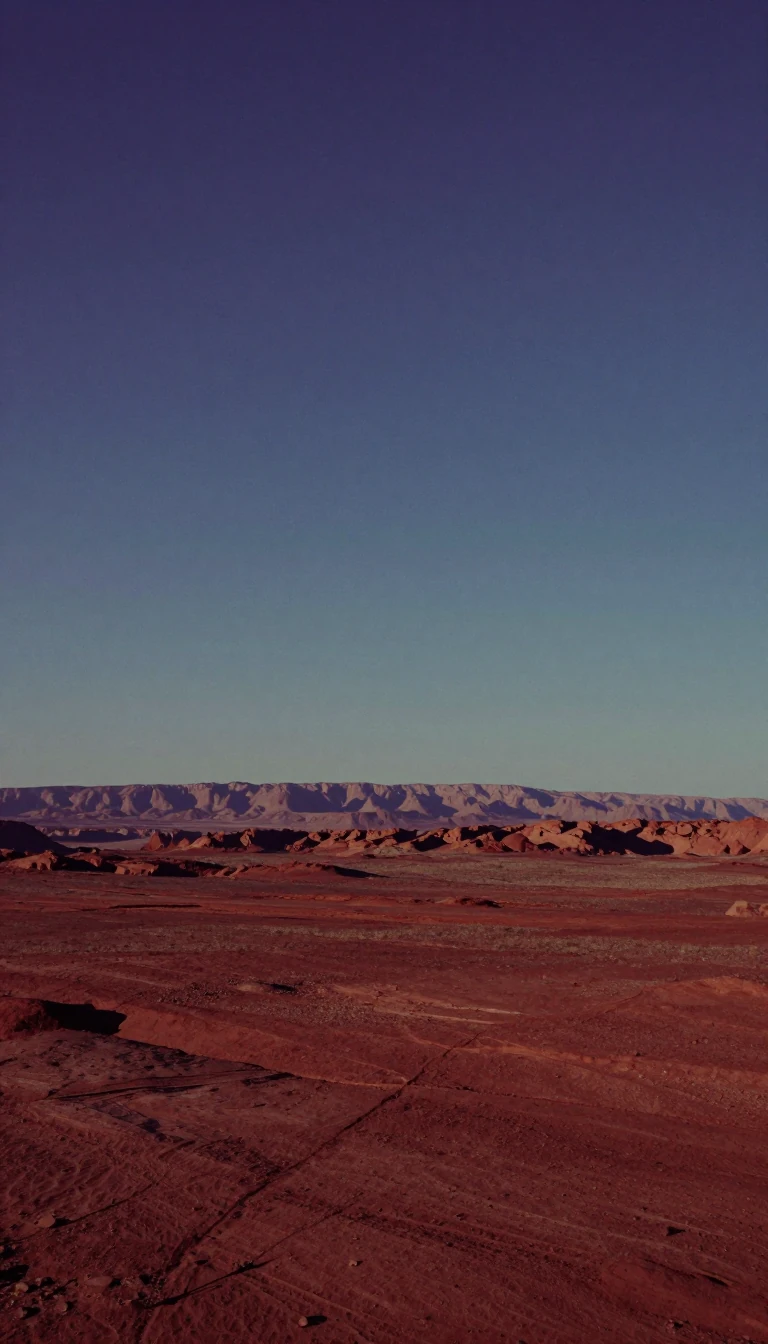 Before the continents we know, Earth was united as the supercontinent Rodinia.Long before complex life walked the land, Earth’s crust gathered into a single, barren supercontinent called Rodinia. Existing roughly 1.2 billion to 750 million years ago, this m…
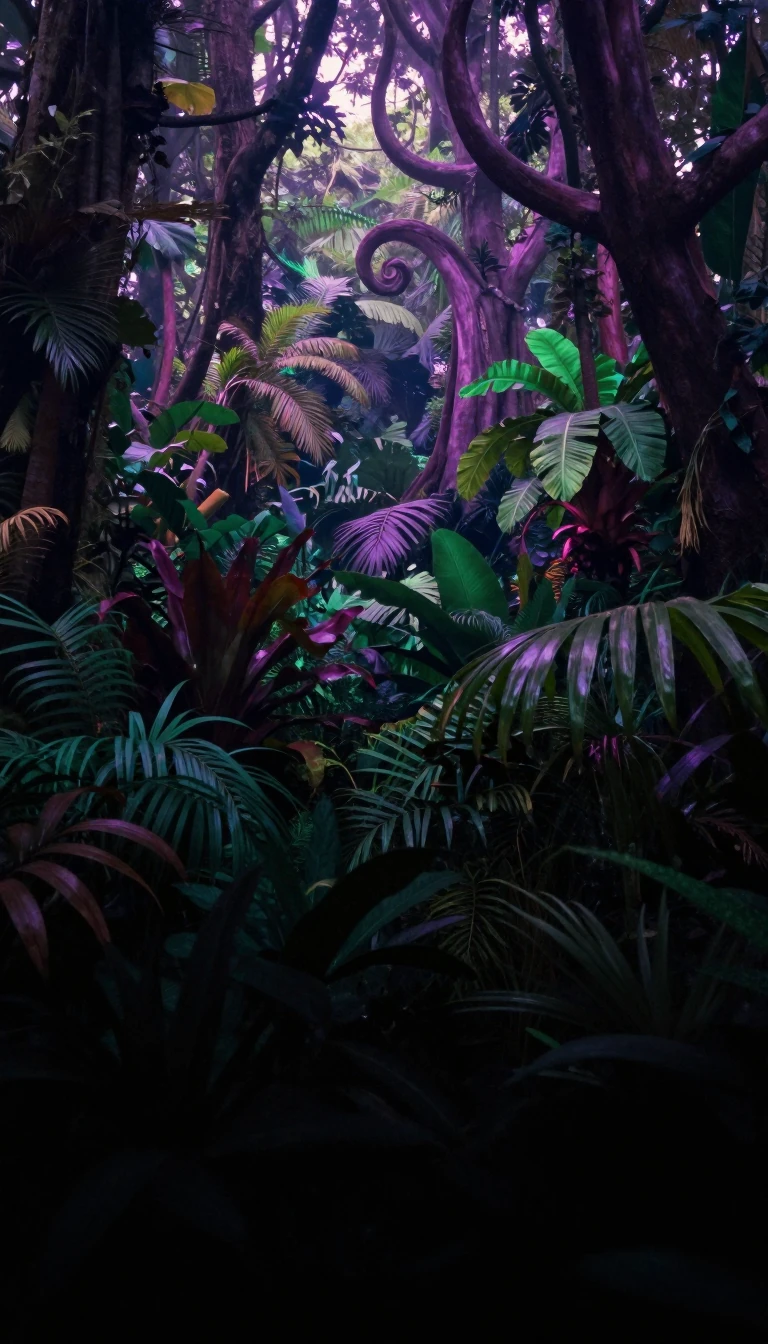 Why this ancient, parasitic tree became one of the world's most expensive commoditiesSandalwood is more than a scent; it is a hemiparasitic tree that has shaped global trade routes for centuries. Prized for its ability to retain fragrance for decades, this slow-gr…
 France is divided into eighteen administrative regions, but they lack their own legislative power.While France is organized into eighteen distinct administrative regions, these entities operate without the authority to create statutory law. From the European Hexagon to oversea…
- The Philippines is divided into 18 regions to streamline national government service deliveryWhile the Philippines is a unified nation, its governance is structured through 18 distinct regions. These administrative divisions act as the primary mechanism for coordinating n…
 National conservatism prioritizes national identity and sovereignty over the tenets of enlightenment liberalism.National conservatism is a distinct political ideology that rejects individualism and the universality of human rights in favor of preserving cultural and national traditions. Oft…
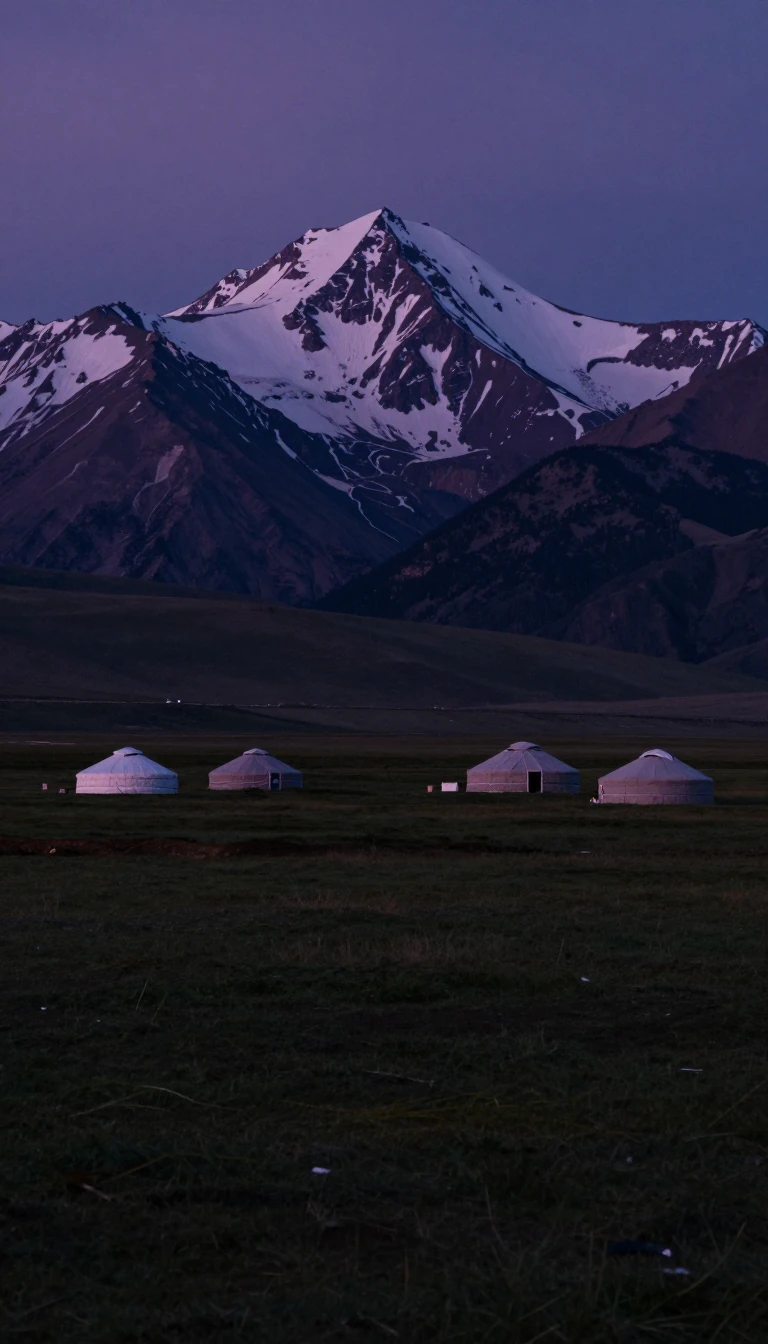 North Asia is a vast, frozen expanse that holds nearly 30% of Asia's land.Covering over 13 million square kilometres, North Asia is the largest subregion of the continent, yet it remains its least populated. Dominated by Russian federal districts and sh…
 Is the Moon actually orbiting the Earth, or is it just a solar companion?While we teach that the Moon orbits Earth, the reality is a complex gravitational dance. The Sun exerts a pull on the Moon more than twice as strong as Earth's, leading some scien…