 Intellect Plus
Countries & Cities
15,124 cards. Each one is a 40-second story with a five-minute read behind it. Page 230 of 253.
Subtopics: Africa · Americas · Ancient cities & ruins · Asia · Australia & New Zealand · Basics · Bodies of water · Canada · Capes · Capital cities · Caribbean & Pacific islands · Castles & palaces · Cathedrals & churches · China · Cities · Countries · Countries and other regions · Countries of the world · Countries: General · Deserts · Eastern Europe · Europe and Russia · Famous landmarks · Famous streets & squares · Flags & symbols · France · Germany & Central Europe · Ghost towns · Greece & Turkey · Historical cities · Historical cities, towns and archaeological sites · India & South Asia · Islands · Isthmuses · Italy · Japan & Korea · Land relief · Major world cities · Maps & cartography · Microstates & enclaves · Middle East · Mountain peaks and volcanos · Mountains · National parks · Non-city settlements · Oceania · Other hydrological features · Other terrestrial features · Parks, preserves, and World Heritage Sites · Peninsulas · Polar regions · Ports & harbours · Regions and country subdivisions · Rivers & lakes · Scandinavia · Seaside towns · South America · Southeast Asia · Spain & Portugal · Technical geography · UK & Ireland: places · UK & Irish cities · United States landmarks · Urban studies and planning · US cities · Vegetation features · World Heritage Sites
 Six centuries in the making, Prague’s St. Vitus Cathedral is a masterpiece of stonePrague’s St. Vitus Cathedral was not built in a day—or even a century. Started in 1344, this Gothic landmark took nearly 600 years to complete. From its innovative net-vaulted cei…
 Germany's sixteen states are not just administrative divisions but the architects of the nation.Unlike many federations where a central government defined its regions, Germany was built from the bottom up. Its sixteen states, or Länder, are the primary political units that f…
 The Sovereign Order of Malta is a nation-state without a single inch of territory.The Sovereign Military Order of Malta is a Catholic religious order that functions like a country. Despite lacking national territory, it maintains diplomatic relations with 115 s…
 How Australia’s multicultural broadcaster evolved from experimental ethnic radio to a national media powerhouse.Born in 1975 to serve post-war migrants, the Special Broadcasting Service (SBS) began as two experimental radio stations in Sydney and Melbourne. Today, it stands as a unique publ…
 How a nineteenth-century fur trading post transformed into the heart of the Inland Northwest.Spokane began as a remote fur trading outpost in 1810, but evolved into a major rail hub and the birthplace of Father's Day. From surviving a devastating 1889 fire to hosting the …
 How a 2002 space opera pioneered the digital filmmaking revolution that changed Hollywood foreverStar Wars: Episode II – Attack of the Clones was the first major motion picture shot entirely on high-definition digital cameras. This technological leap forced a massive shift in…
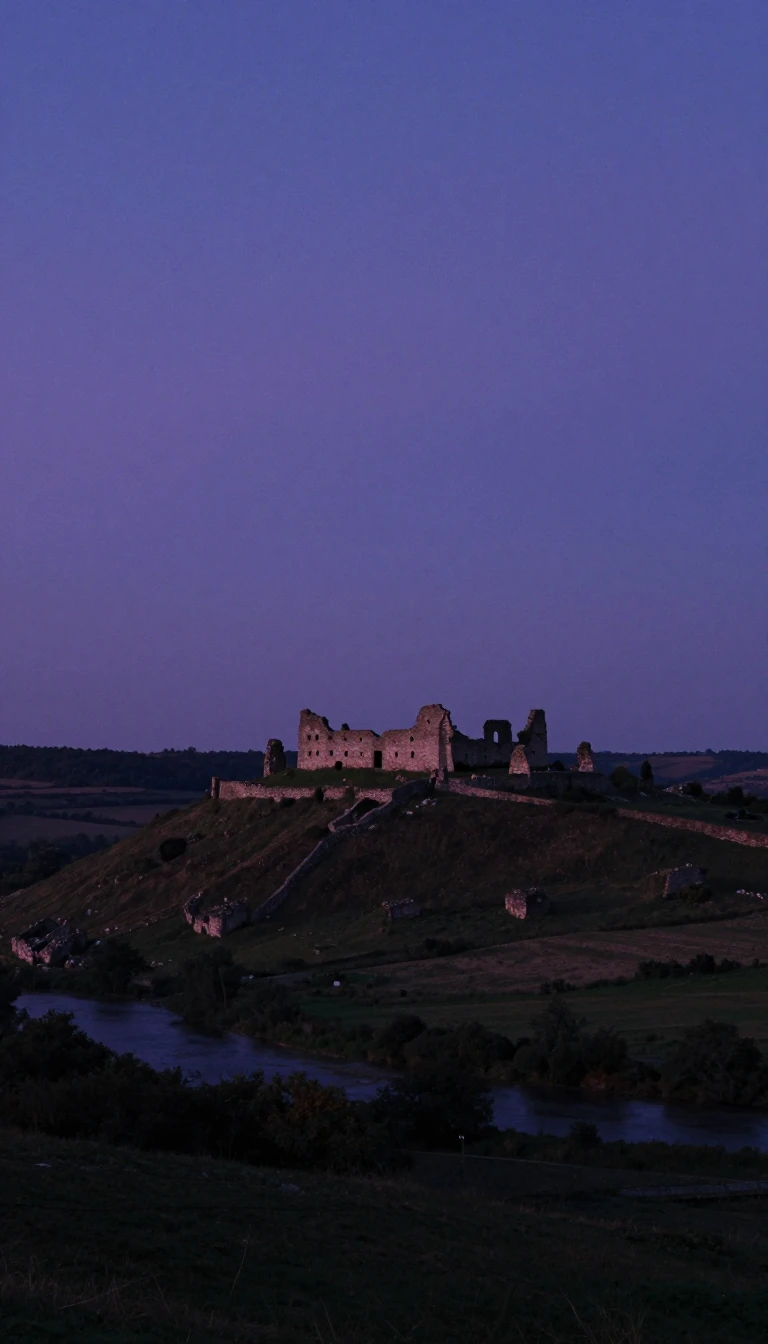 From 584 Imperial States to 36 Modern Entities: The Evolution of India's MapModern India is a federal union of 28 states and 8 union territories, but its administrative architecture is the result of a complex historical transformation. From the British Ra…
 How an Indonesian airport became a garden sanctuary for millions of global travelersSoekarno–Hatta International Airport is more than a transit hub; it is a sprawling architectural experiment. By blending modern engineering with traditional Javanese design and lu…
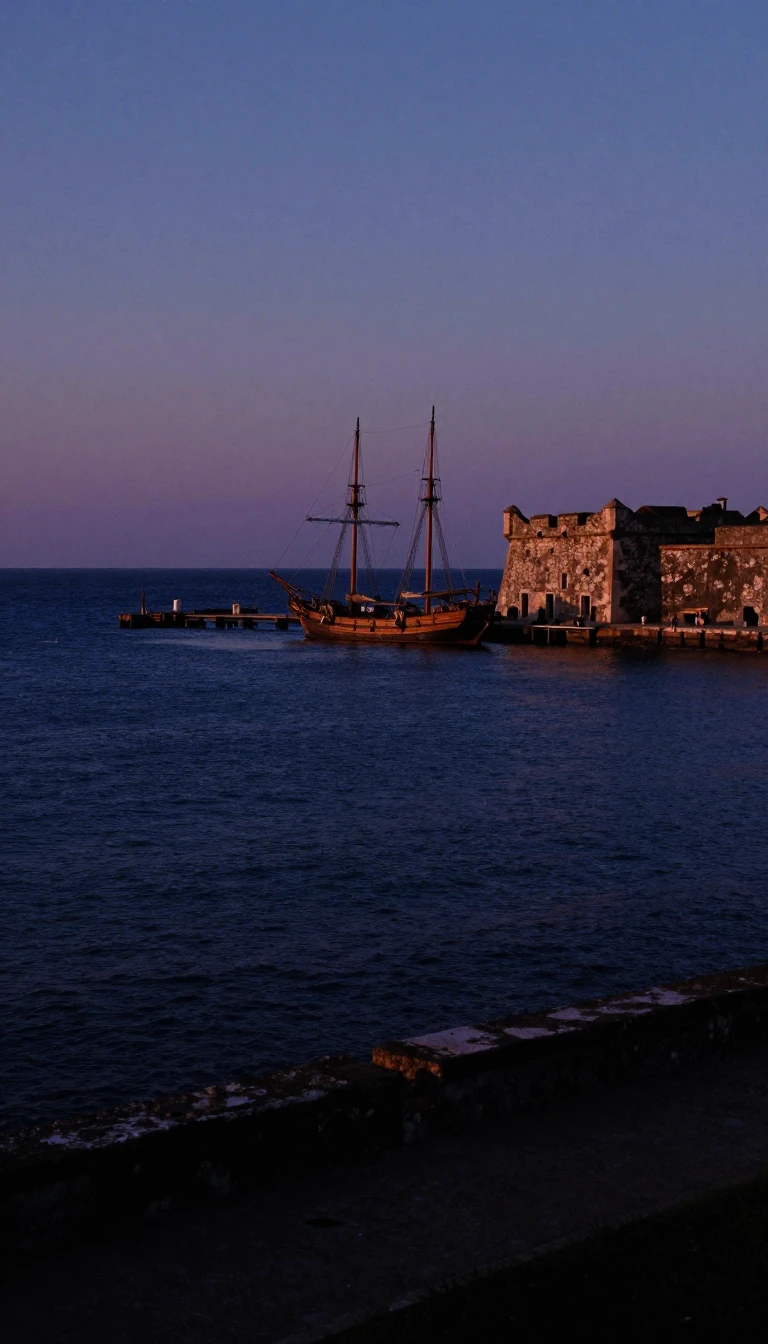 The Spanish seaside resort that rose from the ashes of total destructionToday, San Sebastián is a premier destination for culture and tourism. Yet, this Basque jewel has survived everything from Paleolithic hunters and Roman settlements to being burnt…
 How your family's social and economic standing shapes your brain, health, and futureSocioeconomic status is more than just a bank balance. It is a complex measurement of wealth, education, and occupation that dictates everything from your vocabulary size at age t…
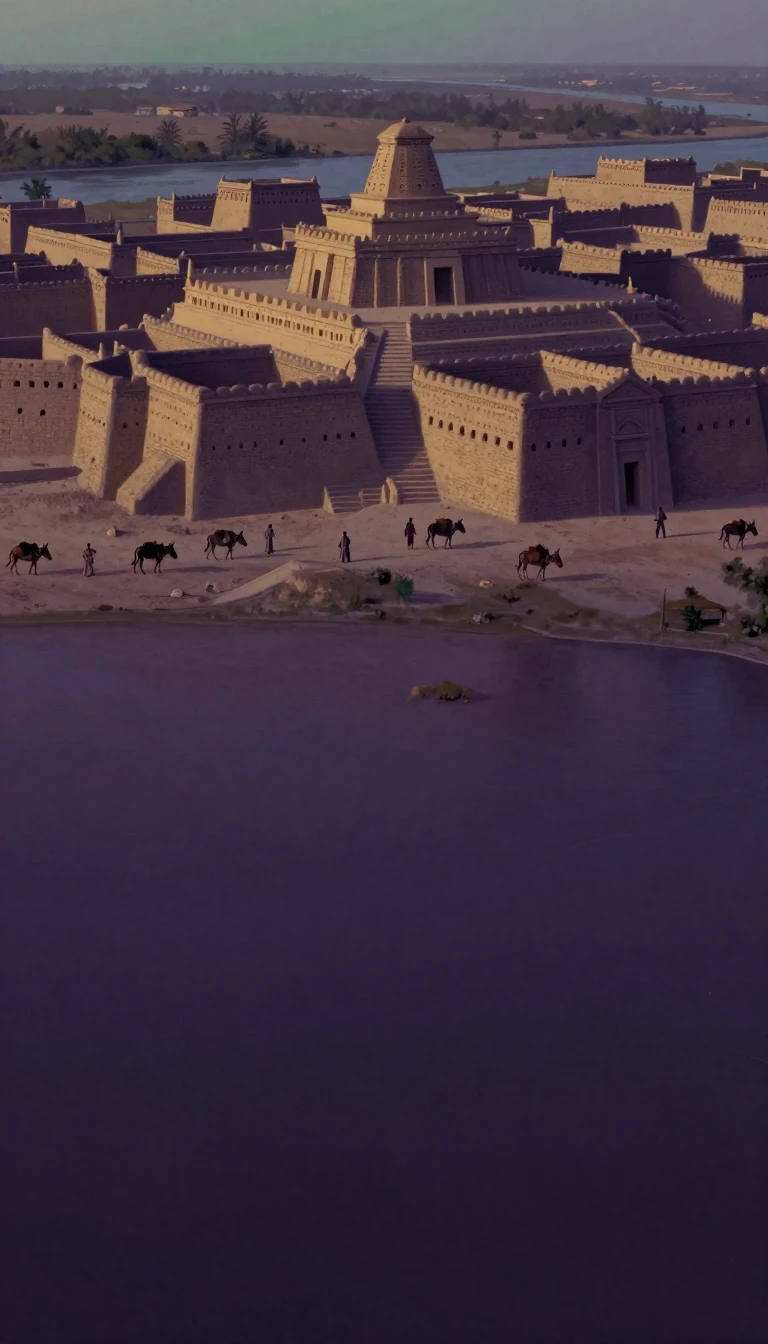 Why cities across the globe are formalizing long-distance relationships with one anotherFrom ancient roots to modern diplomacy, town twinning connects distinct municipalities through cultural, commercial, and political bonds. While these agreements often foster frien…
 Skardu: The High-Altitude Gateway to the World's Most Formidable Mountain PeaksPerched 2,500 metres above sea level in a valley carved by ancient glaciers, Skardu serves as the primary base for mountaineers tackling the Karakoram range. This historic city, o…
 How a 1940s film studio evolved into a global television production powerhouseSony Pictures Television began as a small venture in 1947, eventually growing into one of the world's largest content producers. By aggressively acquiring international production…
 How a regional syndicate became the world's most powerful drug trafficking organizationBorn in the mountains of Mexico, the Sinaloa Cartel evolved from a small cannabis smuggling operation into a global powerhouse. By decentralizing its command structure and masteri…
 Why the American shopping mall became a victim of its own massive successThe enclosed shopping mall was designed to be a suburban paradise of climate-controlled retail. Yet, after decades of explosive growth, the United States now faces a glut of empty…
 Siena: The Medieval Banking Powerhouse That Still Races Horses Through Its Ancient StreetsSiena is more than a Tuscan postcard. It is a city defined by its medieval banking roots, a world-class artistic legacy, and a fierce, ward-centric culture that continues to manif…
 The ancient Indus Valley civilization left a legacy that still defines modern Sindhi identity.Sindhis are an Indo-Aryan ethnic group with roots in the Indus Valley, one of history's earliest cradles of civilization. From the ruins of Mohenjo-Daro to the modern diaspora, th…
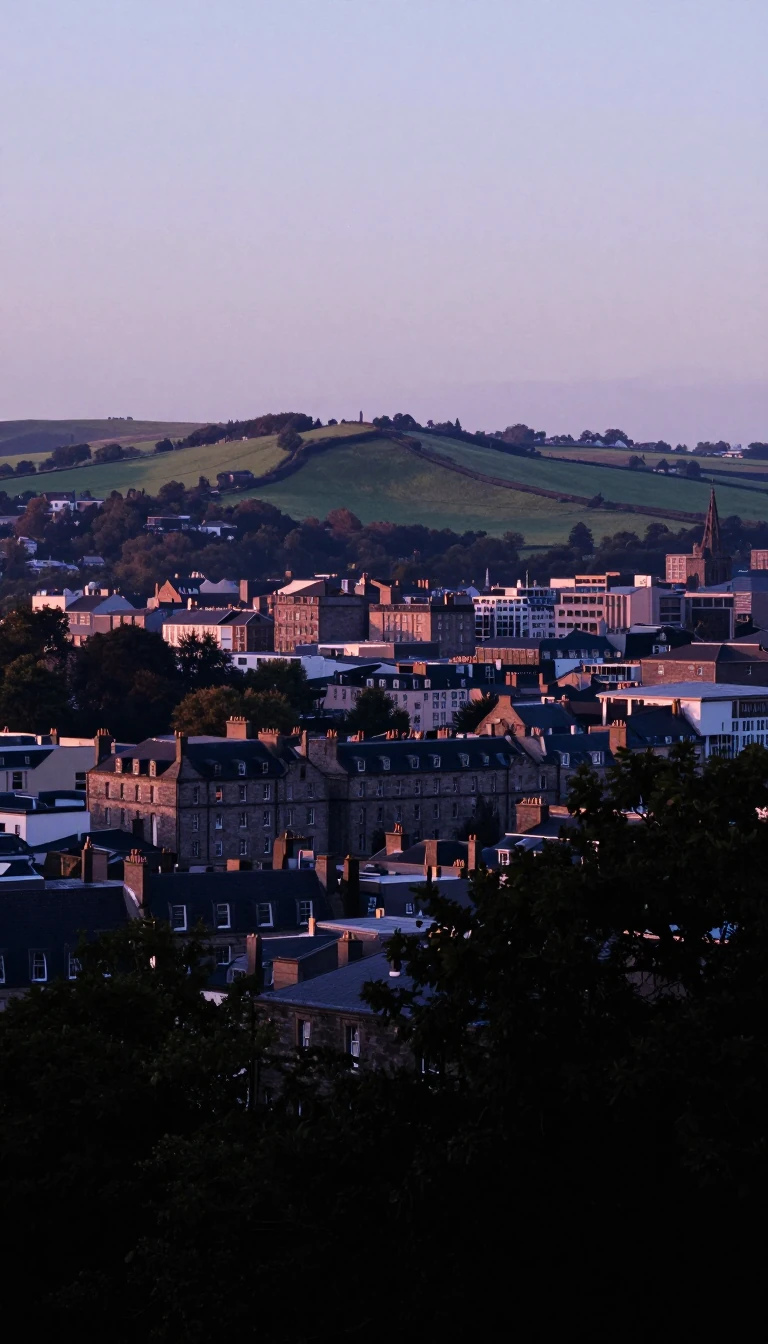 Why your city's status is likely based on arbitrary definitions rather than actual sizeWe classify settlements into hierarchies to organize our world, yet these labels are often inconsistent. From ancient cathedral cities to modern megacities, the criteria for what …
 Sevastopol: The ancient port city that became a flashpoint for modern global powerFounded by Catherine the Great in 1783, Sevastopol has served as a critical naval base for centuries. From its origins as an ancient Greek outpost to its role as a closed Soviet c…
 How a remote Tibetan town was rebranded to match a fictional paradiseIn 2001, the Chinese government renamed the county of Zhongdian to Shangri-La, hoping to capitalize on the fame of James Hilton's 1933 novel, Lost Horizon. Today, this high-altitu…
 From feudal fortress to global icon: the century-long transformation of Tokyo's Shibuya wardOnce a quiet town on the Oyama Road, Shibuya has evolved into a pulsating commercial hub. Famous for its scramble crossing and the loyal dog Hachiko, this Tokyo ward is currently …
 How a remote Himalayan village became the summer capital of the British EmpirePerched on a ridge in the Himalayas, Shimla transformed from a collection of small hamlets into the prestigious summer capital of British India. Renowned for its colonial architec…
 How a philosophy professor’s Maoist vision sparked a brutal two-decade war in PeruFounded in 1969 by Abimael Guzmán, the Shining Path sought to replace the Peruvian state with a Maoist New Democracy. By blending indigenous Incan mythology with radical communist…
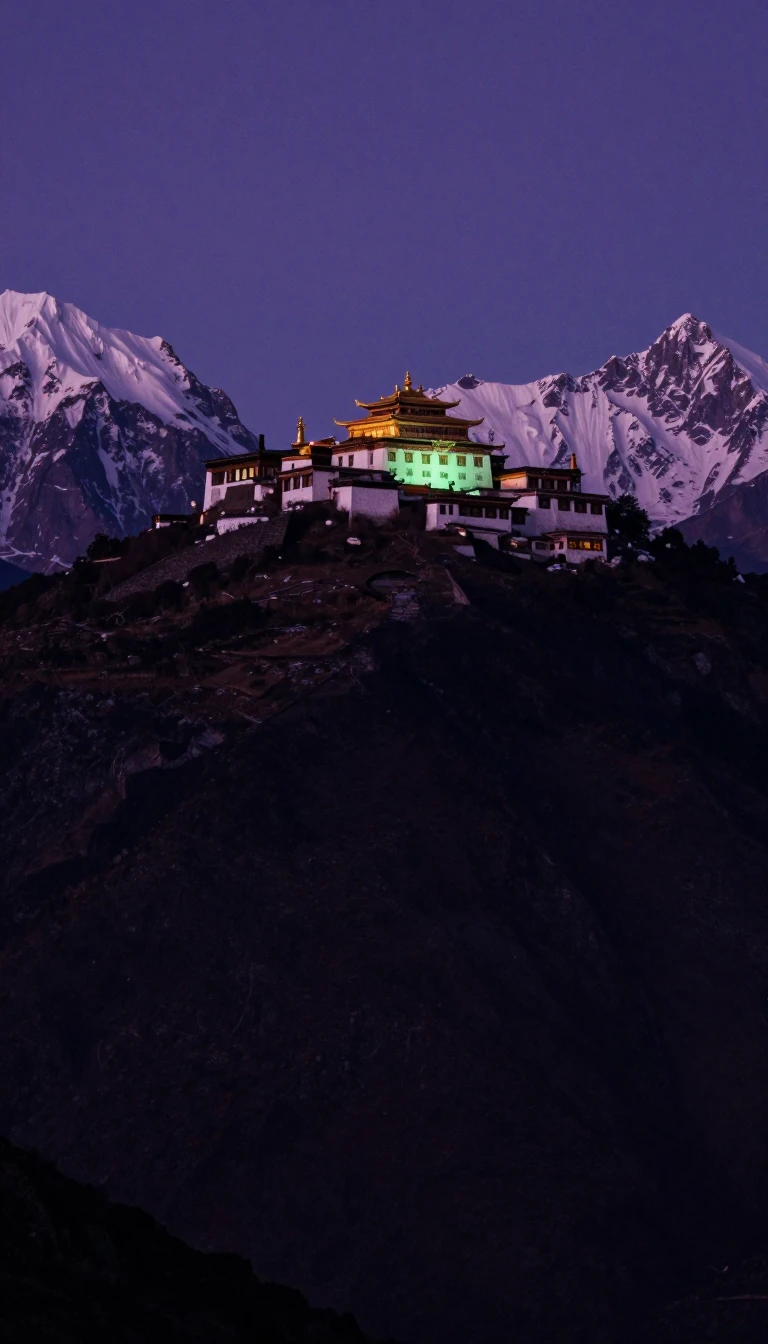 Shigatse: The Tibetan Plateau City That Guards the World's Highest PeakKnown as the historical heart of the Ü-Tsang region, Shigatse is Tibet’s second-largest city. Beyond its modern status as a prefecture-level hub, it serves as the traditional seat…
 How a Sicilian Law Professor Became Italy’s Longest-Serving President and Institutional AnchorSergio Mattarella, the first Italian president to be re-elected, has navigated Italy through profound political instability. From his roots in a prominent Sicilian family to his t…
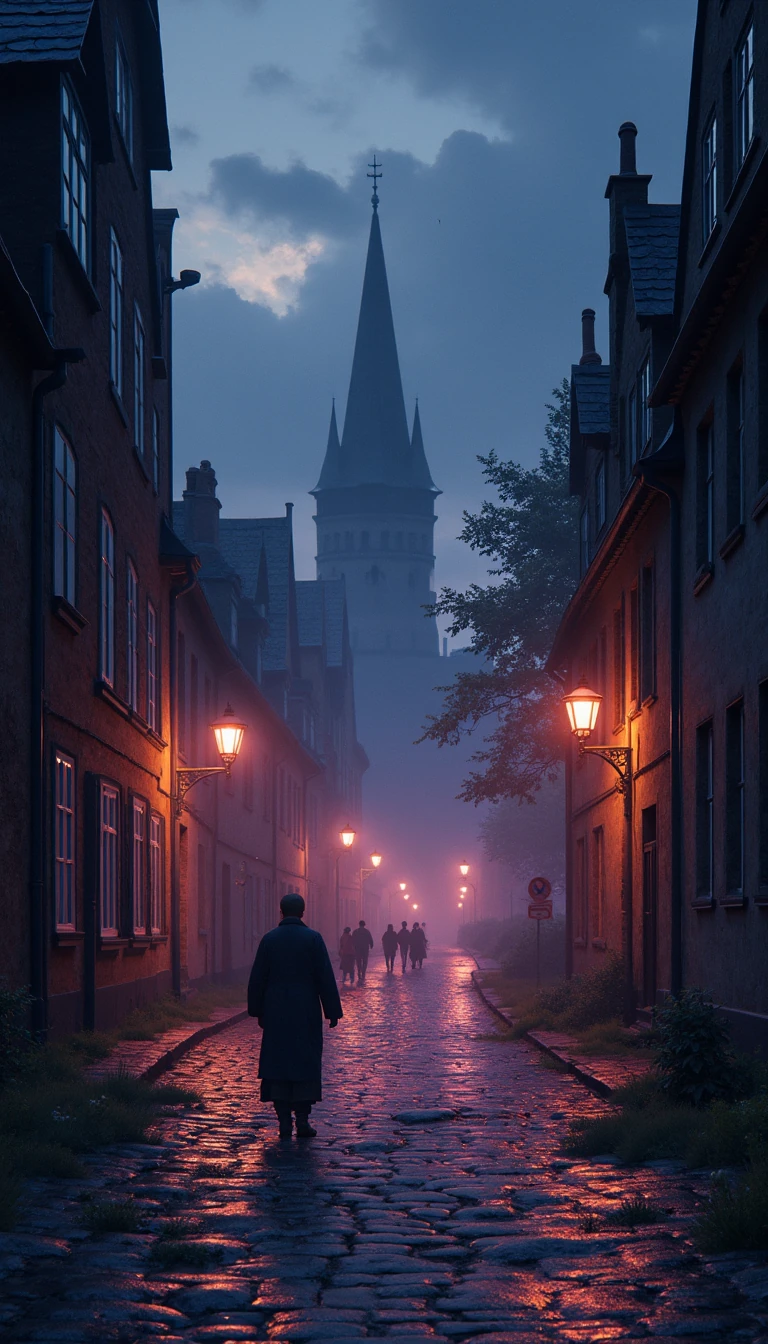 Why Germany's smallest state capital is often labeled its most dangerous citySchwerin is a historic gem of lakes and palaces, yet it once topped German crime statistics. The secret lies not in violent unrest, but in how the city counts its offenses. By inc…
- How a former fishing village became the Atlantic's most resilient, battle-hardened capital citySanta Cruz de Tenerife is more than a Canary Islands hub. It is a city defined by its survival, from repelling legendary British admirals to transforming its landscape through arc…
 How a controversial gangster epic became a cult classic despite its initial critical failureWhen Scarface premiered in 1983, critics panned it as an overblown, violent mess. Yet, this tale of a Cuban refugee’s rise and fall in Miami’s drug trade transformed into a pop cu…
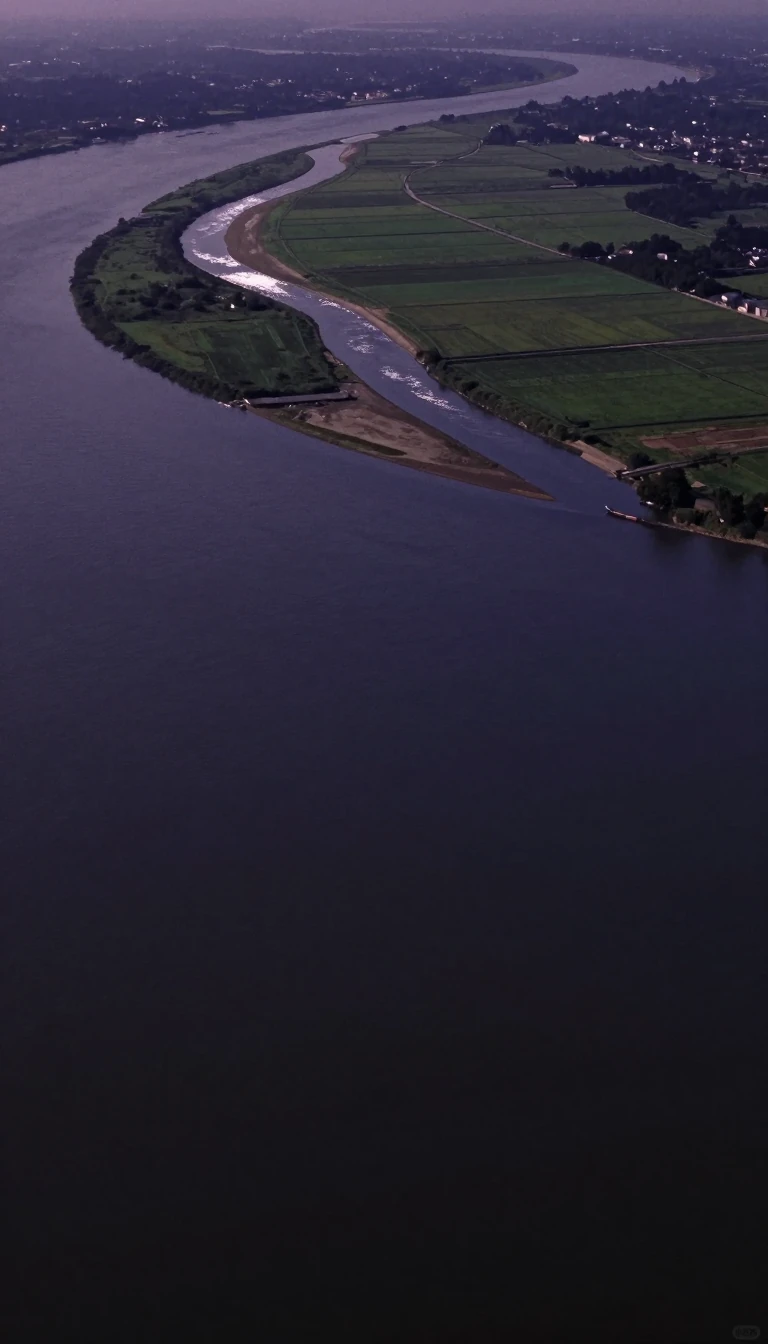 How a Spanish port city transformed from a medieval hub into a smart citySantander is a port city on Spain's northern coast with a history defined by dramatic fires, maritime trade, and rapid reinvention. Once a medieval settlement built around a holy …
 Is the Salafi movement a modern invention or a return to ancient Islamic roots?Salafism is often misunderstood as a monolithic school of law, but it is actually a methodology focused on emulating the first three generations of Muslims. While critics argue th…
 Salt Lake City's grid is a coordinate system designed for easy navigation and growthSalt Lake City is not just a capital; it is a meticulously planned grid where every address acts as a coordinate. Originating from the southeast corner of Temple Square, this syst…
 How a City Manager Used Aggressive Annexation to Build the Capital of Silicon ValleySan Jose transformed from an agricultural hub into a global technology powerhouse through a radical, mid-century growth campaign. By annexing land in narrow, strategic tentacles, …
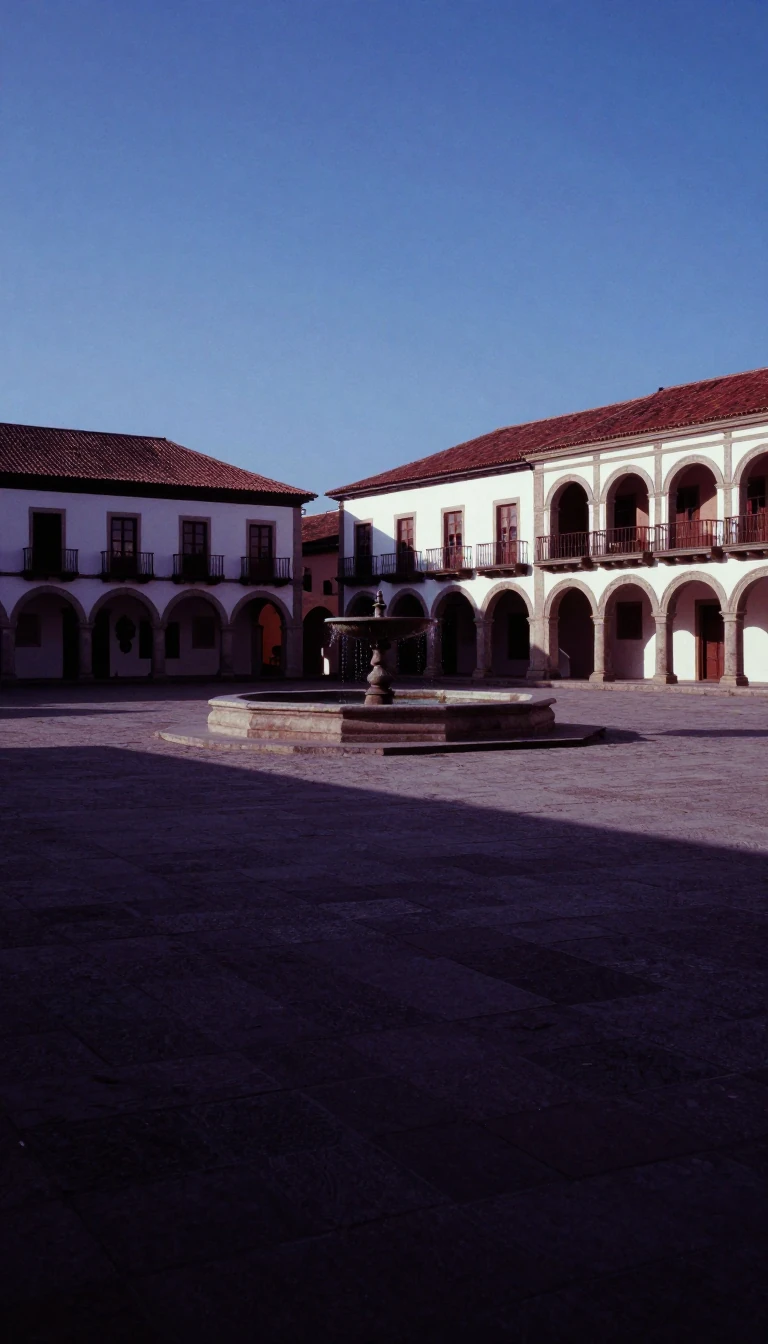 Why a Mexican state was named after a legendary silver mine in BoliviaSan Luis Potosí was founded on the promise of immense mineral wealth, named to honor both a French king and a fabled Bolivian mine. While the dream of rivaling South American rich…
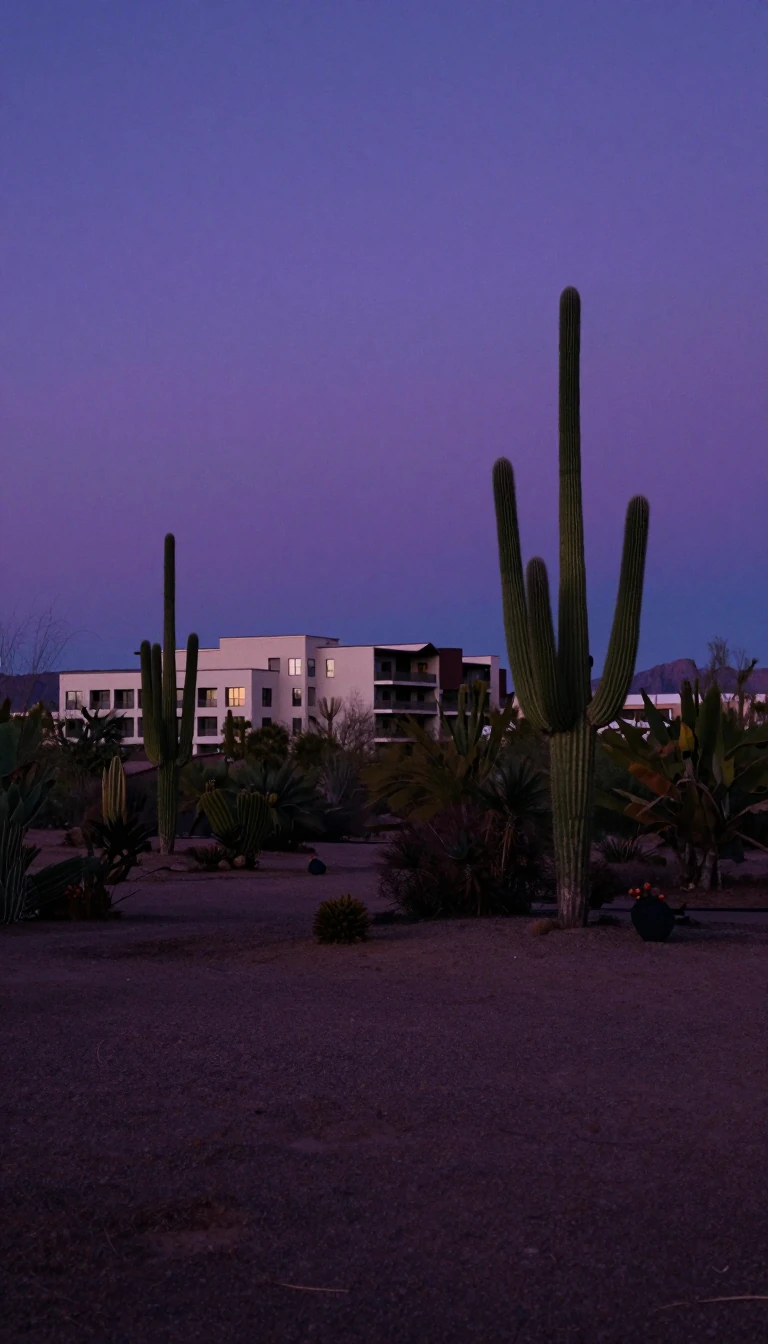 How a near-ghost town became a global sanctuary for artists and retireesOnce a critical military outpost during the Chichimeca War, San Miguel de Allende nearly vanished after a 20th-century pandemic. Its salvation arrived through an unlikely influx o…
- Saarbrücken: A Border City Twice Separated From Germany and Shaped by Industrial MightAs the capital of Saarland, Saarbrücken sits directly on the French border, a location that has defined its turbulent history. Once a powerhouse of the coal and steel industry, th…
 How a dream and a rigorous standard created the most authentic Islamic text.Compiled by al-Bukhari in the 9th century, Sahih al-Bukhari is revered as the most authentic Islamic text after the Qur'an. Driven by a vision of protecting the Prophet from false…
 From Imperial origins to modern challenges: the evolving state of the Russian NavyThe Russian Navy, established by Peter the Great in 1696, has navigated centuries of transformation. Once the backbone of Soviet power, it faced severe decline following the 1991 …
 The first saint of the Americas lived in a room of her own makingBorn in 1586, Isabel Flores de Oliva became the first person from the Americas canonized by the Catholic Church. Known as Rose of Lima, she rejected societal expectations of marri…
 Why the name of Muammar Gaddafi has over one hundred different English spellingsRendering Arabic in the Latin script is a linguistic minefield. Because Arabic is an abjad—a system that typically omits short vowels—transcription often relies on inconsistent, a…
 Rijeka: The Adriatic Seaport That Once Declared War on ItalyNestled between mountains and the sea, this Croatian city has spent centuries as a strategic prize. From Roman fortifications to a brief, flamboyant existence as an independent st…
 How an Italian comedian turned the Holocaust into a global cinematic triumphRoberto Benigni is the only actor to win an Academy Award for a non-English performance, a feat achieved with his 1997 film Life Is Beautiful. Beyond his Oscar-winning work, he is…
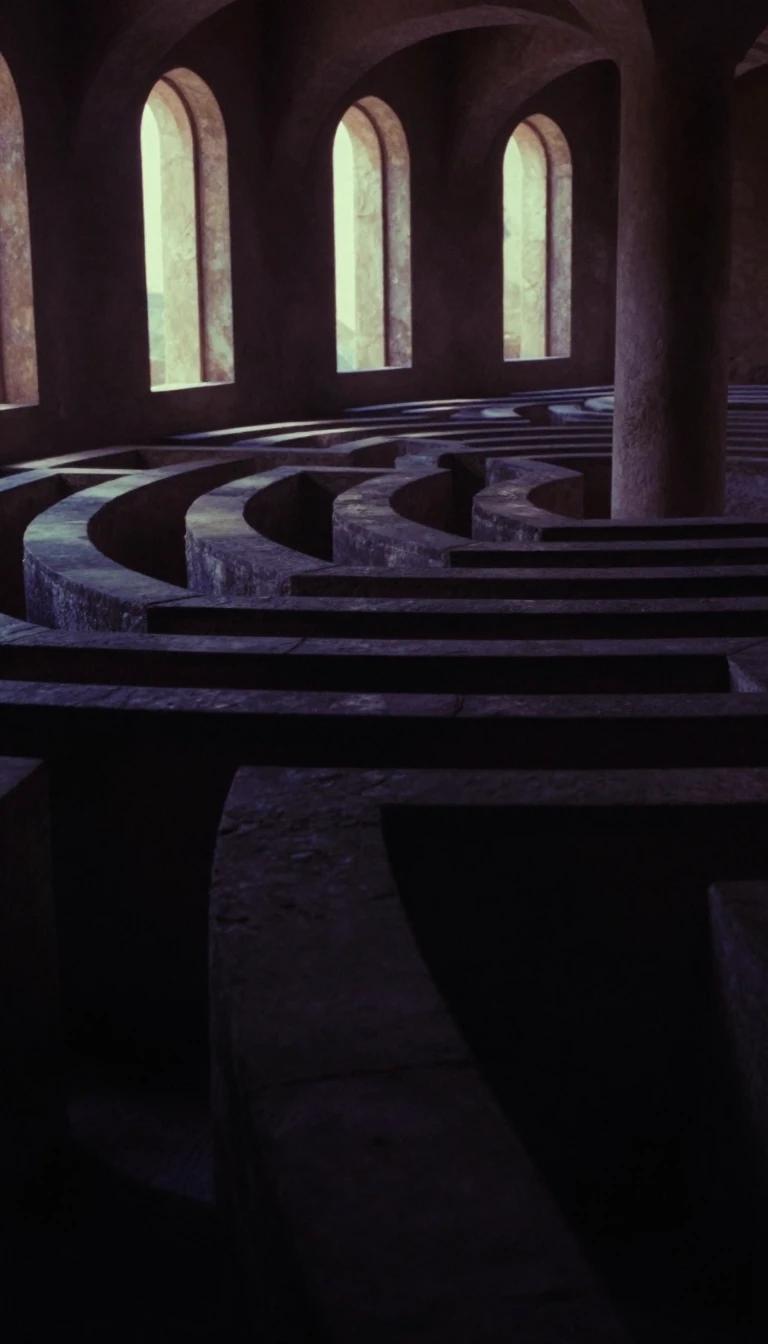 The Royal Palace of Madrid: A Bourbon Masterpiece Built From the Ashes of FireWith 3,418 rooms and over 135,000 square meters of floor space, the Royal Palace of Madrid stands as the largest royal residence in Europe. Rising from the site of a 9th-century f…
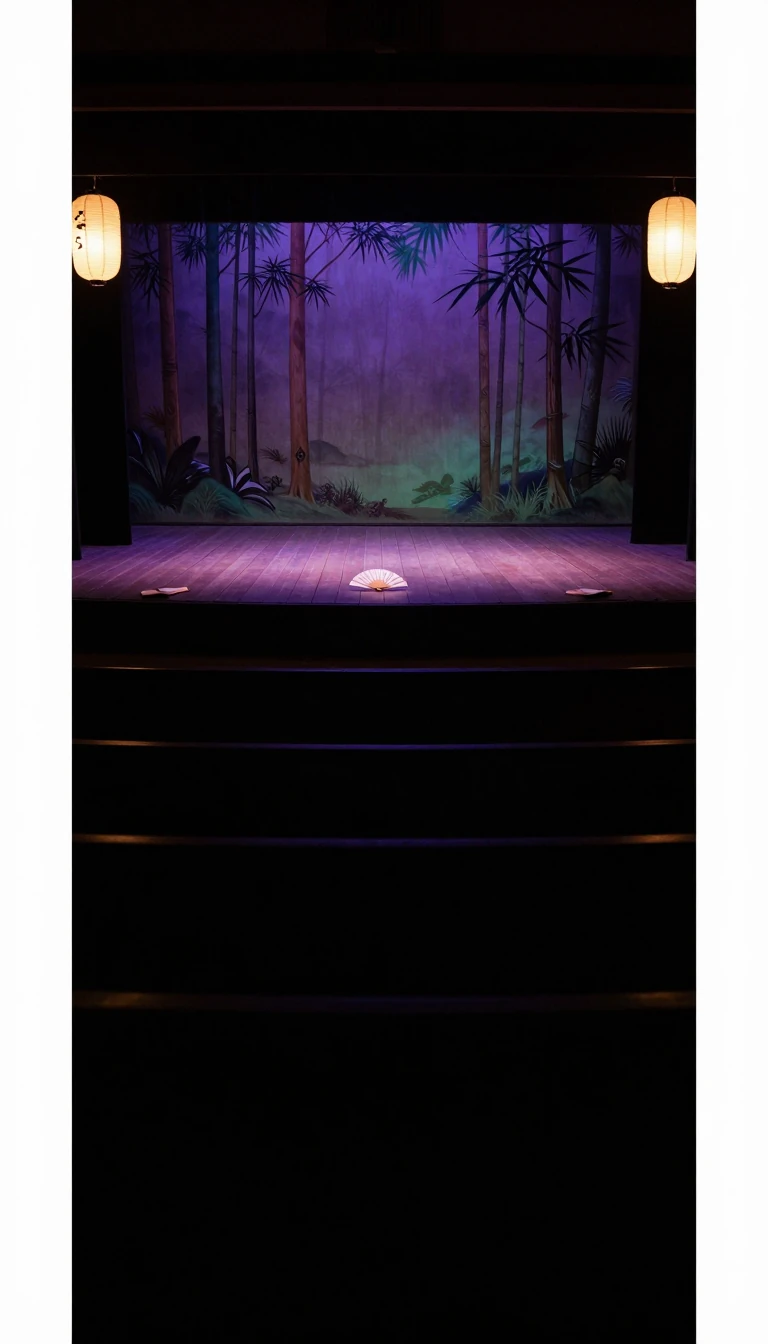 How a single storyteller transforms into a full sitcom using only a fan and cloth.Rakugo is a centuries-old Japanese art of verbal comedy where one performer plays every character in a story. Sitting motionless on a raised platform, the artist uses only a paper…
 Nigeria is a secular state, yet religion defines its social and political landscape.Nigeria holds some of the world's largest Muslim and Christian populations, split roughly down the middle. While the constitution mandates a secular government, the reality is a c…
 Why Real Betis fans cheer for their team even when they loseReal Betis is a club defined by its resilience. With a motto that translates to Long live Betis even when they lose, the team has navigated a century of tumultuous history, econom…
 From Physics Lecturer to India's Defence Minister: The Political Evolution of Rajnath SinghBorn into a farming family in rural Uttar Pradesh, Rajnath Singh rose from a local physics teacher to one of India's most influential political figures. His career spans decades o…
- The Argentine commoner who became the most popular royal in the NetherlandsBorn in Buenos Aires and raised in the Recoleta neighbourhood, Queen Máxima of the Netherlands rose from a career in international finance to the Dutch throne. Her journey, marked…
 Rakhine State: A History of Golden Ages, Colonial Borders, and Modern InsurgencyOnce a powerful maritime kingdom, Rakhine State is now the site of a profound shift in power. As the Arakan Army gains control over nearly the entire region, the state’s complex h…
- How a construction worker became the most influential military strategist in the Middle EastBorn in a remote village, Qasem Soleimani rose from humble beginnings to command Iran's elite Quds Force. As a key architect of regional power, he orchestrated complex military ne…
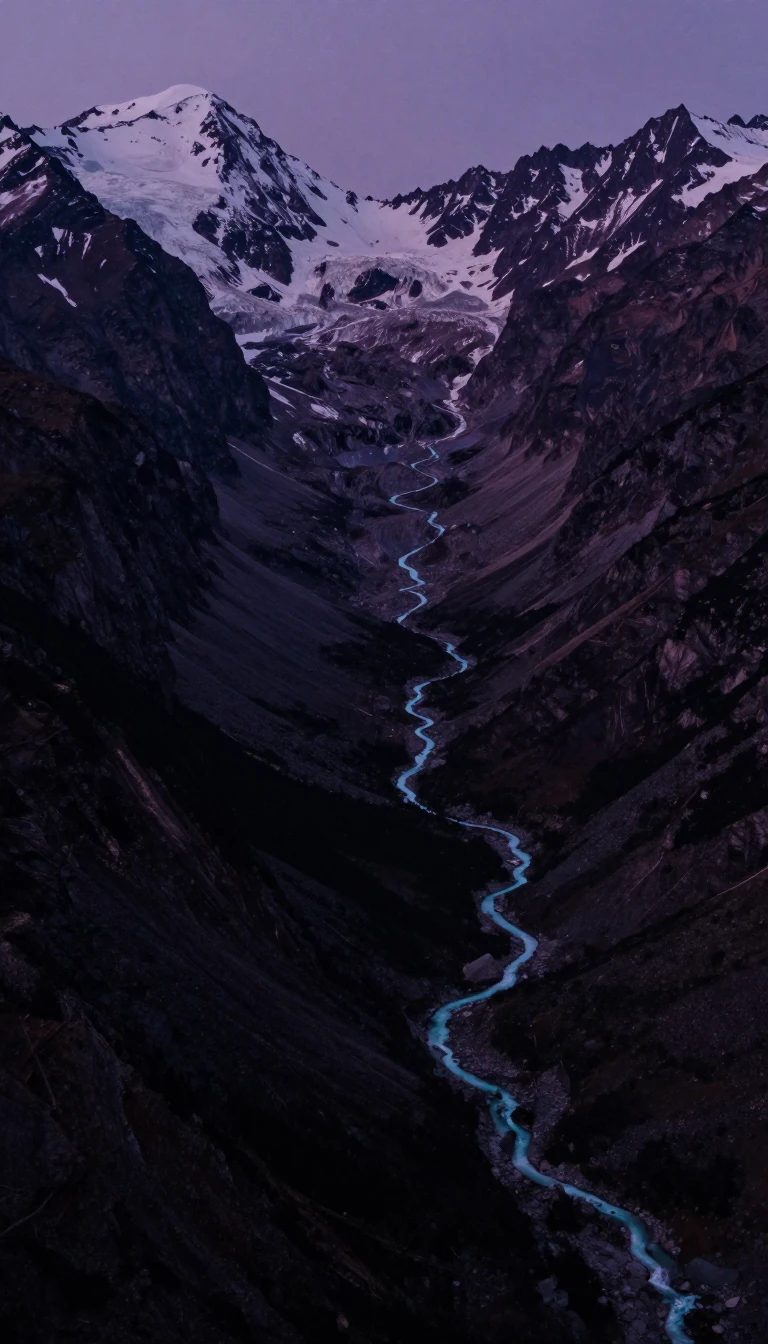 Qinghai: The High-Altitude Heartland Where China’s Three Great Rivers Begin Their Long JourneySpanning the northeastern Tibetan Plateau, Qinghai is China’s largest province by area yet remains one of its least populated. Known for its extreme geography and diverse ethnic t…
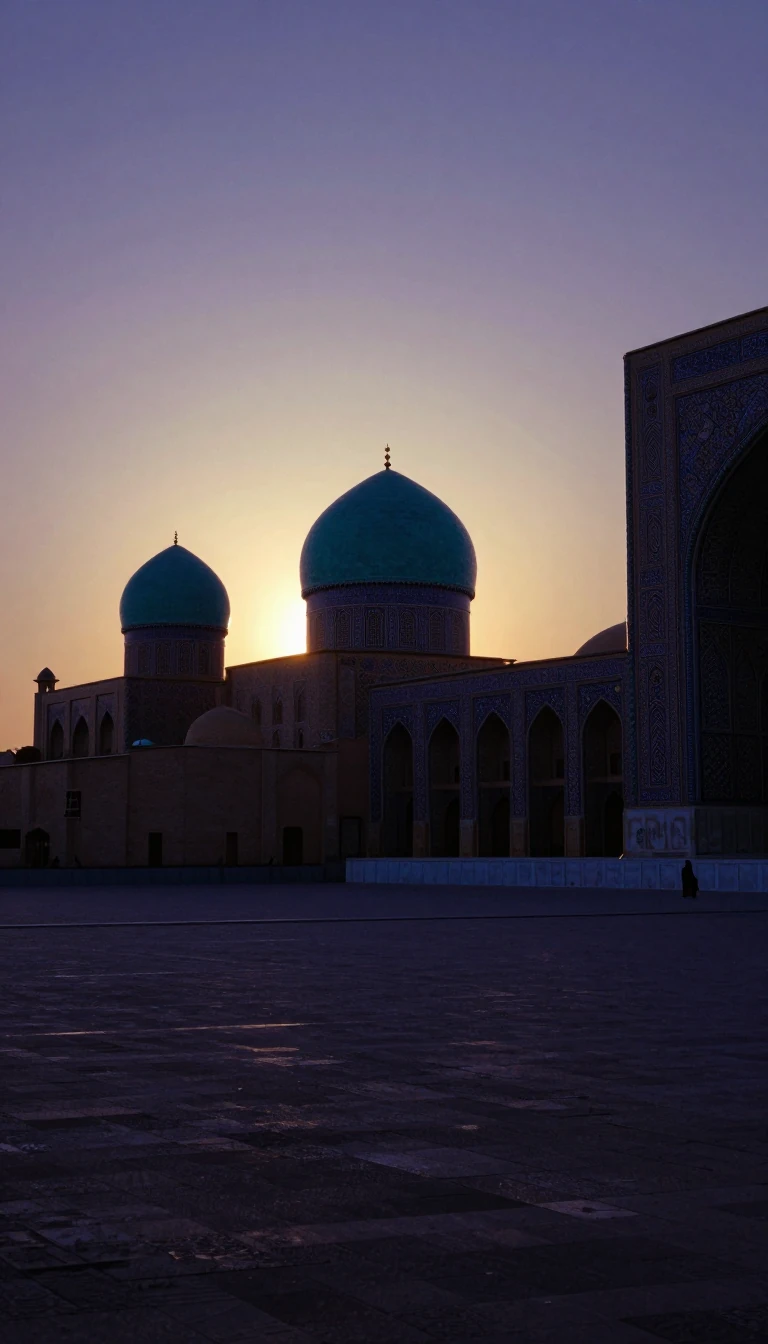 Iran’s modern map is a recent evolution from a complex, centuries-old feudal administrative structure.Today, Iran is divided into thirty-one provinces, each managed by a governor-general appointed by the Minister of the Interior. Yet, this centralized system is a relatively modern…
 How a Trademark Dispute Forced an Irish Retail Giant to Change Its Global NameKnown as Penneys in Ireland, this fast-fashion powerhouse operates as Primark everywhere else. The name change was not a rebranding exercise but a legal necessity born from a 1970…
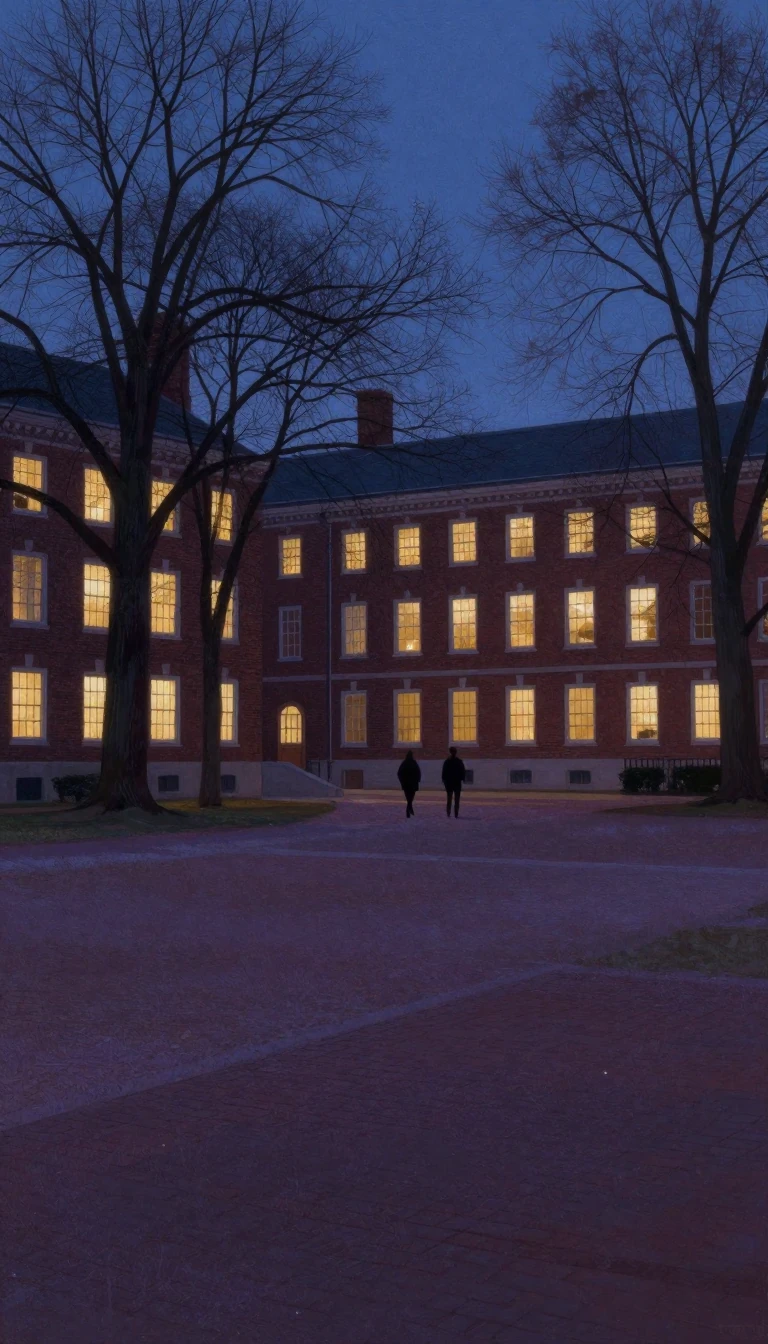 Private universities are not always independent, yet they shape global higher education landscapesWhile private universities operate outside direct government ownership, they are rarely entirely autonomous. From tax incentives to strict regulatory oversight and accreditation r…
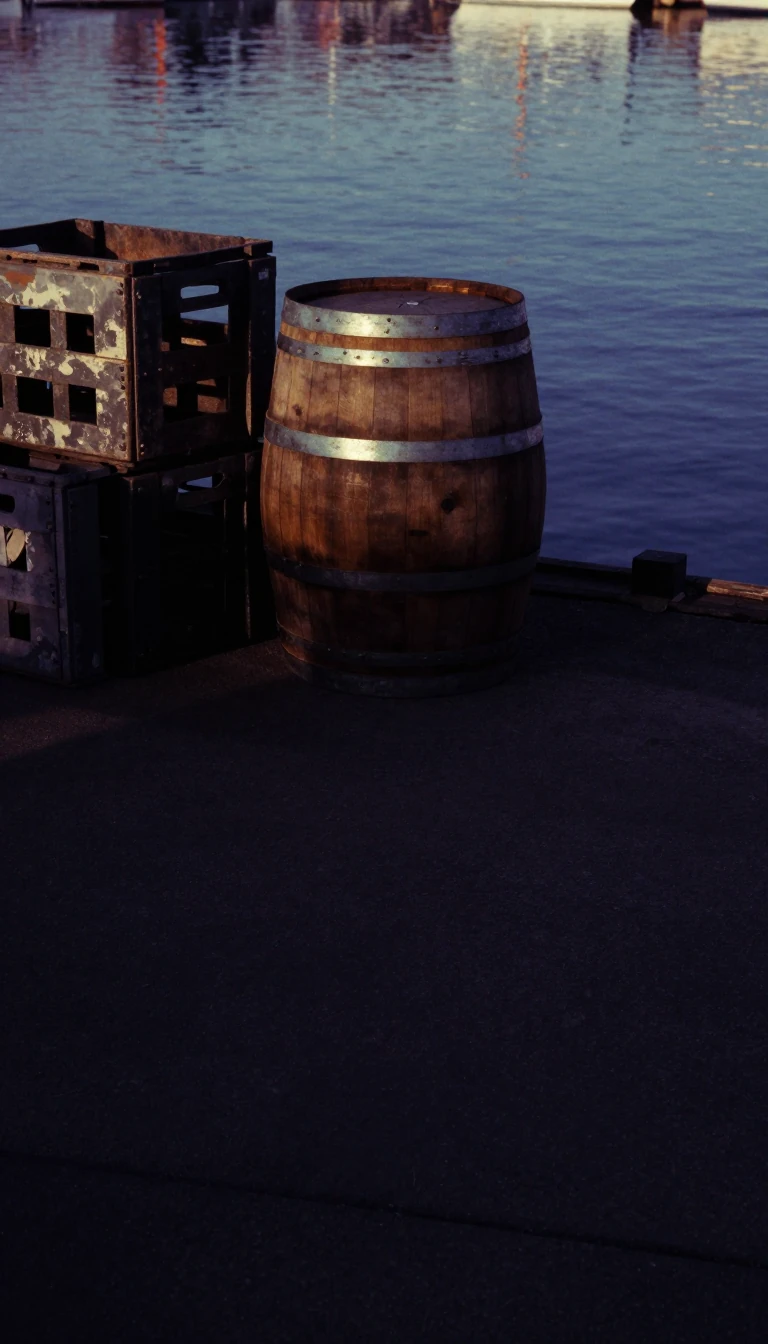 How a banished theologian’s haven became a hub of industry and later a knowledge capitalFounded in 1636 by a religious exile seeking refuge, Providence evolved from a small agricultural settlement into a powerhouse of textile and tool manufacturing. After surviving w…
 Why the capital of the Andaman Islands was recently renamed to Sri Vijaya PuramLong known as Port Blair, this strategic Indian capital city underwent an official name change in September 2024. Beyond its new identity, the city serves as the primary gateway t…
 How a struggling Parisian cemetery became the world's most famous final resting place.Opened in 1804, Père Lachaise was initially a failure, shunned by Parisians who found it too remote and unblessed by the Church. To save it, administrators orchestrated a brillian…
 How a 1921 interstate compact created an infrastructure giant that operates without tax revenue.The Port Authority of New York and New Jersey is a unique bi-state agency that manages the region's most critical transit hubs, from major airports to tunnels and bridges. Establi…
- Japan is divided into 47 prefectures, but they are not all the same type.While Japan is a unitary state, its 47 prefectures represent a complex administrative history. From the urban fu of Osaka and Kyoto to the unique metropolis of Tokyo and the north…
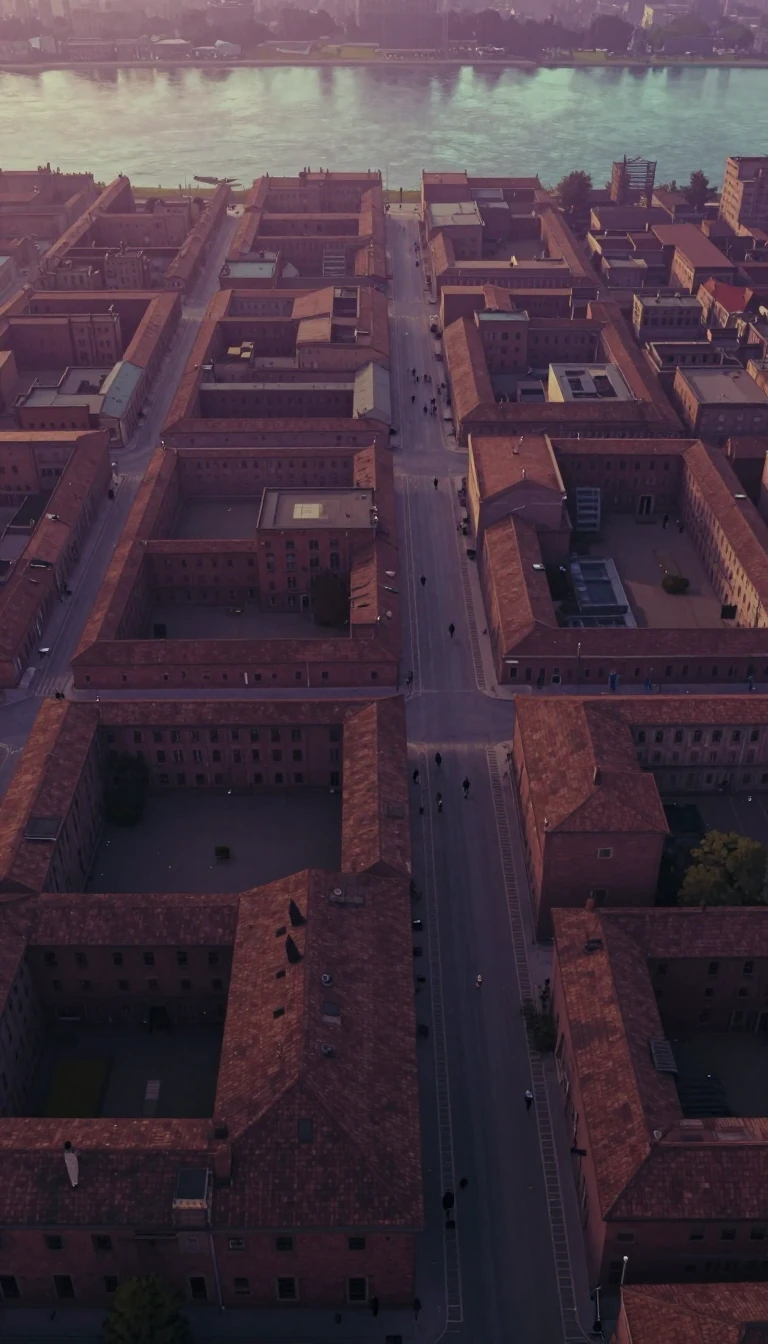 From Ancient Egypt to Modern Tech Hubs, Why Do We Build Cities From Scratch?A planned community is not an organic growth but a deliberate design from its inception. While we often associate these projects with modern, futuristic capitals, the practice of …
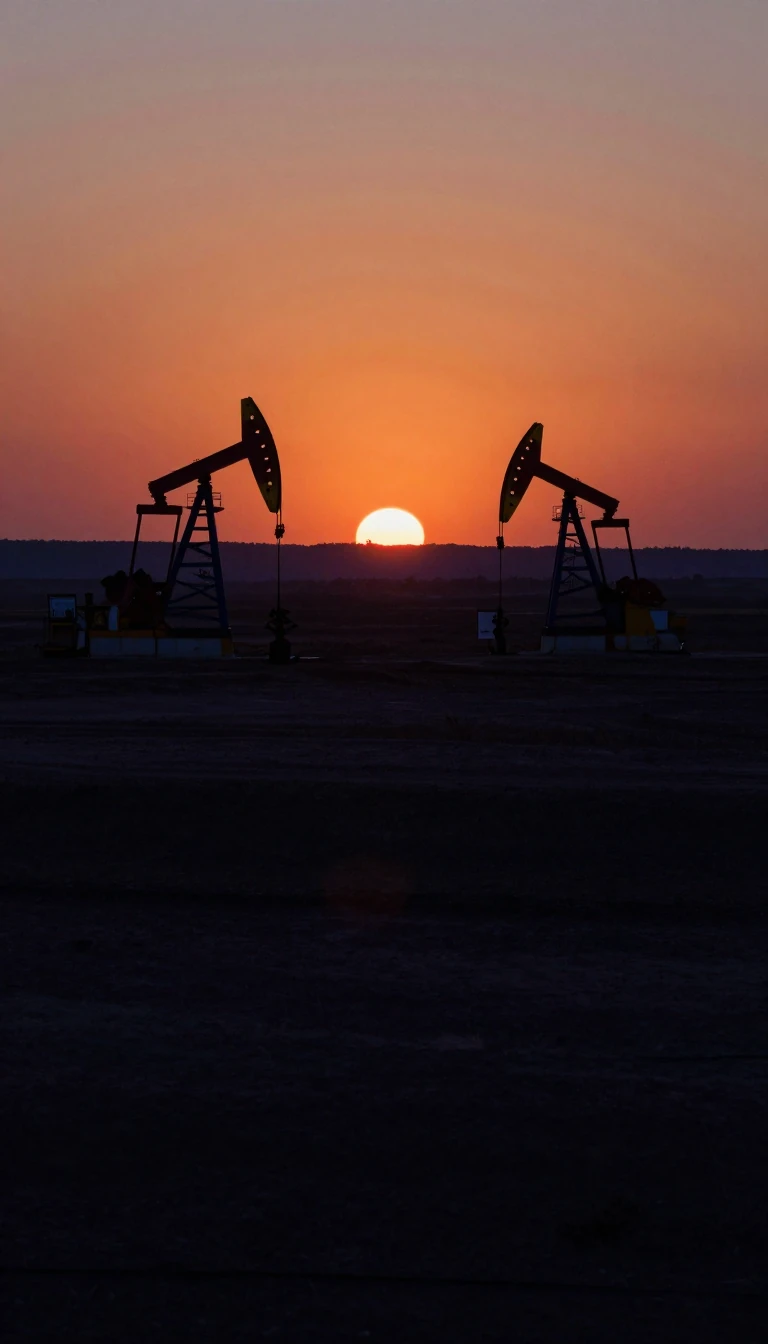 How a 19th-century lighting fuel transformed into the world's most valuable industrial commodityPetroleum is the lifeblood of modern civilization, powering everything from global transport to the synthesis of plastics and pharmaceuticals. While humans have utilized unrefined…