 Intellect Plus
Celestial sphere
95 cards. Each one is a 40-second story with a five-minute read behind it. Page 2 of 2.
 Why the invisible line above your head is the key to mapping the universeEvery observer on Earth carries an invisible, personal circle across the sky. This celestial meridian acts as a cosmic anchor, defining where objects reach their peak and providin…
 Why did an Enlightenment astronomer place a microscope in the southern night sky?In the mid-1700s, Nicolas-Louis de Lacaille mapped the southern heavens, populating them with symbols of scientific progress. Among these was Microscopium, a faint constellation r…
 Monoceros is a faint, modern constellation hiding some of the universe's most violent phenomena.Though it lacks bright stars visible to the naked eye, the constellation Monoceros is a treasure trove for astronomers. From a nearby black hole and massive binary systems to nebu…
 The nadir is more than just a low point; it is a precise cosmic direction.While we often use the word nadir to describe a personal low point, its scientific roots are far more grounded. It defines the exact direction of gravity beneath your feet, servin…
 Why the constellation holding Earth's southern pole star is named after a navigational toolTucked away in the deep southern sky, Octans is a faint, modern constellation that lacks ancient mythology. Instead, it serves as a tribute to the Age of Enlightenment, named by a…
 Is Ophiuchus the thirteenth sign of the zodiac or just a celestial serpent bearer?Straddling the celestial equator, Ophiuchus is a massive constellation often confused with a thirteenth zodiac sign. While it does intersect the ecliptic, it remains distinct from…
- Why the three stars of Orion's Belt have guided humanity for millenniaOrion's Belt is more than a celestial trio; it is a global cultural touchstone. From ancient navigation to mythological metaphors, these three blue-white giants—Alnitak, Alnilam, …
 The constellation Perseus holds a celestial secret that sounds like a deep bass note.Named for the Greek hero who defeated Medusa, Perseus is far more than a mythological figure in the night sky. It contains a triple-star system that mimics a demon's eye, a massiv…
- The Phoenix constellation is a celestial graveyard of ancient stars and colliding galaxy clusters.While named for the mythical bird that rises from ashes, the Phoenix constellation is actually a collection of stellar remnants, binary systems, and some of the most massive struc…
 Pictor: The Southern Constellation That Houses a Cosmic Painter's Easel and Violent JetsNamed for an artist's tool, the faint southern constellation Pictor hides remarkable celestial drama. From a radio galaxy launching plasma jets across 800,000 light-years to a nea…
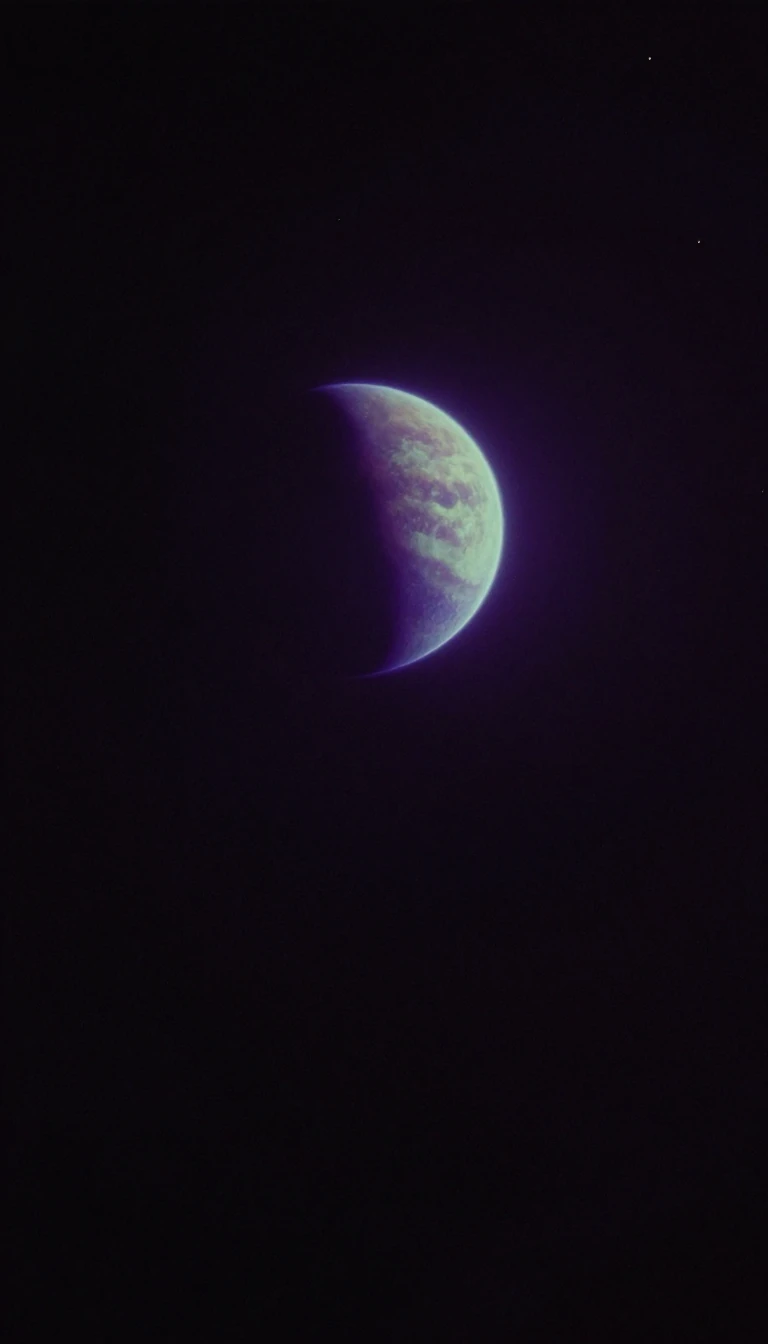 The March equinox is currently drifting through the dim, sprawling constellation of Pisces.Though Pisces is a massive zodiac constellation, it remains largely invisible to the naked eye in modern cities due to extreme light pollution. Beyond its faint stars lies a celes…
- The southern fish that once saved a goddess and guided ancient solsticesPiscis Austrinus, the southern fish, is a faint constellation with a deep mythological pedigree. Once used by the Greeks to mark the solstices, this celestial swimmer is famously …
 How astronomers use a simple nautical trick to map the vast celestial sphereTo navigate the stars, astronomers rely on a concept borrowed from the open ocean: the position angle. By measuring the orientation of celestial objects relative to the north cele…
- Puppis is the massive stern of a legendary ship that once sailed the stars.Once part of the colossal Argo Navis, the constellation Puppis represents the stern of Jason's mythical ship. Though it was carved out of a larger celestial entity in the 18th cen…
- Pyxis is a modern celestial compass that once belonged to a legendary ancient ship.Introduced in the 18th century, the constellation Pyxis represents a mariner's compass. While it occupies a small patch of the southern sky, it sits near the stars that once forme…
 Reticulum: The tiny southern constellation named after a telescope's humble crosshairsHidden in the southern sky, Reticulum is a faint, small constellation born from the practical tools of 18th-century astronomy. While it lacks the grandeur of ancient star patterns…
- Why astronomers measure the vastness of space using hours, minutes, and secondsRight ascension is the celestial equivalent of longitude, but instead of degrees, we measure the stars in time. By tracking how long it takes for a celestial object to cross the m…
- Sagitta is a tiny, ancient arrow constellation hiding in the northern skyThough it ranks as the third-smallest constellation, Sagitta has captivated observers since antiquity. Ptolemy included this arrow-shaped asterism in his original list of 48 const…
- Why the archer of the zodiac points its arrow at the heart of ScorpiusSagittarius is more than a zodiac sign; it is a celestial gateway. Home to the Milky Way's galactic center and a supermassive black hole, this constellation hides ancient Babyloni…
- Why the constellation Scorpius is far more than just a celestial scorpionSpanning the center of the Milky Way, Scorpius is a cosmic landmark that has guided sailors, inspired myths, and challenged astronomers for millennia. From the fastest known nova …
- Why this faint southern constellation celebrates the tools of the EnlightenmentTucked away in the southern sky, the constellation Sculptor is a subtle tribute to human ingenuity. Introduced in the 18th century, it honors the Age of Enlightenment through the …
- A tiny shield in the night sky hides some of the universe's largest stars.Scutum is one of the smallest constellations, yet it packs immense celestial power. Named to honor a 17th-century military victory, this modest patch of sky contains record-breaki…
- Why the September equinox is not actually aligned with the constellation LibraThe September equinox marks the moment the Sun crosses the celestial equator heading south, signaling a seasonal shift across the globe. While often associated with the sign of Li…
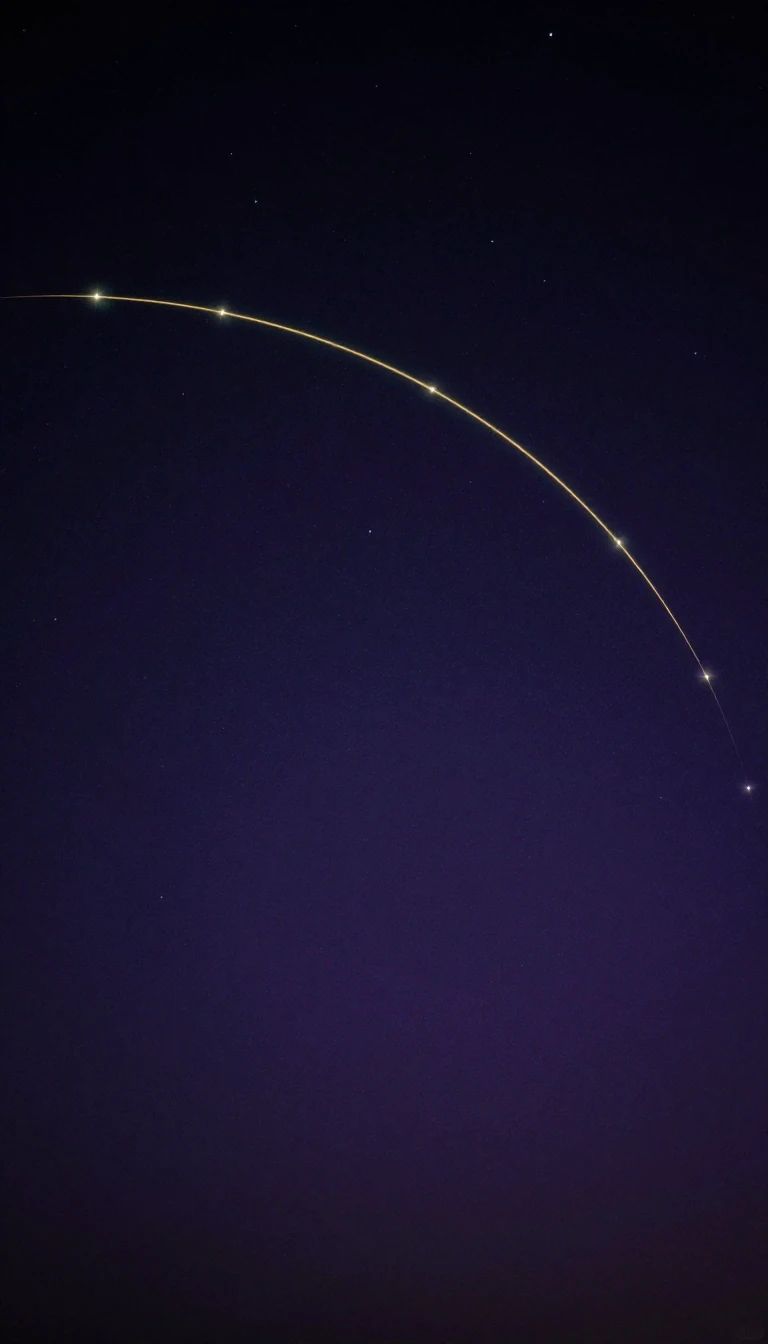 Serpens is the only modern constellation split into two disconnected regions in the sky.Spanning the northern and southern celestial hemispheres, Serpens is a cosmic anomaly. While most constellations are singular, this serpent is severed into two non-contiguous part…
- A constellation born from the ashes of a tragic 17th-century observatory fireIn 1679, a devastating fire consumed the observatory of Polish astronomer Johannes Hevelius, destroying his prized sextant. To memorialize the lost instrument, he introduced the c…
- How we map the heavens: the ancient geometry behind our view of the starsSpherical astronomy is the oldest branch of science, turning the chaotic night sky into a precise map. By projecting Earth's own dimensions onto the heavens, we track galaxies, st…
 The summer solstice is a celestial alignment, not just a date on the calendar.The summer solstice marks the moment Earth’s axis reaches its maximum tilt toward the sun. While we often view it as the start of summer, this astronomical event is a global pheno…
- Telescopium is a southern constellation born from the Enlightenment's obsession with scientific instruments.Named for the tool that transformed astronomy, Telescopium was mapped in the 18th century by Nicolas-Louis de Lacaille. Though once larger, the constellation was later trimmed by …
- Triangulum Australe is a celestial triangle that anchors the southern sky's geometry.Hidden in the southern celestial hemisphere, this small, equilateral constellation is more than just a geometric curiosity. From its role as a mythical serpent's tail in Indigenou…
- Tucana: A Southern Constellation Named for a Bird and Home to Ancient StarsConceived in the late sixteenth century, the constellation Tucana represents a South American toucan in the southern sky. While it contains no exceptionally bright stars, it serve…
- Vela: The celestial sails that once formed a massive, ancient ship in the sky.Vela is a southern constellation representing the sails of the mythical ship Argo Navis. Once part of a much larger star grouping, it was subdivided in the 18th century. Today, it…
- Virgo is the largest zodiac constellation, hiding a massive cluster of distant galaxies.As the second-largest constellation in the sky, Virgo dominates the spring heavens. Beyond its brightest star, Spica, lies a cosmic treasure trove: a dense cluster of galaxies and…
 The southern sky holds a flying fish born from sixteenth-century Dutch maritime explorationVolans, a constellation representing a tropical fish capable of gliding through the air, emerged from the observations of Dutch navigators in the late 1500s. Originally named Pisc…
- The faint Northern constellation that holds the secrets of pulsars and galactic giantsTucked within the Summer Triangle, the constellation Vulpecula is far more than its modest appearance suggests. Though it lacks stars brighter than the fourth magnitude, this smal…
- The zenith is not just a peak, but a precise point in the sky.We often use the word zenith to describe the highest point of success, but in astronomy, it is a literal coordinate. It marks the exact spot directly above your head, defined by g…