 Intellect Plus
Cards starting with H
40,576 cards. Page 513 of 677.
 How immigration enforcement, climate change, and science fiction impact our global economyThis episode of The Indicator explores three distinct economic forces: the wage effects of a Department of Homeland Security operation in Minneapolis, the rising cost of coffee du…
 How immigration is reversing the decay of rural AmericaWhile many small towns across the United States are shrinking into ghosts of their former selves, one Oklahoma city is defying the trend. By embracing a specific demographic shift…
 How immune cells peer inside your cells to detect infectionExplore the intricate mechanisms of the immune system. This lecture from MIT's Introductory Biology course examines how cells identify internal threats and the complex processes t…
 How Imperial Germany’s elite stormtroopers attempted to shatter the stalemate of trench warfareBy 1915, the Great War had devolved into a static, bloody impasse. To break the lines, the German Army developed Stoßtruppen: specialized shock troops trained to bypass strongpoin…
 How Imperial Japan rebranded its ancient folk traditions as a non-religious civic duty.To navigate the pressures of Western-style religious freedom, Imperial Japan declared Shinto a non-religious, patriotic moral tradition. By framing Emperor-worship as a civic obli…
 How improbable are the random events in your daily life?We often encounter moments of pure chance, but how rare are they truly? This video explores the mathematics of improbability, using the specific example of guessing a random four-…
 How impulse responses and convolution define system behaviorThis MIT OpenCourseWare lecture explores how complex differential equations are solved by understanding how a system reacts to a single, sudden force known as an impulse.
 How impunity functions as a structural shield against accountabilityImpunity is more than just getting away with a crime; it is a systemic failure of the rule of law. When perpetrators are shielded from consequences, justice becomes impossible for…
- How Imre Kertész turned the trauma of Auschwitz into a profound literary legacyAwarded the 2002 Nobel Prize in Literature, Imre Kertész survived the horrors of Auschwitz and Buchenwald to become a defining voice of the twentieth century. He rejected simple a…
 How in vitro fertilisation moved from a laboratory experiment to a global medical standardIn vitro fertilisation, or IVF, literally means fertilisation in glass. By combining eggs and sperm outside the body before transferring the resulting embryo into the uterus, this…
 How Inbee Park redefined dominance in professional golf through historic major championship streaksInbee Park transformed from a teenage prodigy into one of golf's most formidable icons. By securing a career Grand Slam and becoming the youngest golfer ever inducted into the LPG…
 How inclusive gardening creates community for people with mixed abilitiesFor over 4 million Australians living with a disability, the garden is more than a hobby; it is a gateway to social connection. By removing physical and social barriers, spaces li…
 How indentured labour from India shaped the largest ethnic group in modern GuyanaThe Indo-Guyanese community, now the country's largest ethnic group, traces its roots to a massive 19th-century migration. Brought to replace enslaved Africans on sugar plantation…
 How independent city-states laid the foundation for the world's first empires in MesopotamiaBetween 2900 and 2350 BCE, Mesopotamia transformed into a landscape of competing city-states. This era, known as the Early Dynastic Period, saw the rise of kingship, specialized s…
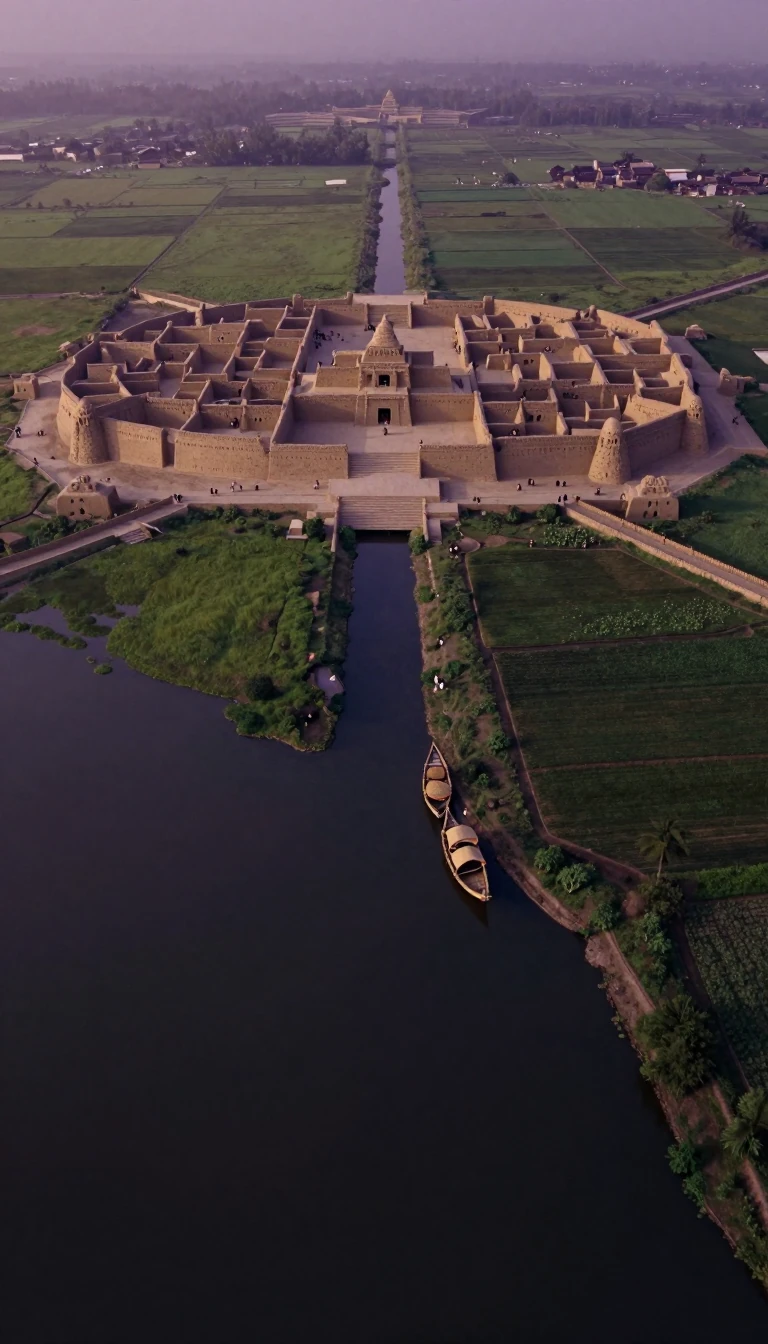 How independent East African city-states became the vital bridge between two massive continentsBetween the 8th and 16th centuries, the Swahili coast flourished as a collection of autonomous, wealthy urban hubs. By acting as essential intermediaries in Indian Ocean trade, th…
 How independent journalism challenged the oppressive machinery of South Africa's apartheid state regimeAs the South African government tightened its grip on political life, independent voices fought back. Newspapers like The Guardian became the intellectual heart of the liberation …
 How India builds roads in the world's most hostile and inaccessible mountain terrainThe Border Roads Organisation is a unique military-civilian hybrid tasked with building infrastructure where private companies refuse to go. From icy Himalayan peaks to remote for…
 How India built a massive state-owned industrial empire to secure its economic independenceFollowing independence in 1947, India faced a weak industrial base and agrarian reliance. To foster rapid growth and sovereignty, the government launched Public Sector Undertaking…
 How India built a world-class space agency by focusing on earthly problemsThe Indian Space Research Organisation (ISRO) rose from humble beginnings to become a global leader in space technology. By prioritizing practical applications like disaster manag…
- How India built the world's largest university to reach the most remote studentsEstablished in 1985, the Indira Gandhi National Open University serves over three million students. By leveraging radio, television, and the internet, this massive institution dem…
 How India celebrates its cinematic excellence through a prestigious national awards ceremonySince 1954, India has honored its finest films through a rigorous national competition. These awards recognize technical and artistic mastery across diverse languages and regions.…
- How India connects its isolated northeast region through massive infrastructure and strategic development projectsThe Ministry of Development of North Eastern Region acts as a vital bridge between India's central government and eight northeastern states. By managing infrastructure, economic i…
 How India conquered the engineering challenge of the Chenab BridgeWitness the completion of a structural marvel that pushed the boundaries of modern construction. This video explores the immense technical difficulty involved in building India's …
 How India counted 1.21 billion people in the world's largest administrative exerciseThe 2011 census of India was a monumental undertaking involving 2.7 million officials who visited over 600,000 villages and 7,935 towns. This massive operation, costing roughly 2,…
 How India ensures stability and meritocracy in its top-ranking state police leadership positionsThe Director General of Police is the highest-ranking officer in Indian states, but the role is more than just a title. Governed by strict Supreme Court mandates, the appointment …
- How India Honors Its Cinematic Giants Through the Prestigious 72nd National Film AwardsThe 72nd National Film Awards recently celebrated the pinnacle of Indian cinema from 2024. From the political intensity of Article 370 to the dystopian scope of Kalki 2898 AD, the…
 How India is building its own heavy-duty defense and rail backboneFrom manufacturing 2,000 metro coaches to developing high-power engines for main battle tanks, BEML is a cornerstone of Indian industrial sovereignty. This public sector giant is …
 How India is rapidly expanding its massive national highway networkIn 2013, India's national highways carried 40% of road traffic despite making up only 2.7% of the total network. Today, that infrastructure is undergoing a massive transformation,…
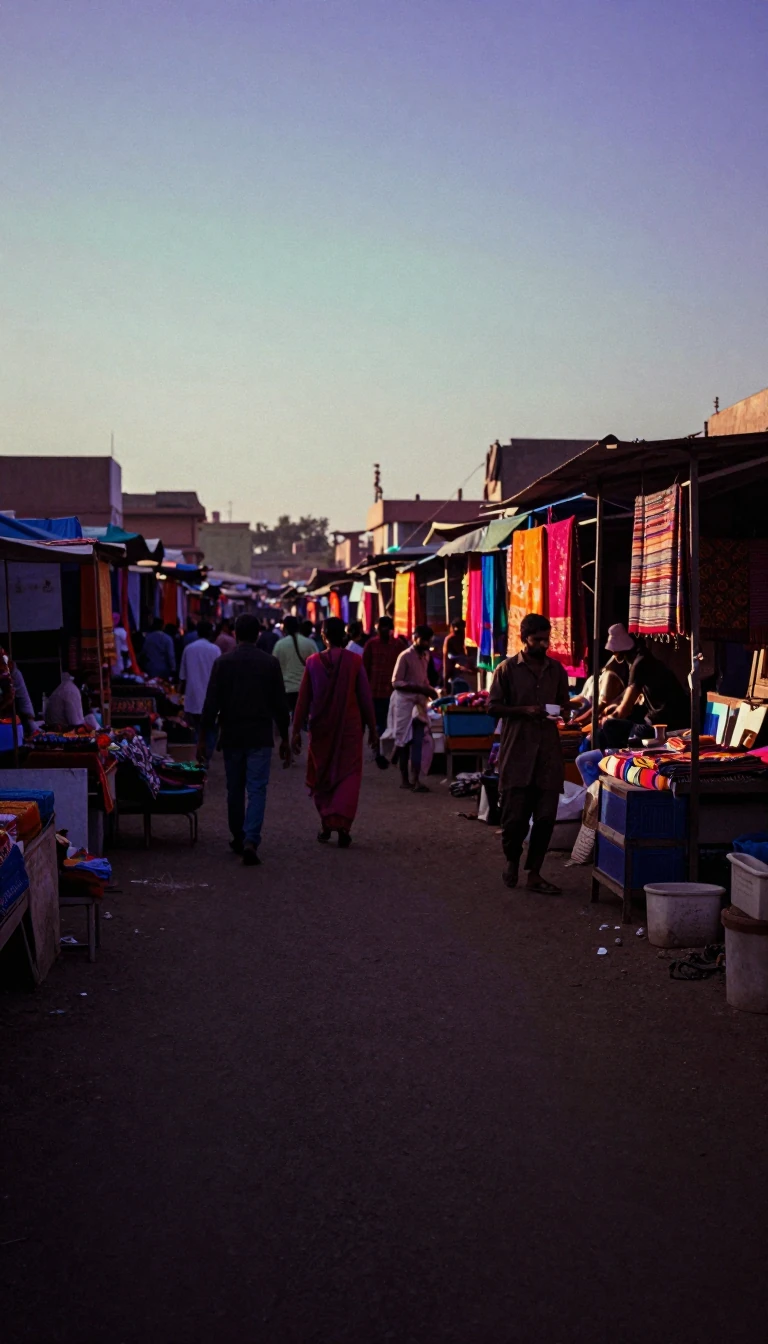 How India managed its first massive democratic experiment in 1951In the wake of independence, India launched a staggering electoral undertaking. With nearly 174 million registered voters and a landscape of immense logistical hurdles, the 1951–5…
 How India Managed the World's Largest Democratic Election in 2009In 2009, India conducted a massive five-phase general election involving 716 million registered voters. It was a logistical feat that required over 1.3 million electronic voting m…
 How India Managed the World's Largest Lockdown for 1.38 Billion PeopleIn March 2020, India initiated a nationwide lockdown, restricting the movement of 1.38 billion people to curb the COVID-19 pandemic. This unprecedented measure, which followed a v…
 How India manages its massive multi-party system through strict electoral recognition rulesIndia operates a complex multi-party democracy where the Election Commission acts as the ultimate gatekeeper. To gain official recognition, parties must meet rigorous performance …
 How India manages the world's largest democratic exercise through a complex, tiered electoral system.India’s democracy is a massive, multi-layered machine. From the national Lok Sabha to local village councils, the electoral process is governed by autonomous constitutional bodies…
 How India manages the world's largest democratic exercise through a single constitutional body.The Election Commission of India is the constitutional authority responsible for overseeing elections across the nation. From managing electoral rolls to regulating campaign spend…
- How India Ranks Its Cities to Determine Pay and Tax Benefits for Public ServantsIn India, a city is more than just a place to live; it is a formal classification that dictates financial benefits for public employees. By grouping urban centers into tiers based…
 How India redefined its sporting legacy at the 2018 Asian Games in IndonesiaThe 2018 Asian Games in Jakarta and Palembang marked a historic turning point for India. By surpassing its previous record medal haul from 2010, the nation shattered long-standing…
 How India Redrew Its Entire Map to Align With Language After IndependenceIn 1956, India underwent its most significant administrative transformation since independence. By abandoning a complex four-tier classification system, the nation reorganized its…
 How India regulates its massive legal profession through a single statutory bodyThe Bar Council of India serves as the apex regulator for the nation's legal practice and education. Established by the Advocates Act of 1961, this body sets professional standard…
 How India Swapped Coal Ambition for Solar Power DominanceIn a move many deemed wildly optimistic, India pledged to scale its solar capacity dramatically within a mere eight years. This ambitious goal didn't just change India's energy mi…
 How India transformed from a generic copycat into a global pharmaceutical powerhouseWhile much of India's economy relies on services, one massive manufacturing exception is surging. India now stands as the world's largest provider of generic drugs, playing a crit…
 How India transformed its colonial military ranks into a uniquely national identityFollowing independence, the Indian Army retained its British-era structure, including the Tudor Crown and pip insignia. By 1950, however, the nation moved to replace these colonia…
 How India transformed its complex visa system into a streamlined digital gateway for travelersFor years, India managed a labyrinthine visa regime that relied on manual processing and rigid diplomatic requirements. Today, a sophisticated digital infrastructure allows millio…
 How India Transformed Its Energy Grid Through an Ambitious Solar Expansion StrategyEnergy expert Kanika Chawla details India's rapid transition toward renewable power. By setting aggressive targets for solar infrastructure, the nation moved from a heavy reliance…
- How India used 1931 census data to reshape its modern social and educational landscapeIn 1979, India launched a commission to address systemic caste-based inequality. By identifying groups through social, economic, and educational indicators, the government sought …
 How India uses special legal status to build its premier academic eliteBeyond mere prestige, certain Indian universities hold a unique constitutional and legal standing. Known as Institutes of National Importance, these institutions receive direct fe…
 How India's 1991 trade reforms fundamentally reshaped the nation's poverty landscapeFollowing decades of protectionism, India shifted toward global trade in 1991. This video examines the economic impact of that transition, specifically how reduced tariffs and inc…
 How India's adaptation of Fear Factor became a cultural phenomenon of televised enduranceKhatron Ke Khiladi, or Players of Danger, evolved from a simple international format into a staple of Indian reality television. Since its 2008 debut on Colors TV, the stunt-based…
 How India's biggest media group changed hands through a jail sentenceIn 1947 the industrialist Ramkrishna Dalmia took over Bennett, Coleman and Co., owner of The Times of India, using money moved from a bank and an insurer he chaired. A parliamenta…
 How India's Duleep Trophy has navigated decades of shifting formatsSince its 1961–62 debut, India's premier domestic first-class cricket competition has been a laboratory for tournament structures. From zonal battles to experimental team grouping…
 How India's elite military academies transform civilians into officers for the Short Service CommissionThe Officers Training Academy serves as the primary gateway for Short Service Commission officers in the Indian Army. From its historic Chennai campus to the hilly terrain of Gaya…
 How India's executive power is structured through the Union Council of MinistersThe Union Council of Ministers serves as the primary executive engine of the Indian government, advising the President while managing the nation's ministries. Chaired by the Prime…
- How India's first Netflix original series redefined global crime drama with local gritSacred Games, an Indian neo-noir thriller, transformed the landscape of streaming by rejecting traditional Bollywood tropes for a gritty, multi-layered narrative. Based on Vikram …
 How India's Golden Girls of Hockey Transformed From Underdogs Into Global ContendersThe Indian women's national field hockey team has evolved from a 1974 World Cup fourth-place finisher into a dominant Asian powerhouse. Beyond their numerous continental titles an…
 How India's massive education board manages millions of students and digital exam securityThe Central Board of Secondary Education oversees over 27,000 schools, making it a titan of global assessment. From managing complex moderation systems to navigating the transitio…
- How India's massive railway network evolved from private companies into a state-run titanWith over 1.2 million employees, the Indian Ministry of Railways is one of the world's largest employers. From its origins in 19th-century private enterprise to its current status…
- How India's National Democratic Alliance maintains power without a formal executive boardFounded in 1998, the National Democratic Alliance is a sprawling Indian political coalition led by the Bharatiya Janata Party. Despite lacking a central governing structure like a…
 How India's state broadcaster shaped a nation through television and controversial propagandaBorn as a modest experimental project in 1959, Doordarshan evolved into a massive state-owned network that defined the Indian television experience. From hosting the world's most-…
- How India's state representatives shape the nation from the local level upIn India, the Member of the Legislative Assembly, or MLA, is the primary representative for a state constituency. These officials do more than just draft local laws; they hold sig…
- How India's state-owned telecom giant evolved from colonial telegraphs to indigenous 5G networksBharat Sanchar Nigam Limited, or BSNL, is a central public sector undertaking that traces its roots to the British Raj. Once the sole provider of national telecommunications, it h…
 How India's Top Diplomat Evolved From Career Bureaucrat to Global Foreign Policy ArchitectThe Minister of External Affairs is one of India's most senior cabinet roles, responsible for steering the nation's global interests. While historically held by politicians, the o…