 Intellect Plus
Cards starting with W
29,907 cards. Page 195 of 499.
 Why China's largest 2021 IPO was a renewable energy giant, not a tech firmIn June 2021, China executed its biggest initial public offering of the year. Surprisingly, it was not a high-profile mobile app or a semiconductor manufacturer, but Three Gorges …
 Why China's massive Belt and Road infrastructure projects are facing a global debt crisisSince 2013, China has pursued the largest transnational infrastructure program in history. This video examines the initiative's current struggles as loans sour, exploring how glob…
 Why China's Ming emperors built their final resting place in a geomantic fortressThe Ming tombs are not merely graves but a massive, 40-square-kilometer architectural machine designed to harmonize with the earth. By applying strict feng shui principles, the Yo…
 Why China's most famous mountain range requires you to look downward, not upHuangshan, the legendary Yellow Mountain range in Anhui, is celebrated for its granite peaks and sea of clouds. While most mountains demand an upward gaze, Huangshan’s unique vist…
 Why China's most famous science fiction writer believes humanity is ultimately insignificantLiu Cixin, a former computer engineer, has redefined hard science fiction by centering his narratives on the vast, indifferent scale of the universe. By prioritizing scientific ma…
- Why China's northernmost river system is a masterclass in geological wanderingThe Songhua River is more than just a vital artery for agriculture and drinking water; it is a dynamic landscape architect. Its journey across the Manchurian Plain creates a labyr…
 Why China's sacred Mount Song is considered the literal centre of Heaven and EarthMount Song is more than a mountain range; it is a profound cultural anchor in China's Henan Province. Revered for millennia as the cosmic center of the world, this complex landsca…
 Why China's striking red cliffs are a geological case of mistaken identityKnown for their vibrant vermilion hues and towering rock formations, China's Danxia landscapes are often mistaken for karst topography. Yet, these structures are actually a unique…
 Why China's Tang Dynasty remains the undisputed golden age of world poetrySpanning nearly three centuries, the Tang dynasty transformed poetry into a social necessity, embedding it into civil service exams and daily life. While war destroyed countless w…
 Why China's vehicle license plates are a complex map of power and privilegeIn China, a license plate is more than just a vehicle identifier. It is a status symbol, a logistical necessity for cross-border travel, and occasionally, a tool for evading the l…
 Why China's Wulingyuan landscape looks like a scene from another planetSpanning 690 square kilometers in Hunan Province, Wulingyuan is defined by a surreal forest of thousands of quartzite sandstone pillars. Many of these towering formations exceed 2…
 Why China's Yanbian Prefecture is known as the Third KoreaBordering North Korea and Russia, Yanbian is a unique autonomous region in China defined by its large ethnic Korean population. Once a forbidden frontier, it became a cultural cro…
 Why China's zero-Covid policy remains a central pillar of its economic strategyThis video examines the economic consequences of China's persistent zero-Covid policy. It explores why leadership continues to prioritize these measures despite clear signs of eco…
 Why China’s ancient vision of 'all under heaven' still shapes its modern global strategyTianxia, or all under heaven, is more than a historical relic. For millennia, this Chinese framework has prioritized global harmony over individual state interests. Today, it serv…
 Why China’s control of rare earth elements is a critical geopolitical leverage point.Rare earth elements are essential for modern technology, from smartphones to missile systems. This video examines China’s dominance in this sector, the strategic implications of i…
 Why China’s Fossil City is a hidden cradle of ancient culture and avian historyKnown as China's fossil city, Chaoyang is a sprawling prefecture in Liaoning province with a history that stretches back over five millennia. Beyond its paleontological significan…
 Why China’s Hai River was once called the River with No Fixed CourseThe Hai River is a short, vital artery in northern China, yet its history is defined by chaotic flooding and shifting channels. Once a source of annual devastation, massive engine…
- Why China’s most approachable deity is essentially the neighborhood’s local government officialTudigong are the grassroots guardians of Chinese folk religion, serving as localized, low-ranking deities who manage specific patches of earth. Often depicted as smiling, white-be…
 Why China’s most dangerous mountain was once a sanctuary for immortality seekersKnown as the Number One Steepest Mountain Under Heaven, Mount Hua is a sacred landscape of vertical ascents and ancient Daoist temples. While its treacherous, cliff-hugging paths …
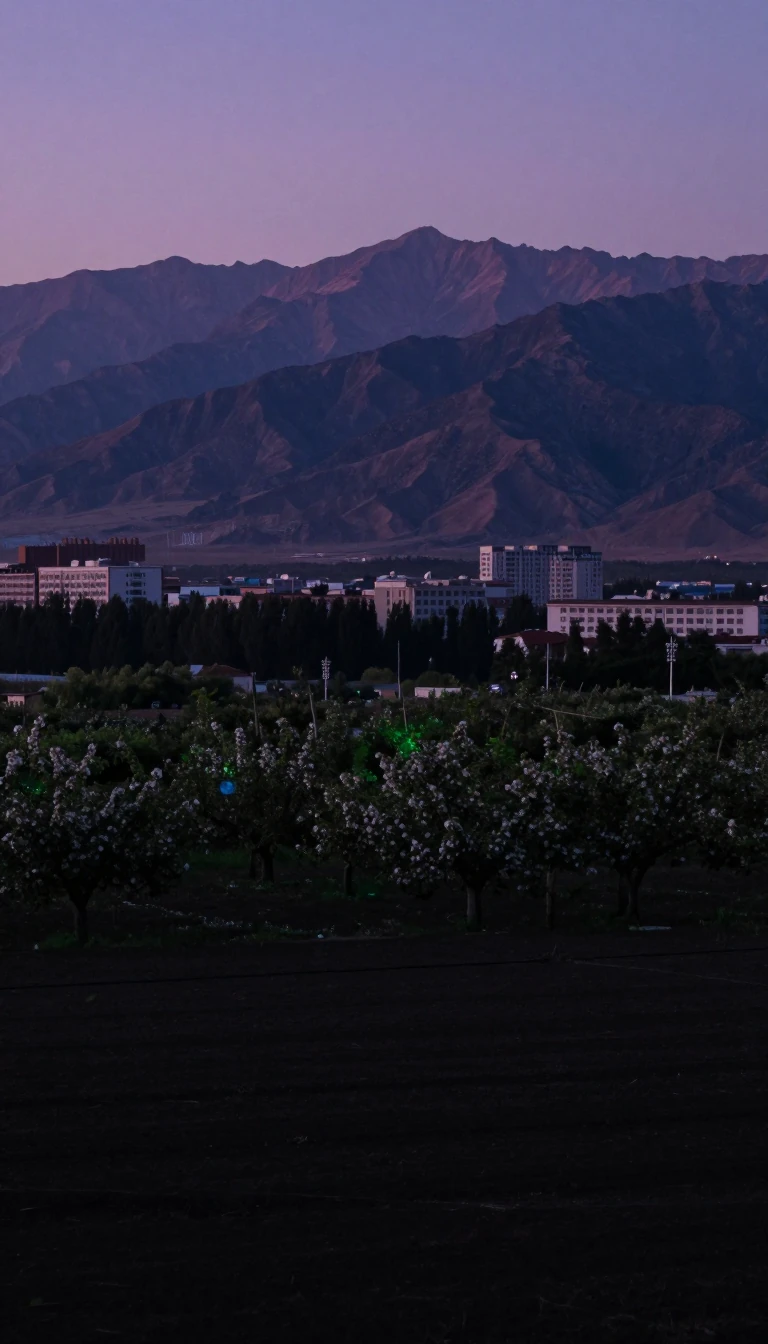 Why China’s most famous mountain served as both a spiritual sanctuary and political stageMount Lushan is more than a scenic peak in Jiangxi. For two millennia, it has functioned as a vital center for Buddhist, Taoist, and Confucian thought. Yet, this serene landscape …
 Why China’s Original Plan to Woo Taiwan Through 'One Country, Two Systems' FailedBefore it became the contentious framework for Hong Kong, the 'One Country, Two Systems' policy was a strategic charm offensive designed specifically to entice Taiwan back to the …
- Why China’s Peony Capital is a Crucible of Ancient History and Imperial PowerKnown as the Peony Capital of China, Heze is far more than a floral hub. This Shandong prefecture served as a cradle for Chinese civilization, shaping the rise and fall of dynasti…
- Why China’s postal system once used a unique, patchwork map of place namesFor nearly a century, China’s mail was sorted using a flexible, idiosyncratic system of romanization. Rather than forcing a single dialect on the entire country, postal authoritie…
 Why China’s provincial borders are designed to prevent any single region from becoming too powerful.The provinces of China are more than just administrative zones; they are a centuries-old tool for central control. By strategically carving up economic powerhouses like the Yangtz…
 Why China’s public holidays require citizens to work six or seven days in a rowIn China, public holidays are not just days off; they are a complex administrative puzzle. To create extended breaks, the government frequently swaps weekends with weekdays, forci…
- Why Chinese authorities are suppressing economic data and banning the word deflationChina is struggling to recover from its recent economic shutdown. As growth falters, the government is reportedly pressuring analysts to ignore negative trends and stop using the …
 Why Chinese broccoli is the resilient, bitter cousin of your favorite supermarket cruciferous vegetableGai lan, often known as Chinese broccoli, is a hardy cool-season crop that thrives where other brassicas falter. With its glossy blue-green leaves and robust stems, this vegetable…
 Why Chinese cabbage is the ultimate fast-growing crop for your home gardenChinese cabbage, also known as napa cabbage, is a versatile brassica that thrives from spring to autumn. Whether you want crisp salad leaves or dense, succulent heads, these fast-…
 Why Chinese characters are not just pictures, but a complex system of logicContrary to popular belief, Chinese characters are not merely ideographic images. While some began as simple pictographs, roughly 95% of characters in the foundational Shuowen Jie…
 Why Chinese characters are written in the Latin alphabet for the Western worldChinese is a logographic language, meaning its characters do not represent phonemes. To bridge this gap, scholars have spent centuries developing romanization systems. From early …
 Why Chinese dictionaries organize thousands of complex characters using a system of 214 radicals.Chinese characters are not alphabetized. Instead, they are traditionally indexed by radicals—visual components that act as section headers. While these radicals often provide a se…
 Why Chinese financial documents use complex characters to prevent simple forgeriesIn everyday Chinese, writing the number 30 is as simple as two strokes. But in high-stakes finance, that simplicity is a liability. To stop forgers from easily adding strokes to a…
 Why Chinese gardens were designed to be read like a painted scrollFor over three millennia, the Chinese garden has functioned as a miniature, idealized landscape. Far from mere aesthetic displays, these spaces were designed to harmonize humanity…
 Why Chinese grammar is defined by rhythm, repetition, and a lack of inflectionStandard Chinese defies many Western linguistic expectations. It lacks the complex inflectional systems common in European languages, instead relying on word order, particles, and…
 Why Chinese idioms are more than just four characters of ancient wisdomChengyu are traditional Chinese idioms that pack centuries of history and moral philosophy into just four characters. These fossilized expressions act as linguistic shortcuts, all…
 Why Chinese ink wash painting prioritizes the spirit of a subject over visual imitationInk wash painting is a demanding art form where a single brushstroke, once applied, cannot be erased. Emerging during the Tang dynasty, this monochrome tradition values the intern…
- Why Chinese internet users are using a derogatory term to describe Western liberal politics.Baizuo, a Chinese neologism meaning white left, has evolved from an obscure online insult into a global rhetorical weapon. Originally used by Chinese netizens to mock Western huma…
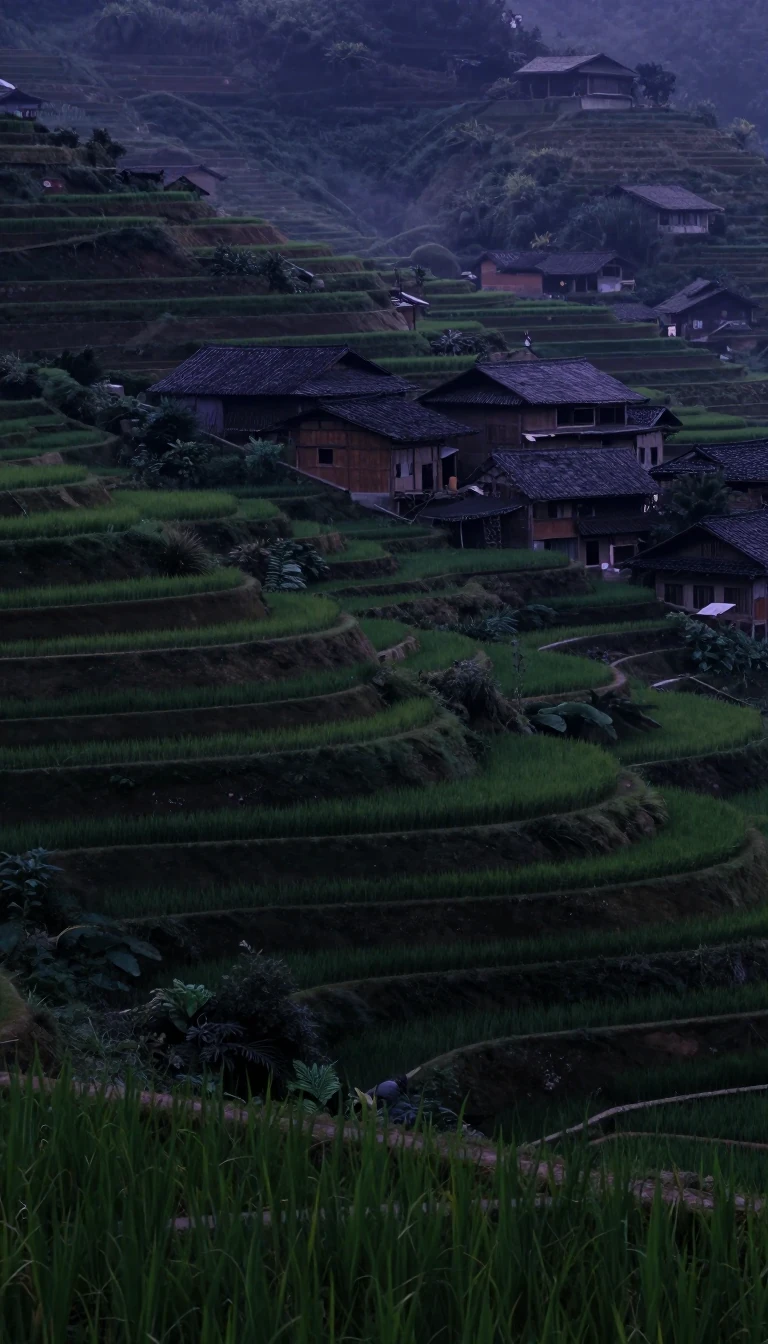 Why Chinese is not a single language but a vast, complex dialect continuumChinese is not a single language, but a collection of hundreds of mutually unintelligible varieties. While Standard Chinese dominates public life, the reality on the ground is a d…
- Why Chinese languages are not just dialects but distinct, mutually unintelligible tonguesWhile often grouped together as dialects, the spoken varieties of Chinese are as distinct as the modern Romance languages. Though they share a unified writing system, these langua…
 Why Chinese painting values the amateur gentleman over the professional craftsmanFor centuries, Chinese art was defined by a rigid class divide. While professional artisans painted for profit, the elite scholar-official class cultivated a rarefied style of ama…
 Why Chinese poker is the ultimate equalizer for beginners at the card tableChinese poker turns traditional card game hierarchies upside down. By dealing 13 cards to each player and requiring them to arrange hands in a specific 3-5-5 format, the game intr…
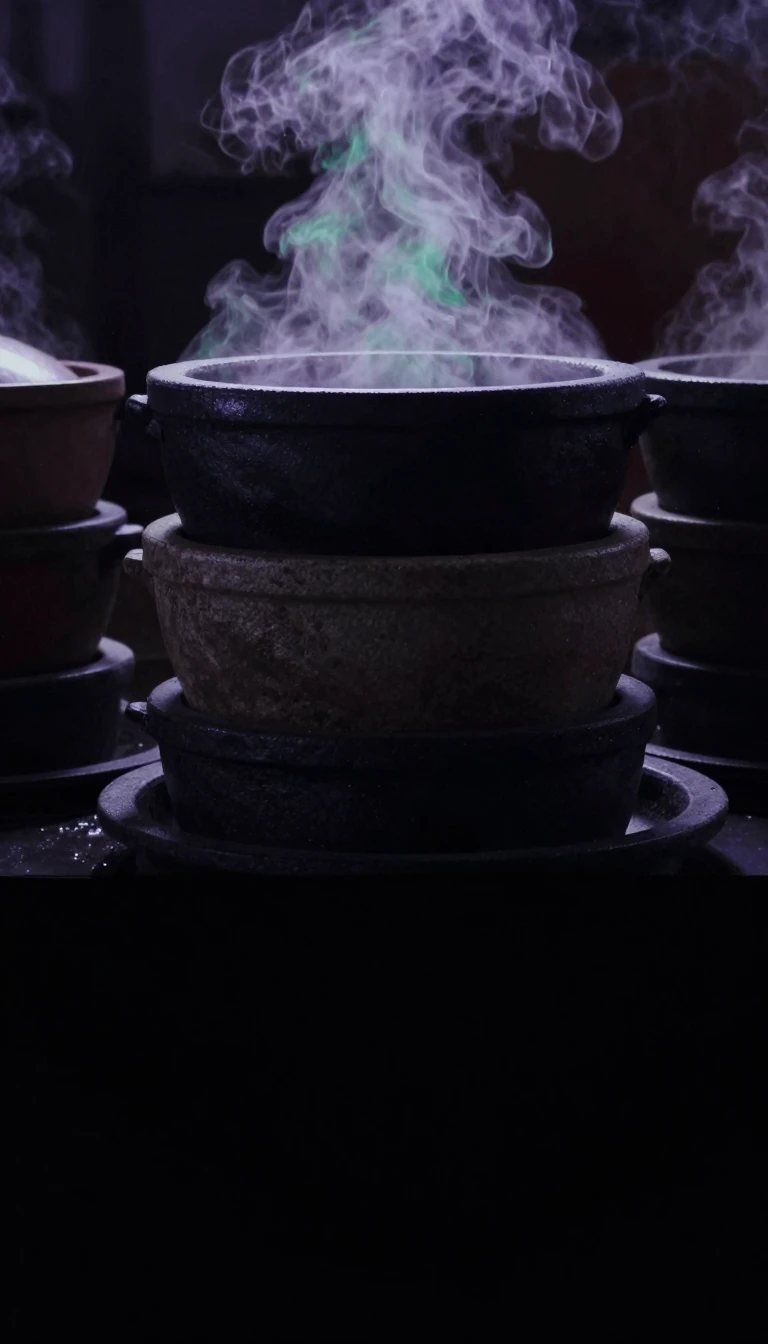 Why Chinese porcelain is the world's most enduring and influential industrial invention.Chinese ceramics evolved from ancient bonfire-fired earthenware into a global industrial powerhouse. By mastering high-temperature kilns and unique mineral blends like kaolin, Chi…
 Why chlorine trifluoride is a chemical that reacts with almost everythingDiscovered in the 1930s, chlorine trifluoride is a remarkably reactive substance. This video explores why this curious chemical can react explosively with nearly every known subst…
 Why Cho Oyu is considered the most accessible 8,000-metre peak on EarthStanding at 8,188 metres, Cho Oyu is the world's sixth-highest mountain. Often called the Turquoise Goddess, it is widely regarded as the easiest of the fourteen 8,000-metre peaks…
 Why chocolate fountains defy the simple laws of gravityEver wonder why chocolate flows in ribbons rather than falling in a straight line? This lecture explores the complex mathematical modeling of real-world fluids, from toothpaste to…
 Why chocolate is the food of the gods but a danger to your dogTheobromine, a bitter alkaloid found in cocoa, is the secret behind chocolate's unique physiological kick. While humans metabolize it with ease, our pets struggle to process the c…
 Why choose Flask over heavy frameworks for your next Python web project?When building web applications, the complexity of large frameworks like Django or Ruby on Rails can be overkill. This seminar introduces Flask as a lightweight, accessible alterna…
 Why choose one classic chicken dish when you can combine three into one?This recipe merges the profiles of Marry Me, Tuscan, and Cowboy chicken into a single, creamy, herb-packed skillet meal. It is designed as a quick weeknight solution that relies o…
 Why choosing a 'good enough' option is actually the peak of logicIn a world obsessed with optimization, we often view compromise as a failure of intellect. However, bounded rationality suggests that when faced with infinite complexity and finit…
 Why choosing a favorite masterpiece is an impossible taskJoin Fran Lebowitz for a behind-the-scenes tour of The Met’s Paintings Conservation Lab. As she examines Rembrandt’s 1653 masterpiece, she reflects on the difficulty of selecting …
 Why choosing a font is only the first step in designTypography shapes how we experience information every day. This lesson moves beyond basic font selection to explore the technical rules that make digital and print content look pr…
 Why choosing a life partner requires more than just chemistryWith divorce rates nearing 50% in some regions, psychiatrist George Blair-West explores how to navigate the most significant decision of your life. This talk offers actionable str…
 Why choosing as many candidates as you like might be the ultimate democratic upgradeApproval voting lets you vote for every candidate you find acceptable, not just one. By eliminating the pressure to pick a single winner, this system aims to stop vote-splitting, …
- Why choosing Australian native plants this autumn will transform your garden's seasonal appealAs autumn approaches, many gardeners overlook the unique beauty of native flora. From the architectural seedheads of Kangaroo grass to the vibrant, berry-laden branches of the Dia…
 Why choosing between raw and roasted garlic is a culinary mistakeElevate your spaghetti aglio e olio by abandoning the traditional single-note garlic approach. By combining freshly sautéed garlic with roasted cloves and utilizing a butter-olive…
 Why choosing happiness can be a powerful act of radical resistanceIn a world that often devalues Black lives, finding happiness is more than a feeling. For many, joy serves as a vital tool for survival and a way to reclaim humanity, allowing ind…
 Why choosing happiness is a radical act of resistanceMiracle Jones explores how joy functions as a vital tool for survival and protection. In a world that often demands surrender, she argues that thriving despite systemic trauma is …
 Why choosing strawberry over chocolate ice cream was a radical political act in 1979 HavanaIn 1993, the Cuban film Strawberry and Chocolate challenged the state’s rigid social norms. By depicting an unlikely friendship between a devout communist student and a gay artist…
 Why choosing the greenest grocery bag is more complex than it seemsYou might think there is a clear winner for eco-friendly shopping, but the environmental footprint of different materials tells a more nuanced story. This video breaks down the li…
 Why choosing the right caulk is essential for a lasting, waterproof home sealGeneral contractor Tom Silva explains the variety of caulk options available at home improvement stores. This guide helps homeowners understand which specific product to select fo…