 Intellect Plus
Cards starting with W
29,907 cards. Page 309 of 499.
 Why overheating differs from a fever, even when the thermometer reads the sameA fever and dangerous overheating can show identical temperatures, yet the body is doing opposite things. In fever, the brain deliberately raises its thermostat. In hyperthermia, …
 Why overlapping patterns create a third, ghostly image that defies simple explanationWhen you layer two similar patterns—like a mesh curtain or two sheets of graph paper—you often see a new, shimmering design emerge. This is the moiré effect, a visual phenomenon w…
 Why overly complicated cookie recipes are often just a barrier to better bakingMany classic cookie recipes suffer from unnecessarily precise measurements and confusing instructions that intimidate home bakers. By simplifying the process—specifically through …
 Why owls are the ultimate stealth hunters of the night skyAs the world prepares for a major sporting event, we turn our attention to a different kind of champion. This video explores the biological adaptations that allow owls to hunt wit…
 Why oxidation states are a useful fiction for understanding how molecules behaveOxidation states are not real physical charges, but a powerful accounting tool. By imagining bonds as purely ionic, chemists can track electron movement and predict chemical react…
 Why oxidized copper ruins your solder jointsEver wondered why some solder joints look perfect while others leave behind brown, messy residue? The culprit is often invisible. When copper sits exposed to air for a long time, …
 Why oxtail creates a richer beef stew than almost any other cutThis video demonstrates how to prepare a slow-cooked, braised oxtail stew. You will learn how to transform this flavorful, bone-in cut into a rich meal using traditional seasoning…
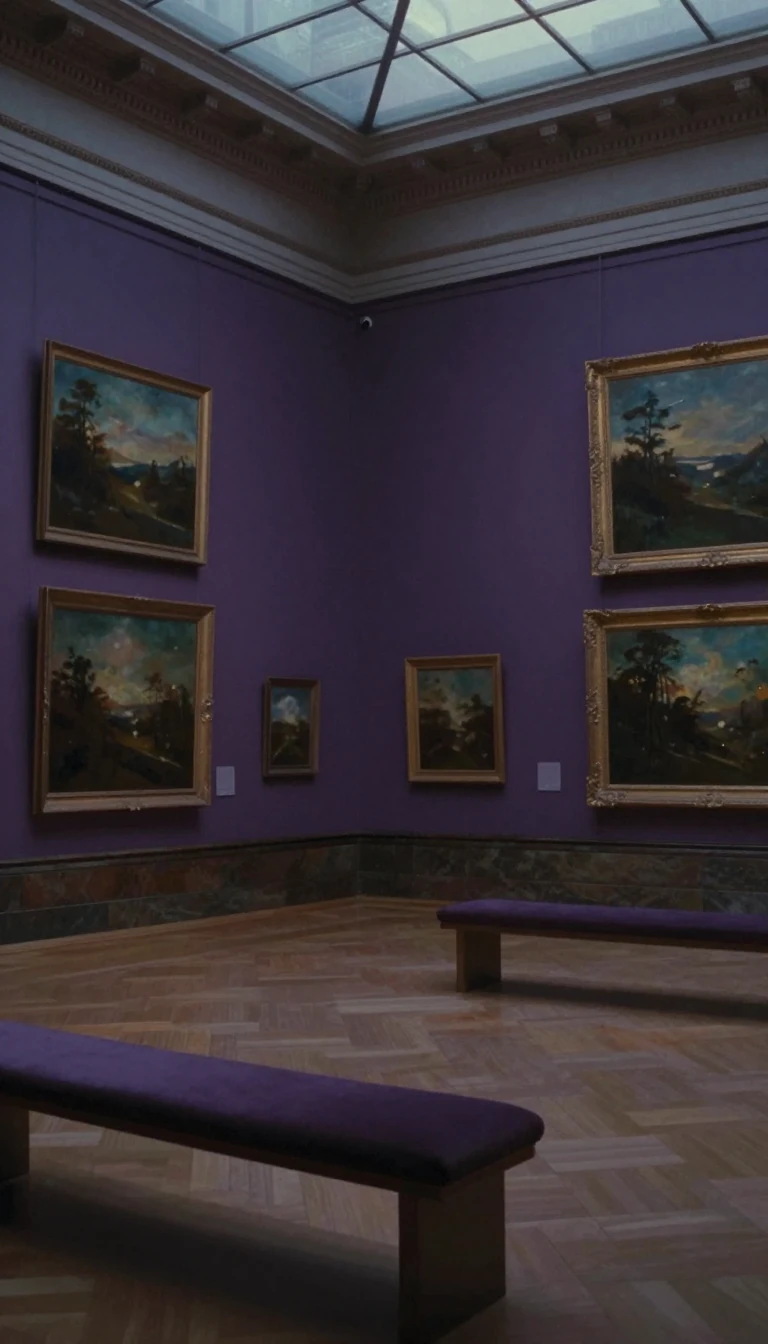 Why painters turned away from kings and gods to capture the ordinary worldGenre painting elevates the mundane, transforming everyday activities into art. By focusing on common people in domestic or rural settings rather than historical or religious figu…
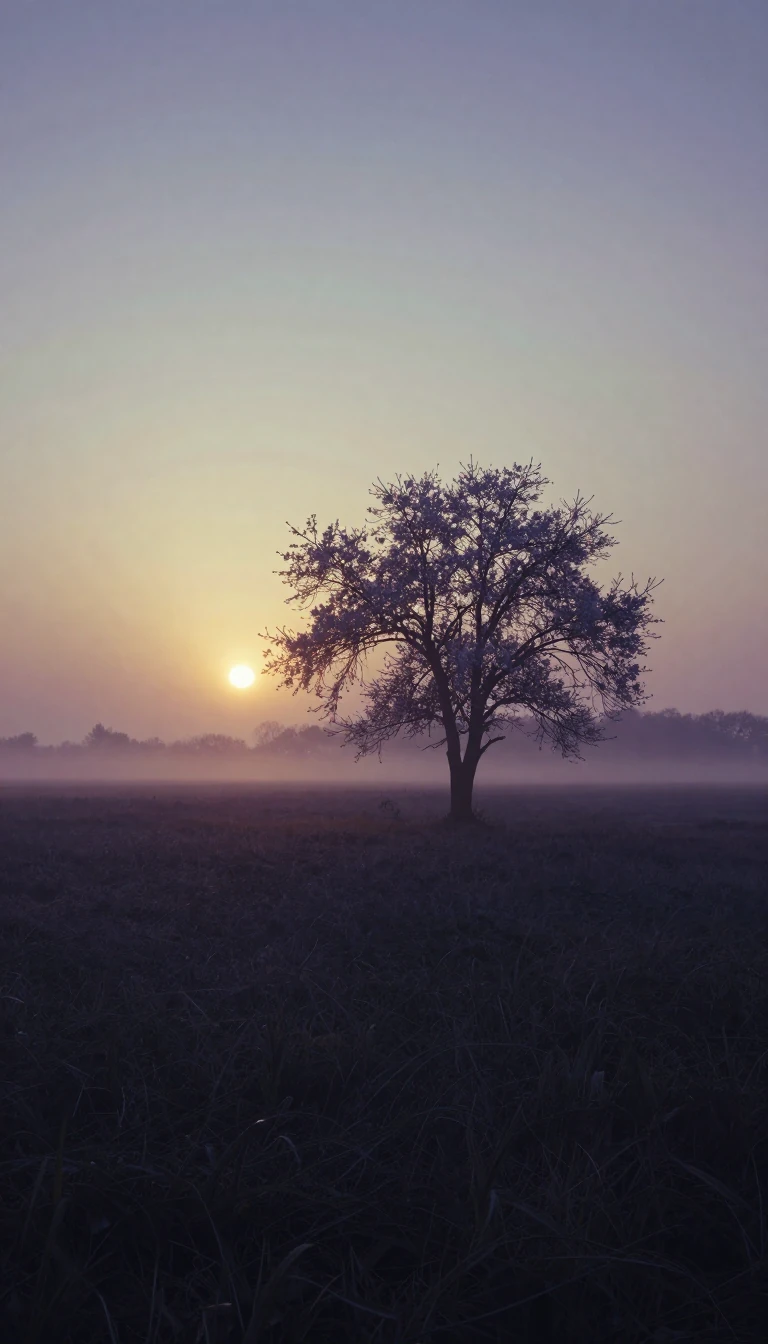 Why painting outdoors transformed the history of art and lightFor centuries, artists were tethered to studios by the labor of grinding raw pigments. The shift to painting en plein air—outdoors—did more than change the scenery; it revolutioni…
 Why paired data requires a different approach to statistical confidenceWhen data points are linked—like before-and-after measurements on the same subject—standard averages don't tell the whole story. This video explains how to calculate confidence in…
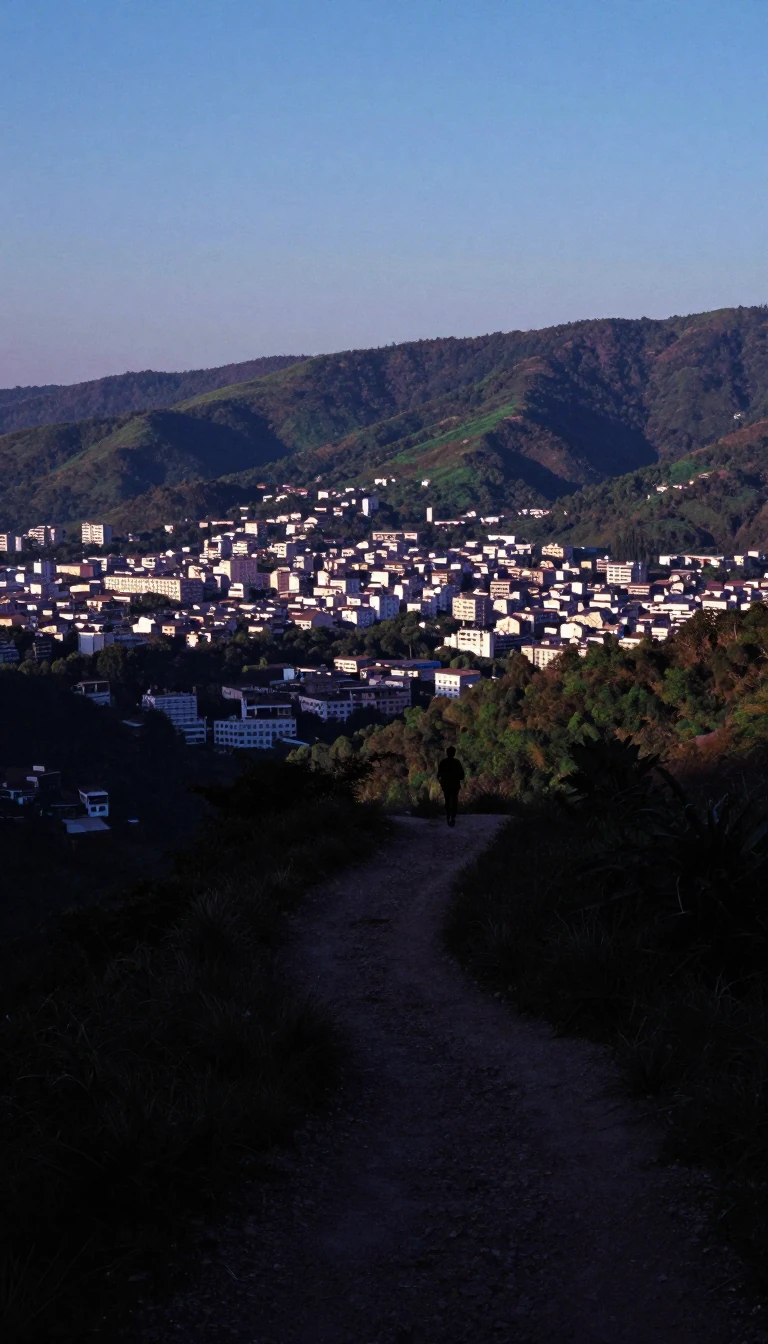 Why Pakistan abandoned its original capital to build a planned city from scratch.In 1959, Pakistan decided that Karachi was no longer suitable as a capital city. The government looked toward the Potwar Plateau, commissioning a new metropolis designed to harmon…
- Why Pakistan is struggling to collect taxes from millions of its own citizensPakistan faces significant economic instability, including a near-default in 2023, largely driven by chronically low tax revenue. This episode examines why millions of residents a…
- Why Pakistan's City of Eagles is known as the California of the EastSargodha, a planned city in Pakistan's Punjab province, has transformed from a colonial-era canal colony into a global agricultural powerhouse. Known as the City of Eagles, it dom…
 Why Pakistan's largest, most resource-rich province remains its most volatile and underdeveloped regionBalochistan spans 44 percent of Pakistan's landmass, yet it remains a site of persistent insurgency. While the federal government blames external interference, the conflict is roo…
 Why paleontology is about much more than just dinosaursJoin paleontologist and TED Fellow Lauren Sallan for a whirlwind tour of Earth's evolutionary history. This video explores the incredible diversity of life that has roamed our pla…
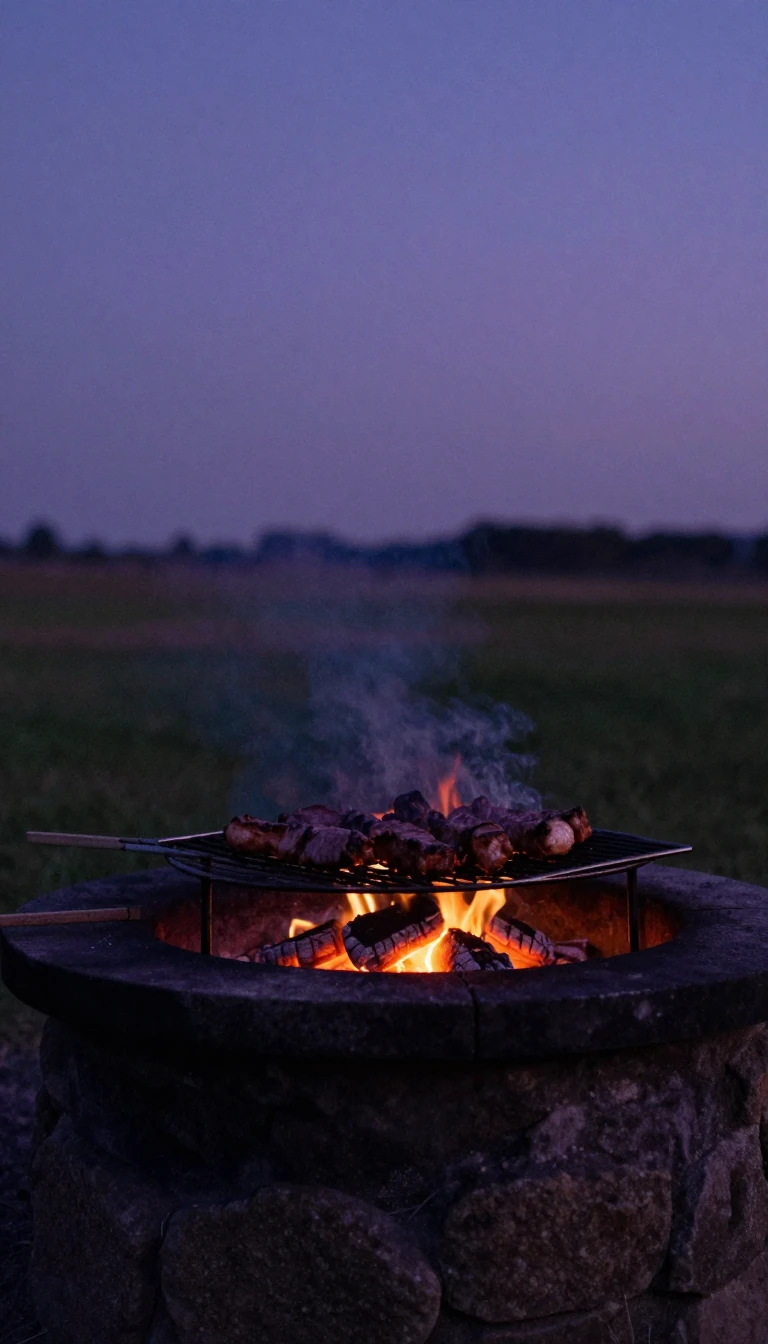 Why pan frying requires lower heat than you might expect for perfect resultsPan frying is often confused with sautéing, but the two techniques demand different approaches to heat. By using lower temperatures, you ensure that larger cuts of meat or fish co…
 Why pancreatic cancer is usually found late, and why that matters so muchPancreatic cancer tends to stay silent until it has spread. Jaundice, often the first sign people notice, appears only when a tumour grows big enough to squeeze the bile duct. Glo…
 Why Paraguay is the only Latin American nation where an indigenous language dominates daily lifeParaguay defies regional trends by keeping its indigenous roots at the center of national identity. While most of Latin America shifted toward Spanish, Paraguayans remain intensel…
 Why parallel lines meet at infinity: the elegant geometry of projective spaceIn our everyday world, parallel lines never touch. But in projective geometry, they intersect at a point at infinity. By treating these distant points as real, mathematicians crea…
- Why parallel lines meet at the horizon: the mathematics of projective geometryProjective geometry ignores distance and angles to reveal the hidden, invariant properties of shapes. Born from the artistic techniques of the Italian Renaissance, this branch of …
 Why parallel lines must share the exact same slopeGeometry often feels like a collection of rules to memorize, but every rule has a logical foundation. This video moves beyond memorization to prove why parallel lines behave the w…
 Why parallel lines remain parallel through any rigid transformationExplore the geometric properties of parallel lines when subjected to rigid transformations. This video explains why these lines maintain their parallel relationship regardless of …
 Why paramilitary groups in Northern Ireland operate an informal, violent system of criminal justiceSince the 1970s, republican and loyalist paramilitaries have enforced their own brand of order through beatings, shootings, and expulsions. Often justified as a response to state …
 Why Paramore's 2007 breakthrough album Riot! captured the raw energy of a generationReleased in 2007, Paramore's second studio album Riot! became a defining moment for pop-punk. Driven by the breakthrough hit Misery Business, the record channeled the band's chaot…
 Why Paramount waits years to release merchandise for its most popular television showsMost entertainment companies rush to release tie-in products alongside a show's premiere. Paramount Consumer Products takes a different path, often waiting up to two years to laun…
 Why parasites are the most successful and misunderstood organisms on our planetParasites live in or on other organisms, often thriving at their host's expense. While we associate them with disease, they are a diverse biological phenomenon found in almost eve…
 Why parent hydrides serve as the fundamental building blocks for chemical nomenclature systemsIn chemistry, parent hydrides act as the foundational reference points for naming complex compounds. By following the AHn formula, these main group elements provide a systematic f…
 Why Paris is organized like a giant, spiraling snail shellParis is divided into twenty administrative districts known as arrondissements, which spiral clockwise from the city center like a snail shell. While they define the city's geogra…
 Why Paris’s most iconic white basilica remains a lightning rod for political conflictPerched atop Montmartre, the Sacré-Cœur Basilica is a masterpiece of Romano-Byzantine architecture and a beloved Parisian landmark. Yet, beneath its gleaming white travertine exte…
 Why Parisian workers went on strike for the right to wear moustachesIn 1907, a unique labor dispute erupted in France. This video explores the Great Paris Moustache Strike, where working-class men walked off the job to protest social humiliation a…
 Why parkour is a life skill for navigating the worldProfessional athlete Taylor Lynn Carpenter demonstrates how the fundamental movements of parkour can be applied far beyond extreme sports to improve your daily mobility and mindse…
 Why Parliament and the public are neither friends nor strangersThe relationship between the House of Commons and the people it serves is often misunderstood. Rather than a deep friendship or a total estrangement, the connection is better desc…
 Why parliamentary republics place supreme authority within the legislature rather than the executiveIn a parliamentary republic, the government draws its mandate directly from the legislature. Unlike systems where power is strictly separated, these nations fuse executive and leg…
 Why partitioning the range instead of the domain revolutionized modern mathematical analysisThe Riemann integral, which slices the domain into vertical rectangles, is intuitive but mathematically restrictive. Henri Lebesgue proposed a radical alternative: partition the r…
 Why partnering with your ideological opposite is a radical path to progressJustice reform advocate Nisha Anand explains why making lasting change often requires the difficult choice of working with those you least expect in order to save lives and achiev…
 Why passing a pilot exam the hard way builds better aviation skillsScott Manley recounts the unconventional journey to earning his private pilot license. By navigating unexpected last-minute changes and logistical hurdles, he argues that a more d…
 Why passing the Turing Test doesn't guarantee true intelligenceProfessor Tony Mann explores the historical trajectory of artificial intelligence, examining why specific milestones like the Turing Test can be misleading indicators of a machine…
 Why passive listening fails: how we construct our own reality through active learningTraditional education treats students as empty vessels waiting to be filled. Constructivism flips this, arguing that we learn by actively building mental structures through experi…
 Why Pasta Alla Gricia is the foundational ancestor of Rome's most famous pasta dishes.J. Kenji López-Alt demonstrates how to prepare Pasta Alla Gricia from a first-person perspective. This Roman classic serves as the essential blueprint for other iconic recipes lik…
 Why Pasta Puttanesca Is the Ultimate Pantry Staple for a Rapid Weeknight MealSpaghetti Puttanesca is a masterclass in flavor efficiency, transforming humble pantry staples into a bold, aromatic dish in just 15 minutes. While its name carries a colorful, li…
 Why pasta salad is the ultimate underrated weeknight meal for your busy scheduleEthan Chlebowski explains why he prepares pasta salad nearly every week. This dish stands out for its convenience and versatility, making it a practical solution for quick, reliab…
 Why pastel colors are more than just a soft aesthetic for your homePastel colors are defined by high value and low saturation, creating a visual experience of calm and nostalgia. Beyond their soothing reputation, these hues have shaped design his…
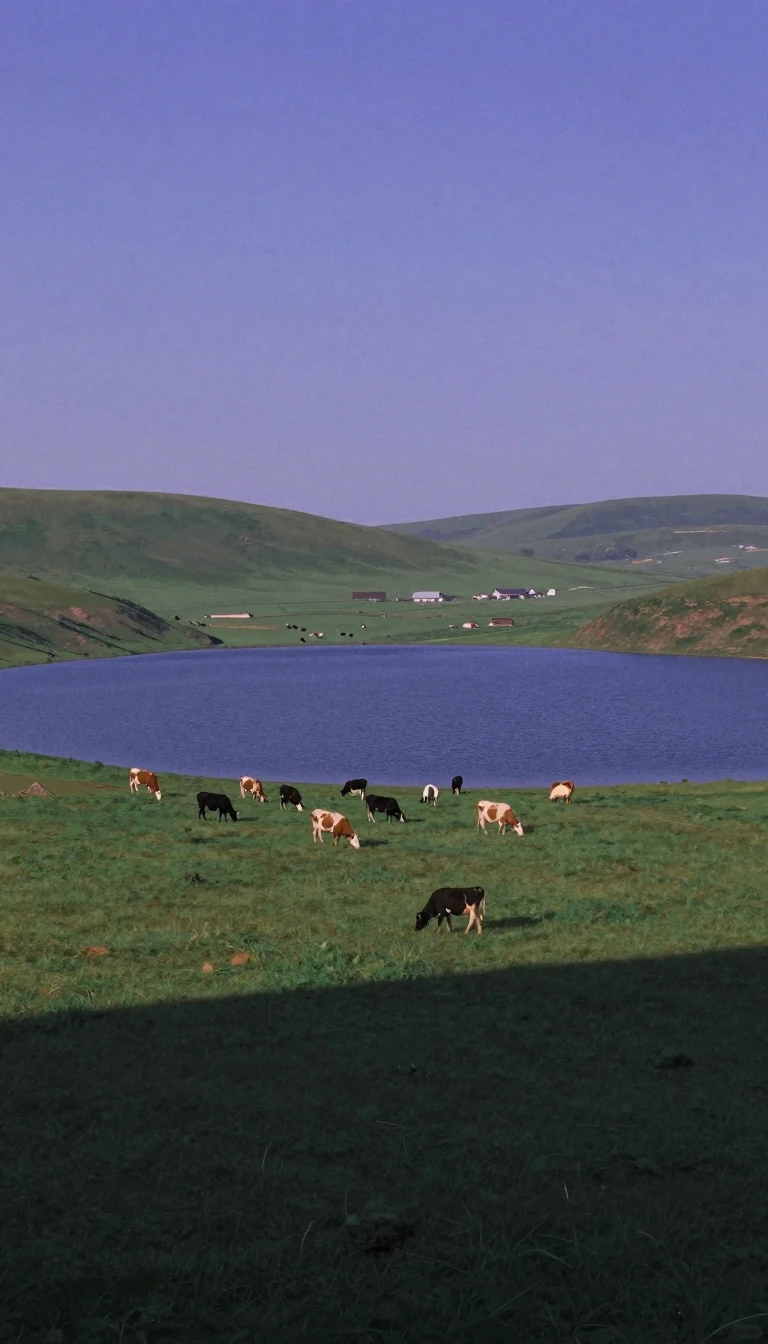 Why pasture-fed cream is faintly yellow while buffalo cream stays whiteCows grazing on grass, Jerseys especially, take in carotenoid pigments from plants, and separation concentrates them in the fat. That tint gives cream a slight yellow cast and eve…
 Why Patek Philippe dominates the world of ultra-expensive horology and auction recordsPatek Philippe is the last family-owned independent watchmaker in Geneva, holding a legacy of technical innovation since 1839. With nine of the ten most expensive watches ever sol…
 Why paternity leave is a strategic win for modern companiesWe often view paternity leave through the lens of family support, but the benefits extend far beyond the home. Beyond helping babies and partners, taking time off can transform co…
 Why pathogens do not need a passport to cross bordersDisease ignores national boundaries, moving easily between cities like Berlin and Boston. This video explores the global scale of public health, examining how we can proactively p…
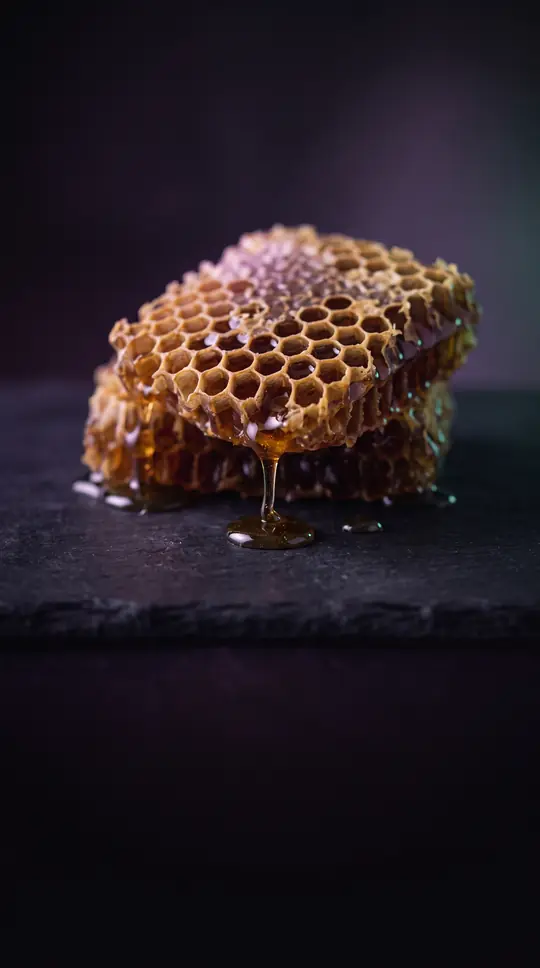 Why patience and a simple starch slurry transform a humble pot roast into excellenceA great pot roast is less about a specific recipe and more about mastering the mechanics of braising. By carefully browning your meat, building a deep umami base, and timing your …
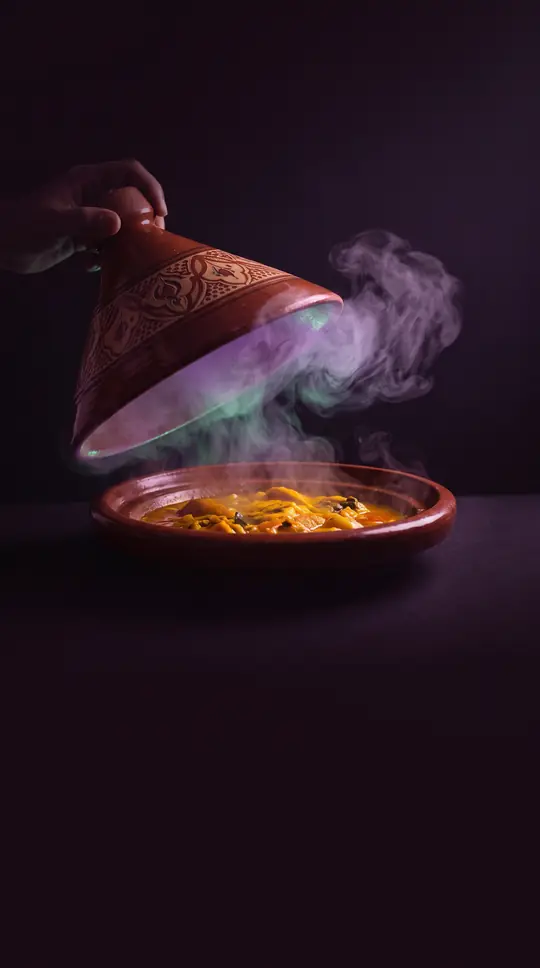 Why patience is the secret ingredient for perfect sourdough pizza doughMaking professional-grade pizza at home can feel daunting, but the secret isn't complex machinery. It is simply time. By utilizing a long, cold fermentation process, you can trans…
 Why patterns are mathematically guaranteed to emerge in any large enough setFrom geometric shapes in the night sky to patterns hidden within song lyrics, this video explores why finding order in chaos is a mathematical certainty rather than mere coinciden…
 Why Paul Cézanne’s quiet card players became the most expensive paintings in historyCézanne’s five-part series of Provençal peasants playing cards stripped away the rowdy drama of traditional tavern scenes. Instead, he captured a meditative, still-life intensity …
 Why Paul Greengrass’s chaotic camera work is actually a highly calculated cinematic illusionPaul Greengrass is famous for his intense, shaky camera style that defines modern action thrillers. While critics often label it as haphazard or even nauseating, the technique is …
 Why Paul Klee was the most experimental artist of his generationScholar Charles W. Haxthausen examines the unconventional techniques and diverse materials that set Paul Klee apart from his contemporaries. This exploration highlights Klee's uni…
 Why Paul Natorp believed that all true education is inherently social education.Born into a Germany transformed by industrialization, philosopher Paul Natorp argued that the social crises of his era were not merely material, but a profound failure of human co…
 Why Paul Newman changed his iconic detective character's name from Archer to HarperWhen Paul Newman signed on to star in the 1966 neo-noir thriller Harper, he insisted on renaming the lead character. Having found box office success with titles starting with the …
 Why Paul Rucker rejects traditional cello techniques to create his own unique soundMultidisciplinary artist Paul Rucker reimagines the cello by integrating unconventional methods like using chopsticks as bridges and employing electronics. This performance and ta…
 Why Paul Theroux’s most famous travel book was a mask for his personal miseryPaul Theroux revolutionized travel writing with his 1975 bestseller, The Great Railway Bazaar. Yet, decades later, he admitted the book was a facade. While he captured the world w…
- Why Paul Thomas Anderson considers The Master his most personal and favorite filmPaul Thomas Anderson’s 2012 drama, The Master, is a haunting exploration of post-war alienation and the magnetic pull of charismatic cult leaders. Featuring powerhouse performance…
 Why Paul Verhoeven considers his $190 million blockbuster his worst career failureDespite a massive $95 million budget and groundbreaking visual effects that earned an Oscar nomination, the 2000 sci-fi thriller Hollow Man left director Paul Verhoeven feeling de…
 Why Paul Verhoeven spent fifteen years perfecting his most expensive Dutch war thrillerAfter two decades in Hollywood, director Paul Verhoeven returned to the Netherlands to craft Black Book. This intense war drama, centered on a Jewish woman turned resistance spy, …
 Why Paulo Freire’s seminal book on education was once banned by governments worldwidePaulo Freire’s Pedagogy of the Oppressed argues that traditional schooling is a banking model that treats students like empty piggy banks. By rejecting this passive approach, Frei…