Why Did Ghibli's Comic Style Defy Its Own Magic?
In short: Forget soaring fantasy vistas. This 1999 film from Studio Ghibli offers a surprisingly intimate look at suburban life, using a comic strip aesthetic. It suggests that profound family truths can be found not in epic journeys, but in the mundane rhythms of daily existence.
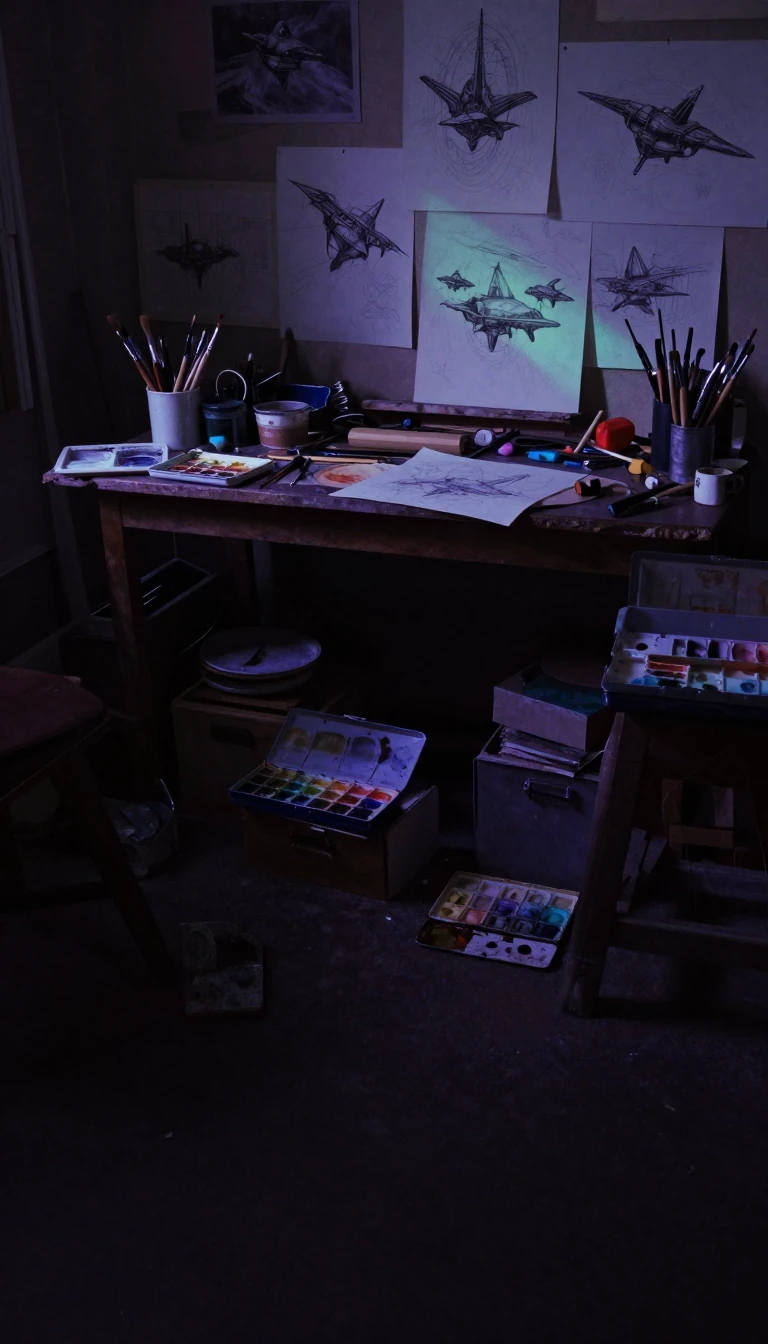
My Neighbors the Yamadas, directed by Isao Takahata and released in Japan on 17 July 1999, marked a notable stylistic departure for Studio Ghibli. While the studio is known for its traditional anime look, this film adopted a stylized comic strip aesthetic, which was a significant shift. Takahata originally envisioned the art style to mimic watercolor paintings rather than the standard cel animation. For production, traditionally animated paper sketches were scanned and then colored using digital painting techniques, although the process was not entirely computerized, only the coloring stage was fully digitized.
The narrative structure itself is unconventional. Instead of a single overarching plot, the film presents a series of self-contained vignettes. These segments explore universal themes through the daily routines of the Yamada family—including Takashi and Matsuko, their son Noboru (around 15), daughter Nonoko (around 10), and Matsuko's mother, Shige. The topics covered are varied, ranging from the complexities of marital relationships and father-son dynamics to moments of personal reflection, such as meeting one's first girlfriend. Each vignette is framed by a thematic title, such as 'A Family Torn Apart.'
The core emotional resonance of the film lies in its depiction of flawed, yet loving, family dynamics. The relationship between Takashi and Matsuko is frequently examined, showcasing their arguments—like disputes over who controls the television—but always circling back to their enduring affection and shared aspiration to be good parents. Furthermore, Shige plays a role of wisdom, offering advice and proverbs to all the family members. Reviewers noted that this observational approach provided a realistic portrait of modern Japanese suburban life, earning praise for its humor and unique visual style.
Despite the positive critical reception—with Rotten Tomatoes giving it an 78% approval rating—the film did not achieve the same box office success in Japan as other Ghibli titles. It was also unique in that it was one of only two films by Takahata not distributed by either Toho or the Toei Company.
Opens the Intellect+ feed with this card first. Swipe up for the next one.
Sources
- Summary by Intellect · source: My Neighbors the Yamadas
- Also: My Neighbors the Yamadas
To cite this card, link to https://intellectplus.co.uk/app/entertainment-my-neighbors-the-yamadas.
How we source, check and correct cards: Editorial standards.
General information, not professional advice. Spotted an error? Flag the card or see corrections and complaints.
Intellect Plus is a visual educational discovery platform for exploring fascinating facts and ideas. Brain Food, Not Brain Rot. What is Intellect Plus?
Related
More in Studio Ghibli & anime films · More in Entertainment · Latest · A–Z · All topics
