 Intellect Plus
Film and television
709 cards. Each one is a 40-second story with a five-minute read behind it. Page 7 of 12.
 Why the Nazis declared a 1937 French film their public enemy number oneJean Renoir’s masterpiece La Grande Illusion was a massive hit that infuriated the Third Reich. By portraying war as a futile, class-transcending tragedy, the film challenged the …
 Federico Fellini’s La Strada was a tortuous, deeply personal production that nearly broke its director.Before becoming a landmark of world cinema, La Strada pushed Federico Fellini to the brink of a nervous breakdown. The 1954 road tragedy, which follows a brutal strongman and a si…
 Why Britain's longest-running sitcom was almost titled The Library MobFor 37 years, Last of the Summer Wine followed three elderly men roaming the Yorkshire hills like adolescents. Created by Roy Clarke, the show became a global phenomenon, yet its …
 Why a 1949 Japanese masterpiece uses a fake marriage to reveal a painful truth.Yasujirō Ozu’s Late Spring follows a daughter devoted to her widowed father, refusing to marry and leave him alone. To force her into a new life, the father invents a lie about hi…
 How a rejected television pilot became the blueprint for a global crime franchiseDick Wolf’s Law & Order transformed the police procedural by splitting the narrative into two distinct halves: investigation and prosecution. Despite initial rejections from netwo…
 How an Icelandic aerobics champion built the world's most expensive children's television showCreated by athlete Magnús Scheving to combat childhood inactivity, LazyTown combined live-action, puppetry, and cutting-edge virtual sets. With a budget five times higher than the…
 Why your favorite courtroom drama is likely a total distortion of the legal systemLegal dramas captivate audiences by turning the justice system into a stage for moral intrigue and high-stakes conflict. Yet, practicing lawyers often argue these stories foster d…
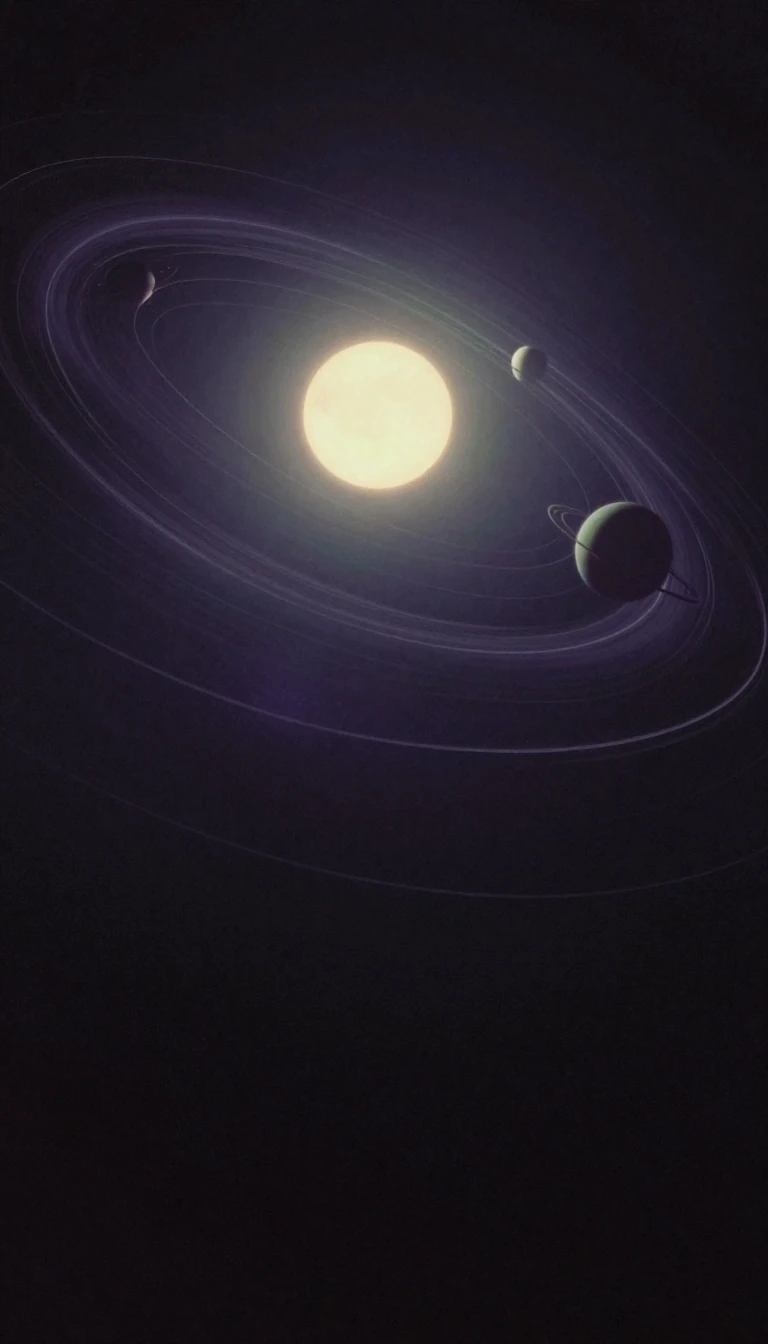 Two genius rivals define the fate of a galaxy in this epic space saga.Yoshiki Tanaka's Legend of the Galactic Heroes chronicles a never-ending war between a monarchic empire and a democratic republic. Through the eyes of two brilliant strategists, R…
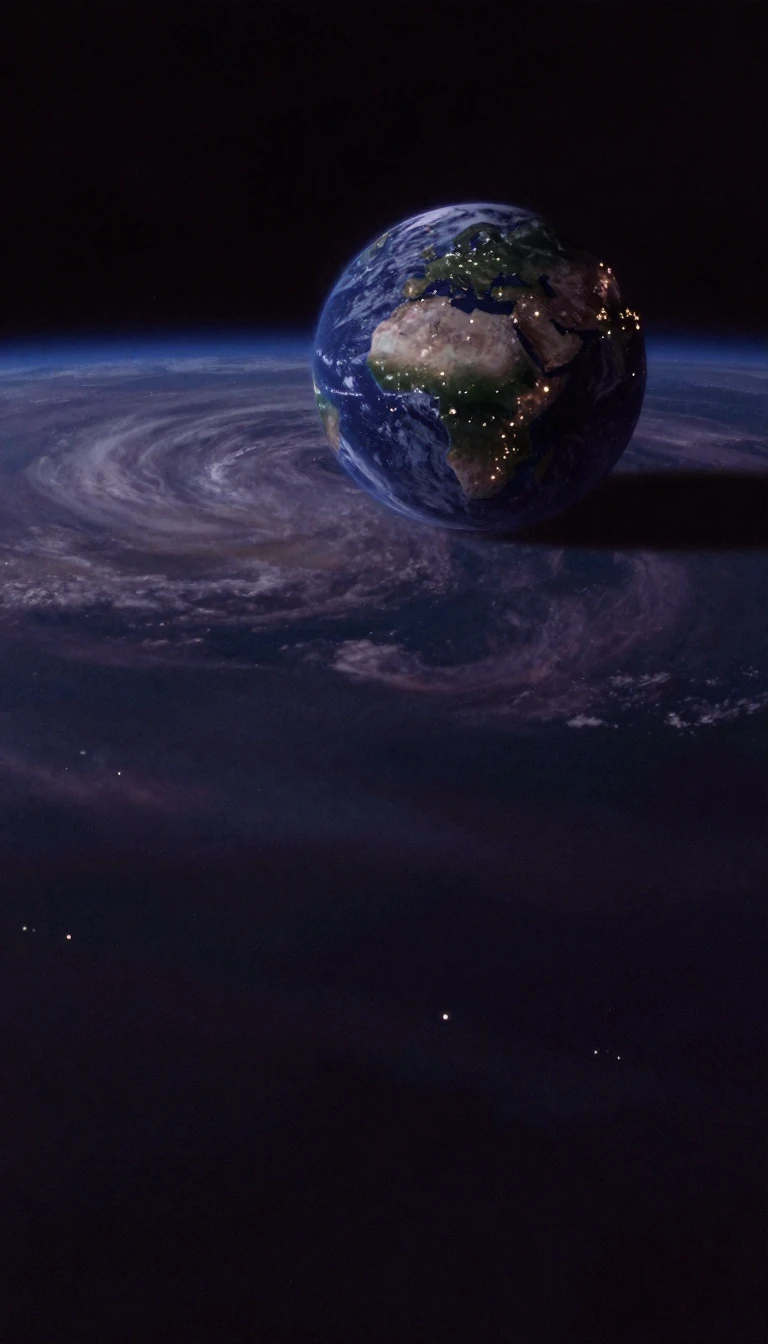 How a plane crash in the South Pacific became a global television phenomenonA serialized drama about survivors of Oceanic Flight 815, this show blended supernatural mystery with complex character studies. Over six seasons, it challenged audiences with tim…
 How a Japanese mecha anime franchise became a global cultural and legal battlefieldMacross redefined science fiction by centering its interstellar wars on music, love triangles, and transforming robots. Created in 1982, the franchise pioneered the virtual idol p…
 Why the Mad Max franchise treats its own timeline as a series of legendsGeorge Miller’s Mad Max films are not a traditional, linear saga. Instead, they function as post-apocalyptic folklore, passed down like campfire stories in a dying world. Because …
 Why a 1929 Soviet film with no actors is a masterpiece of modern cinemaDziga Vertov’s Man with a Movie Camera is a radical, silent documentary that rejects traditional storytelling. By capturing urban life through experimental techniques like double …
 Why Woody Allen tried to stop the release of his own black-and-white masterpieceWoody Allen was so dissatisfied with Manhattan after finishing it that he offered to make another film for free if United Artists would simply shelve it. He believed if this was h…
 How a controversial sitcom about a dysfunctional family helped define a fledgling television network.Before it became a cult classic, Married... with Children was a lightning rod for outrage. By rejecting the wholesome tropes of 1980s television, the show turned its own notoriety…
 Why do we find hospital dramas so addictive and deeply relatable to watch?Medical dramas turn the sterile hospital ward into a stage for the human condition. Beyond the high-stakes surgeries, these shows thrive because they blend extraordinary professio…
 A 1943 experimental film remains a haunting blueprint for modern psychological cinemaMaya Deren and Alexander Hammid’s Meshes of the Afternoon is a circular, surrealist journey through a fractured subconscious. By distorting time, space, and identity, this silent …
 How a gritty police drama turned Miami into a neon-soaked, high-fashion cultural phenomenonMiami Vice redefined television by prioritizing mood, music, and aesthetic precision over traditional narrative. By banning earth tones and treating the city as a modern-day Casab…
 How a rejected monster movie transformed music videos into a serious art formWhen Michael Jackson proposed a horror-themed short film for his hit album, executives balked, calling it a novelty. Yet, the resulting production defied expectations, shattering …
 How a quiet puppeteer from Pittsburgh redefined the emotional landscape of children's televisionFred Rogers did not just host a show; he built a sanctuary. By blending musical composition, divinity, and puppetry, he created a space where children could navigate their fears a…
 How a 1957 Indian epic challenged a colonial book to define a nation's identity.Mehboob Khan’s Mother India was more than a film; it was a deliberate, cinematic rebuttal to Katherine Mayo’s 1927 polemical book that vilified Indian culture. By casting a resili…
 Was the greatest Bollywood blockbuster of the 1960s based on a real historical tragedy?Mughal-e-Azam, a 1960 epic, captivated audiences for decades with its operatic scale and forbidden romance. While it remains a pillar of Indian cinema, the story of Prince Saleem …
 Can a fictionalized historical drama reshape the global perception of a nation's imperial past?Muhteşem Yüzyıl, a lavish Turkish drama about Sultan Suleiman the Magnificent, became a global phenomenon reaching over 200 million viewers. Despite its massive success, the serie…
 Why David Lynch’s surrealist thriller Mulholland Drive remains a haunting puzzle for modern audiencesOriginally conceived as a television pilot, this 2001 neo-noir masterpiece evolved into a dreamlike exploration of the dark side of Hollywood. Its nonlinear structure and mysterio…
 A 1609 Joseon Dynasty UFO sighting inspired this hit South Korean television seriesMy Love from the Star blends historical records with high-concept fantasy. The series follows an extraterrestrial who landed in 1609 and spent four centuries on Earth, only to fal…
 How a forest spirit became a global cultural icon and a mascot for natureHayao Miyazaki’s 1988 masterpiece My Neighbor Totoro transformed a simple story about two sisters in postwar Japan into a global phenomenon. Beyond its critical acclaim, the film’…
 How MythBusters turned urban legends into a massive, explosive, and scientific television spectacle.For fourteen seasons, Adam Savage and Jamie Hyneman used high-speed cameras, ballistic gelatin, and tons of explosives to test the validity of popular myths. By applying the scien…
 Abel Gance’s 1927 epic Napoléon was a technical marvel that nearly vanished from history.Before IMAX, there was the triptych. Abel Gance’s silent masterpiece used three synchronized cameras to create a panoramic visual experience that pushed the limits of 1920s cinema…
 How India celebrates its cinematic excellence through a prestigious national awards ceremonySince 1954, India has honored its finest films through a rigorous national competition. These awards recognize technical and artistic mastery across diverse languages and regions.…
 The pristine wilderness you see on screen is often a carefully constructed cinematic illusionNature documentaries are rarely the unvarnished windows into the wild they appear to be. From staged animal conflicts to studio-filmed close-ups and post-production sound design, …
 How a haunting 1956 documentary transformed our collective memory of the concentration campsAlain Resnais’s Night and Fog is a landmark documentary that juxtaposes the desolate, overgrown ruins of 1955 concentration camps with harrowing archival footage. Created to confr…
 How a low-budget 1968 horror film redefined the modern zombie for global audiencesReleased in 1968, George Romero's Night of the Living Dead broke the mold for horror cinema. By shifting away from traditional Vodou origins and placing monsters in a recognizable…
 How a fake spy and a crop duster created the ultimate Hitchcock thriller.Alfred Hitchcock’s 1959 masterpiece North by Northwest redefined the spy thriller, blending mistaken identity with groundbreaking kinetic typography. Born from a brainstorm about …
 Was the greatest film performance of all time actually a celebration of an informant?Elia Kazan’s 1954 masterpiece On the Waterfront is widely hailed for Marlon Brando’s electrifying, method-acting performance. Yet, the film remains deeply controversial. Critics l…
 Why a 1968 Western caused a fashion crisis on Parisian department store escalatorsSergio Leone’s epic Once Upon a Time in the West was a massive hit in Europe, sparking a trend for duster coats so popular that Parisian escalators required warning signs. While t…
- How a sitcom about market traders became the most-watched show in British television history.Created by John Sullivan, Only Fools and Horses followed the ambitious, get-rich-quick schemes of the Trotter brothers in Peckham. Though it began with lukewarm reviews and little…
 How a minimalist Danish drama achieved the impossible through absolute, obsessive cinematic controlCarl Theodor Dreyer’s 1955 masterpiece Ordet is a haunting exploration of faith and resurrection. Renowned for its stark, painterly cinematography and long, deliberate takes, the …
 How a rejected television script became Japan’s most watched serial of all timeOshin, a serialized drama about a woman’s grueling life in Meiji-era Japan, was initially rejected by every network, including NHK. Its creator, Sugako Hashida, based the story on…
- Is a documentary a neutral window or a tool of the filmmaker's own power?Jennie Livingston’s 1990 documentary Paris Is Burning captured the vibrant, high-stakes world of New York City’s ballroom scene. While celebrated as a masterpiece of queer culture…
- How a penniless debut film about rural poverty became a global cinematic masterpieceSatyajit Ray’s 1955 debut, Pather Panchali, was a production defined by near-constant failure. With no budget, amateur actors, and a crew of first-timers, the film stalled for yea…
- Is Ingmar Bergman’s 1966 masterpiece a psychological drama or a cinematic mirror of ourselves?A silent actress and her nurse retreat to a remote cottage, only to find their identities blurring into a single, haunting entity. This experimental Swedish film challenges the bo…
 How a simple doodle of a triangle boy conquered Disney for sixteen yearsConceived by two animators during their time on The Simpsons, Phineas and Ferb spent sixteen years in development hell before Disney finally greenlit the show. By embracing a rigi…
 A 1968 sci-fi classic that turned the mirror on humanity's own self-destructive natureWhen astronaut Taylor crash-lands on a mysterious planet, he finds a world where apes rule and humans are mute, primitive slaves. This iconic film, featuring groundbreaking prosth…
 Jacques Tati built an entire city to film his masterpiece, then went bankrupt.To capture his vision of a hyper-modern, sterile Paris, Jacques Tati constructed a massive, custom-built set known as Tativille. The project was so ambitious and expensive that it…
- How a Japanese anime series became the most successful video game adaptation everPremiering in 1997, the Pokémon anime evolved from a simple story about a boy and his electric mouse into a global cultural phenomenon. Spanning over 1,300 episodes and broadcast …
 The police procedural is less about solving crimes and more about selling an image.While we watch police procedurals for the thrill of the hunt, the genre is often a carefully curated performance. From its roots in 19th-century detective fiction to modern televi…
- Jackie Chan's 1985 masterpiece Police Story redefined the limits of cinematic action and physical risk.Jackie Chan directed and starred in Police Story, a landmark 1985 film that prioritized dangerous, large-scale stunts over traditional scripts. By building the narrative around a …
 Why your favorite film takes years to reach the screen after shooting endsThe magic of cinema happens long after the cameras stop rolling. While audiences wait months or years for a release, editors, sound designers, and visual artists are busy re-imagi…
 A Japanese superhero franchise became a global phenomenon by splicing footage for Western audiences.Power Rangers is not a simple remake. It is a complex hybrid, blending original American scenes with action footage from Japan’s Super Sentai series. Since its 1993 debut, this un…
- Why physical illusions remain the gold standard for cinematic realism and immersive storytellingBefore digital pixels dominated the screen, filmmakers relied on physical ingenuity to conjure magic. Practical effects—from miniature models to complex pyrotechnics—are created o…
 Why the most successful creative projects are won before the cameras ever rollPre-production is the silent architect of every great performance. Far from just administrative busywork, this phase transforms abstract concepts into concrete reality. By meticul…
 How a deceptively cute anime series deconstructed the magical girl genre through dark storytelling.Puella Magi Madoka Magica appears to be a standard magical girl show, complete with rounded fonts and innocent marketing. Yet, behind this facade lies a grim, philosophical explor…
 Why a 1994 crime film redefined storytelling by embracing the chaos of pulp fiction.Quentin Tarantino’s 1994 masterpiece shattered cinematic norms with a nonlinear narrative and vibrant, pop-culture-infused dialogue. By blending dark criminal underworlds with une…
 Why Martin Scorsese thought his masterpiece would be his final major film projectMartin Scorsese initially rejected the script for Raging Bull, claiming he had no interest in boxing. After a near-fatal drug overdose, he finally connected with the story, viewin…
 How a 1987 television epic brought entire nations to a standstill every Sunday morningWhen Ramanand Sagar's Ramayan aired, streets emptied and shops shuttered as millions turned to their screens. This Indian epic, based on ancient Sanskrit texts, became a global ph…
- Why Alfred Hitchcock’s Rear Window makes you an accomplice to a crimeConfined to a wheelchair, a photographer turns his lens on his neighbors, transforming a Greenwich Village courtyard into a stage for murder. By forcing the audience to share his …
- How a crude Back to the Future parody evolved into a global animation powerhouseBorn from a vulgar short film festival entry, Rick and Morty transformed from a niche experiment into a critically acclaimed cultural phenomenon. By blending nihilistic science fi…
 How a 1998 Japanese horror film redefined the global language of cinematic fearHideo Nakata's Ring transformed horror by replacing slashers with psychological dread. By grounding a supernatural curse in modern technology—a videotape—the film sparked a global…
 How a satirical 1987 action film became a profound meditation on corporate identityRoboCop is more than a violent cyborg fantasy. Conceived by a screenwriter inspired by Blade Runner and 1980s corporate culture, the film uses extreme satire to critique Reaganomi…
- How a desperate, low-budget Italian war drama became a global cinematic masterpieceFilmed in 1945 amidst the rubble of post-war Rome, Roberto Rossellini’s Rome, Open City was born from scarcity. With no professional studios, little money, and salvaged film stock…
 How a risky television gamble became a defining moment in American cultural historyWhen ABC executives aired the 1977 miniseries Roots over eight consecutive nights, they feared a ratings disaster. Instead, the adaptation of Alex Haley’s novel became a massive p…