 Intellect Plus
Film and television
709 cards. Each one is a 40-second story with a five-minute read behind it. Page 8 of 12.
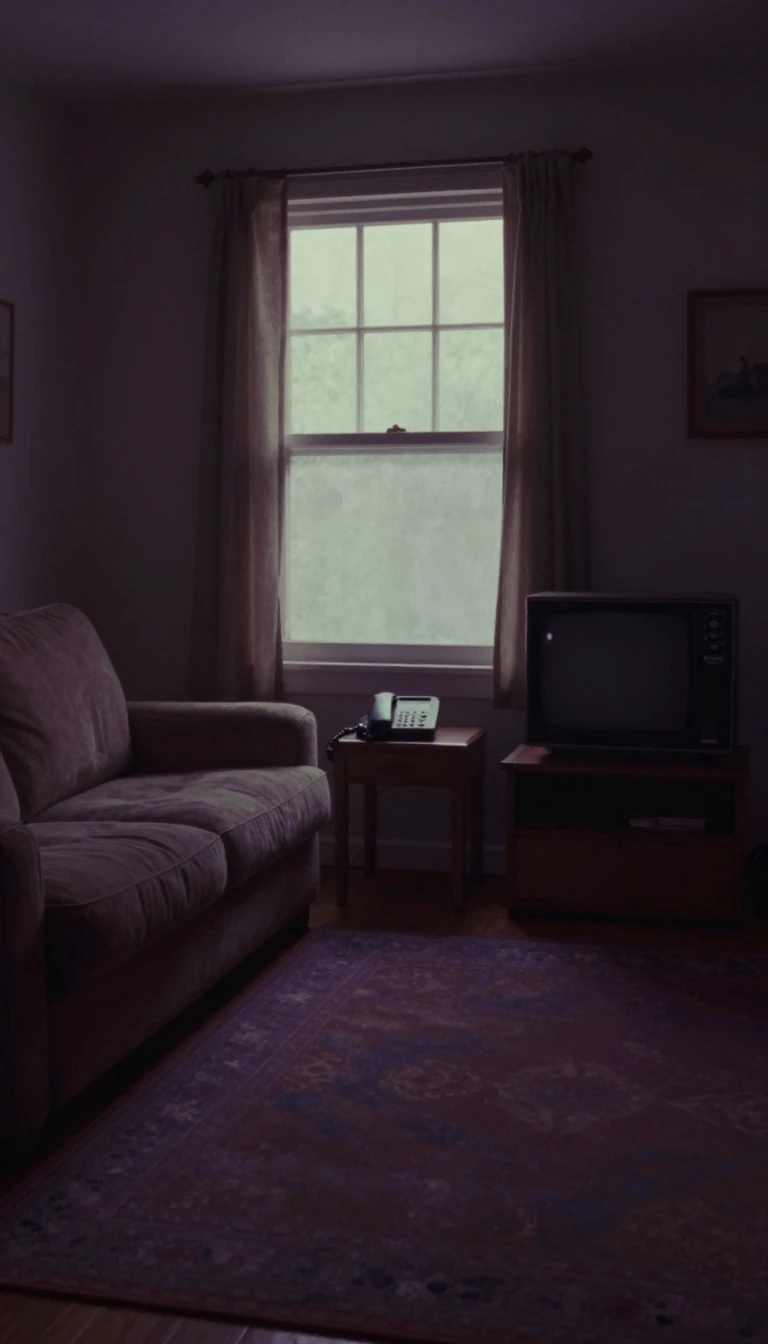 How a 1968 horror masterpiece turned domestic paranoia into a permanent cultural nightmare.Roman Polanski’s Rosemary’s Baby transformed the mundane anxieties of Manhattan apartment living into a chilling tale of occult conspiracy. By grounding supernatural terror in the…
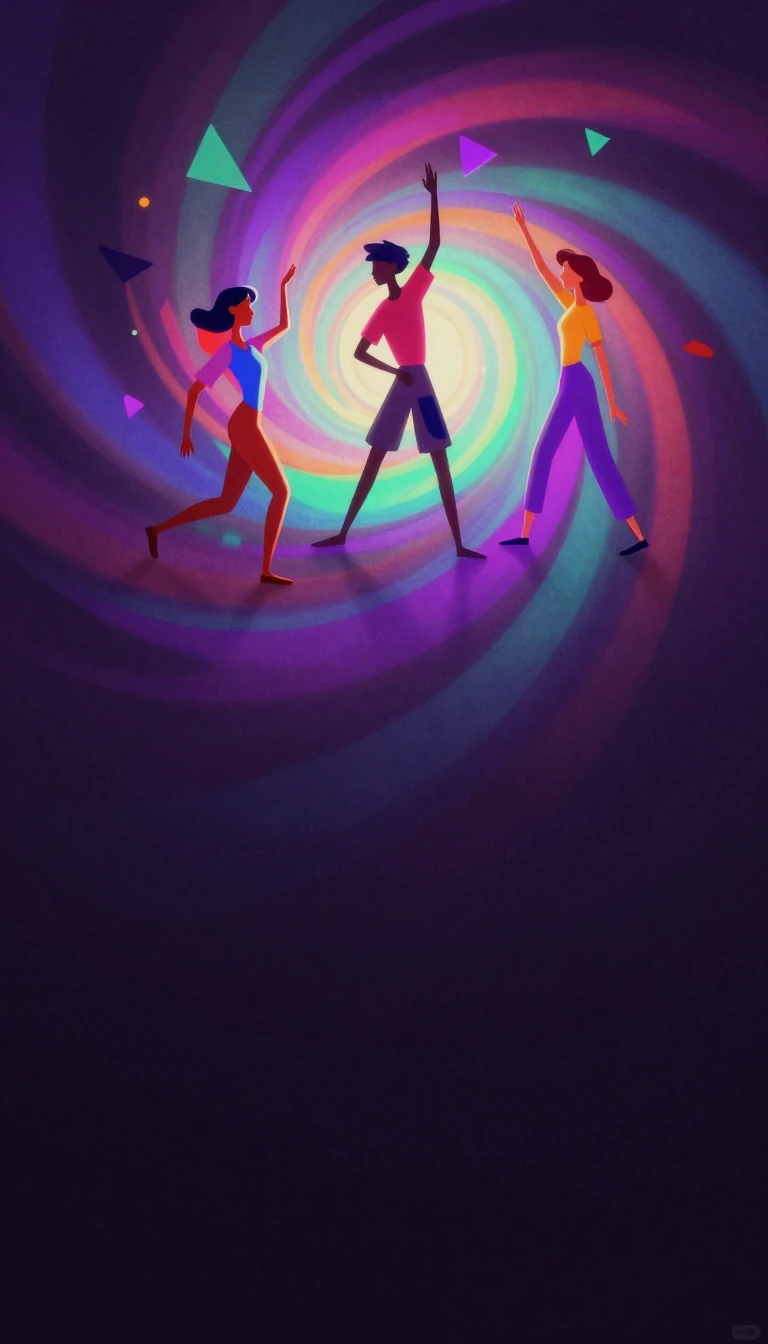 Tracing reality: How rotoscoping bridges the gap between live-action film and animationInvented in 1915 to capture fluid motion, rotoscoping involves tracing over live-action footage frame by frame. While once a laborious manual process for early animators, it has e…
 Captured in 1888, this brief, silent sequence is the oldest surviving motion picture film.In a quiet Yorkshire garden, a few figures stroll in a scene that changed history. Filmed by Louis Le Prince, this short clip predates the commercial cinema era. Though the origin…
 How a sardonic cartoon about toddlers became the definitive voice of 1990s cable televisionRugrats transformed mundane infancy into epic adventure by viewing the world through a toddler's limited, imaginative lens. Created by a trio of animation veterans, the show becam…
- How a South Korean variety show became a global cultural phenomenon through urban games.Running Man, the longest-running South Korean variety show, transformed from an urban action experiment into a reality-variety powerhouse. By blending unpredictable physical missi…
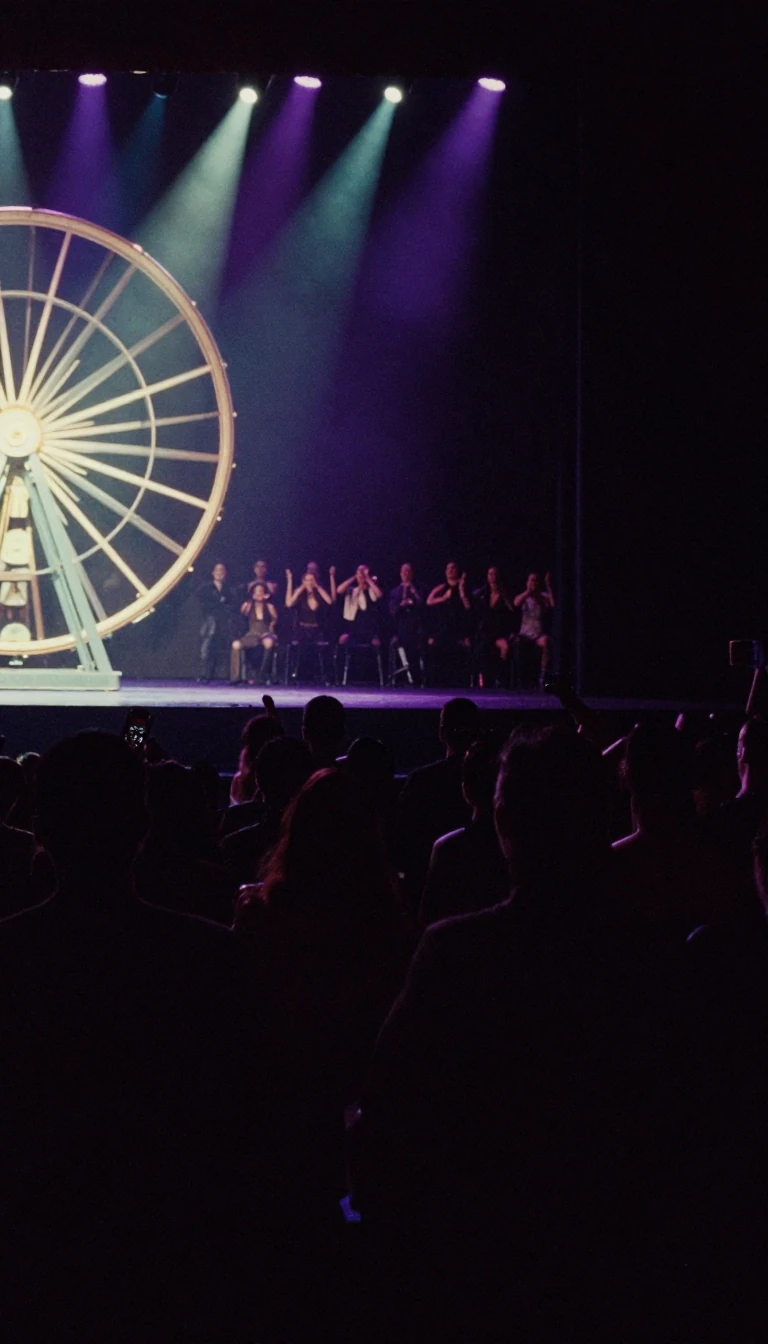 Sábado Gigante: The Eclectic Variety Show That Defined Television History for Over Five DecadesSpanning 53 years, Sábado Gigante evolved from a local Chilean broadcast into a global phenomenon. Hosted by the iconic Don Francisco, this frenetic mix of contests, sketches, and…
 Why this elite Mumbai family became an enduring icon of Indian television comedyThe Sarabhais are a quintessential upper-class clan living in South Mumbai, whose daily lives are defined by sharp social friction. Through the clash between a snobbish matriarch …
 How a failed pitch for a sporting event birthed a global obstacle course phenomenonIn 1991, a producer named Ushio Higuchi tried to launch a multi-disciplinary sports competition. After being rejected by the Olympics, he pivoted to a late-night show that unexpec…
 Why a radical feminist icon became Japan's most beloved symbol of traditional family life.Sazae-san began in 1946 as a bold, liberated woman who bossed her husband around and joined women's liberation groups. Today, however, the series is viewed as a nostalgic, gentle …
 Why Chicago’s most notorious gangster epic was held hostage by 1930s film censorsReleased in 1932, Howard Hawks’s Scarface is a cornerstone of the gangster genre. Yet, the film was nearly buried before it reached theaters. Producers Howard Hughes and Hawks spe…
 Was the man who saved over a thousand lives a hero or a profiteer?Steven Spielberg’s 1993 masterpiece Schindler’s List depicts the transformation of Oskar Schindler from a Nazi opportunist into a humanitarian. While the film is celebrated for it…
 Why science fiction films often ignore the laws of physics for the sake of artScience fiction cinema uses speculative technology to explore the human condition, yet it frequently discards scientific accuracy. From spacecraft banking like airplanes in a vacu…
 How a rejected pitch for a scary cartoon became a global mystery-solving phenomenonIn 1969, CBS executives rejected a show they deemed too frightening for children. Yet, by pivoting toward humor and away from superhero violence, the creators birthed a cultural i…
 Why a sitcom about nothing became the most influential show in American television historyInitially dismissed by NBC executives as too niche and lacking mass appeal, Seinfeld defied expectations to become a cultural phenomenon. By rejecting traditional sitcom tropes li…
 Why the best television shows are often the hardest to watchSerialized television demands total commitment. By weaving complex, season-long narratives, these shows reward loyal viewers with deep immersion but alienate casual audiences. Whi…
 Can a fictional president on television become the real leader of a nation?In a surreal blurring of art and reality, a Ukrainian actor who played a high school teacher turned president in a hit sitcom was elected to the actual presidency in 2019. The sho…
 How a Soviet spy thriller became the ultimate mirror for a nation's wartime traumaIn 1973, Soviet television viewers were captivated by Seventeen Moments in Spring, a series following a spy infiltrating the Nazi high command. While it served as a Cold War propa…
 Is Claude Lanzmann’s nine-hour masterpiece, Shoah, the greatest documentary ever made?Spanning eleven years of production, Claude Lanzmann’s 1985 documentary Shoah eschews archival footage to confront the Holocaust through raw, present-day testimony. By visiting ex…
 From Kinetoscopes to Viral Hits: The Enduring Evolution of the Short FilmA short film is more than just a brief movie. Defined by the Academy as under 40 minutes, these works have evolved from the very first experiments in cinema to a vital training gr…
 Why do filmmakers call their work a shot? It traces back to machine guns.The term shot originated in the early days of cinema, when cameras were hand-cranked devices that functioned much like the machine guns of the era. A cameraman would shoot film ju…
 From Vaudeville Stages to Viral Satire: The Enduring Power of Sketch ComedySketch comedy is more than just a collection of short, funny scenes. It is a dynamic art form that evolved from 19th-century music halls into a global television staple. By blendi…
 Why Andrei Tarkovsky’s Solaris is a masterpiece of inner space, not outer spaceAndrei Tarkovsky’s 1972 science fiction film Solaris was a deliberate rejection of the technological focus seen in Western genre hits like 2001: A Space Odyssey. Instead of space …
 Can the sound of a single gunshot become a soothing lullaby for the restless?Sound design is more than just background noise; it is a sculptural force that shapes our perception of reality. By manipulating audio, artists can transform the jarring violence …
- How a WWII battleship became the most influential vessel in Japanese science fiction historySpace Battleship Yamato transformed Japanese anime by introducing complex, serialized storytelling and mature themes. Originally conceived as a dark, asteroid-based survival story…
 How a failed 2009 film script became Netflix's most-watched survival thriller seriesHwang Dong-hyuk spent a decade struggling to fund his dark allegory of modern capitalism. Once rejected as too grotesque, his vision of children's games turned deadly finally foun…
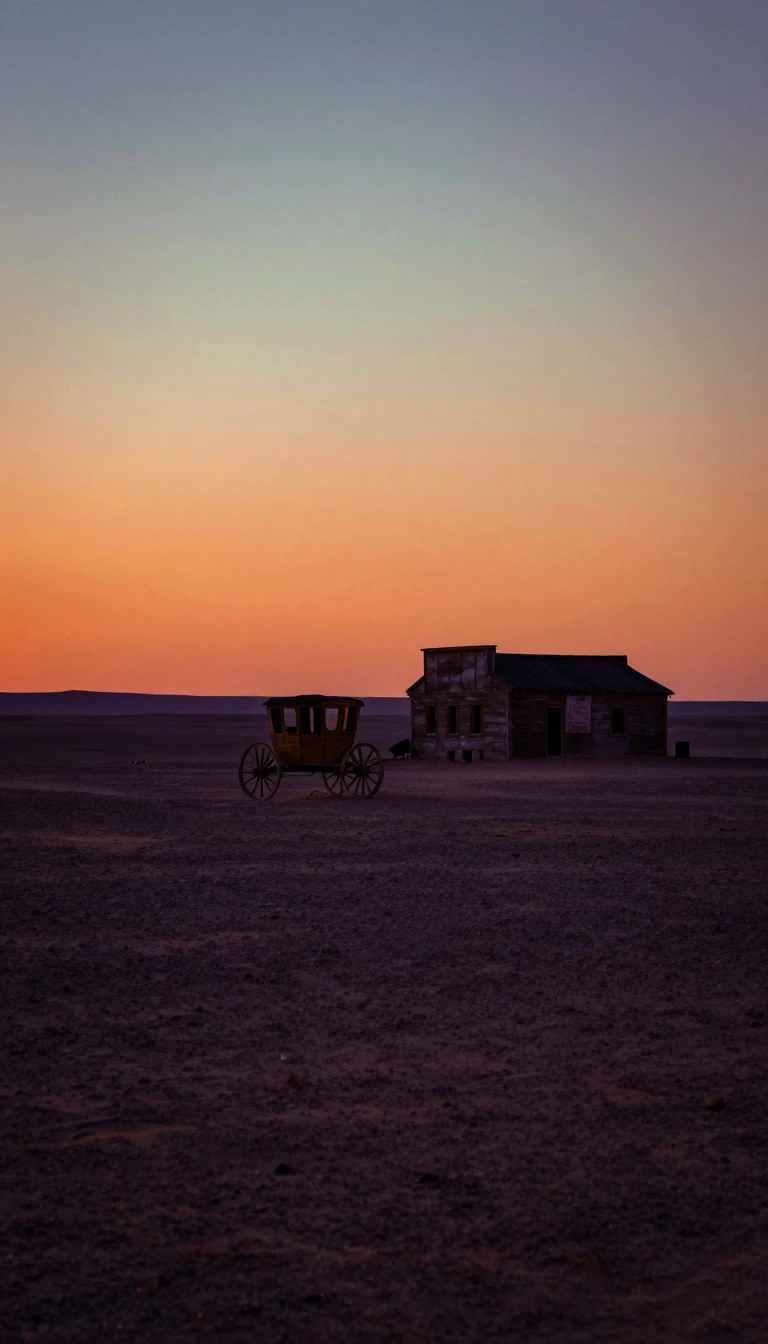 How a rejected Western became a textbook for the greatest filmmakers in historyJohn Ford’s 1939 masterpiece Stagecoach was nearly never made. Studios rejected it for its budget and its lead actor, John Wayne. Yet, it became a genre-defining classic, lauded b…
 A Soviet masterpiece of science fiction that nearly destroyed its own production crewAndrei Tarkovsky’s 1979 film Stalker is a haunting, philosophical journey into a mysterious wasteland where physics fails and desires manifest. Beyond its cinematic legacy, the pr…
 How Singapore's Star Awards evolved from a small studio show to a national spectacleSince its 1994 debut with 500 attendees, the Star Awards have transformed into a major cultural event. What began as a modest recognition of local television talent has grown thro…
- How a failed rabbit and a jazz singer birthed a global animation empireBefore Mickey Mouse became a cultural icon, Walt Disney was a struggling producer with a failed rabbit character. After witnessing the revolutionary sound in The Jazz Singer, Disn…
- Stop motion animation began as a secret magic trick to baffle early cinema audiences.Before digital effects, filmmakers manipulated physical objects frame by frame to create the illusion of life. From dead beetles to clay sculptures, this painstaking technique evo…
 Why the most important tool in modern filmmaking began as a simple bulletin board.Before the storyboard became an industry standard, animators worked in isolation, crafting gags without narrative cohesion. Walt Disney changed this in the early 1930s by pinning …
 Beyond translation: how subtitles shape our understanding of film and televisionSubtitles are more than just translated dialogue. They are complex technical artifacts that can provide cultural context, reveal inner thoughts, or offer essential accessibility f…
 How a failed morgue scene birthed a masterpiece of Hollywood’s dark, decaying glamour.Billy Wilder’s 1950 noir Sunset Boulevard is a haunting meditation on fame, but its original cut was a comedy set in a morgue. After test audiences laughed at the wrong moments, W…
 How a Japanese superhero franchise defined the tokusatsu genre for half a centuryThe Super Sentai series, a Japanese cultural juggernaut, has shaped the tokusatsu genre since 1975. Featuring color-coded teams, elaborate transformations, and giant mecha battles…
 How a $55 Million Gamble Created the Modern Superhero Movie FranchiseBefore it became a cultural touchstone, the 1978 Superman film was a production nightmare. With an unprecedented budget, a director at war with his producers, and a desperate sear…
- How a reality television experiment became a global masterclass in human social dynamicsSurvivor is more than a game of endurance; it is a complex social laboratory where strangers are marooned to build societies from scratch. By balancing physical survival with the …
 Dario Argento’s Suspiria is a nightmare captured on film through vivid, Technicolor-soaked visual excess.Released in 1977, this Italian horror masterpiece abandoned conventional realism for a dreamlike, sensory assault. By prioritizing aesthetic experience over traditional narrative,…
 Can a virtual world become as real as the one we inhabit?Sword Art Online began as a web novel about players trapped in a lethal virtual reality game. It evolved into a massive franchise exploring the dangers of brain-computer interface…
 Takeshi's Castle turned physical failure into a global cult phenomenon of painful entertainmentBetween 1986 and 1990, Japanese comedian Takeshi Kitano challenged armies of contestants to storm his fortress. The show featured elaborate, often humiliating physical obstacles t…
- Why Germany's longest-running crime drama is actually a collection of local moviesTatort is not a typical police series but a cultural phenomenon. Since 1970, Germany's public broadcasters have pooled resources to produce feature-length, 90-minute crime stories…
 How a gritty New York magazine profile birthed one of television's most acclaimed sitcoms.Taxi remains a masterclass in ensemble comedy, balancing cynical humor with profound explorations of human struggle. Inspired by a 1975 New York magazine article about night-shift…
 More than just soap operas, telenovelas are a global force for social influence.Often dismissed as simple rags-to-riches dramas, telenovelas are actually a sophisticated, fast-paced medium that has shaped behavior and culture for decades. From pioneering fami…
 Television comedy is more than just laughter; it is a mirror for shifting social norms.From the early variety shows of the 1940s to modern satirical news, television comedy has evolved into a powerful cultural force. It does not merely entertain; it challenges conve…
- From historical archives to streaming giants, how television documentaries shaped our modern realityTelevision documentary has evolved from inefficient, tripod-heavy film production into a dominant streaming force. While early pioneers viewed the medium as a creative treatment o…
 Why the made-for-television movie became the most condescended-to artifact of popular cultureOnce a strategic tool to keep audiences from movie theaters, the television film evolved from a low-budget network staple into a complex genre. While often dismissed as disposable…
- Why most television pilots are destined to never reach a viewing audienceA television pilot is a high-stakes testing ground designed to convince networks that a series concept is worth the investment. Yet, despite the intense competition and massive pr…
 Why François Truffaut’s debut masterpiece is a landmark of the French New WaveThe 400 Blows is more than a coming-of-age drama; it is a semi-autobiographical exposé of a misunderstood boy struggling against an indifferent world. This 1959 film launched the …
- How a show about fugitive commandos became the ultimate symbol of 1980s televisionThe A-Team was a global phenomenon that turned cartoonish violence into a lucrative brand. Created as a mix of war movies and heist shows, it followed four Vietnam veterans on the…
 A documentary where mass murderers re-enact their crimes for the camera, by invitation.In the 2012 film The Act of Killing, director Joshua Oppenheimer challenged Indonesian death squad leaders to dramatize their roles in the 1965–66 massacres. The result is a surre…
 How a simple bet between two television producers launched a global reality phenomenonThe Amazing Race began not as a boardroom pitch, but as a playful wager between creators Elise Doganieri and Bertram van Munster. Since 2001, this high-stakes competition has sent…
 Why a 1960s sitcom about a sleepy town dominated American television ratings for yearsThe Andy Griffith Show was a cultural juggernaut that never fell below seventh in the Nielsen rankings throughout its eight-season run. While it depicted a fictional, nostalgic ve…
- How a cynical corporate satire became one of the greatest films ever madeBilly Wilder’s 1960 masterpiece The Apartment transformed a sordid tale of corporate infidelity into a tender, genre-defying classic. Despite initial controversy over its subject …
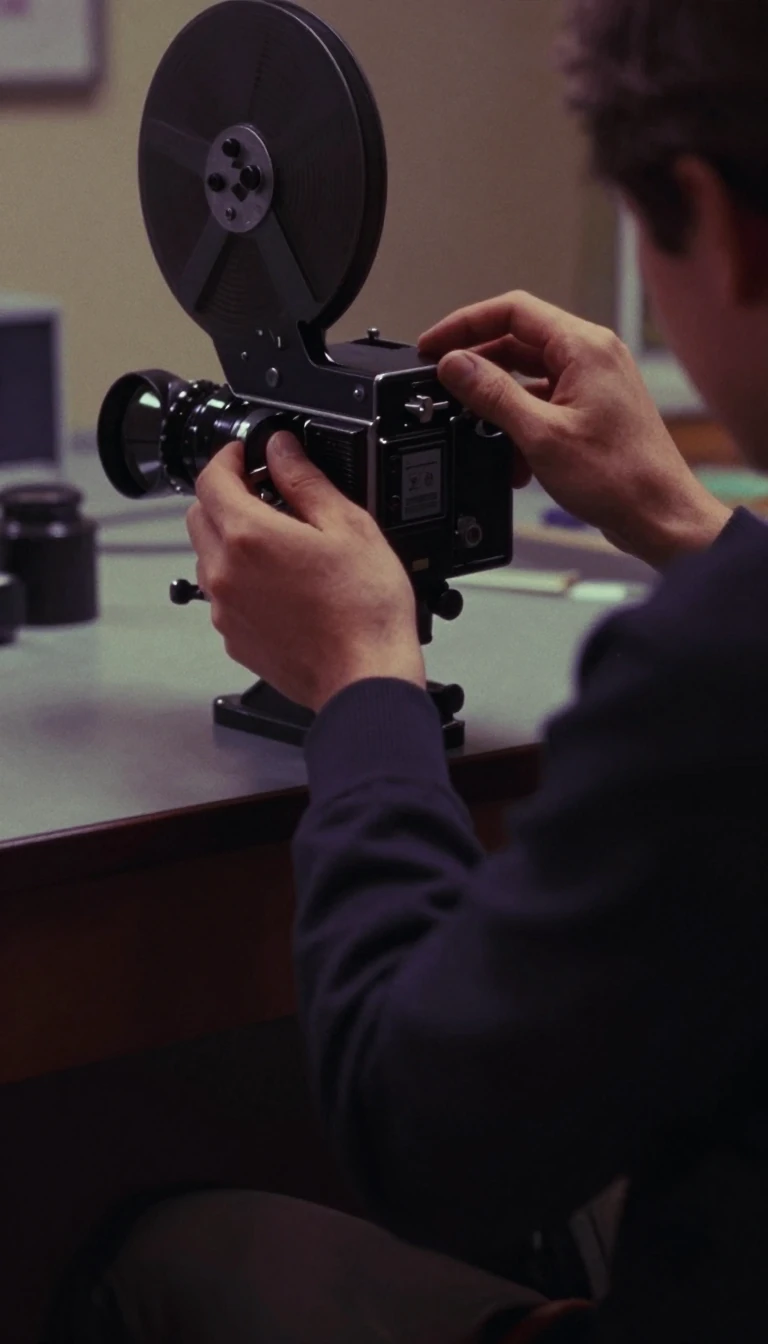 Why a 1966 war film was mistaken for real, gritty newsreel footageGillo Pontecorvo’s The Battle of Algiers is so visually authentic that audiences often assume it contains actual combat footage. In reality, every frame was meticulously staged us…
- How Benny Hill turned slapstick into a global television empire and then lost itBenny Hill was a master of live animation, using undercranking and sight gags to create a frantic, global comedy phenomenon. At its peak, his show drew over 21 million viewers in …
 How a 1946 drama captured the raw reality of returning from warThe Best Years of Our Lives became a cultural phenomenon by confronting the uncomfortable truth of post-war reintegration. While other films looked away, this 172-minute epic expl…
 Why a 1998 cult comedy about a slacker became a modern cinematic legendThe Big Lebowski, a 1998 neo-noir comedy by the Coen brothers, initially received mixed reviews before evolving into a global cultural phenomenon. Inspired by Raymond Chandler’s d…
 How a low-budget student film convinced the world that its actors were actually missing.In 1999, a grainy horror film turned a $60,000 budget into a $248 million global phenomenon. By marketing its lead actors as missing or deceased, the directors blurred the line be…
- Why the most famous blended family on television was never actually a stepfamilyThe Brady Bunch was a cultural phenomenon that defined the American sitcom, yet it was never a ratings hit during its original run. Created by Sherwood Schwartz, the show navigate…
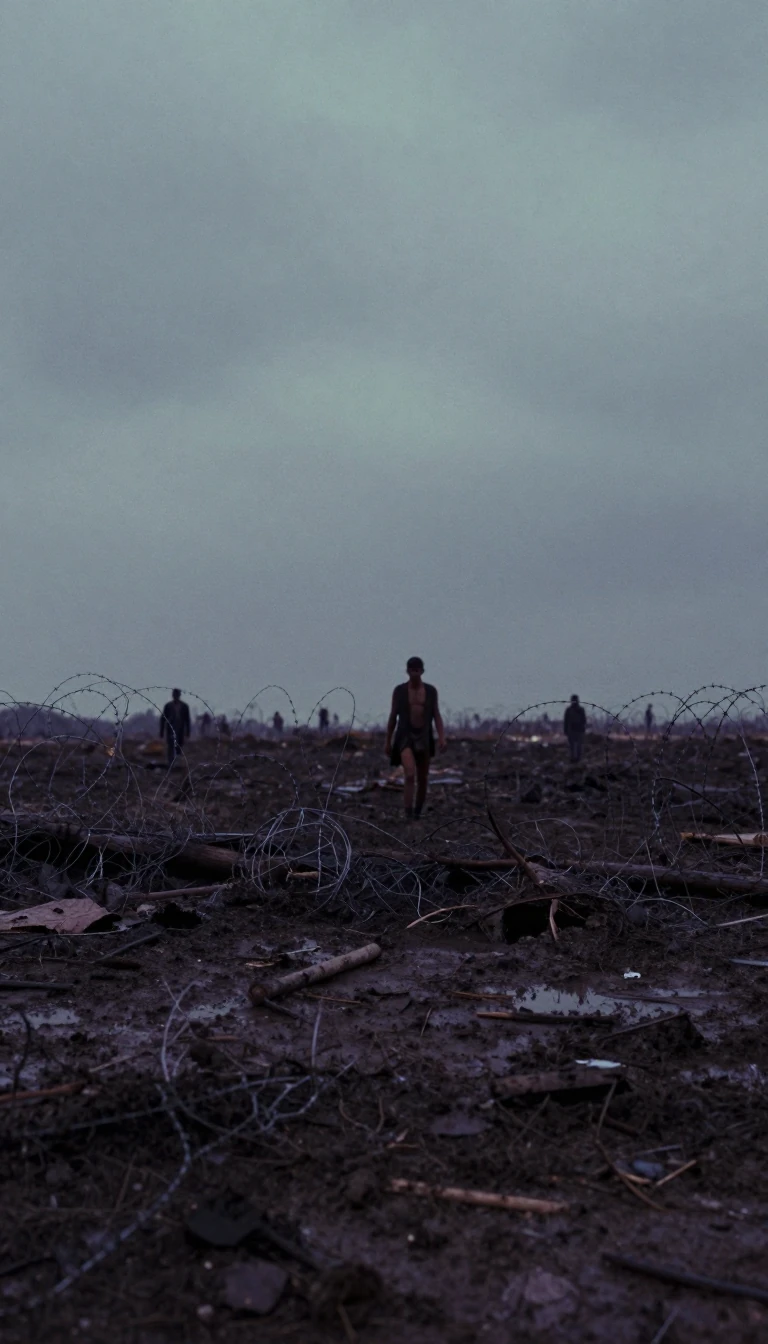 How a Blacklisted Screenplay Became an Enduring Classic of Cinema HistoryThe Bridge on the River Kwai is a masterpiece of war cinema, yet its creation was shrouded in deception. While the film won seven Academy Awards, its true writers were hidden in t…
- A cinematic masterpiece so mysterious that even its director admitted it requires a keySergei Parajanov’s 1969 film The Color of Pomegranates is a visual poem, not a literal biography. Eschewing traditional dialogue, it uses coded tableaux to depict the life of an 1…