 Intellect Plus
US culture
3,019 cards. Each one is a 40-second story with a five-minute read behind it. Page 47 of 51.
 Pentecost: Why a Jewish Harvest Festival Became the Birthday of the Christian ChurchCelebrated fifty days after Easter, Pentecost marks the descent of the Holy Spirit upon Jesus's followers. While often called the church's birthday, its roots stretch back to the …
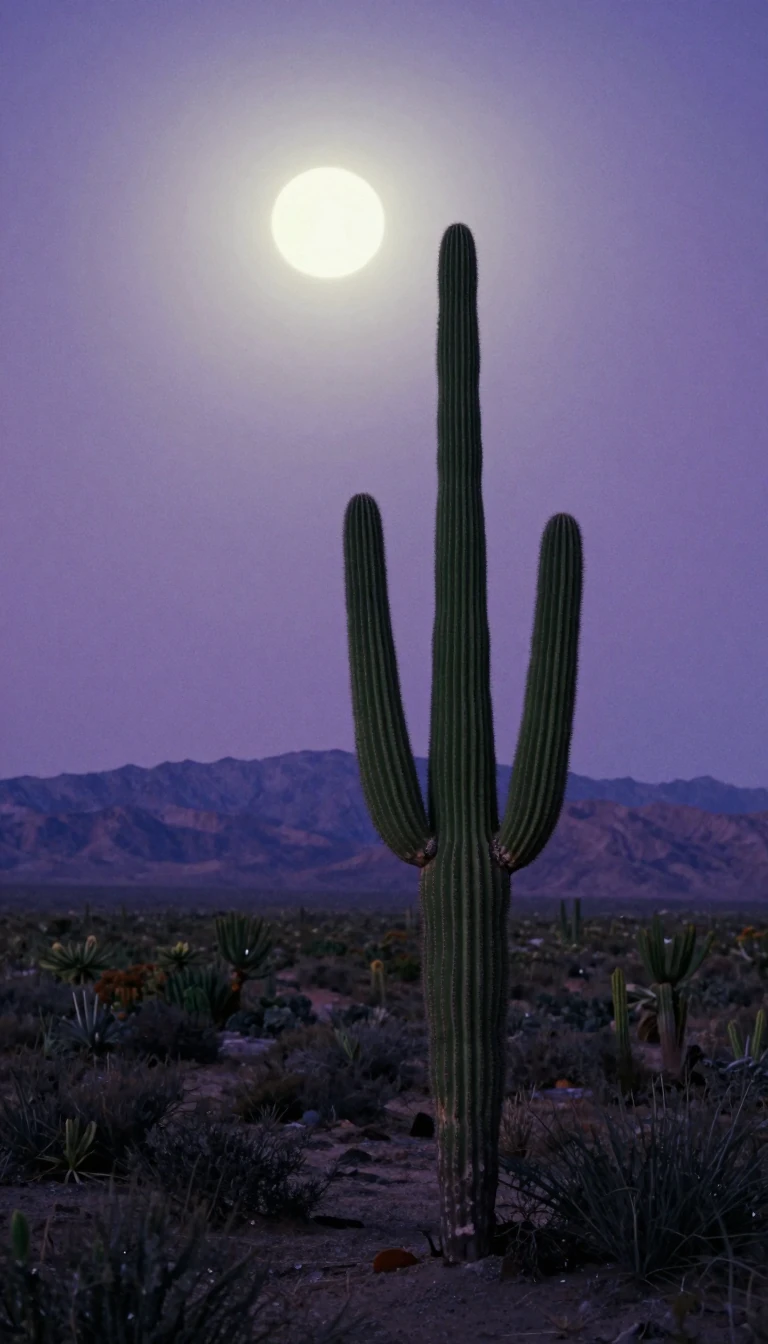 The ancient, spineless cactus that serves as a sacred bridge to the divinePeyote is a slow-growing, spineless cactus native to the Chihuahuan Desert, containing mescaline and over 50 other alkaloids. For thousands of years, Indigenous peoples have used …
 Was the legendary giant lumberjack Paul Bunyan actually a real person?Paul Bunyan is a titan of North American folklore, but his origins are a tangled web of oral tradition and commercial invention. While he is now a symbol of strength and bigness, …
 Beyond the midnight ride, Paul Revere was a pioneering industrialist and master of metalWhile history remembers Paul Revere for a single night in 1775, his true legacy lies in the forge. From casting cannons and church bells to pioneering the American copper industry…
 Why Pennsylvania Dutch settlers were never actually from the NetherlandsDespite the name, the Pennsylvania Dutch are not Dutch at all. They are descendants of German-speaking immigrants who arrived in America seeking religious freedom and fertile land…
- The Pilgrims were not just religious refugees; they were also victims of corporate deception.The story of the Pilgrims is often simplified into a tale of religious freedom, but their journey was defined by economic desperation, secret contracts, and a series of failed log…
 Patrick Henry: The Orator Who Feared the Very Government He Helped CreatePatrick Henry is immortalized for his cry of liberty, yet his political legacy is defined by a deep, persistent skepticism of centralized power. While he was a primary architect o…
 The Ozarks: A vast, ancient highland dome hiding beneath the American heartlandSpanning nearly 47,000 square miles across four states, the Ozarks are far more than a rural stereotype. This massive geological dome, anchored by the ancient, volcanic St. Franco…
 Is the Pacific Northwest a country, a state, or a state of mind?Defined by rugged mountains and the Pacific Ocean, the Pacific Northwest is a sprawling, bi-national region with no official borders. While its core includes Oregon, Washington, I…
 Why Jains spend eight days in intense reflection and seeking universal forgivenessParyushana is an annual Jain festival centered on spiritual renewal, fasting, and community. Originating from ancient monsoon retreats, it encourages followers to deepen their pra…
- Why some individuals historically chose to conceal their racial identity to survive or succeed.Racial passing involves concealing one's identity to be perceived as another race for social or economic benefit. While often associated with escaping slavery in the American Sout…
 The 1967 Patterson–Gimlin film remains the most debated piece of evidence for Bigfoot's existence.Captured in Northern California, this 59.5-second motion picture depicts a mysterious, bipedal figure walking through the woods. While filmmakers Roger Patterson and Robert Gimlin…
 The Osage Nation: A Powerful Indigenous Legacy of Middle Waters and ResilienceKnown as the People of the Middle Waters, the Osage Nation evolved from a dominant Great Plains power into a modern, federally recognized government. Their history spans centuries…
 From humble beginnings to a national powerhouse: the evolution of Oregon Ducks footballThe Oregon Ducks football program began with a student-led initiative in 1894, winning its first game 44–2. Over a century later, the team transformed from a regional program into…
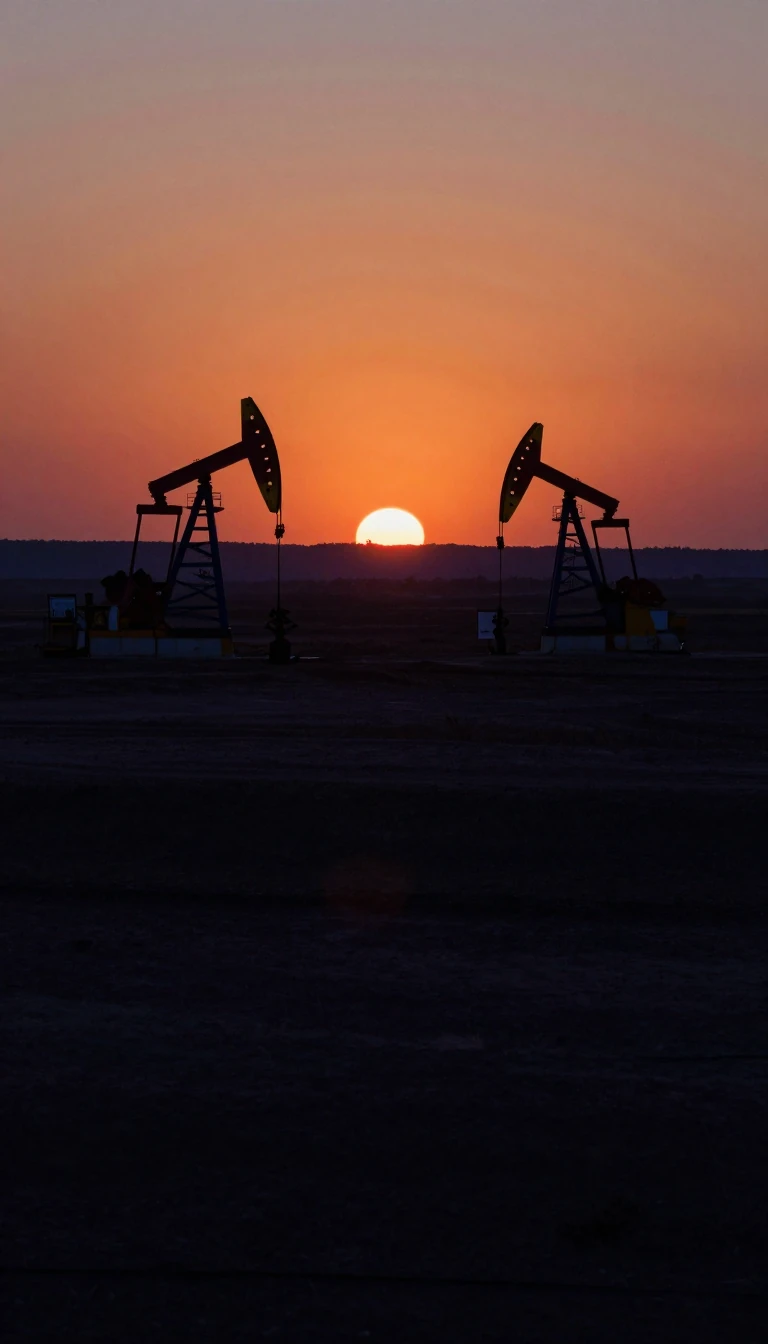 Oklahoma is a land of ecological extremes and a complex, often painful, human history.Oklahoma sits at a unique crossroads of American geography and culture. It holds more distinct ecological regions per square mile than any other state, yet its history is defined …
- Omaha: The Upstream People Who Built a Gateway to the American WestKnown as the Gateway to the West, Omaha was founded in 1854 by speculators eyeing the Missouri River. From a frontier crossing to a global meatpacking powerhouse, this Heartland c…
 Why Keralam celebrates the return of a king banished to the netherworldOnam is the national festival of Keralam, a ten-day harvest celebration rooted in the legend of Mahabali, an Asura king who was sent to the underworld by the deity Vishnu. Today, …
- Why the American one-drop rule still shapes how we see race todayThe one-drop rule, a legal relic of the 20th-century United States, once classified anyone with sub-Saharan African ancestry as black. Though long outlawed, modern psychological r…
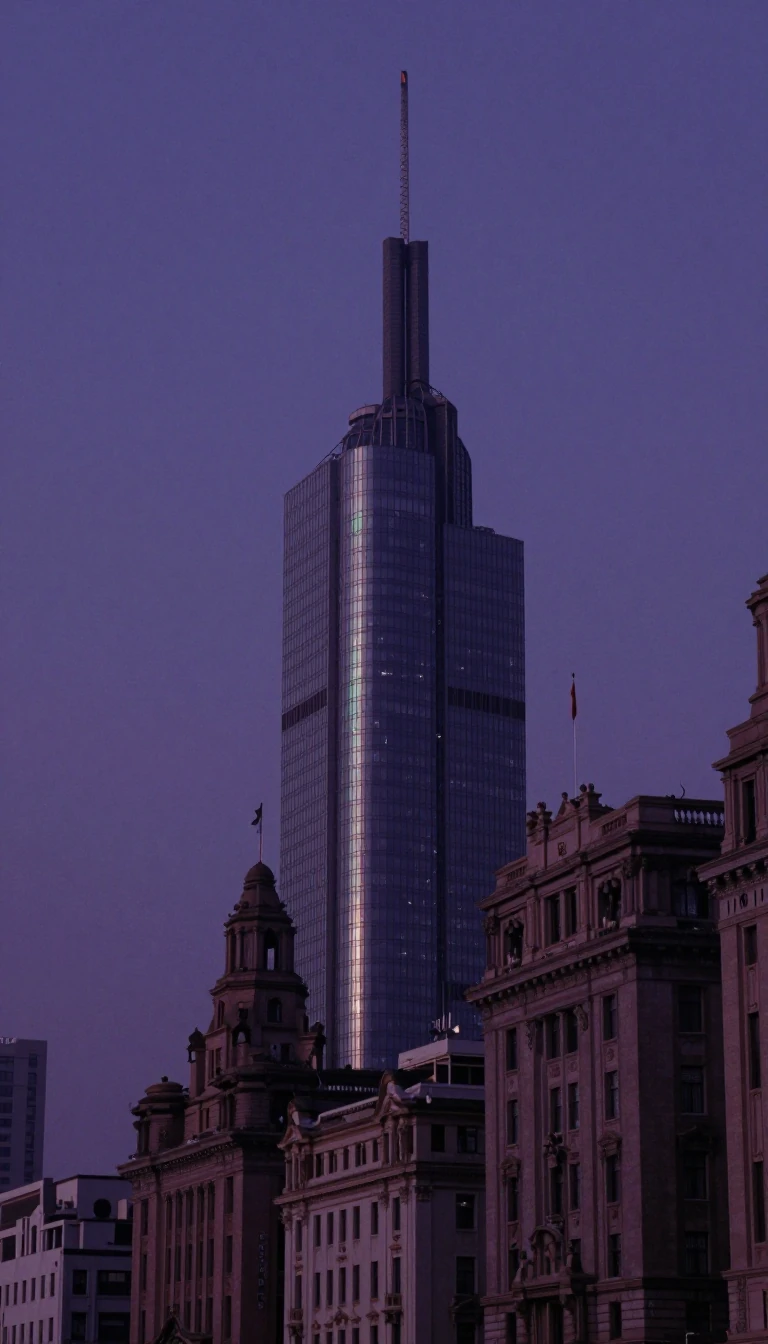 Why One World Trade Center stands exactly 1,776 feet above Lower ManhattanRising from the site of the original Twin Towers, One World Trade Center is more than a skyscraper. It is a deliberate architectural response to tragedy, designed with a height th…
 Oregon's name remains a mystery, likely born from a mapmaker's error or misheard word.Oregon is a land of geological extremes, from the deepest lake in the United States to the world's largest living organism. Yet, the origin of its name is surprisingly obscure, tr…
 The Northeast is a region defined more by its history than by fixed borders.While the U.S. Census Bureau anchors the Northeast to nine specific states, the region's true identity is a shifting mosaic. From the birthplace of the American Revolution to the …
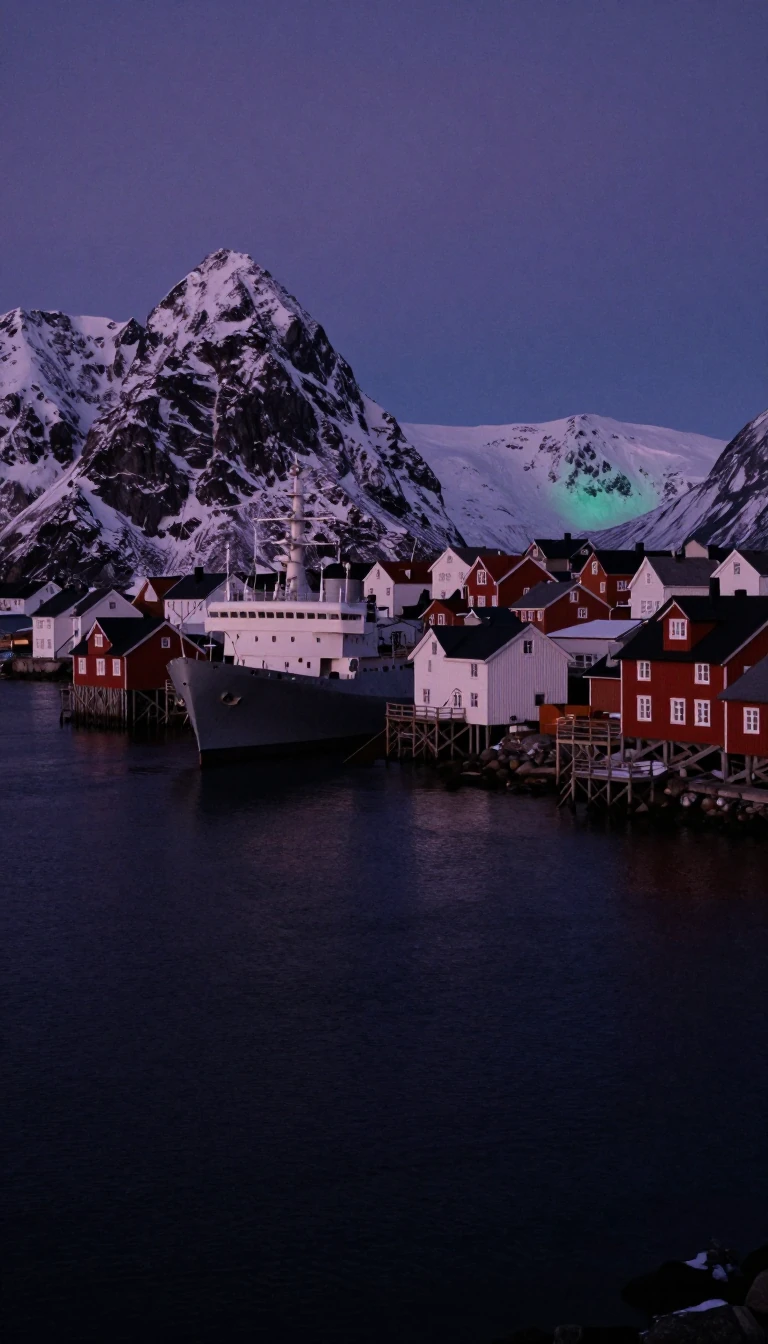 Nunavut is a massive, sparsely populated territory born from a historic land claim agreement.Spanning nearly two million square kilometers, Nunavut is Canada's largest and most northern territory. Established in 1999 to provide self-governance for the Inuit, this vast Arc…
- Beyond the habit: the rigorous, ancient, and evolving life of a nunA nun is far more than a woman in a veil. While often confused with religious sisters, true nuns historically commit to solemn vows and cloistered lives of prayer. From the strict…
- How a state-run bank helped North Dakota survive the 2008 financial crisisNorth Dakota is more than just vast prairies and oil fields. It is home to the only state-owned bank in the United States, a unique institution that helped the state avoid the wor…
 How a Navajo golfer revolutionized putting and became a catalyst for tribal economic developmentNotah Begay III is one of the few Native American golfers to reach the PGA Tour, but his legacy extends far beyond the green. From pioneering an ambidextrous putting technique to …
 How Did a College Football Program Become Worth Over Two Billion Dollars?The Ohio State Buckeyes football program is a colossus of American sports, currently valued at up to $2.5 billion. From its humble 1890 origins and a devastating 64–0 opening loss…
- The Ojibwe people have navigated centuries of migration, treaties, and cultural resilience.Spanning the Great Lakes and northern plains, the Ojibwe are one of the largest Indigenous groups in North America. Their history is defined by complex oral traditions, a sophisti…
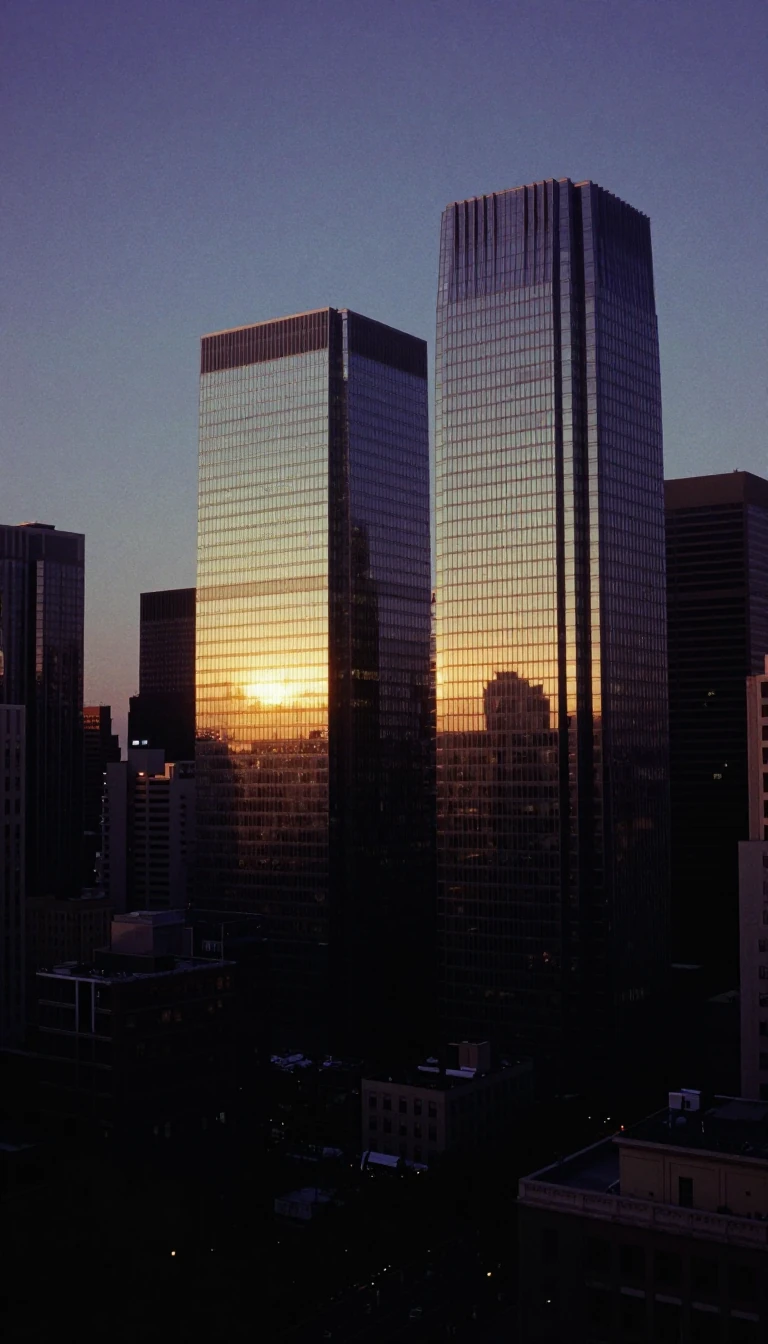 Greater New York: The World's Largest Metropolitan Economy and a Global Cultural PowerhouseThe New York metropolitan area is a massive economic engine, generating over $2.6 trillion in annual output. As the world's premier gateway for immigration and a hub for global fi…
- New Hampshire is a land of contradictions, balancing deep traditionalism with surprising modern progress.Known as the Granite State, New Hampshire is defined by its rugged landscape and a fierce commitment to fiscal independence. While it famously lacks broad-based income or sales ta…
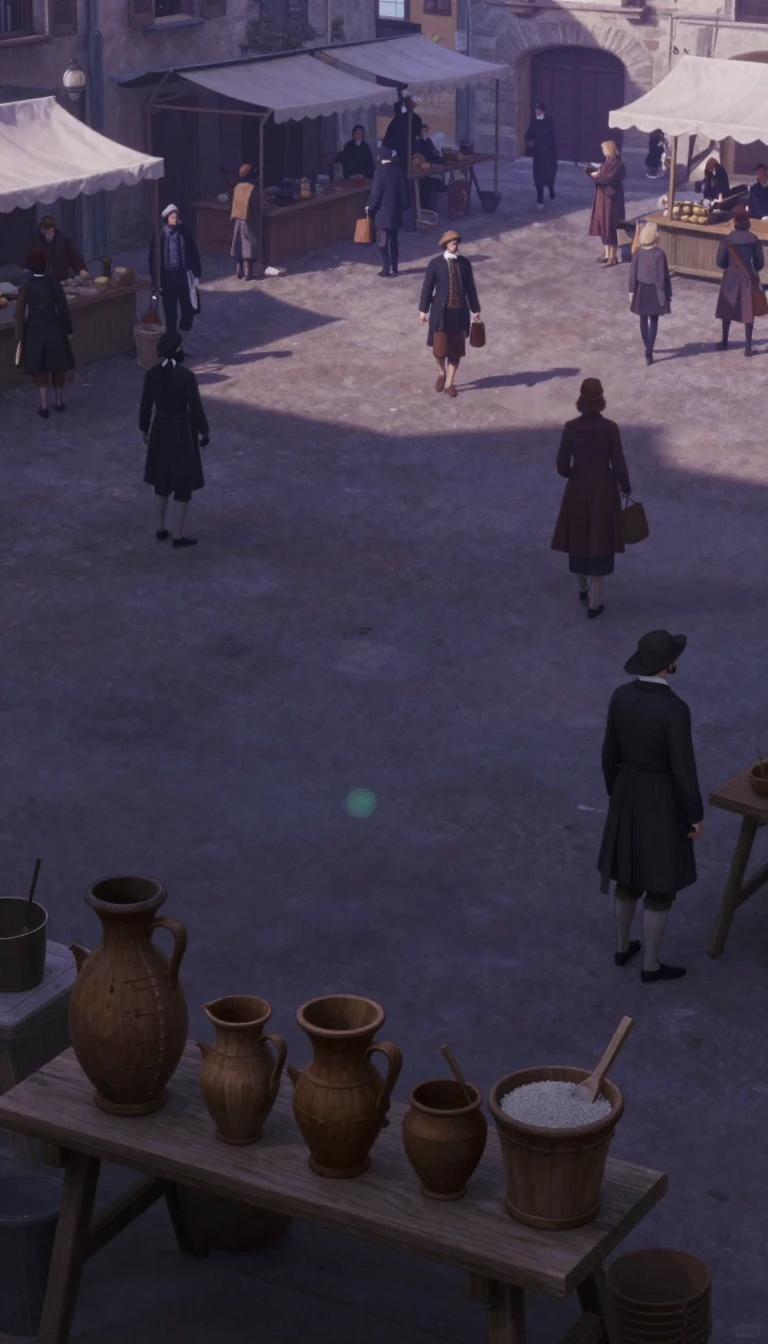 Before New York City existed, the Dutch built a multicultural hub called New Netherland.Long before the British arrived, the Dutch West India Company established a sprawling North American colony stretching from Delaware to Cape Cod. Far from a homogeneous outpost, t…
 New Spain was a global empire that connected the Philippines to the Spanish crown.Far more than a colonial outpost, New Spain functioned as a vital, three-century bridge between Asia and Europe. By leveraging the Manila galleon trade and vast silver deposits, i…
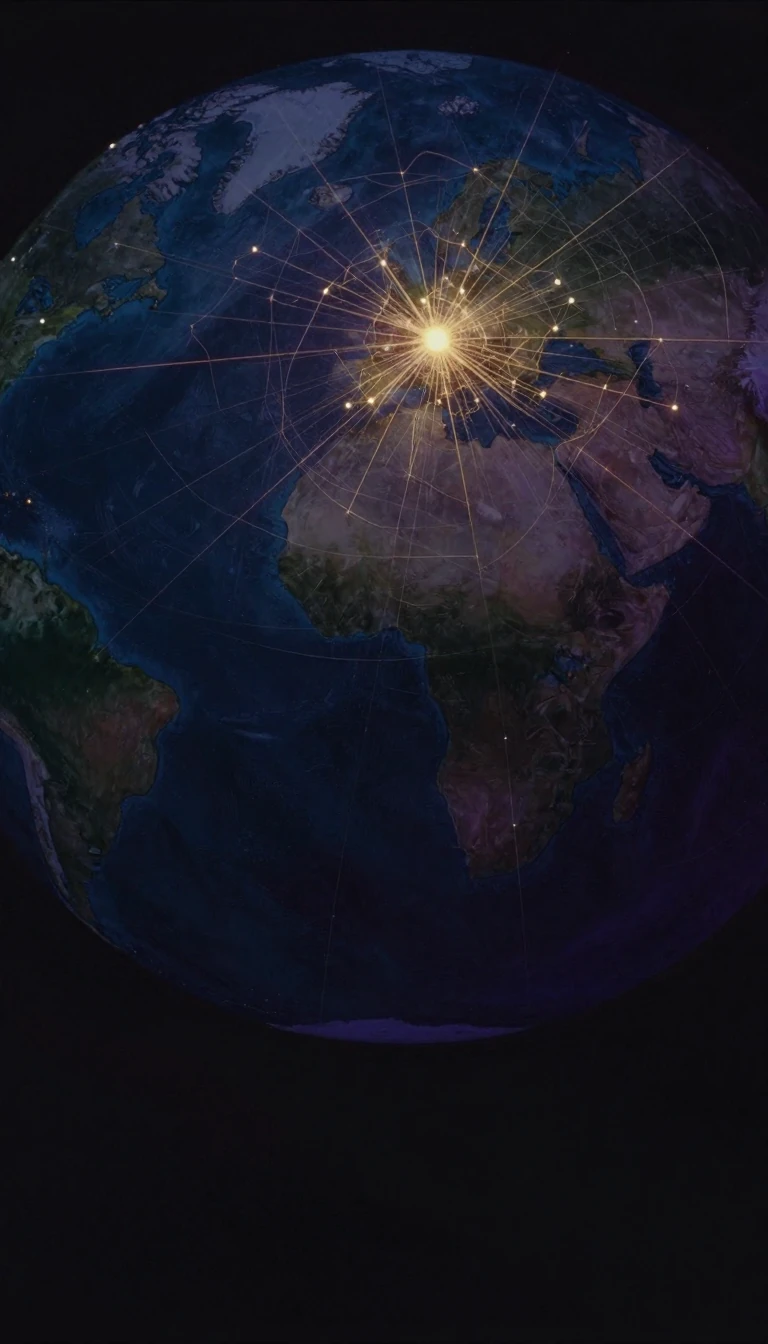 Why the 'New World' was never actually new to the people living thereThe term New World emerged in the 16th century to describe the Americas, but it was a European invention that ignored the deep history of the lands. While it fundamentally changed…
- New Jersey is a land of paradox, balancing extreme density with vast, wild forests.Often overshadowed by its neighbors, New Jersey is a complex state defined by contradictions. It is the most densely populated U.S. state, yet nearly half its land remains foreste…
- The Nation of Islam teaches a unique creation story involving a scientist named Yakub.Founded in 1930, the Nation of Islam is a religious movement that blends black nationalism with a distinct, non-traditional theology. It posits that humanity originated from a div…
- Did Nathan Hale actually deliver his famous final words before his 1776 execution?Nathan Hale is celebrated as a quintessential American hero, remembered for his supposed final declaration of sacrifice. Yet, historical evidence suggests this iconic line may be …
 The United States national debt has reached unprecedented levels, exceeding forty trillion dollars by 2026.The U.S. national debt is a complex tally of federal borrowing, split between public investors and internal government accounts. While it has fluctuated since 1789, recent decades…
- Does a listing on the National Register of Historic Places actually protect your property?The National Register is the federal government's official catalog of culturally significant locations, yet it is largely an honorary designation. While it offers access to potent…
- Born from a race riot, the NAACP became the architect of modern civil rights.Founded on the 100th anniversary of Abraham Lincoln's birth, the NAACP emerged from the ashes of the 1908 Springfield Race Riot. As the nation's oldest and largest civil rights or…
 The National Security Agency: From Secret Code-Breakers to Global Mass Surveillance ArchitectsFormed in 1952 to decipher communications, the National Security Agency has evolved from a clandestine unit into a global intelligence powerhouse. With roughly 32,000 employees, i…
 How the National Wrestling Alliance evolved from a regional monopoly to a modern promotionFounded in 1948, the National Wrestling Alliance once governed professional wrestling across the United States through a powerful network of regional territories. After decades of…
- Nebraska is the only triply landlocked state in the entire United StatesNebraska is a land of extremes, from the humid continental east to the semi-arid western panhandle. Known for its unique unicameral legislature and non-partisan elections, the sta…
- Was the first public Mawlid celebration actually a massive 300,000 dirham banquet?While many view the Mawlid as a purely spiritual observance, its history is marked by grand political displays and immense wealth. From Ottoman official holidays to massive animal…
 A monument to democracy carved from land taken from the Sioux NationMount Rushmore is a colossal granite sculpture featuring four U.S. presidents, designed to symbolize the first 150 years of American history. While it attracts millions of visitor…
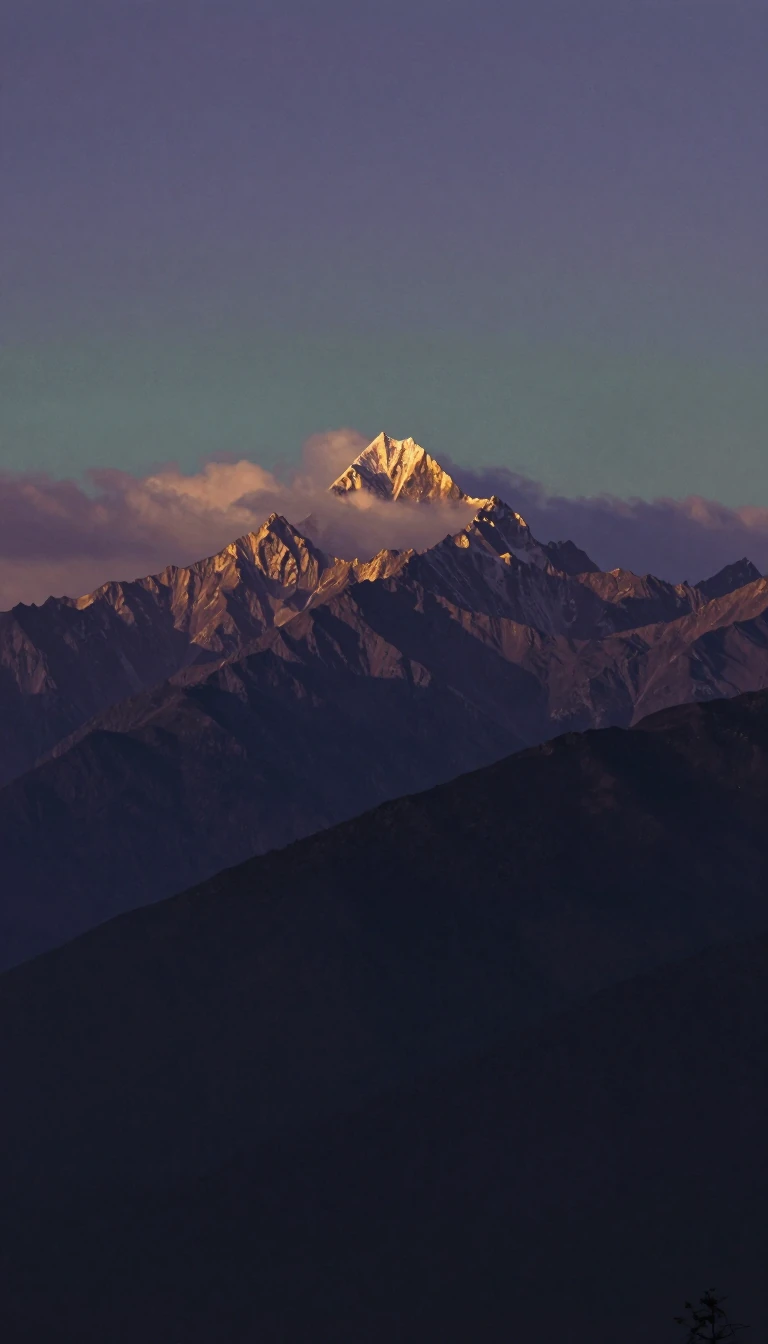 Montana's name is a geographic misnomer for a state defined by its vast plainsThough the name Montana implies a mountainous landscape, the state is a dramatic study in contrasts. While the west is dominated by the rugged Rocky Mountains, the majority of its…
- Mount Vernon: From a Tobacco Plantation to America's First Historical Tourist AttractionGeorge Washington’s estate began as a modest tobacco farm before evolving into a Palladian-style mansion. Today, it stands as a preserved monument to the first U.S. president, off…
- The Métis are a distinct Indigenous people, not just a category of mixed ancestry.Often misunderstood as a simple racial classification, the Métis Nation is a self-defining people with a unique history and culture. Emerging from the 18th-century North American …
 Why the world's largest Mormon organization is actively distancing itself from the name Mormon.The Church of Jesus Christ of Latter-day Saints is pushing to retire the term Mormon, citing its derogatory history and confusion with splinter groups that still practice polygamy…
 Is the legendary Mothman of West Virginia actually just a misidentified large bird?Between 1966 and 1967, residents of Point Pleasant, West Virginia, reported a seven-foot humanoid creature with glowing red eyes. While the legend inspired books, films, and an an…
 How a Suzanne Vega song helped define the sound of the digital ageThe MP3 format revolutionized music by discarding audio data humans cannot hear. Its development relied on a surprising benchmark: an acapella track by Suzanne Vega. By repeatedly…
- Is the term mulatto a neutral descriptor or a relic of colonial racial hierarchy?The word mulatto has been used for centuries to describe people of mixed African and European descent. While some communities embrace it as a neutral identifier, others view it as…
- Why Minnesota is the Land of 10,000 Lakes and Sky-Tinted WatersMinnesota is defined by its water, from the ancient glaciers that carved its landscape to the Dakota language that named its rivers. While the state is famous for its thousands of…
 Minstrelsy was America's first national art form, built on racial caricature and complex economics.Before vaudeville, the minstrel show dominated American stages for decades. Born in the 1830s, these performances used blackface to mock African Americans, yet they simultaneously…
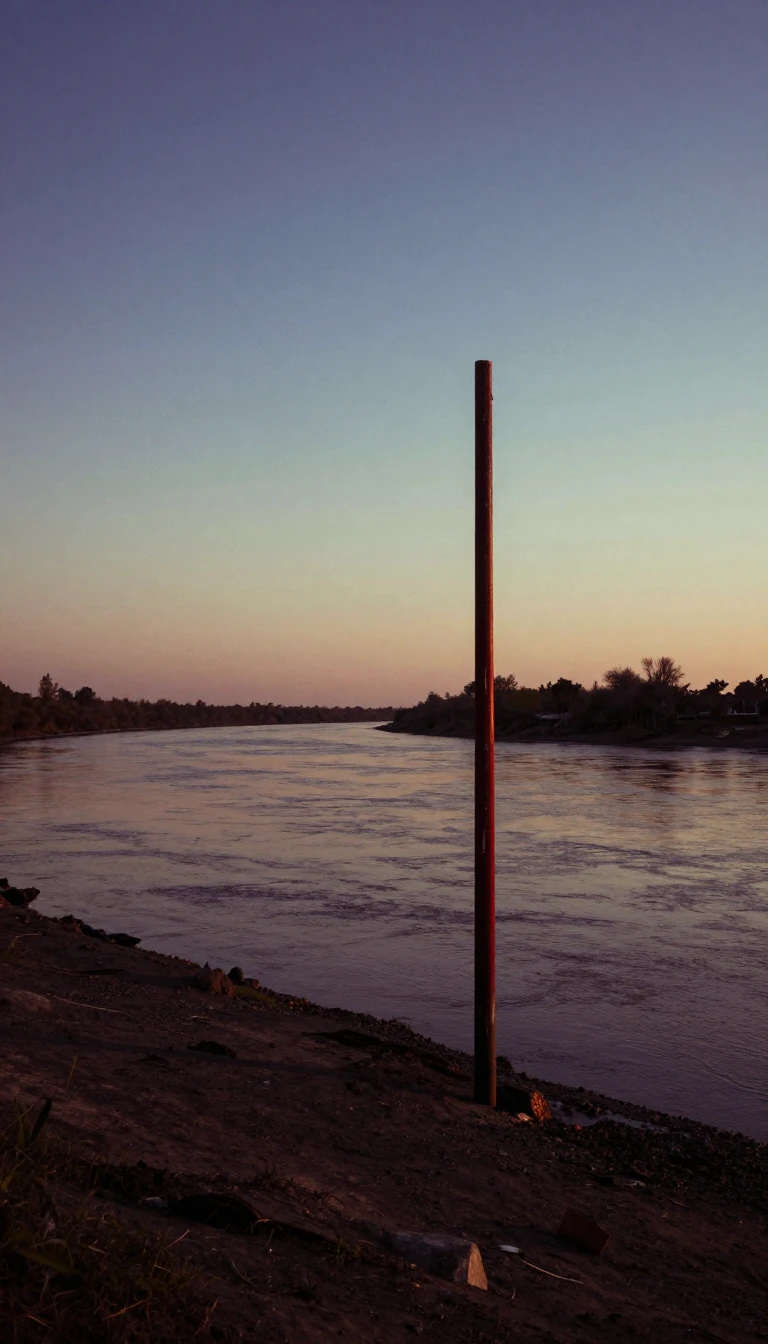 Mississippi: How a Great River Shaped a State's Complex and Often Troubled HistoryNamed for the Ojibwe word for great river, Mississippi is a land of fertile deltas and deep historical scars. From its origins as a hub for mound-building cultures to its central …
- Why Missouri is the ultimate American borderland, from its geography to its cultureMissouri is a state of contradictions, serving as a meeting point for eastern timberlands, western prairies, and the northern and southern agricultural traditions. Known as the Ga…
- How Monday Night Football Transformed From a Risky Experiment Into a Television TitanWhen the NFL first pitched a prime-time Monday game in 1970, major networks balked at the risk. ABC, trailing in ratings, gambled on the concept. It became a cultural phenomenon, …
- The Mohawk people are known as the Keepers of the Eastern Door of the Haudenosaunee.Known as the Kanien'kehá꞉ka, or People of the Flint Place, the Mohawk are the easternmost nation of the Haudenosaunee Confederacy. Their history spans from ancient democratic trad…
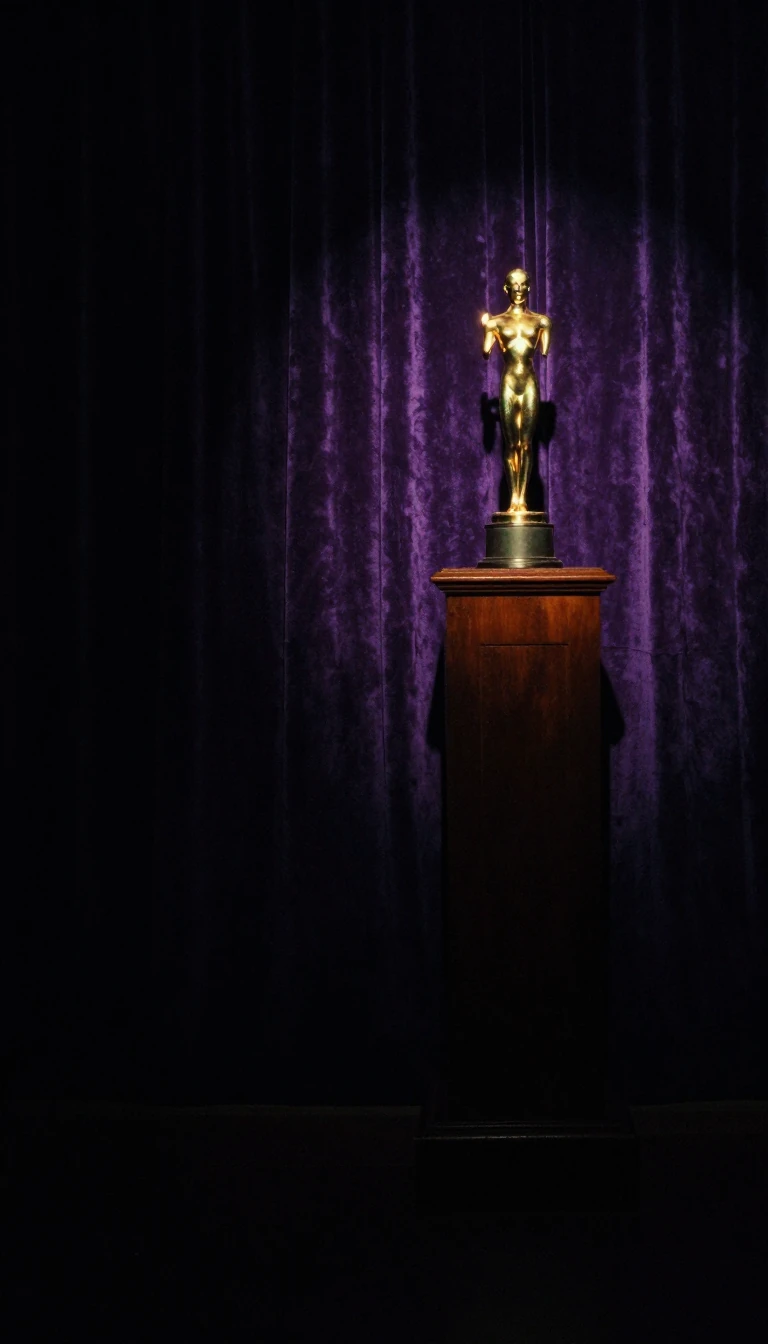 Is the Met Gala the world's most exclusive party or a high-stakes fundraising machine?Often called fashion's biggest night, the Met Gala is a high-glamour fundraiser for the Metropolitan Museum of Art's Costume Institute. While it began as a simple dinner in 1948, …
- Why Michigan is defined by its unique geography of two distinct, separated land massesMichigan is the only U.S. state split into two major, disconnected peninsulas. Separated by the Straits of Mackinac, these regions—the rugged, forested Upper Peninsula and the ind…
 The Mayflower was a humble wine-hauling merchant ship, not a vessel built for exploration.Before it became an American icon, the Mayflower was a standard, 180-ton cargo ship. It spent years hauling French wine and English woolens across the Channel. When it finally cro…
- Is Memorial Day a solemn tribute or an accidental invention of the Civil War?Memorial Day began as a grassroots effort to honor the fallen, yet its true origin remains fiercely contested. From a parade by freed Black citizens in Charleston to formal procla…