 Intellect Plus
Cultures
14,790 cards. Each one is a 40-second story with a five-minute read behind it. Page 214 of 247.
Subtopics: African cultures · Ancient peoples · Anthropology · Arab & Persian culture · Asian folklore · Australian & Pacific cultures · Calendars & new year · Celtic mythology · Chinese culture · Clothing and fashion · Communication · Culture · Culture of Korea; Culture of South Korea · Education · Egyptian mythology · Endangered languages · Ethnology · Ethnology and anthropology · Etiquette & manners · Fairy tales & folk tales · Fashion through the ages · Festivals & celebrations · Folk dance · French & Italian culture · Hairstyles & jewellery · Handicrafts · Indian culture · Indigenous cultures of the Americas · Japanese culture · Journalism and mass media · Language · Language families · Language learning · Languages · Latin American culture · Legendary creatures · Nordic culture · Norse mythology · Peoples & civilisations · Pilgrimage & sacred journeys · Proverbs & idioms · Public holidays · Russian & Eastern European culture · Sign languages · Superstitions · Traditional dress · Traditional games · Traditions & customs · UK & Irish culture · US culture · Weddings · Writing systems
 Science communication is evolving from a one-way lecture into a collaborative community dialogue.For decades, experts treated science communication as a simple delivery of facts to a passive public. Today, that outdated model is being replaced by a participation-based approac…
 Why the simple act of raising your shoulders means everything and nothing at allA shrug is more than a simple movement of the shoulders. It is a complex emblem that functions as a non-verbal substitute for words. While widely understood in the West as a sign …
 Why the human scream is a primitive language that bypasses the brain's logicA scream is more than just noise; it is a raw, acoustic weapon that forces an immediate reaction from the listener. By exploiting unique sound properties, screams bypass cognitive…
 Why do soldiers salute, and why do the gestures vary so wildly across nations?The military salute is a universal symbol of respect, yet its origins remain shrouded in uncertainty. From ancient Roman gestures to medieval knights raising visors, this formal a…
 Chinese state media is using government scripts to manage public perception of natural disastersNew research reveals that Chinese media coverage of earthquakes has significantly declined since 2012. By analyzing millions of articles, researchers found that when news outlets …
 Why rumors are not just lies but essential tools for collective sense-makingA rumor is more than just an unverified story; it is a social mechanism that satisfies the emotional needs of a community. While often dismissed as mere misinformation, rumors fun…
 The ancient roots of sarcasm reveal a surprisingly aggressive intent to tear flesh.Derived from the Greek word for tearing flesh like a dog, sarcasm is far more than mere irony. It is a deliberate, often biting tool used to criticize or insult. While it can spar…
 Is political communication a tool for democratic engagement or a mechanism for elite control?Political communication is the strategic use of messaging to influence public knowledge and policy. From ancient monuments to modern social media algorithms, leaders have always s…
 Beyond words: how the hidden signals in your voice shape every human interactionWe often focus on what is said, but how it is said carries the real weight. Paralanguage—the pitch, volume, and rhythm of your speech—modifies meaning and reveals hidden emotions.…
- Why the simple act of pointing is a cornerstone of human language developmentPointing is more than a gesture; it is a fundamental human behavior that bridges the gap between thought and language. Emerging in infancy, this act of directing attention serves …
 Can direct democracy thrive when the crowd is in the room?Popular assemblies promise a return to the roots of direct democracy, inviting citizens to gather and decide their own fate. From ancient Athens to modern protest movements, these…
 Why ancient Roman amulets used palindromes to protect pregnant women during childbirthToday, we treat palindromes as clever word games or linguistic curiosities. Yet, for the ancients, these reversible sequences held deep, protective power. From Roman walls in Pomp…
 Why do we kneel? From ancient underworld rituals to modern romantic proposalsKneeling is a universal nonverbal signal, yet its meaning shifts wildly across contexts. While it often serves as a gesture of humility or submission, its roots may trace back to …
 Mass communication is not just sending messages; it is an atmosphere we involuntarily breathe.Mass communication is often viewed as a simple, one-way transmission of information from a source to a large audience. However, thinkers like Peter Sloterdijk argue it functions a…
 The hidden social architecture of the modern academic conferenceBeyond the podiums and posters lies a complex ecosystem of professional socialization. Conferences are not just venues for sharing data; they are essential hubs where researchers …
 Why a simple head nod can mean agreement in one country and rejection elsewhereA nod seems like a universal language, yet it is a cultural minefield. While most of the world uses vertical head movements to signal agreement, some cultures flip the script enti…
 Beyond simple messages, letters have served as tools for art, identity, and legal scrutiny.For centuries, the letter was the primary bridge between private thoughts and public life. From ancient tablets to the 18th-century epistolary novel, these written artifacts shape…
 Why the simple act of lying down is a complex medical stateLying down is more than just resting; it is a fundamental human position defined by horizontal support. From the clinical precision of decubitus to the life-saving geometry of the…
- Why do we gather? The hidden architecture of the modern professional meetingA meeting is more than just people in a room. It is a structured speech exchange system governed by specific social norms and hierarchies. Whether formal or informal, these gather…
- Is communication a natural human process or a complex, evolving technological construct?Communication is often taken for granted as an inherent human trait, yet scholars struggle to define it. From ancient Greek philosophy to modern digital networks, the ways we exch…
- Beyond the Job Search: The Hidden Architecture of the Structured ConversationAn interview is far more than a high-stakes job assessment. It is a versatile, ancient tool for extracting truth, exploring the subconscious, and shaping public opinion. Whether c…
- Why face-to-face interaction remains the gold standard for human connection and deep understandingHumans are uniquely wired for speech and shared attention, yet we increasingly rely on digital tools that strip away the non-verbal cues essential for true clarity. While technolo…
- Why your direct communication style might be sabotaging your professional successIn a globalized workplace, your most efficient message may be perceived as abrupt or unclear. Cross-cultural communication is not about memorizing rigid rules, but about recognizi…
- Is your credibility a personal trait or something you borrow from your audience?The Greek concept of ethos is far more than just a speaker's reputation. It is a dynamic, socially negotiated space that bridges the gap between private character and public perce…
 Why looking someone in the eye can be a sign of respect or aggressionEye contact is a powerful, nonverbal tool that shapes human interaction, yet its meaning is far from universal. While Western cultures often equate it with confidence and honesty,…
 Are gestures merely accompaniments to speech, or the very foundation of human language?Gestures are more than just hand-waving. They are complex, embodied techniques that shape how we think and communicate. From the evolutionary theory that language began as manual …
 Why the fetal position is the gold standard for both birth and human survival.The fetal position is more than a prenatal posture; it is a fundamental human configuration. While doctors monitor this compact shape to ensure safe deliveries, humans instinctive…
 The word gossip once described a sacred bond between godparents and close friends.Far from its modern reputation as idle chatter, the term gossip originated in the Middle Ages to describe a tight-knit community of women supporting one another during childbirth.…
 Are facial expressions universal, or is our reading of them a cultural construct?We assume a smile means happiness and a frown means anger, but science is divided. While some researchers argue these expressions are innate, universal signals, others suggest we …
 From Ancient Forums to Modern Parliaments, Why We Have Always Loved to DebateDebate is more than just a clash of opinions; it is a structured engine for human progress. From the philosophical rigor of Ancient Greece to the competitive societies of the Enli…
- Discourse is not just conversation; it is the invisible architecture of your reality.We often treat language as a neutral tool for sharing facts, but social theorists argue it is a powerful system that constructs our world. By defining what can be said and who get…
 Why the curtsy evolved from a courtly necessity into a symbolic performance of graceOnce a mandatory gesture of submission to royalty and social superiors, the curtsy has transformed from a rigid marker of class hierarchy into a stylized remnant of etiquette. Fro…
 Beyond a simple greeting, bowing is a complex language of hierarchy and devotion.From the formal courts of Europe to the daily rituals of East Asian life, bowing is far more than a polite nod. It is a nuanced physical language used to signal rank, express prof…
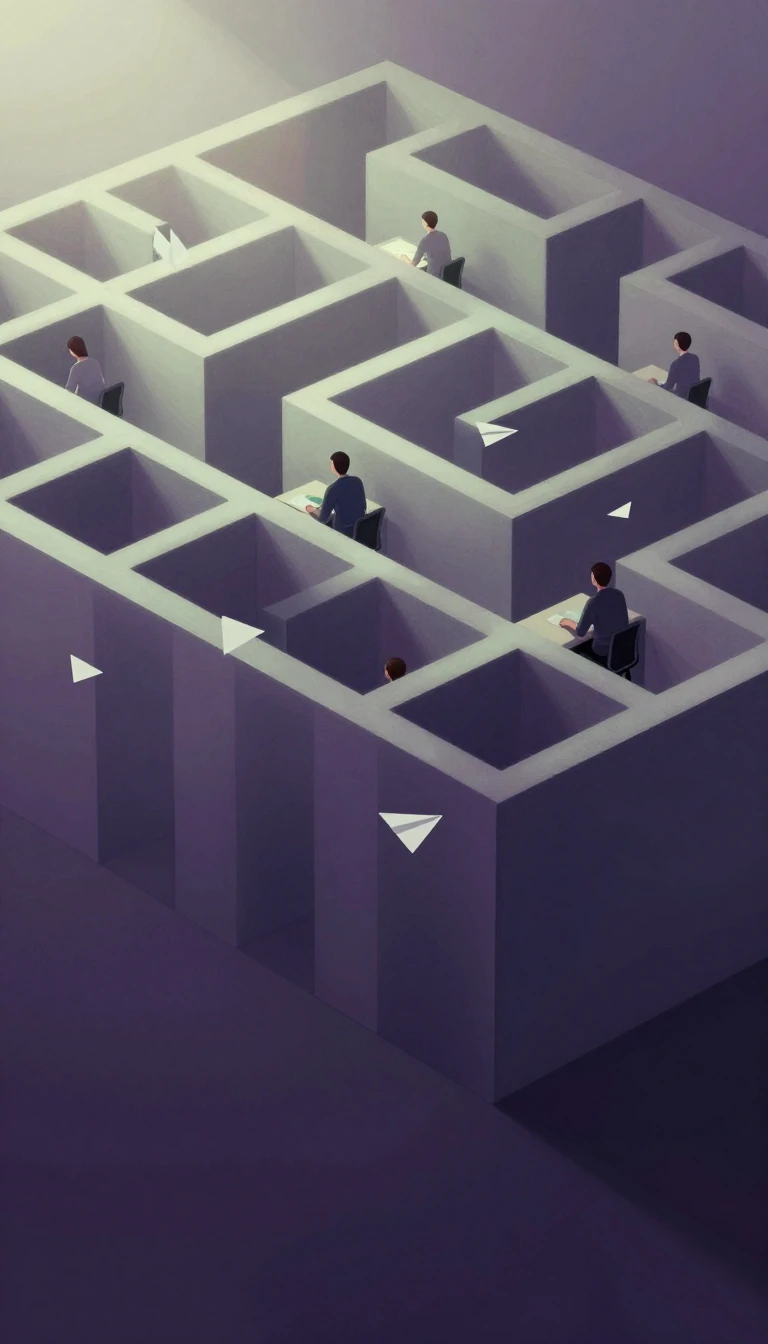 Why the convention is the quiet engine of American democracy and self-governanceFrom industry trade shows to the constitutional assemblies that shaped a nation, conventions are more than just meetings. They are deliberate, short-term gatherings designed to so…
- Why do we boo, and does this primal expression of disapproval actually change anything?Booing is a universal, visceral act of public displeasure, yet its impact remains deeply contested. While some athletes claim the noise genuinely disrupts their performance, other…
- Why do we cry? The biological and evolutionary mystery of human emotional tearsCrying is a uniquely human response to emotion, yet its true purpose remains a scientific puzzle. While we know emotional tears contain different hormones than those shed for eye …
 The hidden economics of the conference call: why some are free and others expensiveA conference call is more than just a shared phone line. Behind the scenes, a complex web of revenue-sharing agreements, specialized bridge equipment, and regulatory mandates dete…
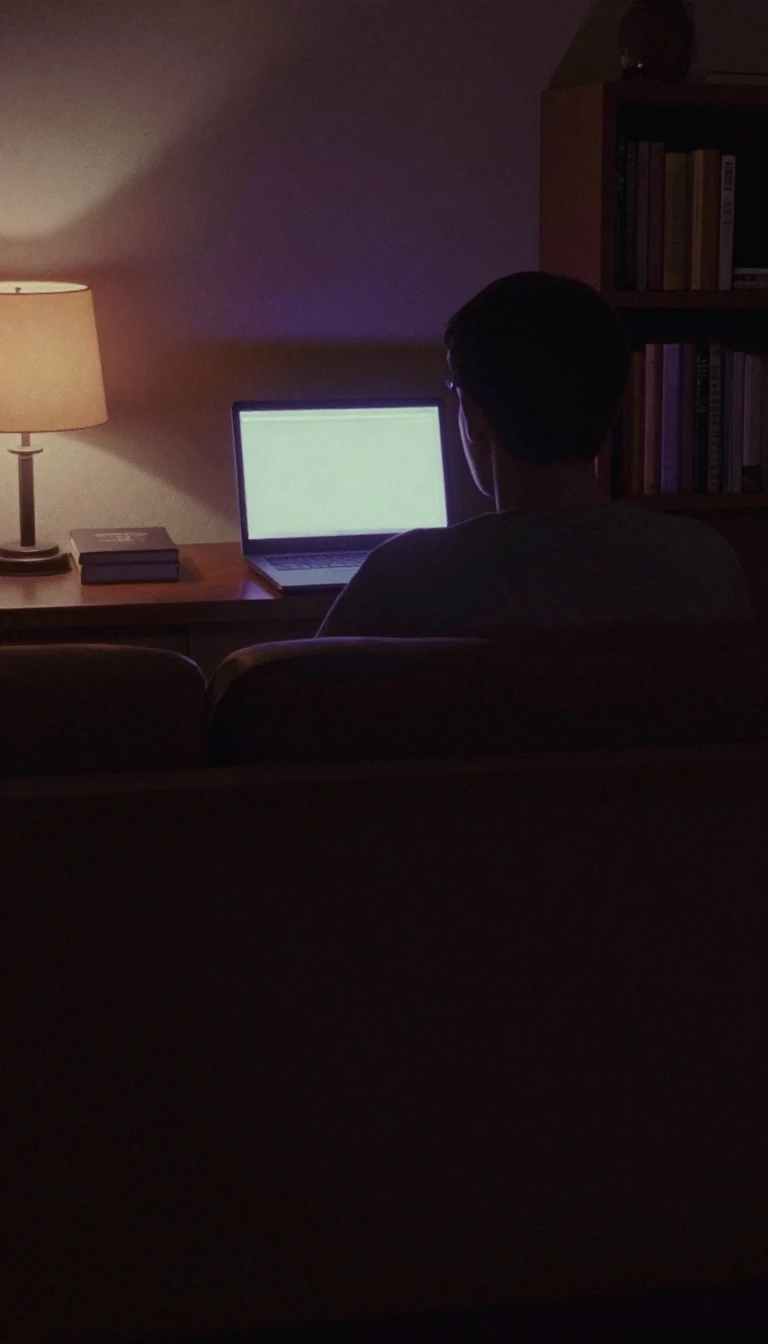 Why digital interaction is not just a pale imitation of face-to-face conversationComputer-mediated communication is often dismissed as a mere substitute for physical presence, yet it fundamentally reshapes how we form impressions and build relationships. By re…
- Why the most memorable arguments in history rely on the power of oppositesAntithesis is more than a rhetorical flourish; it is a cognitive tool that clarifies complex choices by balancing opposing ideas. By juxtaposing contrasting concepts within a para…
 Communication studies is more than media arts; it is the science of human connection.Often dismissed as a simple study of media, communication studies is a rigorous social science that examines how we exchange ideas, influence behavior, and structure society. From…
 Beyond Applause: The Surprising Versatility of the Human ClapWe usually associate clapping with simple approval, but this percussive act is a sophisticated tool. From measuring room acoustics to teaching children how to deconstruct language…
 Why your most logical arguments might be built on social foundations, not formal rulesArgumentation theory has evolved from a quest for universal, logical truths into a study of how we actually persuade one another. Moving beyond rigid philosophical systems, modern…
 Why we clap: The hidden history and rigid etiquette of public approvalApplause is more than a spontaneous outburst of joy. From ancient Roman rituals and professional French claques to the silent reverence of modern concert halls, the way we signal …
 Behind every famous voice, a hidden professional may be doing the heavy lifting.Ghostwriting is a pervasive, often invisible engine of modern culture. From political memoirs and papal encyclicals to hip-hop lyrics and medical research, the person credited as …
- Why millions of people pray to a skeletal saint for life and prosperitySanta Muerte, the skeletal Lady of Holy Death, has emerged as the fastest-growing new religious movement in the Americas. Often misunderstood as a dark deity of destruction, she i…
 The Ash: A Tree of Myth, Sport, and SurvivalFrom the mythical World Tree of Norse mythology to the high-speed impact of modern sports, the European ash has been a cornerstone of human culture. Its unique combination of flex…
 The Sidama region uses a unique four-day week and a lunar-based calendar system.In southern Ethiopia, the Sidama people maintain a distinct cultural identity anchored by a 13-month calendar and a four-day week. This region, which gained autonomy in 2020, is a…
 Dayak is not a single tribe, but a vast umbrella for Borneo's diverse indigenous peoples.The term Dayak covers over 200 distinct ethnic groups across Borneo, each with unique languages, customs, and laws. Historically used by outsiders to distinguish non-Muslim native…
 More than a blanket: how a simple sheet of fabric conquered the worldThe poncho is a masterpiece of minimalist design. Originating in the Americas as a simple, hole-centered sheet of fabric, this versatile garment has evolved from an indigenous And…
- The pompadour hairstyle has absolutely nothing to do with Madame de Pompadour herselfThe iconic, sky-high pompadour is a style defined by volume swept upward from the forehead. Despite its name, the French mistress it honors never actually wore her hair this way. …
 Why a term for chewing tobacco became a global symbol of youthful innocenceThe word pigtail did not start with hair. In the 17th century, it described a twisted bundle of cured tobacco leaves. Over time, the term migrated from the smokehouse to the scalp…
- Why the loose-fitting boxer short became a cultural icon of masculine freedomNamed after the ring-side trunks that liberated professional fighters, boxer shorts have evolved from functional athletic gear to a fashion statement. While they once faced near-e…
- The bow tie is a defiant symbol of intellectualism, tradition, and social nonconformity.Far from a mere fashion accessory, the bow tie carries a complex history rooted in 17th-century warfare. Today, it serves as a polarizing signal of character, signaling everything…
- The bolo tie: From Western frontier staple to an unlikely global fashion iconOften dismissed as a relic of the American West, the bolo tie has a surprisingly complex history. Beyond its status as official state neckwear in Arizona, New Mexico, and Texas, t…
 Why Mexican-American youth turned the automobile into a slow-moving canvas of cultural resistanceEmerging in the 1940s, lowrider culture transformed standard vehicles into rolling art. By prioritizing a slow, smooth cruise over the speed of hot rods, Chicano communities creat…
- Tết is more than a holiday; it is a complex ritual of renewal and fortune.Tết Nguyên Đán, the most significant celebration in Vietnamese culture, marks the arrival of spring through a lunisolar calendar. Beyond the festive atmosphere, it is a period def…
 In Shinto, the divine is not a distant god but an omnipresent, shifting force.Kami are not gods in the Western sense, but spirits inhabiting everything from mountains and trees to ancestors and natural phenomena. These entities are neither inherently good n…
- Cosplay is more than just a costume; it is a complex act of embodiment.Far from simple fancy dress, cosplay is a performance art where participants meticulously replicate characters from anime, games, and comics. By blending craftsmanship with physic…
 The carabao is more than a beast of burden; it is a cultural icon.The carabao, a swamp-type water buffalo, is the national animal of the Philippines and a symbol of hard work. These animals have shaped the archipelago's history, from ancient Neo…
 The Philippine moon-eating dragon that once served as an ancient celestial calendar systemIn Philippine mythology, the Bakunawa is a colossal serpent-like dragon blamed for swallowing the moon during eclipses. Ancient Filipinos tracked its movements as a geomantic cale…