 Intellect Plus
Cultures
14,790 cards. Each one is a 40-second story with a five-minute read behind it. Page 209 of 247.
Subtopics: African cultures · Ancient peoples · Anthropology · Arab & Persian culture · Asian folklore · Australian & Pacific cultures · Calendars & new year · Celtic mythology · Chinese culture · Clothing and fashion · Communication · Culture · Culture of Korea; Culture of South Korea · Education · Egyptian mythology · Endangered languages · Ethnology · Ethnology and anthropology · Etiquette & manners · Fairy tales & folk tales · Fashion through the ages · Festivals & celebrations · Folk dance · French & Italian culture · Hairstyles & jewellery · Handicrafts · Indian culture · Indigenous cultures of the Americas · Japanese culture · Journalism and mass media · Language · Language families · Language learning · Languages · Latin American culture · Legendary creatures · Nordic culture · Norse mythology · Peoples & civilisations · Pilgrimage & sacred journeys · Proverbs & idioms · Public holidays · Russian & Eastern European culture · Sign languages · Superstitions · Traditional dress · Traditional games · Traditions & customs · UK & Irish culture · US culture · Weddings · Writing systems
 Born from Cold War tension, the EBU now connects global public media networksEstablished in 1950 to bypass geopolitical gridlock, the European Broadcasting Union evolved from a Western-led frequency coordinator into a massive alliance of 115 public media o…
 The university that pioneered the world's first electrical engineering degreeIn 1882, a small German institution took a massive gamble. Facing potential closure due to low enrollment, it established the world's first chair in electrical engineering. This b…
 Why ethnic media is more than just news for minority communitiesEthnic media serves as a vital bridge for minority groups, offering content that ranges from news and radio to religious expression and music. While often marginalized by mainstre…
 How a century-old Mexican newspaper became a lightning rod for political controversy and influenceFounded during the Mexican Revolution to document the birth of a new constitution, El Universal has evolved into a media titan. Yet, its journey from a historical chronicler to a …
 Is entertainment journalism meant to inform us, or simply to keep us amused?Entertainment journalism bridges the gap between industry news and popular culture, covering everything from film festivals to celebrity lifestyles. While traditional news aims to…
 How a Spanish newspaper became the definitive voice of a nation's transition to democracy.Founded just months after the death of dictator Francisco Franco, El País emerged as a pro-democracy beacon in a media landscape dominated by regime ideology. From its 1976 incept…
 Why the most famous science fiction epic in history banned all thinking machinesFrank Herbert’s Dune is more than a space opera; it is a complex meditation on human reliance and evolution. Set in a future where computers are strictly forbidden, the series exp…
 Editing is far more than fixing typos; it is the art of preserving intent.Editing is a dynamic, collaborative process that balances technical precision with the preservation of an author's original message. Whether refining a scholarly manuscript or ass…
- From telegraph wires to brainwaves: the evolution of how we consume and create informationElectronic media is more than just screens. It encompasses every device that uses electrical signals to store, transmit, or process content. From the 1832 invention of the telegra…
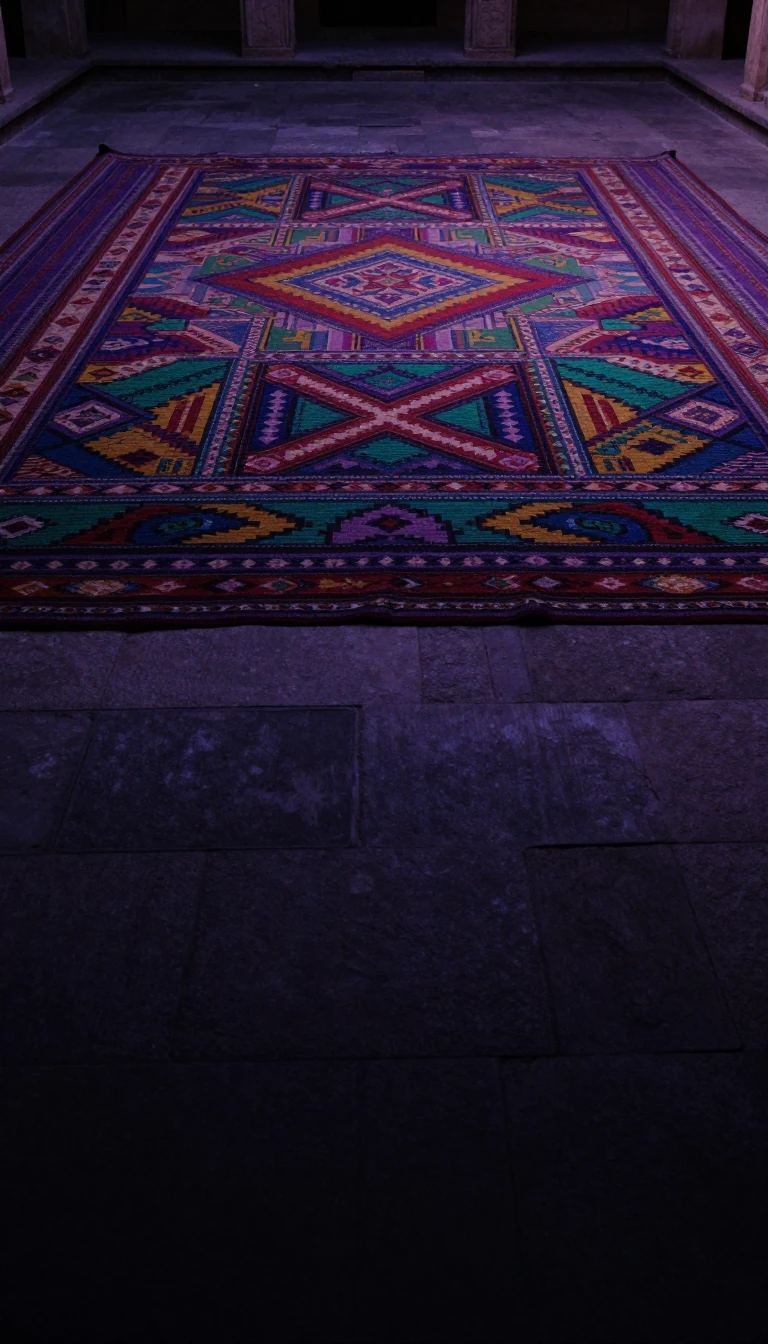 The Zapotec people are the 'People of the Clouds' with a history of gender fluidity.Known as the Bën Za, or People of the Clouds, the Zapotec civilization has thrived in Oaxaca for millennia. Beyond their ancient cities and unique writing systems, they maintain a…
 How a chance encounter at an ice show birthed a multi-billion dollar empireIn 1999, an executive noticed young girls wearing generic, store-bought princess costumes at a Disney event. Realizing the company was missing a massive opportunity, he unified di…
 How Dagens Nyheter became the definitive voice of the Swedish national consciousnessFounded in 1864, Dagens Nyheter has evolved from a fledgling morning paper into Sweden's undisputed newspaper of record. Operating from its iconic Stockholm headquarters, the publ…
 How a Hindi newspaper conquered India by treating readers like data pointsDainik Bhaskar transformed from a modest local publication into India’s largest newspaper by circulation. Its secret was not just journalism, but an aggressive, data-driven expans…
 From desktop skinning to AI controversy, how DeviantArt became a digital art titanLaunched in 2000 as a niche hub for customizing computer interfaces, DeviantArt evolved into a massive global community hosting over 700 million pieces of art. Today, it serves as…
 How a German newspaper accidentally adopted the coat of arms of a different city.Die Zeit is a German weekly institution known for its massive physical format and intellectual depth. Yet, its iconic masthead has a strange origin story involving a rejected Hamb…
 How a grassroots news program became a global watchdog for social justice movementsFounded in 1996 as a small radio project, Democracy Now! has evolved into a major independent news institution. By rejecting corporate funding and advertising, it maintains a uniq…
- How a British-founded newspaper became a pillar of German conservative journalismBorn in 1946 under British occupation to mirror The Times, Die Welt evolved from an Allied mouthpiece into a flagship German broadsheet. Today, it stands as a influential, often c…
 How a regional Hindi newspaper became India’s largest, then a lightning rod for controversy.Founded in 1942, Dainik Jagran evolved from a small-town operation into a circulation giant. By aggressively localizing content and adopting mass-market strategies, it captured th…
 How a German banking family’s private letters became the blueprint for modern financial newsLong before the internet provided real-time market updates, powerful dynasties used private correspondents to track global trade. From Bronze Age accounting to the rise of the 'mo…
 Why Your Digital Footprint Is More Than Just A Resume For Future EmployersCyberbullying is not merely a schoolyard spat moved to the internet. It creates a permanent, public record that follows individuals into adulthood, potentially impacting college a…
 How Italy's most influential newspaper shaped a nation from its Milanese headquartersKnown as the Via Solferino newspaper, Corriere della Sera has served as Italy's national newspaper of record since 1876. From its origins as an evening courier to its role in leak…
 Is China Central Television a news organization or a state-run propaganda machine?As the primary broadcaster for the People's Republic of China, CCTV occupies a unique space in global media. While it produces massive cultural events and investigative reports, i…
 How a Russian television giant evolved from oligarch control to state-aligned media powerhouseChannel One, Russia's federal television network, has a history defined by political upheaval, oligarchic power struggles, and state consolidation. From its origins in the post-So…
 Palm wine is a global cultural staple that begins as sweet, non-alcoholic tree sapAcross Africa, Asia, and the Americas, palm wine is a deeply rooted tradition. Harvested from the sap of various palm species, this beverage transforms from a sugary, non-alcoholi…
 How a humble bugle became the most powerful media conglomerate in ArgentinaFounded in 1945 as a tabloid, Clarín evolved from a pro-industry newspaper into a massive media empire. Its journey reflects the turbulent history of Argentine politics, shifting …
 Can every citizen be a reporter? The rise of the amateur news movementCitizen journalism empowers ordinary people to bypass traditional media, using digital tools to report from disaster zones and political hotspots. While it democratizes informatio…
 Modern astronomy is rapidly evolving through high-energy data and new deep-space observations.Astronomy and astrophysics now combine theoretical simulations with data from space-borne instruments to study phenomena beyond our solar system. Recent discoveries, such as compa…
 The accidental launch of a superhero icon that changed comics foreverIn 1938, a publisher dismissed Superman as a ridiculous concept. Yet, the character's explosive sales forced a change in direction, sparking the Golden Age of Comic Books and esta…
- How a 1999 startup helped define the modern era of personal online publishingLaunched in 1999, Blogger transformed the internet by making blog creation accessible to everyone. Acquired by Google in 2003, it evolved from a niche tool into a global platform,…
 Wuxia is the ancient Chinese art of chivalrous vigilantes and gravity-defying martial combatWuxia, a genre of Chinese fiction, features martial artists who operate outside traditional social hierarchies. These heroes follow a strict code of honor, righting wrongs and bat…
 From Hindu deities to digital personas: how we manifest ourselves in virtual worldsThe term avatar originates from the Sanskrit word avatara, signifying a deity's descent into physical form. Today, this concept defines our digital existence, ranging from simple …
 Is alternative media a distinct category or just a reaction to mainstream power?Alternative media is often defined by what it opposes rather than what it is. Emerging as a formal concept in the 1980s, it describes initiatives that challenge dominant cultural …
- How a post-war broadcasting experiment became the world's largest public media networkFounded in 1950 to prevent state propaganda, ARD is a massive, decentralized consortium of German regional broadcasters. Funded by mandatory household fees, it operates the nation…
 How a Qatari news channel became the most influential voice in the Arab worldLaunched in 1996 with a grant from the Emir of Qatar, Al Jazeera Arabic transformed the regional media landscape. By offering an alternative to state-controlled broadcasters and a…
- Norway's newspaper of record has a complex history of influence and controversyFounded in 1860, Aftenposten stands as Norway's largest printed newspaper and a central pillar of the nation's media landscape. While it has long served as a prestigious independe…
- How Egypt's Al-Ahram became the influential voice of a nation and its governmentFounded in 1876, Al-Ahram is Egypt's most widely circulating daily newspaper and a cornerstone of Arabic journalism. Often compared to The Times or The New York Times, it has evol…
 Why a late-night cartoon block is named after a public pool policyAdult Swim began as a late-night experiment, targeting the one-third of Cartoon Network viewers who were already adults. Its name, chosen by programmer Mike Lazzo, references the …
 The Wendat Confederacy: How a Displaced Nation Rebuilt Its Identity Through ResilienceWhen 17th-century invasions shattered their ancestral lands, the Wendat people did not simply vanish. Instead, they navigated a complex history of migration, political alliances, …
- The Tupi people were the primary architects of Brazil's early colonial society and identity.Long before Portuguese arrival, the Tupi occupied most of the Brazilian coast. Through a strategic kinship system called cunhadismo, they integrated European settlers into their s…
 Are all human cultures built upon the same hidden, universal mental architecture?Claude Lévi-Strauss revolutionized anthropology by proposing that beneath the surface of diverse traditions lie deep, universal structures of thought. By applying linguistic model…
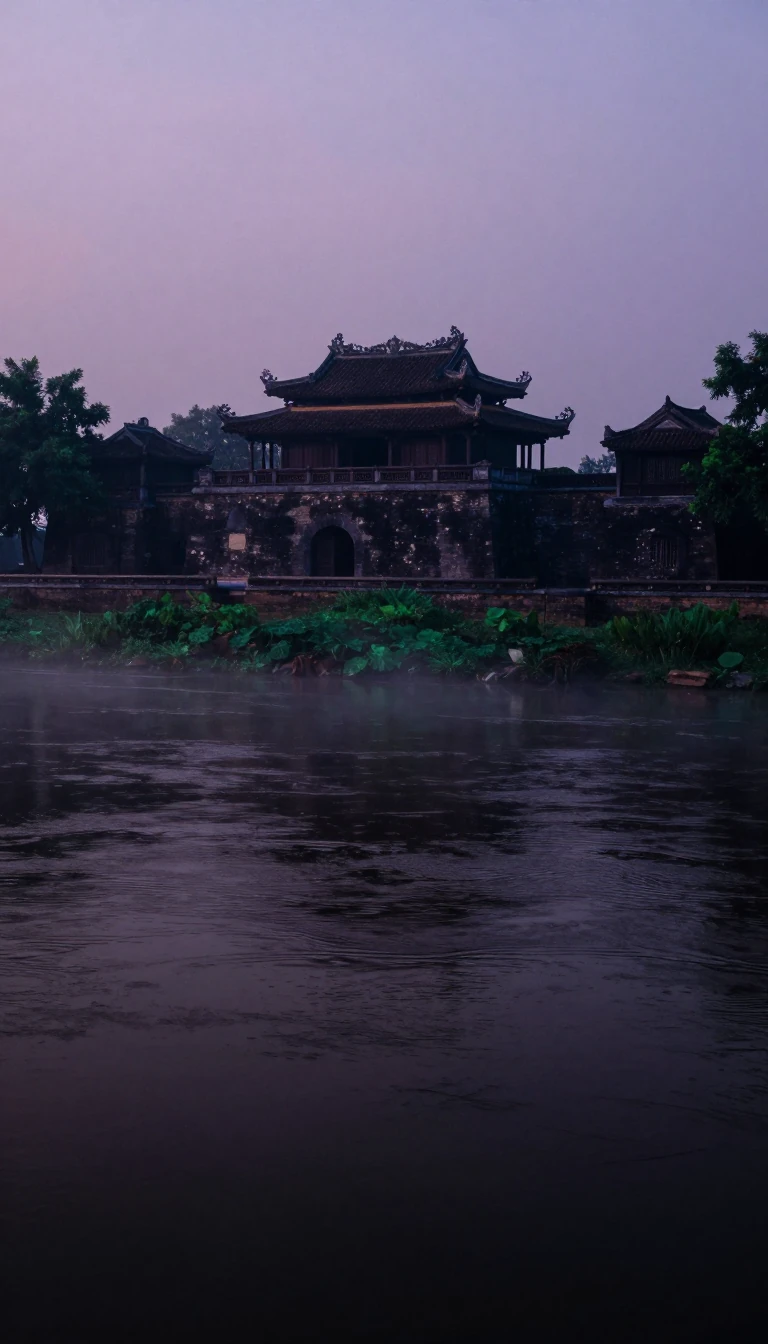 The Viet people are a modern identity forged from ancient, shifting cultural boundaries.While often viewed as a singular, ancient ethnicity, the Kinh identity is a relatively modern construct. Emerging from centuries of complex interactions, migration, and colonial c…
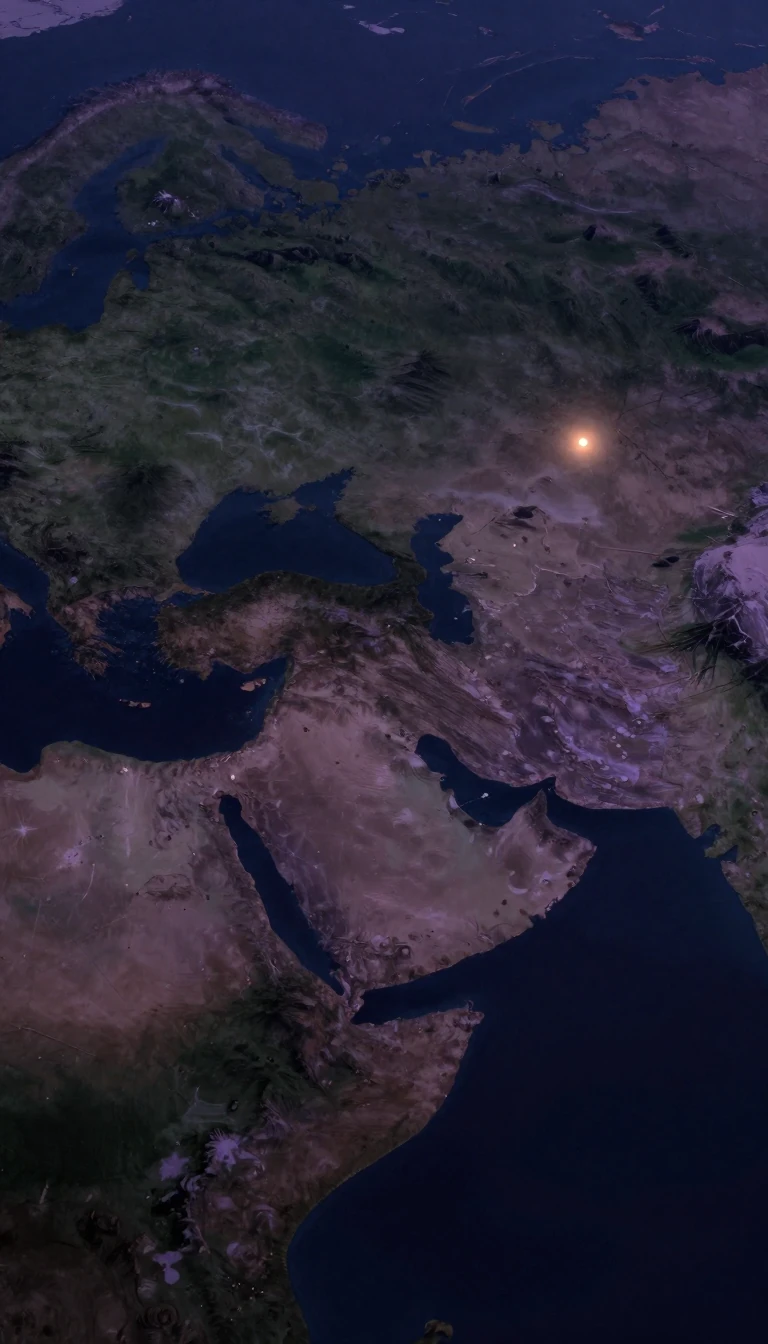 Did human societies follow a single, inevitable path toward modern civilization?Early anthropologists once believed all cultures marched along a fixed, unilinear track toward progress. This view, which equated Western civilization with the pinnacle of human d…
 The Shoshone: A Nation Defined by Geography, Language, and Resilience Across the American WestKnown by the endonym Newe, the Shoshone are an Indigenous people whose history spans the Great Basin to the Great Plains. Once a dominant power through mastery of horsemanship and…
 Social anthropology seeks to make the familiar strange and the strange familiar through fieldwork.Born in early 20th-century Britain, social anthropology emerged as a comparative, fieldwork-based discipline focused on social structures. While once defined by its opposition to …
 The Shawnee people were once a powerful, decentralized network spanning from Pennsylvania to Georgia.Long before their forced removal to Oklahoma, the Shawnee were a highly influential, mobile nation. Their language served as a vital trade lingua franca, and their leaders orchest…
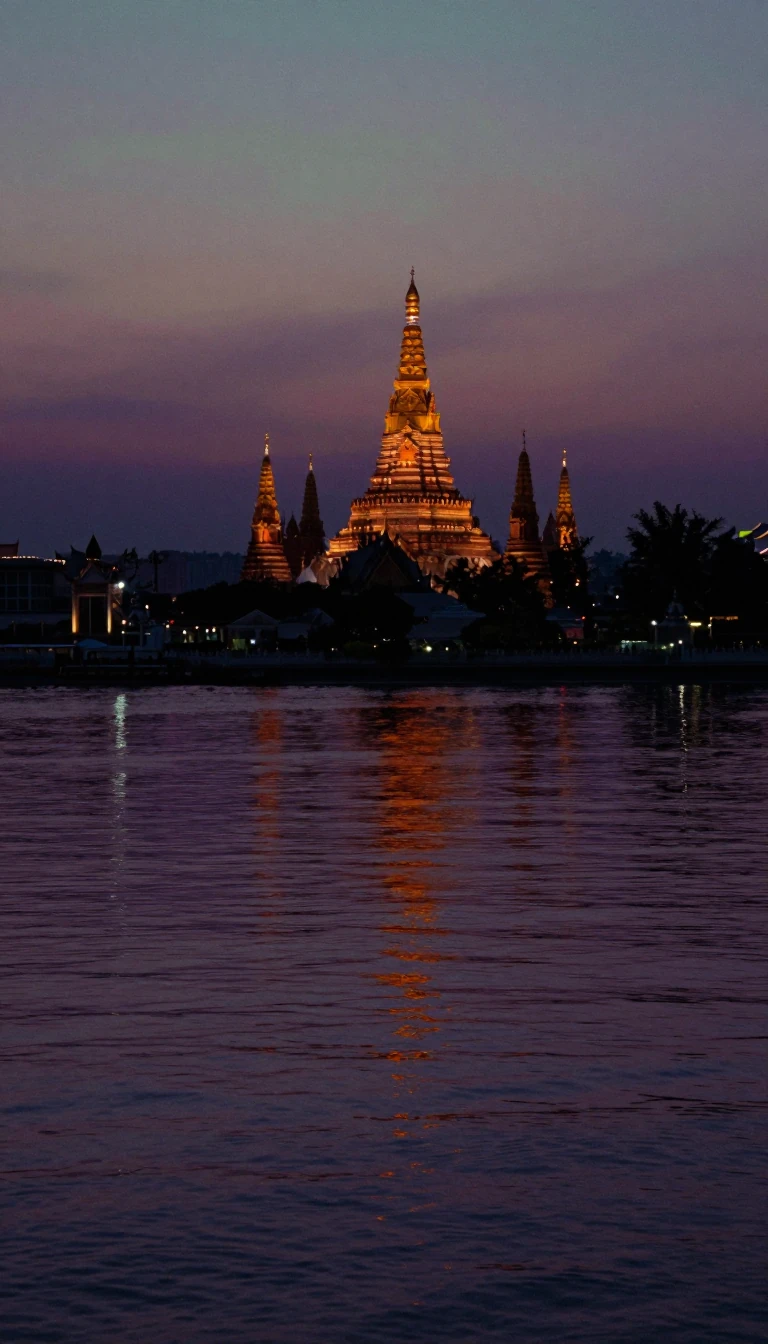 Why is the world's most persecuted minority denied existence in their own homeland?The Rohingya, a Muslim ethnic group with roots in Myanmar dating back a millennium, are currently stateless. Despite their long history in Rakhine State, the Myanmar government re…
 Latin America is a vast, diverse region defined by shared colonial history and language.Latin America is not a single monolith but a complex tapestry of 21 countries united by Romance languages and a history of Iberian colonization. From the indigenous roots of the A…
 Are multiracial identities defined by biology, or by the stories societies tell about themselves?Multiracial populations are growing globally, yet the labels used to describe them vary wildly. From the pardo category in Brazil to the Chindian identity in Southeast Asia, these…
 To truly understand a culture, you must stop observing and start living within it.Participant observation is a research method that demands more than just watching from the sidelines. By immersing themselves in a community for months or years, researchers aim t…
 Is separating the sexes a tool for equality or a barrier to human potential?Sex segregation is a global phenomenon that ranges from mandatory legal requirements to voluntary social preferences. While some argue that separating men and women protects priva…
 Why anthropologists are the best detectives for understanding how modern power actually worksPolitical anthropology began by studying remote tribes, but today it is the sharpest tool for dissecting the hidden mechanics of states, corporations, and international bureaucrac…
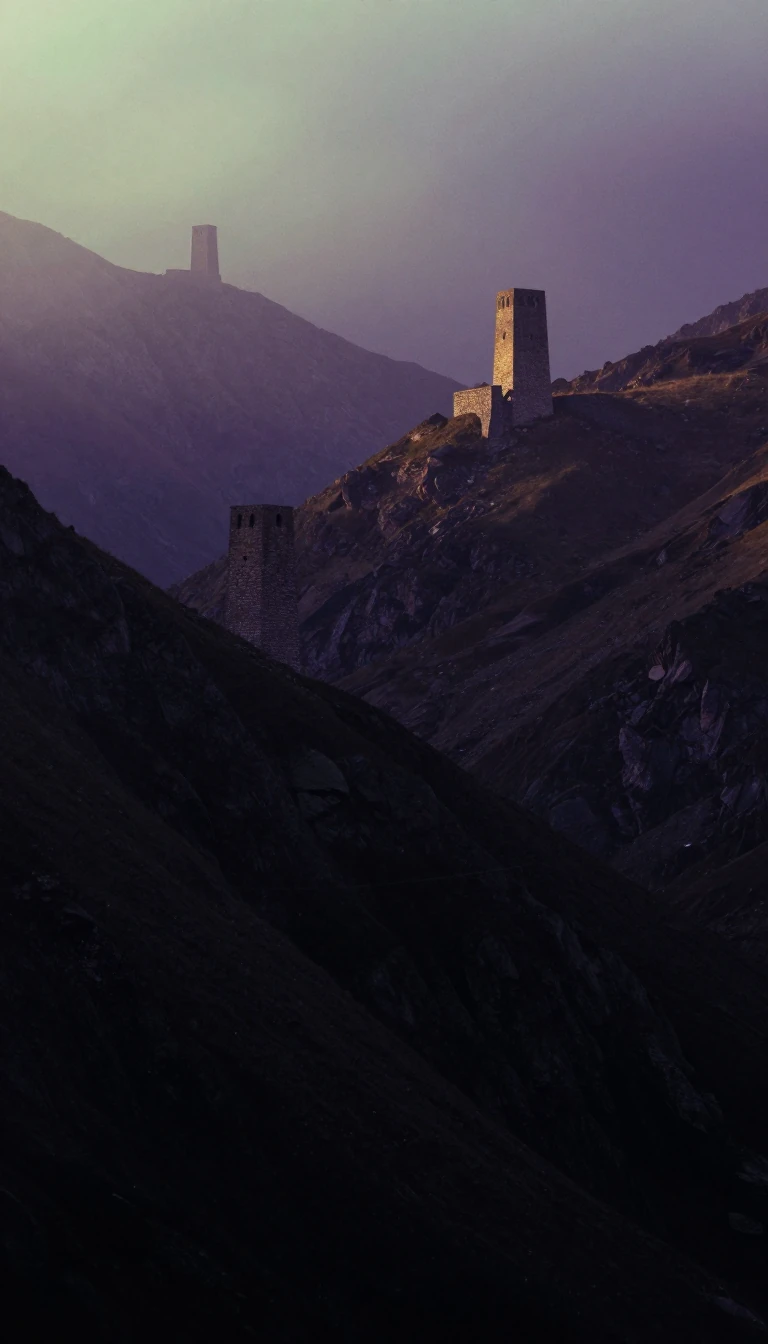 The Kumyks: A formidable Turkic power that once halted Russian expansion for over a centuryAs the largest Turkic ethnic group in the North Caucasus, the Kumyks historically balanced influence between the Ottoman, Persian, and Russian empires. Renowned for their fierce m…
- The Kanak people: Indigenous guardians of New Caledonia's complex, ancient, and evolving cultural identityThe Kanak people are the indigenous Melanesian inhabitants of New Caledonia, a French overseas collectivity in the southwest Pacific. With roots stretching back to the ancient Lap…
- Before European arrival, South America was a continent of complex, highly adapted civilizations.Long before the 16th-century conquest, South America was home to diverse societies that mastered their environments. From sophisticated Andean empires to innovative Amazonian agri…
- Why do humans trade, gift, and hoard in ways that defy pure economic logic?Economic anthropology reveals that human exchange is rarely just about efficiency. By studying how societies produce and consume goods through the lens of history and culture, thi…
 Habesha is a complex, contested cultural identity rather than a single ethnic group.The term Habesha has evolved from ancient South Arabian inscriptions to a modern, often debated, supra-national identifier for Ethiopians and Eritreans. While historically linked …
 Why the world's most dangerous job remains a fiercely independent way of lifeFrom the Mesolithic era to modern industrial fleets, fishing has evolved from a survival necessity into a complex global industry. Yet, despite extreme occupational hazards and hi…
- Why judging other cultures by your own standards is a scientific errorWe often believe our values are universal truths, but anthropologists argue this is merely ethnocentrism. To truly understand a society, one must look through its own lens, recogn…
- The Ewe people define their unity through shared language and ancestral traditions of originSpanning southeastern Ghana, southern Benin, and Togo, the Ewe people are a Gbe-speaking group with a history marked by migration, colonial division, and complex spiritual beliefs…
- Why the world’s most feared soldiers trace their origins to a Himalayan kingdomFor over two centuries, Gurkha soldiers have earned a reputation as some of the finest, fiercest fighters in history. Originating from the Gorkha region of Nepal, these troops tra…