 Intellect Plus
Cultures
14,790 cards. Each one is a 40-second story with a five-minute read behind it. Page 212 of 247.
Subtopics: African cultures · Ancient peoples · Anthropology · Arab & Persian culture · Asian folklore · Australian & Pacific cultures · Calendars & new year · Celtic mythology · Chinese culture · Clothing and fashion · Communication · Culture · Culture of Korea; Culture of South Korea · Education · Egyptian mythology · Endangered languages · Ethnology · Ethnology and anthropology · Etiquette & manners · Fairy tales & folk tales · Fashion through the ages · Festivals & celebrations · Folk dance · French & Italian culture · Hairstyles & jewellery · Handicrafts · Indian culture · Indigenous cultures of the Americas · Japanese culture · Journalism and mass media · Language · Language families · Language learning · Languages · Latin American culture · Legendary creatures · Nordic culture · Norse mythology · Peoples & civilisations · Pilgrimage & sacred journeys · Proverbs & idioms · Public holidays · Russian & Eastern European culture · Sign languages · Superstitions · Traditional dress · Traditional games · Traditions & customs · UK & Irish culture · US culture · Weddings · Writing systems
 Is a business degree the ultimate toolkit for navigating an uncertain global economy?Modern business education has evolved far beyond simple accounting. Today, it serves as a strategic training ground for leadership, blending theoretical frameworks with practical …
 A festival where mourning and spring growth exist in productive tensionIn Chinese culture, the Qingming Festival is more than a day for cleaning graves. It is a profound intersection of filial piety and seasonal rebirth. While it honors the dead, its…
 The Bar exam is not a single test but a rigorous vocational training gauntlet.Becoming a barrister requires more than just legal knowledge; it demands mastery of advocacy, leadership, and professional ethics. Far from a simple sit-down test, the Bar exam is…
 How a Beirut university became a global powerhouse for diplomacy and medical excellenceFounded in 1866 as the Syrian Protestant College, the American University of Beirut has evolved into a vital regional institution. From its campus overlooking the Mediterranean, i…
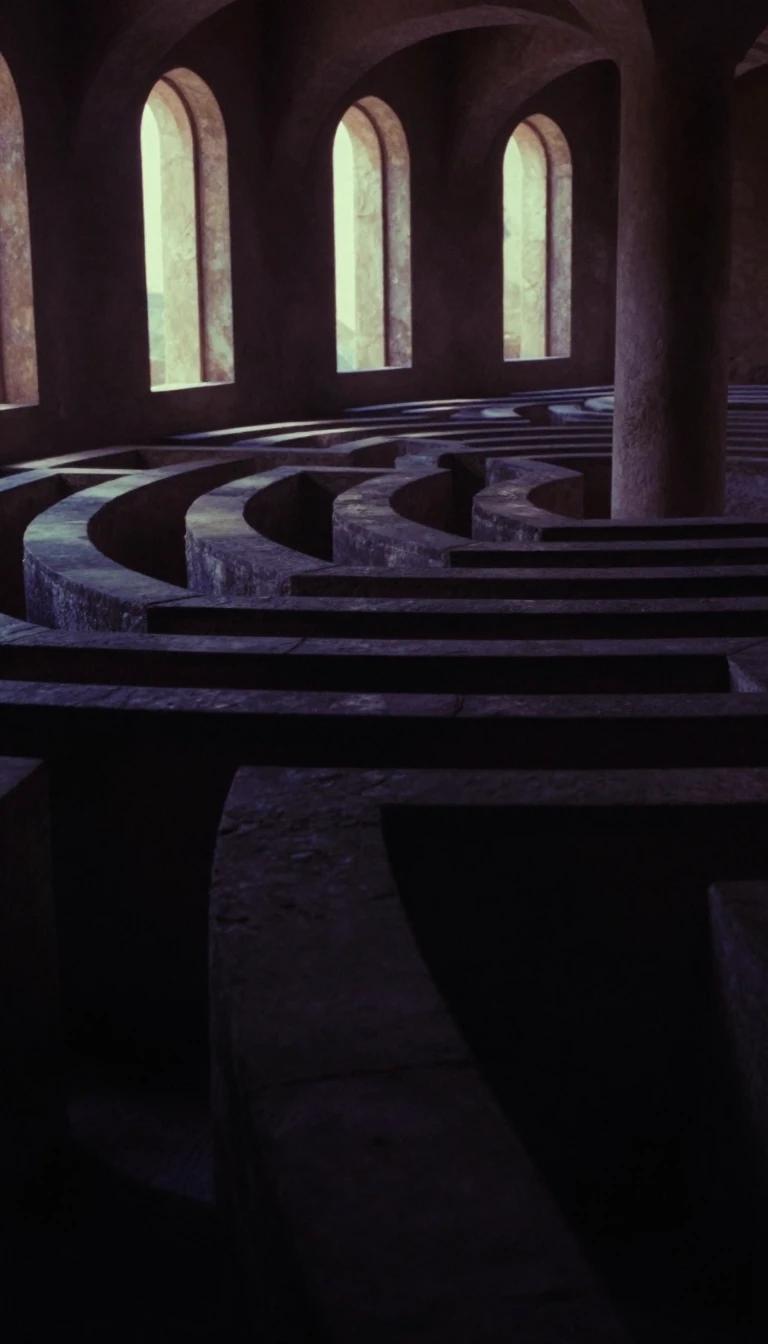 Why Madrid's top university was built with corridors designed to thwart police raidsFounded in 1968, the Autonomous University of Madrid is a powerhouse of Spanish academia. Yet, its original campus architecture tells a story of political resistance. The building…
 Why Victory Day is celebrated on May 9th instead of May 8thThe end of World War II in Europe is marked by two different dates. While most Western nations observe victory on May 8th, the Soviet Union and many post-Soviet states celebrate o…
 Why cheating is an unwinnable arms race between students and their professorsAcademic dishonesty is not a modern invention, but a persistent feature of education that spans centuries. Despite elaborate deterrents and shifting technologies, cheating remains…
 Vesak commemorates the birth, enlightenment, and death of the Buddha on one sacred day.Across Southeast Asia, Buddhists observe Vesak to honor three pivotal moments in the life of the Buddha. While traditions vary globally, the holiday serves as a profound reminder …
 Why modern trick-or-treating is a strange blend of ancient spirits and suburban candyToday’s Halloween ritual of begging for sweets is a surprisingly recent invention. While it draws on centuries of traditions—from Celtic spirit-appeasement to medieval soul-beggin…
 Why Tibetan Buddhists offer their deceased as a final act of ultimate generosityIn the high altitudes of Tibet, the traditional funeral rite known as jhator, or sky burial, treats the human body as an empty vessel. Rather than preserving remains, families off…
 How a swimming team’s training trip accidentally birthed the modern American spring breakWhat began as a quiet 1934 athletic migration to a Florida pool transformed into a massive cultural phenomenon. Fueled by mid-century cinema and aggressive marketing, the traditio…
 Are youth subcultures a genuine rebellion or just a product of capitalist consumerism?Youth subcultures offer an identity outside of family and school, yet experts debate their true nature. Are they symbolic attempts to resist dominant power structures, or are they…
 The holiday that asks you to stay for one more dayMost festivals have a clear end, but Shemini Atzeret exists in a spiritual limbo. Is it the final, lingering breath of Sukkot, or a completely separate celebration? To understand …
- Why the saddest day in the Jewish calendar is a magnet for historical tragedyTisha B'Av is a 25-hour fast day mourning the destruction of Jerusalem's two ancient temples. Over centuries, this date has become a focal point for collective Jewish grief, drawi…
 From Roman riots to digital tribes, why sports fandom defines modern social identitySports fandom is more than a pastime; it is a powerful cultural force that shapes identities and communities. While modern spectatorship emerged in the late 19th century, the root…
 Why do millions of Japanese people hang paper wishes on bamboo every summer?Tanabata, or the Star Festival, commemorates the annual reunion of two celestial lovers separated by the Milky Way. Rooted in ancient Chinese folklore and local Shinto purificatio…
- The skinhead subculture began as a fusion of working-class pride and Jamaican musical influence.Often mischaracterized by media as a monolith of hate, the skinhead movement originated in 1960s London as a working-class response to social alienation. Far from its modern reput…
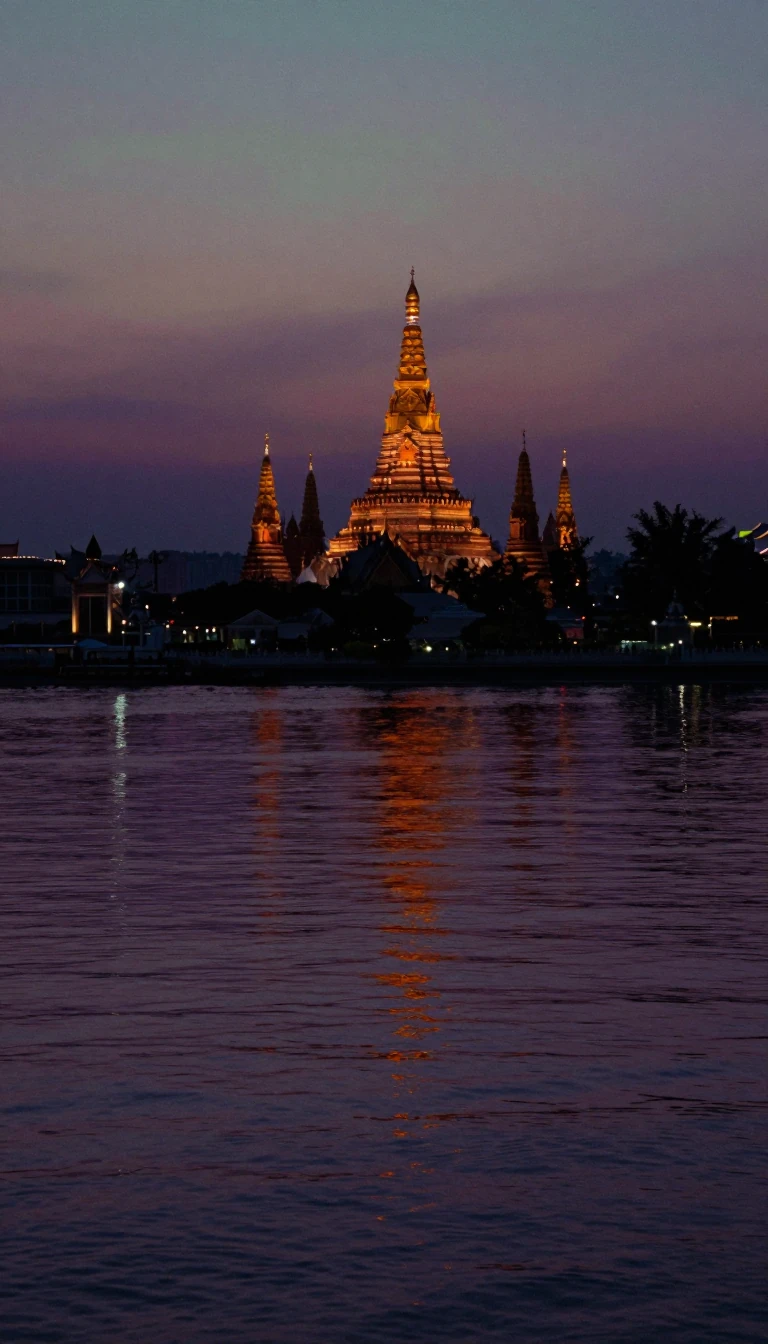 Why Thailand’s most famous water fight is actually a deeply spiritual Buddhist ritualEvery April, Thailand transforms into a massive, nationwide water fight. While tourists flock to the streets with buckets and squirt guns, the festival of Songkran is rooted in an…
- Why Jewish communities dance with the Torah to celebrate its completion and restartSimchat Torah is a vibrant autumn festival marking the end and immediate recommencement of the annual Torah reading cycle. Far from a somber study session, the holiday spills out …
- Why a harvest festival became the anniversary of the most important moment in JudaismShavuot began as an ancient agricultural celebration marking the wheat harvest. Yet, for centuries, it has been observed as the commemoration of God delivering the Torah to Moses …
 The many ways we mark the start of a new yearWhile January 1 is the global standard, it is far from the only way to reset the clock. From silent days of meditation in Bali to solar transitions in Sri Lanka, the world’s calen…
 Born in the ashes of urban decay, hip-hop redefined modern art.While often dismissed as mere music, hip-hop is a complex cultural movement born from New York City's economic collapse. It emerged not just as a genre, but as a creative response…
- Why the seventh day of the seventh lunar month is a celestial romanceThe Qixi Festival, often called the Chinese Valentine's Day, celebrates a mythic reunion between a weaver girl and a cowherd. Separated by the Milky Way, the lovers meet only once…
- Why millions of Japanese people throw beans at demons every FebruarySetsubun is an ancient Japanese tradition designed to purge the home of bad luck and evil spirits before spring. By scattering roasted soybeans and shouting for demons to leave, f…
- Palm Sunday marks the start of Holy Week and Jesus' entry into JerusalemPalm Sunday commemorates the triumphal arrival of Jesus Christ in Jerusalem, signaling the beginning of Holy Week. While modern traditions often involve processions with palm bran…
- Why national holidays are more than just a day off from the officePublic holidays do more than coordinate leisure time; they act as powerful symbols of national identity. While they offer a welcome break, these state-sanctioned days often become…
- Is the Bengali New Year a Mughal tax reform or an ancient harvest festival?Pohela Boishakh marks the first day of the Bengali calendar, but its origins remain a subject of historical debate. While some link the festival to Mughal-era tax reforms designed…
 Obon is a centuries-old Japanese tradition for welcoming ancestral spirits back to the home.For over 500 years, Obon has served as a vital family reunion holiday in Japan. By cleaning graves and preparing household altars, families invite the spirits of their ancestors t…
 From carnival sideshows to tech titans, how the nerd and geek evolved.Once synonymous with circus performers biting the heads off live animals, the term geek has undergone a radical transformation. Alongside the nerd, these labels shifted from derog…
 Beyond the stereotype: The surprising diversity of the modern motorcycle clubWhile pop culture often paints motorcycle clubs as outlaw enclaves, the reality is far more varied. From emergency medical couriers and veteran support groups to brand-specific en…
 The surprising history of the morgue: from prison wicket to modern cold storageThe word morgue did not always mean a place for the dead. It began as a prison wicket used for identifying new inmates. Today, these facilities are highly specialized, utilizing e…
 Beyond the stage: how music festivals evolved from ancient ritual to global economic enginesMusic festivals are more than just outdoor concerts. From the ancient Pythian Games to modern, multi-million dollar spectacles, these events have transformed into powerful tools f…
- Why do most nations celebrate a national day, while two notable countries do not?A national day serves as a symbolic anchor for statehood, marking independence, the birth of a republic, or a pivotal historical milestone. While these celebrations are standard a…
 Why major newspapers keep thousands of prewritten obituaries for people who are still aliveJournalism's quietest corner has become a high-stakes race. Major publications now maintain massive reservoirs of advance obituaries, meticulously updated for decades to ensure th…
 Islamic culture is a vast, interconnected tapestry of diverse traditions spanning over a millennium.Far from a monolith, Islamic culture is a dynamic synthesis of Arab, Persian, Turkic, and South Asian influences. From the intricate geometry of mosque architecture to the meditat…
- Why Japan Rings Buddhist Bells 108 Times to Welcome the New YearAs the clock strikes midnight on December 31, Buddhist temples across Japan ring their bells 108 times. This ritual, known as Joya no Kane, is designed to purge the 108 worldly te…
 How Japan transformed its global image from military power to cultural powerhouseAfter the devastation of World War II, Japan faced a crisis of identity and international perception. By pivoting from military dominance to a strategy of soft power, the nation s…
 Why eating a bowl of soup on Korean New Year adds a year to your lifeSeollal is more than a holiday; it is a profound cultural anchor where Koreans honor ancestors, exchange wisdom, and reset their age. Central to this tradition is a bowl of tteokg…
- Cyberculture is not just a subculture; it is the modern human conditionOnce a niche playground for hackers and academics, cyberculture has evolved into the primary architecture of our social reality. It is no longer a digital subculture existing on t…
- Why the simple act of hugging reveals more than just your emotional stateA hug is far more than a casual greeting. It is a complex, culturally nuanced form of nonverbal communication that can lower blood pressure and trigger oxytocin release. From its …
- The hipster is a global myth that no one actually wants to beThe 21st-century hipster is defined by a paradox: a subculture obsessed with authenticity that often lacks it, and a label that everyone rejects. While often associated with urban…
- Why the Islamic New Year shifts across the Gregorian calendar every single yearThe Islamic New Year marks the start of the lunar Hijri year, but it never falls on the same date twice. Because the lunar calendar is roughly eleven to twelve days shorter than t…
 Why heavy metal fans enforce a strict code of authenticity to avoid selling outBeyond the long hair and leather jackets, heavy metal is a subculture defined by a rigid code of conduct. Fans and performers alike prioritize total devotion to the music, often v…
- Why Japanese families display an elaborate imperial court in their homes every MarchHinamatsuri, or Doll's Day, transforms homes into miniature Heian-period courts. While modern observers see decorative heirlooms, these displays originated as ritual purifications…
- International Women's Day began as a radical labor movement, not a corporate celebration.While modern International Women's Day is often associated with corporate branding and vague hashtags, its roots are deeply revolutionary. Born from early 20th-century labor movem…
 From ancient papyrus to modern pop-ups: the enduring evolution of the greeting cardLong before digital messages, humans used physical tokens to convey sentiment. From early Egyptian scrolls to the mass-produced cards of the Victorian era, this medium has transfo…
- Why the Furry Fandom is a Hub for Tech-Savvy, Progressive, and Creative MindsFar beyond the misconception of simple costumes, the furry fandom is a complex, tech-forward subculture centered on anthropomorphic art. With deep roots in science fiction and ear…
 The handshake is an ancient ritual that may secretly function as a chemical sensor.Beyond its role as a social greeting or a seal for business deals, the handshake may serve an evolutionary purpose. Research suggests that humans use this contact to transfer soci…
- Why your choice of tombstone material determines your legacy's physical lifespanA gravestone is more than a marker; it is a fragile vessel for memory battling the elements. From the rapid decay of marble in acid rain to the enduring resilience of slate, the m…
- Beyond the casket: How funeral homes manage the final logistics of human lifeA funeral home is more than a place of mourning; it is a complex logistics hub for the deceased. From navigating legal paperwork and cemetery coordination to the science of preser…
- Why the simple act of giving a gift is a profound social technologyGift-giving is far more than a polite gesture; it is an ancient mechanism for building alliances, securing political power, and fostering emotional bonds. From the ritualized exch…
 Why modern graves are rarely six feet deep despite the common cultural mythThe classic image of a six-foot grave is largely a relic of the past. In modern American practice, most burials reach only four feet deep. This shift is not merely about labor; it…
 The accidental origins of the flash mob and its descent into criminal notorietyIn 2003, Bill Wasik launched the first flash mob as a social experiment to mock the human desire for conformity. What began as a harmless, spontaneous performance art piece in Man…
- The term gamer has evolved from describing 15th-century gamblers to modern digital athletes.While today we associate gaming with consoles and esports, the label originally identified dice players and card sharks in 1422. Today, it encompasses a global community of over t…
 From carnival sideshows to global power: the surprising evolution of the word geekOnce a derogatory term for carnival performers who bit the heads off live animals, the label geek has undergone a radical transformation. Today, it describes a powerful class of i…
 Is Egyptology just about mummies, or is it a rigorous study of ancient civilization?Egyptology is the academic discipline dedicated to the archaeology, language, and culture of ancient Egypt. While often associated with tombs, the field has evolved into a compreh…
 Why do millions of people race dragon boats and eat sticky rice every May?Celebrated for over 1,500 years, the Dragon Boat Festival is a complex tapestry of ancient agricultural rites, protective magic, and heroic legends. While famous for its vibrant b…
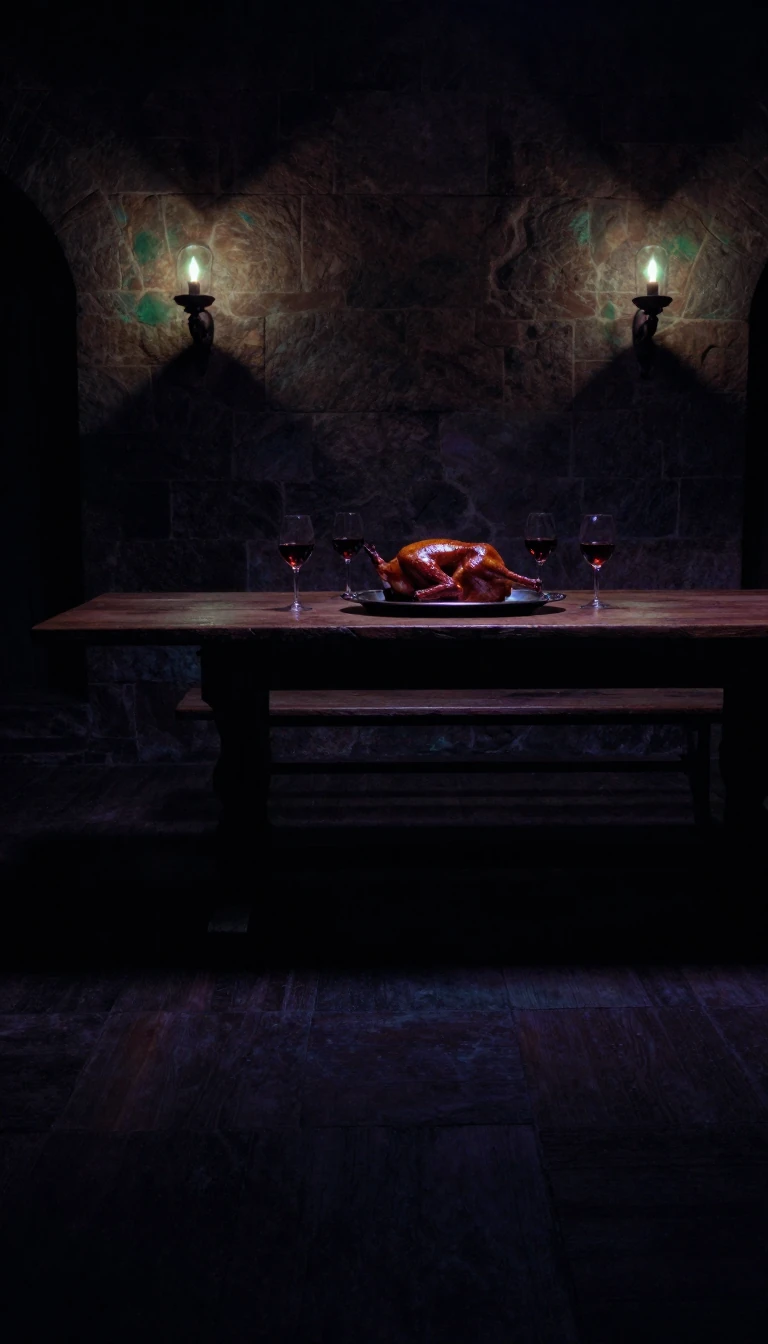 The midday pause that defines the Spanish rhythmWhile much of the West follows a standard nine-to-five, Spain maintains a unique temporal architecture. From the timing of heavy lunches to the historic influence of the Reconquis…
 Why the ninth day of the ninth month is considered a peak of spiritual energy.In traditional Chinese belief, the number nine is a powerful yang force. When doubled, it creates an auspicious, high-energy date known as the Double Ninth Festival. While its anc…
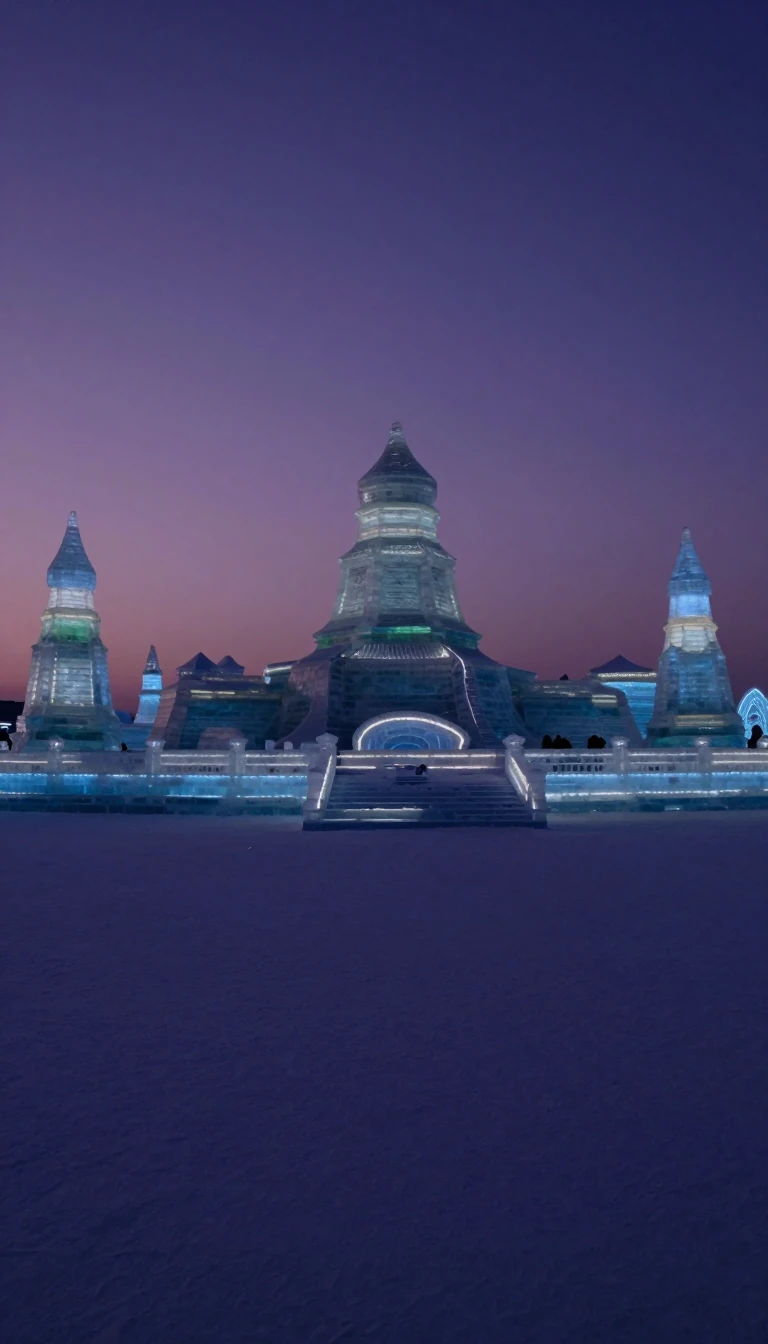 Why the winter solstice is a celebration of light, reunion, and turning a year olderDongzhi, the winter solstice, marks the year's longest night and the return of light. Rooted in ancient yin and yang philosophy, this festival celebrates the shift toward longer d…