 Intellect Plus
Cultures
14,790 cards. Each one is a 40-second story with a five-minute read behind it. Page 213 of 247.
Subtopics: African cultures · Ancient peoples · Anthropology · Arab & Persian culture · Asian folklore · Australian & Pacific cultures · Calendars & new year · Celtic mythology · Chinese culture · Clothing and fashion · Communication · Culture · Culture of Korea; Culture of South Korea · Education · Egyptian mythology · Endangered languages · Ethnology · Ethnology and anthropology · Etiquette & manners · Fairy tales & folk tales · Fashion through the ages · Festivals & celebrations · Folk dance · French & Italian culture · Hairstyles & jewellery · Handicrafts · Indian culture · Indigenous cultures of the Americas · Japanese culture · Journalism and mass media · Language · Language families · Language learning · Languages · Latin American culture · Legendary creatures · Nordic culture · Norse mythology · Peoples & civilisations · Pilgrimage & sacred journeys · Proverbs & idioms · Public holidays · Russian & Eastern European culture · Sign languages · Superstitions · Traditional dress · Traditional games · Traditions & customs · UK & Irish culture · US culture · Weddings · Writing systems
 Why the humble egg became the ultimate symbol of the Christian resurrection story.For centuries, the Easter egg has served as a profound symbol of rebirth, bridging ancient traditions with Christian theology. From the red-stained eggs of early Mesopotamia to th…
 Why we are obsessed with building, fixing, and creating things without any professional helpThe do-it-yourself movement is more than just a weekend home improvement project. It is a cultural pushback against modern specialization, where individuals reclaim agency by mast…
 Turkey sits at the crossroads of history, blending Eastern traditions with Western secular reform.Straddling Europe and Asia, Turkey is a unique cultural mosaic. Its identity is forged from a deep archaeological legacy, the remnants of the Byzantine and Ottoman Empires, and a …
 How Thailand balances ancient spiritual traditions with a rapidly modernizing urban lifestyleThailand is a nation in flux, where rapid economic growth and urbanization reshape daily life while deep-seated spiritual practices remain central. From the rise of professional i…
 Is the Philippines an Asian nation with a Western soul or a Westernized Asian archipelago?The Philippines is a striking paradox: a Southeast Asian nation that feels profoundly Euro-American. While its geography is defined by thousands of islands, its social fabric is w…
 Beyond the Windmill: How Dutch Culture Balances State Support with Radical Artistic FreedomThe Netherlands is famous for wooden shoes and tulips, but these icons barely scratch the surface of a nation defined by a unique cultural paradox. The Dutch government heavily su…
 How Vietnam’s culture evolved through millennia of regional expansion and foreign influenceVietnam’s cultural identity is a complex tapestry woven from ancient indigenous traditions, a thousand years of Chinese rule, and later French colonial impact. From the rhythmic c…
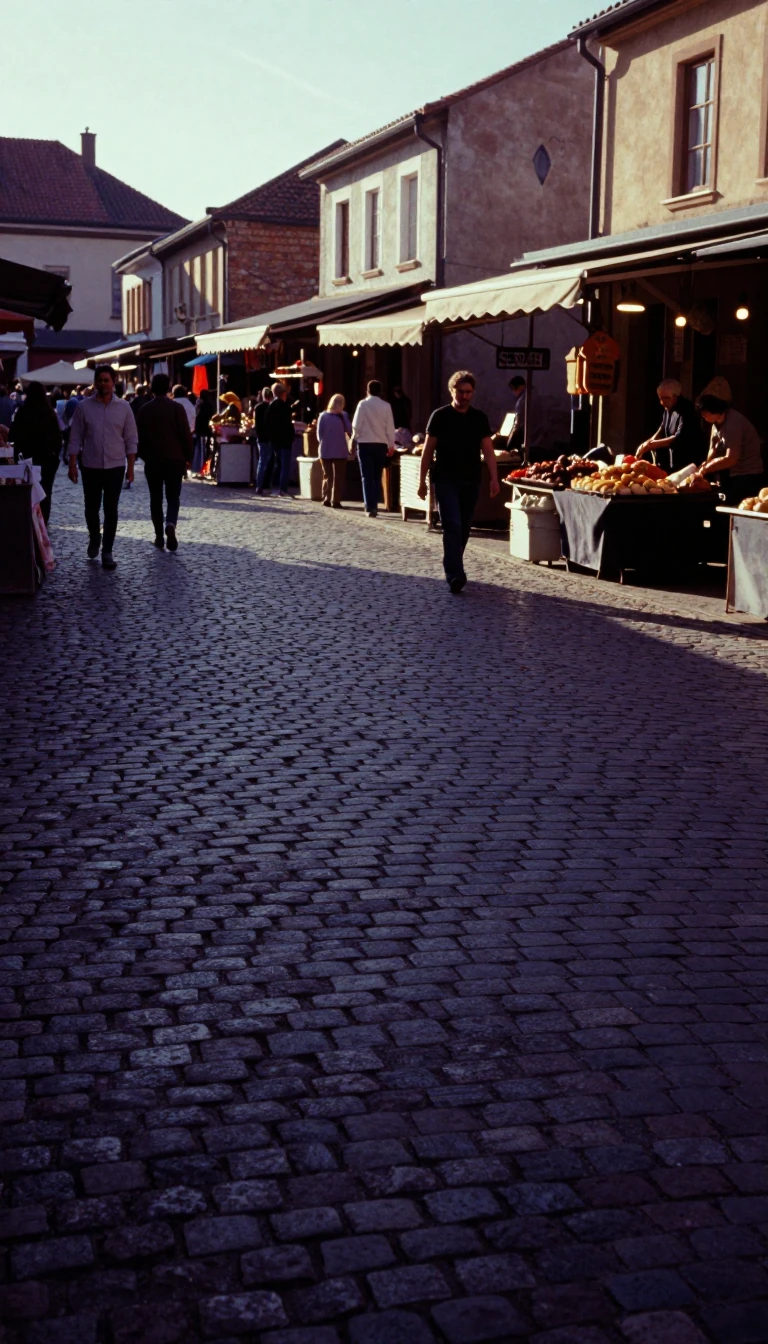 South Africa is a study in contrasts, blending ancient traditions with modern global influences.South Africa is a land of stark juxtapositions, where high-tech office buildings stand near homes without electricity. This complex society, shaped by a history of segregation and…
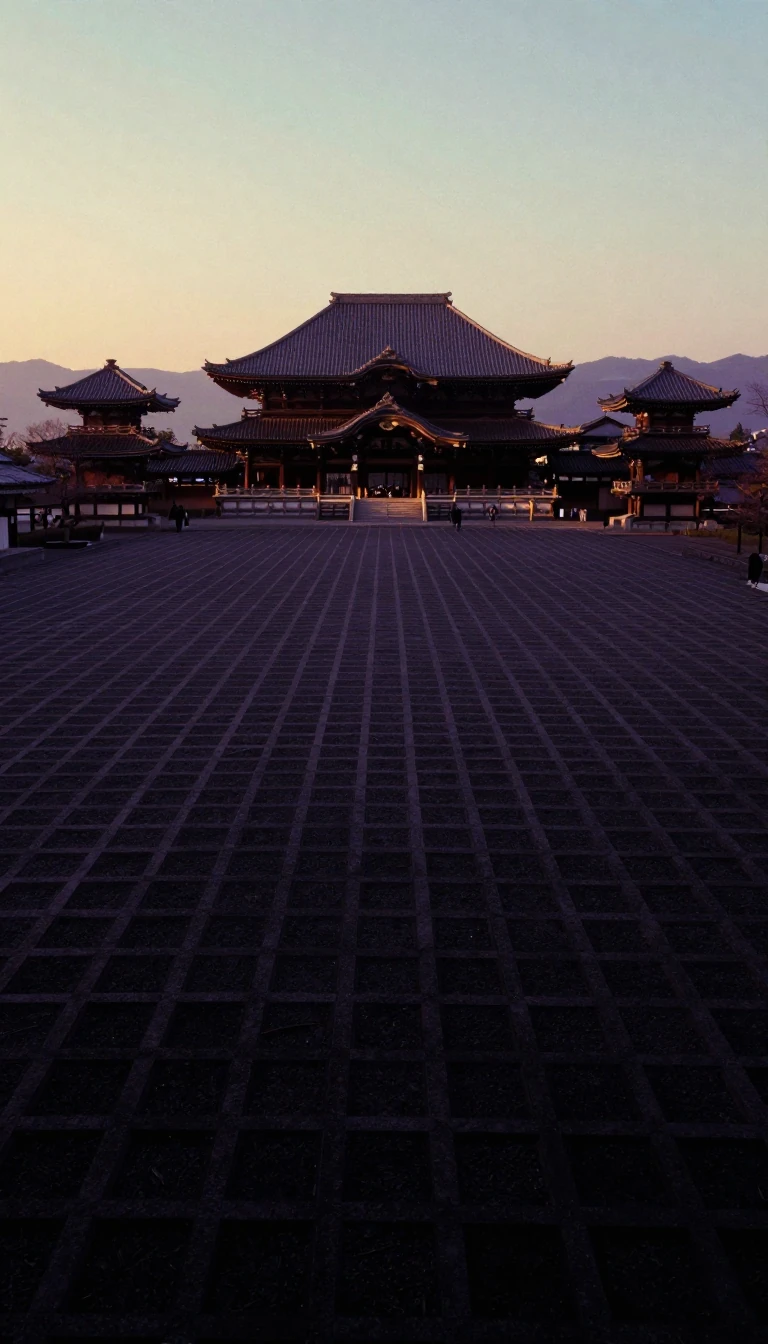 How Japan became a global powerhouse by mastering the art of selective cultural adaptationJapan is the first non-Western nation to achieve great-power status, a feat driven by a unique cycle of absorbing foreign influences and refining them into something distinctly Ja…
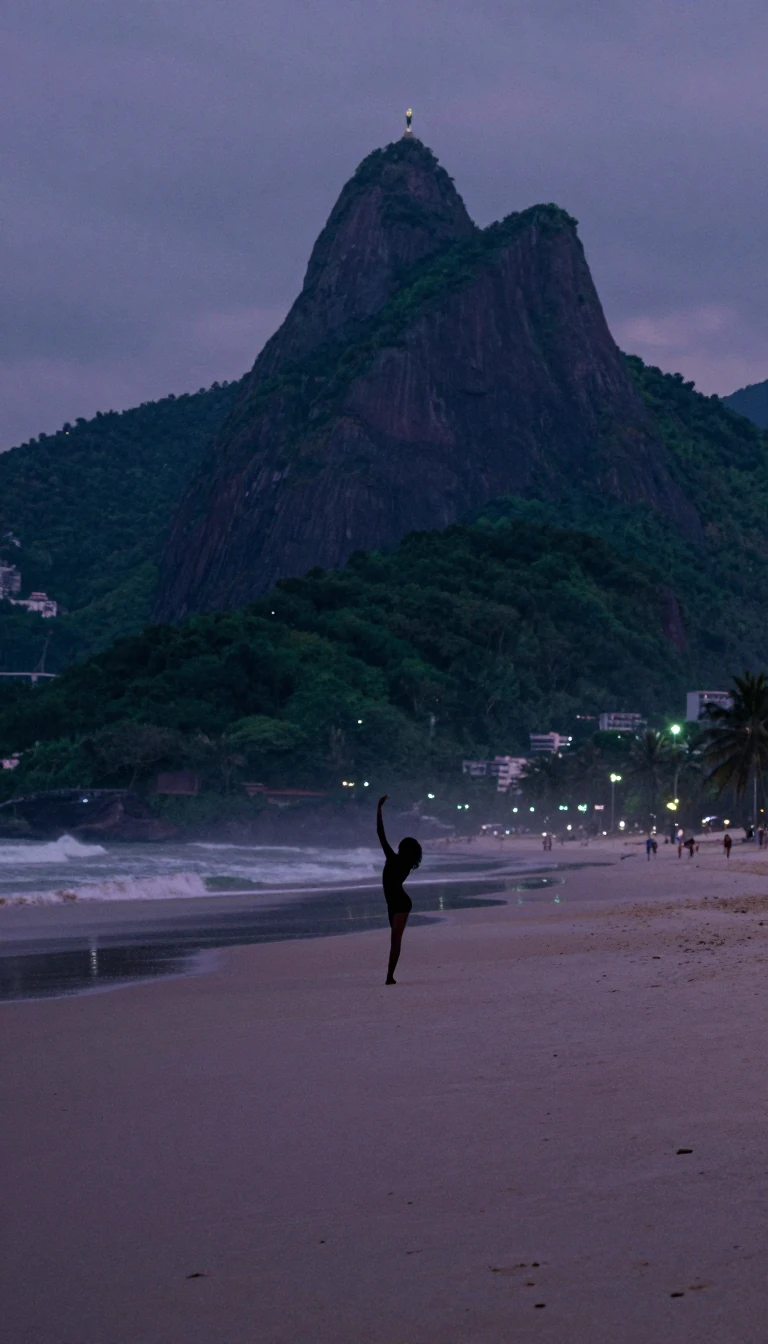 South American culture is a complex tapestry woven from four distinct global influences.South American culture is far more than a singular identity. It is a vibrant, layered synthesis of indigenous heritage, European colonial history, African traditions, and modern N…
 How Russia’s culture evolved through a unique blend of Eastern and Western influencesRussian culture is a complex tapestry woven from native Slavic roots, Byzantine spirituality, Mongol-era shifts, and later Western European integration. This centuries-long synthe…
 How Polish culture survived centuries of political upheaval to become a global artistic forcePoland’s cultural identity is a resilient tapestry woven from literature, music, and religion. Despite the pressures of industrialization, communist rule, and foreign occupation, …
 How Polynesian navigators settled the vast Pacific using only stars and bird flight patternsLong before European contact, Polynesians mastered the Pacific, settling a massive triangle from Hawaii to New Zealand. These skilled mariners navigated thousands of miles of open…
 From Rai stones to shell money, Oceania’s diverse cultures redefine the meaning of wealth.Across the vast expanse of Oceania, wealth is not always measured in coins or paper. From the massive stone disks of Yap to the shell-money traditions of the Solomon Islands, thes…
 Mexico is not a monolith but a vibrant, deeply divided cultural mosaicMexico defies simple categorization. From the distinct lives of Mayan peasants to urban elites, the country is a complex tapestry woven from indigenous roots and colonial history.…
- Latin American culture is a complex, centuries-old tapestry of global and indigenous influences.Far from a monolith, Latin American culture is a vibrant synthesis of Western, Native American, African, and Asian traditions. From the literary magic realism of the 1960s to the …
- Nigeria’s cultural landscape is a dynamic fusion of ancient traditions and modern global influencesFrom the world-renowned bronze sculptures of the Benin Kingdom to the global reach of contemporary juju music, Nigeria’s culture is a vibrant, evolving tapestry. It is a place whe…
 Modern Italy balances ancient culinary roots with a rapidly shifting social landscapeItaly is a nation defined by its deep regional traditions, yet it has undergone profound societal changes since World War II. From the evolving role of women to the decline in bir…
 How ancient Confucian values and modern K-pop define the enduring spirit of KoreaFrom the ritualized rhythms of ancestral rites to the global dominance of K-pop, Korean culture balances deep-seated traditions with rapid modernization. While Confucian principle…
 Why is public mourning such a central pillar of Iranian cultural life?In Iran, the narrative of martyrdom is not just history; it is a living, breathing cultural force. Rooted in the 7th-century massacre of al-Husayn, this solemn perspective permeat…
 Why Germany’s greatest national heroes were not kings or generals, but poets and philosophers.Germany once defined itself not through military might or political borders, but as a nation of the mind. For centuries, its identity was anchored in intellectual and artistic ach…
 Indonesia’s cultural tapestry weaves ancient Hindu-Buddhist empires with modern, rebellious literary and musical voices.Indonesia is a vast archipelago where ritualized epic narratives and ancient temple architecture coexist with vibrant urban pop culture. From the 9th-century Buddhist monument of …
 The prince who became the Buddha: a celebration across AsiaCommemorating the birth of Siddhartha Gautama, Buddha's Birthday is a diverse global phenomenon. From the full moon of Vesak in South Asia to unique lunar traditions in East Asia,…
 How France transformed from a royal patronage system into a modern, meritocratic cultural powerhouse.French culture is a complex tapestry woven from ancient Celtic, Greco-Roman, and Germanic roots. While once defined by aristocratic patronage and royal influence, the nation evolv…
 Beyond the Pyramids: How Tradition and Modernity Coexist in Modern Egyptian Daily LifeEgypt is a land of striking contrasts, where age-old agricultural rhythms meet global urban trends. From the rural fellahin working fields with traditional tools to city dwellers …
 Why Europe is a mosaic of 160 distinct cultures rather than a monolithEurope is defined not by a single identity, but by a dense, ancient patchwork of 160 distinct cultural groups. Shaped by geography and long-standing territorial boundaries, these …
 Beyond the ruins, how does the heartbeat of modern Greek culture actually function?Greece is often viewed through the lens of its ancient marble past, yet its contemporary identity is defined by a complex, enduring social fabric. From the tradition of the volta …
 Africa is not a monolith: exploring the continent's profound and diverse cultural tapestryAfrica is the birthplace of humanity, yet its cultural identity is often flattened by external labels. From the savanna kingdoms of the west to the Bantu-speaking societies of the…
 Australia’s culture was shaped by extreme isolation and a legacy of penal exile.Australia’s identity is a paradox. Born from the remoteness of a penal colony, it spent centuries tethered to Britain while developing a distinct, egalitarian spirit. Today, this …
 Brazil’s vibrant cultural identity is a complex tapestry woven from three distinct historical threads.Modern Brazilian life is not a monolith but a dynamic fusion of Indigenous, African, and Portuguese influences. While colonial history established a dominant European framework, t…
 Is Asia a single culture or a vast, interconnected web of distinct civilizations?Asia is the world's largest and most populous continent, home to ancient river valley civilizations and the origins of major global religions. While its immense size and rugged ge…
 How a boycott of Ticketmaster accidentally birthed the world's most famous music festivalCoachella began not as a grand vision, but as a desperate pivot. After a 1993 Pearl Jam concert proved the Empire Polo Club could host massive crowds, promoters struggling against…
 Argentina's cultural identity is a complex, dual-natured blend of European heritage and American roots.Argentina is a nation defined by its contradictions. Shaped by massive 19th and 20th-century European immigration, it maintains a deep connection to the Old World while remaining …
 Why ancient Chinese citizens once endured a month of fireless, cold-food livingThe Cold Food Festival began as a midwinter ritual of total fire abstinence, a practice so severe it caused widespread illness and death. While later legends linked the taboo to t…
 The postcard was once a global obsession that reshaped how the world communicated.Before social media, the postcard was the original global network. From a 19th-century practical joke to a multi-billion-card industry, these simple slips of paper were the poor m…
 From ancient baskets to modern art: the surprising evolution of the funerary boxThe word coffin traces back to the Greek term for basket, yet these vessels have evolved into everything from simple wooden boxes to elaborate, figurative works of art. Whether us…
 Why the Chinese word for culture literally means to become literateIn China, the written word is not merely a tool for communication; it is the very foundation of civilization. For millennia, mastering the complex writing system was the essential…
 One day, two very different ways of rememberingOn the 10th of Muharram, the Islamic calendar holds a date of profound divergence. For some, it is a day of solemn mourning and bloodletting; for others, a day of grateful fasting…
 Why Christmas Eve traditions often center on the night before the main eventWhile Christmas Day marks the festival, Christmas Eve is the true heart of the celebration for many cultures. Rooted in ancient liturgical practices where days begin at sunset, th…
 Why ancient Egyptians stored organs in jars—and why they eventually stoppedFor millennia, the mummification process required removing internal organs to prevent decay. These viscera were carefully preserved in specialized vessels known as canopic jars. Y…
 Cannabis culture is a 5,000-year-old tradition that transcends the modern slacker stereotype.Far from a recent invention, cannabis has served as a spiritual entheogen and social lubricant for millennia. While often dismissed through the lens of modern apathy, the plant’s …
 Why is the world's second-largest Muslim gathering largely unknown in the West?The Bishwa Ijtema is a massive, voluntary Islamic congregation held annually in Bangladesh. Drawing millions of devotees from over 150 countries, it serves as a demonstration of u…
 What happened under the Bodhi Tree when Siddhartha Gautama finally became the Buddha?Bodhi Day commemorates the pivotal night Siddhartha Gautama attained enlightenment. By sitting beneath a Ficus religiosa, he sought the root of suffering and a path to liberation.…
 The Beatnik was a media-manufactured caricature of a deeply spiritual, anti-materialist literary movement.In 1958, columnist Herb Caen coined the term beatnik to mock the Beat Generation. While the media painted them as beret-wearing, bongo-playing hipsters, the actual writers were de…
 It is no longer enough to simply write good contentIn the modern era, technical communication has moved beyond the page. Today, the discipline is merging with user experience design, shifting the focus from merely delivering facts…
 Being Arab is not a matter of race, but of language and shared historyThe term Arab does not denote a single race or physical stereotype. Instead, it defines a vast, diverse population connected primarily by the Arabic language and broad cultural ti…
 Visual communication is more than just art; it is a powerful tool for storytelling.We often overlook how visual communication shapes our daily lives. Beyond mere aesthetics, it acts as a universal language that simplifies complex information, challenges percepti…
 A simple wink can signal a secret conspiracy, sexual interest, or even a cat kiss.Closing one eye is a subtle, high-stakes social tool. While often a friendly gesture of solidarity or a way to share a private joke, its meaning shifts wildly depending on context…
 Why the middle finger is an ancient, phallic, and legally protected form of protestThe middle finger is more than a modern vulgarity. With roots in ancient Greece and Rome as a phallic symbol of intimidation, this gesture has evolved into a global shorthand for …
 Why the modern town hall meeting is a theater of democracy without the voteDespite the name, town hall meetings rarely happen in town halls and never involve actual voting. These forums, which trace their roots to colonial New England, have evolved from …
 Why the modern trade show is a direct descendant of medieval merchant capitalismTrade shows are more than just corporate booths and networking. They are the modern evolution of medieval fairs, designed to connect producers with buyers in a high-stakes environ…
 Why a friendly wave in one country might be a grave insult in anotherA simple wave of the hand is a universal staple of human interaction, yet its meaning is far from constant. While it signals a warm hello or goodbye in the West, the same gesture …
 Why wordplay is more than just a joke: the mechanics of linguistic witWordplay transforms language from a mere tool for communication into the primary subject of art. From the clever puns of Shakespeare to the modern lyrical tapestries of rappers li…
 Why we talk about nothing to connect with everythingSmall talk is often dismissed as trivial, but it serves a profound evolutionary purpose. Far from being empty noise, these polite, non-functional exchanges act as a vital social l…
- The V sign is a global chameleon, shifting from peace symbol to grave insult.Depending on the orientation of your palm, the V sign can signal victory, peace, or a vulgarity akin to the middle finger. While its wartime origins are well-documented, the gestu…
 Was the ancient Greek symposium a high-minded philosophical salon or a drunken brawl?The symposium was a ritualized drinking party for aristocratic men, defined by the consumption of wine in a private room called the andron. While literature portrays these gatheri…
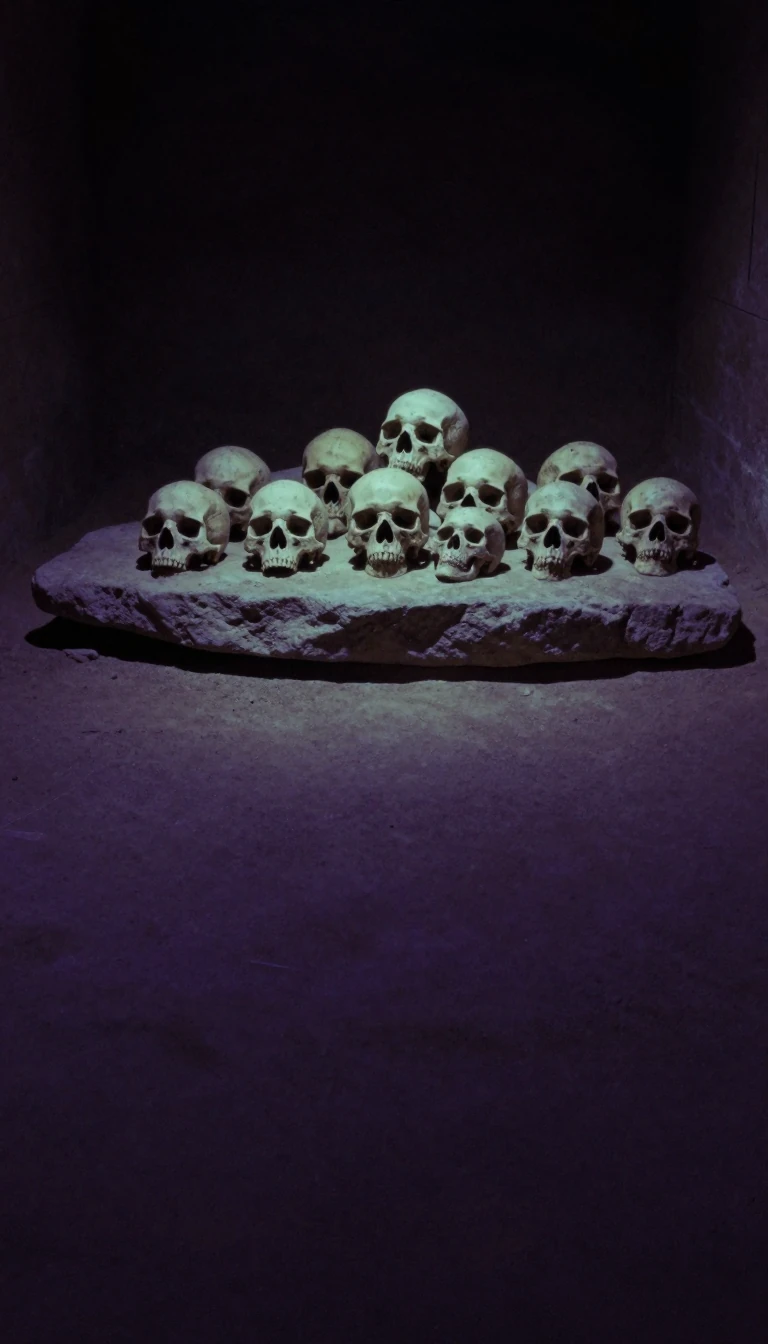 From tombstone memento mori to modern hazard warning: the evolution of the skullThe skull and crossbones is one of history's most versatile icons. Once a somber reminder of mortality on medieval gravestones, it evolved into a military badge of elitism, a pira…
 Standing is not a static pose but a constant, complex balancing actYou might think standing still is a passive state, but your body is actually performing a sophisticated, unconscious dance. Because humans are essentially inverted pendulums with …
 Is your smile a sign of joy, submission, or a calculated social maneuver?While we often view smiling as a universal language of happiness, its origins are rooted in primate fear and submission. Today, this facial expression serves as a complex social t…
- Your most offensive insult might be a harmless greeting elsewhereThe middle finger is often called the universal sign of disrespect, but it lacks a global consensus. In some cultures, it carries no meaning at all; in others, it serves as a char…