 Intellect Plus
Agriculture
261 cards. Each one is a 40-second story with a five-minute read behind it. Page 2 of 5.
 Why the global definition of a fishery includes everything from kelp to jellyfishA fishery is not just a place where fish are caught. It is a complex economic engine involving 500 million people, ranging from industrial fleets to small-scale harvesters. While …
 More than a bobber: how a simple float masters the physics of anglingA fishing float is far more than a simple visual indicator. This lightweight buoy acts as a precision tool, allowing anglers to suspend bait at exact depths, cast against air resi…
 Modern fishing lines are sophisticated engineering tools designed to outsmart and outlast aquatic prey.Beyond simple string, today's fishing lines are high-tech synthetic polymers engineered for specific buoyancy, stretch, and invisibility. From fluorocarbon that mimics the refract…
 Why the most effective fishing lures are designed to deceive, not just attractA fishing lure is a masterclass in biological manipulation. By mimicking the appearance, vibration, and erratic movement of injured prey, these artificial tools exploit a predator…
 The fishing net is a Neolithic invention that has barely changed in ten millennia.While modern materials like nylon have replaced ancient flax and cotton, the fundamental design of the fishing net remains virtually identical to those used in the Stone Age. From…
- The fishing rod is a sophisticated cantilever designed to amplify human motion and leverage.Beyond a simple stick, the modern fishing rod is a precision-engineered tool. It functions as an extended cantilever, increasing casting speed and providing the mechanical advanta…
- For thousands of years, humans have used stone and wood to outsmart the tides.Long before modern industrial fishing, societies across the globe mastered the landscape to secure their food. By constructing ingenious weirs—barriers of stone or wood—they harne…
 Why the flowers in your home are the result of high-tech global engineeringFloriculture is far more than simple gardening. It is a sophisticated, multi-billion dollar branch of controlled-environment agriculture. By manipulating light, temperature, and g…
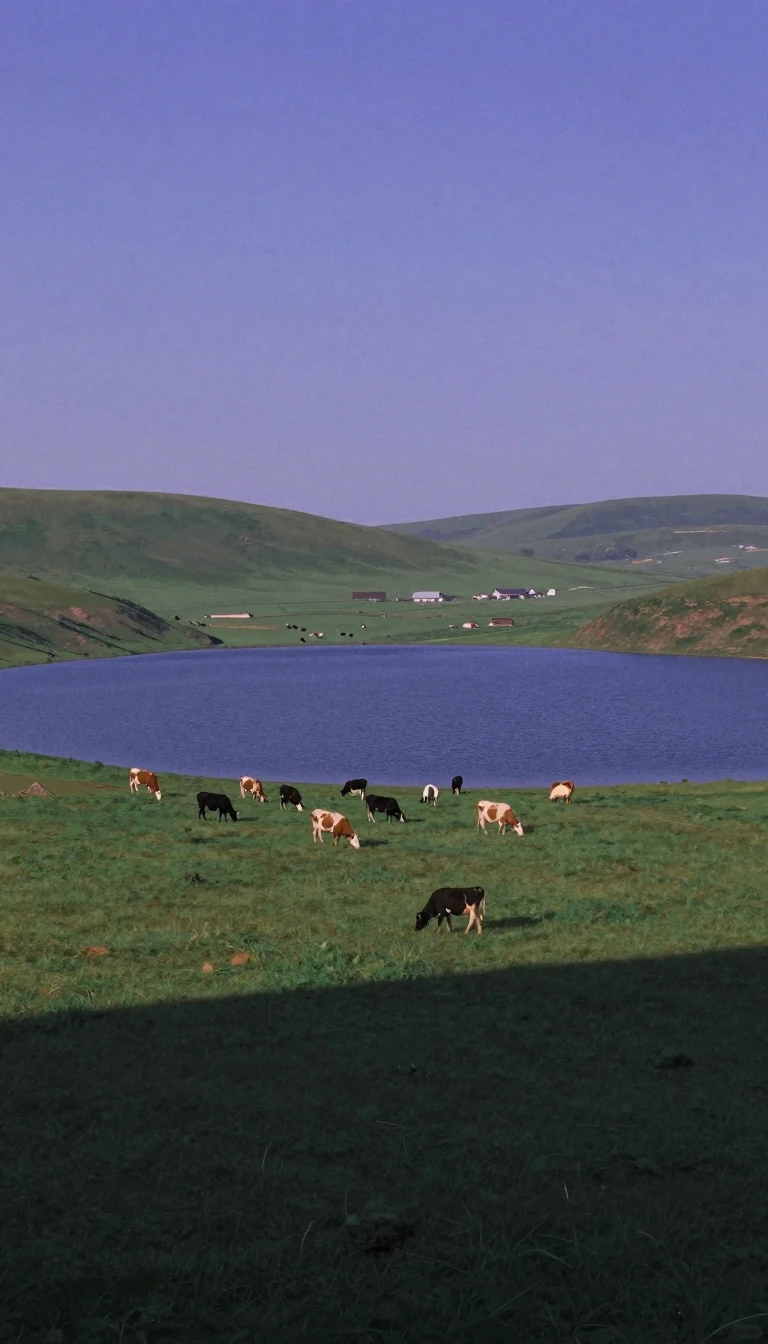 Beyond the Pasture: Understanding the Essential Plant Materials That Sustain Grazing LivestockForage is far more than just grass in a field. It encompasses the diverse plant materials—leaves and stems—that sustain grazing livestock. Whether consumed directly as pasture or …
 Is free range just a marketing label or a meaningful standard for animal welfare?The term free range promises animals a life of open pastures and natural behavior, yet legal definitions are often thin or nonexistent. From the United States to the European Unio…
 Why French formal gardens were designed to be viewed like architecture, not natureThe French formal garden was not meant to mimic the wild, but to conquer it. By applying the rigid rules of geometry, optics, and perspective to the landscape, designers transform…
 The complex social hierarchy of giant river prawns dictates how they are farmedFarming giant river prawns is not just about feeding them; it is a delicate management of a strict, three-tiered male hierarchy. Because dominant blue-claw males naturally inhibit…
 Mushrooms do not grow like plants, they thrive by decomposing their own growth medium.Unlike plants that rely on photosynthesis and sunlight for energy, mushrooms are master decomposers. They extract all necessary growth materials directly from their substrate. Thi…
 Beyond Selective Breeding: How Scientists Rewrite the Genetic Code of Our Food CropsFor millennia, humans shaped crops through slow, traditional breeding. Today, we use recombinant DNA technology to precisely alter genomes at the molecular level. By inserting gen…
 Can genetically modified trees solve our industrial needs without destroying the natural forest?Genetically modified trees promise faster growth, reduced pulping costs, and restored ecosystems. Yet, the risk of transgene escape via wind-blown pollen remains a significant hur…
 How a simple wall of nylon became the most efficient trap in the oceanGillnets are deceptively simple: vertical walls of mesh designed to snag fish by their gills. While highly effective for targeting specific species like salmon, these nets pose si…
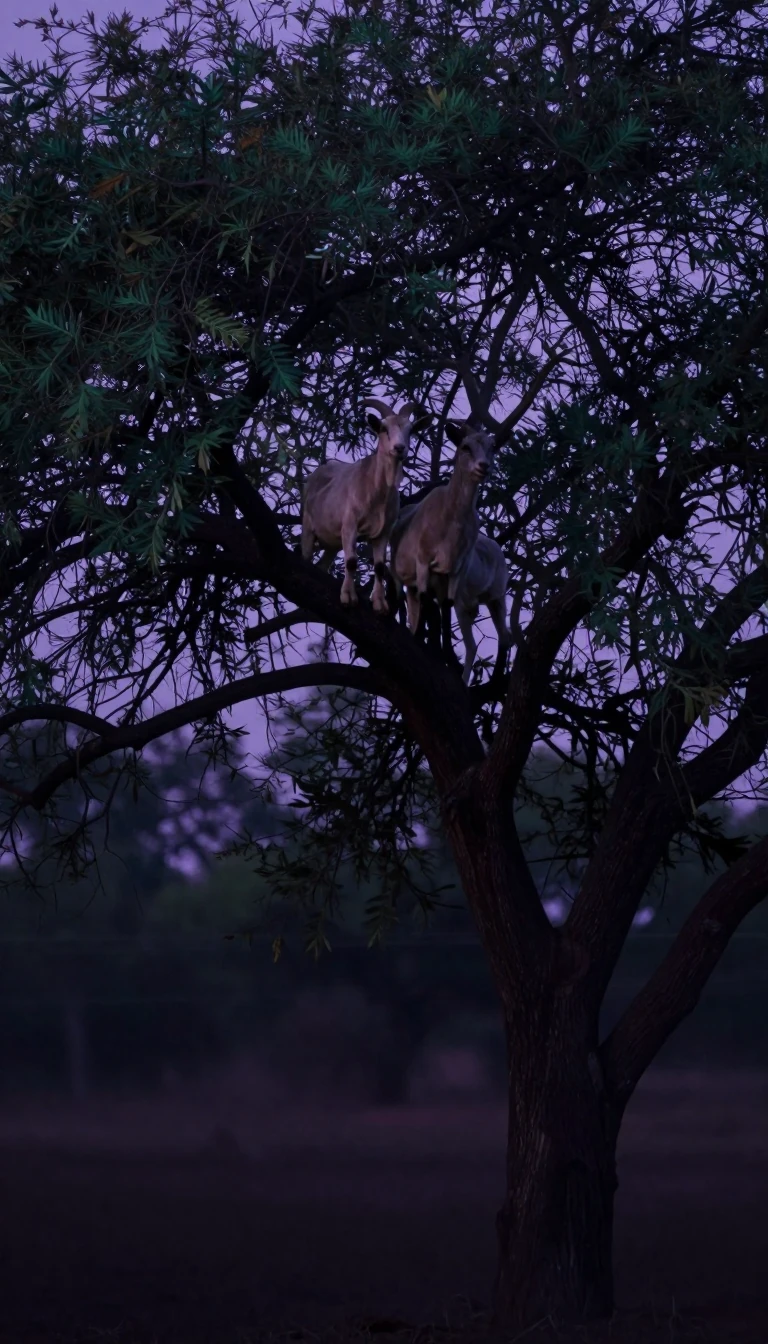 Why goats are the ultimate survivalists of the agricultural worldGoats are remarkably efficient at turning low-quality, scrubby vegetation into high-quality lean meat. Unlike cattle or sheep, which require lush pastures, goats thrive on land th…
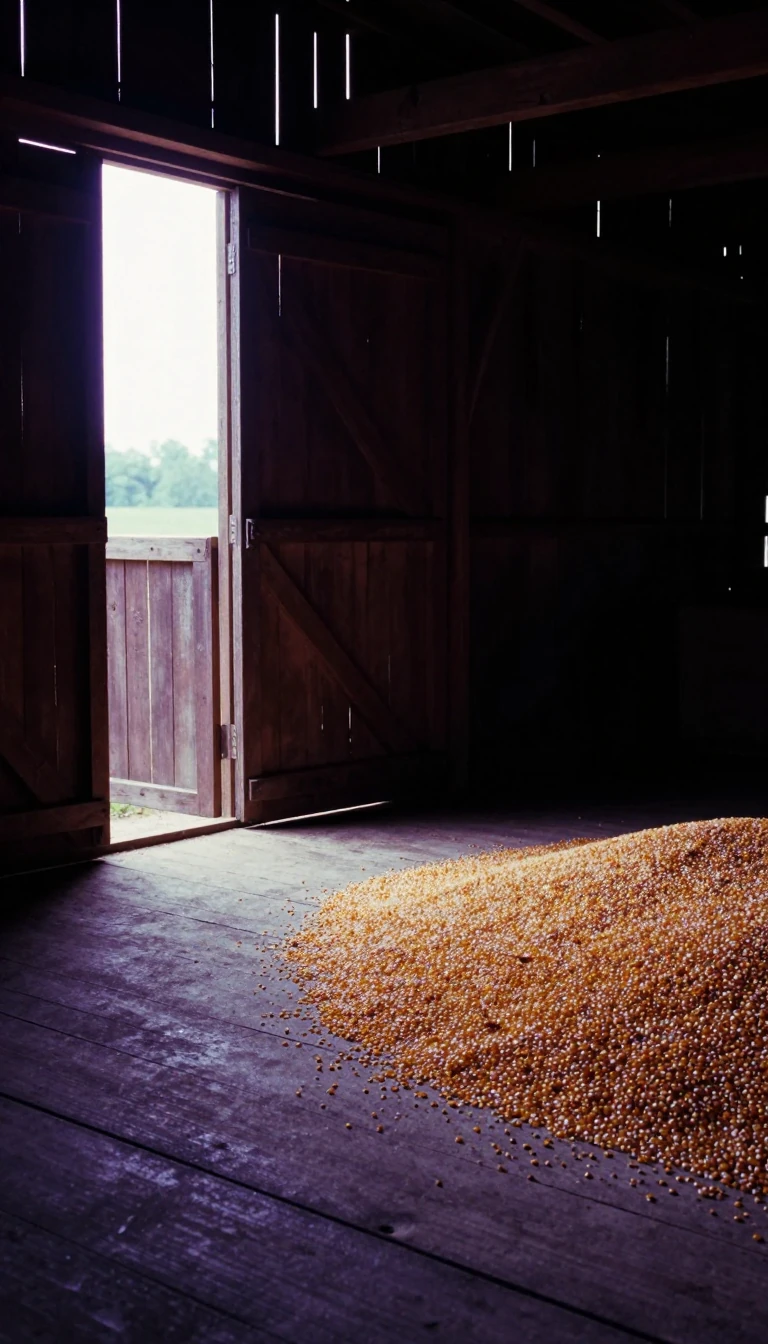 How a 19th-century mechanical innovation turned the American Midwest into a global breadbasket.Before 1843, loading grain was a slow, manual chore performed by stevedores with block and tackle. The invention of the steam-powered grain elevator in Buffalo, New York, revoluti…
 Why the smartest gardeners grow crops just to bury them back into the earthGreen manure is the practice of growing specific plants not for harvest, but to enrich your soil. By cultivating these crops during intervals between plantings, you suppress weeds…
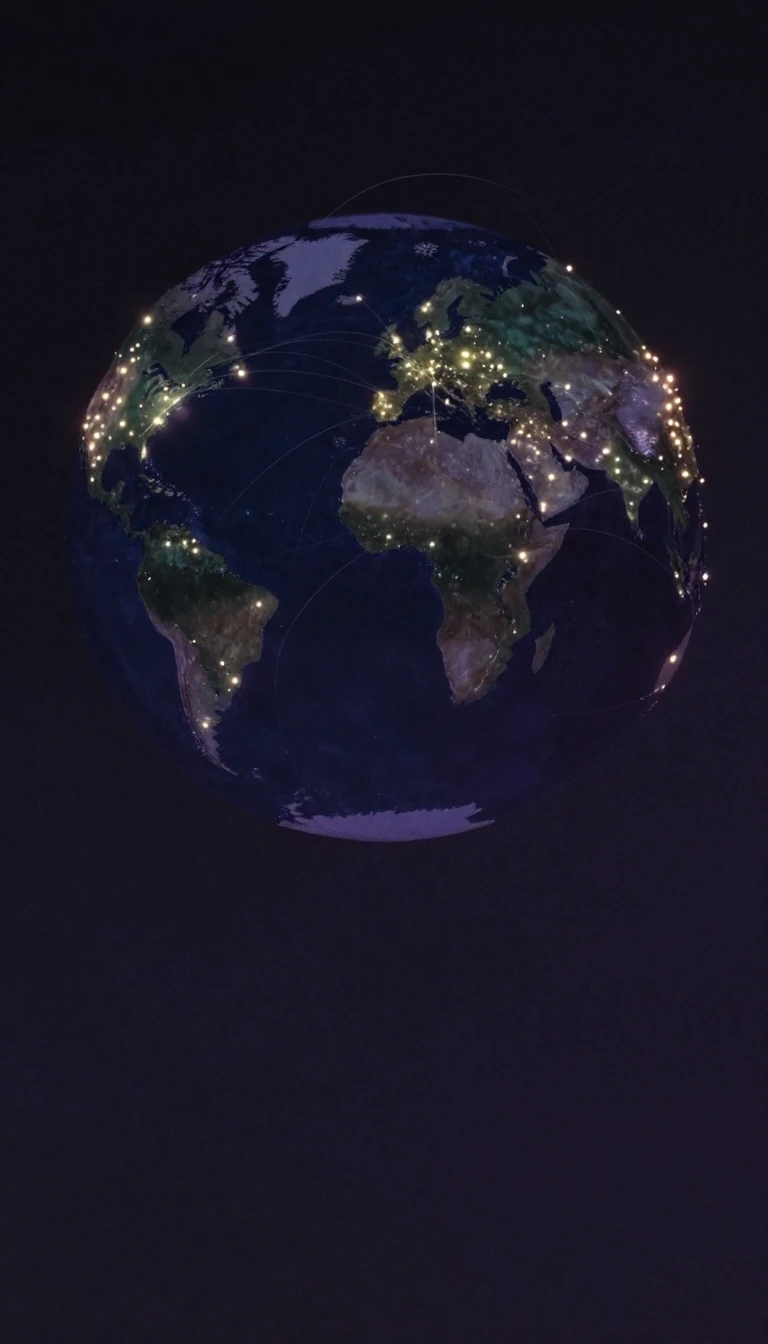 Why your garden's calendar is dictated by the tilt of the EarthThe growing season is not just a stretch of warm weather; it is a complex dance of latitude, altitude, and light. While geography sets the baseline for when your plants can thrive…
 Why ancient Romans used mosaics to warn intruders of their formidable guard dogsFor millennia, humans have relied on dogs to secure property and protect livestock. From the ancient Roman practice of warning visitors with floor mosaics to the specialized breed…
 A guide dog is not a navigator but a pilot who ensures safe passage.While the human handler acts as the navigator deciding the destination, the guide dog serves as the pilot, executing the journey safely. These highly trained animals do more than …
 Why some plants survive the deep freeze while others perish in the coldPlant hardiness is more than just a label on a nursery tag. It is a complex biological survival strategy, ranging from cellular dehydration to supercooling. Understanding how your…
- Why your garden zone might be a misleading guide to your plants' survivalThe USDA hardiness map is a staple for American gardeners, yet it relies on a single metric: the average annual extreme minimum temperature. While useful for gauging winter surviv…
 How secret wartime research into chemical weapons transformed global agriculture and food productionDuring the Second World War, scientists in the UK and US raced to develop herbicides as potential weapons. Their discovery of 2,4-D, a compound that selectively kills broad-leaved…
- Why the rigid horse collar was a turning point for ancient and medieval transportBefore the rigid collar, horses were limited by throat-and-girth designs that restricted their breathing and pulling power. The invention of the rigid collar changed this by shift…
- Can we turn aquaculture waste into a harvestable, profitable, and sustainable food source?Integrated multi-trophic aquaculture mimics natural ecosystems by cycling nutrients between species. By pairing fed organisms like salmon with extractive species like seaweed and …
 Stop trying to eradicate pests and start managing them for a healthier ecosystemIntegrated pest management shifts the focus from total annihilation to sustainable control. By combining biological, cultural, and mechanical strategies, this framework minimizes …
- How factory farming transformed the global food supply into a high-speed industrial machineIntensive animal farming maximizes output by confining thousands of animals in compact, automated facilities. By prioritizing efficiency and low costs, this system now produces ne…
 Why growing multiple crops together can outperform the standard single-species fieldModern agriculture often favors single-species fields for ease, but intercropping—growing two or more crops simultaneously—leverages ecological processes to boost yields. By caref…
 Why Japanese gardens are designed to be seen from a single, fixed pointJapanese gardens are not merely landscapes; they are carefully curated philosophical statements. By prioritizing evergreen structures over fleeting flowers and using rocks to repr…
 The Ingenious Design of the Lobster Trap: A Century of Marine EngineeringSince 1808, the lobster trap has evolved from simple wooden laths to sophisticated, plastic-coated metal frames. Designed to lure crustaceans into a one-way tunnel, these devices …
- Logging is more than just cutting trees; it is a high-stakes industrial supply chain.Logging provides the raw materials for our homes and paper, yet it remains one of the most dangerous professions on Earth. While modern mechanization has transformed how we harves…
- Longline fishing uses thousands of baited hooks to catch fish across the open ocean.Longline fishing is a massive commercial operation that deploys miles of line and thousands of hooks to target species like tuna and swordfish. While efficient, this technique is …
- Malathion is a potent neurotoxin that has been used for decades to control pests.First reported in 1952, malathion is a broad-spectrum organophosphate insecticide that functions by inhibiting acetylcholinesterase. While it is widely used in agriculture and pub…
 Manure is more than just waste; it is a complex engine for soil vitality.Beyond its reputation for odor, manure functions as a sophisticated biological tool. Whether sourced from livestock or grown as green crops, it transforms soil structure, feeds th…
- Can farming the open ocean solve the looming global seafood shortage by 2048?Mariculture, the cultivation of marine life in saltwater, is rapidly evolving from coastal pens to open-ocean systems. As wild fish stocks face potential collapse, this industry p…
 From coastal ponds to industrial tanks, how the world's shrimp farming evolvedShrimp farming has transformed from centuries-old, low-density coastal ponds into a high-tech global industry. Today, two species dominate the market, while intensive farming meth…
- Why the shift from manual labor to machines changed the global food landscape foreverMechanized agriculture transformed farming from a labor-intensive, subsistence-based activity into a high-output commercial engine. By replacing human and animal power with tracto…
 Once hailed as a safer alternative to DDT, methoxychlor is now a global pariah.Introduced in 1948, this synthetic organochloride insecticide was designed to control pests while avoiding the extreme bioaccumulation issues of its predecessor. Despite these ear…
 Why modern industrial farming relies on the risky, high-yield practice of monocultureMonoculture, the practice of growing a single crop on a vast acreage, is the backbone of modern industrial agriculture. While it streamlines production and maximizes profits throu…
 Why a simple layer of mulch is the ultimate secret to a thriving gardenMulching is more than just a tidy aesthetic choice. By covering bare soil with organic or inorganic materials, you create a powerful barrier that suppresses weeds, retains vital m…
- Why growing more than one crop on the same land could transform global agricultureMultiple cropping, the practice of cultivating several crops on the same plot within a single year, offers a powerful solution to food insecurity. By optimizing land use, farmers …
- Can abandoning the plow save our soil and fight climate change simultaneously?No-till farming replaces mechanical soil agitation with precise seeding and cover crops. While it promises reduced erosion, better water retention, and lower greenhouse gas emissi…
- How a simple four-year crop cycle sparked the British Agricultural RevolutionFor centuries, farmers left fields fallow to recover, wasting precious land. The Norfolk four-course system eliminated this downtime by rotating wheat, turnips, barley, and clover…
- Precision nutrient planning is the secret to higher yields and lower environmental impactEffective nutrient management is a balancing act between maximizing crop potential and minimizing waste. By integrating soil data, local climate conditions, and historical yields,…
 Olericulture is the precise science of cultivating herbaceous plants for your kitchen tableOlericulture is the specialized branch of horticulture dedicated to growing non-woody plants for food. From selecting the right cultivars to mastering soil preparation and crop ma…
 Why the humble pack animal remains a vital logistical force across the globeFrom the high-altitude trails of the Himalayas to the arid expanses of the desert, pack animals have served humanity for millennia. While modern infrastructure often renders them …
- The flooded fields that feed half the world and shaped ancient civilizationsPaddy fields are more than just flooded plots of land; they are the backbone of global food security. By submerging rice in shallow water, farmers have sustained billions for mill…
- Beyond the fence: Understanding the complex science behind the land that feeds livestockPasture is more than just a field of grass for animals to roam. It is a carefully managed ecosystem where soil, climate, and vegetation intersect to sustain life. From intensive, …
 The pavilion is a structure that shares its name with a deep-sea sponge.The word pavilion evokes images of stately garden structures or grand palace wings, but it also describes a cylindrical, Arctic-dwelling sponge. Both the architectural form and th…
- Why the healthiest looking nursery plants often fail to survive in the wildNursery production is a precise science of conditioning, yet visual appearance is a notoriously deceptive metric for quality. While foresters often rely on size and shape to judge…
- Why pay for new plants when you can clone your garden for free?Propagating plants is a simple, budget-friendly way to expand your green space without needing a degree in horticulture. By taking cuttings or dividing existing clumps, you can cr…
- Beyond the Farm: How Plantations Shaped Global Economies and LandscapesThe term plantation carries a heavy history, evolving from colonial estates built on forced labor to modern industrial sites. While often associated with historical cash crops lik…
- Plastic mulch boosts crop yields but leaves a lasting, toxic legacy in our soilPlastic mulch revolutionized agriculture by suppressing weeds, conserving water, and accelerating growth. Yet, this thin film creates a hidden environmental crisis. As the plastic…
 Pollarding: The Ancient Pruning Technique That Keeps Urban Trees Compact and HealthyPollarding is a specialized pruning method that maintains trees at a specific height by removing upper branches. While often used today to manage urban space and prevent obstructi…
 Why modern agriculture is turning to managed pollination to secure global food yieldsAs wild pollinator populations dwindle, farmers can no longer rely on nature to fertilize their crops. Pollination management—the strategic deployment of bees, insects, or even hu…
- Why growing multiple crops together is the ancient secret to modern agricultural resilienceFor centuries, farmers across the globe have thrived by planting diverse species in the same space at the same time. While industrial monoculture dominated the 20th century, this …
- Why the science of fruit cultivation is far more than just growing applesPomology is the specialized branch of horticulture dedicated to the research and cultivation of fruit and nut crops. From ancient Sumerian orchards to the USDA’s historic watercol…
- The hidden cost of your breakfast: how modern poultry farming shapes the bird's lifeFrom the industrial efficiency of battery cages to the resurgence of urban backyard coops, poultry farming is a complex global system. While billions of chickens are raised for me…