 Intellect Plus
Agriculture
261 cards. Each one is a 40-second story with a five-minute read behind it. Page 3 of 5.
 Pruning is more than just cutting; it is a precise intervention in plant biology.Pruning is the selective removal of plant parts to improve health, safety, and productivity. While it seems simple, the technique matters immensely. Proper cuts allow a tree to he…
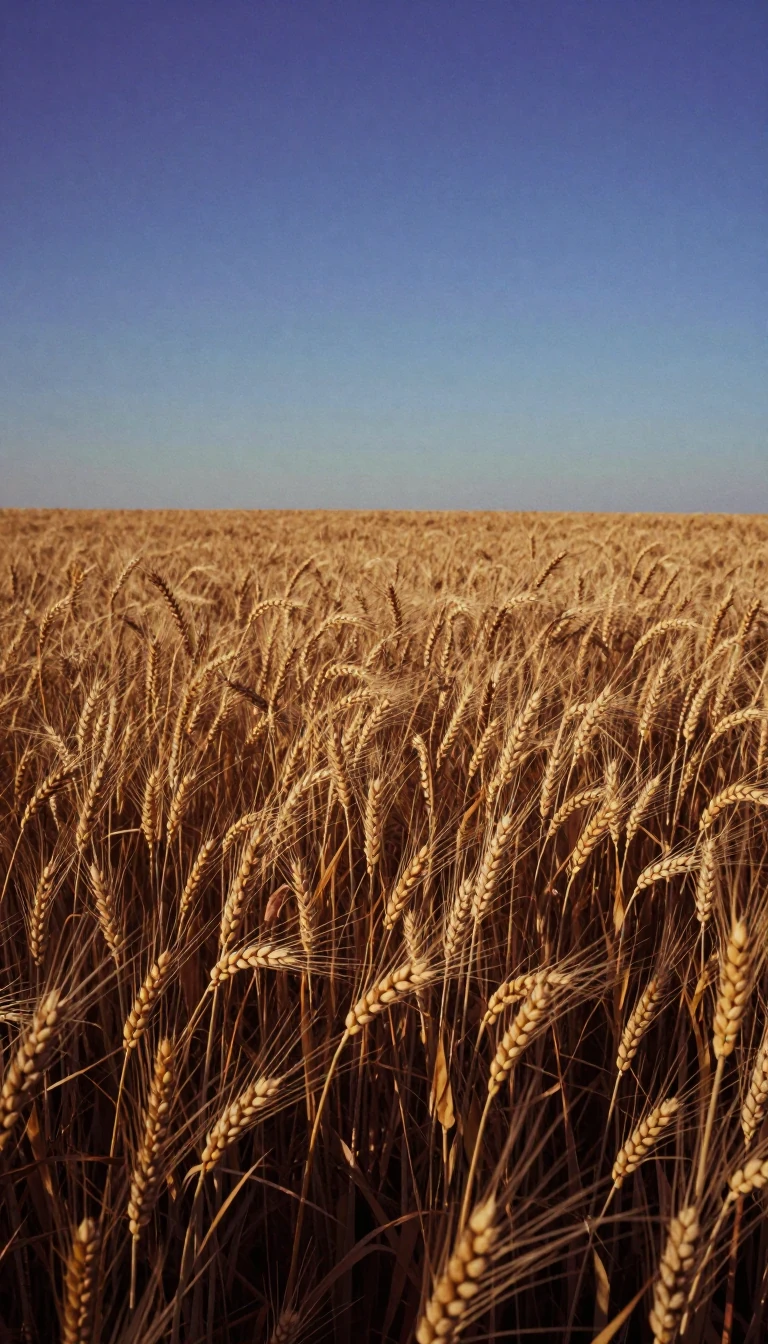 Why the world's most common farming method is also its most vulnerableRainfed agriculture sustains the majority of the world's poor, yet it remains precariously dependent on the whims of the sky. As climate change increases weather volatility, the r…
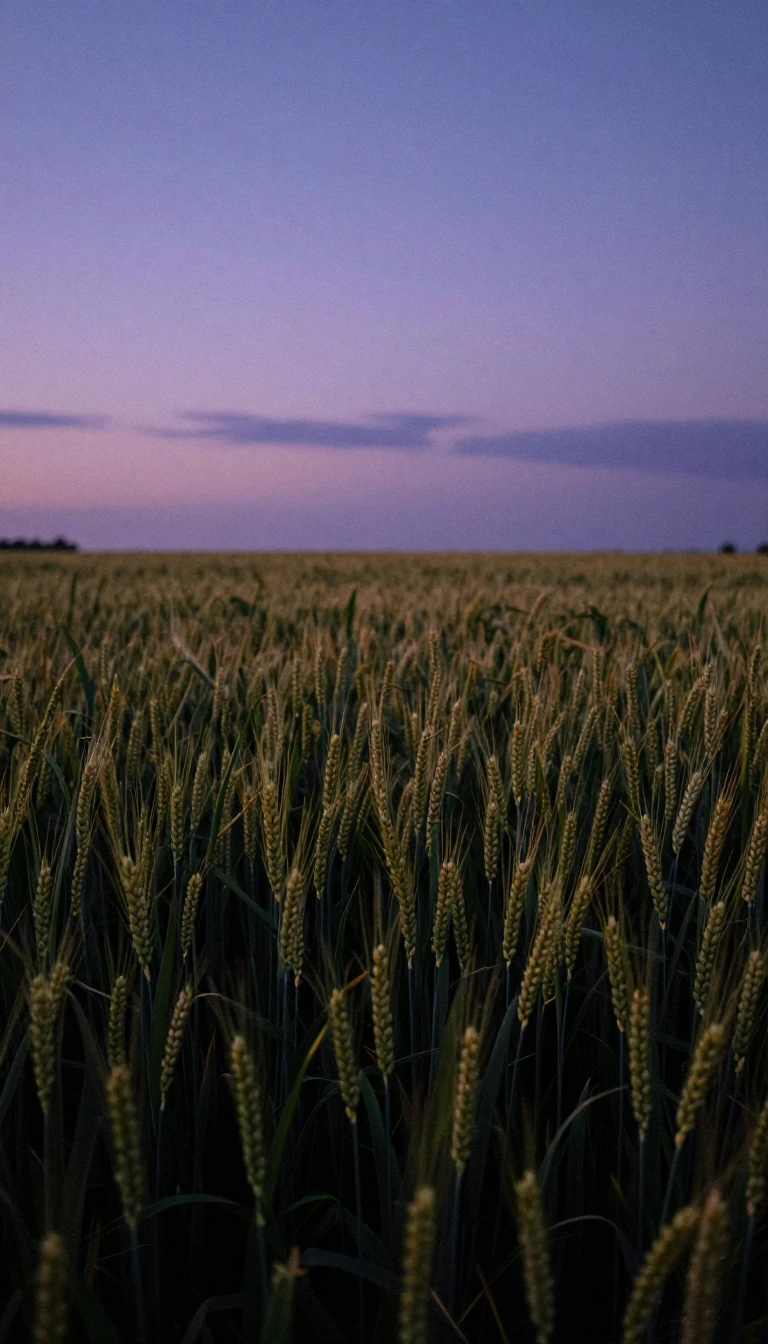 How ancient civilizations mastered extreme environments using simple, water-bound raised field agricultureLong before modern irrigation, ancient cultures from the Andes to Central America engineered sophisticated raised fields to thrive in unpredictable landscapes. By elevating soil a…
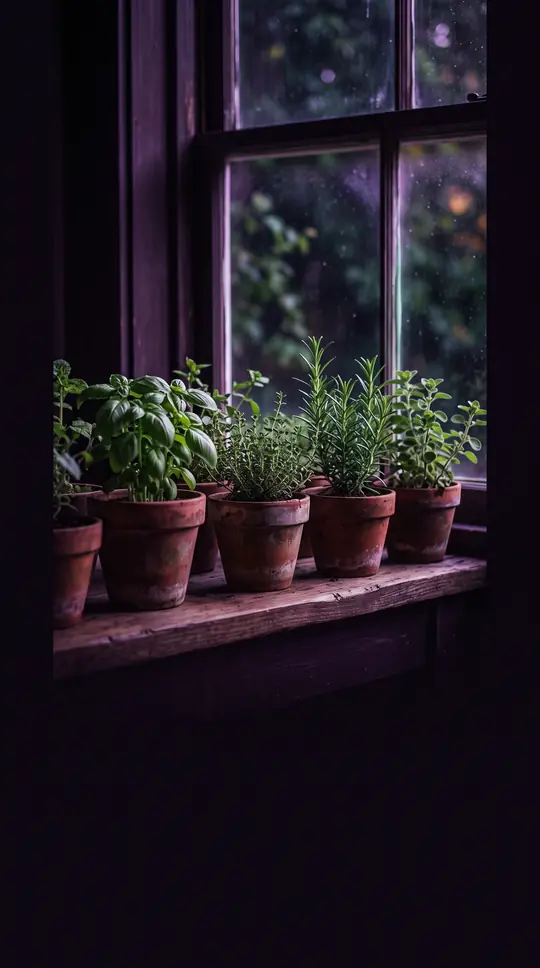 Why regenerative agriculture is more than just a list of farming practicesThe term regenerative agriculture is everywhere, yet it lacks a consensus definition. While some see it as a set of specific techniques, others view it as a philosophy of restorat…
 Why rodenticides are a double-edged sword for both pests and the wider ecosystemRodenticides are designed to eliminate pests, but their chemical mechanisms often pose severe risks to non-target wildlife and pets. From anticoagulants that block blood clotting …
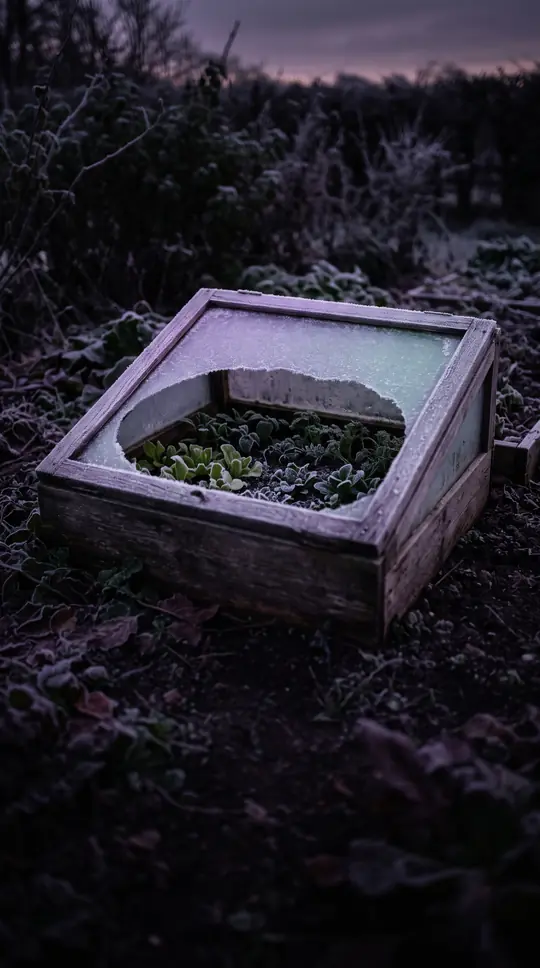 How to trick your garden into thinking it is still the height of summerSeason extension allows you to grow crops well beyond their natural limits. By manipulating light, temperature, and soil conditions through clever, low-tech interventions, you can…
 Seaweed farming is undergoing a massive resurgence as a sustainable, high-value global industry.Once a source of soda ash for 18th-century glassmakers, seaweed is now being cultivated for everything from food and beauty products to carbon sequestration. While wild harvesting…
 The secret to a thriving garden lies in the preparation of your seedbedA seedbed is more than just a patch of dirt; it is a carefully engineered environment designed to maximize germination. By refining soil structure and managing nutrients, you crea…
- From Stone Age flax to hydraulic power, how humanity perfected the art of seining.Seine fishing is an ancient technique that surrounds fish with a vertical net. From Stone Age societies using flax to modern industrial vessels employing hydraulic power blocks, t…
- The secret to silk is a tiny caterpillar spinning a mile of liquid protein.Sericulture is the ancient art of farming silkworms to harvest their cocoons. By feeding mulberry leaves to the domesticated Bombyx mori, producers obtain a continuous filament of…
 A service animal is a highly trained professional, not a pet or emotional support.Service animals are working professionals, not companions. Unlike emotional support animals, they undergo rigorous, individualized training to perform specific tasks for people wi…
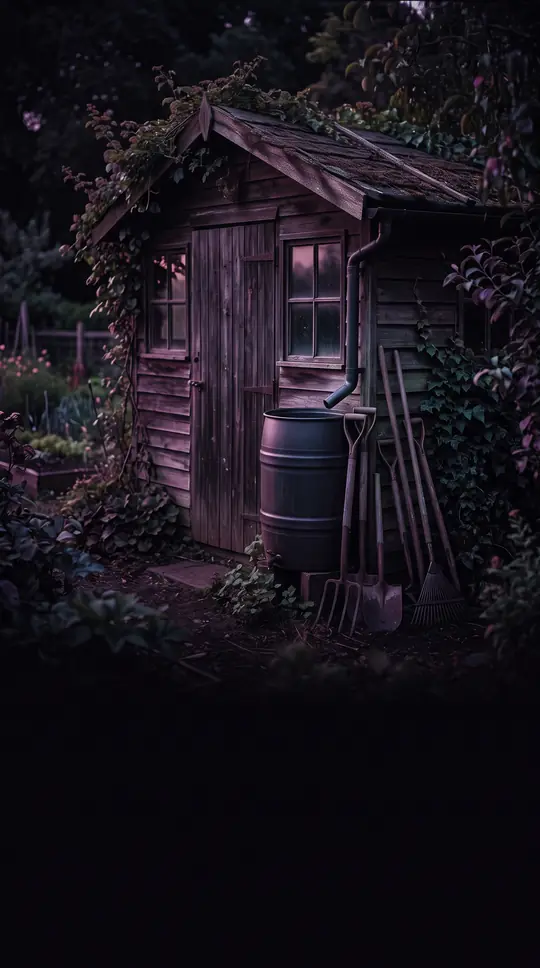 From humble hovel to backyard office: the surprising evolution of the garden shedThe word shed traces back to 1481, originally describing a simple hovel for keeping livestock. Today, these structures have evolved into sophisticated, multi-purpose spaces. Wheth…
 Why the global sheep industry relies on controversial procedures to manage millions of animals.Sheep farming is a massive global enterprise, yet it remains defined by intense, often painful management practices. From tail docking to castration, farmers balance economic viab…
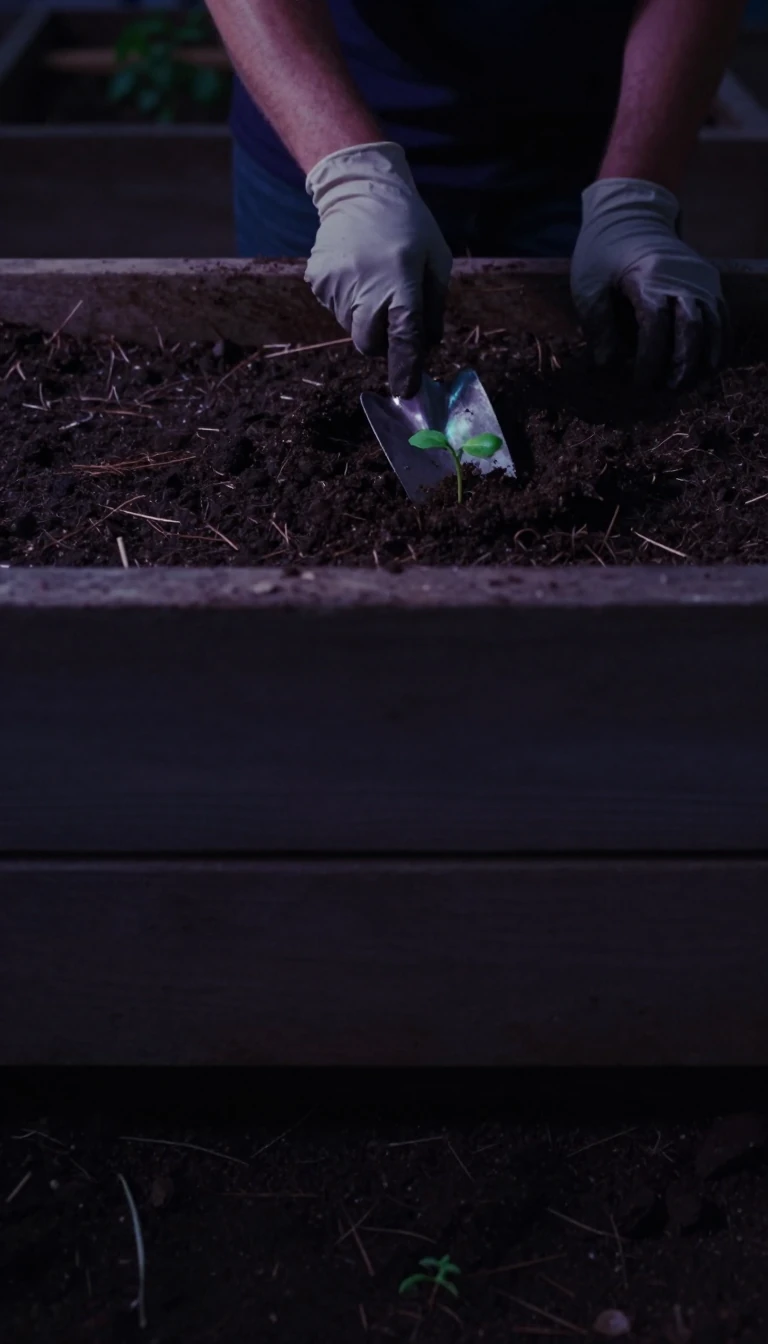 Silage is essentially a giant, controlled pickle jar for feeding livestock through the winter.By fermenting green crops in an oxygen-free environment, farmers create a stable, nutrient-rich feed that mimics the preservation power of yogurt or vinegar. This ancient techniqu…
- Silviculture is the precise art of managing forest growth to secure our timber needs.Silviculture is more than just forestry; it is the applied science of controlling the establishment, composition, and health of forest stands. By mastering the life history of tre…
 Is slash-and-burn agriculture an ancient ecological disaster or a sustainable survival strategy?For millennia, indigenous farmers have cleared forest plots with fire to nourish crops with nutrient-rich ash. While often condemned as a driver of modern deforestation, this trad…
 The hidden history and human toll of the modern industrial slaughterhouseOnce haphazard, open-air operations, slaughterhouses evolved into highly regulated, centralized institutions during the 19th century. Yet, this shift toward efficiency and mass pr…
 Why the world's most grueling sled race is moving north every decadeThe Iditarod, a 1,100-mile test of endurance across the Alaskan wilderness, is being reshaped by a warming climate. Once a mail route, the race now faces shifting snow patterns th…
 The Smokey Orchard Heaters That Once Defined California Agriculture and Modern WarfareBefore modern climate control, farmers relied on smudge pots to blanket citrus groves in protective smoke. These oil-burning devices saved crops from devastating frosts for decade…
 Why irrigation is inadvertently turning the world's most fertile farmland into salt flatsIrrigation is meant to sustain crops, but it often leaves behind a hidden, toxic legacy. Every drop of water carries dissolved minerals that remain in the soil once the moisture e…
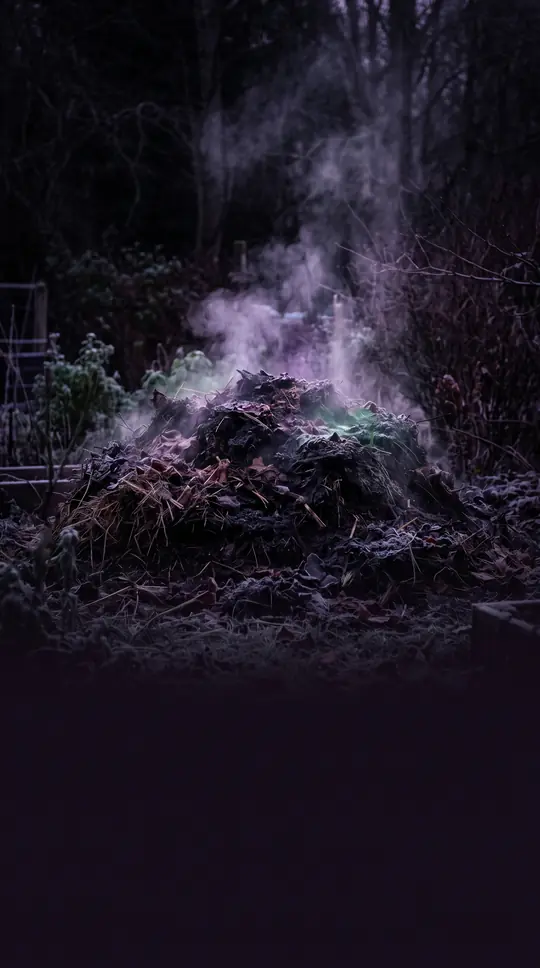 Why modern farmers are turning to high-heat steam to disinfect their fieldsSoil steam sterilization is a powerful, chemical-free method to revitalize tired earth. By heating soil to extreme temperatures, farmers can eliminate weeds, pathogens, and pests …
- Master the art of sowing to ensure a constant harvest throughout the yearSowing is more than just dropping seeds into dirt; it is a precise orchestration of timing, environment, and technique. Whether you are direct sowing into garden beds or starting …
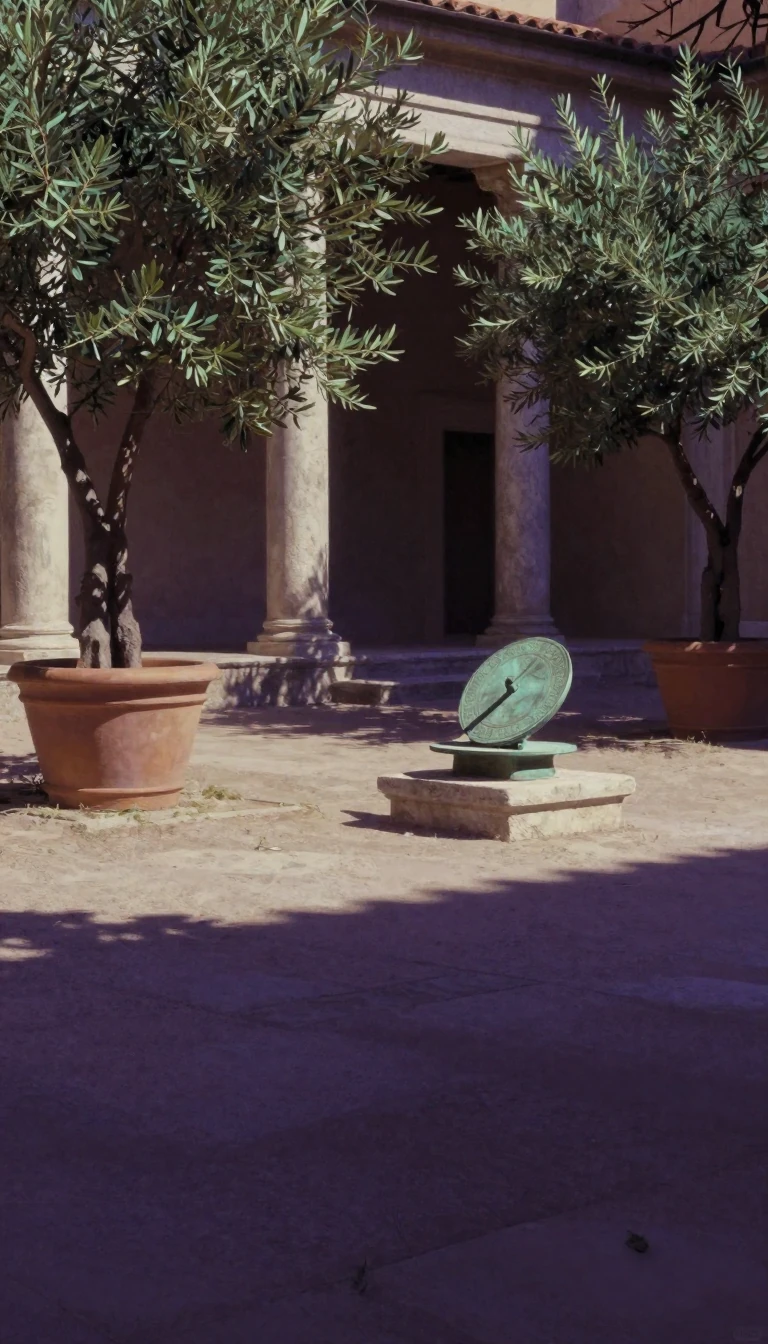 The Spanish garden is a masterclass in cooling a sun-drenched landscape through ancient designFar beyond simple aesthetics, the traditional Spanish garden functions as a sophisticated climate-control system. By blending ancient Persian, Roman, and Moorish influences, these…
 Beyond the farm, straw is a versatile, high-performance material hiding in plain sight.Often dismissed as mere agricultural waste, straw is a complex lignocellulosic biomass with surprising structural and thermal potential. From insulating modern homes to fueling po…
 Teikei: The Japanese Philosophy of Food With a Farmer's FaceLong before community-supported agriculture became a global trend, Japanese consumers were bypassing conventional markets to forge direct, trust-based links with local farmers. Kn…
 Terracing turns impossible mountainsides into the world's most productive and enduring agricultural landscapesFor millennia, farmers have carved mountains into staircases to defy gravity and erosion. From the ancient Andes to the Mediterranean, these earthworks transform steep, unusable s…
 Tetraethyl pyrophosphate: A potent neurotoxic insecticide that was once a scientific curiosity.Discovered in 1854, this colorless liquid was initially tasted by its own creator without immediate illness. Today, it is recognized as a highly hazardous organophosphate insectic…
- How a medieval shift in crop rotation fueled a massive agricultural revolutionBefore the three-field system, farmers left half their land fallow every year. By dividing fields into thirds and introducing legumes, medieval agriculture suddenly produced more …
- Topiary is the ancient art of sculpting living plants into intricate, geometric, or fanciful shapes.Far from mere gardening, topiary is a form of living sculpture that transforms evergreen shrubs into everything from simple spheres to elaborate, knotted ribbons. Whether you are …
- Once a staple of American cotton fields, this toxic pesticide lingers in our environment.Toxaphene was once the most widely used pesticide in the United States, blanketing southern cotton crops. Though banned decades ago, this complex mixture of chlorinated compounds …
- Moving a mature tree is a high-stakes operation that requires careful, year-long preparation.Relocating established trees and shrubs is inherently stressful, often risking the plant's survival. While young specimens adapt well, plants settled for over five years require p…
- From ancient stone traps to modern steel, the art of capture remains controversial.Trapping has evolved from Neolithic survival tools to sophisticated, regulated devices used for pest control and wildlife management. While some methods are designed for quick, hu…
 Why growing temperate crops in the tropics is a complex horticultural challengeTropical horticulture, or TropHort, focuses on cultivating plants within equatorial regions. While these areas cover 36 percent of the Earth's surface, they present unique obstacl…
- Urban agriculture is not a modern trend but a survival strategy spanning five millennia.From ancient Mesopotamian city walls to modern vertical farms, urban agriculture has long served as a vital tool for food security. While often viewed as a grassroots hobby, it is…
 Could your city feed itself? The untapped potential of urban horticulture is massive.As the global population shifts toward urban centers, cities are re-evaluating their relationship with food. While modern urban horticulture is often seen as a niche hobby, resear…
- Why the best garden fertilizer is actually the product of worm digestionVermicomposting turns kitchen scraps into nutrient-dense soil conditioner using specific species of surface-dwelling worms. Unlike traditional composting, this process requires no…
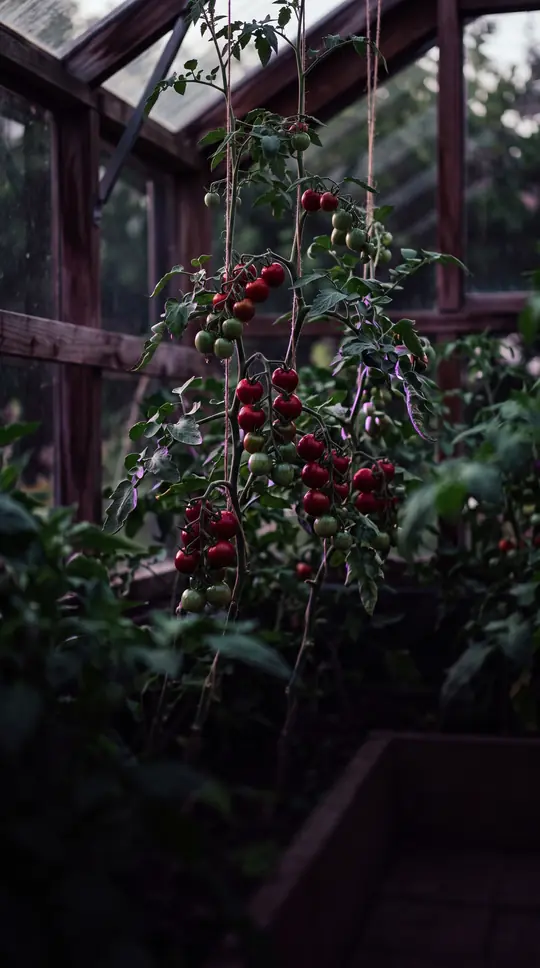 Why the world's finest wines rely on the precise science of grape cultivationViticulture is far more than simple farming. It is a complex horticultural science where climate, soil, and slope—collectively known as terroir—dictate every nuance of a wine. Fro…
 Ancient Andean farmers engineered a climate-defying irrigation system that still works todayLong before modern technology, pre-Hispanic cultures in the Andes mastered a sophisticated agricultural method known as Waru Waru. By alternating raised planting beds with water-f…
- How a simple agricultural tool became a sacred cradle for gods and kingsWinnowing is the ancient art of separating grain from chaff using the wind. While its primary purpose was agricultural efficiency, the humble winnowing fan held a profound place i…
 From truffle hunters to mine sweepers, animals have been our partners for millenniaLong before the dawn of modern agriculture, humans began training animals to perform specialized tasks. Today, these working animals do far more than pull plows or carry heavy loa…
 Why your local market garden is ditching supermarket staples for global heirloom varietiesMost gardeners view early spring as a productivity gap, but growers Grace and Dylan have mastered year-round harvests. By ditching standard supermarket fare for unusual heirloom c…
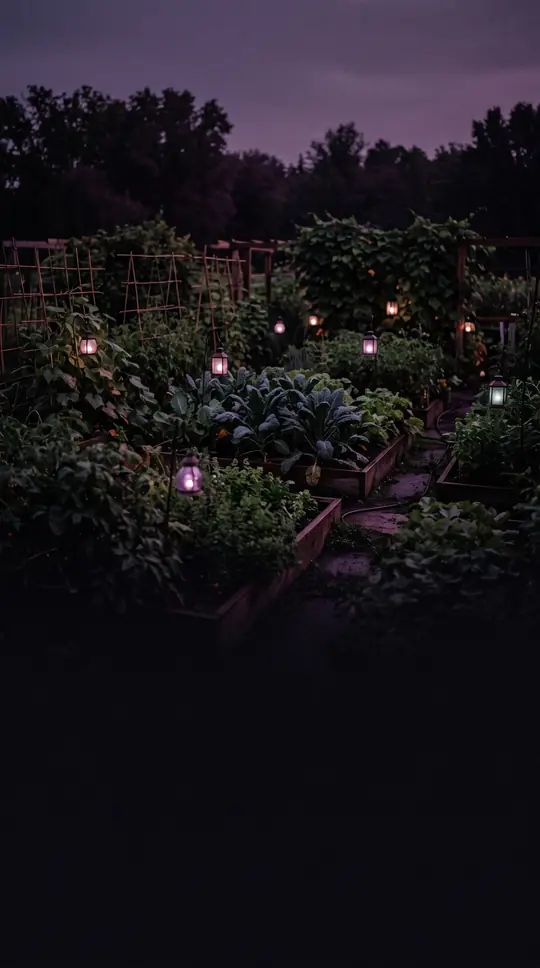 Transform your winter garden from a dormant patch into a productive, nutrient-rich food sourceWinter gardening requires a strategic shift in how you manage soil and crop selection. By choosing the right varieties, mastering succession planting, and utilizing green manures,…
- Potatoes and sweet potatoes are not related, but both thrive in large containersThough often grouped together as starchy tubers, potatoes and sweet potatoes belong to entirely different botanical families. Potatoes are nightshades, while sweet potatoes are re…
 Why the secret to a perfect watermelon is treating it like a desert plantWatermelons are not the thirsty crops many assume. In the rural town of Chinchilla, farmers rely on dryland growing to produce thousands of fruits. By forcing the plants to work h…
 How a Melbourne community farm is reconnecting African migrants to their agricultural rootsFor many migrants, moving to a new country means losing their lifelong connection to the soil. Thuch Ajak, a South Sudanese refugee, is changing that. By founding the United Afric…
- Why supermarket garlic is a poor choice for your home garden harvestGarlic is a low-maintenance, sun-loving crop that thrives in well-drained soil. While it is tempting to use bulbs from the grocery store, experts warn against it due to potential …
- How one man’s crusade against potato regulation transformed an entire state’s agricultural landscapeTony Galati, known as the Spud King, spent two decades challenging Western Australia’s strict potato licensing laws. His battle was personal, rooted in his father’s loss of a live…
- How a Tasmanian family farm preserves heritage fruits through generations of careful cultivationIn the cool climate of Tasmania, a multigenerational farm thrives by blending German heritage with specialized horticultural techniques. From century-old raspberry stock to thornl…
- Why autumn is the secret season for planting your most productive winter vegetable gardenAutumn is not just for clearing away summer debris; it is a vital window for establishing hardy crops. By planting now, you can ensure a steady supply of fresh produce through the…
 The word 'Paradise' began as a description of a walled gardenBefore it was a spiritual concept of the afterlife, 'Paradise' was a physical place of engineering. Originating in ancient Persia, these gardens were designed to manifest a terres…
- Can we feed the future by stacking our food in skyscrapers?Imagine a farm that requires no soil, no sunlight, and no vast acreage. From 1999's vision of skyscraper farms to modern shipping container setups, vertical farming promises year-…
- How ancient farmers separated grain from straw before the age of machinesBefore the combine harvester, preparing grain was a grueling, manual ordeal. In the late 18th century, nearly a quarter of all agricultural labor was dedicated solely to threshing…
- Why abandoning your fields might be the best way to farmIn many tropical regions, the secret to long-term fertility isn't adding more fertilizer, but walking away. Shifting cultivation relies on a rhythmic cycle of use and rest, allowi…
- Why farmers grow crops that no one can actually eatWhile most agriculture focuses on filling our plates, a massive sector of farming exists to fuel our factories. These industrial crops provide the raw materials for everything fro…
- How to clone your garden without ever using seedsSome plants possess a hidden instinct to clone themselves. By mimicking this natural behavior through layering, you can grow new, independent plants while they are still safely no…
 How a 1920s invention transformed the global seafood industryCrabbing is a primal pursuit, but the modern way we harvest it is a marvel of engineering. From the Chesapeake Bay to the Alaskan coast, a specific design from the 1920s revolutio…
 How gaseous poisons can completely sanitize a space without leaving a traceFumigation uses toxic gases to suffocate pests and microorganisms by filling an entire area. While highly effective for treating buildings, soil, or grain, this method is inherent…
- The hidden math behind the global antibiotic crisis in livestockGlobal leaders have pledged to slash antimicrobial use in food systems by 2030. However, new projections suggest that without intervention, the sheer volume of antibiotics used in…
- How a single chemical can protect both garden crops and rhinosAcaricides are specialized pesticides designed to eliminate arachnids like mites and ticks. While they serve vital roles in agriculture and medicine, these substances are also bei…
- How many vegetables can one small garden bed produce in a single year?Witness the efficiency of intensive gardening through a year-long study of a single 1.2 x 2.1m plot. This video tracks multiple successive harvests and interplantings from early s…